EU Ukraine bloc, Trump nuclear summit & AI treaty
The European Union has rejected bilateral U.S.-Russia security talks to establish its own negotiating bloc on Ukraine, while plans emerge for a trilateral nuclear summit between Donald Trump, Xi Jinping, and Vladimir Putin. Meanwhile, Washington and Moscow have joined forces at the United Nations to block a proposed ban on autonomous weapons.
17 stories85 sources checked
Listen to this edition
PiBrief Geopolitics, November 16, 2026
The lineup
In this edition
 01
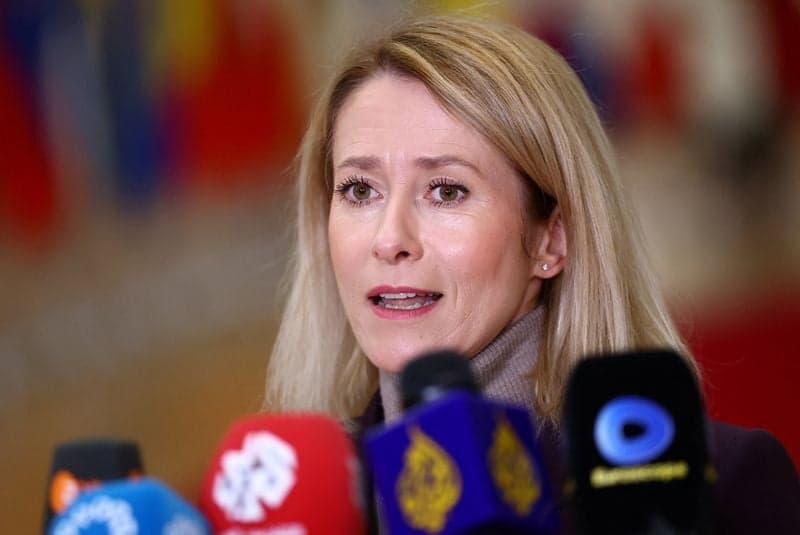
EU Rejects U.S.-Russia Security Talks, Forms Own Negotiating Bloc on Ukraine
 02
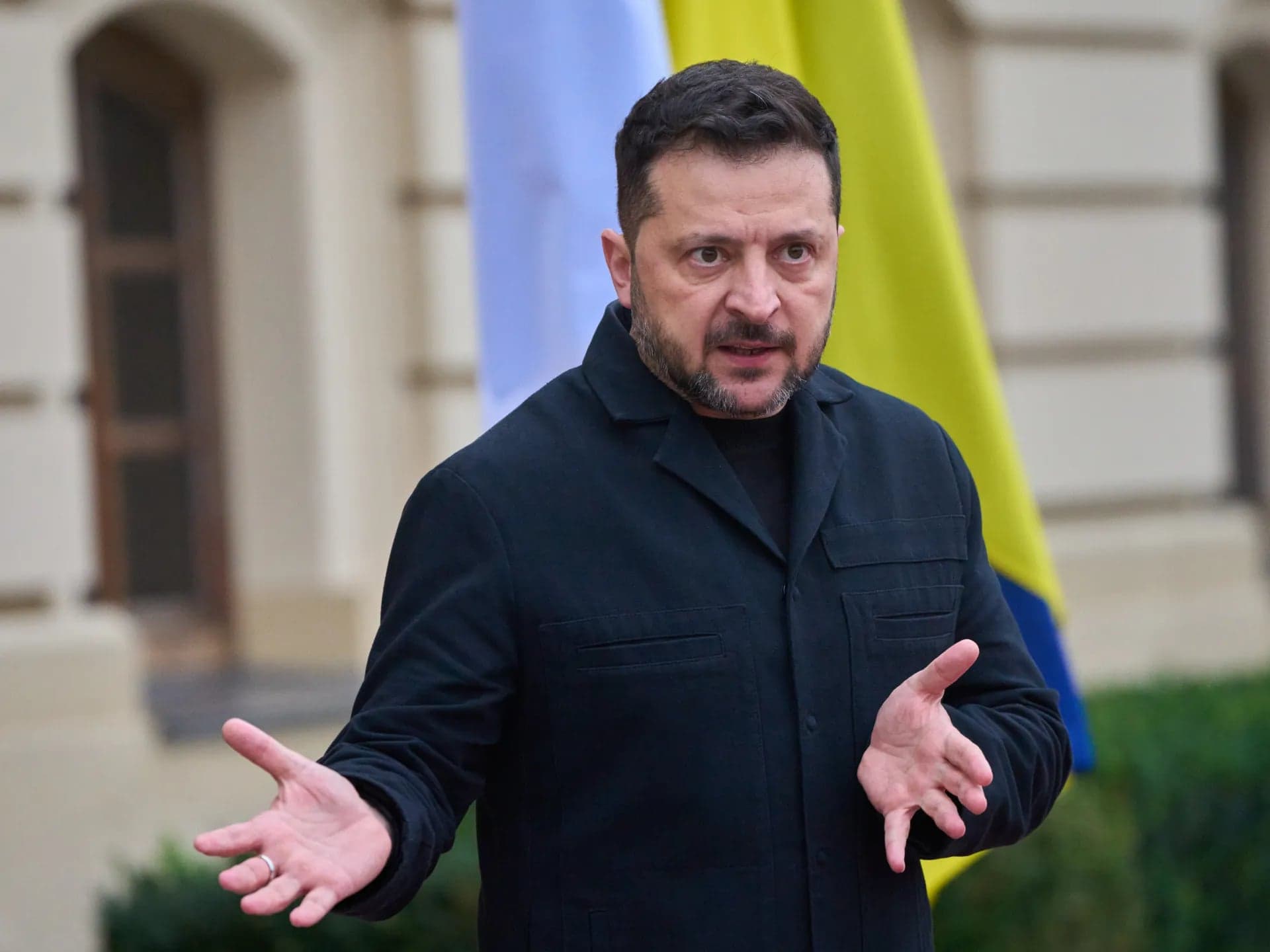
US Proposes Donbas Territory for NATO Membership in Ukraine Peace Talks
 03
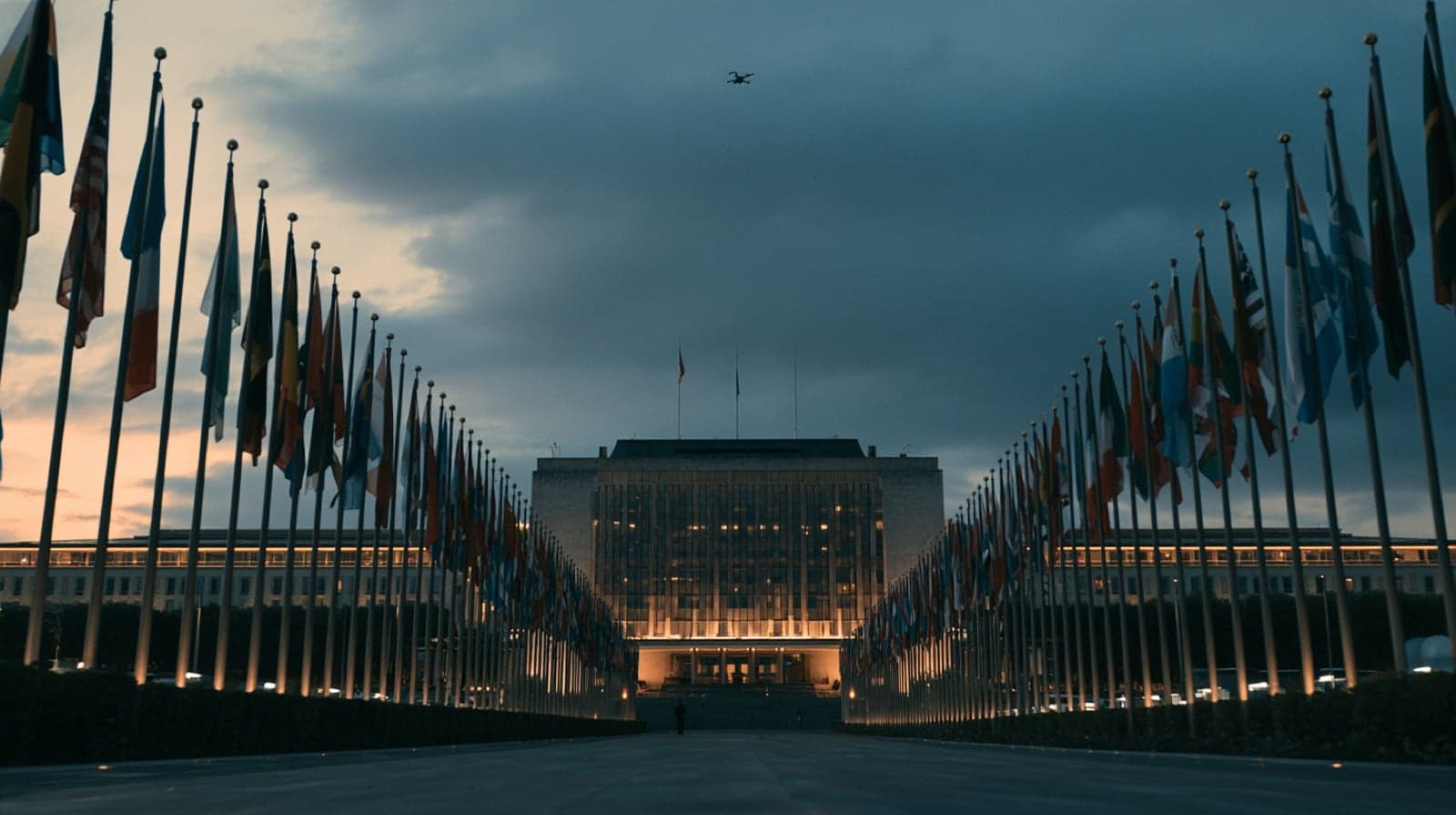
US and Russia Block UN Treaty on Autonomous Weapons
- 04
France, UK Launch Initiative to Interdict Russia's 'Shadow Fleet' of Sanctions-Evading Tankers
 05
Saudi Arabia Seeks EU Naval Escorts for Hormuz Strait, Expanded Mission Aspides
 06
ECO Summit Convenes in Islamabad to Mediate U.S.-Iran Tensions
 07
Trump to Hold Trilateral Nuclear Summit with Xi and Putin in Shenzhen
 08
Allied Nations Forge Pact to Secure AI and Semiconductor Supply Chains
 09
Western Coalition Urges Israel to Allow Gaza Aid Amidst Winter Crisis
 10
ASEAN and South Korea Forge Strategic Alliance with FTA Upgrade and AI Initiatives
- 11
China Bolsters ASEAN Ties with Economic and Tech Initiatives at Manila Summit
 12
Canada Seals Trade and Security Pacts with ASEAN and the Philippines
 13
Australia and Philippines Strengthen Defense Ties with New Cooperation Arrangement
- 14
Japan, South Korea Deepen Ties with Shuttle Diplomacy Ahead of Summits
 15
Brazil Seeks South-South Economic Ties with Southeast Asia Amid Tariff Concerns
 16
European Nations Accede to Southeast Asia's Treaty of Amity and Cooperation
 17
EU Considers Policy Shift Towards Structured Partnership with Syria
See all 17 as a listHide the list
- EU Rejects U.S.-Russia Security Talks, Forms Own Negotiating Bloc on Ukraine
- US Proposes Donbas Territory for NATO Membership in Ukraine Peace Talks
- US and Russia Block UN Treaty on Autonomous Weapons
- France, UK Launch Initiative to Interdict Russia's 'Shadow Fleet' of Sanctions-Evading Tankers
- Saudi Arabia Seeks EU Naval Escorts for Hormuz Strait, Expanded Mission Aspides
- ECO Summit Convenes in Islamabad to Mediate U.S.-Iran Tensions
- Trump to Hold Trilateral Nuclear Summit with Xi and Putin in Shenzhen
- Allied Nations Forge Pact to Secure AI and Semiconductor Supply Chains
- Western Coalition Urges Israel to Allow Gaza Aid Amidst Winter Crisis
- ASEAN and South Korea Forge Strategic Alliance with FTA Upgrade and AI Initiatives
- China Bolsters ASEAN Ties with Economic and Tech Initiatives at Manila Summit
- Canada Seals Trade and Security Pacts with ASEAN and the Philippines
- Australia and Philippines Strengthen Defense Ties with New Cooperation Arrangement
- Japan, South Korea Deepen Ties with Shuttle Diplomacy Ahead of Summits
- Brazil Seeks South-South Economic Ties with Southeast Asia Amid Tariff Concerns
- European Nations Accede to Southeast Asia's Treaty of Amity and Cooperation
- EU Considers Policy Shift Towards Structured Partnership with Syria
Story 1 of 17
2 min read
EU Rejects U.S.-Russia Security Talks, Forms Own Negotiating Bloc on Ukraine
The European Union has firmly rejected backchannel peace proposals regarding Ukraine that bypass its direct involvement. EU High Representative Kaja Kallas dismissed Moscow's terms as 'absurd,' insisting a ceasefire must precede any discussion on continental security architecture. The EU has established a unified negotiating team, including Britain, France, Germany, Italy, and Poland, to present a consolidated European voice and prevent external powers from dictating regional terms.
Read the full storyFold the full story2 min · 8 sources
The European Union moved decisively to arrest momentum behind backchannel peace proposals regarding the war in Ukraine, drawing a strict line against negotiating Europe's broader security architecture prior to a cessation of hostilities[1]. Speaking ahead of the EU Foreign Affairs Council in Brussels, EU High Representative for Foreign Affairs and Security Policy Kaja Kallas dismissed Moscow's terms as "absurd" and insisted that a comprehensive ceasefire must precede any diplomatic discussions regarding continental security[2][1]. European leaders established a unified negotiating team consisting of non-EU member Britain alongside France, Germany, Italy, Poland, and EU institutions, formalizing a consolidated European voice designed to prevent external powers from dictating regional boundaries[3][1].
The diplomatic friction follows a quiet round of U.S.-mediated discussions held in Abu Dhabi, where the Trump administration urged European allies and Kyiv to evaluate Russian proposals for a redesigned European security structure[2][4]. Moscow’s conditions reportedly centered on rolling back NATO troop deployments and infrastructure to pre-1999 expansion lines - effectively neutralizing the defensive posture of Eastern European member states - while demanding Ukrainian territorial concessions across the Donbas[2][4]. Alarmed that Washington might accept a great-power bargain at Europe’s expense, EU foreign ministers coordinated a firm rebuttal, emphasizing that accepting Moscow's framework would effectively reward aggression and undermine foundational agreements like the 1975 Helsinki Final Act and the 1994 Budapest Memorandum[5].
The maneuvering involves a wide array of European diplomats, including French Foreign Minister Jean-Noël Barrot, Lithuanian Foreign Minister Kęstutis Budrys, Latvian Foreign Minister Baiba Braže, and Swedish Foreign Minister Maria Malmer Stenergard[6][7][8]. Budrys warned European counterparts not to fall into a "Russian trap" of trading security guarantees while Moscow continues hybrid warfare and missile strikes on Ukrainian power grids ahead of winter[1][4]. Simultaneously, ministers initiated work on their own list of "maximum demands," deploying European leverage through retained sanctions regimes and the phased mobilization of frozen Russian sovereign assets[2][5].
This policy divergence represents one of the most consequential transatlantic rifts over Eastern European stability in decades. By establishing an independent European diplomatic front, Brussels is signaling to both the White House and the Kremlin that no binding settlement altering European defensive treaties can be brokered over the heads of continental capitals[1][4]. The stance marks an under-the-radar institutional transition toward European strategic autonomy, demonstrating that European powers are willing to actively disrupt U.S.-led diplomatic tracks if core collective defense principles are compromised[1][4].
- European Union
- Kaja Kallas
- NATO
Story 2 of 17
2 min read
US Proposes Donbas Territory for NATO Membership in Ukraine Peace Talks
U.S. negotiators have proposed a controversial settlement for Ukraine, offering NATO membership in exchange for Ukrainian withdrawal from the Donbas region. This proposal emerged after extensive diplomatic discussions involving U.S. envoys, Ukrainian President Zelenskyy, and Russian officials. The plan faces opposition from frontline NATO states concerned about bilateral bargaining over sovereign territory.
Read the full storyFold the full story2 min · 9 sources
Ukrainian President Volodymyr Zelenskyy disclosed that United States negotiators have proposed a diplomatic settlement pathway that would trade Ukraine's eastern Donbas territory for membership in the North Atlantic Treaty Organization (NATO)[1][2]. Speaking to reporters following meetings with U.S. special envoys Steve Witkoff and Jared Kushner, Zelenskyy revealed that American mediators formally queried whether Kyiv would be prepared to withdraw its forces from the remaining areas of the Donbas region in exchange for full accession to the transatlantic alliance and its Article 5 collective defense guarantees[3][4][2].
The controversial proposal surfaced after an intensive, quiet diplomatic shuttle conducted across Abu Dhabi, Moscow, and Dublin[1]. After concluding direct discussions between Ukrainian and Russian negotiating teams in the United Arab Emirates, Witkoff and Kushner traveled to Moscow to confer with Russian President Vladimir Putin before flying to Ireland to present the framework directly to Zelenskyy[1][4]. Concurrently, leaked Russian negotiating points confirmed that Moscow continues to posture from maximalist demands, demanding NATO roll back its Eastern European forward deployments to where they stood in 1997 - an ultimatum that would bar allied troops and weapons systems from countries like Poland, the Czech Republic, and the Baltic states[5][4].
Zelenskyy reaffirmed that Ukraine’s official stance remains opposed to the unilateral ceding of sovereign territory, though he acknowledged that the question of NATO membership has been firmly re-injected into peace talks[6][2]. The Ukrainian leader emphasized that any potential territorial compromise could only be considered as part of an ironclad security package - one that guarantees Western defense obligations, an uncapped and heavily modernized Ukrainian domestic military, and substantial post-war reconstruction funds - and that any final arrangement would have to be put to a binding national referendum[7][2].
The revelation has provoked sharp concern among NATO's frontline member states, particularly in Poland, Estonia, Latvia, and Lithuania, whose governments have long resisted any diplomatic deal struck over the heads of sovereign nations[8]. European leaders have renewed an urgent push to ensure the European Union secures direct representation at future negotiation tables, debating whether Finnish President Alexander Stubb or Czech President Petr Pavel should be appointed as a unified high-level peace envoy[9]. In Brussels, European Commission President Ursula von der Leyen held emergency consultations with Ukrainian Prime Minister Serhii Koretskyi to review security arrangements and reaffirm Europe's insistence that European security architecture cannot be dismantled through bilateral American-Russian bargains[8][3].
- Ukraine
- United States
- NATO
Story 3 of 17
2 min read
US and Russia Block UN Treaty on Autonomous Weapons
The United States and Russia have joined forces to oppose a binding UN treaty on lethal autonomous weapons systems (LAWS) at a review conference in Geneva. Despite broad international support for legal prohibitions on 'killer robots,' both nations argued that existing international humanitarian law is sufficient.
Read the full storyFold the full story1 min · 1 source
At the opening of the week-long Review Conference of the Convention on Certain Conventional Weapons (CCW) in Geneva, the United States and Russia aligned in joint opposition against a broad multilateral initiative to negotiate legally binding international restrictions on lethal autonomous weapons systems (LAWS)[1]. Despite an overwhelming consensus among non-aligned and medium-sized nations demanding clear legal prohibitions on weapons that select and engage targets without human intervention, both Washington and Moscow signaled their intent to derail attempts to mandate formal treaty negotiations[1][1].
The diplomatic clash follows a landmark United Nations General Assembly resolution where 163 member states voted to initiate binding negotiations to outlaw fully autonomous "killer robots"[1][1]. The United States, Russia, Israel, Belarus, and North Korea formed the core opposition voting against the General Assembly mandate, while a small group of nations, including China and Saudi Arabia, abstained[1][1]. At the Geneva review meeting, the conference chair formally proposed establishing a two-year negotiating mandate to draft an international protocol governing autonomous weapons, a measure vigorously backed by the International Committee of the Red Cross (ICRC)[1][1].
In response, American delegates advanced an alternative draft outlining a non-binding five-year mandate restricted to voluntary political declarations and operational best practices[1]. U.S. and Russian representatives argued that existing International Humanitarian Law (IHL) and the Geneva Conventions already provide sufficient legal structure to govern autonomous platforms, rendering a specific new convention unnecessary[1]. Western diplomats also reported that the Russian delegation sought to introduce procedural roadblocks, including an attempt to deny the European Union observer speaking rights during the proceedings[1].
Humanitarian groups and legal watchdogs have expressed dismay at the great-power pushback[1][1]. ICRC senior legal adviser Laurent Gisel and the Future of Life Institute’s head of military AI governance, Anna Hehir, noted that the proliferation of semi-autonomous and AI-assisted targeting systems in active conflicts across Ukraine, Sudan, and the Middle East has given the issue unprecedented urgency[1]. However, with CCW mechanisms governed by consensus rules, the simultaneous resistance of Washington and Moscow makes the realization of an enforceable global ban in the near term highly improbable[1][1].
- United States
- Russia
- United Nations
Story 4 of 17
2 min read
France, UK Launch Initiative to Interdict Russia's 'Shadow Fleet' of Sanctions-Evading Tankers
France and the United Kingdom have announced a joint effort to dismantle Russia's 'shadow fleet' of oil tankers used to bypass sanctions. France will host an international conference on December 4 to coordinate actions against this unregulated maritime network. The initiative aims to build a global coalition involving port authorities, insurers, and coastal states to disrupt the flow of Russian crude oil.
Read the full storyFold the full story1 min · 1 source
France and the United Kingdom announced a joint diplomatic and operational initiative to dismantle the unregulated maritime network sustaining Russian crude exports[1]. French Foreign Minister Jean-Noël Barrot disclosed in Brussels that Paris will host a high-level international conference on December 4, convened at the direct behest of President Emmanuel Macron, dedicated specifically to combating Russia’s sanctions-evading "shadow fleet"[1]. The announcement followed high-level bilateral talks between Barrot and British Foreign Secretary Ed Miliband[1].
The conference marks an overt escalation from static regulatory measures toward coordinated maritime interdiction. Over the past three years, Moscow has assembled an extensive, opaque armada of aging, flag-of-convenience tankers operating without Western insurance or transparent inspection regimes, allowing Russian oil revenues to bypass price caps[1]. Tensions crossed an operational threshold when EU naval forces boarded and inspected a suspected Russian shadow fleet crude tanker in the Mediterranean Sea, an enforcement action publicly confirmed by EU High Representative Kaja Kallas[1].
The London-Paris axis is aiming to build a global regulatory and enforcement coalition involving port authorities, maritime insurers, and coastal states across European sea lanes[1]. By coordinating closely with non-EU Britain, France is utilizing post-Brexit security frameworks to anchor unified Western maritime policies[1]. The initiative directly targets the maritime logistics hubs and offshore STS (ship-to-ship) transfer zones that facilitate oil transshipments in international waters[1].
This diplomatic maneuver signals a critical transition toward physically disrupting the shadow fleet's operational viability[1]. For global energy markets, intensified boardings, port denials, and coordinated interdictions will significantly raise freight risk premiums and logistics costs for Russian crude, while increasing the probability of direct legal and naval confrontations with vessels defying maritime registry regulations[1].
- France
- United Kingdom
- Russia
Story 5 of 17
2 min read
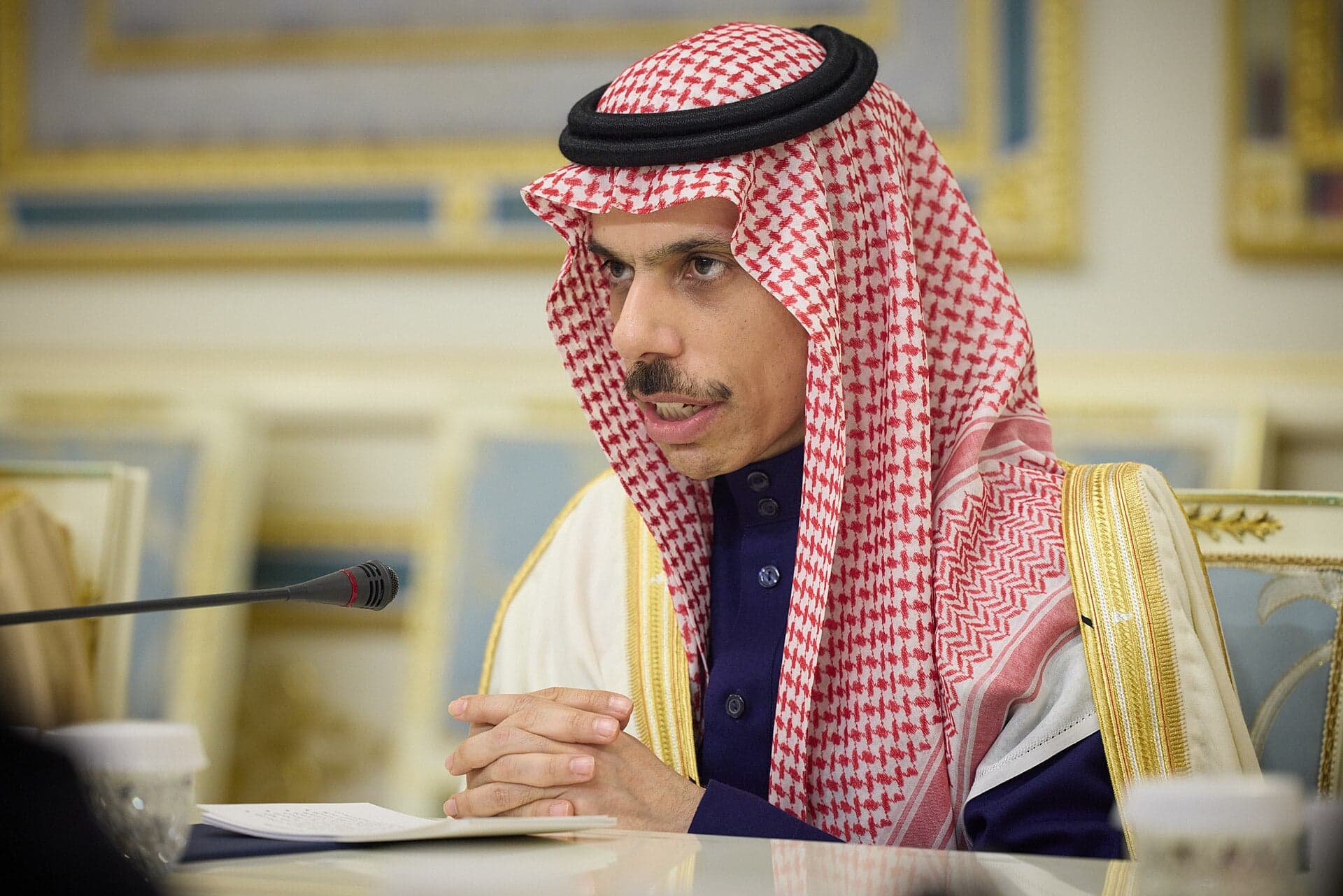
Saudi Arabia Seeks EU Naval Escorts for Hormuz Strait, Expanded Mission Aspides
Saudi Foreign Minister Prince Faisal bin Farhan is lobbying Brussels for European naval escorts through the Strait of Hormuz and an expanded mandate for the EU's Operation Aspides. This diplomatic push aims to secure binding commitments for protecting vital European energy supply chains and countering Iranian naval coercion amid escalating Gulf crises.
Read the full storyFold the full story1 min · 3 sources
Saudi Foreign Minister Prince Faisal bin Farhan conducted high-intensity diplomatic discussions in Brussels to fundamentally reshape European security involvement in the Persian Gulf[1]. Ahead of the EU Foreign Affairs Council, Prince Faisal engaged European counterparts to secure binding commitments for European naval escorts through the Strait of Hormuz, an expanded geographic mandate for the EU's maritime mission Operation Aspides, and an immediate rescheduling of the postponed EU-Gulf Cooperation Council (GCC) summit in Riyadh[1].
Riyadh’s diplomatic offensive is driven by an escalating maritime crisis in the Persian Gulf and Red Sea[1]. The security environment deteriorated sharply following Iranian and proxy attacks, including drone strikes on U.S. radar infrastructure in Bahrain and renewed ballistic missile and drone salvos claimed by the Houthi movement targeting Riyadh’s King Khalid International Airport and critical East-West Pipeline pumping stations[2]. Moreover, recurring explosions and mine threats along maritime chokepoints have severely disrupted commercial tanker transits, straining Gulf energy export corridors[2]. With European authorities having deferred the scheduled leaders’ summit in Riyadh, the Kingdom sought to use direct bilateral diplomacy to re-engage key European powers[1].
Prince Faisal held talks with several European foreign ministers and EU High Representative Kaja Kallas, following a preliminary ministerial meeting held alongside Qatari and European diplomats in Paris[1]. Riyadh's core appeal challenges Europe's traditional reliance on American maritime dominance, urging Brussels to deploy independent naval assets to protect vital European energy supply chains and counter Iranian naval coercion[3][1].
The Saudi initiative reveals an important shift in Middle Eastern geopolitical hedging. Rather than depending exclusively on fluctuating American military responses, Gulf monarchies are actively lobbying European institutions to become direct security guarantors in Middle Eastern waters[1]. Should the EU accede to expanding Operation Aspides to cover escort duties through the Strait of Hormuz, it would mark an unprecedented projection of European naval power into the Gulf, intertwining EU security posture directly with the regional standoff against Tehran[1].
- Saudi Arabia
- European Union
- Prince Faisal bin Farhan
Story 6 of 17
2 min read
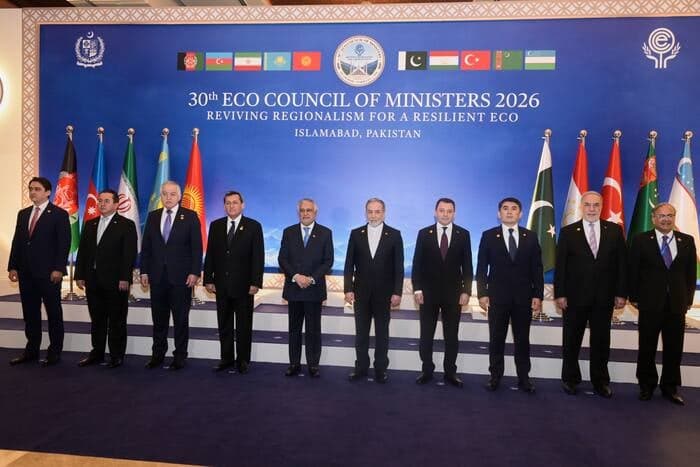
ECO Summit Convenes in Islamabad to Mediate U.S.-Iran Tensions
Regional powers convened at the Islamabad ECO Summit to de-escalate the escalating military standoff between the United States and Iran. The summit shifted focus from economic trade to conflict resolution following recent Iranian drone strikes and naval mine incidents in the Persian Gulf. Pakistan has offered to facilitate talks to restore shipping guarantees.
Read the full storyFold the full story2 min · 6 sources
The Council of Ministers of the 10-member Economic Cooperation Organization (ECO) gathered in Islamabad, Pakistan, with host Foreign Minister Ishaq Dar announcing a diplomatic effort to de-escalate direct military confrontations between the United States and the Islamic Republic of Iran[1]. Attended by foreign ministers and senior diplomats from across Central Asia, Turkey, and the Middle East - including Iranian Foreign Minister Abbas Araghchi - the assembly pivoted from economic trade facilitation toward emergency regional conflict resolution[1].
The diplomatic gathering coincided with an alarming military escalation across the Persian Gulf[1][2]. On Sunday, Iranian forces launched a drone strike targeting a U.S.-utilized air base in Bahrain, an action Tehran justified as a defensive measure against American operations[2]. Concurrently, naval mines struck two commercial oil tankers south of the Strait of Hormuz, causing explosions and fires that have disrupted commercial tanker traffic[3][2]. In response, the Pentagon accelerated naval movements, dispatching the aircraft carrier USS Theodore Roosevelt to join two other carrier strike groups, creating a three-carrier American naval concentration in Middle Eastern waters[2][4].
Addressing the delegates, Dar emphasized that regional economic connectivity and vital trade corridors cannot survive an expanding maritime and air war[1]. Pakistan, which previously brokered initial direct discussions between Washington and Tehran that produced an interim truce earlier in the year, offered to utilize its bilateral channels to facilitate immediate talks to restore shipping guarantees and halt further retaliatory strikes[1]. Iranian Foreign Minister Araghchi and Deputy Foreign Minister Mohammad Gharibabadi reiterated that while regional diplomacy remains Tehran’s preferred method to counter economic isolation, continued Iranian engagement with international bodies - including the International Atomic Energy Agency (IAEA) - is strictly contingent upon a cessation of American military operations and adherence to previous diplomatic commitments[1][5].
The ECO meeting underscored the expanding role of regional organizations in managing conflicts where Western-led multilateral institutions face severe gridlock[1][6]. With regional participants - including major economic powers such as Turkey - expressing alarm over the threat to international energy supply chains and maritime transport routes, the Islamabad summit demonstrated a coordinated push by regional powers to broker a functional ceasefire before maritime hostilities in the Strait of Hormuz trigger a wider international conflict[1][2][4].
- Iran
- United States
- ECO
Story 7 of 17
2 min read
Trump to Hold Trilateral Nuclear Summit with Xi and Putin in Shenzhen
President Donald Trump is set to hold a trilateral nuclear summit with Chinese President Xi Jinping and Russian President Vladimir Putin in Shenzhen, China. This move follows significant Republican midterm election losses and represents a pivot to foreign policy focused on global arms control and strategic stability.
Read the full storyFold the full story1 min · 7 sources
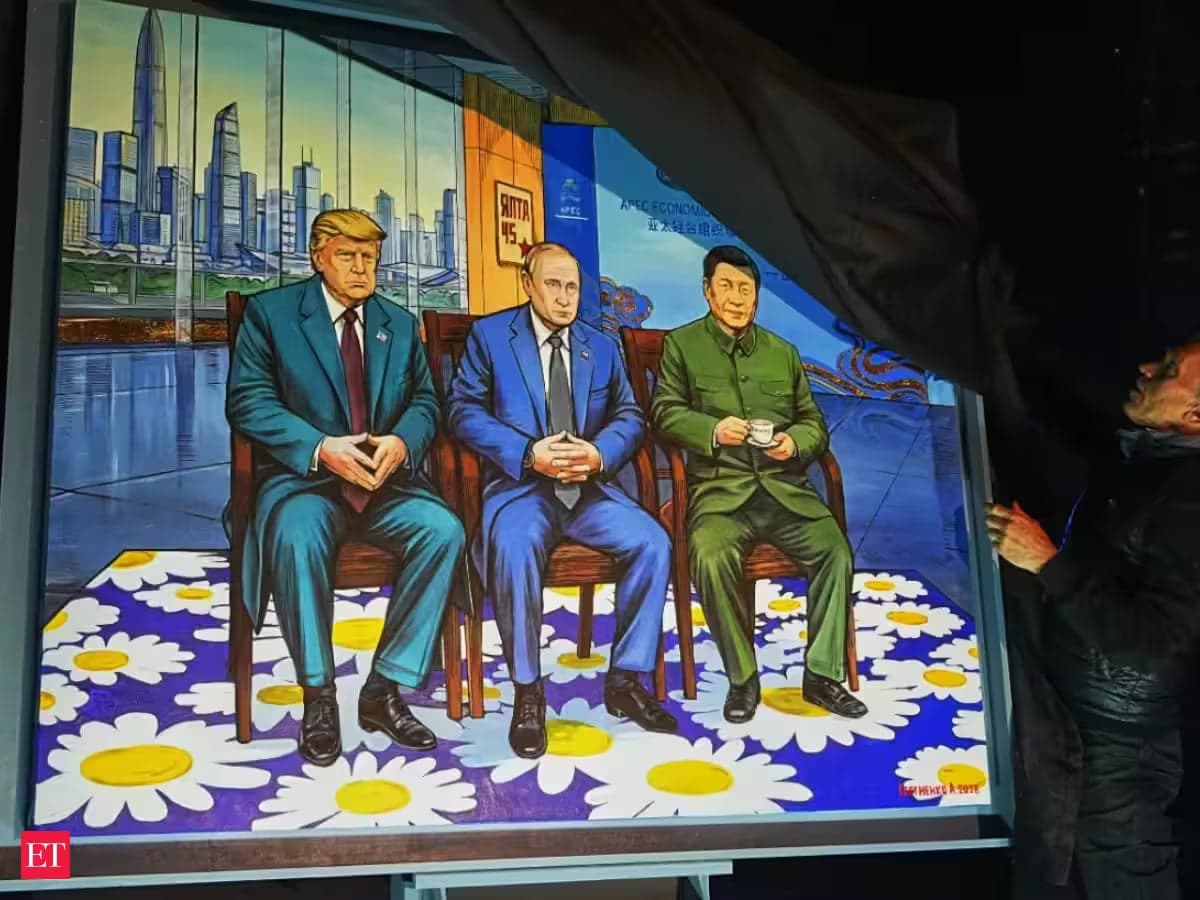
The White House prepared for a dramatic pivot to international theater, confirming that President Donald Trump will hold a trilateral nuclear summit with Chinese President Xi Jinping and Russian President Vladimir Putin in Shenzhen, China[1][2][3]. Ahead of his departure for Asia, where he will first attend the Association of Southeast Asian Nations (ASEAN) Summit in Manila before flying to China for the Asia-Pacific Economic Cooperation (APEC) forum, U.S. and Chinese officials confirmed the three-way meeting[1][2]. The summit is intended to open direct trilogue discussions on global nuclear stockpiles[2][3].
The maneuver represents a classic executive pivot toward foreign policy following a severe domestic setback. The Republican Party suffered historic midterm defeats, losing control of both chambers of the U.S. Congress, amidst voter discontent over domestic cost-of-living crises, military engagements in the Middle East, and administrative paralysis[4][5][2]. Concurrently, Trump shifted Vice President JD Vance away from Iran negotiations back toward domestic priorities and sidelined several internal debates[5][6]. Despite the political storm surrounding the resignation of Nvidia CEO Jensen Huang over counterintelligence concerns, White House officials signaled that Trump will bypass sensitive tech friction to focus entirely on striking sweeping great-power bargains[2].
The diplomatic dynamic involves the leadership of the world's three preeminent nuclear powers: Trump, Xi, and Putin[2][3]. While Russian officials had initially proposed the format to negotiate territorial lines regarding Ukraine, U.S. officials insisted that regional border negotiations were not on the formal agenda, redirecting the talks toward global strategic stability and arms control frameworks[3].
The trilateral summit has triggered deep unease among European and Indo-Pacific allies, who fear that a tripartite great-power summit could result in transactional agreements delineating informal spheres of influence[7][3]. For Asian and NATO partners alike, Washington’s willingness to engage in three-way summitry with Beijing and Moscow signals a major realpolitik shift, where bilateral alliances could become subordinate to direct tripartite negotiations among major powers[7][3].
- Donald Trump
- Xi Jinping
- Vladimir Putin
Story 8 of 17
2 min read
Allied Nations Forge Pact to Secure AI and Semiconductor Supply Chains
A new multilateral security accord signed by the United States and eight allied nations aims to protect international supply lines for AI infrastructure and semiconductors. The pact establishes joint monitoring and security protocols to prevent the diversion of advanced Western hardware to China, following a scandal involving diverted Nvidia systems.
Read the full storyFold the full story1 min · 7 sources
The United States finalized a multilateral security accord with eight allied governments aimed at safeguarding international supply lines for artificial intelligence infrastructure, advanced computing hardware, and critical semiconductor manufacturing equipment[1][2]. The agreement, which includes participation from key technological hubs including the Netherlands - home to photolithography giant ASML - establishes joint regulatory monitoring and supply security protocols designed to prevent advanced Western hardware from being diverted to China[2].
The agreement follows an intense technological scandal involving U.S. chipmaker Nvidia, whose long-time chief executive Jensen Huang stepped down following corporate investigations into global supply line diversion and controversial relationships with foreign intermediaries[3][4][5]. Market research and forensic reporting by industry analysts, including SemiAnalysis, alleged that over 1.5 gigawatts of restricted, high-end Nvidia computing systems were covertly channeled into Chinese data centers via intermediary firms such as Singapore-based Megaspeed[4][6]. Concurrently, Taiwan indicted corporate staff over unauthorized shipments of B300 server platforms, prompting regional governments across Asia to enforce strict hardware registries[4].
Under the terms of the new nine-nation supply pact, signatory states have agreed to establish shared data registers tracking high-performance graphics processing units (GPUs) and AI server clusters from fabrication through end-use deployment[2]. The accord also incorporates shared strategic stockpiling and industrial initiatives to reduce Western dependence on Chinese rare earth elements, which are vital for chip fabrication and advanced electrical systems[2]. U.S. Treasury Secretary Scott Bessent endorsed the stricter oversight regime, noting that maintaining technological parity requires tightening export licensing and hardening supply integrity against grey-market diversions[3][2][5].
The alliance lands at a pivotal juncture in U.S. industrial policy, coinciding with reports that the Trump administration plans to designate prominent domestic artificial intelligence companies as official "national champions" to accelerate domestic deployment while enforcing stringent overseas export controls[7]. The multilateral pact signals that Western and allied powers are formalizing tech containment into structured multilateral architectures, setting a firm baseline of technological friction ahead of bilateral trade and geopolitical summits between Washington and Beijing[3][2].
- United States
- AI
- Semiconductors
Story 9 of 17
2 min read
Western Coalition Urges Israel to Allow Gaza Aid Amidst Winter Crisis
Australia, Canada, Italy, and the United Kingdom have issued a joint declaration demanding Israel permit the entry of 150,000 emergency tents and humanitarian supplies into Gaza. The humanitarian crisis has reached catastrophic levels due to harsh winter weather and recent flooding, severely impacting over a million displaced civilians.
Read the full storyFold the full story2 min · 5 sources
The foreign ministers of Australia, Canada, Italy, and the United Kingdom issued a joint ministerial declaration calling on the Israeli government to halt ongoing border delays and allow 150,000 emergency shelter tents and humanitarian supplies to enter the Gaza Strip[1][2]. The coordinated diplomatic initiative warned that the arrival of harsh winter weather and recent severe flooding have pushed the humanitarian crisis to catastrophic levels, creating an immediate life-safety emergency for more than one million displaced civilians[2][3].
The diplomatic intervention comes as the initial winter storms caused flash floods across makeshift displacement camps, damaging hundreds of informal encampments[2][3]. According to figures cited by the United Nations Office for the Coordination of Humanitarian Affairs (OCHA), more than 200,000 residents were directly impacted by the first major downpours, while the World Health Organization warned that up to 950,000 displaced people are residing in low-lying, flood-prone zones[2]. Concurrently, UNICEF estimates that 1.7 million of Gaza’s 2.1 million inhabitants are currently living without permanent shelter, relying on rudimentary plastic tarps, fragile tents, or structurally compromised buildings[3].
In their joint statement, Australian Foreign Minister Penny Wong and her British, Canadian, and Italian counterparts stressed that the crisis remains "entirely reversible" if Israel acts swiftly before harsher weather sets in[2][3]. The quad-nation grouping demanded the immediate reopening of critical border crossings, the release of the 150,000 stockpiled shelters, and the removal of customs restrictions blocking "dual-use" equipment - such as water pumps, repair tools, and civil drainage gear - required for winterization and early infrastructure stabilization[2][4]. The ministers reiterated calls for all combatants to adhere strictly to international humanitarian law and fulfill their obligations under the multilateral Comprehensive Plan for Gaza[2].
The joint statement aligns with parallel diplomatic demands from European Union High Representative for Foreign Affairs and Security Policy Kaja Kallas, who also petitioned for unimpeded humanitarian transit[3]. Regional observers note that while Western allies have routinely called for humanitarian access, the explicit, joint intervention by four G7 and major allied powers over specific supply metrics - namely the 150,000 held shelters - signals mounting frustration with persistent border blockades and the vulnerability of the current ceasefire arrangement[2][4][5].
- Israel
- Gaza
- Australia
Story 10 of 17
2 min read
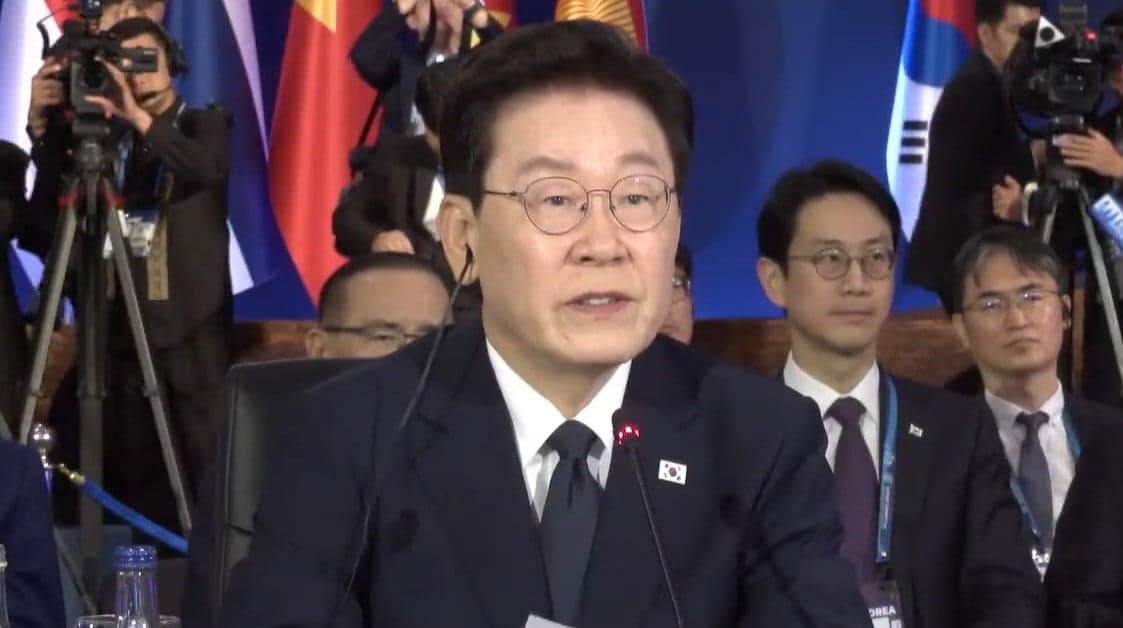
ASEAN and South Korea Forge Strategic Alliance with FTA Upgrade and AI Initiatives
South Korea and ASEAN nations have initiated negotiations to upgrade their Free Trade Agreement, targeting an annual trade volume of $300 billion. President Lee Jae-myung also launched AI Companionship and Cultural Industries initiatives to drive collaborative technology development and set regional standards. These moves aim to bolster economic resilience against global supply chain instability and geopolitical tensions.
Read the full storyFold the full story2 min · 7 sources
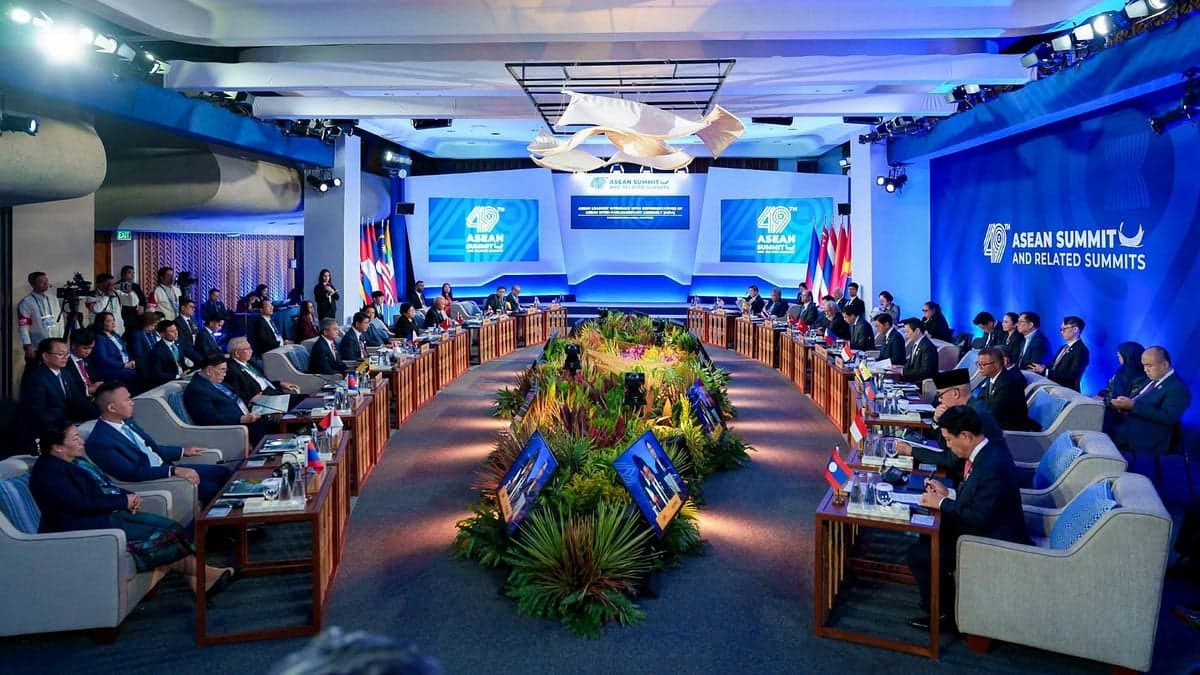
At the 27th ASEAN-Republic of Korea (ROK) Summit held at the Philippine International Convention Center (PICC) in Manila, South Korean President Lee Jae-myung and leaders of the Association of Southeast Asian Nations formally launched negotiations to upgrade the ASEAN-Korea Free Trade Agreement (FTA)[1]. The ambitious economic framework aims to elevate bilateral trade volume to $300 billion annually[1]. Complementing the trade push, President Lee officially unveiled two flagship strategic initiatives: the ASEAN-Korea AI Companionship Initiative and the ASEAN-Korea Cultural and Creative Industries Initiative, positioning Seoul to lead collaborative technology development and regulatory standards across the 11-member regional grouping[1][2].
The acceleration of the ASEAN-ROK Comprehensive Strategic Partnership reflects mounting anxieties over global supply chain instability, persistent tensions across maritime trade corridors, and energy vulnerabilities compounded by conflict involving the United States and Iran that has threatened transit through the Strait of Hormuz[3][4]. South Korea and Southeast Asian economies, deeply interconnected through manufacturing, advanced electronics, and raw materials, have recognized an urgent imperative to insulate their bilateral commerce from external shocks[4]. President Lee highlighted this strategic recalibration under his administration’s foreign policy doctrine, which balances Seoul's alliance architecture with pragmatic self-reliance and middle-power solidarity[5].
The summit was co-chaired by Philippine President Ferdinand Marcos Jr., who serves as the 2026 ASEAN Chair[1]. Marcos emphasized that ties between ASEAN and Seoul are guided by the comprehensive ASEAN-Republic of Korea Plan of Action 2026–2030, an operational blueprint targeting joint maritime security operations, regional energy resilience, digital innovation, and technical workforce training[1][2]. Lee reaffirmed South Korea's backing for the ASEAN Community Vision 2045 and ASEAN centrality, explicitly pledging cooperation "from cyberspace to the high seas" to combat transnational crime, safeguard trade arteries, and support critical mineral resilience[3][6].
Geopolitical analysts note that South Korea's renewed engagement signals an aggressive pivot by industrialized middle powers to cultivate deep regional anchors amid unpredictable superpower competition[5]. While Washington and Beijing intensify their technological and economic rivalry, Seoul is offering Southeast Asian nations an alternative model of high-tech and clean-energy integration that avoids zero-sum geopolitical alignment[5][6]. For ASEAN, securing an upgraded FTA and dedicated access to South Korea’s artificial intelligence ecosystem provides critical structural support as member states navigate high energy import costs, accelerated digitalization, and potential disruptions in global semiconductor supply chains[3][4][7].
- ASEAN
- South Korea
- Republic of Korea (ROK)
Story 11 of 17
2 min read
China Bolsters ASEAN Ties with Economic and Tech Initiatives at Manila Summit
Chinese Premier Li Qiang is using the China-ASEAN Summit in Manila to strengthen regional ties through economic integration and frontier technologies, countering Western security alignments. Beijing is prioritizing the upgrading of the China-ASEAN Free Trade Area and focusing on AI, digital trade, and energy infrastructure.
Read the full storyFold the full story1 min · 1 source
Chinese Premier Li Qiang led an extensive diplomatic offensive at the 29th China–ASEAN Summit in Manila, deploying economic and technological initiatives to counteract growing Western security alignments in Southeast Asia[1]. Arriving at the invitation of Philippine President Ferdinand Marcos Jr., who holds the rotating ASEAN chairmanship, Li’s presence coincided with the fifth anniversary of the China–ASEAN Comprehensive Strategic Partnership[1]. Beijing used the platform to advocate for the finalized upgrading of the China–ASEAN Free Trade Area (FTA 3.0), prioritizing institutional integration over geopolitical friction[1].
The summit took place against a backdrop of acute bilateral friction between Beijing and Manila over disputed maritime shoals and territorial claims in the South China Sea[1]. Despite these friction points, Premier Li executed a subtle pivot, shifting diplomatic focus toward areas of mutual dependency, specifically artificial intelligence infrastructure, digital trade protocols, cross-border energy grids, and regional poverty alleviation[1]. Employing the classical idiom tóng zhōu gòng jì ("crossing a river in the same boat"), Beijing presented itself as the indispensable regional development partner[1].
Key participants included Premier Li, President Marcos, and regional heads of state across Southeast Asia[1]. The Chinese delegation’s economic-first diplomacy successfully shifted the multilateral agenda away from formal condemnations of maritime incursions toward long-term digital and industrial pacts[1].
This maneuver illustrates Beijing’s broader counter-containment strategy across the Global South[1]. By binding Southeast Asian economies to Chinese technological standards, telecommunications infrastructure, and free-trade architecture, China is creating economic interdependencies that constrain ASEAN capitals from joining integrated U.S.-led defense frameworks[1]. The summit demonstrates how economic statecraft and technological diplomacy remain Beijing’s most effective instruments for preserving regional dominance despite enduring territorial disputes[1].
- China
- ASEAN
- Li Qiang
Story 12 of 17
2 min read
Canada Seals Trade and Security Pacts with ASEAN and the Philippines
Canada has finalized negotiations for the ASEAN-Canada Free Trade Agreement (ACAFTA) and a bilateral FTA with the Philippines, backed by $15.9 million in funding for ASEAN implementation. These agreements are part of Canada's strategy to diversify its economic relationships and build a 'dense web of reliable partners' amid rising protectionism.
Read the full storyFold the full story2 min · 8 sources
Canadian Prime Minister Mark Carney used his high-profile engagement as Guest of the Chair at the 49th ASEAN Summit in Manila to announce the substantial conclusion of negotiations for two transformative trade pacts: the multilateral ASEAN-Canada Free Trade Agreement (ACAFTA) and a comprehensive bilateral Canada-Philippines Free Trade Agreement[1][2][3]. Flanking the trade milestones, Carney unveiled over $15.9 million in Canadian funding commitments, including a $5 million technical assistance package deployed via Cowater International to help ASEAN member states implement the regulatory frameworks necessary for swift ratification[4].
The deals mark a pivotal milestone in Ottawa’s calculated strategy to diversify its economic relationships away from disproportionate exposure to North American markets[5][6]. Carney explicitly framed the Southeast Asian agreements as an intentional push to develop a "dense web of reliable partners," advancing Canada's national target to double non-U.S. exports by 2035 in the face of rising protectionism and shifting American tariff regimes[5][6]. Bilateral merchandise and services trade between Canada and the ASEAN region reached $52.3 billion over the past year - a 20 percent surge - signaling substantial commercial appetite across agri-food, clean technology, and critical minerals[6].
The agreements also solidify deep bilateral alignment between Ottawa and Manila[3]. Following bilateral talks between Carney and Philippine President Ferdinand Marcos Jr., the two governments finalized negotiations on their standalone bilateral FTA, targeting a formal signing in 2027[7][3]. Parallel to commercial ties, the two nations enacted concrete defense measures, operationalizing their ratified Status of Visiting Forces Agreement and formalizing a General Security of Information Agreement (GSIA) to enable secure military intelligence sharing[3]. The negotiations were driven by Canadian International Trade Minister Maninder Sidhu and Philippine Trade Secretary Cristina Roque, alongside regional counterparts[8][3].
Geopolitical analysts observe that Canada’s Indo-Pacific maneuvers reflect an increasingly common hedging strategy among traditional Western-aligned middle powers[6]. By coupling binding preferential trade mechanisms with defense intelligence exchanges and maritime capacity-building, Canada is embedding itself into Southeast Asia’s security and economic architecture[4][3]. Security experts view the intelligence pact with Manila as an important contribution to rules-based maritime surveillance in the South China Sea, while the trade pacts grant Canadian exporters priority access to a rapidly growing combined market of over 700 million consumers[2][3].
- Canada
- ASEAN
- Philippines
Story 13 of 17
2 min read
Australia and Philippines Strengthen Defense Ties with New Cooperation Arrangement
The Philippines and Australia have signed a Defense Cooperation Arrangement to enhance military coordination, joint training, and intelligence sharing. This pact elevates their existing security relationship and provides a framework for high-tempo interoperability between their armed forces.
Read the full storyFold the full story2 min · 5 sources
On the sidelines of the ASEAN Summit in Manila, the Philippines and Australia took a decisive step to harden their bilateral security architecture by signing the Philippines-Australia Defense Cooperation Arrangement[1]. Philippine Defense Secretary Gilberto Teodoro Jr. and Australian Ambassador to the Philippines Marc Innes-Brown signed the agreement at the Eva Macapagal Cruise Terminal in Manila South Harbor, with Australian Prime Minister Anthony Albanese and top defense brass observing the proceedings[1]. The pact establishes an upgraded operational framework to streamline military-to-military coordination, expand reciprocal access for joint training, and accelerate intelligence exchanges between the Armed Forces of the Philippines and the Australian Defence Force[1].
The agreement materializes against a backdrop of protracted security friction in the South China Sea, where Philippine resupply missions and maritime patrols have faced sustained pressure[2][3]. Both Canberra and Manila have worked to transition their longstanding 2012 Status of Visiting Forces Agreement into an active, multi-domain defense partnership capable of high-tempo interoperability[1]. In remarks following the signing, Secretary Teodoro asserted that the armed forces of the Philippines and its allied security partners are now markedly "better prepared" to deter unilateral coercion and mount rapid, coordinated responses to maritime crises and regional contingencies[2].
The bilateral pact aligns with broader regional multilateralism, coinciding with Prime Minister Albanese’s summit appearances and discussions with regional leaders regarding maritime freedom of navigation[4][3]. The agreement outlines expanded joint naval and aerial patrols in the West Philippine Sea, provides for reciprocal logistics support, and institutionalizes structured bilateral consultations on counter-gray-zone tactics and cyber-defense resiliency[1]. It also synchronizes defense planning ahead of wider multilateral exercises scheduled with regional partners, including the United States and Japan[5][2].
Regional security experts view this arrangement as an essential component of the "minilateral" deterrence web emerging across the Indo-Pacific[5][1]. Rather than relying exclusively on bilateral mutual defense treaties with Washington, frontline states such as the Philippines are deliberately building interlocking defense compacts with capable middle powers[2][1]. Strategic analysts emphasize that Australia’s deepened presence provides Manila with operational redundancy, complicates unilateral attempts to alter the status quo in contested maritime zones, and underscores Canberra’s long-term strategic commitment to maintaining open sea lanes throughout Southeast Asia[2][1].
- Philippines
- Australia
- Defense Cooperation Arrangement
Story 14 of 17
1 min read
Japan, South Korea Deepen Ties with Shuttle Diplomacy Ahead of Summits
Japanese Prime Minister Sanae Takaichi and South Korean President Lee Jae Myung have formalized plans for their fourth bilateral summit on the sidelines of the ASEAN Summit in Manila. This reinforces their 'shuttle diplomacy' and aims to present a united front on regional security, particularly concerning North Korea and the Moscow-Pyongyang axis.
Read the full storyFold the full story1 min · 3 sources
Japanese Prime Minister Sanae Takaichi and South Korean President Lee Jae Myung formalized plans to conduct their fourth bilateral summit on the sidelines of the ASEAN Summit in Manila, reinforcing a resilient axis of bilateral cooperation amid global turbulence[1]. The meeting, confirmed by both Tokyo and Seoul, continues an institutionalized pattern of "shuttle diplomacy" between the two East Asian democratic neighbors[1].
The timing of the Takaichi-Lee meeting is particularly sensitive. Both Tokyo and Seoul are confronting domestic political pressures while preparing for complex multilateral diplomacy at the Manila ASEAN gathering and the Shenzhen APEC summit[1]. Following reciprocal visits to Lee’s hometown of Andong and Takaichi’s hometown of Nara earlier in the year, both leaders have actively moved beyond legacy historical and trade animosities, framing their bilateral relationship as an essential strategic bulwark amid heightened North Korean nuclear escalation and the tightening Moscow-Pyongyang military axis[2][1].
The summit agenda focuses on harmonizing bilateral supply-chain resilience, deepening semiconductor manufacturing partnerships, and coordinating regional defense protocols[2][1]. The coordination between Takaichi and Lee is designed to ensure that Japan and South Korea project a united front regarding Northeast Asian deterrence, especially as Washington prepares for direct trilateral discussions with Beijing and Moscow[1][3].
This bilateral development signals the structural endurance of the Tokyo-Seoul rapprochement[1]. By institutionalizing routine summitry outside the direct oversight of Washington, Japan and South Korea are demonstrating middle-power agency, ensuring their coordinated strategic interests cannot be easily sidelined by shifting great-power negotiations elsewhere in the region[1][3].
- Japan
- South Korea
- Sanae Takaichi
Story 15 of 17
2 min read
Brazil Seeks South-South Economic Ties with Southeast Asia Amid Tariff Concerns
Brazil's President Lula da Silva is forging a South-South economic alliance with Southeast Asia to counter protectionist trade barriers, particularly from the United States. He announced plans for a state visit to the Philippines in 2027 to cement agricultural and trade agreements, aiming to double Brazil-ASEAN trade.
Read the full storyFold the full story2 min · 6 sources
Brazilian President Luiz Inácio Lula da Silva delivered a sharp geopolitical message during his historic participation as Guest of the Chair at the ASEAN Summit in Manila, urging developing economies to forge an autonomous, anti-protectionist coalition[1][2][3]. In a formal address to Southeast Asian leaders and an international press briefing at the World Trade Center Metro Manila, Lula announced that Philippine President Ferdinand Marcos Jr. has accepted an invitation to undertake an official state visit to Brazil in 2027 to cement a suite of bilateral agricultural, trade, and competition-enforcement agreements signed over the weekend[4][3].
Lula framed Brazil’s outreach to Southeast Asia as an explicit strategic response to unilateral trade barriers, specifically pointing to recent punitive tariffs imposed by the United States[1][3]. "Instead of weeping or begging... to have pity on us, we decided to look for other partners for us to sell and for us to buy from," Lula stated, citing notable double-digit surges in Brazil's bilateral trade with ASEAN members, including 15 percent growth with Indonesia and 13 percent with Vietnam[1]. Underscoring that Brazil has expanded commercial relations across 50 partner nations with an average trade growth rate of 10.5 percent, Lula outlined an overarching plan to double Brazil-ASEAN trade, diversify agricultural supply chains, and reduce systemic dependency on Western destination markets[3].
The visit marked the first state visit by a sitting Brazilian president to the Philippines, timed to the 80th anniversary of diplomatic relations between the two countries[2]. The economic alignment between Brasilia and Southeast Asian capitals focuses heavily on food security, fertilizer supply, agricultural technology transfers, and shared environmental governance[3][5]. Alongside trade protocols, Lula and Canadian Prime Minister Mark Carney held sideline discussions to coordinate multilateral funding for tropical rainforest conservation, linking South American and Southeast Asian climate finance mechanisms[5].
Geopolitical and trade economists consider Lula's summit diplomacy an illustration of South-South realignment gathering pace in a fractured global trading system[6][3]. Faced with tariff fragmentation and geopolitical conditionality from major northern economies, leading Global South producers are seeking direct, bilateral, and inter-regional corridors for food and energy commodities[1][3]. Analysts note that while institutionalizing cross-continental trade with Southeast Asia carries logistical hurdles, establishing institutionalized agricultural and commercial ties provides Brazil with critical diplomatic leverage and economic insulation against Western protectionism[1][3].
- Brazil
- Southeast Asia
- ASEAN
Story 16 of 17
2 min read
European Nations Accede to Southeast Asia's Treaty of Amity and Cooperation
The Republic of Cyprus, Slovakia, and Slovenia have formally joined the Treaty of Amity and Cooperation in Southeast Asia (TAC), bringing the total number of High Contracting Parties to 65. This accession, alongside six other European nations, signifies Europe's growing strategic engagement in the Indo-Pacific.
Read the full storyFold the full story2 min · 11 sources
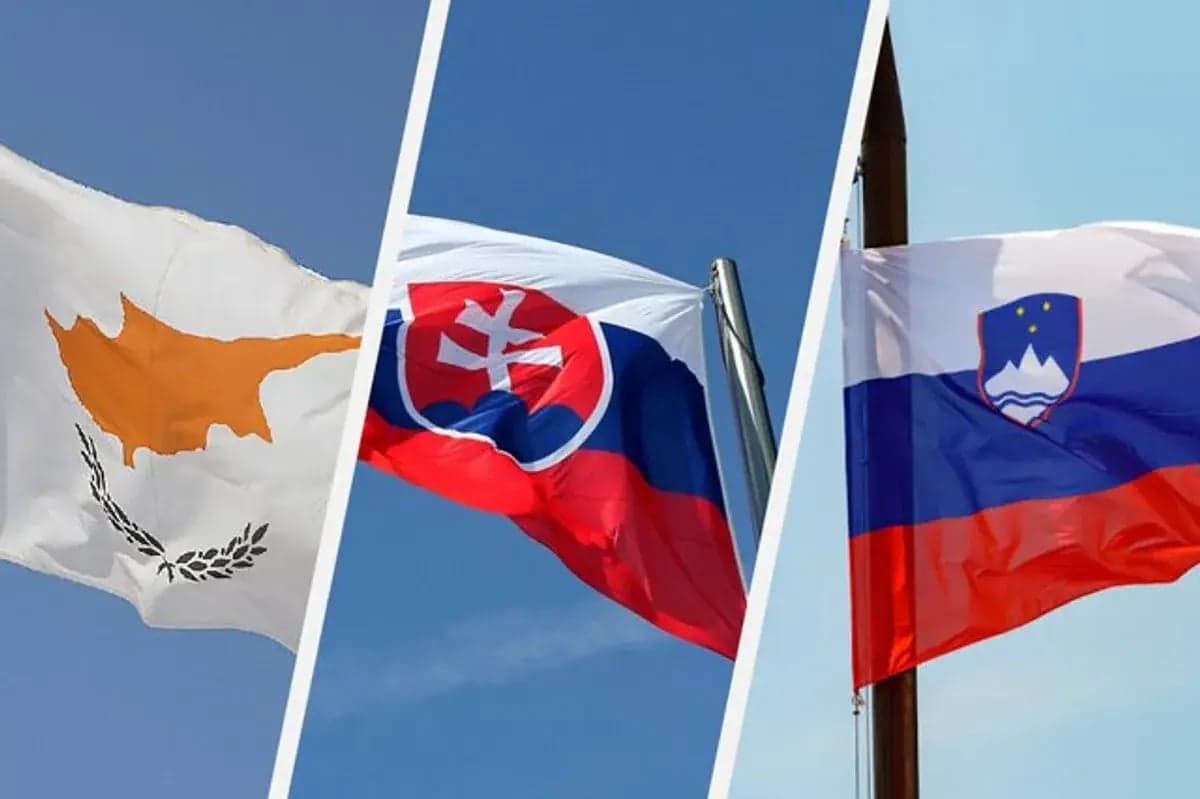
In a collective diplomatic move reflecting expanding European engagement in the Indo-Pacific, the Republic of Cyprus, the Slovak Republic, and the Republic of Slovenia formally acceded to the Treaty of Amity and Cooperation in Southeast Asia (TAC) on the sidelines of the ASEAN Summit in Manila[1][2]. The instruments of accession were signed during ceremonies overseen by Philippine Foreign Affairs Secretary Ma. Theresa Lazaro and ASEAN Secretary-General Dr. Kao Kim Hourn[3][2]. The pacts were executed by Slovak Foreign Minister Juraj Blanár, Slovenian Foreign and European Affairs Minister Tone Kajzer, and Cypriot Minister of Transport, Communications and Works Evi Tsolaki[4][5].
The accession of the three European Union member states brings the total number of High Contracting Parties to the TAC to 65[1][2]. During the plenary session of the 49th ASEAN Summit, President Ferdinand Marcos Jr. celebrated the accession of seven European nations under the 2026 Philippine chairship - Sweden, Poland, Romania, Lithuania, Cyprus, Slovakia, and Slovenia[6]. The expansion coincides with the 50th anniversary of the landmark peace pact, originally drafted at the 1976 Bali Summit to enshrine core norms of state sovereignty, territorial integrity, peaceful dispute settlement, and non-interference[6][7][8].
The drive by Central and Southern European governments to formally accede to Southeast Asia’s foundational code of conduct stems from European efforts to diversify trade, security, and supply chain networks into the Indo-Pacific[2][9]. Facing protracted regional conflict in Eastern Europe and economic restructuring across the continent, European capitals are seeking institutional footholds in Asia’s fastest-growing economies[10][2][7]. Bilateral consultations held between Secretary-General Kao and the visiting European ministers mapped out actionable cooperation tracks under the broader ASEAN-EU Strategic Partnership, targeting maritime communications, port security, digital logistics, and technological innovation[9].
International relations scholars observe that the steady stream of European accessions to the TAC validates the enduring appeal of "ASEAN centrality" as a stable diplomatic anchor[11][6]. In an era characterized by escalating superpower friction and the weakening of traditional multilateral bodies, smaller and mid-sized European states are utilizing regional treaties to codify norms of international law and secure diplomatic access[2][7]. For ASEAN, broadening the TAC’s legal consensus among European states reinforces its normative authority and insulates the region from unilateral coercion, reinforcing Southeast Asia’s standing as a central venue for constructive global governance[6][2].
- ASEAN
- Treaty of Amity and Cooperation (TAC)
- Republic of Cyprus
Story 17 of 17
1 min read
EU Considers Policy Shift Towards Structured Partnership with Syria
The European Union is signaling a potential recalibration of its Middle East policy, moving towards elevated diplomatic and institutional engagement with Syria. EU foreign policy chief Kaja Kallas stated that stabilizing Syria requires investment and reforms to facilitate refugee repatriation, marking a pragmatic departure from previous isolationist policies.
Read the full storyFold the full story1 min · 6 sources
The European Union signaled an under-the-radar recalibration of its Middle East policy, indicating an intent to elevate diplomatic and institutional engagement with Syria to the level of its other Mediterranean partners[1][2]. Announcing the shift in Brussels, EU foreign policy chief Kaja Kallas stated that stabilizing Syria requires concrete investment in institutions and economic reforms, openly connecting European engagement to establishing conditions for Syrian refugee repatriation[1][2].
The move represents a pragmatism-driven departure from the EU’s past policy of strict isolation and comprehensive sanctions against Damascus[2][3]. Across European capitals, escalating domestic political pressures regarding migration, coupled with anxieties over cascading Middle Eastern conflicts spilling into the Mediterranean, have forced a reassessment[4][1]. Following exploratory diplomatic visits and contacts with Syrian Foreign Minister Asaad al-Shaibani, Brussels is now examining pathways to convert political engagement into structured institutional support and reconstruction assistance[2].
The policy discussion, pushed by southern European states and supported by foreign ministers including Sweden’s Maria Malmer Stenergard and Greece’s George Gerapetritis, focuses on securing European strategic interests through regional stabilization[4][5]. While human rights organizations urged the EU to condition any rapprochement on verifiable political reforms and human rights benchmarks, European policymakers prioritized migration containment and regional balance[6][1][2].
This diplomatic maneuver signals a broader European accommodation of regional realities[2]. By positioning refugee return as a core objective achievable only through institution-building in Damascus, Brussels is effectively preparing to integrate Syria back into Mediterranean economic and political frameworks, reflecting how domestic European demographic pressures are increasingly driving foreign policy realpolitik[4][1][2].
- European Union
- Syria
- Kaja Kallas
You're all caught up.
That's every story in Monday's PiBrief Geopolitics. The next edition is already in the works.
All PiBrief Geopolitics editions
Subscribe to receive daily briefings about geopolitics and world news in your email.
Get PiBrief Geopolitics in your inbox
A free newsletter on geopolitics and world news. Diplomacy, conflict, the global economy, and elections, ranked and explained, with an audio briefing in every edition.
Free forever / no account / 1-click unsubscribe