
US-Russia summit, UK-EU defense pact & Mecca alliance
China has confirmed an open-agenda US-Russia summit in Shenzhen, drawing swift pushback from Ukraine and the European Union. Meanwhile, the UK and EU have agreed to a new economic security and defense partnership. Across the Middle East, regional powers have launched the Mecca Defence Alliance amid shifting security dynamics.
12 stories67 sources checked
Listen to this edition
PiBrief Geopolitics, November 17, 2026
The lineup
In this edition
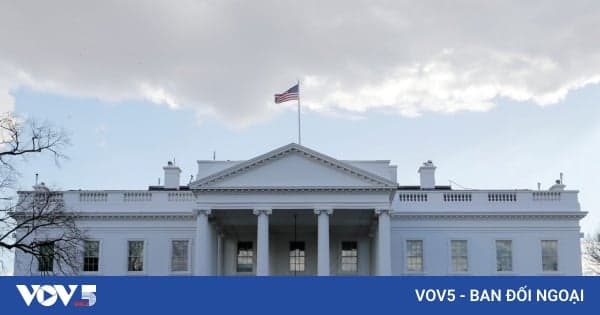 01
China Confirms Historic US-Russia Summit in Shenzhen Without Pre-Agreed Agenda
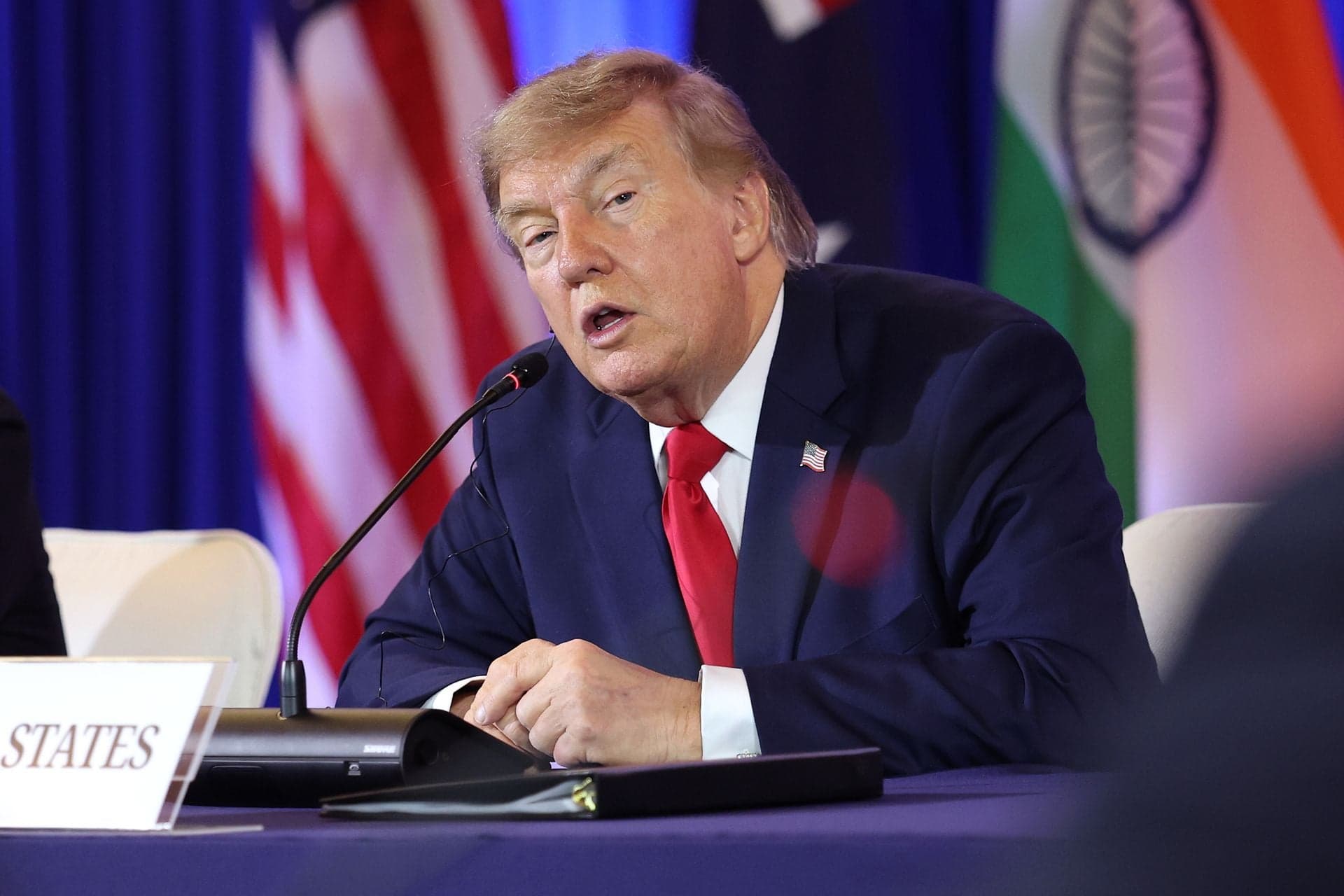 02
Ukraine Denounces Trilateral Summit Amid Fears of Great Power Spheres of Influence
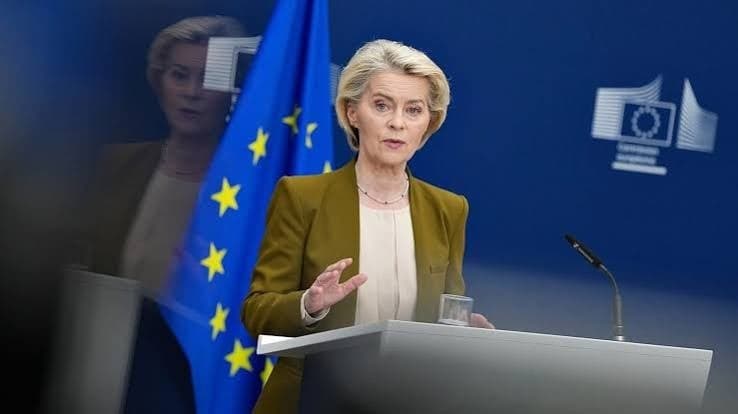 03
EU Rejects Russia Security Talks Without Ukraine Ceasefire
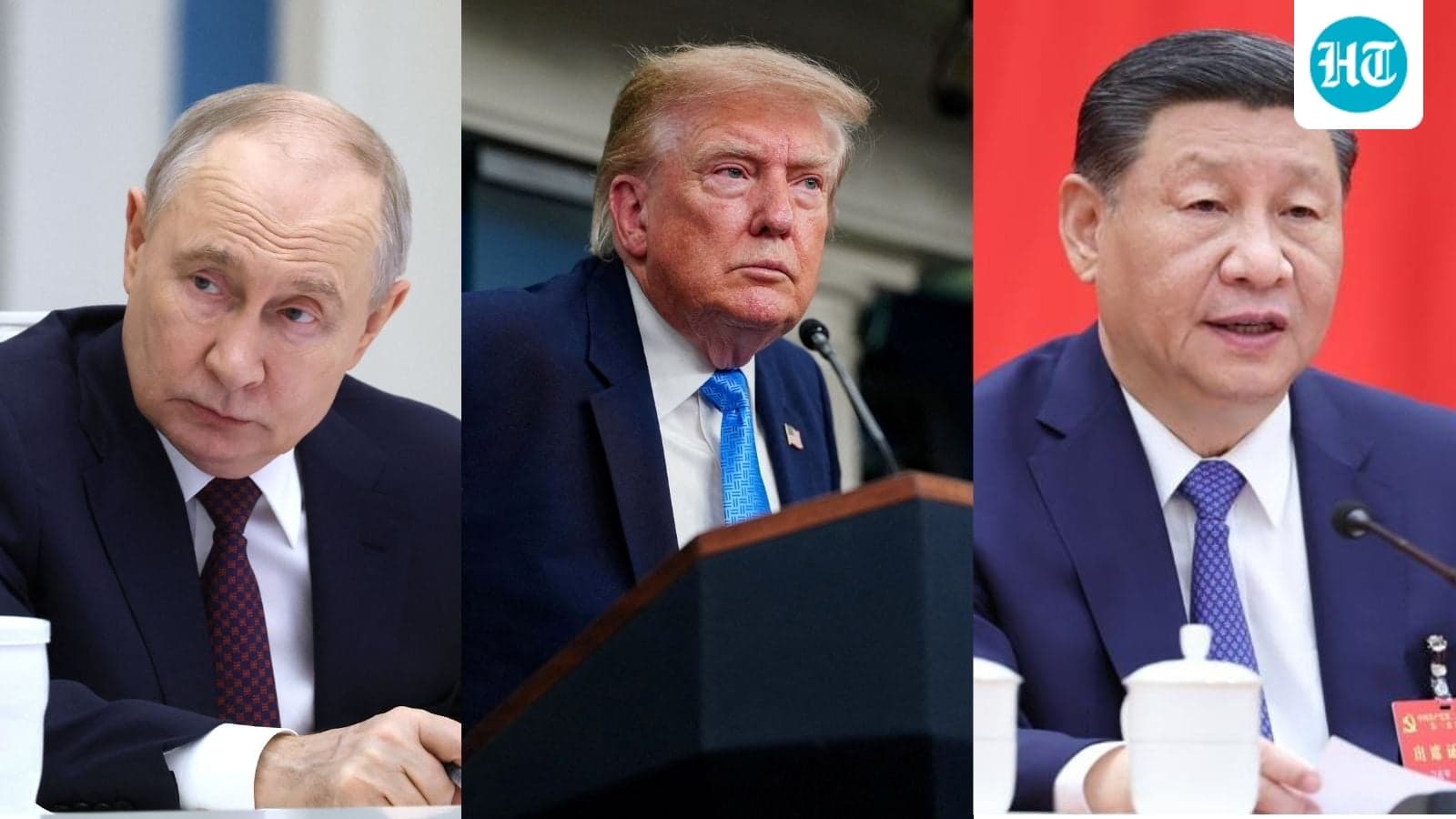 04
UN Backs Nuclear Disarmament Efforts Amid Post-New START Vacuum
- 05
Trump Open to Separate Bilateral Talks with Putin During Asia Tour
 06
UK and EU Forge Economic Security and Defense Partnership
- 07
ASEAN-China South China Sea Code of Conduct Talks Stall Amid Regional Security Shifts
 08
India Proposes Maritime Safety and Cyber Scam Initiatives at East Asia Summit
 09
Mecca Defence Alliance Launched; Syria's Accession Under Scrutiny
 10
Guinea's Simandou Port Project Seeks Competing US and Chinese Capital
 11
Japan and AfDB Forge $583 Million Capital Accord for African Development
 12
EU Revives Syria Cooperation for Levantine Security and Stability
See all 12 as a listHide the list
- China Confirms Historic US-Russia Summit in Shenzhen Without Pre-Agreed Agenda
- Ukraine Denounces Trilateral Summit Amid Fears of Great Power Spheres of Influence
- EU Rejects Russia Security Talks Without Ukraine Ceasefire
- UN Backs Nuclear Disarmament Efforts Amid Post-New START Vacuum
- Trump Open to Separate Bilateral Talks with Putin During Asia Tour
- UK and EU Forge Economic Security and Defense Partnership
- ASEAN-China South China Sea Code of Conduct Talks Stall Amid Regional Security Shifts
- India Proposes Maritime Safety and Cyber Scam Initiatives at East Asia Summit
- Mecca Defence Alliance Launched; Syria's Accession Under Scrutiny
- Guinea's Simandou Port Project Seeks Competing US and Chinese Capital
- Japan and AfDB Forge $583 Million Capital Accord for African Development
- EU Revives Syria Cooperation for Levantine Security and Stability
Story 1 of 12
2 min read
China Confirms Historic US-Russia Summit in Shenzhen Without Pre-Agreed Agenda
Beijing has officially confirmed that President Xi Jinping will host US President Donald Trump and Russian President Vladimir Putin for a groundbreaking trilateral summit in Shenzhen on November 19, 2026. This marks the first-ever summit of its kind and will proceed without a rigid, pre-negotiated agenda, a departure from typical Chinese diplomatic protocol. The meeting aims to address escalating systemic frictions and maintain strategic stability.
Read the full storyFold the full story2 min · 9 sources
The Chinese Ministry of Foreign Affairs officially confirmed that President Xi Jinping will host United States President Donald Trump and Russian President Vladimir Putin for a historic trilateral summit in Shenzhen on November 19, 2026, on the sidelines of the 33rd Asia-Pacific Economic Cooperation (APEC) Leaders’ Meeting[1][2]. Chinese Foreign Ministry spokesperson Mao Ning characterized the planned meeting as holding "groundbreaking significance," marking the first-ever three-way summit bringing together the heads of state of the three global powers[3]. In her formal briefing, Mao invoked the nations' shared legacy as founding members of the United Nations Security Council who fought side-by-side in World War II, stating that the trio shoulders an imperative responsibility to maintain strategic stability and manage escalating systemic frictions[3].
The formal announcement follows intense behind-the-scenes negotiations concerning the format and structure of the gathering[4]. Diplomats and reporting confirmed that the three leaders have agreed to proceed without a rigid, pre-negotiated agenda[4]. While Beijing initially pushed for a highly scripted encounter where each leader would deliver prepared remarks with limited unscripted interaction, Washington insisted on a freer, open exchange of views[4]. The decision to abandon an official pre-agreed agenda represents a major departure from customary Chinese diplomatic protocol, which traditionally requires meticulous orchestration and predetermined deliverables for head-of-state meetings[4].
The summit arrives against the backdrop of profound shifts in the triangular balance of power[5][6]. Although Washington and Beijing have sustained an uneasy trade truce established earlier in the administration, strategic competition in the Indo-Pacific and disputes over technology export controls remain acute[7][8][6]. For Beijing, hosting Trump and Putin on Chinese soil provides a major venue to position itself as an indispensable geopolitical convener and counterweight to Western alliances[7]. Chinese foreign policy scholars, including Su Liuqiang of the Shanghai Institutes for International Studies, noted that while structural competition persists, Beijing's overarching objective is to institutionalize guardrails that prevent great-power tensions from spiraling out of control while stabilizing key international energy and trade lanes[5].
Diplomatic observers emphasize that despite the historic symbolism, the three capitals bring conflicting priorities to the table[5]. U.S. officials indicated that President Trump intends to focus on global strategic arms control and the regional conflict involving Iran, whereas Moscow is keen on breaking through international isolation and discussing frameworks related to Ukraine[9][5][4]. While Chinese officials acknowledge that immediate breakthroughs on complex bilateral disputes are improbable, Beijing is seeking to project an image of constructive global leadership capable of engaging both Washington and Moscow simultaneously[7].
- Xi Jinping
- Donald Trump
- Vladimir Putin
Story 2 of 12
2 min read
Ukraine Denounces Trilateral Summit Amid Fears of Great Power Spheres of Influence
Ukraine has strongly criticized the upcoming Trump-Xi-Putin meeting, warning that deliberations excluding Kyiv risk escalating Russian aggression and undermining security architecture. Kyiv fears that the superpowers might make decisions impacting Ukrainian sovereignty, drawing parallels to historical Yalta Conference-style dealmaking. While Moscow and Washington offer different assurances, the optics of the meeting are seen as a victory for Russia's diplomatic isolation efforts.
Read the full storyFold the full story1 min · 4 sources
The government of Ukraine issued a sharp diplomatic rebuke of the scheduled Trump-Xi-Putin meeting, warning that trilateral deliberations excluding Kyiv risk emboldening Russian aggression[1]. Ukrainian Foreign Minister Andrii Sybiha criticized the initiative, arguing that engaging Moscow in an exclusive great-power summit undermines multilateral security architecture[1]. "A trilateral meeting between the leaders of Ukraine, the U.S., and Russia could help end the war sooner," Sybiha stated[1]. "A trilateral meeting between the leaders of Russia, China, and the U.S. would do only the opposite: encourage Putin to continue this war"[1].
The critique reflects profound anxiety in Kyiv and among several Eastern European allies that the three nuclear powers might engage in bilateral or trilateral dealmaking that compromises Ukrainian sovereignty[1][2][3]. Following the breakdown of recent ceasefire negotiations in Abu Dhabi, Ukrainian President Volodymyr Zelenskyy had cautioned against any framework in which foreign capitals negotiate territorial or security arrangements over Ukraine’s head[1][3]. The prospect of the American president sitting down with Putin alongside Xi Jinping in Shenzhen has revived uncomfortable historical parallels across European capitals, with analysts and Ukrainian officials invoking the 1945 Yalta Conference, where superpowers carved Europe into distinct spheres of influence[4][3].
In response to the growing apprehension, Moscow and Washington have offered contrasting explanations of the summit's scope[4][3]. The Kremlin publicly pushed back against the Yalta comparisons, with Russian spokespersons asserting that outcomes formulated in Shenzhen could not simply be imposed upon third-party states[3]. Meanwhile, senior U.S. officials sought to assure European partners by signaling that Trump does not intend to negotiate Ukraine's territorial integrity during the trilateral forum[1][3].
Nevertheless, diplomatic observers argue that the mere optics of the meeting provide Moscow with a major narrative victory[3]. By securing an audience with both the American and Chinese heads of state on a shared stage, Putin effectively circumvents Western diplomatic isolation efforts without having conceded ground on his core military objectives[2][3]. European diplomats have privately warned Washington that legitimizing a tripartite great-power forum could marginalize the European Union and NATO, fracturing the unified front that Western allies have maintained since 2022[2].
- Ukraine
- Andrii Sybiha
- Donald Trump
Story 3 of 12
2 min read
EU Rejects Russia Security Talks Without Ukraine Ceasefire
EU foreign and defense ministers have unified in rejecting proposals for broad European security architecture talks with Russia unless an immediate ceasefire in Ukraine is verified. This stance pushes back against Russian demands for NATO redeployments and opposes US-led bilateral negotiations that might sideline European interests. The EU also released a declaration affirming the right of sovereign nations to choose their alliances.
Read the full storyFold the full story2 min · 14 sources
European foreign and defense ministers meeting in Brussels established a unified diplomatic front, formally rejecting proposals to negotiate a comprehensive European security architecture with the Russian Federation prior to an immediate and verified ceasefire in Ukraine[1][2]. Convening for back-to-back sessions of the Foreign Affairs Council and the Council of Defence Ministers - chaired by Ireland’s Helen McEntee and EU High Representative Kaja Kallas - the ministers met alongside Ukrainian Defence Minister Yevhenii Khmara and engaged in transatlantic security discussions with U.S. Under Secretary of War for Policy Elbridge Colby[3][2]. The ministerial deliberations took direct aim at Moscow’s diplomatic maneuvering, which seeks to revive historic demands that NATO roll back its Eastern European forward deployments to pre-1997 lines as a precondition for concluding the war in Ukraine[4][5][6].
The European consensus forms an explicit pushback against trilateral negotiations pursued by Washington envoys Steve Witkoff and Jared Kushner, who conducted exploratory diplomacy in Abu Dhabi and scheduled follow-on consultations in Berlin to outline postwar security guarantees and reconstruction frameworks[7][8][9]. European capitals voiced alarm that bilateral engagement between the United States and Russia might marginalize European interests or force territorial and strategic concessions over the heads of the nations directly affected[8][2]. "What we need to see is a ceasefire to actually start the talks about anything else. We don't see that at the moment because Russia is really escalating," Kallas stated, dismissing Moscow’s broad security architecture appeals as a pretext to stall international pressure and weaken Western resolve[4][2].
To reinforce this posture, European governments coordinated the formal release of the "Declaration on Key Principles of European Security," an accord endorsed by 40 nations on the sidelines of the European Political Community Summit in Dublin[10][10][11]. The declaration firmly rejects the re-emergence of imperial spheres of influence, affirming that sovereign nations retain the inviolable right to choose their own defense alliances and that Ukraine's security is inseparable from the broader Euro-Atlantic security system[10][11][12]. Crucially, the declaration codifies the baseline doctrine that no international agreement affecting European defense will be negotiated or accepted without the full and equal participation of European nations[10][11].
The practical implications of this unified stance were evident in the parallel decisions adopted by the defense council, including the approval of expanded sanctions, interdiction operations against Moscow's maritime "shadow fleet," and joint defense procurement commitments via the European Defence Agency[3][2][13]. While Washington continues parallel discussions involving Ukrainian delegations and Russian representatives, the European Union's firm rejection of broad continental security compromises ensures that any prospective peace framework will remain strictly limited to enforceable, verified sovereign guarantees for Kyiv rather than a sweeping revision of NATO's defensive perimeter[7][14][2].
- European Union
- Russia
- Ukraine
Story 4 of 12
2 min read
UN Backs Nuclear Disarmament Efforts Amid Post-New START Vacuum
UN Secretary-General António Guterres expressed the UN's readiness to support any nuclear arms reduction initiatives stemming from the Shenzhen summit. He emphasized the urgent need for dialogue among the world's three largest nuclear powers, especially with the New START treaty having lapsed without a successor. The push for trilateral talks aims to address the absence of binding limits on US and Russian arsenals and to involve China in future arms control frameworks.
Read the full storyFold the full story2 min · 7 sources
United Nations Secretary-General António Guterres declared that the United Nations is fully prepared to assist and support any nuclear arms reduction initiatives that might emerge from the trilateral summit in Shenzhen[1]. Speaking during a press conference in Manila, where he was participating in regional summitry, Guterres addressed the pressing need for the world’s three largest nuclear-armed states to establish verifiable arms control dialogue[1]. "If there is a denuclearisation program, we are ready to be fully engaged in that and contribute to make it a success," Guterres said, while cautioning that a binding breakthrough is far from guaranteed given the severe geopolitical rivalries at play[1].
The push for a trilateral nuclear dialogue comes at a precarious juncture for global strategic stability[2]. The bilateral New START treaty - the final legal instrument limiting the deployed strategic arsenals of the United States and the Russian Federation - lapsed in February 2026 without an operational replacement or extension framework[2]. For the first time in over fifty years, the U.S. and Russian strategic nuclear arsenals have operated completely devoid of legally binding treaty limits, inspections, or mutual data exchanges[2]. The Trump administration has steadfastly argued that any meaningful successor framework for the modern era must be trilateral, bringing China into arms control negotiations to account for Beijing’s expanding strategic posture[3][2].
However, the path toward a tripartite nuclear arrangement faces structural arithmetic hurdles[2]. While both the United States and Russia maintain expansive stockpiles exceeding 5,000 nuclear warheads each, China’s operational arsenal, though rapidly growing, is estimated at just over 600 warheads[2]. Beijing has consistently rejected parity-based caps or inclusion in bilateral treaties, arguing that the two nuclear superpowers bear the primary responsibility for disarmament and must make drastic, verifiable cuts before China will entertain binding limitations[3][2]. White House officials acknowledged that President Trump does not anticipate signing a formal nuclear accord in Shenzhen, viewing the encounter primarily as an ice-breaking venue to force China to the table alongside Russia[3][2].
Arms control experts note that while immediate reductions remain unlikely, any agreement between the three leaders to open preliminary military-to-military communication channels or establish notification regimes would be a significant de-escalatory step[4][5]. With modern strategic delivery systems, artificial intelligence command components, and hypersonic weapons rapidly advancing, the absence of an overarching non-proliferation architecture poses unprecedented risks[4][6]. Guterres emphasized that the international community urgently looks to Washington, Beijing, and Moscow to re-establish multilateral nuclear governance before the unchecked expansion of regional and global arsenals triggers an uncontainable arms race[7][1].
- António Guterres
- Donald Trump
- Xi Jinping
Story 5 of 12
2 min read
Trump Open to Separate Bilateral Talks with Putin During Asia Tour
President Donald Trump indicated he is open to holding separate, one-on-one discussions with Russian President Vladimir Putin during the APEC summit in China. This statement deviates from initial White House plans, which only included a trilateral session and a bilateral meeting with Xi Jinping. The potential for a private Trump-Putin meeting occurs during a volatile period for international security.
Read the full storyFold the full story2 min · 7 sources
Speaking to reporters in Manila during a high-stakes visit to the Philippines, President Donald Trump stated that he is prepared to hold separate, one-on-one bilateral talks with Russian President Vladimir Putin during the upcoming APEC summit in China[1][1]. "I don't know, but I would. If it's available, I would," Trump remarked when asked about potential side-negotiations with the Russian leader[1][1]. The statement directly altered the expectations set by White House officials, who had originally maintained that Trump’s schedule in Shenzhen included only a trilateral session and a formal bilateral lunch with Chinese President Xi Jinping, with no separate bilateral engagement planned with Putin[2].
Should a private encounter materialize in Shenzhen, it would represent only the second direct, in-person meeting between Trump and Putin during his second presidential term, following their high-profile bilateral summit in Alaska on August 15, 2025[1]. Trump arrived in Manila to attend the Association of Southeast Asian Nations (ASEAN) meetings and engage with Quad partner delegations from Japan, India, and Australia before heading to mainland China[3][1]. His comments immediately commanded attention across diplomatic circles, as foreign ministries scrambled to assess whether Washington and Moscow were quietly laying the groundwork for direct transactional dialogue on the sidelines of the multilateral forum[1][4].
The potential for a direct Trump-Putin discussion comes at an exceptionally volatile moment for international security[1][4]. Formal diplomatic efforts to achieve a negotiated settlement to the war in Ukraine have stalled, particularly after multilateral talks in Abu Dhabi failed to deliver a viable ceasefire framework[1]. Senior U.S. officials accompanying the president have repeatedly indicated that Washington does not plan to use the trilateral format with Xi to negotiate Ukraine's future, focusing instead on broader non-proliferation concerns and military tensions in the Middle East[1][5]. However, an unscheduled one-on-one meeting between Trump and Putin would inevitably bring European security, sanctions policies, and frozen conflict lines back to the center of the diplomatic ledger[1][4].
The remarks have also triggered heightened scrutiny among Indo-Pacific partners and NATO allies[4][6]. Security analysts note that any informal or separate understanding reached between Washington and Moscow on Chinese soil could complicate the United States’ security guarantees to its partners in both Europe and East Asia[4]. While domestic critics in the U.S. and European capitals continue to oppose bilateral overtures that bypass established allied consensus, Russian foreign-policy commentators have welcomed Trump's willingness to engage directly, viewing personal diplomacy as Moscow’s best avenue to mitigate Western sanctions and establish a revised security equilibrium[7][4].
- Donald Trump
- Vladimir Putin
- Xi Jinping
Story 6 of 12
2 min read
UK and EU Forge Economic Security and Defense Partnership
The United Kingdom and the European Union are advancing a new strategic partnership focused on economic security and defense cooperation, moving beyond traditional post-Brexit trade issues. The initiative includes mechanisms for screening foreign investment, securing critical infrastructure, and insulating supply chains from coercion. Both sides are also coordinating export controls on advanced technologies.
Read the full storyFold the full story2 min · 3 sources
The United Kingdom and the European Union have finalized strategic policy blueprints ahead of their upcoming summit, prioritizing the creation of an institutionalized economic security and defense cooperation partnership to address systemic geopolitical volatility[1]. The initiative, established ahead of high-level meetings between British Prime Minister Andy Burnham and European Commission President Ursula von der Leyen, represents a profound strategic pivot from conventional post-Brexit trade discussions toward an integrated security alliance[1]. The proposed pact centers on establishing an intelligence-sharing and coordination mechanism to screen high-risk foreign direct investment, secure critical infrastructure against hostile sabotage, and insulate essential industrial supply chains from economic coercion[1].
This acceleration in cross-Channel defense coordination unfolds as both London and Brussels update their respective dual-use export control regimes, implementing synchronized restrictions on advanced computing hardware, semiconductor manufacturing equipment, and specialized strategic materials[1][2]. Confronted with persistent hybrid warfare, critical undersea infrastructure interference, and the strategic risks posed by dependencies on authoritarian states such as China, the Burnham administration has explicitly elevated economic statecraft into a frontline pillar of national defense[1]. While initial bilateral negotiations focused heavily on sanitary regulations and youth mobility, security advisers on both sides of the Channel have pressed for a broader geopolitical compact capable of reinforcing European deterrence[1].
Key institutional architects behind the initiative include the UK Cabinet Office, the European Commission’s Directorate-General for Trade and Defense Industry, and leading national security analysts from international policy institutes[1]. A major focus of ongoing deliberations is ensuring that British defense contractors and aerospace manufacturers are not excluded from the European Union's "Made in Europe" industrial directives and joint procurement funding mechanisms[1]. British officials argue that excluding the UK's advanced defense-industrial base from continental defense programs undermines European strategic autonomy and fractures interoperability among NATO allies[1].
The emerging agreement establishes clear mechanisms for coordinating responses to foreign state-backed market distortions, shared critical mineral reserves, and synchronized export controls[1][3][2]. By embedding the United Kingdom within the European Union's evolving economic defense perimeter, the partnership aims to heal post-Brexit security divides and establish a unified Western European posture against technological espionage, economic retaliation, and supply disruptions[1]. Analysts regard this bilateral alignment as an indispensable foundation for broader European resilience, ensuring that the continent's military deterrence is underpinned by an integrated, secure technological and industrial core[1].
- United Kingdom
- European Union
- Andy Burnham
Story 7 of 12
2 min read
ASEAN-China South China Sea Code of Conduct Talks Stall Amid Regional Security Shifts
Negotiations for a legally binding Code of Conduct (COC) for the South China Sea have stalled at the 49th ASEAN Summit in Manila, despite renewed pledges from ASEAN and China to avoid escalating maritime tensions. While parties agreed to refrain from destabilizing actions, talks remain deadlocked on key issues including geographic scope, definitions of military activities, and enforcement mechanisms. This impasse highlights persistent strategic differences between Beijing and regional claimants.
Read the full storyFold the full story1 min · 3 sources
At the 49th ASEAN Summit and bilateral ASEAN-China talks held in Manila, Southeast Asian leaders and Chinese Premier Li Qiang reaffirmed a diplomatic commitment to exercise self-restraint and avoid escalating physical encounters in disputed maritime zones[1][2]. A draft declaration brokered during the summit committed parties to refrain from actions that could destabilize navigation routes or escalate tensions across disputed reefs[1]. However, Philippine diplomatic officials confirmed that formal negotiations over the long-delayed, legally binding South China Sea Code of Conduct (COC) failed to conclude under the Philippines' rotational chairmanship, underscoring persistent strategic impasses between Beijing and regional claimants[1][3].
Negotiators confirmed that while provisional agreement has been reached on approximately 80% of the single negotiating text, talks remain deadlocked over three fundamental elements: the exact geographic scope covered by the pact, the operational definitions of military activities and jurisdictional boundaries, and whether the final treaty will possess legally binding enforcement mechanisms[1][3]. Philippine President Ferdinand Marcos Jr. acknowledged procedural progress but underscored the friction between diplomatic rhetoric and real-world encounters between Chinese coast guard units and regional vessels around features like Second Thomas Shoal and Sabina Shoal[1][3].
The impasse occurs against the backdrop of shifting defense geometry among emerging Southeast Asian economies[1]. Simultaneous with the ASEAN-China plenary, the Philippines concluded a separate bilateral defense cooperation arrangement with Australia, led by Prime Minister Anthony Albanese, designed to deepen joint naval coordination and regional surveillance[1][3]. At the same time, regional leaders signaled tentative discussions around incrementally reintegrating Myanmar's full diplomatic representation within ASEAN bodies, contingent on tangible compliance with the bloc's five-point consensus peace roadmap[3].
The ongoing inability to finalize the maritime code illustrates a broader regional trend: while ASEAN economies prioritize bilateral trade and supply-chain integration with China, claimant states are increasingly diversifying security architectures through minilateral arrangements[1][3]. The failure to codify enforceable constraints leaves the South China Sea governed by informal confidence-building measures, compelling individual Southeast Asian states to bolster domestic maritime capabilities and align with external security partners to safeguard offshore exclusive economic zones[1][3].
- ASEAN
- China
- South China Sea
Story 8 of 12
2 min read
India Proposes Maritime Safety and Cyber Scam Initiatives at East Asia Summit
At the 21st East Asia Summit, India's Prime Minister Narendra Modi introduced a 'Seafarers' Safety Initiative' focused on joint training and maritime emergency response coordination. Alongside this, EAS member states adopted declarations against online scams, prompting India to announce it will host an inaugural Cyber Crime Conference to combat issues like deepfakes and multi-jurisdictional fraud. These proposals aim to enhance regional security and governance.
Read the full storyFold the full story1 min · 7 sources
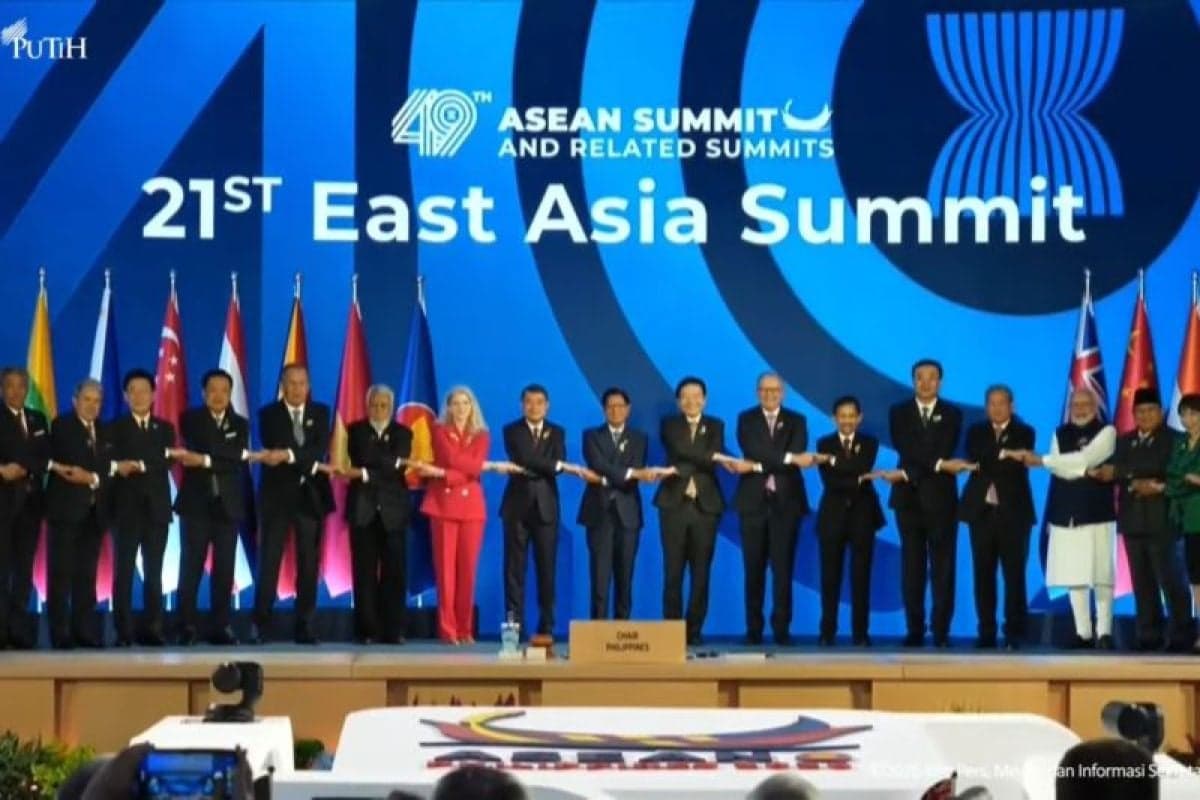
During the 21st East Asia Summit (EAS) convened in Manila, Indian Prime Minister Narendra Modi introduced a series of regional institutional initiatives aimed at strengthening security, maritime governance, and digital infrastructure across emerging Indo-Pacific economies[1][1]. Modi officially proposed the creation of a "Seafarers’ Safety Initiative," structured around institutionalized joint training and maritime emergency response coordination across member states[1]. Addressing regional leaders alongside ASEAN Secretary-General Dr. Kao Kim Hourn and Indonesian President Prabowo Subianto, New Delhi positioned technical cooperation in maritime safety as a non-confrontational mechanism to bolster open sea lanes[1][2][3].
Parallel to the maritime framework, EAS member states adopted two formal outcome documents: the "East Asia Summit Leaders’ Statement on Strengthening Cooperation Against Online Scams and Related Offenses" and the "EAS Declaration on Navigating our Future, Together: Stability and Renewal"[4][5][6]. In response to the declaration on transnational scam syndicates, India announced it will host the inaugural East Asia Summit Cyber Crime Conference at the National Forensic Sciences University, offering institutional resources to combat deepfakes, deploy digital watermarking, and dismantle multi-jurisdictional fraud compounds operating across Southeast Asia[1][1].
The policy thrust reflects New Delhi’s strategic intent to deepen its "Act East Policy" through functional, multilateral initiatives that address urgent domestic governance challenges in Southeast Asia without overtly triggering regional friction[1][7]. Alongside these security offerings, Modi pushed cultural and institutional integration by announcing plans to host an EAS Maritime Heritage Festival at the Lothal National Maritime Heritage Complex and an EAS University Heads Conclave at Nalanda[1][1].
These initiatives address an urgent security gap for developing Asian economies[1]. The explosion of illicit cyber-fraud complexes and human-trafficking corridors across mainland Southeast Asia has evolved into a multi-billion-dollar security threat, straining law enforcement capacities from Manila to Vientiane[4][6]. By offering forensic, technological, and maritime capacity-building, India is carving out a role as a reliable security provider in the Indo-Pacific, balancing China’s heavy infrastructure footprint with institutional and public-goods partnerships[1][7].
- India
- East Asia Summit (EAS)
- Manila
Story 9 of 12
2 min read
Mecca Defence Alliance Launched; Syria's Accession Under Scrutiny
The Mecca Defence Alliance (MDA), a mutual defense pact between Saudi Arabia, Turkey, and Pakistan, has officially become operative. Concurrently, discussions are underway regarding post-Assad Syria's potential accession into the bloc, a move that could consolidate its legitimacy and provide financial and military support. This alliance represents a significant acceleration of non-Western defense integration.
Read the full storyFold the full story2 min · 12 sources
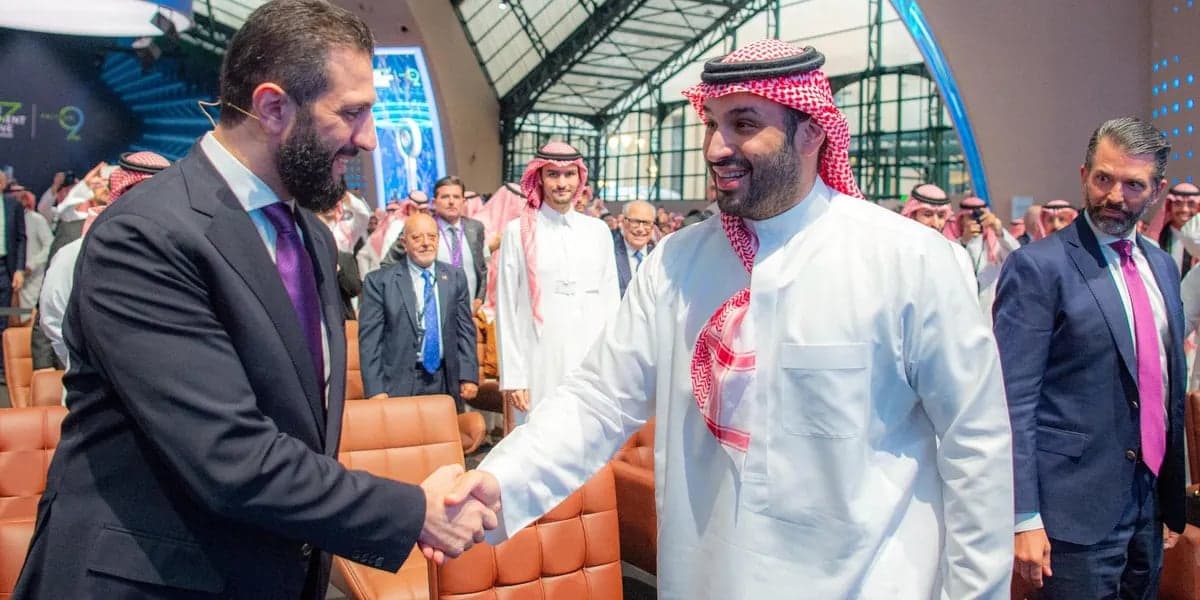
Strategic discussions across the Middle East intensified following the formal entry into force of the Mecca Defence Alliance (MDA) - a trilateral mutual defense pact binding Saudi Arabia, Turkey, and Pakistan - as senior diplomats and military planners evaluated post-Assad Syria’s potential accession into the bloc[1][2][3]. The treaty officially became operative following parliamentary ratifications and executive signatures in Riyadh, Islamabad, and Ankara[2][2]. Modelled directly on Article 5 of the North Atlantic Treaty, Article 2 of the Mecca Joint Defence Agreement dictates that an armed attack against any one signatory state will be regarded as an attack against all[2]. Concurrently, Turkey finalized a separate bilateral mutual defense pact with Qatar committing both nations to a unified posture against external aggression, reflecting an unprecedented acceleration of non-Western defense integration across the Gulf and the wider Islamic world[4][5][6].
The operationalization of the alliance coincides with Damascus actively considering formal membership, a step previewed by Syrian Foreign Minister Asaad al-Shaibani and underscored by the conclusion of a bilateral Saudi-Syrian defense pact alongside more than $403 million in concessional development loans from the Saudi Fund for Development[1][7][8]. The emerging architecture has been catalyzed by deep shifts in regional power balances, notably the fallout of the 2026 Iran conflict, ongoing Israeli military actions across the Levant, and persistent indications that the United States is recalibrating and restructuring its military presence in the Middle East[4][9][10].
The primary stakeholders steering this consolidation include Saudi Crown Prince Mohammed bin Salman, Turkish President Recep Tayyip Erdoğan, Pakistani military leadership through MDA Secretary General Lt. Gen. Nauman Mahmood, and Syrian President Ahmad al-Sharaa[6][2][11]. For Damascus, joining the Mecca bloc offers the potential to consolidate sovereign legitimacy, modernize its armed forces through Pakistani and Turkish technical assistance, and benefit from deep Saudi financial backstopping[1]. Furthermore, Ankara has signaled readiness to deploy Turkish military units into Saudi Arabia alongside existing Pakistani detachments to bolster multi-domain defense networks against ongoing asymmetric threats[11].
However, military analysts and regional experts point to significant strategic liabilities associated with expanding the pact to Syria[1]. A collective defense obligation could entangle the post-war Syrian military in broader regional skirmishes, including Saudi Arabia's confrontation with Yemen’s Houthi rebels, who recently seized positions overlooking the Bab el-Mandeb Strait[1][12]. Damascus also faces acute structural hurdles, including continued Israeli strikes and military friction along Syria's southern border, which raises difficult questions over whether the Mecca Alliance would be obligated to retaliate against foreign military strikes targeting Syrian soil[1][3]. While membership remains subject to formal consensus among the founding tripartite leadership, the ongoing discussions signal the establishment of a self-reliant Sunni security coalition that operates independently of traditional Western security guarantees[9][2][3].
- Mecca Defence Alliance
- Saudi Arabia
- Turkey
Story 10 of 12
2 min read
Guinea's Simandou Port Project Seeks Competing US and Chinese Capital
Guinea's $1.9 billion Simandou deep-sea port project is entering a critical financing phase, with government officials engaging both the U.S. International Development Finance Corporation (DFC) and Chinese commercial consortia. This major infrastructure project, essential for transporting iron ore from the Simandou deposit, is attracting diverse lenders including the African Development Bank and the World Bank. Guinea aims to leverage great-power rivalry to secure competitive terms and avoid excessive single-creditor leverage.
Read the full storyFold the full story1 min · 2 sources
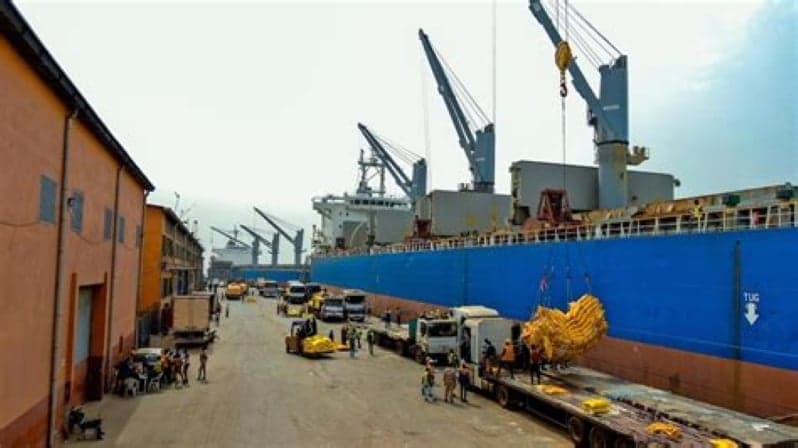
In West Africa, the development of the $1.9 billion Simandou deep-sea port entered a critical financing phase as Guinean government officials disclosed simultaneous financing engagements with both the U.S. International Development Finance Corporation (DFC) and Chinese commercial consortia[1]. Guinea's strategic infrastructure planning around the Simandou iron ore deposit - one of the largest untapped, high-grade iron reserves in the world - has become a testing ground for whether emerging African states can harness great-power infrastructure rivalry to complete critical export logistics corridors[1].
The project requires massive logistics architecture, including a specialized deep-water port and hundreds of kilometers of cross-country heavy-haul rail to transport ore from the forested interior to Atlantic shipping lines[1]. Guinean authorities confirmed that they are actively courting a diversified pool of lenders, including the African Development Bank, the Africa Finance Corporation (AFC), the International Finance Corporation (IFC), and the World Bank, to complement private Chinese and Western capital injections[1].
This dual-track financing strategy marks a departure from traditional single-source sovereign development deals[1]. Rather than ceding complete operational and equity control to a single foreign state or corporate entity, Conakry is structuring the port project as a multi-party facility[1]. By inviting the U.S. DFC into an infrastructure sphere where Chinese firms have traditionally held dominant development footprints, Guinea is attempting to introduce competitive financing terms, adhere to multilateral governance standards, and avoid excessive single-creditor leverage[1].
The Simandou port initiative demonstrates how mineral-rich African nations are recalibrating their foreign economic policies[2][1]. As global demand for high-grade iron ore and energy transition minerals accelerates, emerging producers in Sub-Saharan Africa are increasingly using open tenders and multi-bloc financing frameworks[2][1]. This approach aims to accelerate domestic value addition, prevent debt concentrations, and secure market access across competing global industrial centers[2][1].
- Guinea
- Simandou
- U.S. International Development Finance Corporation (DFC)
Story 11 of 12
2 min read
Japan and AfDB Forge $583 Million Capital Accord for African Development
Japan, through the Japan International Cooperation Agency (JICA), has finalized an $583 million concessional loan agreement with the African Development Bank Group (AfDB). This accord, the largest ODA loan from JICA to the African Development Fund, aims to support low-income and vulnerable African nations through the fund's seventeenth replenishment (ADF-17). Discussions in Tokyo focused on translating bilateral ties into private capital investments for infrastructure and energy value chains, seeking alternatives to traditional Western and Chinese financing.
Read the full storyFold the full story1 min · 8 sources
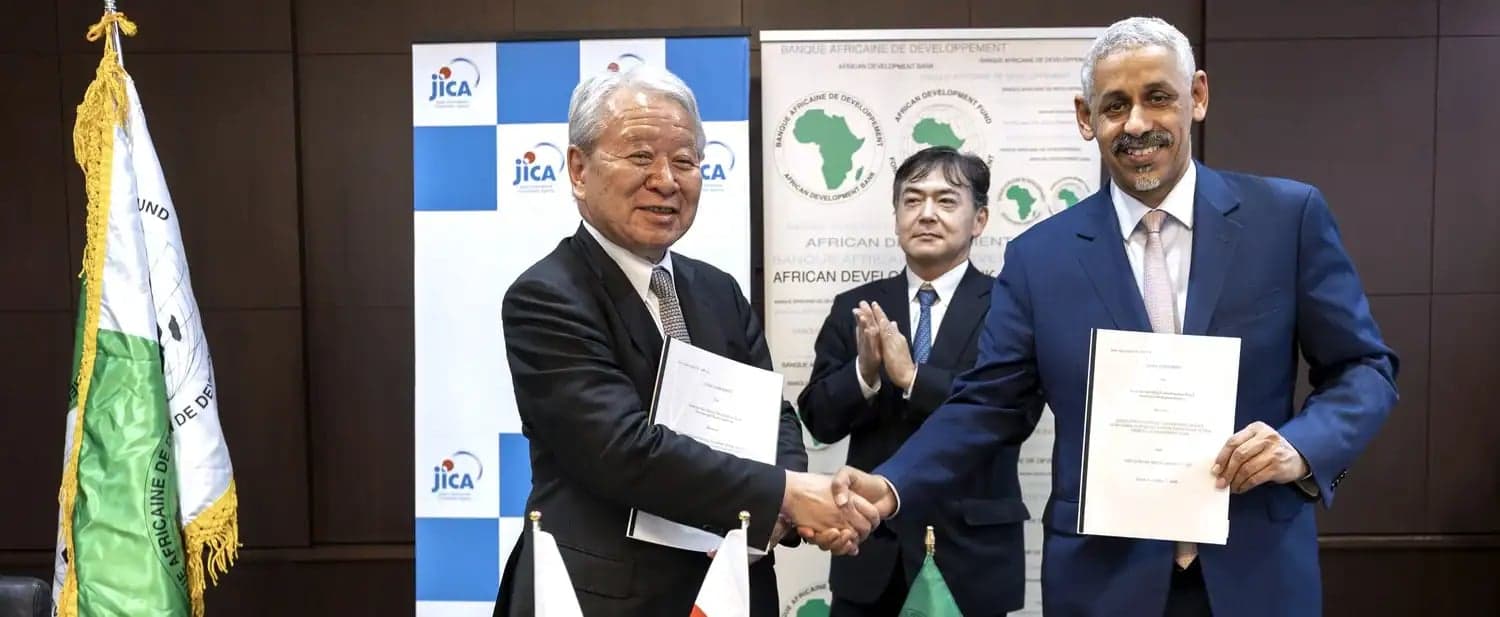
In a significant formalization of non-Western development financing, the African Development Bank Group (AfDB) and the Japan International Cooperation Agency (JICA) announced the finalization of a JPY 86.6 billion (approximately $583.4 million) concessional loan agreement[1]. The accord directly finances the African Development Fund’s seventeenth replenishment (ADF-17), targeting low-income and vulnerable African nations[1]. Accompanying the formal loan rollout, AfDB President Dr. Sidi Ould Tah engaged in high-level economic diplomacy in Tokyo alongside representatives from roughly 40 African diplomatic missions, signaling a concerted effort to translate bilateral state ties into private capital investments across infrastructure and energy value chains[2][3].
The agreement marks JICA’s largest-ever Official Development Assistance (ODA) loan to the African Development Fund, fulfilling a commitment pledged during the ADF-17 sessions[1][4]. The replenishment drive has mobilized a total of $11 billion across 44 international partner nations, underpinned by what Dr. Ould Tah characterized as the "New African Financial Architecture for Development"[1]. The financial mechanism is structured to mitigate escalating sovereign debt distress across the continent by providing highly concessional, low-cost capital for fundamental economic resilience, climate adaptation, and cross-border connectivity projects[1][5].
Diplomatic engagements in Tokyo brought together African diplomatic corps dean Dr. Pierre Ndzengue - Cameroon’s Ambassador to Japan - and Japanese political figures, including Dr. Daishiro Yamagiwa, Secretary-General of the Japan–African Union Parliamentary Friendship League[6]. Rather than focusing purely on donor-recipient mechanics, discussions centered on industrial co-investment[2]. African representatives and Japanese institutional executives targeted high-value commercial vectors including liquefied natural gas (LNG), downstream petrochemicals, green ammonia production, critical mineral processing, port logistics, and automated agri-tech supply chains[2][3].
This financial convergence reflects an evolving policy posture among emerging African economies seeking alternatives to both conventional Western conditional lending and large-scale Chinese sovereign debt[7][8]. By positioning Tokyo as an anchor technology and infrastructure partner, African states are attempting to capture higher domestic value from raw materials while maintaining fiscal maneuverability[7][3]. For Japan, securing institutional ties with the AfDB provides a structured conduit to de-risk investments for Japanese private conglomerates in frontier markets, ensuring long-term access to critical mineral corridors and energy resources amid heightened geopolitical competition[6][3].
- Japan
- African Development Bank Group (AfDB)
- Japan International Cooperation Agency (JICA)
Story 12 of 12
2 min read
EU Revives Syria Cooperation for Levantine Security and Stability
The European Union has agreed to revive and modernize a dormant cooperation agreement with Syria. This strategic pivot aims to stabilize the country and reshape Mediterranean security by re-establishing a framework for political dialogue, trade, and security engagement. The EU has allocated funds for humanitarian aid and reconstruction, recognizing the risk of a power vacuum and the need for investment.
Read the full storyFold the full story2 min · 6 sources
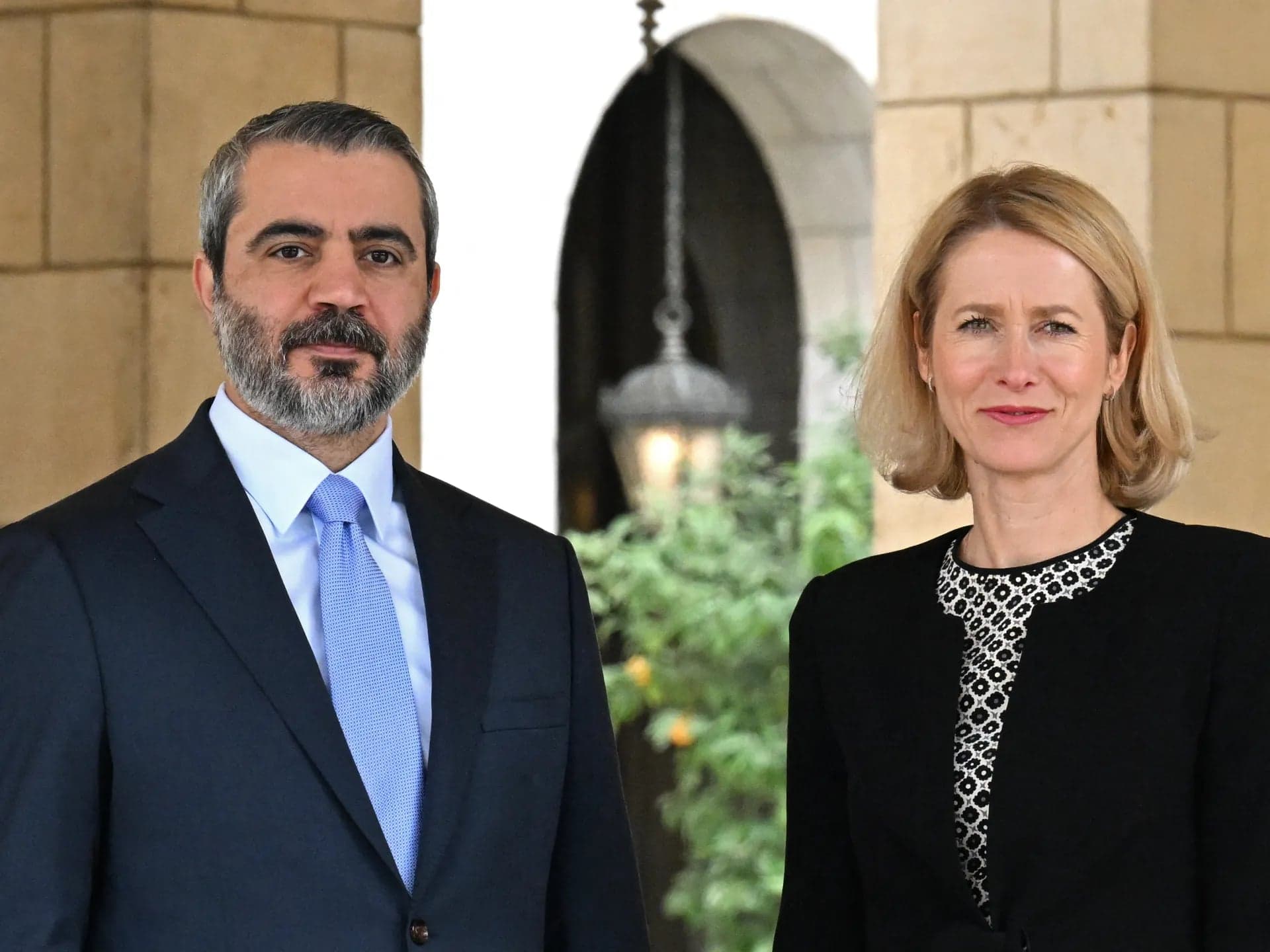
European Union foreign ministers meeting at the Foreign Affairs Council in Brussels formally agreed to resurrect and modernize a long-dormant bilateral cooperation agreement with Damascus, marking a significant strategic pivot designed to stabilize post-Assad Syria and reshape Mediterranean security[1][2]. The initiative revives the institutional architecture of the 2008 EU-Syria Association Agreement - negotiated under former president Bashar al-Assad but frozen for nearly two decades due to human rights crackdowns and civil conflict - while establishing an updated framework reflecting contemporary regional dynamics[1][2]. EU High Representative for Foreign Affairs and Security Policy Kaja Kallas confirmed that member states supported moving ahead to provide a comprehensive mechanism for political dialogue, trade, and security sector engagement, supported by an on-the-ground EU coordination forum held in Damascus to coordinate private sector investment and recovery[1][3].
The push to normalize and institutionalize relations comes less than two years after the collapse of the Assad regime in late 2024, as the transitional leadership under Syrian President Ahmad al-Sharaa and Foreign Minister Asaad al-Shaibani works to attract foreign capital and reconstruct basic infrastructure[1][4][5]. Brussels has allocated €620 million ($718 million) for 2026 and 2027 to finance humanitarian operations, socio-economic rehabilitation, and state institution building[3]. EU officials recognized that leaving Damascus isolated risks creating an acute power vacuum in the Levant[1]. "Syria needs investment and a successful transition," Kallas emphasized following the ministerial deliberations, warning that if Europe fails to engage directly, rival external actors will exploit the vacuum to project influence across the Eastern Mediterranean[1][5].
From a security standpoint, the agreement establishes clear parameters for EU support concerning security sector reform, judicial capacity, and border control[2]. European governments are specifically targeting these areas to counter irregular migration corridors, disrupt illicit drug trafficking networks, and secure cross-border supply chains[6][2]. The pact is also tied directly to European internal security: Brussels explicitly framed Syria's socio-economic stabilization as a prerequisite for creating conditions conducive to the safe, voluntary, and dignified return of millions of Syrian refugees who sought sanctuary in Europe and neighboring host states such as Jordan and Lebanon[2][4].
Ministers emphasized that technical implementation of the modernized agreement will remain conditional on tangible commitments from the transitional administration in Damascus, specifically on human rights, inclusive governance, and protection of ethnic and religious minorities[2]. The diplomatic shift coincides with growing regional financial commitments from Gulf states, which are funding major transit, energy, and aviation projects in Syria[4]. European policymakers intend to use the prospect of permanent institutional integration and preferential trade access as diplomatic leverage, anchoring Damascus in a Western-aligned Mediterranean framework and preventing hostile proxy networks from regrouping in Syrian territory[1][2].
- European Union
- Syria
- Bashar al-Assad
You're all caught up.
That's every story in Tuesday's PiBrief Geopolitics. The next edition is already in the works.
All PiBrief Geopolitics editions
Subscribe to receive daily briefings about geopolitics and world news in your email.
Get PiBrief Geopolitics in your inbox
A free newsletter on geopolitics and world news. Diplomacy, conflict, the global economy, and elections, ranked and explained, with an audio briefing in every edition.
Free forever / no account / 1-click unsubscribe