
Trump & NATO warning, Asian security pact & EU African diplomacy
This edition covers the joint warning to Russia issued by Trump and NATO Chief Rutte at Mar-a-Lago, alongside the formalization of trilateral security between Northeast Asian democracies. Additionally, we examine the EU's strategic shift in African diplomacy and other key geopolitical developments shaping global power dynamics.
9 stories32 sources checked
Listen to this edition
PiBrief Geopolitics, November 26, 2026
The lineup
In this edition
 01
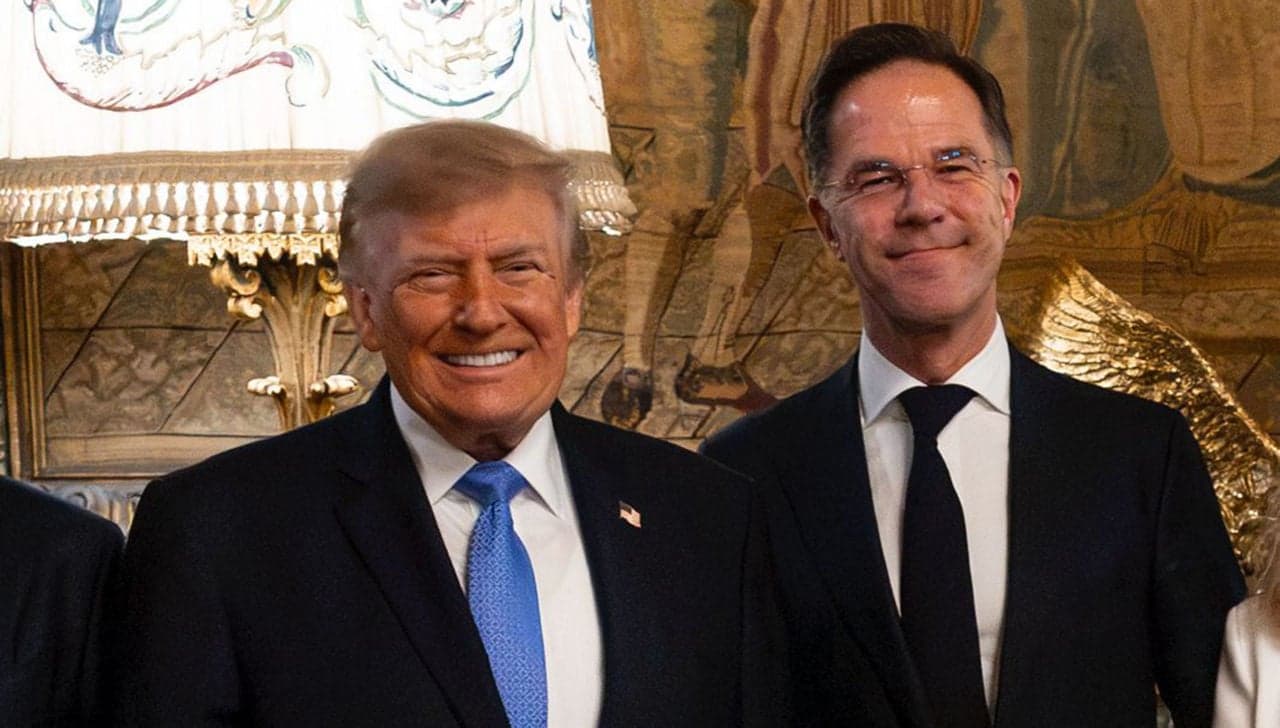
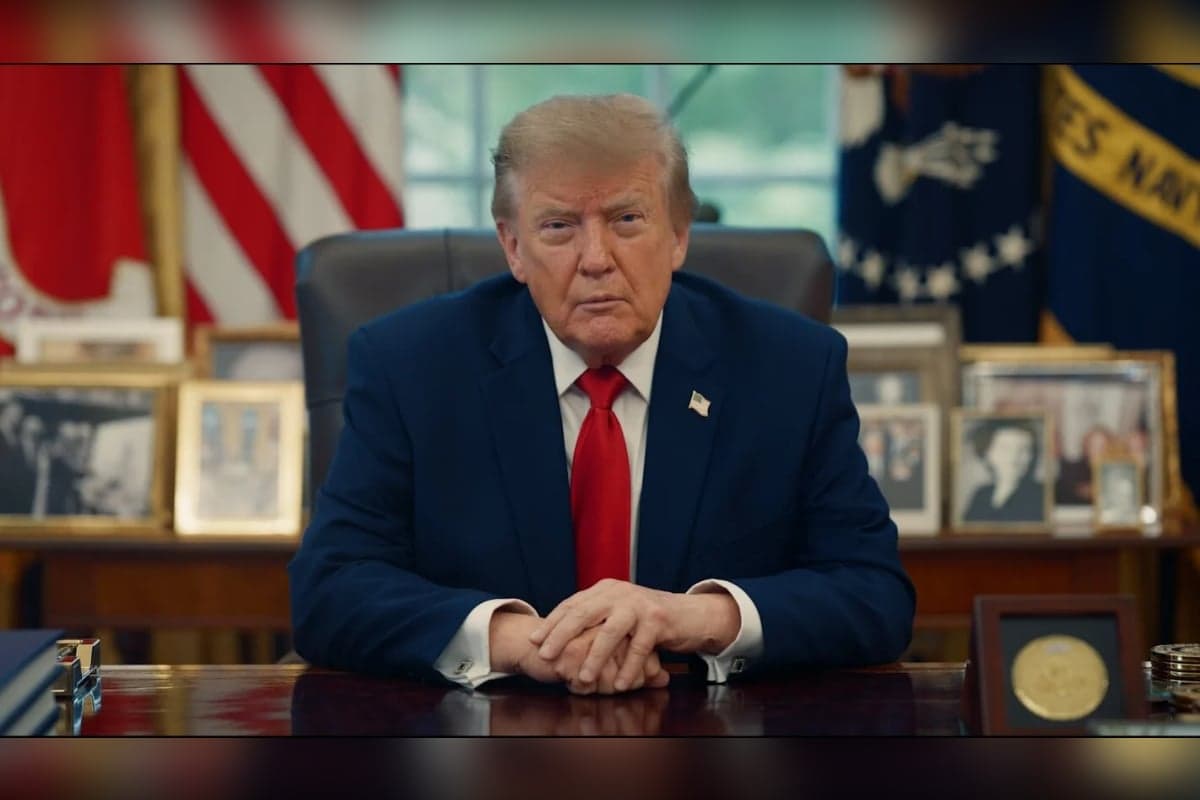
Trump and NATO Chief Rutte Issue Joint Warning to Russia at Mar-a-Lago Summit
 02
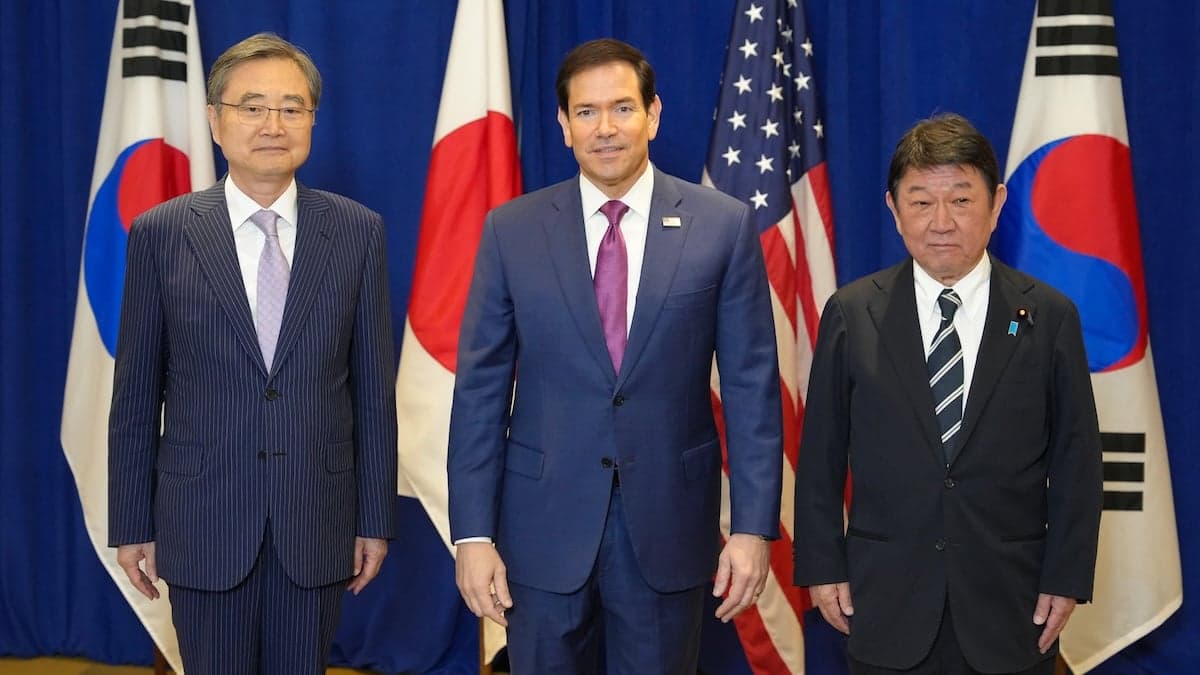
Northeast Asian Democracies Formalize Trilateral Security Against Authoritarian Axis
 03
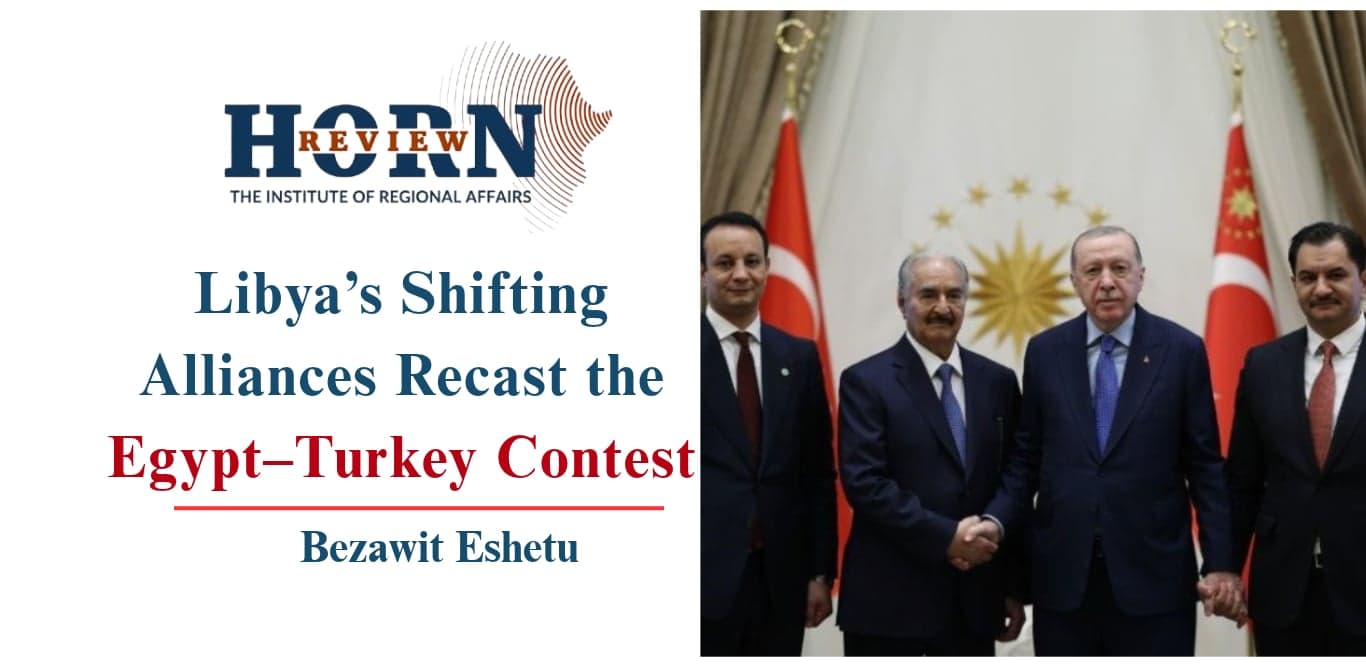
Turkish-Libyan Maritime Accord Unites Rivals and Shifts Regional Power
- 04
China and Pakistan Solidify Strategic Alliance with Historic Joint Space Mission
- 05
EU Restructures African Diplomacy, Favoring Strategic Investment Over Traditional Aid
- 06
Eastern NATO Allies Compete for Bilateral U.S. Defense Pacts
 07
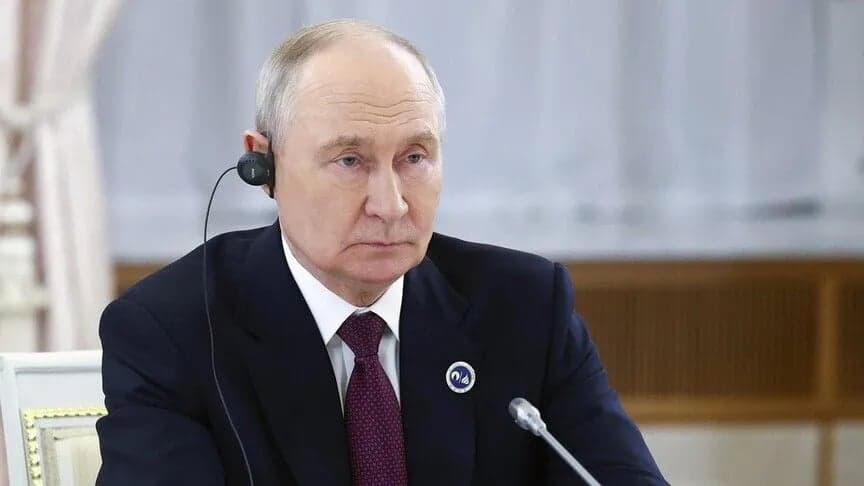
Russia and Brunei Elevate Bilateral Ties to Strategic Partnership
 08
American Consortium Eyes $20 Billion Acquisition of Lukoil International Assets
 09
Iran Warns Against U.S.-Backed Transit Corridor in South Caucasus
See all 9 as a listHide the list
- Trump and NATO Chief Rutte Issue Joint Warning to Russia at Mar-a-Lago Summit
- Northeast Asian Democracies Formalize Trilateral Security Against Authoritarian Axis
- Turkish-Libyan Maritime Accord Unites Rivals and Shifts Regional Power
- China and Pakistan Solidify Strategic Alliance with Historic Joint Space Mission
- EU Restructures African Diplomacy, Favoring Strategic Investment Over Traditional Aid
- Eastern NATO Allies Compete for Bilateral U.S. Defense Pacts
- Russia and Brunei Elevate Bilateral Ties to Strategic Partnership
- American Consortium Eyes $20 Billion Acquisition of Lukoil International Assets
- Iran Warns Against U.S.-Backed Transit Corridor in South Caucasus
Story 1 of 9
2 min read
Trump and NATO Chief Rutte Issue Joint Warning to Russia at Mar-a-Lago Summit
U.S. President Donald Trump and NATO Secretary General Mark Rutte met at Mar-a-Lago to discuss transatlantic security. Following the bilateral talks, they issued a formal joint statement warning Russia against escalating the conflict in Ukraine. The meeting also addressed the need for increased defense spending and improved industrial production capacity across the alliance.
Read the full storyFold the full story2 min · 9 sources
On the evening of November 25, 2026, U.S. President Donald Trump hosted NATO Secretary General Mark Rutte at his Mar-a-Lago estate in Palm Beach, Florida, for high-stakes, closed-door bilateral talks[1][2]. Following their discussions, the White House and NATO headquarters released a joint statement on November 26 affirming allied unity and issuing a direct, formal warning to the Russian Federation[3][4]. The communique urged Moscow to strictly refrain from any deliberate or inadvertent actions that could widen its war beyond Ukrainian borders[3][4]. Alongside the warning against vertical and horizontal military escalation, the two leaders stressed the urgent imperative of achieving a negotiated, peaceful settlement to the conflict as rapidly as possible while simultaneously reviewing allied deterrence initiatives and heightened military tensions involving Iran[4][5].
The meeting comes in the immediate wake of intense strategic anxiety across European capitals[4]. Just days earlier, President Trump had engaged in an unconventional trilateral summit alongside Chinese President Xi Jinping and Russian President Vladimir Putin on the sidelines of the APEC Economic Leaders' Week in Shenzhen, China[6][4]. That summit, conducted without European participation, sparked widespread concern among NATO allies regarding potential back-channel security understandings and the future of the alliance's eastern flank[7][4]. Addressing these fears ahead of his Florida arrival, Rutte framed Trump's public posture toward Moscow as an effort to put Putin to the test, attempting to gauge the Russian leader's genuine willingness to negotiate[8]. Rutte’s visit was designed to anchor Washington to collective European security commitments and re-establish a unified transatlantic policy baseline[4].
The principal architects of the talks included President Donald Trump, NATO Secretary General Mark Rutte, and key U.S. national security and foreign policy officials[9]. In their discussions, the leaders thoroughly reviewed Alliance benchmarks established during prior NATO summits in The Hague and Ankara, focusing heavily on member states' burden-sharing metrics[2][5]. Trump and Rutte emphasized the critical necessity of expanding overall defense spending and accelerating capital investment into the transatlantic defense industrial base[4][5]. This emphasis targets chronic production bottlenecks in munitions, air defense systems, and missile manufacturing across both the United States and European allied nations[4][5].
The geopolitical implications of this summit are twofold[4]. First, the joint communique provides critical reassurance to frontline Eastern European member states that Washington remains tethered to NATO's core deterrent posture despite unconventional bilateral negotiations with adversarial powers[4]. Second, the explicit inclusion of the Middle East and Iranian conflicts signals that NATO leadership and Washington are increasingly aligning theater strategies, acknowledging the interconnected nature of Iranian defense supplies to Moscow and broader regional stability[4][5]. Allied defense ministries and market analysts viewed the renewed focus on industrial base expansion as an enduring policy signal that defense procurement outlays across the Atlantic bloc will remain elevated over the coming budget cycles[4][5].
- Donald Trump
- Mark Rutte
- NATO
Story 2 of 9
2 min read
Northeast Asian Democracies Formalize Trilateral Security Against Authoritarian Axis
The U.S. House of Representatives has passed legislation to institutionalize trilateral coordination between the U.S., Japan, and South Korea, aimed at ensuring long-term security cooperation. This move serves as a hedge against the deepening military ties between Moscow and Pyongyang. Recent joint multi-domain exercises, including 'Freedom Edge,' demonstrate the operational integration of these three nations.
Read the full storyFold the full story1 min · 4 sources
Strategic analysts examining Northeast Asian security architectures highlighted emerging institutional mechanisms designed to lock in the trilateral partnership between Washington, Tokyo, and Seoul[1][2]. Analysis published by Dr. Ju Hyung Kim in Eurasia Review pointed to the U.S. House of Representatives' passage of the bipartisan U.S.-Japan-ROK Trilateral Cooperation Act (H.R. 3429) as a legislative pivot to institutionalize trilateral coordination[2][3]. The bill mandates the establishment of an ongoing inter-parliamentary dialogue within 180 days of enactment, intentionally building durable cross-party legislative guardrails to prevent future executive swings from weakening regional deterrence[2].
This push for institutional permanence comes in response to rapid shifts in the Northeast Asian threat environment[2]. The 2024 Comprehensive Strategic Partnership Treaty between Russia and North Korea, direct North Korean military participation in the Russo-Ukrainian war, and expanding Sino-Russian naval patrols have created a de facto authoritarian coalition on the peninsula's periphery[2]. Compounding these concerns, North Korea has accelerated its naval modernization, commissioning two new 5,000-ton destroyers - the Choe Hyon and Kang Kon - and constructing larger combatants to diversify nuclear strike options and complicate allied maritime tracking[4].
Operationally, the trilateral security framework has expanded through multi-domain exercises such as "Freedom Edge"[1]. Conducted across the East China Sea south of Jeju Island, the maneuvers integrate joint ballistic missile defense, anti-submarine warfare, air combat operations, and cyber defense drills[1]. Political alignment between Japanese Prime Minister Sanae Takaichi and Republic of Korea President Lee Jae-myung has sustained the momentum initiated at the 2023 Camp David summit, with both leaders seeking pragmatic avenues to overcome historical estrangement and manage shared security risks[1].
Analytical commentary emphasizes that the most critical vulnerability facing Northeast Asian democracies remains the absence of a formal bilateral mutual defense treaty between Seoul and Tokyo[2]. Because mutual cooperation has historically rested on incumbent political goodwill, codifying cooperation through legislative frameworks and regularized trilateral exercises represents a strategic hedge[1][2]. The objective is to ensure that allied operational integration remains resilient, providing credible deterrence against simultaneous regional contingencies involving North Korea, China, and Russia[2].
- United States
- Japan
- South Korea
Story 3 of 9
2 min read
Turkish-Libyan Maritime Accord Unites Rivals and Shifts Regional Power
Turkish President Recep Tayyip Erdoğan hosted Libyan Field Marshal Khalifa Haftar in Ankara, marking a significant reversal in their previous proxy conflict. Both of Libya's rival governments have now formally ratified a maritime boundary agreement with Turkey. This development supports Ankara's regional naval ambitions while directly challenging Egyptian and Greek maritime territorial claims.
Read the full storyFold the full story1 min · 2 sources
A diplomatic realignment unfolded in Ankara as Turkish President Recep Tayyip Erdoğan welcomed Field Marshal Khalifa Haftar, commander of the eastern-based Libyan National Army (LNA), for high-level talks at the Presidential Complex[1][2]. The official visit - Haftar’s first to Turkey - represented a reversal of years of proxy confrontation[1][2]. Haftar was received alongside Turkish Foreign Minister Hakan Fidan, Defense Minister Yaşar Güler, and senior Turkish intelligence leadership, cementing a political thaw that redraws the diplomatic architecture of North Africa and the Eastern Mediterranean[1][2].
The Ankara summit follows a political milestone: the eastern Libyan House of Representatives unanimously ratified the 2019 Turkey-Libya maritime memorandum of understanding, overturning its 2020 decision to scrap the agreement and sever ties with Ankara[1]. With the Tripoli-based Government of National Unity (GNU), headed by Abdulhamid Dbeibah, also endorsing the pact, both of Libya’s rival administrative authorities are formally aligned behind the Turkish maritime framework[1]. The agreement establishes a contiguous maritime corridor connecting Turkey's southern coast to northeast Libya, directly advancing Ankara’s "Blue Homeland" (Mavi Vatan) naval doctrine[1].
The rapprochement between Haftar and Erdoğan carries far-reaching consequences for Cairo, Athens, and the wider Mediterranean balance[1]. During the 2019–2020 Libyan civil war, Egypt, the United Arab Emirates, and Russia provided military and logistical backing to Haftar’s campaign against Tripoli, viewing Turkish military intervention as an acute national security threat[1]. By securing Haftar’s endorsement of the maritime boundary agreement, Ankara has bypassed Egyptian objections and weakened Cairo’s exclusive sphere of influence in eastern Cyrenaica[1]. The ratification challenges Greek and Egyptian exclusive economic zone (EEZ) demarcations, effectively consolidating Turkey's naval leverage across disputed hydrocarbon-rich seabeds[1].
This convergence indicates that Libya’s internal factions are increasingly willing to use foreign maritime alignments to entrench domestic power, while external powers like Turkey transition from ideological confrontation to pragmatic engagement[1]. Although Turkey and Egypt have pursued a delicate bilateral reconciliation over the past two years, Haftar’s embrace of Ankara’s maritime architecture introduces renewed friction into relations between Ankara and Cairo, reshaping regional energy transit routes and Eastern Mediterranean security pacts[1].
- Recep Tayyip Erdoğan
- Khalifa Haftar
- Turkey
Story 4 of 9
2 min read
China and Pakistan Solidify Strategic Alliance with Historic Joint Space Mission
China and Pakistan marked a milestone in their diplomatic relationship with the arrival of a Pakistani astronaut at the Tiangong space station. This is the first time a foreign national has boarded the Chinese orbital facility. President Xi Jinping utilized the event to promote China as an inclusive alternative partner for aerospace cooperation among developing nations.
Read the full storyFold the full story2 min · 1 source
Diplomatic and technological alignment between Beijing and Islamabad reached an unprecedented milestone on November 25, 2026, as Chinese President Xi Jinping and Pakistani President Asif Ali Zardari formally exchanged diplomatic congratulations to celebrate the successful arrival of a Pakistani astronaut aboard the Tiangong space station[1]. The mission, conducted via China's Shenzhou spacecraft program, marked the first time a foreign astronaut has boarded the Chinese orbital station[1]. In extensive diplomatic messages released by the Chinese Foreign Ministry, President Xi framed the mission not merely as a bilateral scientific achievement, but as a pivotal demonstration of the "rock-solid and unbreakable" China-Pakistan all-weather strategic cooperative partnership[1].
The diplomatic breakthrough coincides with the 75th anniversary of formal diplomatic relations between China and Pakistan, a milestone both capitals used to project a joint strategic narrative[1]. For Pakistan, the flight represents a major national technological achievement enabled directly by Chinese aerospace infrastructure, cementing Islamabad’s reliance on Beijing across high-technology, telecommunications, and defense realms[1]. President Zardari expressed official gratitude to the Chinese government, asserting that the mission exemplifies the extraordinary achievements of Chinese science while offering tangible proof of Beijing’s commitment to elevating Pakistan’s international technological standing[1].
Beyond bilateral celebration, President Xi utilized the formal exchange to articulate a major policy declaration concerning global outer space governance[1]. Highlighting the Chinese space station as an international "vessel for peace, friendship and cooperation," Xi emphasized that Beijing is prepared to partner with developing nations to promote the peaceful utilization of space, expand cooperative missions, and reform global space governance frameworks[1]. This diplomatic language directly targets non-aligned nations and members of the Global South, positioning China as an accessible, alternative aerospace patron capable of providing spaceflight opportunities outside Western frameworks[1].
The geopolitical ramifications of the mission reflect expanding great-power competition in science and strategic infrastructure[1]. By successfully integrating Pakistani personnel into its premier space outpost, China has signaled the operational maturation of its space station diplomacy, challenging the long-standing international dominance of Western-led platforms and programs like the Artemis Accords[1]. Regional security analysts observed that the public elevation of space collaboration reinforces the comprehensive nature of the Beijing-Islamabad axis, signaling to South Asian rivals that Chinese-Pakistani strategic interoperability now spans terrestrial, maritime, digital, and orbital domains[1].
- Xi Jinping
- Asif Ali Zardari
- Tiangong
Story 5 of 9
2 min read
EU Restructures African Diplomacy, Favoring Strategic Investment Over Traditional Aid
The European Union is shifting its African engagement strategy from development assistance to centralized regional investment hubs. Brussels is closing smaller diplomatic offices, instead focusing resources on anchor states like South Africa to secure mineral and energy supply chains. This approach aims to counter growing influence from China and Russia through targeted commercial diplomacy.
Read the full storyFold the full story1 min · 1 source
The European Union has begun a structural overhaul of its engagement across Africa, departing from traditional development assistance in favor of investment-focused diplomatic hubs, according to policy research published by the Centre for European Policy Studies (CEPS)[1]. As part of this reorganization, the EU and individual member states, including Sweden and the Netherlands, are reducing their physical diplomatic footprints in smaller capital cities across the continent[1]. In their place, Brussels is centralizing diplomatic and commercial operations into strategically located regional hubs, led by a primary post established in Pretoria, South Africa, to service neighboring economies such as Lesotho and Eswatini[1].
The pivot reflects mounting European recognition that decades of traditional aid programs have yielded limited strategic leverage, particularly as African governments court alternative partnerships with Beijing and Moscow[1]. Through initiatives linked to the Global Gateway strategy, the EU is prioritizing capital allocation toward critical mineral supply chains, commercial energy transitions, and infrastructure financing[1]. By funneling resources through priority anchor states, European policymakers hope to negotiate higher-value bilateral agreements that directly secure European industrial supply chains while countering competing geopolitical models[1].
However, the analytical assessment highlights significant diplomatic vulnerabilities inherent to this centralized model[1]. Downscaling bilateral presences in peripheral nations risks weakening Europe’s political relationships with local governments[1]. Observers note that states bypassed by regional hubs may view the consolidation as a European retreat, potentially opening diplomatic vacuums that rival powers can exploit through targeted bilateral infrastructure loans or private military arrangements[1].
The transition marks an overt shift toward geoeconomic realism in Brussels[1]. While the investment-hub approach allows the EU to optimize scarce administrative and financial resources, it fundamentally redefines its relationship with the Global South[1]. The long-term success of the model will depend on whether commercial investments can generate local economic benefits without eroding the broad diplomatic consensus European institutions traditionally sought across the African continent[1].
- European Union
- Centre for European Policy Studies
- South Africa
Story 6 of 9
2 min read
Eastern NATO Allies Compete for Bilateral U.S. Defense Pacts
NATO members in Eastern Europe are aggressively courting bilateral defense agreements with the United States as they anticipate potential American force reductions. Poland, Lithuania, and Romania have offered to subsidize U.S. military bases to secure their security presence. This shift, occurring during a Pentagon global force review, risks fragmenting the alliance's collective defense strategy.
Read the full storyFold the full story2 min · 2 sources
Anxieties over potential reductions in the United States military footprint in Europe have sparked an assertive diplomatic competition among NATO’s easternmost members, as governments move to secure individual bilateral defense pacts with Washington[1][1]. Poland announced that it has obtained preliminary Pentagon approval to establish a new permanent U.S. military base on Polish soil[1]. Concurrently, Lithuania has submitted its own detailed basing proposal to American planners, while Romania has stepped forward with formal pledges to co-finance and subsidize the operational stationing costs of American troops within its borders[1].
The push by Warsaw, Vilnius, and Bucharest comes as the Trump administration approaches the December 1 completion target for an exhaustive global posture review covering the estimated 80,000 U.S. personnel deployed across Europe[1]. Speaking to European defense ministers in Brussels, Pentagon policy chief Elbridge Colby indicated that the review would re-evaluate troop allocations, intensifying expectations across allied capitals that a net reduction of U.S. forces on the continent is imminent[1]. Exposed eastern flank countries, facing persistent Russian gray-zone actions, sabotage operations, and border friction, are attempting to pre-empt general withdrawals by pitching fully subsidized infrastructure and dedicated national host-nation funding directly to the Department of Defense[1][1][2].
This emerging dynamic signals a secondary geopolitical consequence: the fragmentation of NATO’s collective posture in favor of transactional, bilateral security arrangements[1]. Senior defense analysts and European diplomats have voiced concern over the trend. Former Lithuanian defense official and diplomat Eitvydas Leskevičius warned that individual member states bidding against one another for American garrisons undermines the alliance’s unified strategy[1]. Rather than competing through bilateral financial inducements, Leskevičius stressed that Europe must approach deterrence collectively through NATO’s established regional defense plans, pooling corps-level readiness and logistical enablers to defend the eastern frontier rather than relying on fragmented national pacts[1].
The broader strategic consequence is a two-tier security environment along the Russian border[1]. Frontline nations with substantial fiscal flexibility and high defense spending, such as Poland, are positioning themselves as America's preferred regional hubs, while less affluent allies risk diminished deterrence guarantees[1][1]. If bilateral troop commitments supplant multilateral force planning, NATO’s long-standing collective defense equilibrium could be eroded, complicating command integration during future crises along the Suwałki Gap and Black Sea littoral[1][1].
- NATO
- Pentagon
- Poland
Story 7 of 9
2 min read
Russia and Brunei Elevate Bilateral Ties to Strategic Partnership
Russian President Vladimir Putin and Sultan Hassanal Bolkiah of Brunei announced a new strategic partnership during a state visit in Moscow. The agreement focuses on deep-tier cooperation in energy, defense, and finance, including plans to settle trade in national currencies. This move is part of Russia's broader effort to pivot toward Southeast Asia to circumvent Western sanctions.
Read the full storyFold the full story2 min · 5 sources
On November 25, 2026, Russian President Vladimir Putin welcomed Sultan Hassanal Bolkiah of Brunei Darussalam to the Kremlin for high-level bilateral talks during an official state visit commemorating 35 years of diplomatic relations[1][2]. Following ceremonial honors and a wreath-laying at the Tomb of the Unknown Soldier in Moscow, the two heads of state adopted a formal Joint Declaration elevating relations between the Russian Federation and Brunei to a comprehensive "Strategic Partnership"[3][1]. The agreement outlines expanded state-to-state and technical cooperation across vital sectors, including energy exploration, petrochemical manufacturing, civilian nuclear power, defense interactions, and financial architecture[4][5].
The Kremlin’s strategic outreach to Bandar Seri Begawan forms a core part of Moscow's sustained geopolitical pivot toward Southeast Asia and the broader Indo-Pacific, aimed at circumventing Western diplomatic isolation and economic sanctions[4]. During their talks, President Putin announced that bilateral trade between Russia and Brunei is projected to surpass $1 billion in 2026, representing substantial relative growth from historically modest volumes[2][5]. A centerpiece of the new strategic roadmap is an agreement to facilitate and expand trade settlements denominated in national currencies rather than U.S. dollars, shielding mutual commercial transactions from Western financial oversight and secondary sanction mechanisms[4][5].
The diplomatic breakthrough involved direct negotiations between President Vladimir Putin, Sultan Hassanal Bolkiah, and their respective diplomatic, trade, and defense delegations[4][1]. Key policy initiatives announced during the meetings include Russia sharing advanced deep-extraction technologies for oil and natural gas fields, assisting in expanding Brunei’s energy output, and assessing potential initiatives in renewable and nuclear energy infrastructure[4][2]. Additionally, the discussions focused on bilateral agricultural commerce - notably the export of Russian halal-certified meat, grain, and chemical fertilizers to Brunei - as well as deepening defense cooperation, underscored by regular Russian Navy port calls in Brunei[4][2].
For Southeast Asia and the Association of Southeast Asian Nations (ASEAN), the upgrade illustrates the persistent commitment of member states to preserve open, multi-vector foreign policies[4]. Despite intense pressure from Western governments to marginalize Moscow diplomatically, Brunei’s decision to deepen institutional, maritime, and economic links with Russia underscores ASEAN's strict adherence to doctrines of non-interference and national strategic autonomy[4]. The meeting concluded with Sultan Bolkiah formally extending an official invitation to President Putin to conduct a state visit to Brunei, setting the stage for institutionalized defense consultations and joint energy projects across the Indo-Pacific region[4][3].
- Vladimir Putin
- Hassanal Bolkiah
- Russia
Story 8 of 9
2 min read
American Consortium Eyes $20 Billion Acquisition of Lukoil International Assets
An American-led consortium has secured an exclusive agreement to potentially purchase the $20 billion international portfolio of Russian oil major Lukoil. The deal, supported by U.S. policy, aims to dismantle Russian influence over global energy infrastructure as the company faces severe Western sanctions. However, the transaction faces criticism over the potential influx of capital into the Russian economy.
Read the full storyFold the full story1 min · 7 sources
In a development at the nexus of economic statecraft and energy geopolitics, an American-led consortium backed by the U.S. government executed an exclusive agreement to acquire the international asset portfolio of Russian oil giant Lukoil, valued at roughly $20 billion[1][2][3]. The deal grants the consortium an exclusive 60-day window to negotiate final terms and close the purchase of Lukoil’s extensive downstream, upstream, and refining assets spanning Europe, Central Asia, the Middle East, and Africa[2][4].
The acquisition reflects severe operational headwinds confronting Lukoil and the broader Russian energy sector[5][2]. Escalating Western secondary sanctions, Ukrainian drone strikes on domestic refining infrastructure, and severe challenges inside Russia’s domestic fuel markets have restricted the company’s ability to operate foreign assets profitably[5][2]. An analysis by Thomas Glynn Hanley for the Center for Strategic and International Studies (CSIS) notes that the transaction represents an aggressive use of public-private economic intervention, aimed at severing Moscow’s corporate energy reach outside its borders[6][3].
The strategic implications of the transaction are two-sided[3]. On one hand, Western planners view the asset transfer as an operational victory, eliminating Russian influence over vital European energy distribution nodes, Mediterranean refineries, and regional pipeline infrastructure[6][3]. On the other hand, the prospective transfer of up to $20 billion in liquidity back to Russian entities has drawn immediate pushback from sanctions monitors and European allies, who argue that substantial payouts provide critical capital to the Russian economy amid its protracted war effort[3][7].
The transaction establishes a precedent for managing sanctioned Russian overseas investments[3]. If completed, it transfers extensive critical energy infrastructure into Western ownership without relying entirely on statutory expropriations, which carry legal risks[3]. However, navigating international regulatory compliance, asset valuations, and liability shields during the 60-day exclusivity window will test whether state-backed private equity can effectively be deployed to dismantle Russian overseas commercial platforms[2][3].
- Lukoil
- United States
- Russia
Story 9 of 9
2 min read
Iran Warns Against U.S.-Backed Transit Corridor in South Caucasus
A U.S.-backed infrastructure initiative called the TRIPP route aims to connect Azerbaijan to its exclave through Armenia, drawing sharp warnings from Tehran. Iranian officials have declared the project a 'red line,' arguing it undermines Iranian land connectivity. In response to the regional tension, Armenian leadership is pursuing urgent consultations with Moscow to maintain its security position.
Read the full storyFold the full story1 min · 1 source
The implementation phase of the "Trump Route for International Peace and Prosperity" (TRIPP) infrastructure initiative has intensified diplomatic friction across the South Caucasus, drawing warnings from the Iranian leadership[1]. Announced jointly by Armenian Prime Minister Nikol Pashinyan and the United States administration, the project establishes a transit corridor linking mainland Azerbaijan to its Nakhichevan exclave through Armenia’s southern Syunik province[1]. While Yerevan has hailed the project as Armenia’s most consequential economic endeavor since independence, the corridor has triggered immediate resistance from regional neighbors wary of shifting trade architectures[1].
Tehran has reacted with hostility to the launch[1]. Mohammad Mokhber, senior adviser to Iran’s Supreme Leader and former acting president, declared that any transportation corridor designed to bypass Iranian borders or sever its land connections to Armenia constitutes an inviolable "red line" for the Islamic Republic[1]. Speaking alongside announcements regarding mine strikes impacting commercial shipping in the Strait of Hormuz, Iranian officials warned that Tehran will actively oppose alternative logistics arteries that undermine its geopolitical standing in the Caucasus and the Persian Gulf[1].
The diplomatic fallout has reverberated across regional alliances[1]. Caught between expanding American engagement and immediate Iranian pushback, Prime Minister Pashinyan announced preparations for an official working visit to Moscow on December 3 to hold consultations with Russian President Vladimir Putin[1]. Moscow has historically maintained border guard detachments along the Armenian-Iranian frontier and views Western-sponsored infrastructure projects in the South Caucasus as direct challenges to Russian-brokered tripartite agreements[1].
The confrontation over the Syunik corridor highlights how transit infrastructure has become a primary arena for regional proxy competition[1]. As Washington seeks to facilitate direct East-West connectivity between Azerbaijan, Armenia, and European markets, it directly confronts the strategic interests of Tehran and Moscow, who view north-south transport corridors as vital to sanctions evasion and regional dominance[1]. The friction demonstrates that local infrastructure projects in the Caucasus can immediately intersect with broader Persian Gulf security dynamics, complicating long-term stability along the Caspian-Black Sea transit axis[1].
- Armenia
- Azerbaijan
- United States
You're all caught up.
That's every story in Thursday's PiBrief Geopolitics. The next edition is already in the works.
All PiBrief Geopolitics editions
Subscribe to receive daily briefings about geopolitics and world news in your email.
Get PiBrief Geopolitics in your inbox
A free newsletter on geopolitics and world news. Diplomacy, conflict, the global economy, and elections, ranked and explained, with an audio briefing in every edition.
Free forever / no account / 1-click unsubscribe