
NATO-Trump talks, Libyan Retaliation & STARLIFT
NATO chief Mark Rutte held urgent talks with Donald Trump following the Shenzhen summit as the alliance launched the STARLIFT initiative against orbital threats. Meanwhile, Turkey, Saudi Arabia, and Pakistan formed a landmark trilateral defense alliance, and South Korea restructured its security leadership to mend intelligence ties with the United States.
8 stories42 sources checked
Listen to this edition
PiBrief Geopolitics, November 25, 2026
The lineup
In this edition
 01
NATO Launches STARLIFT Initiative to Counter Russian Orbital Threats
 02
Libyan National Army Vows Retaliation Against Ukraine After Deadly Strike on Russian Warship
 03
NATO Chief Rutte Holds Urgent Talks with Trump Following Shenzhen Great-Power Summit
- 04
Israeli airstrike kills senior Hamas security commander in Gaza City
 05
EU Convenes Western Balkans Summit to Accelerate Accession Amid Regional Strains
 06
South Korea Restructures Security Leadership to Repair Intelligence Alliance with U.S.
 07
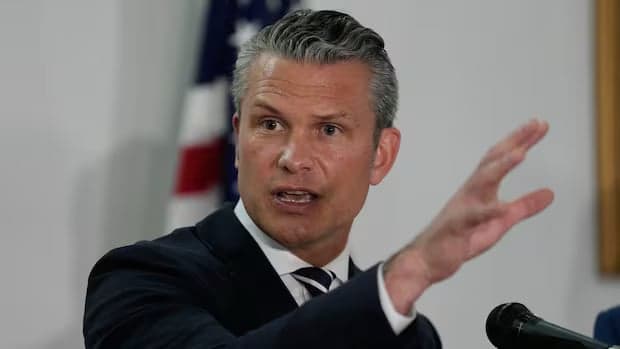
Canadian Defence Minister David McGuinty rejects Pentagon criticism over military spending
 08
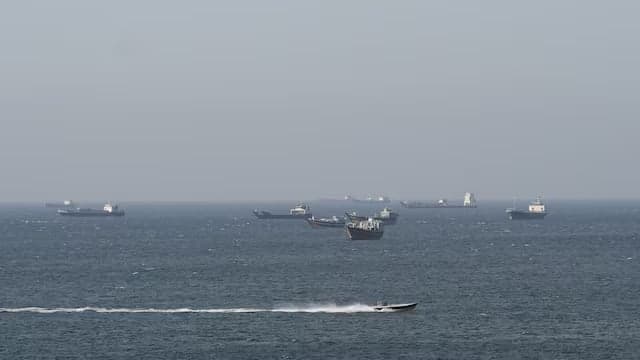
Iranian Vice President Mohammad Reza Aref dismisses concerns over United States naval blockade
See all 8 as a listHide the list
- NATO Launches STARLIFT Initiative to Counter Russian Orbital Threats
- Libyan National Army Vows Retaliation Against Ukraine After Deadly Strike on Russian Warship
- NATO Chief Rutte Holds Urgent Talks with Trump Following Shenzhen Great-Power Summit
- Israeli airstrike kills senior Hamas security commander in Gaza City
- EU Convenes Western Balkans Summit to Accelerate Accession Amid Regional Strains
- South Korea Restructures Security Leadership to Repair Intelligence Alliance with U.S.
- Canadian Defence Minister David McGuinty rejects Pentagon criticism over military spending
- Iranian Vice President Mohammad Reza Aref dismisses concerns over United States naval blockade
Story 1 of 8
2 min read
NATO Launches STARLIFT Initiative to Counter Russian Orbital Threats
NATO has introduced the STARLIFT initiative, a collaborative effort to establish a rapid satellite launch capability across allied nations and key partners like South Korea. This program is designed to protect military and commercial assets in low Earth orbit against potential sabotage and advanced anti-satellite weaponry. The initiative follows intelligence reports indicating Russia is preparing to deploy nuclear-capable orbital systems.
Read the full storyFold the full story2 min · 5 sources
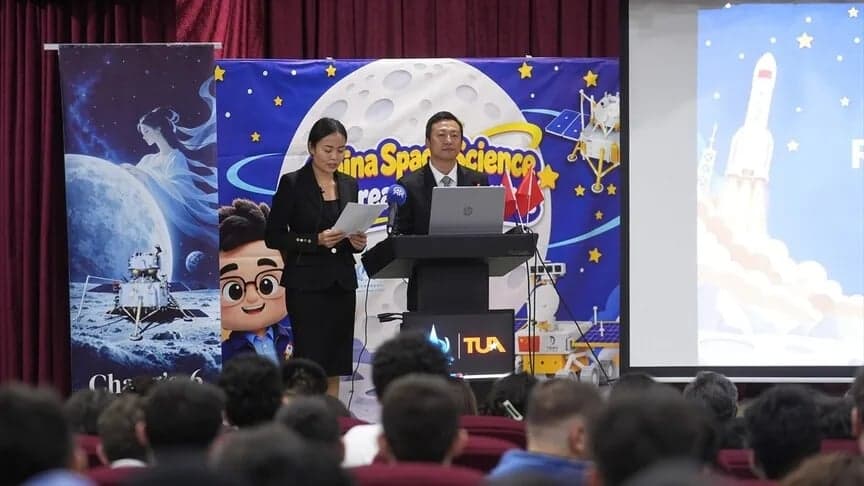
In a major policy announcement reflecting the militarization of Earth orbit, NATO officially launched its multinational STARLIFT initiative on November 24, 2026, aimed at establishing a responsive, distributed allied capability for rapid satellite deployment[1][2]. The program brings together ten NATO member states - including the United Kingdom, Germany, and Turkey - alongside Indo-Pacific partner the Republic of Korea[2][3]. Structured via the NATO Support and Procurement Agency (NSPA), STARLIFT creates a standardized allied network of commercial launch providers, mobile launch platforms, and regional European spaceports to allow the alliance to replenish or augment defense constellations on operational notice[2][4].
The rollout comes in direct alignment with international intelligence revelations regarding adversarial space capabilities[1]. On November 23 and 24, investigative findings published by German public broadcasters NDR and WDR alongside the Süddeutsche Zeitung revealed that Western intelligence services have tracked preparations by the Russian Federation to deploy a suspected nuclear-capable anti-satellite system into orbit, reportedly designated under the covert program "Sputnik-S"[1]. Intelligence assessments from the U.S. Defense Intelligence Agency and European security ministries suggested Moscow could attempt an operational deployment before the close of the calendar year, creating acute vulnerability for commercial and military communications architecture in low Earth orbit[1].
The United Kingdom’s formal accession to the STARLIFT framework between November 23 and 24 reflects the operational urgency felt across European capitals[4][5]. Defense planners have increasingly concluded that high reliance on centralized, static, and slow-turnaround spaceports leaves the alliance exposed to space-denial strikes, high-altitude electromagnetic pulse weapons, or deliberate orbital sabotage[1][4]. STARLIFT addresses this asymmetry by pre-qualifying commercial small-satellite launch services, establishing responsive launch protocols, and coordinating launch sites spanning northern Europe and allied partner hubs[2][4].
The establishment of STARLIFT marks an important doctrinal transition for NATO, which formally recognized space as an operational domain in 2019[2]. By directly integrating commercial aerospace firms and Pacific partners such as South Korea into NATO’s military orbital logistics chain, the initiative establishes an active space resilience mechanism[2]. European defense leaders, including German Defence Minister Boris Pistorius, noted that securing allied satellite architecture is now indistinguishable from territorial collective defense, establishing that future deterrence will depend heavily on sovereign, responsive access to orbit[1][1].
- NATO
- United Kingdom
- Germany
Story 2 of 8
2 min read
Libyan National Army Vows Retaliation Against Ukraine After Deadly Strike on Russian Warship
The eastern-based Libyan National Army has vowed to retaliate against Ukraine after confirming that two Libyan naval officers died from injuries sustained during a Ukrainian sea drone strike on a Russian warship in Benghazi.
Read the full storyFold the full story1 min · 4 sources
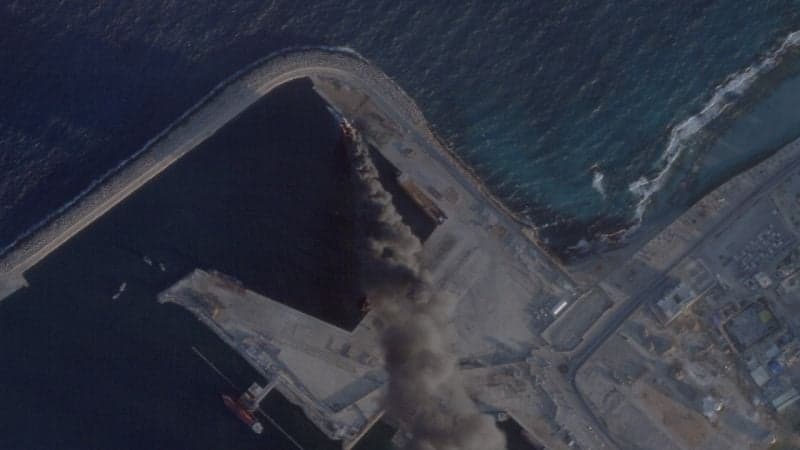
The eastern-based Libyan National Army announced on November 24, 2026, that two Libyan naval officers died from injuries sustained during a Ukrainian sea drone strike on a Russian warship docked in Benghazi. Following the confirmation of their deaths, the military command led by General Khalifa Haftar warned it would retaliate against Ukraine at the appropriate time, place, and means. The attack occurred in the early hours of November 22 at the Benghazi Naval Base, where the Russian navy corvette Merkury was docked to refuel and resupply under a bilateral cooperation agreement.
Ukrainian President Volodymyr Zelenskyy confirmed the operation, stating that Ukrainian forces deployed seven domestically produced naval drones launched from a mothership roughly 2,400 kilometers from the front lines in Ukraine. Ukrainian authorities and satellite imagery indicated the corvette capsized and sank, while an additional drone struck the Russian cargo ship MV Angara off the Libyan coast. At least 10 people, including Libyan and Russian nationals, were wounded during the strikes.
The incident highlights the expansion of the Russia-Ukraine conflict into North Africa. Libya remains divided between Haftar’s Libyan National Army in the east and south, which maintains close defense ties with Moscow, and the internationally recognized Government of National Unity in the west. Eastern military officials alleged the Ukrainian drones were launched from western Libya, pointing to prior reports of Ukrainian drone operators staging missions out of Misrata.
The strike prompted strong diplomatic reactions, with Ukrainian Foreign Minister Andrii Sybiha defending the action as a legitimate act of self-defense under United Nations Charter Article 51. In Tripoli, the Government of National Unity condemned the strike, denied permitting Ukrainian forces to use western Libyan facilities, and criticized Haftar for hosting Russian military assets. Meanwhile, Kremlin spokesman Dmitry Peskov warned that attacks on Russian military personnel would not remain unpunished, and eastern authorities requested a United Nations inquiry into unauthorized foreign operations.
- Libyan National Army
- Government of National Unity
- Khalifa Haftar
Story 3 of 8
2 min read
NATO Chief Rutte Holds Urgent Talks with Trump Following Shenzhen Great-Power Summit
NATO Secretary General Mark Rutte has met with President Donald Trump in Florida to discuss the future of the Atlantic alliance after a surprise summit between Trump, Vladimir Putin, and Xi Jinping. The meeting in Shenzhen produced a peace declaration made without European input, fueling fears of a unilateral shift in U.S. policy regarding Ukraine and European security. European leaders are now scrambling to secure defense guarantees and increase domestic capability as they face intensified Russian military pressure.
Read the full storyFold the full story2 min · 12 sources
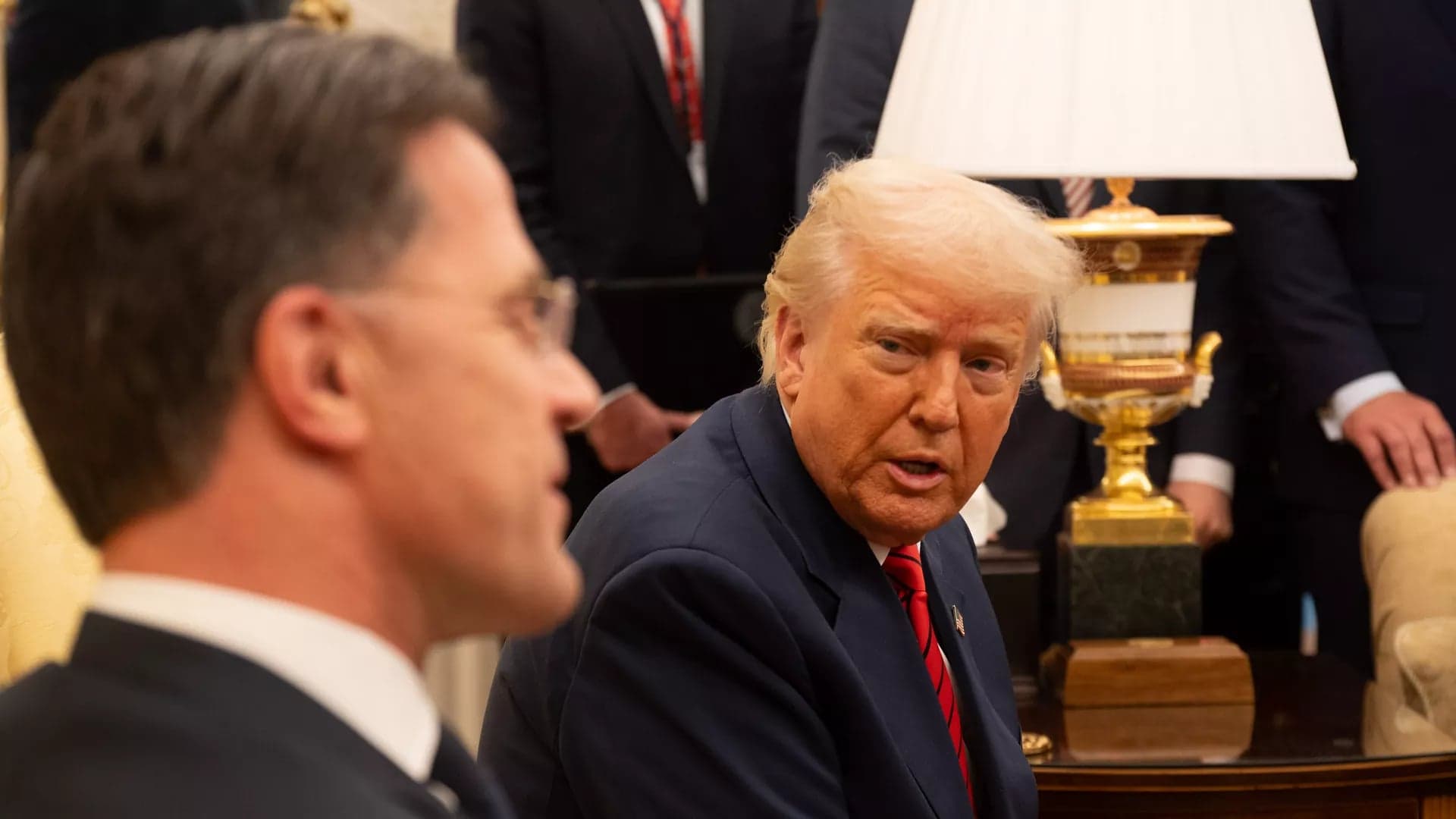
NATO Secretary General Mark Rutte has traveled to Florida for closed-door discussions with U.S. President Donald Trump at his Mar-a-Lago estate, amidst transatlantic anxiety over the future of the Western alliance[1][2]. The sudden bilateral summit was arranged on short notice following President Trump's meeting with Chinese President Xi Jinping and Russian President Vladimir Putin in Shenzhen, China, where the three leaders issued a four-point peace declaration touching upon nuclear risk reduction, the International Criminal Court, and global petroleum markets - conducted entirely without the participation or prior consultation of European allies[3][4][5][2]. Rutte’s visit, accompanied by meetings with incoming White House and national security officials, was executed under strict media blackouts[1][1].
European capitals are seeking urgent clarity regarding Washington’s defense guarantees and military aid commitments to Ukraine[2]. Russian forces have unleashed devastating winter strikes across Ukraine's energy grid, plunging five major provinces - including Dnipropetrovsk, Zaporizhzhia, and Kharkiv - into mass blackouts[6]. Compounding allied anxiety, Russian Kh-101 cruise missiles recently entered Polish airspace before crashing inside NATO territory during a massive aerial barrage, prompting emergency consultations of the North Atlantic Council in Brussels[7]. While Rutte publicly defended Trump’s direct engagements with Beijing and Moscow as "natural" great-power diplomacy, European policymakers fear a unilateral accommodation that could freeze the Ukrainian frontline without binding security guarantees or European participation[2][8].
The Mar-a-Lago mission also reflects a concerted effort by NATO leadership to preempt American pressure over alliance cost-sharing and defense expenditures[2][8]. Rutte arrived in the United States following high-level coordination with key European leaders, including incoming German Chancellor Friedrich Merz, who warned lawmakers in Berlin during federal budget debates that "Russia wants more than Ukraine" and demanded an expansion of domestic defense capabilities[6][2]. High-level discussions at the Transatlantic Policy Dialogues similarly concluded that the structural unpredictability of American leadership is forcing Europe to balance flexible, self-reliant security coalitions with durable NATO institutions, shifting away from complete dependence on the traditional transatlantic bargain[9][10].
This geopolitical friction has accelerated strategic diversification among traditional U.S. allies[11]. Dispatches across the Atlantic and Indo-Pacific reveal middle powers aggressively forming independent ties to shield their economies and defense infrastructure from superpower unilateralism[11]. Canadian Prime Minister Mark Carney has advanced trade engagement across Southeast Asia while expanding the Partners for Multilateralism (P4M) initiative, and Japanese Prime Minister Sanae Takaichi has bypassed traditional channels to broker bilateral defense-production and critical-mineral compacts across Europe and Asia[11][12]. As Rutte works to preserve core NATO deterrence structures in Florida, the broader international system is actively pivoting toward variable-geometry diplomacy, where traditional alliance loyalties are increasingly superseded by localized, self-reliant security pacts[11][12].
- Mark Rutte
- Donald Trump
- NATO
Story 4 of 8
1 min read
Israeli airstrike kills senior Hamas security commander in Gaza City
An Israeli airstrike in Gaza City killed Hamas internal security colonel Mohammad Abuelouf alongside three family members. The strike marks the second targeted killing of a top Hamas security chief within twenty-four hours.
Read the full storyFold the full story1 min · 1 source
An Israeli airstrike early Wednesday struck an apartment in the Beach refugee camp west of Gaza City, killing Colonel Mohammad Abuelouf, a senior Hamas commander who headed the militant group's internal security service in northern Gaza. The strike also killed Abuelouf’s wife, Noura, and their two teenage daughters, and wounded 12 other people according to Gaza civil defence and medical staff. A separate strike later Wednesday morning in the Karama neighbourhood of Gaza City killed one person.
The strike was the second targeted killing of a top Hamas security chief within twenty-four hours, following the death on Tuesday of Naeem Abu Nahel, the overall head of Hamas's internal security apparatus. Prime Minister Benjamin Netanyahu stated that Hamas could not escape Israel’s reach, while the Israel Defense Forces and Shin Bet confirmed the strike on Abuelouf, accusing him of directing attacks against Israeli forces and rebuilding military capabilities in violation of the ceasefire.
Hamas’s internal security branch identifies suspected collaborators, gathers intelligence, and suppresses domestic dissent. These strikes occur as an October 2025 ceasefire supported by United States President Donald Trump frays amid persistent clashes and air operations. Official tallies indicate that more than 1,600 Palestinians and at least five Israeli soldiers have been killed since the truce began, with total deaths in Gaza exceeding 74,000 since October 7, 2023.
Israeli troops now control roughly two-thirds of the Gaza Strip, leaving Hamas confined to a narrow coastal strip. With consecutive command killings dismantling the leadership of Hamas's internal security apparatus, the group faces growing administrative and security vacuums.
- Mohammad Abuelouf
- Naeem Abu Nahel
- Benjamin Netanyahu
Story 5 of 8
2 min read
EU Convenes Western Balkans Summit to Accelerate Accession Amid Regional Strains
European Union leaders met with Western Balkan counterparts in Brussels to advance accession negotiations and implement the regional Growth Plan. While the EU emphasized the importance of a merit-based integration process, the summit faced significant political challenges, including the absence of Serbian President Aleksandar Vučić. The meeting underscored the EU's urgency to stabilize the region and ensure alignment with European security policies.
Read the full storyFold the full story2 min · 5 sources
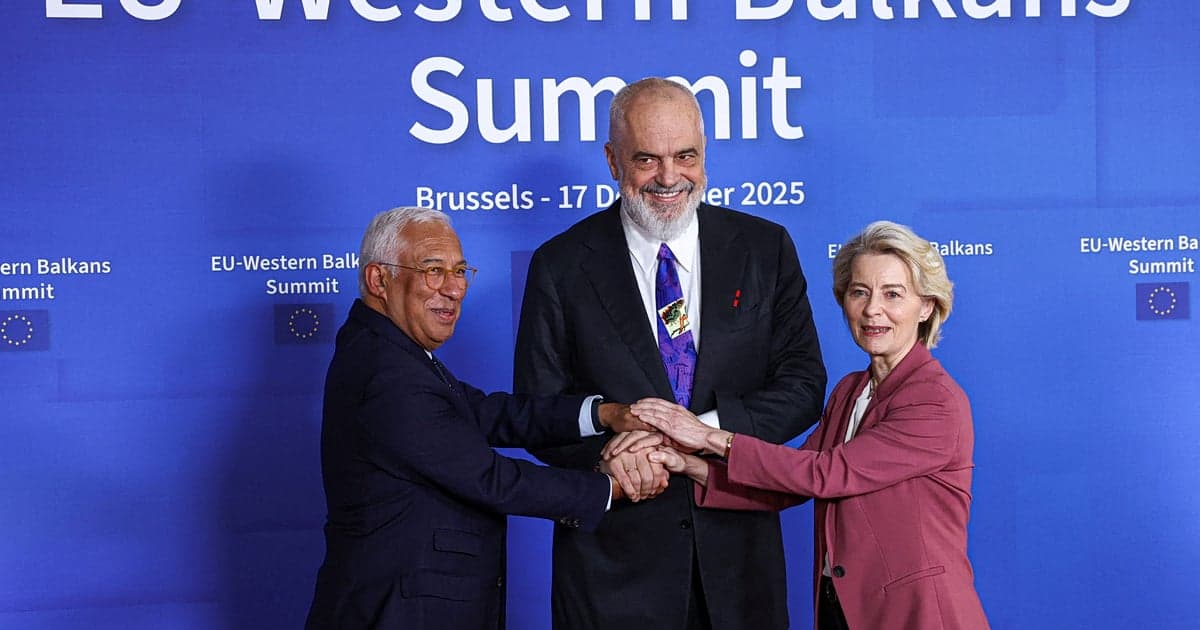
European Union leadership convened high-level heads of state and government from across Southeastern Europe in Brussels on November 25, 2026, for the EU-Western Balkans Summit[1][2]. Chaired by European Council President António Costa alongside European Commission President Ursula von der Leyen, the summit was designed to reinforce the European Council’s 2024–2029 strategic agenda and accelerate accession momentum for the candidate states: Albania, Bosnia and Herzegovina, Kosovo, Montenegro, North Macedonia, and Serbia[1][2]. Negotiations centered on implementing the Western Balkans Growth Plan, harmonizing regulatory systems, and addressing shared external security risks in the shadow of broader European instability[1][3].
Addressing delegates at the Europa building, Council President Costa characterized the enlargement framework as a mandatory geopolitical investment rather than an administrative exercise[1][3]. "The Western Balkans' future is in the European Union," Costa stated, emphasizing that accession must function as a strict merit-based process where front-runners are not tethered to lagging neighbors[1][4]. The conference placed particular focus on the EU’s multi-billion-euro Growth Plan, which provides targeted economic integration and financial support in exchange for verifiable domestic structural reforms, judicial overhauls, and alignment with EU external foreign and security policies[1][2].
The summit’s diplomatic optics, however, were clouded by underlying geopolitical divisions and national boycott[2][4]. Serbian President Aleksandar Vučić declined to attend the intergovernmental proceedings in Brussels, protesting political pressures from member states and highlighting Belgrade’s continuing reluctance to fully align its foreign policy with EU security mandates[2][4]. In contrast, Montenegrin leadership, represented by Prime Minister Milojko Spajić, utilized the ministerial sessions to advocate for accelerated entry, asserting Montenegro’s ambition to complete accession milestones and achieve full EU membership as early as 2028[4].
The proceedings in Brussels underscore a determined push by the EU to anchor Southeastern Europe securely within its institutional orbit before rival regional actors can expand their influence[1][2]. European officials stressed during working sessions that unresolved border disputes, domestic institutional inertia, and hybrid security threats require deeper strategic alignment[1][2]. With the European Commission simultaneously drafting expanded sanctions frameworks against foreign evasion networks[5], the summit reinforced that integration into the EU internal market will remain inextricably tied to full security and political compliance[1][3].
- European Union
- António Costa
- Ursula von der Leyen
Story 6 of 8
2 min read
South Korea Restructures Security Leadership to Repair Intelligence Alliance with U.S.
President Lee Jae Myung has reshuffled his cabinet, replacing high-level foreign policy and intelligence officials with pro-alliance figures to restore strained security cooperation with Washington. The move follows diplomatic friction caused by unauthorized disclosures of North Korean nuclear activities, which led to reduced intelligence access from the U.S. By installing experienced pragmatists, the administration seeks to stabilize military and technological ties amidst increasing regional provocations from Russian and North Korean forces.
Read the full storyFold the full story2 min · 9 sources
South Korean President Lee Jae Myung has executed an abrupt and sweeping shakeup of his foreign policy and intelligence leadership, moving decisively to excise "autonomy-oriented" officials from his cabinet to repair strained security ties with the United States[1][2]. Under the executive reshuffle announced by Blue House Chief of Staff Lim Kwang-hyun, career diplomat and veteran North American affairs specialist Lim Woong-soon has been nominated as Foreign Minister[3][4]. Concurrently, former Justice Minister Kang Kum-sil was tapped to head the National Intelligence Service (NIS) - setting her on track to become the first female spy chief in South Korean history - while former parliamentary floor leader Hong Ihk-pyo was nominated as Unification Minister[3][2][5].
The personnel overhaul is widely interpreted by regional analysts as a diplomatic corrective intended to resolve severe friction with Washington over intelligence management and deterrence posture[1][6]. Bilateral intelligence-sharing protocols suffered severe disruptions following an incident in which outgoing Unification Minister Chung Dong-young publicly disclosed during a parliamentary session that North Korea operated an undeclared uranium enrichment facility in the Kusong region[6][7]. The leak reportedly angered the U.S. defense establishment, prompting Washington to restrict Seoul's access to sensitive signals intelligence regarding North Korean military movements and resulting in the NIS’s embarrassing exclusion from a trilateral cyber-threat summit with the United States and Japan[6].
The United States State Department responded favorably to the nominations, releasing an official statement reaffirming that "the United States values the importance of close cooperation in the U.S.-ROK Alliance" and signaling a willingness to restore regular bilateral security and defense architecture[1][6]. Lim Woong-soon, who previously served as South Korea’s ambassador to Canada and held high-level postings at the Embassy in Washington, is widely viewed by allied defense officials as an orthodox pragmatist capable of stabilizing industrial and defense-technology trade under the alliance framework[3][5].
This realignment arrives during acute regional security pressure in Northeast Asia[8]. On the day following the appointments, South Korea’s Joint Chiefs of Staff confirmed that multiple Russian military aircraft violated South Korea's Air Defense Identification Zone (KADIZ) over the maritime boundary between the Korean Peninsula and Japan, prompting fighter jet scrambles[9]. By installing established pro-alliance diplomats and replacing ideologues advocating for "self-reliant" strategic ambiguity, President Lee is attempting to insulate South Korea's advanced microchip, defense, and maritime supply chains from geopolitical fallout ahead of anticipated multilateral summitry with the Trump administration[2][5].
- Lee Jae Myung
- South Korea
- United States
Story 7 of 8
2 min read
Canadian Defence Minister David McGuinty rejects Pentagon criticism over military spending
Canadian Defence Minister David McGuinty firmly pushed back against sharp American criticism of Ottawa’s military spending, asserting that Canada is a sovereign nation that does not answer to the United States.
Read the full storyFold the full story2 min · 4 sources
Canadian Defence Minister David McGuinty forcefully rejected sharp American criticism of Ottawa’s military readiness and expenditures, declaring that Canada is a sovereign nation that does not report to the United States. Speaking to reporters on Parliament Hill in Ottawa on November 24, 2026, McGuinty pushed back against a two-page Pentagon document and an earlier classified directive issued by U.S. Defense Secretary Pete Hegseth, both of which admonished Canadian defence posture and restricted bilateral military engagements.
The escalation followed a classified memorandum circulated by Hegseth, first reported by The Washington Post on November 20, 2026. While Pentagon spokesman Sean Parnell stated the move aimed to focus bilateral ties on tangible U.S. objectives, Republican U.S. Senator Mike Rounds confirmed at the Halifax International Security Forum that the directive restricted U.S. military personnel from attending Canadian think-tank and social events, as well as limiting flag-officer meetings. Days later, the Pentagon publicly released an unusually blunt fact sheet, titled Canadian defence shortfalls, accusing Canada of fielding an atrophied military and failing to be a credible partner in defending North America.
The underlying friction stems from longstanding disputes over alliance funding targets and procurement decisions. Canada spent 63.4 billion Canadian dollars on defence in 2025, reaching the long-sought NATO baseline of 2 percent of gross domestic product. However, after NATO members agreed to target 5 percent of GDP by 2035, Canada’s federal budget projected total defence and security spending reaching 4.1 percent by 2027 to 2028, with only 2.6 percent allocated to core defence. Tensions have been exacerbated by the Canadian government's ongoing political review of its order for Lockheed Martin F-35 fighter jets, as well as Ottawa's decision to procure early warning aircraft from Sweden’s Saab rather than Boeing.
McGuinty insisted that day-to-day operations under the binational North American Aerospace Defense Command and NATO remain business as usual, noting that he could not explain the Pentagon’s timing beyond internal U.S. domestic politics. Ministerial spokesperson Simon Lafortune highlighted an 81.8 billion Canadian dollar five-year military rebuilding commitment. Domestically, Canadian Conservative opposition leader Pierre Poilievre criticized the U.S. restrictions as a terrible mistake, while former Conservative leader Erin O'Toole warned that Washington's grievances reflect broader friction surrounding trade and the upcoming renewal of the Canada-United States-Mexico Agreement.
- David McGuinty
- Pete Hegseth
- Pentagon
Story 8 of 8
2 min read
Iranian Vice President Mohammad Reza Aref dismisses concerns over United States naval blockade
Iranian First Vice President Mohammad Reza Aref dismissed concerns over an ongoing U.S. naval blockade, pointing to increased cargo flows across the country's non-southern borders. Aref insisted that Iran's reserves of strategic goods remain strong despite severe economic pressures.
Read the full storyFold the full story1 min · 3 sources
Iranian First Vice President Mohammad Reza Aref stated on Wednesday, November 25, 2026, that Tehran is unconcerned about an ongoing United States naval blockade, pointing to an increase in cargo unloading and customs clearance across the country's non-southern borders. Speaking in Tehran, Aref insisted that Iran's reserves of strategic goods remain strong and stockpiles plentiful, although he did not disclose specific figures. Aref argued that the growth of overland transit and northern clearance routes demonstrates Iran's capacity to withstand foreign maritime pressure and maintain the inflow of essential supplies.
The vice president's assertions come as Iran confronts one of its most severe economic crises in decades, fueled by an escalating conflict that has lasted nearly nine months. Washington reimposed a naval blockade on Iranian maritime ports in July to choke off commercial and military supply lines. Earlier in November, the U.S. government intensified this campaign by establishing Task Force Iron Gate, an operation specifically designed to monitor and intercept the transit of weapons and sanctioned cargo moving across Iran's land borders and through the Caspian Sea.
The maritime restrictions and broader geopolitical fallout have severely impacted the Iranian public through soaring living costs. According to the Statistical Centre of Iran, domestic consumer prices in October climbed 88.7 percent year-on-year, while average annual inflation accelerated to 76.8 percent. The price of food and non-alcoholic beverages surged by 112.6 percent over the same period, placing severe pressure on household budgets.
Addressing these domestic fallout risks, Aref announced that the Iranian administration is pursuing immediate interventions to freeze the prices of basic commodities for at least the next three months. In a separate governmental session, Iranian President Masoud Pezeshkian emphasized that authorities plan to reallocate budget resources and savings achieved from national energy efficiencies toward social safety nets for impoverished communities. Moving forward, Iranian leadership maintains that broader political negotiations will remain stalled until the United States meets Tehran's baseline demands, which include fully dismantling the naval blockade, removing financial sanctions, and releasing frozen Iranian assets.
- Mohammad Reza Aref
- Masoud Pezeshkian
- United States
You're all caught up.
That's every story in Wednesday's PiBrief Geopolitics. And there's a newer edition waiting for you.
All PiBrief Geopolitics editions
Subscribe to receive daily briefings about geopolitics and world news in your email.
Get PiBrief Geopolitics in your inbox
A free newsletter on geopolitics and world news. Diplomacy, conflict, the global economy, and elections, ranked and explained, with an audio briefing in every edition.
Free forever / no account / 1-click unsubscribe