
Tehran talks, Putin-Zelenskyy meeting & Mecca pact
Tehran is seeking direct talks with Washington to ease Gulf tensions as regional powers solidify new defense commitments across the Middle East. Meanwhile, diplomatic maneuvering surrounding Ukraine accelerates with efforts to broker an imminent Putin-Zelenskyy meeting alongside new Nordic outreach to Moscow. In parallel, Moscow and Beijing continue efforts to build alternative global security and financial frameworks.
14 stories95 sources checked
Listen to this edition
PiBrief Geopolitics, October 28, 2026
The lineup
In this edition
- 01
Tehran seeks U.S. talks, brokers regional de-escalation amid Gulf tensions
 02
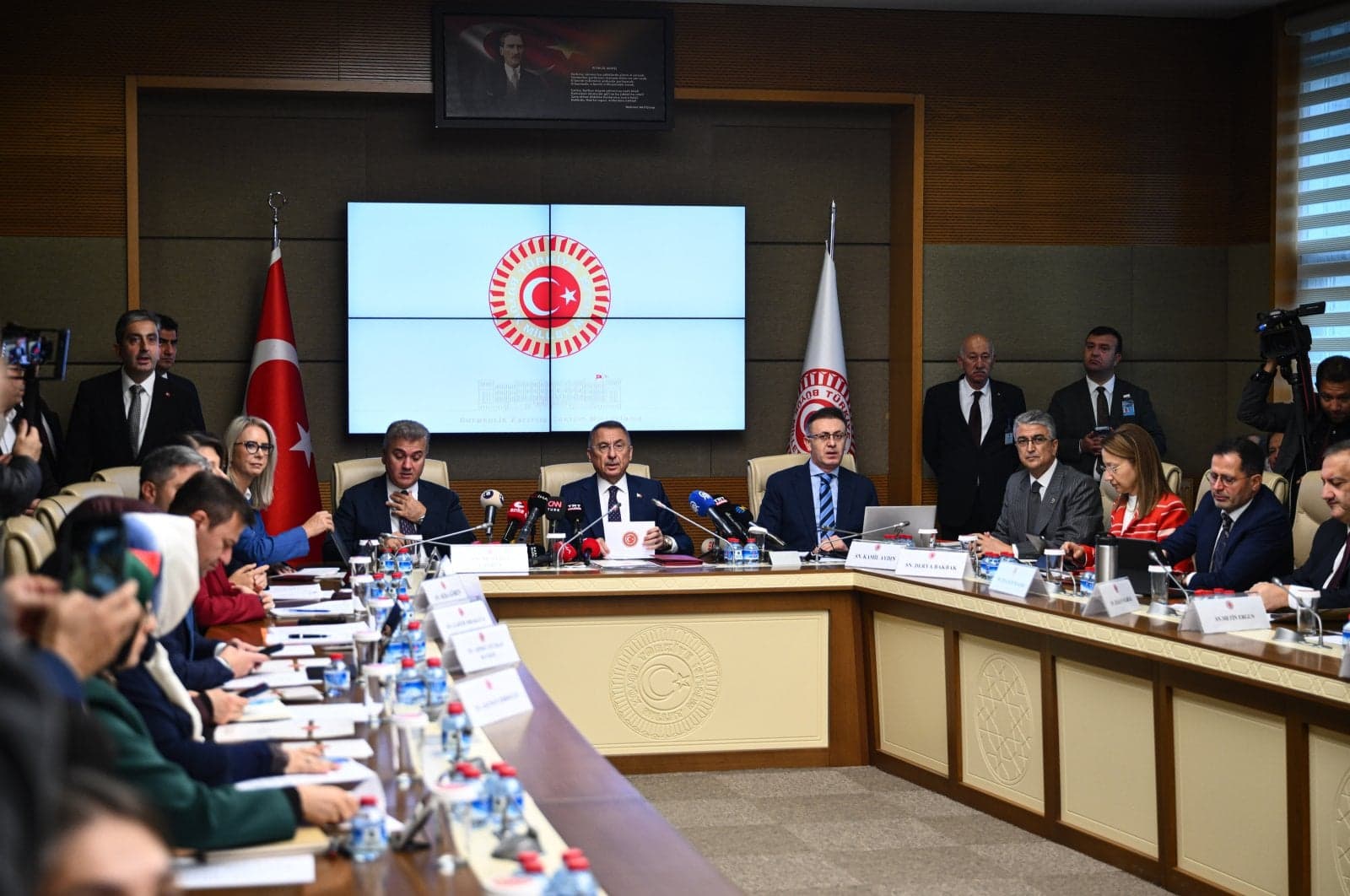
Mecca Defense Pact Ratified by Turkey, Boosting Regional Security Architecture
 03
Nordic Diplomatic Split Emerges Over Direct Russia Engagement on Ukraine
 04
Nordic Leaders Open Direct Channel with Putin; Ukraine Ceasefire Holds Locally
 05
Trump brokering imminent Putin-Zelenskyy meeting amid Kyiv's security demands caution
 06
Moscow hosts Russia-Africa Summit to counter Western isolation
 07
Russia-Africa Summit Focuses on Alternative Financial and Security Frameworks
 08
Egypt Mandated to Defend Saudi Arabia Amidst Escalating Regional Threats
 09
Beijing partners with Switzerland, unveils trade protection measures
 10
German Chancellor Merz Seeks Europe-Asia Strategic Coalition on Singapore Visit
 11
US Signals Potential Post-Election Military Strike Against Iran to Gulf Allies
 12
Inconclusive Israeli Elections Paralyze Government Amidst Regional Instability
 13
U.S. and Cuban envoys clash violently at UN General Assembly
 14
EU Commission Proposes Transforming Frontex into Centralized Deportation Agency
See all 14 as a listHide the list
- Tehran seeks U.S. talks, brokers regional de-escalation amid Gulf tensions
- Mecca Defense Pact Ratified by Turkey, Boosting Regional Security Architecture
- Nordic Diplomatic Split Emerges Over Direct Russia Engagement on Ukraine
- Nordic Leaders Open Direct Channel with Putin; Ukraine Ceasefire Holds Locally
- Trump brokering imminent Putin-Zelenskyy meeting amid Kyiv's security demands caution
- Moscow hosts Russia-Africa Summit to counter Western isolation
- Russia-Africa Summit Focuses on Alternative Financial and Security Frameworks
- Egypt Mandated to Defend Saudi Arabia Amidst Escalating Regional Threats
- Beijing partners with Switzerland, unveils trade protection measures
- German Chancellor Merz Seeks Europe-Asia Strategic Coalition on Singapore Visit
- US Signals Potential Post-Election Military Strike Against Iran to Gulf Allies
- Inconclusive Israeli Elections Paralyze Government Amidst Regional Instability
- U.S. and Cuban envoys clash violently at UN General Assembly
- EU Commission Proposes Transforming Frontex into Centralized Deportation Agency
Story 1 of 14
2 min read
Tehran seeks U.S. talks, brokers regional de-escalation amid Gulf tensions
Iran has coordinated with Saudi Arabia, Pakistan, and Turkey to propose a framework for de-escalating tensions with the United States, urging them to advocate for renewed direct negotiations. Tehran aims to position itself as a proponent of regional security while pushing for U.S. withdrawal from the Persian Gulf. This initiative occurs amidst ongoing regional conflict, significant U.S. military spending, and persistent disruptions in the Red Sea.
Read the full storyFold the full story2 min · 4 sources
Senior Iranian diplomatic representatives convened high-level consultations in Tehran with delegations from Saudi Arabia, Pakistan, and Turkey to outline proposals for a framework to de-escalate tensions with the United States[1]. Intelligence assessments and regional reporting indicate that Iranian officials specifically urged the tripartite group to utilize their strategic access to Washington to advocate for renewed direct negotiations[1]. Tehran is seeking to leverage shared regional apprehensions over widening armed conflict to position itself as a proponent of a regional security architecture while pushing for the eventual withdrawal of U.S. forces from the Persian Gulf[1][1].
The diplomatic overture unfolds against the backdrop of a grinding regional conflict that has imposed heavy fiscal and operational costs[1][2]. Recent Pentagon estimates calculate that the United States has spent over $47 billion prosecuting military operations against Iran and affiliated networks over the past eight months[2]. However, the diplomatic initiative remains precarious amid operational friction on multiple fronts[1]. On October 27, U.S. air defense systems intercepted two surveillance drones operated by Iranian-backed militias directly over the U.S. Embassy compound in Baghdad, an operation intelligence analysts assessed as a calculated intimidation tactic to deter preemptive American strikes on Iranian targets[1][1].
Simultaneously, severe disruptions persist across the Red Sea and Arabian Peninsula[1][1]. Yemeni Houthi forces claimed to have targeted Saudi Arabia’s critical Ras Tanura oil refinery with a ballistic missile for the first time in the current conflict, alongside strikes against regional civilian air hubs including Abha, Najran, and King Khalid Air Base[1]. The escalation followed an impasse in bilateral ceasefire negotiations conducted in Tehran, during which Riyadh rejected Houthi demands to lift all controls over Yemeni airports and energy revenues[1]. The deteriorating security environment prompted the U.S. Department of State to issue strict security alerts and mandate that non-emergency personnel obtain special authorization to transit Saudi airports[3]. Further complicating the regional matrix, Egypt's parliament approved the deployment of purely defensive military personnel to Saudi territory, drawing direct threats of retaliation from the Houthis[1].
Addressing the escalating standoff, Iranian Foreign Minister Abbas Araghchi publicly warned that any future military strikes against Iranian infrastructure would deliver a "devastating impact" to global energy markets and international shipping[4]. Meanwhile, Omani Foreign Minister Badr al Busaidi advocated for the immediate establishment of a multilateral Gulf non-aggression pact, and Qatari emissaries delivered an updated ceasefire draft to Iranian negotiators[1][4]. Diplomatic sources indicate that negotiations remain fundamentally deadlocked, as Gulf capitals are unwilling to endorse any pact predicated on the expulsion of U.S. forces, while Washington demands verifiable, irreversible rollbacks of Iranian-aligned militia operations before considering sanctions relief[1][1].
- Iran
- Saudi Arabia
- Pakistan
Story 2 of 14
2 min read
Mecca Defense Pact Ratified by Turkey, Boosting Regional Security Architecture
Turkey's parliament has approved the ratification bill for the Mecca Joint Defense Alliance, a significant step in establishing a new Middle Eastern security framework. This move follows a joint mission to Tehran by defense chiefs from Turkey, Saudi Arabia, and Pakistan to engage in quadrilateral talks with Iranian leadership. The alliance aims to create regional deterrence and stabilize borders, with mutual-defense provisions similar to NATO.
Read the full storyFold the full story2 min · 10 sources
In a milestone step toward institutionalizing a new Middle Eastern security architecture, the Foreign Affairs Commission of the Grand National Assembly of Türkiye formally approved a ratification bill for the Mecca Joint Defense Alliance on October 27, 2026[1]. The parliamentary action in Ankara came immediately after an unprecedented trilateral diplomatic mission to Tehran, where senior defense and intelligence chiefs from Türkiye, Saudi Arabia, and Pakistan engaged in direct quadrilateral talks with Iranian leadership[2][3][4]. Commission Chairman Fuat Oktay championed the ratification during legislative deliberations, stressing that the mutual-defense pact is designed to establish regional deterrence and stabilize common borders rather than form an aggressive bloc aimed against external third parties[1].
The alliance, initially concluded in Mecca in August 2026, has rapidly emerged as one of the most consequential strategic partnerships in the Islamic world[3][1]. Modeled partly on the collective-defense principles of NATO, the agreement includes mutual-assistance provisions where an armed assault against one signatory is viewed as an attack on all - a clause that initially triggered scrutiny within Ankara over potential military overextension abroad[5][1]. However, intensifying security friction across the Arabian Peninsula, punctuated by repeated Houthi missile and drone strikes against Saudi energy assets and urban centers, accelerated the pact's legislative progress[3][6][1]. Oktay told lawmakers that the alliance is non-exclusive and permits future expansion, provided new entrants pass rigorous strategic screening and obtain unanimous consent from the founding trio[1].
The parliamentary milestone followed an extraordinary show of collective leverage in Tehran, where Saudi Defense Minister Prince Khalid bin Salman, Pakistan’s Army Chief of Staff Field Marshal Asim Munir, and Turkish National Intelligence Organization (MİT) Director Ibrahim Kalin held high-stakes consultations with Iranian President Masoud Pezeshkian and Supreme National Security Council Secretary Mohsen Rezaei[2][3][4]. According to Dr. Rayed Krimly, Saudi Deputy Minister for Public Diplomacy, the mission represented a unified effort by the Mecca pact signatories to defuse soaring regional hostilities and support ongoing diplomatic mediation facilitated by Qatar and Pakistan[3][7]. In parallel, security officials in Islamabad noted that the delegation pressed Tehran to curb Yemen's Houthi operations against Saudi soil, underscoring that a failure of regional containment would inexorably drive regional powers toward closer counter-threat coordination[6].
The formal advancement of the Mecca Alliance reflects a structural realignment across Middle Eastern geopolitics, demonstrating how regional middle powers are assembling autonomous collective-security apparatuses rather than relying exclusively on traditional Western security umbrellas[8][4]. Observers emphasize that coordinating Turkish intelligence capabilities, Pakistani nuclear and conventional military depth, and Saudi financial resources creates a formidable trilateral pivot[9][10][4]. By coupling formal mutual-defense guarantees with active, direct diplomacy toward Tehran, the Mecca Pact nations are attempting to build an independent crisis-management framework capable of preventing wider regional conflict while containing proxy warfare[3][4].
- Mecca Joint Defense Alliance
- Türkiye
- Saudi Arabia
Story 3 of 14
2 min read
Nordic Diplomatic Split Emerges Over Direct Russia Engagement on Ukraine
Finland and Norway have initiated direct diplomatic calls with Russian President Vladimir Putin to discuss de-escalation and infrastructure protection in Ukraine. These calls, made by Finnish President Alexander Stubb and Norwegian Prime Minister Jonas Gahr Støre, were followed by consultations with Ukrainian President Volodymyr Zelenskyy. This initiative has created a visible divergence within the Nordic bloc.
Read the full storyFold the full story1 min · 4 sources
A rare divergence in Nordic foreign policy surfaced on October 27, 2026, when Finnish President Alexander Stubb and Norwegian Prime Minister Jonas Gahr Støre conducted direct telephone calls with Russian President Vladimir Putin to initiate high-level diplomatic interventions concerning the war in Ukraine[1]. The bilateral conversations, confirmed by European diplomatic officials, sought to establish a direct channel of communication with the Kremlin focused specifically on securing de-escalation guarantees and halting strikes against Ukraine’s civilian and energy infrastructure[1].
Immediately following their individual dialogues with the Kremlin, both Stubb and Støre spoke directly with Ukrainian President Volodymyr Zelenskyy to review the contents of their discussions and ensure synchronization with Kyiv’s leadership[1]. The initiative represented the most substantial direct diplomatic outreach by front-line Nordic capitals to Moscow since the expansion of the conflict[1][1]. The discussions occurred alongside localized humanitarian steps on the ground, including a localized ceasefire brokered in the occupied Ukrainian city of Oleshky to enable civilian evacuations and emergency aid delivery[2][1].
The outreach provoked open skepticism and discord within the Nordic bloc[1][1]. Danish Prime Minister Mette Frederiksen publicly questioned the efficacy and timing of the diplomatic initiative, cautioning that unilateral telephone engagements with Putin risk muddling Western unity, weakening collective pressure on Moscow, and giving the Kremlin diplomatic legitimacy without secured concessions[1]. The public discord laid bare contrasting perspectives among NATO's northern flank on whether maintaining cold deterrence should supersede tactical, direct engagement aimed at mitigating humanitarian fallout[1][1].
The dispute underscores a broader reassessment within European foreign policy circles regarding how to manage relations with Moscow as the war persists[3][1]. While front-line states such as Finland and Norway emphasize the need for functional lines of crisis communication to prevent unintended escalation and manage cross-border risks, other European allies maintain that uncoordinated bilateral contacts undermine collective alliance discipline[1][1]. The exchange marks a visible shift toward "variable geometry" within European diplomacy, where individual allied capitals increasingly pursue independent diplomatic interventions to test Moscow's willingness to de-escalate[4][1].
- Finland
- Norway
- Russia
Story 4 of 14
3 min read
Nordic Leaders Open Direct Channel with Putin; Ukraine Ceasefire Holds Locally
Finnish President Alexander Stubb and Norwegian Prime Minister Jonas Gahr Støre held direct talks with Russian President Vladimir Putin on October 27, 2026, to explore a settlement in Ukraine. These discussions, coordinated with Kyiv, are a precursor to upcoming trilateral negotiations between Ukraine, the US, and Russia. Meanwhile, a localized, US-brokered humanitarian ceasefire has held in Oleshky, Kherson Oblast, enabling aid delivery.
Read the full storyFold the full story2 min · 11 sources
In an unexpected diplomatic initiative on October 27, 2026, Finnish President Alexander Stubb and Norwegian Prime Minister Jonas Gahr Støre held a joint telephone conference from Helsinki with Russian President Vladimir Putin to explore pathways toward a settlement in Ukraine[1][2]. The direct conversation was conducted in coordination with Kyiv and served as a direct follow-up to an October 20 meeting in Oslo between Stubb, Støre, Ukrainian President Volodymyr Zelenskyy, and U.S. special envoy Steve Witkoff[2][3]. Immediately following their discussion with the Kremlin, both Nordic leaders spoke with President Zelenskyy to convey Moscow’s positions and discuss mutual parameters for de-escalation[1][4].
The diplomatic exchange was specifically calibrated to prepare the groundwork for an upcoming trilateral negotiation involving delegations from Ukraine, the United States, and the Russian Federation, planned for November in Abu Dhabi, United Arab Emirates[4][2]. On October 27 and 28, the Kremlin signaled operational engagement: presidential foreign policy aide Yury Ushakov publicly declared that Russia is prepared to resume formal trilateral diplomacy after Russia’s National Unity Day holiday on November 4, adding that President Zelenskyy "can visit Moscow for negotiations if he wishes" with full security guarantees[1][5]. In their public statements, Stubb and Støre emphasized that they engaged Putin as neighboring Arctic and Baltic nations bearing vital national security stakes, rather than as institutional representatives of the European Union, which remains internally divided over direct summitry with Moscow[6][2].
This high-level dialogue unfolded as a localized, U.S.-brokered humanitarian ceasefire took effect along the southern front in Kherson Oblast[7][8]. Brokered with the coordination of U.S. First Lady Melania Trump, the truce went into effect in the early hours of October 27 around the Russian-occupied Dnipro River town of Oleshky[8][9]. By the morning of October 28, the ceasefire had completed its first 30 hours without reported combat incidents in the defined zone, according to Ukrainian Human Rights Ombudsman Dmytro Lubinets and Russian Human Rights Commissioner Yana Lantratova[1][9][10]. Both governments confirmed the localized cessation of hostilities will remain operative until 22:59 Moscow time on November 1 to enable the delivery of humanitarian provisions and the evacuation of besieged civilians[1][9][10]. Ukrainian Foreign Minister Andrii Sybiha noted that if successful, the local truce could serve as an essential confidence-building measure for broader ceasefires[10].
Despite the temporary quiet in Oleshky, the broader strategic landscape remains fraught with deep skepticism and legal contestation[11][9]. In its analysis published on October 27, the Institute for the Study of War (ISW) highlighted that during his call with Stubb and Støre, Putin explicitly referred to Oleshky as a "Russian settlement," clashing directly with international law and Ukrainian territorial sovereignty[11][11]. Analysts and Ukrainian authorities warned that planned civilian transfers from Oleshky to occupied Crimea or the Russian mainland risk turning into forced demographic displacement and coercive passportization[11][11]. Furthermore, the localized nature of the arrangement was underscored by violence elsewhere along the front: Russian drone and missile strikes struck civilian targets in Kharkiv and other regions over the same 24-hour period, killing two civilians and wounding 17[9].
- Finland
- Norway
- Russia
Story 5 of 14
2 min read
Trump brokering imminent Putin-Zelenskyy meeting amid Kyiv's security demands caution
President Trump announced that a meeting between Russian President Putin and Ukrainian President Zelenskyy will happen soon, signaling an aggressive U.S. push for a negotiated settlement. This follows preliminary plans for a trilateral summit and a fragile humanitarian ceasefire in Kherson Oblast. However, Kyiv expressed skepticism, warning Moscow seeks to unilaterally reshape European security architecture by demanding territorial concessions disguised as security guarantees.
Read the full storyFold the full story2 min · 12 sources
Speaking to reporters at Joint Base Andrews after returning from Texas, U.S. President Donald Trump announced that a direct, high-level meeting between Russian President Vladimir Putin and Ukrainian President Volodymyr Zelenskyy would be convened "very soon"[1][2]. The statement signals an aggressive push by the U.S. administration to force momentum toward a negotiated settlement to end the war[3][1]. Trump framed the upcoming encounter as a critical breakthrough, asserting that "a lot of progress could be made," following months of heightened diplomatic maneuvering[1][2]. The announcement builds on preliminary plans for a trilateral summit involving Kyiv, Washington, and Moscow scheduled for November in the United Arab Emirates, preceded by working-level consultations hosted in Europe[1][4].
The diplomatic acceleration coincides with fragile developments on the battlefield and contentious international consultations[5]. A localized, U.S.-brokered humanitarian ceasefire around the Russian-occupied town of Oleshky in southern Ukraine’s Kherson Oblast held for a second consecutive day, even as both sides exchanged missile strikes and artillery bombardments elsewhere along the front[6][7][8]. Concurrently, diplomatic disclosures revealed that Finnish President Alexander Stubb and Norwegian Prime Minister Jonas Gahr Støre held a coordinated telephone conference with Putin[6][4]. According to diplomatic briefings, the call yielded little movement toward a broader armistice, with Putin delivering a lengthy historical monologue rather than addressing immediate terms for a cessation of hostilities[6][4].
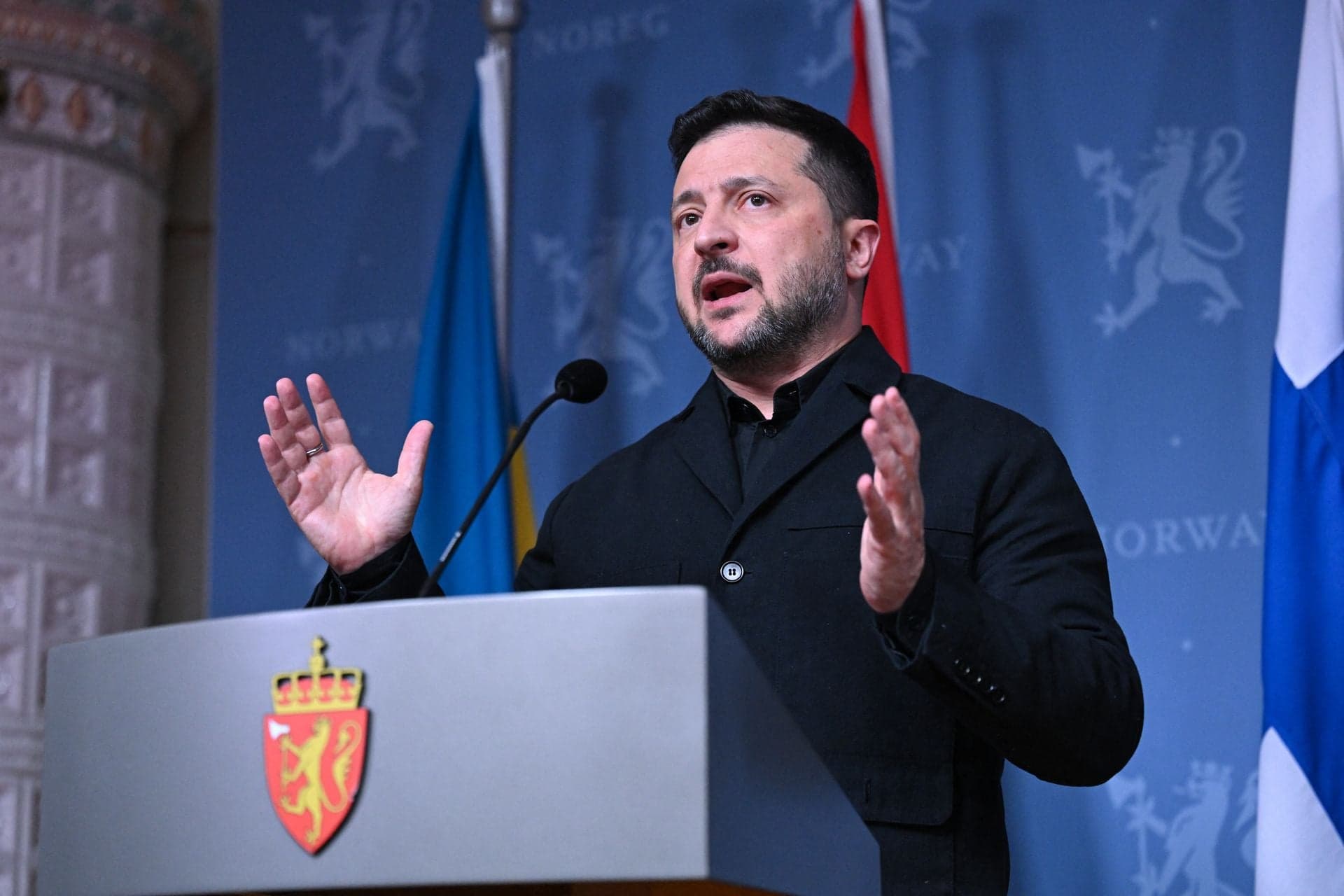
Addressing reporters at a press briefing in Kyiv, President Zelenskyy voiced deep skepticism regarding the Kremlin’s diplomatic endgame[6]. Zelenskyy warned that Moscow is seeking a comprehensive, separate agreement with NATO or the United States designed to unilaterally reshape the post-Cold War European security architecture[6][9]. According to Zelenskyy, Russian negotiators are disingenuously repackaging demands for territorial concessions and buffer zones as mutual "security guarantees"[6][9]. The Ukrainian leader emphasized that Western allies must not entertain sweeping modifications to European security arrangements as a condition for halting Russian aggression, warning that conceding to such terms would display unprecedented institutional weakness[9].
The divergence between Washington’s desire for an expeditious summit and Kyiv’s insistence on sovereignty and collective defense highlights mounting strain within the transatlantic alliance[10][11]. While Ukrainian Foreign Minister Andrii Sybiha commended the Nordic leaders for transparently coordinating their overtures with Kyiv in advance, European security officials remain wary that unilateral U.S. pressure could compromise core NATO principles[11][4]. With reports indicating the White House has also weighed easing targeted financial sanctions on Russian sovereign entities to incentivize concessions, European defense ministries and NATO officials are preparing for high-stakes deliberations over whether any durable settlement can be achieved without fundamentally compromising Ukraine’s defense posture[8][12].
- Donald Trump
- Vladimir Putin
- Volodymyr Zelenskyy
Story 6 of 14
2 min read
Moscow hosts Russia-Africa Summit to counter Western isolation
President Putin opened the Third Russia-Africa Summit in Moscow, attended by delegations from 48 African nations, including 22 heads of state. This increased turnout signals Moscow's aim to project geopolitical influence and demonstrate resilience against Western isolation. The summit focuses on economic and humanitarian cooperation, with discussions on trade, grain imports, defense, and alternative payment mechanisms to bypass Western sanctions.
Read the full storyFold the full story2 min · 10 sources
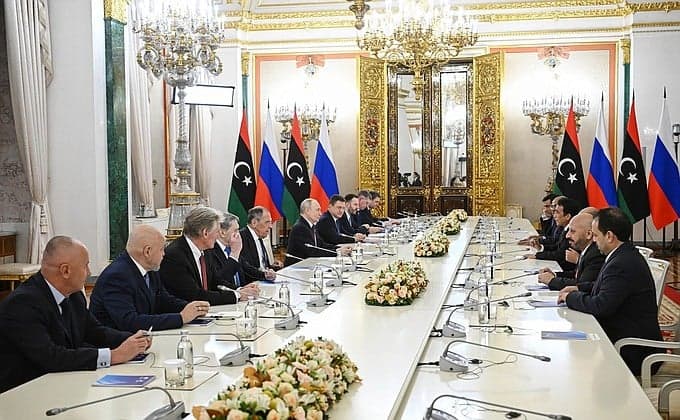
Russian President Vladimir Putin formally opened the Third Russia-Africa Summit and its concurrent Economic and Humanitarian Forum at the Grand Kremlin Palace in Moscow[1][2]. Co-chaired alongside African Union Chairperson and Burundian President Évariste Ndayishimiye, the two-day diplomatic gathering has assembled delegations from 48 of Africa’s 54 nations, with 22 countries represented directly by their heads of state or government[3][2]. The turnout marks an increase from the 17 heads of state who attended the second summit in St. Petersburg in 2023, providing Moscow with a high-profile diplomatic platform to project geopolitical reach and demonstrate that Western isolation campaigns have failed across the Global South[4][2].
In the hours preceding the plenary sessions, Putin conducted a series of bilateral meetings with prominent regional leaders, concluding late-night talks with Chairman of the Presidential Council of Libya Mohamed al-Menfi[5][6]. Joined by Russian Foreign Minister Sergei Lavrov and Deputy Prime Minister Alexander Novak, the discussions focused on energy collaboration and security coordination in North Africa[5]. Several key continental leaders, including Egyptian President Abdel Fattah El-Sisi, Ethiopian Prime Minister Abiy Ahmed, Rwandan President Paul Kagame, and Kenyan President William Ruto, arrived in the Russian capital to pursue bilateral negotiations on trade logistics, grain import agreements, and defense cooperation[6][7].
The core agenda of the summit centers on the finalization of the Russia-Africa Partnership Forum Action Plan for 2027–2029 and a dedicated joint Declaration on Cooperation in the Civilian Application of Artificial Intelligence Technologies[1][3]. Kremlin foreign policy aide Yury Ushakov highlighted that annual bilateral trade surpassed $27 billion in 2025, up from $16.8 billion recorded during the inaugural 2019 Sochi summit[3]. To mitigate the effects of Western financial sanctions and dollar-clearing restrictions, Russian and African negotiators are placing heavy emphasis on alternative bilateral payment mechanisms, independent logistics corridors, and collaborative projects in civil nuclear energy and fertilizer distribution[8][9].
Despite Moscow’s diplomatic fanfare, policy analysts emphasize that Russia’s capacity to deliver economically remains constrained[4]. Analyses from international security institutes highlight that while Moscow has successfully leveraged private military formations and security assistance to expand influence across the Sahel and Central Africa, its commercial footprint and infrastructure investments lag behind those of China and Western partners[8][4]. African leaders, facing internal fiscal strains and supply chain volatility, are approaching the summit pragmatically - leveraging Moscow’s diplomatic overtures to diversify international partnerships and secure preferential commodities without alienating traditional financial institutions[3][4][10].
- Vladimir Putin
- Évariste Ndayishimiye
- African Union
Story 7 of 14
2 min read
Russia-Africa Summit Focuses on Alternative Financial and Security Frameworks
The third Russia-Africa Summit convened in Moscow with leaders from 48 African nations, including 22 heads of state. The summit aims to negotiate diplomatic, security, and economic agreements, launching a partnership action plan for 2027-2029. Key objectives include expanding bilateral trade, developing nuclear energy, and establishing alternative payment mechanisms to bypass Western financial networks.
Read the full storyFold the full story2 min · 10 sources
Russian President Vladimir Putin opened the third Russia-Africa Summit on October 28, 2026, convening high-level representatives from 48 African nations at Moscow’s Gostiny Dvor to negotiate far-reaching diplomatic, security, and economic agreements[1][2][3]. Co-chaired by President Putin and Burundian President Évariste Ndayishimiye - who currently serves as Chairperson of the African Union - the gathering brought 22 African heads of state and government to the Russian capital, including Egyptian President Abdel Fattah el-Sisi, Ethiopian Prime Minister Abiy Ahmed, Rwandan President Paul Kagame, Kenyan President William Ruto, and Democratic Republic of Congo President Felix Tshisekedi[1][4][5][3].
The Moscow plenary serves as the launchpad for a comprehensive 2027–2029 Russia-Africa Partnership Forum Action Plan, spanning bilateral trade expansion, nuclear energy development, critical mineral extraction, and food security logistics[1][6][4]. Kremlin foreign policy aide Yury Ushakov highlighted that annual bilateral trade surpassed $27 billion in 2025, up from $16.8 billion at the inaugural Sochi summit in 2019[1]. A central objective of this year’s agenda is the operationalization of independent bilateral clearing mechanisms and alternative payment architectures designed to circumvent Western-dominated financial networks, alongside a multilateral declaration establishing frameworks for cooperation in the civilian deployment of artificial intelligence[1][4].
For African leaders, the Moscow platform offers an opportunity to leverage competitive multipolar dynamics to secure favorable trade, energy, and infrastructure terms without ideological preconditions[7][1]. Bilateral discussions on the summit's perimeter featured talks between Putin and regional leaders on grain supplies, transportation corridors, and logistical links[1][4]. However, security and governance analysts note that African governments are approaching the partnership with pragmatic caution; while Russia has expanded its defense advisory role and military footprint in the Sahel and Central Africa, delivering sustained commercial capital, infrastructure completion, and broad-based economic relief has proven more challenging amid the constraints of the war in Ukraine[6][8].
Geopolitically, the summit demonstrates the ongoing realignment of Global South diplomacy away from exclusive Western alignment and toward issue-specific coalitions[9][10][6]. Despite sustained Western sanctions and diplomatic friction, Moscow has successfully preserved broad institutional access across Africa by presenting itself as a non-Western guarantor of sovereignty and technological parity[1][6][8]. The gathering reinforces the capacity of African nations to exercise multipolar strategic autonomy, balancing partnerships with Washington, Brussels, Beijing, and Moscow to maximize their own developmental and security agendas[7][6].
- Russia
- Africa
- Vladimir Putin
Story 8 of 14
2 min read
Egypt Mandated to Defend Saudi Arabia Amidst Escalating Regional Threats
Egypt's House of Representatives has authorized President Abdel Fattah el-Sisi to deploy military forces in support of Saudi Arabia. This mandate allows for the protection of Saudi territory, borders, and religious sites from foreign aggression. The resolution comes in response to escalating regional warfare and repeated aerial incursions targeting the Gulf monarchy.
Read the full storyFold the full story1 min · 7 sources
Solidifying a vital bilateral defense axis in the Arab world, Egypt’s House of Representatives concluded a sequence of closed-door deliberations by passing a decisive mandate authorizing President Abdel Fattah el-Sisi to deploy Egyptian military capabilities in support of Saudi Arabia[1]. The resolution, which secured more than a two-thirds constitutional majority following intensive national security reviews chaired by parliamentary Speaker Hisham Badawi, formally permits Egyptian armed forces to assist in protecting Saudi territory, borders, sovereignty, and religious sites from foreign aggression[1].
The parliamentary mandate comes in the wake of escalating regional warfare and repeated aerial incursions targeting the Gulf monarchy[2][3][1]. President el-Sisi had formally requested statutory authorization after Egypt’s National Defense Council met to examine the widening threat posed by Houthi missile and unmanned aerial vehicle (UAV) salvos against Saudi critical infrastructure[1]. In statements framing the scope of the mission, Egyptian authorities clarified that any operational deployment would remain strictly bounded to defensive responsibilities within Saudi territory and airspace, firmly ruling out offensive cross-border campaigns inside Yemen[1].
The move marks an operational tightening of the Cairo–Riyadh axis at a critical geopolitical juncture[1]. Egyptian military assets - notably air defense personnel, naval interceptors stationed along the Red Sea littoral, and specialized defense advisors - provide immediate operational reinforcement to Saudi installations[1][4]. For Cairo, stability in Saudi Arabia and secure passage through the Red Sea and Suez Canal corridor represent vital economic and strategic priorities, particularly as regional tensions threaten trade transit revenues and domestic currency stability[1][5].
Diplomatic analysts observe that Egypt’s parliamentary authorization effectively complements Saudi Arabia’s multilateral defense pact with Türkiye and Pakistan[6][1]. By securing formal military commitments from Egypt while simultaneously ratifying the trilateral Mecca pact, Riyadh is consolidating an overlapping web of regional mutual-security commitments[7][6][1]. This multifaceted posture establishes a deterrence perimeter across North Africa and West Asia, signaling to adversaries that attacks on Gulf sovereignty will trigger coordinated responses from the Arab world's largest armed forces[1].
- Egypt
- Saudi Arabia
- Abdel Fattah el-Sisi
Story 9 of 14
2 min read
Beijing partners with Switzerland, unveils trade protection measures
Swiss President Guy Parmelin will visit Beijing for talks with President Xi Jinping, marking the 10th anniversary of their Innovative Strategic Partnership. This outreach aims to expand high-tech investment and financial market access, with Switzerland serving as a key partner for China's engagement with Europe. Beijing seeks to fortify economic ties amidst hardening transatlantic trade restrictions.
Read the full storyFold the full story2 min · 3 sources
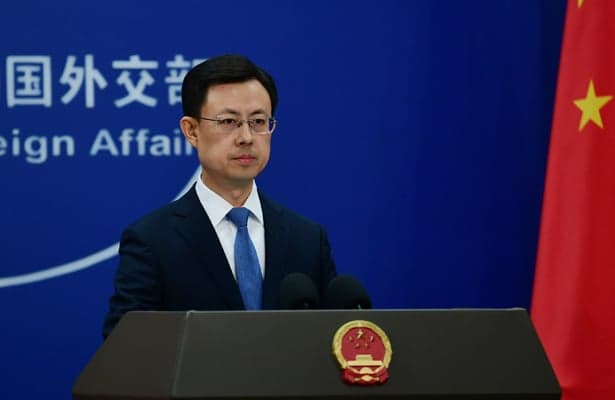
China’s Ministry of Foreign Affairs confirmed that President of the Swiss Confederation Guy Parmelin will undertake an official state visit to Beijing to conduct comprehensive bilateral talks with Chinese President Xi Jinping[1]. Foreign Ministry Spokesperson Guo Jiakun underscored that the visit marks the 10th anniversary of the China-Switzerland Innovative Strategic Partnership, framing Bern as a cornerstone of China's economic and political engagement with Europe[1]. The bilateral talks will focus on expanding high-tech investment, financial market access, and modernizing the landmark China-Switzerland Free Trade Agreement, which has governed commercial ties between the two countries for over a decade[1].
The diplomatic outreach to Switzerland reflects a broader Chinese strategy aimed at fortifying economic relationships with non-aligned and neutral Western economies amid hardening transatlantic trade restrictions[2][1]. Guo noted that Switzerland was the first continental European country to formalize a bilateral free trade agreement with Beijing, presenting the partnership as a model of pragmatism that stands above ideological divides[1]. Beijing is actively seeking to deepen technical cooperation and maintain channels for corporate dialogue in sectors such as precision engineering, pharmaceuticals, and artificial intelligence, offsetting concerted efforts by the European Union and the United States to de-risk and impose targeted technology outbound investment curbs[2][1].
Simultaneously, Beijing has advanced defensive and retaliatory legal instruments to counter Western economic pressure[3]. The Ministry of Commerce of China (MOFCOM) unveiled the draft Special Provisions on the Protection of Chinese Trade Secrets, establishing a regulatory sanctions tool designed to penalize foreign corporations, organizations, and individuals accused of infringing on Chinese intellectual property or commercial assets[3]. The proposed rules grant MOFCOM broad administrative authority to launch unilateral investigations and impose targeted sanctions if foreign actions are deemed to harm China's national sovereignty, security, or core industrial development interests[3].
This dual-track posture illustrates China's evolving diplomatic and geoeconomic playbook[2]. On one hand, Beijing is signaling openness to collaborative commercial agreements with accessible European partners to prevent the formation of a unified Western economic front[2][1]. On the other, the state is institutionalizing punitive legal frameworks that mirror Western export control regimes, specifically targeting critical advanced industries including artificial intelligence, biopharmaceuticals, and renewable energy technologies[3]. Legal analysts and business associations across East Asia and Europe note that these measures substantially heighten compliance risks for multinational corporations, requiring them to navigate increasingly divergent regulatory regimes between Washington and Beijing[2][3].
- Guy Parmelin
- Xi Jinping
- China
Story 10 of 14
2 min read
German Chancellor Merz Seeks Europe-Asia Strategic Coalition on Singapore Visit
German Chancellor Friedrich Merz began his first official tour of East Asia in Singapore, aiming to build a strategic coalition with Asian "middle powers." He called for reducing dependencies on Chinese supply chains and market monopolies while strengthening economic ties between the EU and CPTPP members. The visit also included commitments to maritime security and defense cooperation, with Germany joining Singapore's GUIDE Initiative.
Read the full storyFold the full story2 min · 8 sources
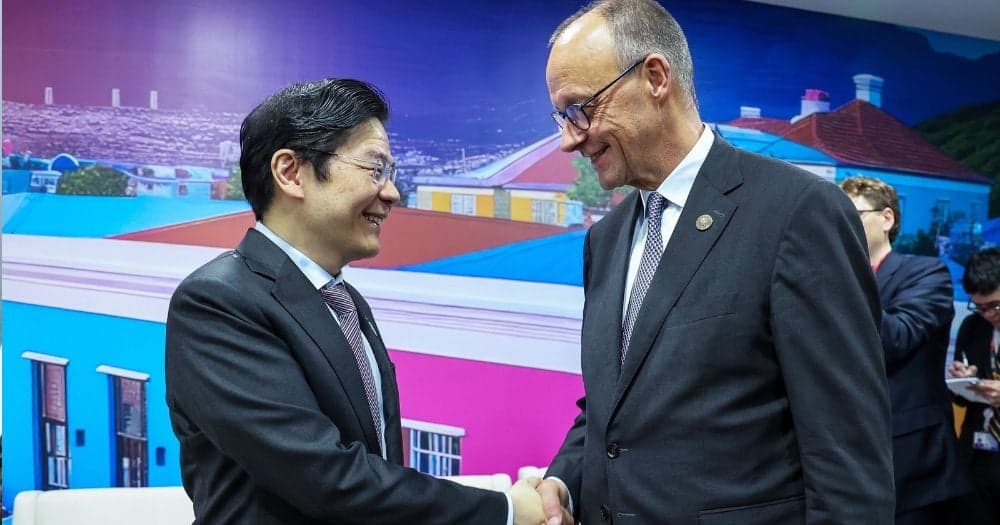
German Chancellor Friedrich Merz arrived in Singapore on October 27, 2026, commencing his first official tour of East Asia as head of government, with subsequent stops scheduled in Tokyo and Seoul[1][2]. Meeting with Singaporean Prime Minister Lawrence Wong, President Tharman Shanmugaratnam, and Senior Minister Lee Hsien Loong, Merz focused his high-level diplomacy on insulating mid-sized open economies against escalating protectionism, technological fragmentations, and great-power coercion[1][3][4]. The bilateral summit marked an expansion of the Germany-Singapore Strategic Partnership, establishing an updated multi-year framework covering defense policy, cybersecurity, semiconductor supply chains, artificial intelligence governance, and clean energy transition investments[5][6].
A centerpiece of the diplomatic exchanges was Merz’s delivery of the 49th Singapore Lecture, organized by the ISEAS–Yusof Ishak Institute[1][7]. In his address, Merz issued a direct call for European and Asian "middle powers" to construct a robust strategic alliance across trade and defense[8]. Addressing the global trading climate, Merz warned that while full economic decoupling from China would be a grave "mistake," nations across Europe and the Indo-Pacific must urgently act in concert to reduce "unhealthy, one-sided dependencies" on Chinese supply chains and market monopolies[8][2]. To reinforce economic security, Merz advocated for deeper institutional integration between the European Union's 450-million-consumer market and members of the Comprehensive and Progressive Agreement for Trans-Pacific Partnership (CPTPP)[4]. Prime Minister Wong reciprocated by committing that when Singapore assumes the chairmanship of ASEAN in 2027, it will prioritize reviving formal negotiations for an ASEAN-EU Free Trade Agreement[4].
The defense dimension of the visit yielded concrete commitments to maritime and critical infrastructure security[6]. Merz formally announced that Germany will join the Singapore-led GUIDE Initiative - a multilateral voluntary framework launched to protect critical underwater infrastructure, such as subsea telecommunications cables and energy lines, against sabotage and gray-zone threats[6]. This accession complements Germany’s longstanding defense ties with the Republic of Singapore Navy, which operates German-built Type 218SG submarines[6]. Furthermore, Merz lauded Singapore’s steadfast enforcement of sanctions against the Russian Federation over the war in Ukraine, highlighting the city-state as an indispensable partner in upholding international legal norms[6].
The strategic overtures in Singapore reverberated quickly across the region[8][2]. In Beijing, Chinese Ministry of Foreign Affairs Spokesperson Guo Jiakun addressed Merz’s statements during a press briefing on October 28[8]. While acknowledging that decoupling would indeed damage the global economy, Guo defended China’s trade practices and cautioned European powers against utilizing "de-risking" rhetoric as a cover for economic fragmentation or bloc-based containment in the Asia-Pacific[8]. For Merz, who faces a fractured coalition and economic stagnation in Berlin, the Asian tour represents an assertive pivot to solidify German industrial access and build geopolitical hedge coalitions across the Indo-Pacific prior to his bilateral defense consultations with Japanese Prime Minister Sanae Takaichi[2].
- Germany
- Singapore
- China
Story 11 of 14
3 min read
US Signals Potential Post-Election Military Strike Against Iran to Gulf Allies
The United States has informed Gulf Arab allies to prepare for a potential short, intense military campaign against Iran following the November midterm elections. Washington and Israel are reportedly preparing for strikes aimed at dismantling Iranian infrastructure and forcing negotiations. President Trump publicly hinted at imminent action, citing previous operations that degraded Iran's nuclear capacity. This follows a period of tense standoff and earlier strikes that killed Iran's Supreme Leader Ali Khamenei.
Read the full storyFold the full story2 min · 7 sources
The United States has actively communicated to several Gulf Arab allies that they should prepare for a potential "short, intense military campaign" against Iran following the November 3 U.S. midterm elections, according to diplomatic and military briefings disclosed on October 27 and 28, 2026[1][2]. While regional intermediaries have pushed for a negotiated diplomatic track, communications transmitted through established defense and diplomatic channels indicate that Washington and Israel are preparing operational postures for large-scale kinetic strikes aimed at dismantling Iranian infrastructure and forcing Tehran back to the bargaining table[2][3]. Speaking at a campaign rally in Lubbock, Texas, on October 27, U.S. President Donald Trump publicly underscored these intentions, stating, "You'll see Iran in a couple of weeks, if you don't mind," while asserting that operations earlier this year - specifically "Operation Midnight Hammer" and "Operation Epic Fury" - had significantly degraded Iran's nuclear enrichment capacity[2].
This military signaling follows months of precarious armed standoff[4]. In February 2026, joint U.S. and Israeli air strikes targeted Iranian nuclear installations and command hubs, killing Supreme Leader Ali Khamenei[4]. While a Pakistan-brokered ceasefire and a June memorandum of understanding halted full-scale combat, a durable political settlement has remained out of reach[4]. The core friction points - disputes over Tehran's restarted enrichment activities, maritime confrontations in the Strait of Hormuz, and the continuation of comprehensive economic sanctions - have repeatedly triggered retaliatory strikes[4]. Over recent weeks, U.S. planners had reportedly delayed broader military actions until the conclusion of domestic electoral voting, creating a temporary lull that is now rapidly closing[4][2].
The current military posture reflects significant operational readiness across the Middle East[2][3]. The U.S. Department of Defense has begun relocating a Patriot air defense missile battalion from Texas into the regional theater to shield allied installations against ballistic counteroffensives[2]. Concurrently, American expeditionary personnel have been repositioned away from exposed outpost bases, munitions stockpiles are being actively replenished, and long-range strategic bombers and tactical strike wings have been placed on elevated alert[2]. A second carrier strike group and an accompanying Marine Expeditionary Unit are slated to join approximately 20 U.S. naval surface combatants operating throughout the Persian Gulf, Arabian Sea, and Red Sea next month[2]. Key figures driving this posture include President Trump, Israeli Prime Minister Benjamin Netanyahu, Iranian President Masoud Pezeshkian, and Secretary of Iran’s Supreme National Security Council Mohsen Rezaei[5][2][6].
The prospect of renewed high-intensity hostilities has sent shockwaves through regional diplomatic circuits[7][2]. Gulf states face direct exposure to retaliatory drone, missile, and asymmetric naval attacks by the Islamic Revolutionary Guard Corps (IRGC), which recently claimed strikes and mine attacks against commercial shipping in the Persian Gulf[4][2]. Speaking to Britain’s Channel 4 News on October 27, Omani Foreign Minister Badr al-Busaidi issued an urgent public warning to Western and Israeli officials, stating that external powers must "leave Iran alone," abandon kinetic escalation, and prioritize formal negotiations alongside a resolution to the Palestinian conflict[7]. Simultaneously, European security services have tightened surveillance: on October 27, British authorities brought charges under the National Security Act against two individuals linked to an Iranian sabotage plot aimed at Royal Air Force Fairford, a staging facility for U.S. heavy bombers[4].
- United States
- Iran
- Israel
Story 12 of 14
2 min read
Inconclusive Israeli Elections Paralyze Government Amidst Regional Instability
Israel's national elections on October 27, 2026, have resulted in no clear majority, leading to political uncertainty and a paralyzed governing apparatus. Preliminary results show neither Prime Minister Benjamin Netanyahu's bloc nor opposition leader Gadi Eisenkot's coalition securing the necessary 61 seats. The balance of power now rests with predominantly Arab political factions, complicating coalition formation.
Read the full storyFold the full story2 min · 11 sources
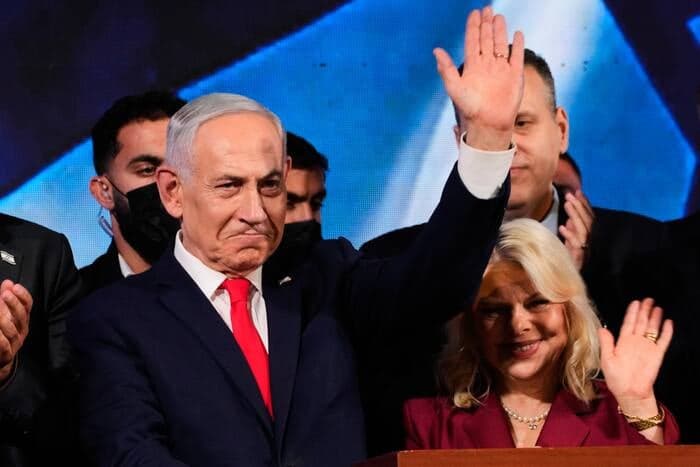
Israel’s national parliamentary elections on Tuesday, October 27, 2026, concluded without a decisive victor, plunging the country into protracted political uncertainty and paralyzing its governing apparatus during a period of acute Middle Eastern security strain[1][2]. With over three-quarters of ballots tabulated by Wednesday, October 28, preliminary tallies and official exit polls showed that neither Prime Minister Benjamin Netanyahu’s right-wing bloc nor the opposition coalition led by former military chief of staff Gadi Eisenkot has secured the 61-seat threshold required to form a majority in the 120-member Knesset[1][3]. Israel’s Central Elections Committee recorded a heavy voter turnout of 77.7%, underscoring the high domestic stakes of the ballot[4].
As the vote count advanced past 76% on Wednesday morning, Netanyahu’s Likud party led individual party totals with roughly 20.6% of the popular vote (translating to a projected 27 seats), anchoring a right-religious bloc projected at 54 to 56 seats[5][3]. The center-left opposition faction centered around Eisenkot’s Yashar party trailed closely with approximately 16.8% (projected at 21 seats), driving the broader opposition bloc to an estimated 47 to 49 seats[6][5][3]. The balance of parliamentary leverage has unexpectedly landed with predominantly Arab political factions, which are projected to control between 15 and 19 seats[6][3]. Joint List leaders announced on October 28 that they were actively prepared to discuss arrangements to block Netanyahu from retaining office, while opposition figures like Yair Golan called for immediate negotiations with Arab lawmakers to construct an alternative 64-seat governing alignment[6][3].
The inconclusive vote reflects an electorate fractured by two years of sustained multi-front conflict, military casualties, economic strains, and polarization over judicial authority and executive power[1]. Netanyahu campaigned heavily on his hawkish defense record, the prosecution of the war against Iranian proxies, and his willingness to launch preemptive strikes against regional adversaries[7][8]. Conversely, Eisenkot campaigned on systemic institutional reform, military professionalism, and rebuilding strategic predictability with Western partners[9][10]. The vote also coincided with heavy diplomatic pressure: on October 27, Israel's Ministry of Foreign Affairs was forced to issue a scathing rebuke of a United Nations commission inquiry accusing Israel of genocide, terming the report a "propaganda document detached from reality"[9].
The immediate domestic and international repercussions were felt rapidly across regional capitals and financial markets[1][3]. On October 28, the Israeli shekel weakened considerably, and indices on the Tel Aviv Stock Exchange fell as investors digested the prospect of prolonged coalition wrangling or a repeat election[3]. The constitutional spotlight now shifts to President Isaac Herzog, who must consult party leaders and grant an initial mandate to the figure deemed most capable of piecing together a majority[5]. Until a government is formally sworn in, Netanyahu remains caretaker prime minister with circumscribed political authority, potentially constraining Israel’s capacity to initiate joint post-election operations against Iran or enact major foreign policy realignments without broad cross-factional consent[1][11].
- Israel
- Benjamin Netanyahu
- Gadi Eisenkot
Story 13 of 14
2 min read
U.S. and Cuban envoys clash violently at UN General Assembly
A shouting match erupted between U.S. Ambassador Mike Waltz and Cuban Foreign Minister Bruno Rodríguez at the UN General Assembly, leading to a temporary suspension of proceedings. The confrontation began when Waltz condemned Cuba's governance and rejected the embargo's responsibility for shortages, citing U.S. humanitarian exports. Rodríguez accused Waltz of lying, escalating into personal insults and a near physical altercation.
Read the full storyFold the full story2 min · 9 sources
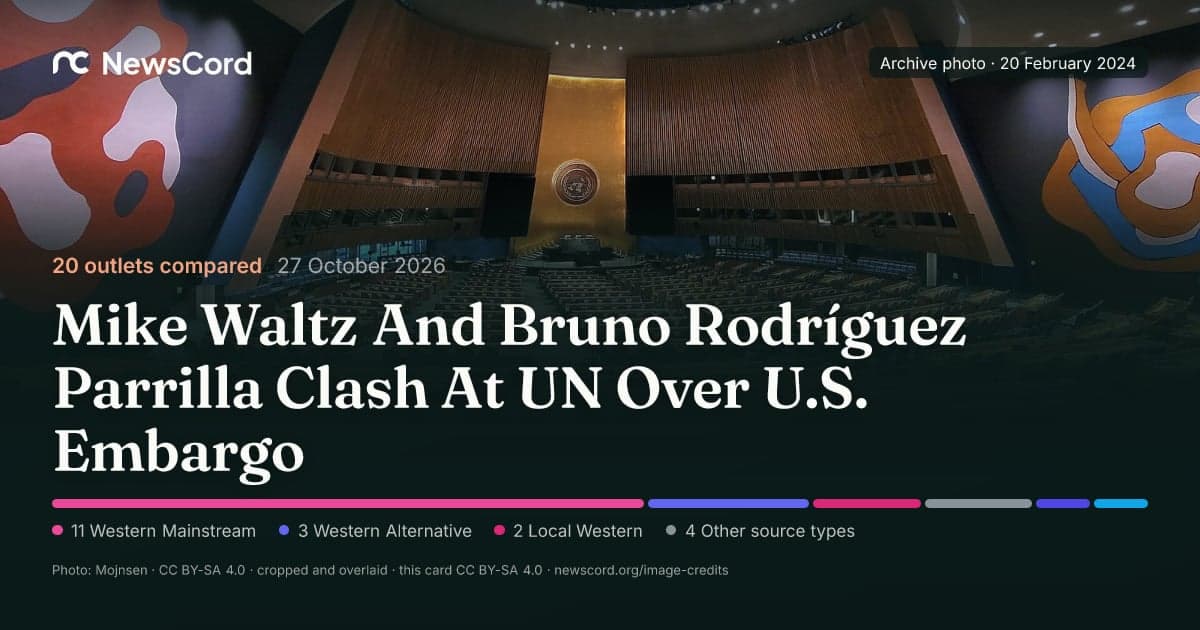
Diplomatic protocol broke down on the floor of the United Nations General Assembly as U.S. Ambassador to the UN Mike Waltz and Cuban Foreign Minister Bruno Rodríguez Parrilla engaged in an extraordinary shouting match, forcing the presiding officer to temporarily suspend proceedings[1][2][3]. The incident occurred during the opening session of the General Assembly’s annual debate on the U.S. economic, commercial, and financial embargo against Cuba, ahead of the 34th annual vote on a resolution demanding an end to the measures[2]. What is traditionally a structured diplomatic formality transformed into a direct, physical confrontation when the Cuban delegation vocally protested Waltz's rostrum address[2][3].
The confrontation ignited when Ambassador Waltz launched a comprehensive condemnation of Havana’s internal governance, rejecting the premise that the decades-old embargo is responsible for Cuba’s acute economic and humanitarian hardships[2][3]. Waltz cited figures showing that the U.S. authorized more than $876 million in humanitarian, medical, and agricultural exports to Cuba during the first eight months of 2026 alone, arguing that systemic shortages stem directly from internal corruption and elite mismanagement rather than an external "blockade"[2]. As Waltz invoked historical abuses and attacked the legacy of Fidel Castro, Cuban delegates began pounding on their desks and calling out points of order[3][4]. Foreign Minister Rodríguez subsequently approached the rostrum, shouting at Waltz and labeling him a "liar," which prompted Waltz to fire back: "You understand who you're dealing with? This is America. Back up," adding, "This is the UN. This isn't your communist dictatorship"[1][3]. General Assembly President Khalilur Rahman intervened to briefly gavel the chamber into recess before restoring order[2][4].
The unprecedented clash reflects the sharp deterioration of U.S.-Cuba relations under Washington's intensified "maximum pressure" doctrine[5]. Over the preceding days, the Trump administration had significantly escalated its rhetoric against Havana, including warnings that U.S. naval assets redeploying from operations in the Middle East could enforce maritime restrictions or conduct interdictions around the island[5][6]. Cuban diplomats, led by Rodríguez and diplomat Ernesto Soberón Guzmán, accused the United States of carrying out an aggressive pressure campaign aimed at coercing Latin American and European governments to alter their long-standing voting patterns at the UN, where the embargo condemnation historically passes with near-unanimous majorities[7][8][5].
The fallout from the floor altercation has reverberated across regional blocs[2]. While the UN General Assembly resolution remains non-binding, it serves as a global barometer of international consensus[5]. Observers note that while traditional allies have historically voted against Washington on the Cuba embargo, recent geopolitical shifts have seen select countries, such as Argentina and Hungary, drifting toward the U.S. position[7]. Nonetheless, Latin American diplomats expressed dismay at the erosion of diplomatic decorum, warning that Washington's aggressive bilateral pressure tactics and rhetorical threats risk further destabilizing regional Caribbean security arrangements[5][9].
- Mike Waltz
- Bruno Rodríguez Parrilla
- United Nations General Assembly
Story 14 of 14
3 min read
EU Commission Proposes Transforming Frontex into Centralized Deportation Agency
The European Commission has unveiled a legislative package to significantly expand the mandate and size of Frontex, the European Border and Coast Guard Agency. The proposals aim to transform Frontex into the EU's central executive authority for border interdiction and the deportation of irregular migrants. This includes a substantial increase in personnel, a rapid mobilization reserve, and new powers to assist third countries in conducting deportations.
Read the full storyFold the full story2 min · 7 sources
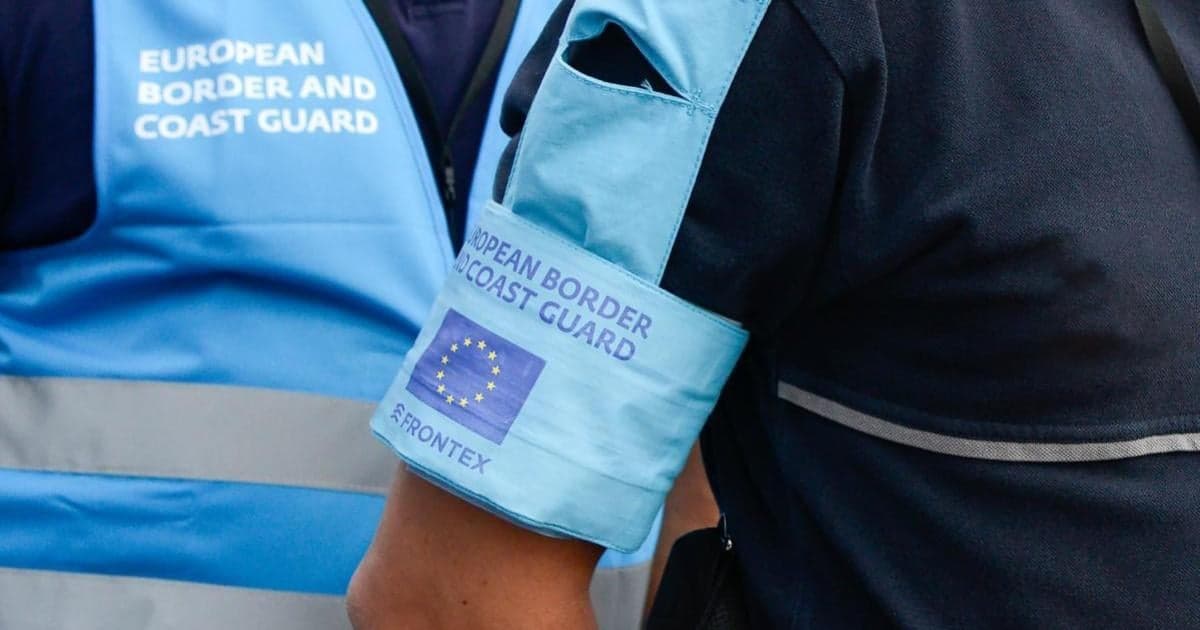
On October 27, 2026, the European Commission formally presented a transformative legislative package aimed at expanding the mandate, size, and operational reach of Frontex (the European Border and Coast Guard Agency)[1][2]. The dual proposals - comprising an amendment to the European Border and Coast Guard Regulation and a comprehensive Regulation to digitalize return, readmission, and reintegration systems across the bloc - seek to elevate Frontex from a supportive monitoring organization into the European Union's central executive authority for external border interdiction and the deportation of irregular migrants[1][3]. Announcing the policy in Brussels, European Commission Executive Vice-President Henna Virkkunen and Commissioner for Internal Affairs and Migration Magnus Brunner framed the overhaul as a "new era" required to maintain the integrity of the Schengen zone[4][3].
Under the draft legislation, Frontex’s standing corps will be substantially expanded toward a target force of 30,000 personnel by 2041, augmented by a specialized 17,000-strong rapid mobilization reserve[5][6]. Operational command structures will be augmented by a new Quick Reaction Force configured to deploy to border crisis zones within 24 hours of notification[1][2]. To centralize enforcement, the Commission proposes establishing a permanent Return Coordination Centre within the agency alongside an Online Monitoring Centre designed to scan real-time social media traffic and digital networks for migrant flows and smuggling operations[1][2]. Most significantly from a sovereignty and international relations perspective, the regulation grants Frontex legal powers to assist non-EU third countries in conducting returns from their territories to countries of origin, enabling EU-funded return operations entirely outside the European Union’s physical borders[1][4].
The policy shift represents the culmination of intense domestic political pressures across EU member states, where rising support for nationalist and far-right parties has made immigration control an urgent electoral issue[7][2]. The immediate catalyst for the accelerated legislative rollout was the massive border surge at the Spanish enclave of Ceuta in North Africa earlier in the summer, which overwhelmed local infrastructure and prompted member states to demand federalized EU intervention[2]. European Commission President Ursula von der Leyen reaffirmed the political imperative, stating on October 27 that "Europe decides who enters our Union and under what conditions," tying the agency's expansion to the broader implementation of the EU Pact on Migration and Asylum[5][6].
The initiative has immediately provoked fierce criticism from human rights monitors and progressive members of the European Parliament[7][2]. In a statement released on October 28, Amnesty International accused the European Commission of "doubling down on Fortress Europe" and pouring massive financial resources into externalized deportations without addressing chronic accountability deficits or complicity in maritime interceptions by third-country coast guards[7]. In Brussels, Green and social democratic lawmakers voiced alarm over the centralization of police powers; Dutch MEP Tineke Strik warned that the legislation "risks turning Frontex into a European version of ICE" and urged fellow parliamentarians to reject clauses that enable the outsourcing of border policing to foreign regimes with questionable human rights records[2]. The proposals now head to the European Parliament and the Council of the European Union for legislative debate and national ratification[1].
- European Commission
- Frontex
- European Union
You're all caught up.
That's every story in Wednesday's PiBrief Geopolitics. And there's a newer edition waiting for you.
All PiBrief Geopolitics editions
Subscribe to receive daily briefings about geopolitics and world news in your email.
Get PiBrief Geopolitics in your inbox
A free newsletter on geopolitics and world news. Diplomacy, conflict, the global economy, and elections, ranked and explained, with an audio briefing in every edition.
Free forever / no account / 1-click unsubscribe