
UAE Ukraine talks, US arms for Taiwan & more
The UAE has brokered diplomatic talks between Ukraine, the US, and Russia in Abu Dhabi as diplomatic efforts intensify. Meanwhile, a fresh American arms package for Taiwan risks reigniting friction with Beijing, and European powers move to secure new economic partnerships across Asia.
13 stories71 sources checked
Listen to this edition
PiBrief Geopolitics, October 29, 2026
The lineup
In this edition
 01
Trilateral Summit Push Sparks Global Anxiety Over Power Spheres
 02
UAE Secures Trilateral Ukraine-US-Russia Talks in Abu Dhabi
 03
US Weighs Russia Sanctions Relief for Sovereign Wealth Fund
 04
Taiwan Arms Package Creates Friction in U.S.-China Stability
 05
Germany Seeks Broader Euro-Asian Security and Trade Pact Amid Geopolitical Tensions
 06
Japan and Germany Launch "Premium Partnership" for Economic Security and AI Cooperation
 07
Canada and EU Forge "Ever Closer Association" to Counter Superpower Isolationism
 08
EU and China Clash Over New Trade Safeguards After Hybrid Vehicle Quota Deal
- 09
Black Sea USV Attack Near Bulgaria Raises NATO Southeastern Flank Insecurities
 10
US Signs Critical Minerals and Energy Pacts with Finland and Hungary
 11
China-Russia Defense Ties Shift to Domestic Co-Production
 12
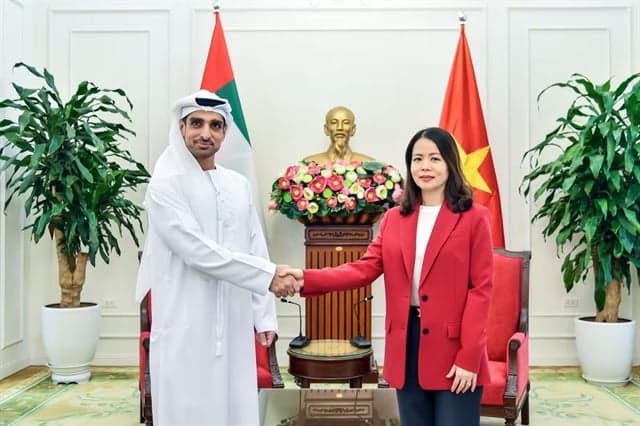
Vietnam and UAE Deepen Middle-Power Partnership for Strategic Autonomy
 13
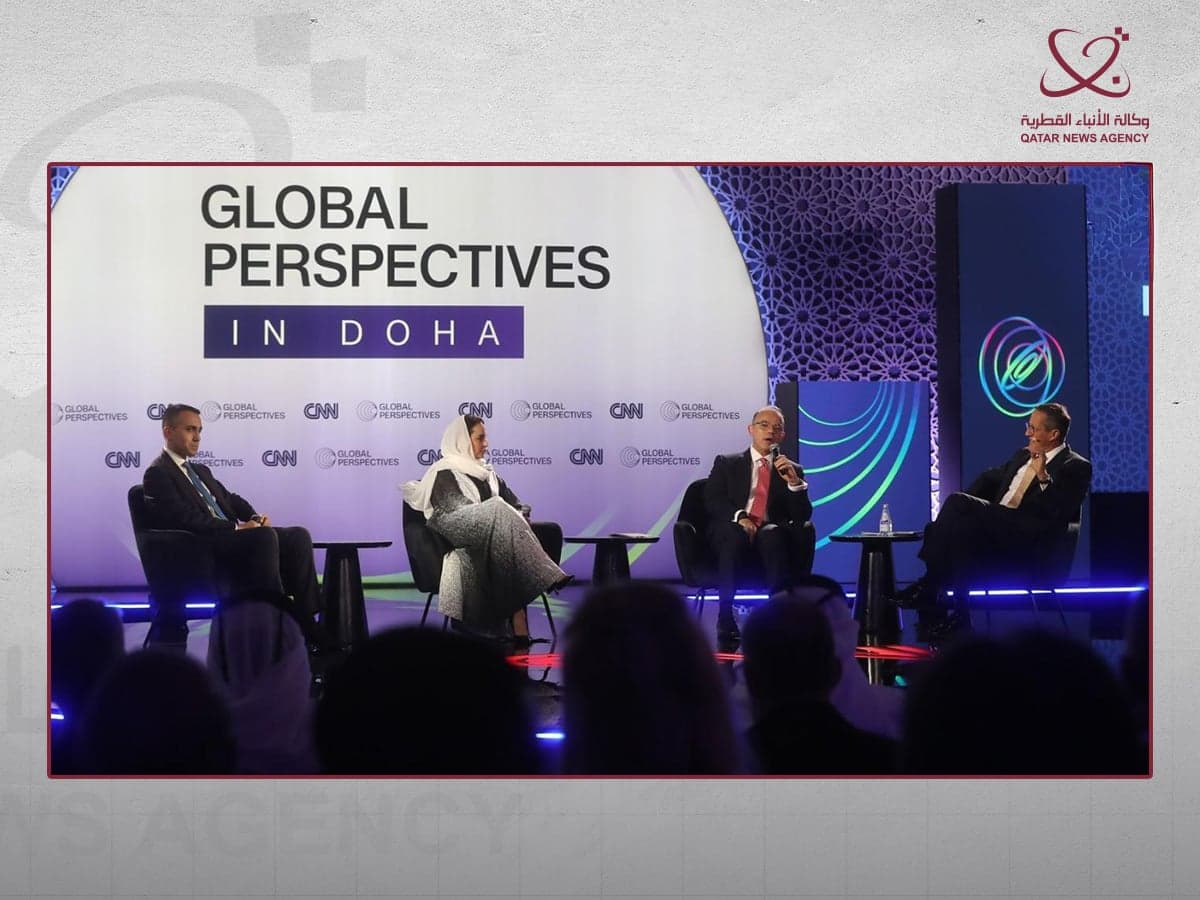
Middle Powers Launch Cross-Regional Alliance Strategy at Doha Forum
See all 13 as a listHide the list
- Trilateral Summit Push Sparks Global Anxiety Over Power Spheres
- UAE Secures Trilateral Ukraine-US-Russia Talks in Abu Dhabi
- US Weighs Russia Sanctions Relief for Sovereign Wealth Fund
- Taiwan Arms Package Creates Friction in U.S.-China Stability
- Germany Seeks Broader Euro-Asian Security and Trade Pact Amid Geopolitical Tensions
- Japan and Germany Launch "Premium Partnership" for Economic Security and AI Cooperation
- Canada and EU Forge "Ever Closer Association" to Counter Superpower Isolationism
- EU and China Clash Over New Trade Safeguards After Hybrid Vehicle Quota Deal
- Black Sea USV Attack Near Bulgaria Raises NATO Southeastern Flank Insecurities
- US Signs Critical Minerals and Energy Pacts with Finland and Hungary
- China-Russia Defense Ties Shift to Domestic Co-Production
- Vietnam and UAE Deepen Middle-Power Partnership for Strategic Autonomy
- Middle Powers Launch Cross-Regional Alliance Strategy at Doha Forum
Story 1 of 13
2 min read
Trilateral Summit Push Sparks Global Anxiety Over Power Spheres
Intensified diplomatic efforts are underway for a trilateral summit between the U.S., China, and Russia on the sidelines of the APEC conference. Russia is pushing for the meeting, and China is reportedly making organizational preparations. The U.S. president is reportedly open to a dialogue focused on nuclear stability and Ukraine, provided China structures the agenda.
Read the full storyFold the full story2 min · 8 sources
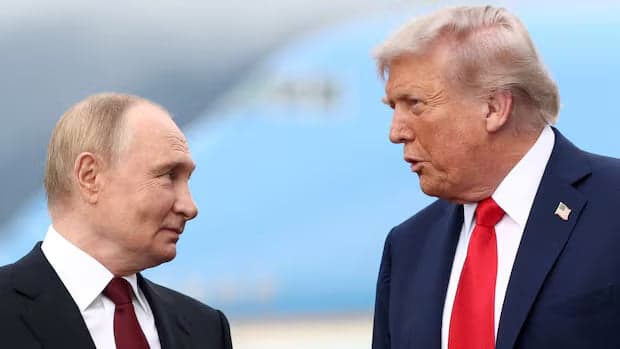
Diplomatic maneuvering has intensified surrounding a proposed trilateral summit between U.S. President Donald Trump, Chinese President Xi Jinping, and Russian President Vladimir Putin, slated to take place on the sidelines of the Asia-Pacific Economic Cooperation (APEC) conference in Shenzhen, China, in mid-November[1][2]. Kremlin aide Yuri Ushakov reiterated that Moscow has actively pressed for the meeting and claimed that host nation China has begun preliminary organizational preparations[1][2]. The White House previously signaled that the U.S. president is receptive to a three-power dialogue focused on strategic nuclear stability and winding down the war in Ukraine, provided that Beijing formally structures the agenda[1].
Despite Moscow's public enthusiasm, the diplomatic landscape remains complicated by Beijing’s deliberate ambiguity[1][3]. While Russian leadership views the trilateral format as an opportunity to cement a modern-day "Yalta-style" summit that codifies global spheres of influence among the three dominant powers, Chinese officials have remained tight-lipped[1][3]. Strategic analysts at the Center for European Policy Analysis (CEPA) and European research institutes noted on October 28 that Beijing is wary of being instrumentalized by Moscow or drawn into high-stakes negotiations over European security that do not serve China’s primary economic objectives[4][3]. For Beijing, hosting such a conclave carries the prestige of positioning China as the indispensable mediator capable of assembling the world’s superpowers, but risks alienating European trade partners who fear an agreement reached over their heads[4][3].
Ukrainian leadership has moved aggressively to counter the momentum of a three-way summit[5]. In an interview on October 28, Ukrainian President Volodymyr Zelenskyy pressed for a separate trilateral negotiating track involving Ukraine, the United States, and Russia to convene in Abu Dhabi on November 10, specifically before any trilateral meeting between Washington, Moscow, and Beijing takes place[5]. Zelenskyy stressed that peace negotiations cannot exclude the nation whose sovereign borders are at stake, cautioning that trilateral summitry focused on high-level great-power deals risks trading Ukrainian sovereignty for broader geopolitical tradeoffs[4][5]. European leaders have echoed these concerns, stepping up direct diplomatic outreach to avoid being marginalized[5].
The prospect of a tri-power alignment has generated significant anxiety across U.S. security partners, notably Canada and NATO members[4][6]. Diplomatic observers and policy experts warned that the revival of great power summitry threatens to institutionalize a "world à trois," where the United States, China, and Russia unilaterally divide strategic influence, leaving traditional allies vulnerable to coercive economic and security pressure[6]. At the same time, arms control experts at Axios and Roic AI noted that while President Trump and Secretary of State Marco Rubio have publicly promoted the concept of a three-power nuclear denuclearization framework, China’s refusal to accept trilateral nuclear parity obligations makes the prospect of substantive arms reduction treaties remote[7][8].
- Donald Trump
- Xi Jinping
- Vladimir Putin
Story 2 of 13
3 min read
UAE Secures Trilateral Ukraine-US-Russia Talks in Abu Dhabi
The United Arab Emirates will host trilateral de-escalation talks between Ukraine, the United States, and Russia in Abu Dhabi from November 6-10. This breakthrough follows quiet diplomacy by middle powers, aiming to establish a backchannel after Western mediation stalled. Technical working groups will focus on maritime security, ceasefires for civilian infrastructure, and prisoner exchanges, with the goal of securing immediate, localized ceasefires.
Read the full storyFold the full story2 min · 10 sources
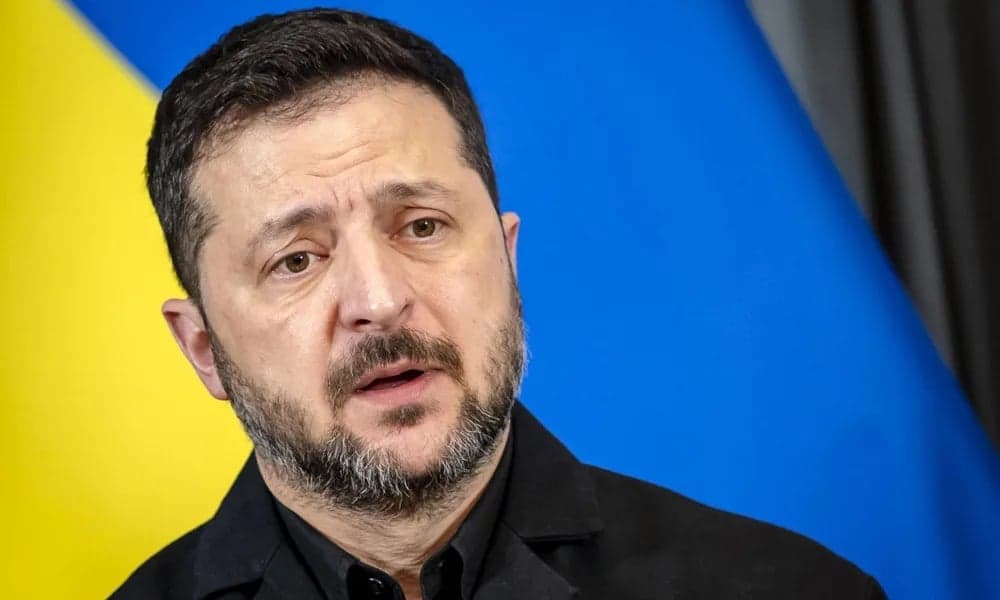
On October 28, 2026, Ukrainian President Volodymyr Zelenskyy revealed that the United Arab Emirates has successfully positioned itself as the diplomatic host for upcoming trilateral de-escalation talks between high-ranking delegations from Ukraine, the United States, and the Russian Federation[1][2]. Speaking in The Hague alongside Dutch Prime Minister Rob Jetten, Zelenskyy confirmed that technical working teams from all three nations have agreed in principle to convene in Abu Dhabi between November 6 and November 10[2][3]. Russian foreign policy aide Yuri Ushakov confirmed Moscow’s readiness to return to the negotiating table in early November following Russia's Unity Day holidays[3].
The breakthrough is the culmination of quiet, middle-power shuttle diplomacy designed to create a workable backchannel after direct Western mediation avenues in Brussels stalled[4][5]. Finnish President Alexander Stubb and Norwegian Prime Minister Jonas Gahr Støre conducted joint diplomatic calls with Russian President Vladimir Putin from Helsinki on October 27, establishing basic Russian readiness for the talks before briefing Zelenskyy[6][4]. For Kyiv, securing the Abu Dhabi format is a strategic move intended to lock in direct, technical talks before any prospective grand-bargain summits between the United States, Russia, and China[7][8]. Zelenskyy explicitly cautioned against a "Yalta 2.0," where great powers carve out European security spheres over the heads of sovereign states, making Abu Dhabi's technical venue an indispensable platform to defend Ukrainian interests[8].
The initiative involves an intricate web of state leaders, intelligence envoys, and diplomatic coordinators[4][5]. Key architects include UAE diplomatic leadership, Ukrainian negotiators, and US representatives who will oversee working groups focused on maritime security in the Black Sea, reciprocal ceasefires regarding civilian energy infrastructure, and comprehensive humanitarian prisoner exchanges[1][2]. While Zelenskyy noted that broader territorial disputes and long-term security guarantees can ultimately only be settled at the head-of-state level, the technical agenda in Abu Dhabi aims to secure immediate, localized ceasefires[2][3].
The convening of these negotiations underscores the United Arab Emirates’ ascendance as a premier geopolitical power broker outside the traditional transatlantic framework[9]. While traditional European diplomatic hubs like Geneva and Vienna have seen their neutrality contested by Moscow due to sanctions regimes, Abu Dhabi has maintained working economic, financial, and diplomatic relations with both the Kremlin and the West[9]. This neutrality enables the Gulf monarchy to translate sovereign capital and strategic geography into outsized global influence, positioning itself as an indispensable clearinghouse for major conflict resolution[9].
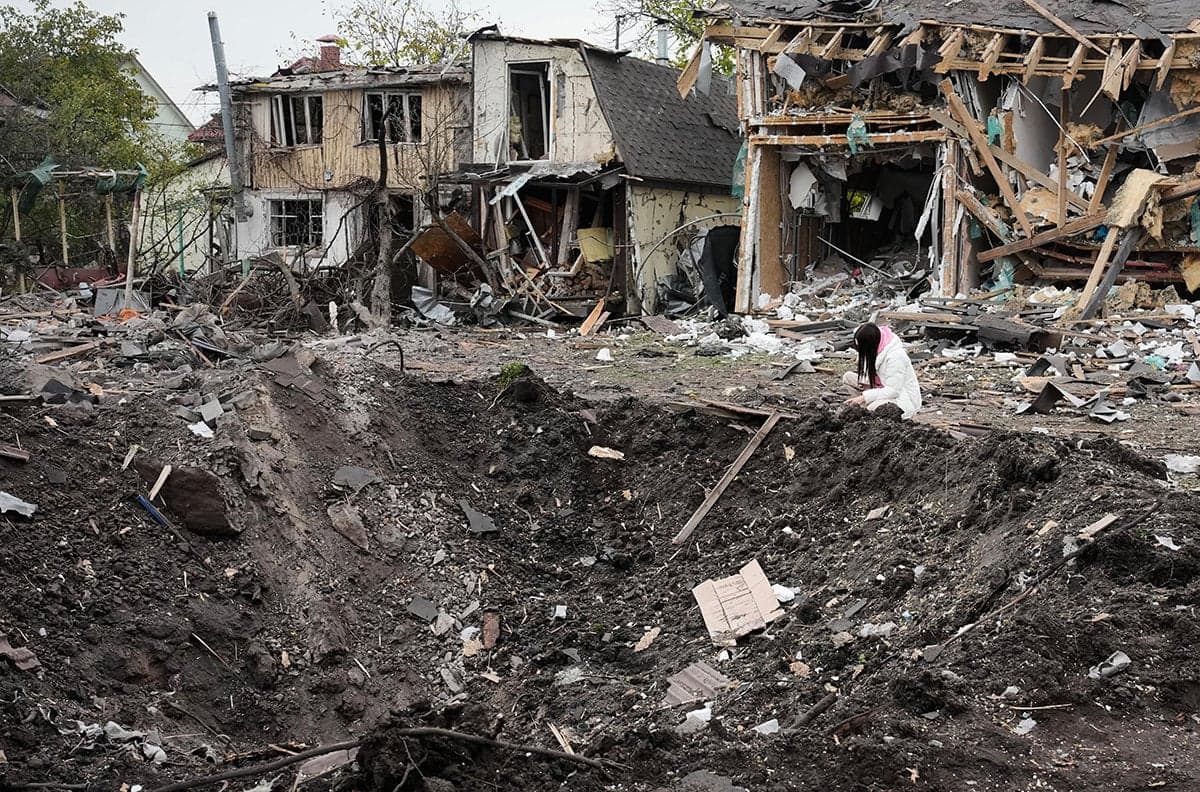
The diplomatic achievement has nonetheless been complicated by regional instability across the Middle East[10][2]. With Washington issuing private warnings to regional partners regarding potential strikes against Iran following the US midterms, Zelenskyy acknowledged that the Abu Dhabi venue remains subject to regional security conditions, though both Kyiv and Moscow insist the early November timeline will hold[10][3]. The UAE Foreign Ministry issued parallel appeals on October 28 urging all Middle Eastern factions to exercise restraint and pursue political solutions, reflecting Abu Dhabi's imperative to insulate its high-stakes diplomatic convening role from escalating regional violence[10].
- United Arab Emirates
- Ukraine
- United States
Story 3 of 13
2 min read
US Weighs Russia Sanctions Relief for Sovereign Wealth Fund
The Trump administration is considering lifting sanctions on Russia's Direct Investment Fund (RDIF). This potential shift in U.S.-Russia policy follows discussions and applications for sanctions relief, reportedly tied to energy diplomacy and broader recalibration of bilateral relations. Russian officials have confirmed high-level negotiations, with the RDIF CEO actively engaging American officials.
Read the full storyFold the full story2 min · 4 sources
The Trump administration is actively assessing a formal application to remove sanctions against Russia’s state-owned sovereign wealth fund, the Russian Direct Investment Fund (RDIF), marking one of the most substantial proposed shifts in U.S.-Russia policy since the outbreak of the war in Ukraine[1][2]. Kremlin foreign policy aide Yuri Ushakov confirmed that high-level negotiations regarding sanctions relief for the multi-billion-dollar fund have been underway[1]. RDIF Chief Executive Kirill Dmitriev has been actively engaging American officials, with discussions corroborated by administration officials who indicated the review is part of a broader push to recalibrate bilateral relations and encourage an negotiated settlement in Eastern Europe[1][2].
The push for sanctions relief is closely tied to energy diplomacy and recent bilateral concessions[1][2]. Following the administration's controversial agreement to permit imports of Russian diesel fuel to curb domestic pump prices, Russian officials conditioned further cooperation on the rehabilitation of RDIF[1][2]. The fund, originally placed under sweeping Western sanctions in 2022 after being characterized by the U.S. Department of the Treasury as a central Kremlin financing vehicle, has positioned itself as an intermediary in cross-border trade and peace overtures[1][2]. U.S. Special Envoy Steve Witkoff and presidential adviser Jared Kushner have reportedly held ongoing backchannel contacts with Dmitriev to assess economic and diplomatic off-ramps[2].
This move has triggered acute pushback from national security analysts, Capitol Hill, and European capitals[1][3]. In an assessment published on October 28–29, the Institute for the Study of War (ISW) warned that high-ranking Kremlin officials are deliberately separating transactional economic concessions from military realities[3]. While Dmitriev publicly characterized sanctions suspensions as a "springboard for peace," Russian Foreign Minister Sergei Lavrov emphasized that recent commercial energy transactions carry zero stipulations or requirements for Russian political or military compromises in Ukraine[3]. ISW noted that Moscow appears to be extracting tangible economic windfalls from Washington while retaining its maximalist objectives and refusing to make territorial or operational concessions[3].
The geopolitical repercussions of the proposed relief are causing friction within traditional alliances[1][4]. European Union diplomats have privately voiced alarm that unilateral U.S. sanctions adjustments undermine the broader multilateral sanctions coalition and reward Moscow without securing security guarantees for Ukraine[1][4]. Concurrently, Canadian officials and international security analysts observed that Washington's shifting posture toward Moscow threatens to leave middle powers sidelined in global decision-making, accelerating a transition toward ad-hoc great power bargaining that prioritizes immediate domestic relief over institutional alliances[4].
- Russian Direct Investment Fund
- RDIF
- U.S. Department of the Treasury
Story 4 of 13
2 min read
Taiwan Arms Package Creates Friction in U.S.-China Stability
Concerns are rising over core structural divisions between the U.S. and China, particularly regarding Taiwan, despite high-level engagements. The administration's hesitation on a significant arms package for Taiwan risks sending ambiguous deterrence signals. China has actively pressured Washington to cancel or delay these transfers.
Read the full storyFold the full story2 min · 5 sources
Senior national security experts and former defense officials warned on October 28–29 that despite frequent direct engagements between President Trump and Chinese President Xi Jinping, core structural divisions between the two superpowers - most notably over Taiwan - remain acutely volatile[1]. Speaking following a Center for Strategic and International Studies (CSIS) panel in Washington, former Assistant Secretary of Defense for Indo-Pacific Security Affairs Randall Schriver emphasized that while top-level bilateral summits have helped maintain a baseline of stability, the administration's hesitation regarding a pending $14 billion arms package for Taiwan risks sending ambiguous deterrence signals across the Taiwan Strait[1].
The status of the $14 billion defensive weapons package has emerged as a central flashpoint ahead of the planned November APEC meeting in Shenzhen and the December G20 summit in Miami[1]. Former White House National Security Council senior director Evan Medeiros and Schriver highlighted that Beijing has systematically seized every diplomatic exchange to pressure Washington to cancel or delay the arms transfers[1]. While President Trump has publicly referred to Taiwan arms provisions as potential bargaining chips in broader trade and security negotiations with Beijing, defense analysts strongly urged the administration to fulfill its statutory commitments under the Taiwan Relations Act, warning that conditioning security assistance on bilateral concessions undermines U.S. credibility throughout the Indo-Pacific[1].
Concurrently, economic and policy analysts questioned the depth of the current diplomatic détente between Washington and Beijing[2][2]. In an analysis published on October 28, economist Stephen Roach cautioned that characterizations of "constructive strategic stability" between the two nations reflect diplomatic rhetoric rather than structural resolution[2][2]. Roach observed that ongoing high-level discussions - including engagements at the Bund Summit in Shanghai - continue against a backdrop of deep economic disengagement, stringent technology controls, and reciprocal maritime tariffs[2][3].
The intersection of U.S. China policy with Russia diplomacy adds another layer of instability to the triangular relationship[4][5]. Analysts at the Stimson Center and international policy forums noted that Washington’s attempts to explore bilateral understandings with Moscow risk destabilizing relations with both European allies and Beijing[4][5]. While some U.S. policymakers envision using tactical diplomatic openings with Moscow to create distance between Russia and China, analysts conclude that China's integrated economic and industrial ties with Russia are too deeply entrenched to be unraveled by symbolic diplomatic overtures, leaving Washington to navigate a two-front strategic competition across Europe and the Indo-Pacific[4][5].
- Taiwan
- Randall Schriver
- Evan Medeiros
Story 5 of 13
2 min read
Germany Seeks Broader Euro-Asian Security and Trade Pact Amid Geopolitical Tensions
German Chancellor Friedrich Merz visited Singapore and Tokyo to promote a stronger economic and defense alliance between European and Asian middle powers. Merz emphasized the interconnectedness of Euro-Atlantic and Indo-Pacific security, urging democracies to counter unfair trade practices and geopolitical coercion. While not advocating for full decoupling from China, he stressed the need to reduce "unhealthy, one-sided dependencies."
Read the full storyFold the full story2 min · 9 sources
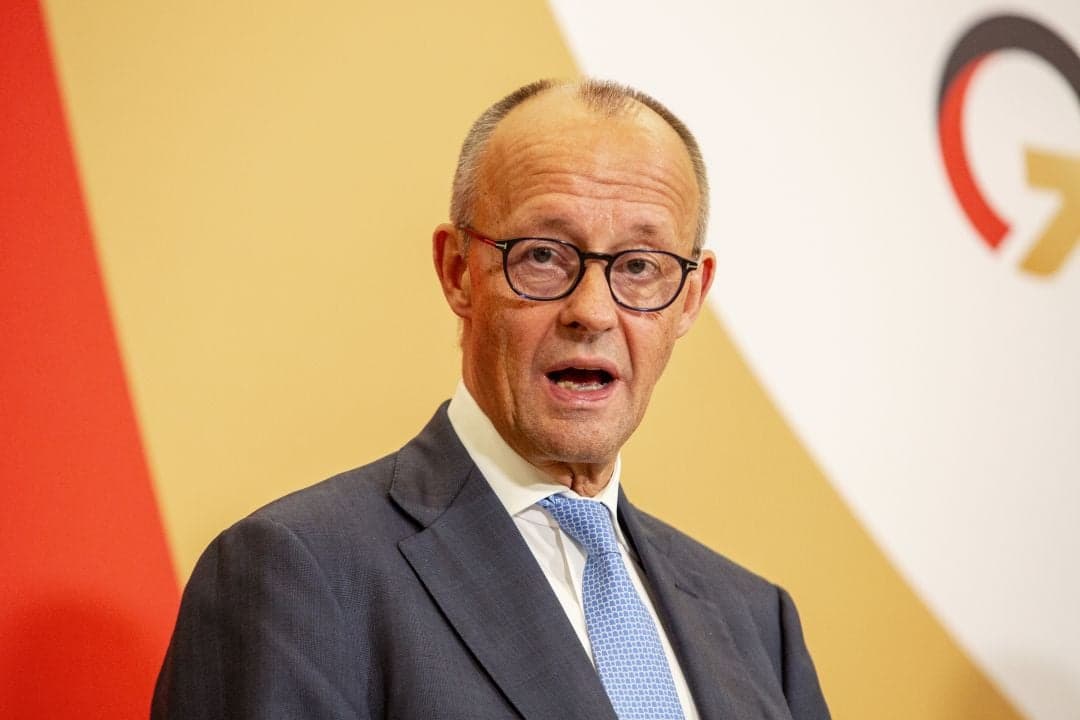
German Chancellor Friedrich Merz conducted a series of high-level diplomatic engagements in Singapore and Tokyo on October 28–29, 2026, pitching a fortified economic and defense compact between European and Asian middle powers to counter mounting geopolitical pressures from China[1][2]. Delivering the 49th Singapore Lecture and conferring with Singaporean Prime Minister Lawrence Wong, Merz underscored that the security architectures of the Indo-Pacific and the Euro-Atlantic have become inextricably linked[1][3]. "Your security has a direct bearing on ours. Our security has a direct bearing on yours," Merz declared, urging like-minded democracies to coordinate against unfair trade practices and geopolitical coercion[1]. While asserting that a complete economic decoupling from China would be a "big mistake," the German Chancellor insisted that Berlin and the European Union must methodically unwind "unhealthy, one-sided dependencies"[4][5].
The Chancellor subsequently arrived in Tokyo on October 28 for formal bilateral talks with Japanese Prime Minister Sanae Takaichi[2][6]. Discussions centered on deepening supply chain resilience, advanced technology cooperation, and mutual defense procurement[6]. Notably, during the Tokyo leg, Merz addressed exploratory discussions concerning Germany's potential participation in the Global Combat Air Programme (GCAP) - the next-generation fighter jet coalition comprising Japan, the United Kingdom, and Italy[7]. The push comes amid heightened pressure from aerospace leaders such as Airbus Defence and Space CEO Michael Schoellhorn, who have urged Berlin and Madrid to establish clarity on future combat aircraft development following persistent friction in the Franco-German Future Combat Air System (FCAS) program[7].
The diplomatic initiative reflects Berlin’s strategic pivot to diversify its international trade portfolio across 29 Asia-Pacific economies as European manufacturers face severe domestic pressures from Chinese state-backed industrial overcapacity[8][1]. Coordinated closely with French President Emmanuel Macron, Merz's overtures are designed to anchor European strategic autonomy in concrete Indo-Pacific partnerships[1]. By enlisting Singapore, Japan, and South Korea into deeper regulatory, technological, and defense collaboration, European policymakers hope to reduce vulnerability to dual disruptions: assertive trade statecraft from Beijing and erratic shifts in U.S. trans-regional security commitments[1][9].
Beijing responded swiftly to Merz's remarks. During an official briefing on October 28, Chinese Foreign Ministry Spokesperson Guo Jiakun stated that China remains committed to open cooperation and the stability of global industrial and supply chains, warning third countries against erecting artificial trade barriers under the guise of "de-risking"[4][4]. International trade strategists observe that Merz’s tour crystallizes a broader structural evolution: Europe’s leading economies are no longer treating Asian engagement as a purely commercial exercise, but rather as an essential pillar of geopolitical deterrence and economic security[1][6].
- Friedrich Merz
- Singapore
- Tokyo
Story 6 of 13
2 min read
Japan and Germany Launch "Premium Partnership" for Economic Security and AI Cooperation
Japan and Germany have formalized a "Premium Partnership" to deepen defense, high-tech, and economic security ties, aiming to build lateral industrial shields. The agreement includes joint statements on technology cooperation and economic security, and launches a bilateral "AI High-Level Dialogue." This partnership seeks to diversify industrial investments and reduce economic exposure to China, while supporting Japan's security document revisions.
Read the full storyFold the full story2 min · 8 sources
In Tokyo on October 28, 2026, Japanese Prime Minister Sanae Takaichi and German Chancellor Friedrich Merz concluded bilateral summit negotiations that significantly deepen defense, high-tech, and economic security ties between two of the world's pre-eminent non-nuclear industrial powerhouses[1][1]. Culminating a 30-minute high-level bilateral session and working dinner, the two leaders officially designated their countries as "Premium Partners" and released three major bilateral pacts: the Japan-Germany Joint Leaders' Statement, the Joint Declaration on Advanced Technology Cooperation, and the Joint Declaration on Economic Security Cooperation[1][1].
The summit marks an overt policy adjustment by both Berlin and Tokyo to build lateral defense and industrial shields rather than relying solely on traditional security guarantors[2][3]. For Chancellor Merz, the Tokyo stop formed the core of a broader East Asian tour covering Singapore, Japan, and South Korea, aimed at diversifying German industrial investments and reducing economic exposure to mainland China[4][2]. For Prime Minister Takaichi, a national security hawk managing Chinese export curbs on critical rare earths, the accord directly supports planned revisions to Japan's core national security documents[2]. The meeting also addressed pressing emerging security dilemmas, formally launching the bilateral "Japan-Germany AI High-Level Dialogue" and committing both nations to coordinate an upcoming global AI safety and governance summit in Japan[5].
The talks involved high-ranking cabinet officials and substantial industrial delegations[1][1]. Key figures included Japanese Economy, Trade and Industry (METI) Minister Ryosei Akazawa, who attended the companion Japan-Germany High-Level Economic Summit alongside Merz and leading executives from German and Japanese manufacturing, robotics, and semiconductor firms[1][5]. The leaders also explored integrating defense production capabilities, specifically examining joint development of unmanned aerial vehicles (drones) and potential avenues for German participation in the Global Combat Air Program (GCAP)[2].
The strategic implications of this partnership reflect a systemic realignment among G7 middle powers facing escalating great-power turbulence[6][7]. By coordinating their industrial strategies, Berlin and Tokyo are creating an autonomous technology axis covering secure semiconductor fabrication, critical mineral reserves, and cyber defenses against automated threats[8][2]. This arrangement buffers both economies against potential shifts in US trade posture following the November 3 American midterm elections, while systematically insulating critical manufacturing lines from unilateral export restrictions imposed by Beijing[7][2].
Despite the public display of unity, the discussions revealed emerging economic friction between the two export-driven allies[5]. Minister Akazawa pressed German counterparts regarding proposed European Union regulatory incentives and subsidies favoring domestic electric vehicle production, warning Chancellor Merz that such protectionist measures threaten Japanese automotive sales across the European single market[5]. Merz emphasized that shared values must translate into practical economic neighborliness, underscoring that middle-tier technological giants must build joint industrial safeguards if they hope to maintain strategic autonomy amid global geopolitical fragmentation[1][3].
- Japan
- Germany
- Sanae Takaichi
Story 7 of 13
3 min read
Canada and EU Forge "Ever Closer Association" to Counter Superpower Isolationism
Canada and the European Union have agreed to pursue an "ever closer association" short of full membership, aiming to strengthen economic security, critical supply chains, and foreign policy partnerships. This recalibration moves away from a proposed "associate member" status due to legal concerns from EU member states. The agreement focuses on functional integration rather than treaty changes, seeking to establish a structural counterweight to superpower isolationism and enhance resilience.
Read the full storyFold the full story2 min · 13 sources
On October 28, 2026, diplomatic delegations preparing for the Canada–European Union Summit in Montreal concluded eleventh-hour negotiations that formally adjusted the trajectory of Ottawa’s strategic alignment with Brussels[1][2]. According to finalized summit draft communiqués, the European Commission and the Canadian government agreed to drop the contentious label of "associate member" originally proposed by European Commission President Ursula von der Leyen[2][3]. Instead, negotiators substituted new framework language pledging to define an "ever closer association of Canada to the EU, short of full membership itself" by the 2027 summit, anchoring this alignment in economic security, critical supply chains, and a modernized foreign and defense policy partnership[2][3].
The diplomatic recalibration follows weeks of internal friction within the European bloc[4]. Von der Leyen had surprised member states in September by publicly floating formal associate membership for Canada - a novel tier non-existent in EU founding treaties - during an address to the European Parliament alongside Canadian Prime Minister Mark Carney[1][2]. Carney had made middle-power coordination a central doctrine of Canadian foreign policy, famously warning at the Davos World Economic Forum that "middle powers must act together, because if we're not at the table, we're on the menu"[5][6]. Confronted by punitive tariffs of up to 50% on Canadian automotive and steel shipments from Washington following a breakdown in cross-border trade talks, Carney actively sought alternative institutional moorings[7]. However, key EU member states, spearheaded by Germany, pushed back against von der Leyen's nomenclature, branding the "associate member" moniker a legal red line that could complicate future accession processes in Eastern Europe and dilute member decision-making mechanisms[8][3][9].
The compromise involves a substantive cohort of political and corporate stakeholders. Beyond Carney and von der Leyen, European Parliament President Roberta Metsola and German diplomatic envoys played central roles in reshaping the final text[3][7]. The diplomatic maneuvering also unfolds against lingering industrial sensitivities: the Comprehensive Economic and Trade Agreement (CETA) remains unratified by ten EU member states, including France and Italy, due to fierce domestic agricultural lobbying and disputes over investor arbitration[1][10]. In parallel, Carney has been pitching global institutional investors on more than 160 domestic infrastructure, clean energy, and critical mineral projects designed to service European supply lines directly[1].
By shifting the diplomatic focus from a treaty-altering political title to functional integration, both parties are laying the groundwork for a structural counterweight to superpower isolationism[8][2]. For Ottawa, the arrangement represents a calculated gamble in "variable geometry" - securing institutionalized access to European markets in cloud computing, artificial intelligence governance, and rare earth elements without running afoul of EU constitutional mechanisms[11][12]. For European capitals, formalizing an "ever closer association" provides vital raw material resilience and access to transatlantic critical minerals at a time when traditional multilateral frameworks are fracturing[13][2].
Market and diplomatic observers view the draft text as a pragmatic triumph masked as a semantic retreat[8][3]. Carney downplayed the linguistic adjustments before a cabinet session, stating that "names or nomenclature" matter far less than establishing Canada’s sovereign economic resilience[3]. Legal experts and trade analysts noted that pursuing an ad-hoc association agreement allows both parties to bypass years of treaty amendment ratification processes across 27 national parliaments, enabling the immediate establishment of joint technological standards, undersea cable integration, and shared security supply lines outside Washington’s direct orbit[2][7].
- Canada
- European Union
- Ursula von der Leyen
Story 8 of 13
2 min read
EU and China Clash Over New Trade Safeguards After Hybrid Vehicle Quota Deal
Sino-European trade tensions heightened as China's Commerce Minister met with the European Parliament's trade committee chair to discuss upcoming EU safeguards on chemicals, furniture, and machinery. China rejected accusations of damaging EU competitors, arguing for WTO principles over unilateral protectionism. This follows an earlier agreement capping Chinese hybrid car exports to the EU.
Read the full storyFold the full story2 min · 5 sources
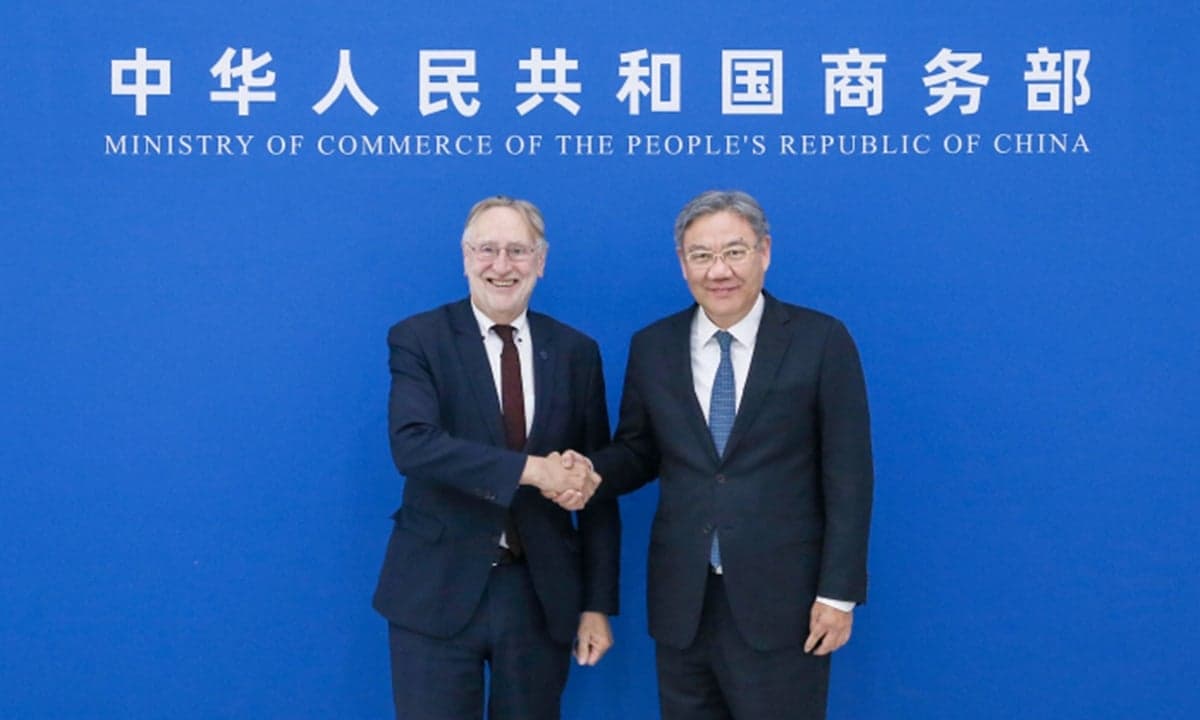
Sino-European trade rivalries escalated on October 28, 2026, as Chinese Commerce Minister Wang Wentao held contentious talks in Beijing with Bernd Lange, chair of the European Parliament’s Committee on International Trade[1][2]. Wang voiced sharp concern over Brussels' impending rollout of comprehensive safeguard measures aimed at curbing Chinese imports of chemicals, furniture, and advanced machinery[3][2]. Rejecting claims that Chinese manufacturing subsidization is damaging European competitors, Wang stated that "China is not the source of the EU's problems, but a partner in finding solutions," urging the European Union to adhere to World Trade Organization (WTO) principles rather than unilateral protectionism[1][2].
The confrontation follows closed-door concessions finalized earlier in October, under which Beijing reluctantly agreed to cap Chinese hybrid passenger car exports to the EU at 350,000 units annually[3]. That pact succeeded the bruising 2024 dispute over battery electric vehicle (BEV) countervailing tariffs[4]. However, European Commission President Ursula von der Leyen emphasized that sectoral import quotas have failed to rectify the underlying structural imbalances between the two trading giants, pointing out that the European Union’s bilateral goods deficit with China continues to exceed €1 billion per day[3]. In response, European Commission trade officials are drafting broader industrial safeguards designed to stave off what European policymakers have termed "China Shock 2.0"[3].
The current friction highlights the rapid degradation of economic relations between Brussels and Beijing. As the European Commission prepares formal safeguard instruments that could take effect by early 2027, Beijing has signaled potential retaliatory mechanisms targeting key European exports, including agricultural goods, brandy, and dairy products, alongside tightening restrictions on the export of processed rare earth elements and magnets[3][4]. Germany and France remain on the front line of this dispute; French spirits producers and German chemical and machine-tool conglomerates face substantial retaliatory exposure[4].
Trade analysts and institutional economists warn that the expansion of restrictions from green mobility into legacy industrial sectors signifies that the EU-China trade architecture is moving from negotiated dispute settlements into persistent regulatory conflict[3][4]. With European manufacturing margins squeezed by elevated energy costs and subdued global demand, European industry groups are aggressively lobbying Brussels for defensive shielding[3]. Conversely, Chinese officials maintain that European restrictions will penalize European consumers, disrupt global green transitions, and fracture the multilateral trading system at a moment of acute global economic fragility[5][1].
- China
- European Union
- Bernd Lange
Story 9 of 13
2 min read
Black Sea USV Attack Near Bulgaria Raises NATO Southeastern Flank Insecurities
Three unidentified unmanned surface vehicles (USVs), suspected to be Russian, struck the cargo vessel *Constship Jet* off the Bulgarian coast in the Black Sea. This incident, occurring within Bulgaria's exclusive economic zone, represents a direct disruption of commercial shipping near a NATO member's territory. The attack coincided with renewed Russian demands for NATO's rollback.
Read the full storyFold the full story2 min · 2 sources
Maritime security on NATO’s southeastern flank faced immediate disruption on October 28, 2026, after Bulgarian Defense Minister Dimitar Stoyanov confirmed that three unidentified unmanned surface vehicles (USVs) - suspected to be of Russian origin - struck the cargo vessel Constship Jet in the Black Sea[1]. The incident occurred approximately 21 nautical miles southeast of Shabla, Bulgaria, within Bulgaria’s exclusive economic zone, according to official reports and automatic identification systems (AIS) tracking data[1]. The strike marks one of the most direct kinetic disruptions of commercial shipping in the territorial approaches of a NATO member since the outbreak of hostilities in Ukraine[1].
The maritime assault coincided with hardened rhetoric from Moscow aimed at unraveling European security arrangements. On October 28, Russian Foreign Minister Sergey Lavrov and presidential aide Yuri Ushakov reiterated the Kremlin's longstanding demands to roll back NATO’s operational presence to pre-1997 frontiers, asserting that European governments should be bypassed in favor of direct, bilateral negotiations between Moscow and Washington[1]. The dual dynamic - unconventional naval strikes in international shipping corridors coupled with aggressive diplomatic revisionism - underscores Moscow’s persistent campaign to exert asymmetric leverage over NATO’s littoral states[2][1].
The attack has ignited sharp concern across Sofia, Bucharest, and Ankara. The Black Sea littoral nations had previously established the Mine Countermeasures Black Sea (MCM Black Sea) task group to clear drifting sea mines and protect commercial vessels. However, the direct deployment of loitering sea drones against commercial traffic underscores the limitations of purely defensive mine-clearing operations and raises the specter of escalated insurance premiums and shipping route diversions across the Danube and western Black Sea grain and container corridors[1].
Military analysts and defense researchers note that this incident illustrates how modern maritime attrition tactics are increasingly blurring the boundary between conflict zones and sovereign European waters[1]. By introducing deniable hybrid sea strikes near Romanian and Bulgarian maritime lanes, Moscow appears to be probing allied deterrence thresholds while applying economic pressure on Black Sea shipping[2][1]. In response, defense officials from Romania and Bulgaria have initiated consultations with allied headquarters to explore expanded aerial maritime surveillance and active convoy escort protocols to preserve freedom of navigation[1].
- NATO
- Bulgaria
- Unmanned Surface Vehicles (USVs)
Story 10 of 13
2 min read
US Signs Critical Minerals and Energy Pacts with Finland and Hungary
The U.S. has finalized strategic agreements with Finland and Hungary focused on supply chain security and energy resilience. With Finland, pacts were signed for critical minerals and technology cooperation to boost extraction and refining of essential materials. With Hungary, accords centered on energy security, infrastructure, and intelligence sharing.
Read the full storyFold the full story1 min · 4 sources
In a series of bilateral diplomatic maneuvers in Washington on October 29, 2026, U.S. Secretary of State Marco Rubio finalized major strategic agreements with Finnish Foreign Minister Elina Valtonen and Hungarian Foreign Minister Anita Orbán, targeting supply chain security and regional energy resilience[1]. With Finland, Rubio signed a formal Memorandum of Understanding establishing a Critical Minerals Framework and a bilateral Technology Prosperity Deal[1]. The pact establishes joint investment and research mechanisms to accelerate the extraction and refining of rare earth elements, battery metals, and advanced materials critical for defense and clean-tech manufacturing[2][1].
Concurrently, Rubio joined Hungarian Foreign Minister Anita Orbán to execute agreements focused on regional energy security, infrastructure modernization, and cross-border law enforcement intelligence exchange[1]. The accords are structured to assist Central European transit hubs in diversifying their energy supply routes away from Russian pipeline dominance while integrating regional grid technologies to guard against cyber and physical sabotage[3][1]. The signing reflects an intensified U.S. push to secure allied industrial infrastructure against coercive statecraft by systemic rivals[4][1].
The U.S.-Finnish agreement directly aligns with strategic concerns raised on October 28 by defense and policy analysts from the Nordic-Baltic Eight (NB8) group[2]. In a coordinated policy assessment, researchers from the Latvian Institute of International Affairs, Vilnius University, and the Swedish National China Centre warned that China’s expanding investments in Arctic green technologies and critical mineral processing constitute an emergent geopolitical liability for Northern Europe[2]. The analysts emphasized that Beijing's dominance in rare earth processing gives it significant coercive leverage over the European green transition, recommending that Nordic and Baltic nations integrate Arctic security with collective raw-material independence initiatives[2].
Geopolitical strategists view these bilateral agreements as evidence of a shifting Western alliance model. Rather than relying solely on sweeping multilateral treaties, the transatlantic partners are constructing targeted, functionally specialized mini-lateral pacts centered on resource security, critical tech standards, and energy sovereignty[4][1]. These agreements reflect an allied consensus that supply chain dependencies - particularly in high-end battery inputs and strategic minerals - represent critical vulnerabilities in great-power rivalries with China and Russia[4][2].
- United States
- Finland
- Hungary
Story 11 of 13
2 min read
China-Russia Defense Ties Shift to Domestic Co-Production
A new report details how China and Russia are deepening defense ties through integrated, upstream co-production. Russian defense firms are embedding manufacturing in China, acquiring equity, and using Chinese infrastructure to support their production lines. This collaboration involves precision machinery, semiconductors, and advanced manufacturing, with Russia contributing defense expertise and China supplying critical hardware.
Read the full storyFold the full story2 min · 1 source
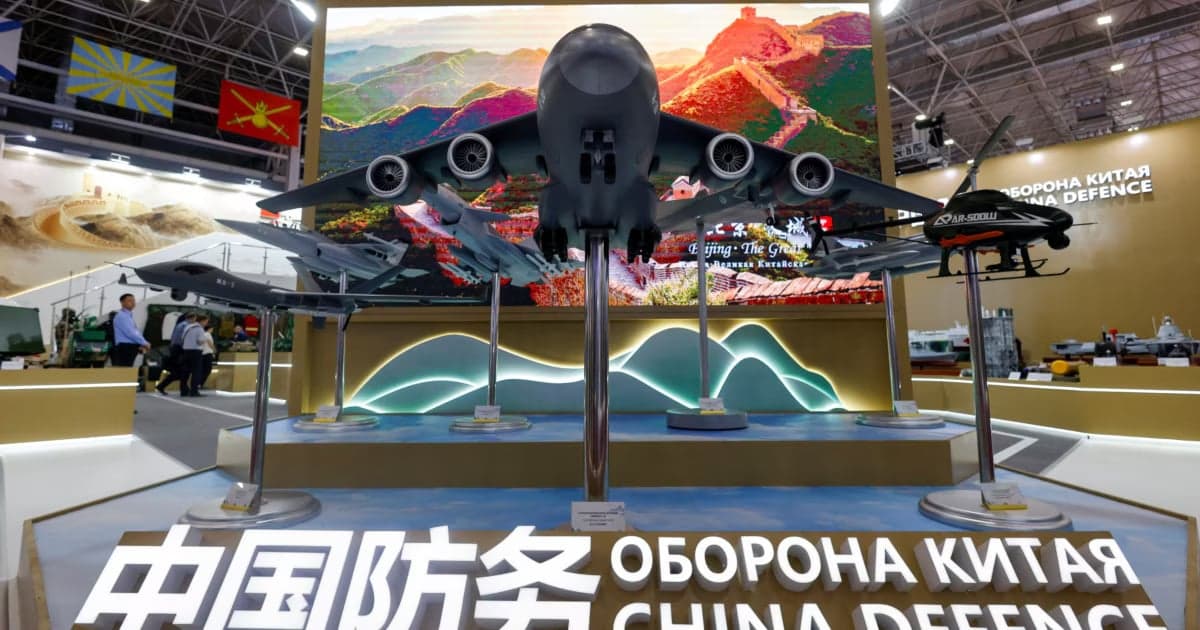
A research report published on October 28 by the Washington-based Center for Advanced Defense Studies (C4ADS) documents a structural realignment in Sino-Russian defense ties, revealing that the bilateral military partnership has evolved far beyond conventional arms sales into integrated, upstream co-production[1]. Russian defense-linked enterprises are increasingly embedding manufacturing operations directly within mainland China, acquiring equity and intellectual property in Chinese entities, and leveraging advanced Chinese manufacturing infrastructure to sustain Moscow's domestic defense production lines[1].
According to C4ADS analysts, this transition centers on Chinese precision machinery, semiconductor fabrication, computer numerical control (CNC) equipment, advanced testing facilities, and shared scientific research[1]. By shifting operations into Chinese industrial hubs, Russian military contractors effectively shield critical assembly lines from Western kinetic and economic interdiction[1]. Analysts note that this mutual dependency represents a qualitative upgrade in the Moscow-Beijing axis: Russia provides niche aerospace and defense expertise to China, while Beijing supplies the dual-use hardware, microelectronics, and precision machining necessary to keep Russia’s defense-industrial base operating at high capacity[1].
Defense specialists warn that this upstream integration creates a formidable hurdle for Western export controls and sanctions enforcement[1]. Lyle Goldstein, Asia Program Director at the think tank Defense Priorities, stated that this collaboration is set to expand into crucial tactical domains, including joint development of uncrewed aerial systems (UAS), counter-drone defenses, integrated air and missile defense architecture, electronic warfare, and undersea capabilities[1]. By intertwining supply chains, Beijing and Moscow are constructing an autarkic military-industrial ecosystem designed to operate independently of Western-controlled supply networks and financial clearings[1].
The report's findings have intensified calls within Washington and allied capitals for a fundamental overhaul of export enforcement mechanisms[1]. C4ADS recommended that the United States and its partners enact coordinated secondary sanctions targeting Chinese intermediaries, tighten export bans on dual-use research software, and monitor corporate acquisitions by Russian shell entities in Chinese tech corridors[1]. However, analysts also observed that the partnership is not without friction; Beijing continues to regulate exports of its most advanced proprietary chipsets to avoid broader secondary sanctions, while Russian security services remain protective of sensitive domestic technical databases, pointing to persistent underlying mistrust beneath the outward strategic alignment[1].
- Center for Advanced Defense Studies
- C4ADS
- Lyle Goldstein
Story 12 of 13
2 min read
Vietnam and UAE Deepen Middle-Power Partnership for Strategic Autonomy
Vietnam and the United Arab Emirates are expanding their strategic alignment through a comprehensive partnership framework. Their latest political consultation focused on enhancing economic ties, particularly through the Comprehensive Economic Partnership Agreement (CEPA), and channeling UAE investment into Vietnam's digital and industrial sectors.
Read the full storyFold the full story1 min · 3 sources
Underscoring the accelerating trend of cross-regional middle-power alignment, Vietnam and the United Arab Emirates convened their third political consultation in Hanoi on October 28–29, 2026[1][1]. The meeting was co-chaired by Vietnamese Deputy Minister of Foreign Affairs Nguyễn Minh Hằng and UAE Assistant Minister of Foreign Affairs for Advanced Science and Technology Omran Sharaf[1][1]. Both delegations reviewed bilateral progress and agreed to operationalize measures expanding strategic autonomy, high-tech cooperation, and economic resilience amid rising global fragmentation and great-power competition[1].
The bilateral talks focused on the implementation of the Comprehensive Economic Partnership Agreement (CEPA), alongside initiatives to channel UAE sovereign capital and corporate investment into Vietnam’s expanding digital and industrial infrastructure[1]. Notably, the two governments agreed to facilitate institutional partnerships between their national oil and gas conglomerates, securing long-term hydrocarbon supplies for Vietnam's domestic industrial base while laying the framework for joint ventures in green energy, semiconductor testing, and artificial intelligence deployment[1].
The consultation illustrates how middle powers across Southeast Asia and the Middle East are executing deliberate hedging strategies[2]. Faced with escalating tariff regimes, geopolitical polarization between the United States and China, and supply chain volatility across Europe, countries such as Vietnam and the UAE are actively seeking "horizontal" partnerships to diversify their dependencies[3][2][1]. By cementing direct financial, technological, and energy relationships with Gulf states, Hanoi aims to safeguard its rapid manufacturing growth while preserving its strategic non-alignment posture[2][1].
Regional analysts emphasize that this expanding nexus between Southeast Asian industrial hubs and Middle Eastern capital centers represents an influential dynamic in contemporary geopolitics[2][1]. As traditional multilateral governance structures encounter mounting friction, agile bilateral linkages between middle powers are providing critical buffers against external economic shocks, demonstrating that international trade realignments are increasingly driven by autonomous, pragmatic statecraft outside the traditional great-power orbit[3][2].
- Vietnam
- United Arab Emirates
- Hanoi
Story 13 of 13
2 min read
Middle Powers Launch Cross-Regional Alliance Strategy at Doha Forum
Governments and multilateral representatives from the Middle East, Africa, Asia, and Europe convened at the Doha Forum to initiate formal, cross-regional middle-power coalitions. Participants agreed on establishing coordination mechanisms for trade, technology networks, and legal defense, aiming to build alternatives to existing geopolitical influence centers. This move reflects frustration with superpower economic nationalism and regional conflicts.
Read the full storyFold the full story2 min · 6 sources
At the "Global Perspectives: In Doha" summit on October 29, 2026, government ministers and multilateral representatives from the Middle East, Africa, Asia, and Europe initiated a concerted push to construct formal, cross-regional middle-power coalitions[1][1]. Convening in the Qatari capital, participants used dedicated panel sessions on "Middle Powers" to advocate for a structural realignment of the international order[1][2]. The delegates reached consensus on establishing practical coordination mechanisms across trade, sovereign technology networks, and multilateral legal defense, explicitly seeking to build operational alternatives to traditional centers of geopolitical influence[1][1].
The impetus for this diplomatic overture reflects mounting frustration among developing and non-aligned states caught between aggressive US-China economic nationalism and expanding regional conflicts[1][3]. With the global order destabilized by maritime trade disruptions, weaponized tariffs, and reciprocal sanctions, smaller and mid-sized economies are seeking collective bargaining leverage[1][3]. Rather than relying on outdated post-Cold War security guarantees or accepting binary alignment choices, participating states are institutionalizing lateral South-South and cross-continental linkages to navigate superpower fragmentation[1][4].
Prominent delegates driving the initiative included Luigi Di Maio, the European Union's Special Representative for the Gulf region; Dr. Mohamed Farid Saleh, Egypt's Minister of Investment and Foreign Trade; and Deemah AlYahya, Secretary-General of the Digital Cooperation Organization (DCO)[2][1]. Di Maio argued that the geopolitical crisis has evolved beyond simple trade integration, asserting that the survival of the multilateral legal system now relies on regional middle powers forming defensive diplomatic coalitions[1][1]. Dr. Saleh emphasized that middle-power coalitions must solidify economic partnerships prior to establishing political pacts, while Secretary-General AlYahya highlighted the necessity of pooling regional digital infrastructure, national champions, and local content to shield domestic tech ecosystems from external technological embargoes[2].
The long-term implications of this cross-regional mobilization could erode the ability of superpowers to impose unilateral economic sanctions or dictate international trade rules[1][3]. By aggregating capital from the Gulf, mineral and labor resources from Africa, and manufacturing bases from Southeast Asia, middle powers are creating parallel financial and industrial architectures[1][5]. This horizontal coordination enables mid-tier nations to preserve their domestic policy autonomy, reduce exposure to volatile superpower currency and trade fluctuations, and counter great-power coercion in global governance forums[1][6].
The discussions in Doha resonated across international trade circles, where analysts noted that middle powers are abandoning passive non-alignment in favor of active, transactional multi-alignment[4][3]. Participants stressed that as bipolar rivalry between Washington and Beijing deepens, the collective leverage of regional economic actors provides an indispensable stabilizing buffer[1]. As Di Maio summarized during the plenary, cross-regional alliance-building among middle powers is no longer merely a diplomatic luxury, but an urgent necessity for states seeking to protect international law and maintain sovereignty within an increasingly multipolar world[1][1].
- Middle East
- Africa
- Asia
You're all caught up.
That's every story in Thursday's PiBrief Geopolitics. And there's a newer edition waiting for you.
All PiBrief Geopolitics editions
Subscribe to receive daily briefings about geopolitics and world news in your email.
Get PiBrief Geopolitics in your inbox
A free newsletter on geopolitics and world news. Diplomacy, conflict, the global economy, and elections, ranked and explained, with an audio briefing in every edition.
Free forever / no account / 1-click unsubscribe