
G20 divides, Canada-EU alliance & US-Iran talks
G20 ministers gathered in Atlanta amid stark geopolitical divisions over regional conflicts and energy flows. Meanwhile, Canada and the European Union cemented a new trade and defense alliance, as diplomatic efforts worked to de-escalate tensions in the Strait of Hormuz.
11 stories49 sources checked
Listen to this edition
PiBrief Geopolitics, October 30, 2026
The lineup
In this edition
 01
G20 Ministers Meet Amid Deep Global Divides Over Ukraine, Iran, and Trade
 02
Canada and EU Forge 'Alliance for the Future' to Boost Trade and Supply Chains
 03
Qatar Mediates U.S.-Iran De-escalation Amid Strait of Hormuz Crisis
 04
U.S. and Finland Secure Critical Minerals and Tech Ties
 05
Turkic States Summit Advances Middle Corridor Trade Route, Bypassing Russia and Iran
 06
Mecca Defence Alliance Accelerates Middle East Realignment, Middle Powers Seek Autonomy
 07
US and Japan Forge AMRAAM Missile Co-Production Deal to Boost Indo-Pacific Deterrence
 08
NATO's DIANA Partners with Ukraine on Defense Innovation
 09
US and Russia Hold Sanctions Dialogue as Lavrov Attends G20 Ministerial in Atlanta
 10
Third Russia-Africa Summit in Moscow Focuses on Geopolitical Bloc Consolidation
 11
Benghazi Ratifies 2019 Turkey Maritime Deal, Reshaping Eastern Mediterranean Dynamics
See all 11 as a listHide the list
- G20 Ministers Meet Amid Deep Global Divides Over Ukraine, Iran, and Trade
- Canada and EU Forge 'Alliance for the Future' to Boost Trade and Supply Chains
- Qatar Mediates U.S.-Iran De-escalation Amid Strait of Hormuz Crisis
- U.S. and Finland Secure Critical Minerals and Tech Ties
- Turkic States Summit Advances Middle Corridor Trade Route, Bypassing Russia and Iran
- Mecca Defence Alliance Accelerates Middle East Realignment, Middle Powers Seek Autonomy
- US and Japan Forge AMRAAM Missile Co-Production Deal to Boost Indo-Pacific Deterrence
- NATO's DIANA Partners with Ukraine on Defense Innovation
- US and Russia Hold Sanctions Dialogue as Lavrov Attends G20 Ministerial in Atlanta
- Third Russia-Africa Summit in Moscow Focuses on Geopolitical Bloc Consolidation
- Benghazi Ratifies 2019 Turkey Maritime Deal, Reshaping Eastern Mediterranean Dynamics
Story 1 of 11
2 min read
G20 Ministers Meet Amid Deep Global Divides Over Ukraine, Iran, and Trade
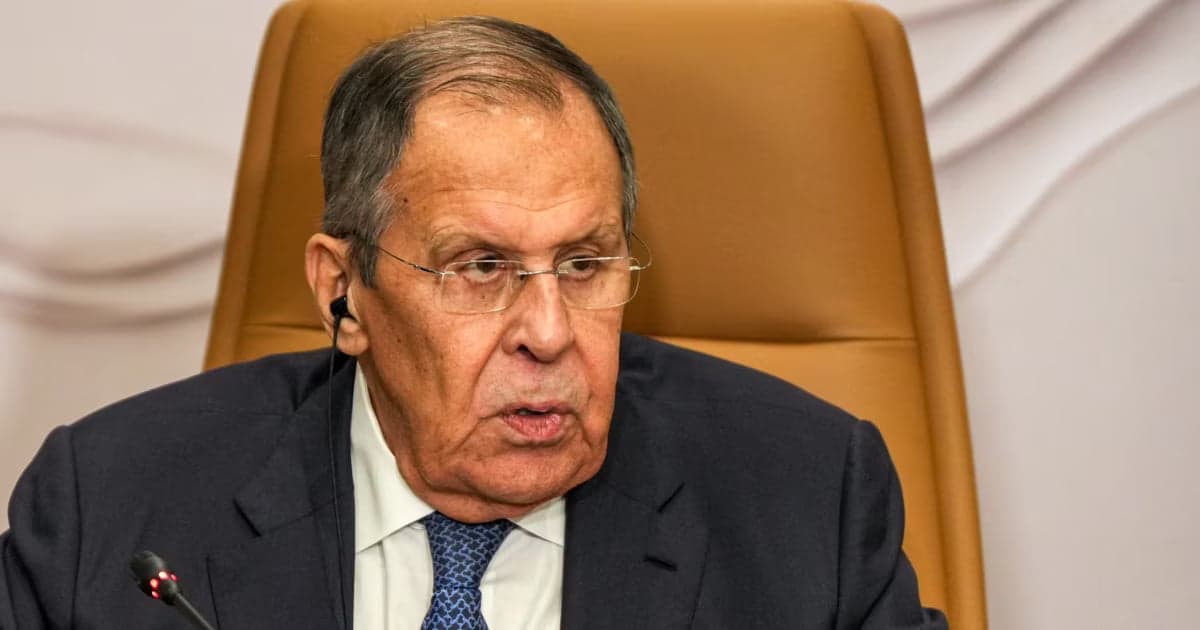
G20 foreign ministers convened in Atlanta for a summit dominated by geopolitical fault lines. Chaired by U.S. Secretary of State Marco Rubio, the meeting aimed to set the agenda for the upcoming leaders' summit. Key disputes centered on the Ukraine war, U.S.-Iran tensions, fuel prices, and trade disputes.
Read the full storyFold the full story2 min · 9 sources
Foreign ministers and senior diplomats from the Group of 20 (G20) leading economies gathered in Atlanta on October 30, 2026, for a two-day ministerial summit marked by deep geopolitical fault lines and contested diplomatic engagement[1][2]. Chaired by U.S. Secretary of State Marco Rubio, the high-stakes gathering was designed to lay the groundwork and set the agenda for the upcoming G20 leaders' summit, scheduled to be hosted by President Donald Trump at his Miami golf club in December[1][3]. However, the agenda in Atlanta was immediately dominated by contentious disputes over the ongoing Russia-Ukraine war, the broadening U.S.-Israeli conflict with Iran, global fuel price spikes, trade tensions over U.S. tariffs, and regional security friction in the South China Sea[3].
The presence of Russian Foreign Minister Sergei Lavrov provided the meeting's most intense diplomatic friction[1][4]. Lavrov’s arrival in the United States marked a rare in-person diplomatic appearance on American soil since the escalation of Western sanctions against Moscow[4]. For the Kremlin, the meeting served as an opportunity to demonstrate that Western attempts to diplomatically isolate Russia have faltered, allowing Lavrov to engage with both non-aligned partners and Western officials who remain divided over the trajectory of peace negotiations[4]. Conversely, Lavrov’s attendance generated fierce domestic blowback within the United States just days ahead of the November 3 midterm elections[1][5]. Republican lawmakers, including Representative Don Bacon, questioned the prudence of extending a diplomatic welcome to a senior Kremlin official while Russian military operations persist, while diplomatic experts noted the invitation sparked significant unease among congressional Republicans fearful of electoral repercussions[1][4].
The Atlanta sessions reflected a significant shift in U.S. diplomatic posture, with Washington pursuing bilateral and multilateral engagements characterized by transactional bargaining rather than consensus-driven multilateralism[6]. With envoys from China and across the Global South in attendance alongside European allies, the talks revealed divergent priorities[1][4]. While European counterparts pressed for a unified front condemning Russian aggression, Washington focused on managing immediate economic shocks, securing energy supply chains, and sounding out potential diplomatic leverage points for future conflict negotiations[7][4][3].
Diplomats and international observers broadly conceded that the Atlanta ministerial is unlikely to produce a substantive joint communique on major security crises[3]. Instead, the proceedings underscored the fragmentation of the rules-based international order, illustrating how great-power summits have increasingly transitioned from forums for resolving systemic global crises into platforms for diplomatic maneuvering and strategic messaging[8][9][4].
- G20
- Marco Rubio
- Sergei Lavrov
Story 2 of 11
2 min read
Canada and EU Forge 'Alliance for the Future' to Boost Trade and Supply Chains
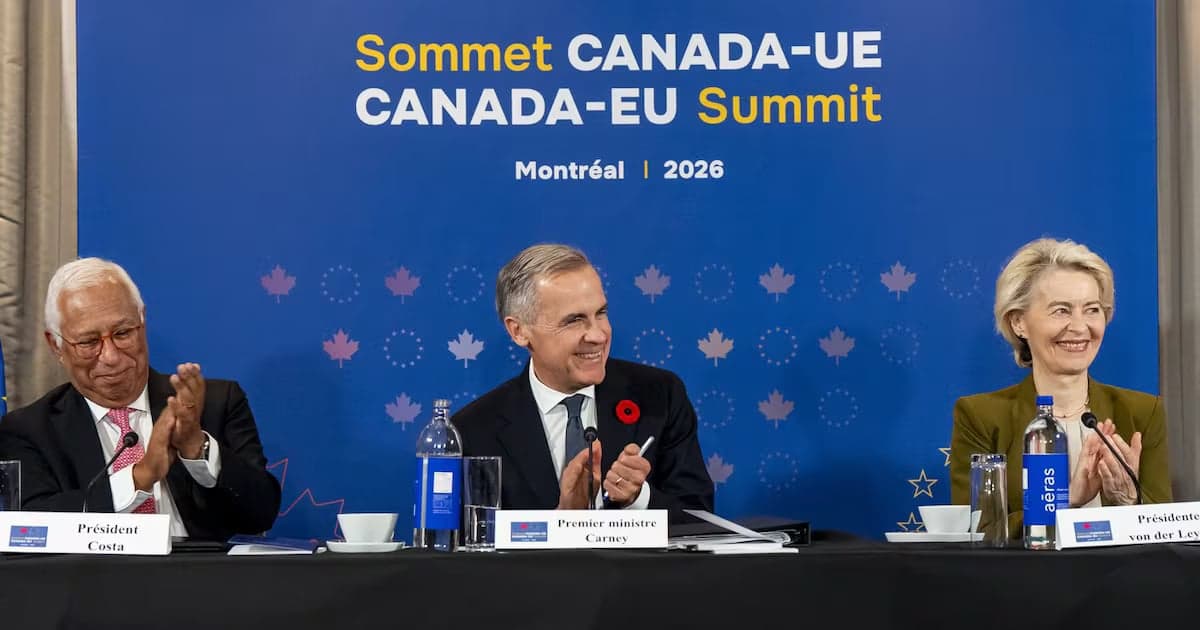
Canada and the European Union concluded their 21st summit in Montreal by launching the 'Alliance for the Future.' This framework aims to deepen economic integration, secure supply chains, and mitigate trade volatility. The summit also explored a potential associate membership status for Canada within the EU.
Read the full storyFold the full story1 min · 3 sources
On October 30, 2026, Canadian Prime Minister Mark Carney and senior European Union leaders concluded the two-day 21st Canada–EU Summit in Montreal by formally unveiling the “Alliance for the Future,” a strategic framework designed to deepen transatlantic economic integration, secure critical supply chains, and insulate their economies from mounting international trade volatility[1][2][3]. The European delegation was led by European Council President António Costa and European Commission President Ursula von der Leyen, who joined Prime Minister Carney in roundtables with business and policy leaders to seal bilateral pacts covering digital trade, research partnerships, university exchanges, and critical raw materials[1][2].
The summit represented a notable diplomatic and economic pivot for Ottawa[3]. In response to escalating trade protectionism, tariff threats, and diplomatic distance from the Trump administration in Washington, Prime Minister Carney’s government has actively accelerated outreach to European middle powers to diversify Canada's trade portfolio[3]. During the summit, the three leaders advocated for a status that could see Canada operate as an “associate member” of the European Union, an ambitious formulation intended to formalize closer regulatory alignment, industrial defense cooperation, and shared economic standards[2].
However, the initiative exposed political hurdles on both sides of the Atlantic[2]. Domestically, Canadian Conservative critics seized on the proceedings to argue that Ottawa’s European push overlooks persistent commercial roadblocks, highlighting that nine of the 28 EU member states have still failed to ratify the Comprehensive Economic and Trade Agreement (CETA) signed a decade prior[2]. In Europe, key member states - including Germany - expressed significant reservations regarding the concept of third-country “associate membership,” citing legal concerns and institutional governance within the European single market[2].
Despite these divisions, the Montreal summit resulted in tangible deliverables, notably a comprehensive digital trade pact and structured investments in critical minerals that feed Europe’s industrial transition[1][2]. By committing to mutual economic security and reaffirming their joint dedication to multilateralism and diplomatic support for Ukraine, Ottawa and Brussels sought to establish a counterweight to unilateral trade pressures, positioning their bilateral partnership as a bulwark for rules-based international commerce[1][2][3].
- Canada
- European Union
- Mark Carney
Story 3 of 11
2 min read
Qatar Mediates U.S.-Iran De-escalation Amid Strait of Hormuz Crisis
Qatari mediators are engaging in urgent backchannel diplomacy between the U.S. and Iran following alleged mine attacks on oil tankers in the Strait of Hormuz. This occurs alongside Houthi drone intercepts targeting Saudi Arabia and internal U.S. political fallout from disclosed bilateral outreach.
Read the full storyFold the full story1 min · 4 sources
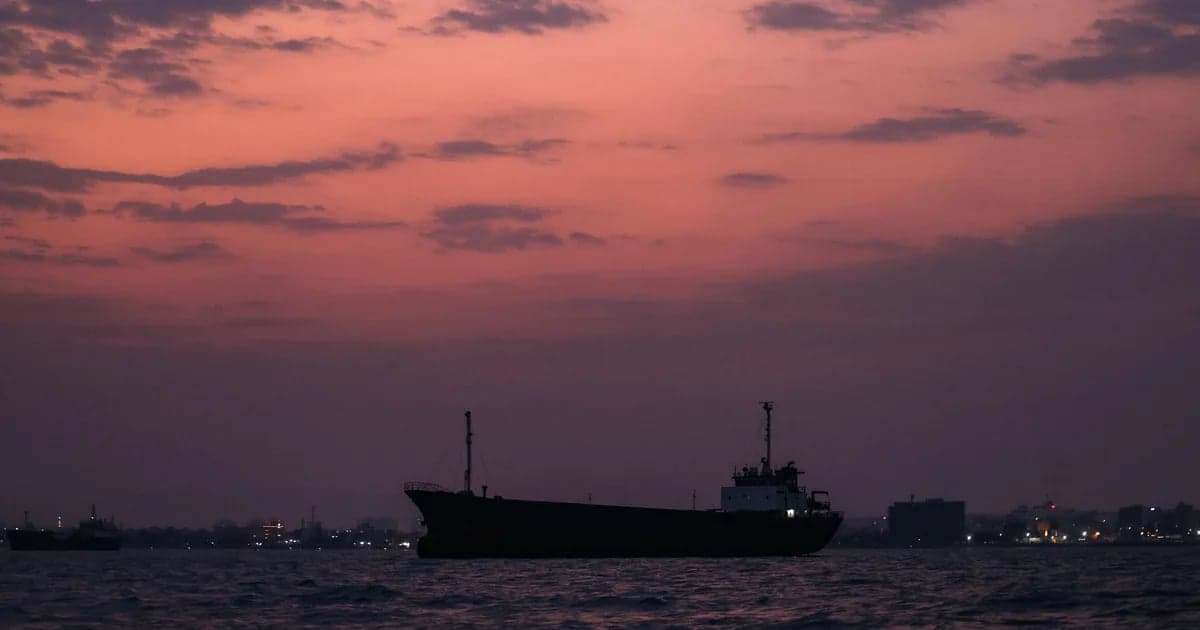
Intense backchannel diplomacy emerged on October 30, 2026, as Qatari mediators returned to Tehran in a renewed, urgent bid to broker a framework agreement between the United States and Iran[1]. The diplomatic shuttle was triggered by an acute maritime crisis in the Persian Gulf, where the Iranian Navy claimed four commercial oil tankers struck sea mines in the Strait of Hormuz, alleging that the vessels were navigating an unauthorized transit corridor established under U.S. naval security directives[2]. Concurrently, regional security worsened after the Saudi-led coalition in Yemen confirmed it intercepted multiple Houthi ballistic missiles and attack drones fired at Riyadh and the Mecca region[3][2].
The mediation push coincided with public disclosures of secret bilateral outreach that sparked controversy in Washington[4][2]. Reports indicated that U.S. Vice President JD Vance had dispatched a direct communication to Iranian Supreme National Security Council figure Mohsen Rezaei aimed at restarting dormant peace negotiations and establishing terms to de-escalate the broader Middle East conflict[2]. However, the move triggered immediate political friction; President Donald Trump publicly sought to downplay the diplomatic maneuver, insisting to reporters that the communication was limited strictly to facilitating humanitarian medical shipments into Iran rather than opening comprehensive peace talks[4][2].
The diplomatic turbulence compounded internal friction within the Pentagon[2]. Defense Secretary Pete Hegseth abruptly dismissed the Department of Defense’s top military planner, Lieutenant General Brett Sylvia, following accusations that sensitive intelligence and operational war plans regarding the Iran conflict had been leaked[2]. The firing underscored deep strategic divisions within the U.S. national security apparatus between factions advocating rapid military deterrence and officials pursuing negotiated diplomatic off-ramps[2].
Qatar’s renewed mediation efforts face steep structural obstacles, as negotiations remain paralyzed by disputes over uranium enrichment levels, U.S. oil sanctions enforcement, and freedom of navigation protocols through Gulf waters[1]. The convergence of mine warfare in the Strait of Hormuz, drone intercepts over Saudi territory, and bureaucratic turmoil in Washington illustrates how volatile the diplomatic path remains, with external mediators racing against the clock to avert an unrestricted regional escalation[3][1][2].
- Qatar
- United States
- Iran
Story 4 of 11
2 min read
U.S. and Finland Secure Critical Minerals and Tech Ties
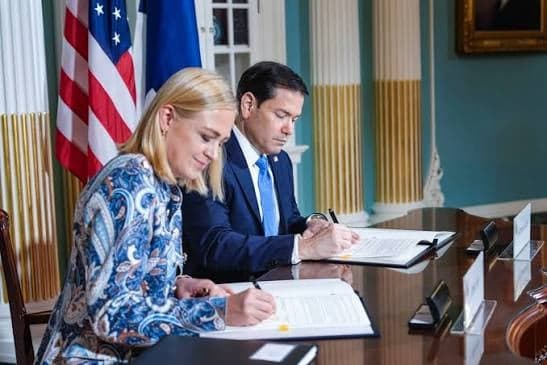
The United States and Finland signed agreements on critical minerals and technology cooperation, aiming to strengthen industrial ties and secure supply chains against Chinese dominance. The pacts cover raw materials for semiconductors and batteries, as well as AI, quantum computing, and telecommunications.
Read the full storyFold the full story1 min · 6 sources
At a formal ceremony held in the State Department's Colin L. Powell Treaty Room on October 29 and detailed in bilateral briefings on October 30, 2026, U.S. Secretary of State Marco Rubio and Finnish Foreign Minister Elina Valtonen signed two comprehensive bilateral accords: a Critical Minerals Framework and a Technology Prosperity Deal (TPD)[1][2]. The agreements are designed to deepen industrial cooperation between the two NATO allies, establish joint technical standards, and systematically secure critical supply chains against Chinese market domination[3][4].
The Critical Minerals Framework focuses heavily on securing upstream and midstream supplies of raw materials and refined elements essential for the manufacturing of semiconductors, advanced battery storage, energy infrastructure, and modern defense systems[3][2]. During the signing, Secretary Rubio described the mineral pact as “the foundation of tech,” noting that Finland possesses unique refining and processing capabilities that make it a vital partner in mitigating Western vulnerabilities[2][5]. The agreement complements Finland’s participation in the U.S.-led “Pax Silica” initiative, which coordinates secure access to materials required for artificial intelligence hardware[3][4].
Complementing the resources agreement, the Technology Prosperity Deal establishes a bilateral operational framework spanning artificial intelligence, quantum computing, next-generation telecommunications, biotechnology, and Arctic engineering[6]. Under the AI provisions, Washington and Helsinki agreed to coordinate joint financing mechanisms to promote the export of trusted technology architectures across the entire hardware and software stack[2]. In quantum and telecommunications, the agreement commits both nations' national laboratories and private enterprises to accelerate research into post-quantum cryptography, interoperable standards, and 5G and 6G infrastructure[2][6].
The dual pacts highlight an evolving U.S. strategy of executing targeted, high-impact bilateral pacts with specialized allies to insulate strategic technologies[3][6]. Finnish Minister of Economic Affairs Sakari Puisto commended the signing, emphasizing that partnering with U.S. research institutes and commercial firms will accelerate the commercialization of Finnish high-tech intellectual property while solidifying Finland's role as a linchpin in Western technological security[6].
- United States
- Finland
- Marco Rubio
Story 5 of 11
2 min read
Turkic States Summit Advances Middle Corridor Trade Route, Bypassing Russia and Iran
The Organization of Turkic States (OTS) held its 13th summit in Ankara, signing the Ankara Declaration and transferring chairmanship to Türkiye. The summit focused on accelerating Eurasian trade routes via the Middle Corridor, bypassing Russia and Iran, and enhancing connectivity.
Read the full storyFold the full story1 min · 9 sources
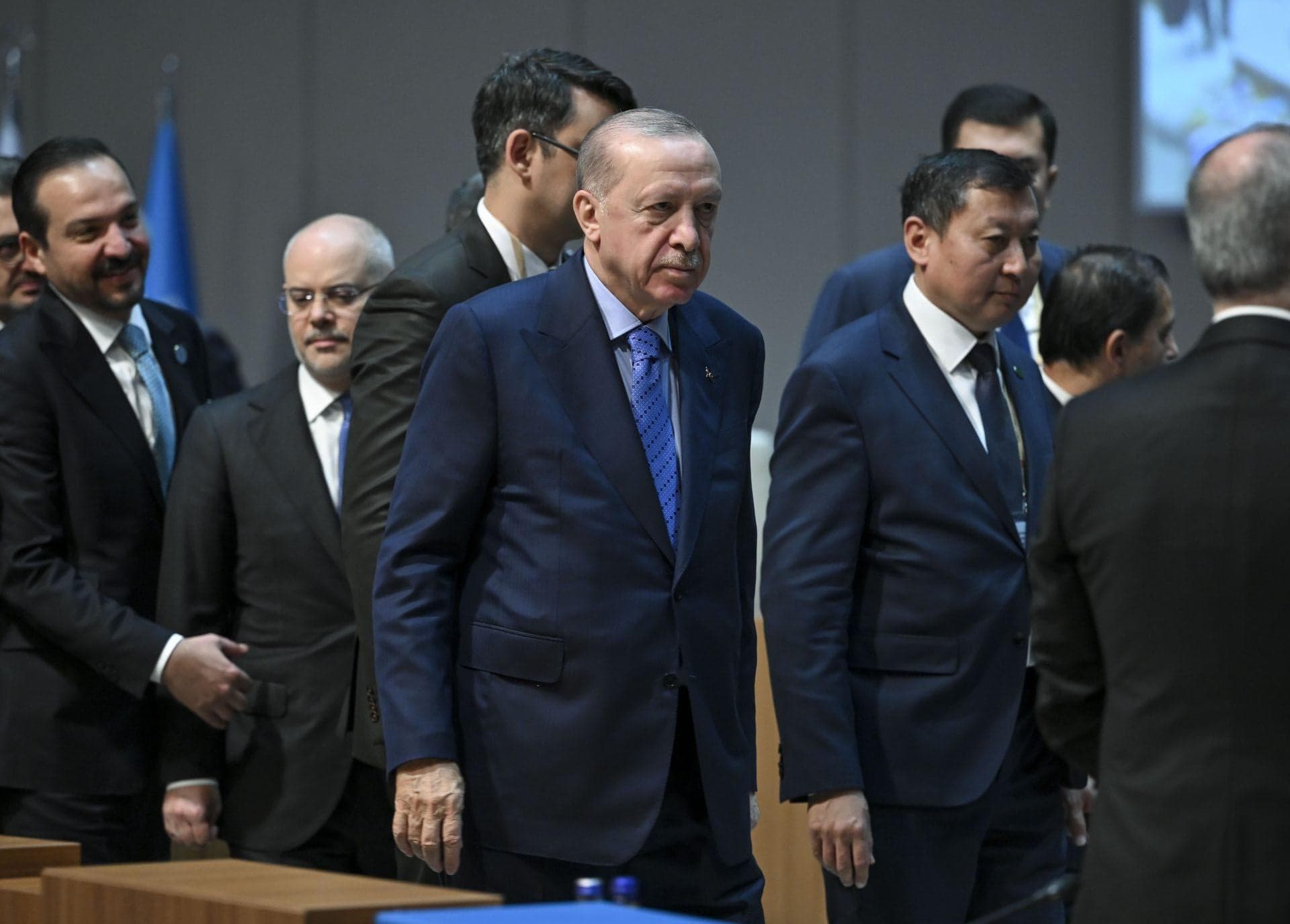
The Organization of Turkic States (OTS) wrapped up its 13th Heads of State Summit in Ankara on October 30, 2026, with the signing of the Ankara Declaration and the official transfer of the bloc’s rotating chairmanship from Azerbaijan to Türkiye[1][2]. Hosted by Turkish President Recep Tayyip Erdoğan under the theme “Turkic Century: Unity in Language, Thought and Action,” the high-level gathering convened Kazakh President Kassym-Jomart Tokayev, Uzbek President Shavkat Mirziyoyev, Kyrgyz President Sadyr Japarov, Azerbaijani Foreign Minister Jeyhun Bayramov, and observer leaders including Turkmen President Serdar Berdimuhamedov and Turkish Republic of Northern Cyprus President Tufan Erhürman[2][3].
A major strategic driver of the Ankara summit was the acceleration of Eurasian trade routes that bypass both Russia and Iran[4][5]. Geopolitical interest in the summit was heightened by the Armenian Parliament’s landmark approval just prior to the gathering of the Trump Route for International Peace and Prosperity (TRIPP) agreement[4]. Originating from the August 2025 Washington peace framework between Armenia and Azerbaijan, the TRIPP agreement establishes an unimpeded multimodal transport link across Armenia’s Syunik province, connecting mainland Azerbaijan with its Nakhchivan enclave under a long-term U.S.-managed development model while preserving Armenian sovereignty[6][7][8].
This transport breakthrough provided crucial momentum for the OTS’s strategic agenda: expanding the Trans-Caspian International Transport Route, commonly known as the Middle Corridor[4][5][2]. In his summit address, President Erdoğan declared that political and economic solidarity among Turkic states had become a strategic necessity, framing closer integration as a core pillar of the “Turkic World Vision 2040”[2]. Ahead of the summit's final declaration, Türkiye concluded enhanced bilateral agreements with Kazakhstan covering energy transit and defense technology, alongside streamlined trade accords with Uzbekistan[4].
The summit’s outcome cements an evolving geopolitical architecture across Central Asia and the South Caucasus[4][9]. As ongoing maritime disruptions in the Black Sea and the Persian Gulf complicate conventional global trade lanes, the OTS’s coordinated push to consolidate land-based connectivity through the South Caucasus and Central Asia establishes the bloc as an increasingly unified and indispensable transit arbiter linking Asian production centers directly to European markets[4][5].
- Organization of Turkic States
- Türkiye
- Azerbaijan
Story 6 of 11
2 min read
Mecca Defence Alliance Accelerates Middle East Realignment, Middle Powers Seek Autonomy
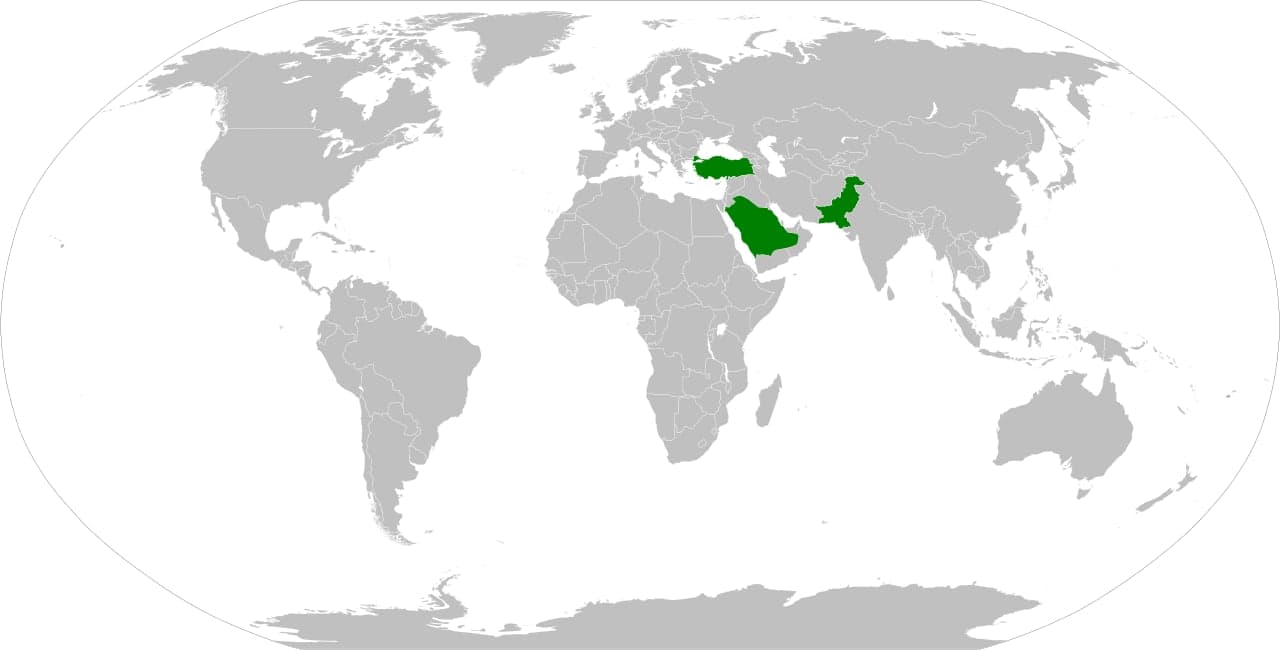
The operationalization of the Mecca Defence Alliance, a tripartite pact between Saudi Arabia, Türkiye, and Pakistan, is reshaping the Middle East and South Asia. Following its invocation amid renewed hostilities, regional capitals are seeking de-escalation mechanisms. The alliance's formation reflects a broader trend of middle powers constructing independent defense architectures to protect trade corridors and insulate economies from great-power volatility.
Read the full storyFold the full story1 min · 5 sources
New strategic assessments published on October 29–30, 2026, shed light on the operationalization of the Mecca Defence Alliance - formally established under the Makkah Al-Mukarramah Joint Defence Agreement by Saudi Arabia, Türkiye, and Pakistan[1][2][3]. The tripartite pact, which binds the three regional heavyweights to a mutual-defense commitment where an armed attack on one member is treated as an attack on all, has triggered profound strategic ripples across the wider Middle East and South Asia[1][3]. Following the invocation of the alliance in October in response to renewed hostilities in Yemen and attacks on maritime chokepoints, regional capitals have scrambled to establish functional de-escalation mechanisms[2][3].
The practical fallout was underscored by the outcomes of emergency quadrilateral consultations convened between Iranian officials and representatives of the three Mecca Pact signatories[3]. While discussions yielded an agreement to maintain active diplomatic communication, Tehran has sharply pushed back against the pact's military scope[2][3]. Iranian Foreign Ministry spokesman Esmail Baghaei and parliamentary national security officials issued stern warnings that any active intervention by Turkish or Pakistani forces in the southern Red Sea and Yemen would fail to restore stability and could trigger wider regional hostilities[2]. Concurrently, key regional actors such as Egypt have maintained strategic distance; while Cairo remains tethered to Arab League mutual-defense mechanisms and prioritizes Saudi stability, it has consciously avoided joining the Mecca alliance to preserve diplomatic room for maneuver[4].
This restructuring illustrates a broader structural shift highlighted during the October 29 "Global Perspectives" summit in Doha, where foreign policy leaders analyzed the ascendance of "Middle Power" coalitions[5]. Rather than remaining subordinate to traditional American security guarantees or sliding directly into an opposing Beijing-Moscow axis, regional powers in the Gulf, South Asia, and North Africa are increasingly constructing indigenous, issue-specific defense architectures[5][4][3]. Analysts observe that these independent mutual-defense pacts allow regional middle powers to exert collective deterrence against non-state proxies, protect vital trade corridors, and insulate their economies from great-power volatility on their own operational terms[5][3].
- Mecca Defence Alliance
- Saudi Arabia
- Türkiye
Story 7 of 11
2 min read
US and Japan Forge AMRAAM Missile Co-Production Deal to Boost Indo-Pacific Deterrence
The United States and Japan have agreed to establish a joint AMRAAM missile production facility in Japan, creating an allied manufacturing hub. This move aims to bolster deterrence in the Indo-Pacific amid concerns over China's growing influence and persistent production bottlenecks in the U.S. defense industrial base. The initiative represents a significant shift in the bilateral security alliance towards integrated defense co-production.
Read the full storyFold the full story2 min · 2 sources
The United States and Japan reached a landmark bilateral agreement to establish a domestic production facility within Japan for the joint manufacture of advanced medium-range air-to-air missiles (AMRAAM)[1]. Announced by the Japanese defense leadership, the initiative establishes an allied manufacturing hub on Japanese soil to co-produce front-line precision-guided munitions[1]. This development marks a transition in the bilateral security alliance, moving beyond traditional arms acquisition frameworks under Foreign Military Sales (FMS) toward integrated defense co-production[1].
The agreement comes as the United States defense industrial base faces persistent production bottlenecks, strained by sustained ammunition drawdowns and surging global requirements[1][2]. At the same time, security planners in Tokyo and Washington have voiced mounting concern over China's expanding air and naval reach across the First Island Chain and the Taiwan Strait[1]. The initiative builds upon bilateral agreements reached in recent security consultative meetings that prioritized co-development and co-production of critical military equipment to reinforce allied deterrence postures in the Indo-Pacific[1].
Key entities directing the initiative include the Japanese Ministry of Defense, the U.S. Department of Defense, and prime defense contractors responsible for the AMRAAM architecture[1]. The arrangement coincides with a broader regional convergence among allied militaries: Northern European partners are also expanding footprint coordination in East Asia, exemplified by Finnish Defense Minister Antti Häkkänen's concurrent security mission spanning New Zealand, Australia, and Japan[1].
The immediate implication for the aerospace and defense sector is the establishment of secure, forward-deployed manufacturing capacity capable of sustaining air superiority forces during high-intensity regional contingencies[1]. By distributing the production chain across allied territory, Washington and Tokyo are seeking to mitigate single-point vulnerabilities in the U.S. domestic supply chain while providing the Japan Air Self-Defense Force and forward-stationed American units with uninterrupted munitions access[1].
Defense analysts and industry observers note that co-producing advanced air-to-air missiles represents a major precedent for Japan's defense industrial policy, which had historically maintained stringent export and production controls[1]. While the move provides practical logistical depth in East Asia, regional competitors, particularly Beijing, are likely to view the localized production of advanced American weaponry as a provocative enhancement of allied offensive capabilities near the Chinese periphery[1].
- United States
- Japan
- AMRAAM
Story 8 of 11
2 min read
NATO's DIANA Partners with Ukraine on Defense Innovation
NATO's Defence Innovation Accelerator for the North Atlantic (DIANA) has signed a first-of-its-kind Memorandum of Understanding with Ukraine. This pact grants Ukrainian defense-tech firms access to NATO's resources, while alliance members will co-develop and adopt innovations tested on the Ukrainian front lines. The agreement aims to bridge the gap between civilian tech and battlefield realities.
Read the full storyFold the full story1 min · 2 sources
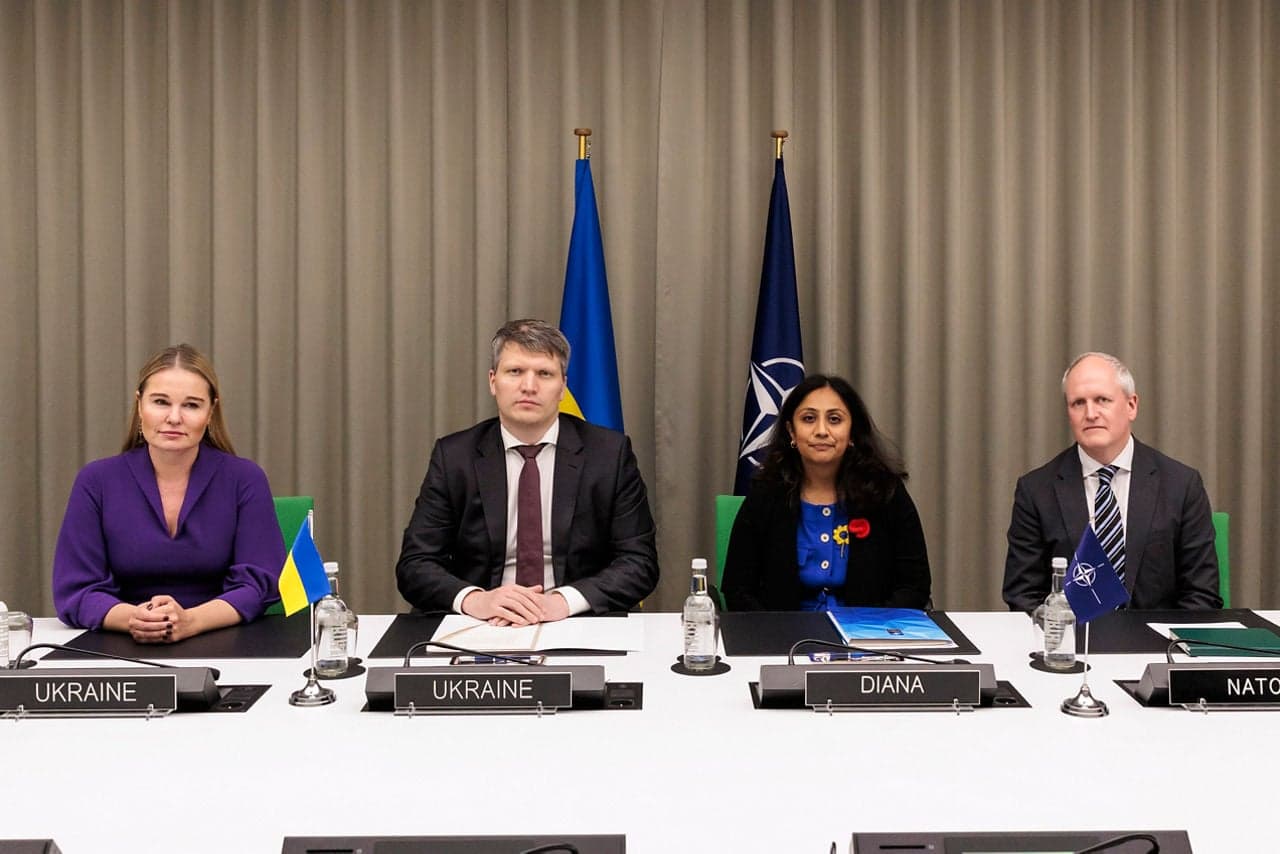
NATO’s Defence Innovation Accelerator for the North Atlantic (DIANA) signed a landmark Memorandum of Understanding (MoU) with Ukraine at NATO Headquarters in Brussels on October 29, 2026[1]. The agreement represents the first formal partnership of its kind established between DIANA and a non-alliance partner nation[1]. Under the terms of the memorandum, Ukrainian defense-technology firms and state innovators will gain direct, systematic access to NATO’s network of testing centers, venture capital connections, and technological accelerators, while alliance members will formalize mechanisms to co-develop, test, and adopt innovations refined on the Ukrainian front lines[1].
The pact is designed around rapid operational reciprocity[1]. Over the course of the protracted war against Russia, Ukraine has developed an agile defense-tech sector characterized by real-time software updates, rapid drone modifications, and advanced electronic warfare adaptation[1]. Conversely, traditional Western defense-industrial procurement processes have often struggled to match the pace of tactical adaptation required by transparent, sensor-saturated battlefields[2][1]. By integrating Ukrainian innovators into DIANA’s institutional pipeline, NATO aims to bridge the gap between civilian software labs, commercial tech enterprises, and frontline operational deployments[1].
The agreement coincided with pointed defense analysis published on October 29 by the Center for European Policy Analysis (CEPA), which argued that NATO's conventional small-unit doctrines and military training protocols have become dangerously obsolete[2]. The analysis emphasized that Western tactical assumptions - formed during operations in Iraq and Afghanistan and reliant on uncontested air superiority and secure electromagnetic communications - have been shattered by the ubiquity of first-person-view (FPV) strike drones, pervasive thermal imaging, and electronic reconnaissance[2]. Modern doctrine now demands decentralized dispersion into two- or three-person units and extreme electronic camouflage rather than concentrated squad formations[2]. The DIANA-Ukraine partnership directly addresses these doctrinal vulnerabilities, signaling NATO's official attempt to incorporate raw battlefield lessons into the alliance’s long-term collective defense posture[2][1].
- NATO
- DIANA
- Ukraine
Story 9 of 11
2 min read
US and Russia Hold Sanctions Dialogue as Lavrov Attends G20 Ministerial in Atlanta
The United States and Russia are engaged in bilateral talks regarding potential sanctions relief for the Russian Direct Investment Fund (RDIF). This diplomatic engagement coincides with Russian Foreign Minister Sergei Lavrov's attendance at the G20 Foreign Ministers’ meeting in Atlanta, chaired by U.S. Secretary of State Marco Rubio. This marks Moscow's highest-level diplomatic engagement in a Western-hosted multilateral gathering.
Read the full storyFold the full story1 min · 6 sources
Diplomatic engagement between the United States and the Russian Federation gained renewed traction as Russian Foreign Policy Adviser Yuri Ushakov confirmed active bilateral talks with the Trump administration regarding sanctions relief for the Russian Direct Investment Fund (RDIF)[1][2]. Concurrently, Russian Foreign Minister Sergei Lavrov arrived in Atlanta, Georgia, to attend the Group of 20 (G20) Foreign Ministers’ meeting chaired by U.S. Secretary of State Marco Rubio[3][4].
The developments follow months of incremental shifts in Washington’s sanctions policy, including the earlier lifting of specific restrictions on Russian fossil fuel transactions[2]. Moscow has continually sought relief for its sovereign wealth entities, which were subjected to sweeping Western sanctions following the full-scale invasion of Ukraine[2]. Lavrov’s physical presence on American soil for the ministerial represents Moscow's highest-level diplomatic re-entry into Western-hosted multilateral gatherings, setting the groundwork for the G20 leaders’ summit scheduled to be hosted at President Donald Trump’s Miami property[3][4][5].
Key individuals involved include U.S. Secretary of State Marco Rubio, Russian Foreign Minister Sergei Lavrov, Kremlin aide Yuri Ushakov, and Kirill Dmitriev’s sanctioned investment vehicle, the RDIF[1][3]. The diplomatic maneuvering has drawn immediate criticism from congressional figures, including Representative Don Bacon, who questioned the appropriateness of hosting Moscow’s chief diplomat while kinetic strikes against Ukrainian urban infrastructure continue[3].
The early talks over RDIF sanctions signal a potential structural loosening of the international sanctions regime, threatening to fracture the unified transatlantic economic containment strategy constructed against Moscow[2][3]. A partial rehabilitation of the Russian Direct Investment Fund would unlock sovereign capital flows and establish early mechanisms for international joint ventures, testing the boundaries of remaining secondary sanctions[1][2].
The reaction from Kyiv has been sharp. Following a Russian strike on the Dnipro railway hub, Ukrainian President Volodymyr Zelenskyy condemned any prospect of sanctions relief, asserting that economic measures against the Kremlin must intensify rather than erode while military operations continue[2]. European diplomats attending the G20 have privately expressed alarm over being sidelined, amid concerns that direct Washington-Moscow tracks could precede trilateral framework talks regarding the future of European security[6][3].
- United States
- Russia
- Sergei Lavrov
Story 10 of 11
2 min read
Third Russia-Africa Summit in Moscow Focuses on Geopolitical Bloc Consolidation
The Third Russia-Africa Summit in Moscow aimed to bolster Kremlin-led political, security, and trade ties across Africa, with focus on civil nuclear technology, defense training, and agricultural supply. Hosted by Vladimir Putin, the summit sought to institutionalize an alternative geopolitical bloc to counter Western isolation. African nations pushed for firm commitments on grain shipments and investments amid high inflation.
Read the full storyFold the full story1 min · 3 sources
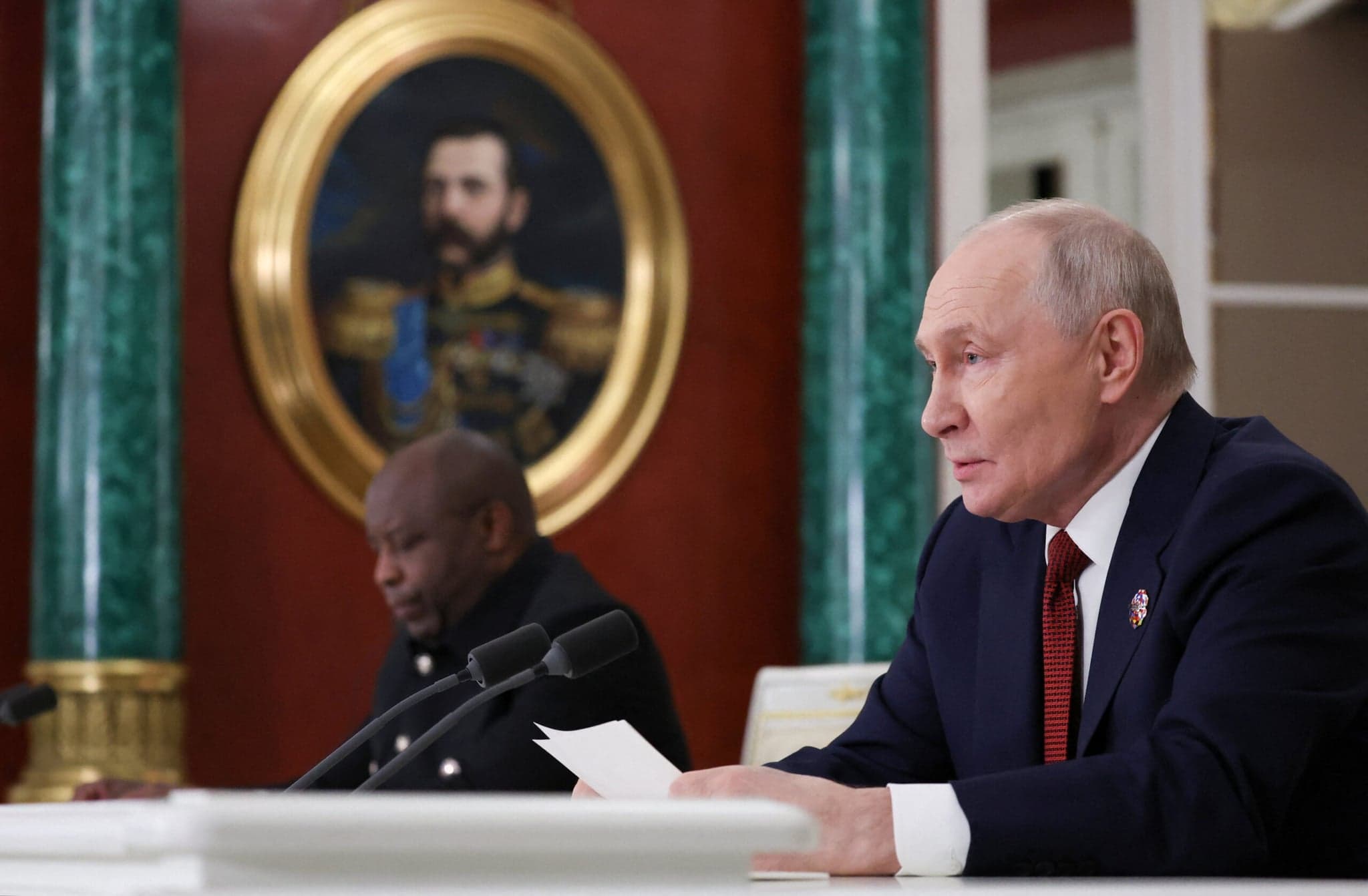
The Third Russia-Africa Summit concluded in Moscow on October 29–30, 2026, marking an aggressive institutional push by the Kremlin to consolidate political, security, and trade ties across the African continent[1][2]. Hosted by Russian President Vladimir Putin alongside African Union Chairperson and President of Burundi Évariste Ndayishimiye, the summit brought together delegates to advance agreements in civil nuclear technology, defense training, and agricultural supply guarantees[1][2]. The discussions laid particular emphasis on the Horn of Africa and the Red Sea corridor, where Moscow has been pursuing naval access and logistics footprints in nations like Ethiopia, Sudan, and Eritrea amid recurring security crises around the Bab al-Mandeb Strait[2].
The diplomatic outreach underscored Moscow’s ongoing strategy to institutionalize an alternative geopolitical bloc capable of blunting Western diplomatic isolation and sanctions regimes[2]. By positioning itself as a reliable security partner unencumbered by Western governance conditionalities, Russia secured renewed commitments for mineral extraction rights and expanded bilateral training frameworks[2]. African delegations, navigating high inflation and fertilizer supply disruptions, utilized the summit to demand firm delivery timelines for grain shipments and infrastructure investments, continuing the forum's shift from broad rhetorical declarations into formalized transactional partnerships[3][2].
However, the summit’s proceedings were shadowed by heightened international alarm surrounding Putin's foreign policy rhetoric[1]. Analytical assessments released by the Atlantic Council on October 29 highlighted recent public statements in which Putin reaffirmed maximalist territorial ambitions, explicitly defining occupied regions of Ukraine as "historically Russian lands" with no independent legitimacy[1]. Expert commentary from the council's Eurasia Center warned that such hardline revisionist rhetoric severely undercuts upcoming tripartite peace talks mediated by American officials[1]. As Moscow attempts to project an image of constructive diplomatic leadership toward the Global South, its domestic and strategic focus remains tied to imperial territorial expansion in Eastern Europe, reinforcing structural divisions between Western-led alliances and Moscow’s partner network[1][2].
- Russia
- Africa
- Moscow
Story 11 of 11
2 min read
Benghazi Ratifies 2019 Turkey Maritime Deal, Reshaping Eastern Mediterranean Dynamics
Libya's eastern-based House of Representatives in Benghazi has unanimously ratified the controversial 2019 maritime border demarcation agreement with Turkey. This decision, influenced by internal political shifts and the emerging role of Saddam Haftar, resolves a long-standing dispute and aligns eastern Libyan authorities with Ankara. The move significantly impacts regional powers like Greece, Cyprus, and Egypt, who had contested the agreement.
Read the full storyFold the full story1 min · 2 sources
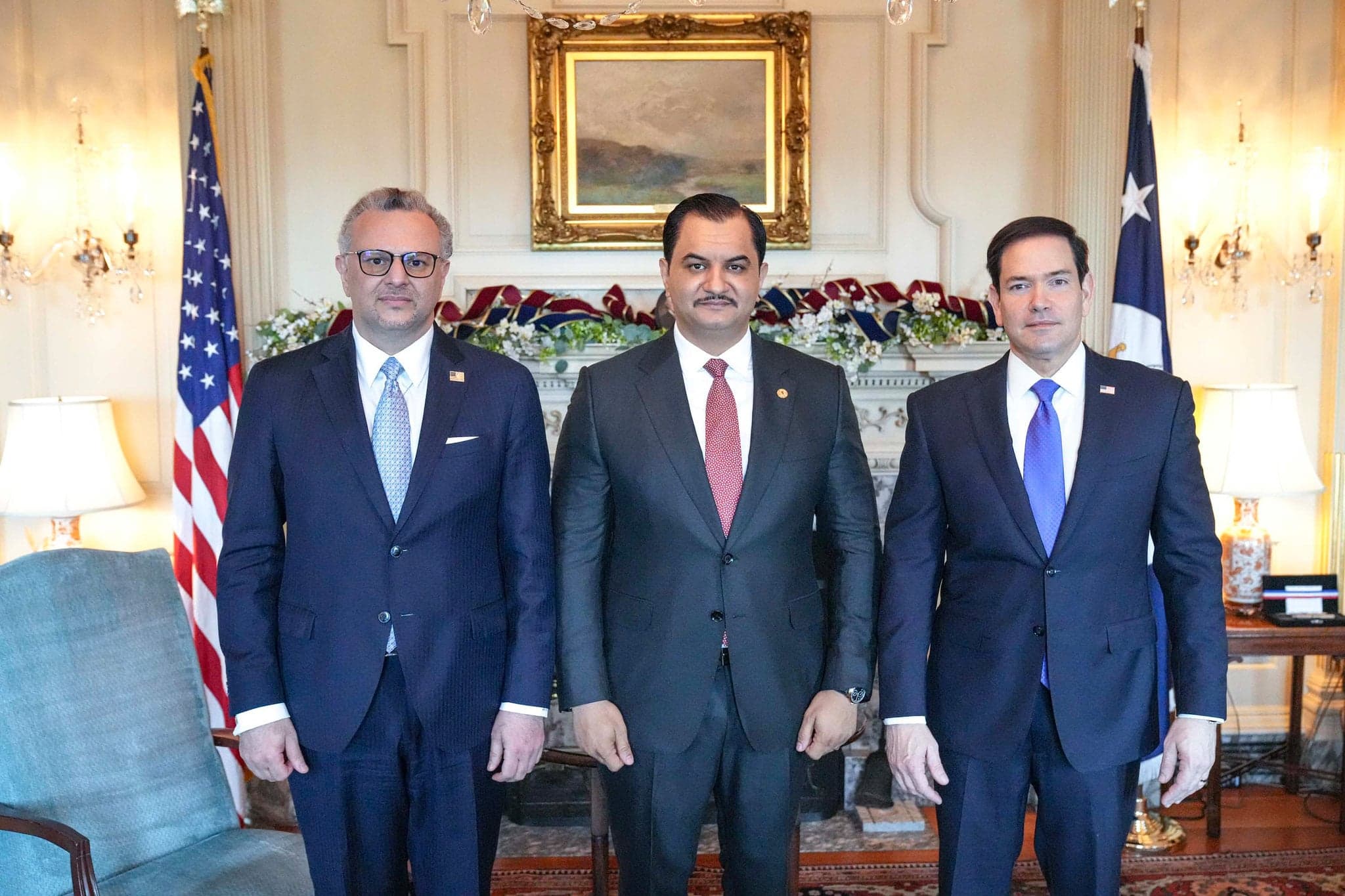
In an unexpected realignment within Libya’s fractured political landscape, the eastern-based House of Representatives in Benghazi unanimously voted to ratify the controversial 2019 maritime border demarcation agreement with Turkey[1]. The legislative move, confirmed in diplomatic and strategic analyses, dismantles a defining dispute that had frozen relations between Ankara and eastern Libyan authorities for more than half a decade[1].
The ratification follows rapid internal political shifts in eastern Libya, notably the October 6 removal of long-standing parliamentary speaker Agilah Saleh, who had dominated the political scene for over a decade[1]. Under the emerging influence of military commander Saddam Haftar, Benghazi has recalibrated its regional foreign policy to pursue domestic consolidation[1]. Previously, eastern authorities vehemently rejected Ankara’s original 2019 memorandum of understanding with the Tripoli-based Government of National Accord, which underpinned Turkey’s direct military intervention against the Libyan Arab Armed Forces' offensive[1].
The primary actors shaping this agreement are the eastern Libyan House of Representatives, Saddam Haftar, and the Turkish government led by President Recep Tayyip Erdogan[2][1]. The shift carries immediate ramifications for Mediterranean states - specifically Greece, the Republic of Cyprus, and Egypt - which have long contested the legal validity of the Turkish-Libyan maritime boundaries as an infringement on their exclusive economic zones (EEZs) and continental shelves[1].
The strategic impact of Benghazi’s endorsement is substantial: it unifies Libya's formal position across eastern and western administrations regarding offshore maritime claims[1]. This cohesion significantly strengthens Ankara’s legal and operational positioning in disputed energy-rich waters of the Eastern Mediterranean[1]. Furthermore, the deal serves as an early indicator of a pragmatic, transaction-oriented rapprochement between the Haftar power center and Turkey, paving a novel avenue toward internal state reunification through energy and maritime concessions rather than UN-sponsored peace roadmaps[1].
Regional policy analysts emphasize that Benghazi's tactical pivot effectively isolates Athens and complicates Cairo's security calculations[1]. By accommodating Turkish maritime objectives, eastern Libyan leadership is trading away historical Mediterranean diplomatic alliances to secure economic backing, regional legitimacy, and Turkish diplomatic neutrality in Libya's domestic power balance[1].
- Benghazi
- Turkey
- Libya
You're all caught up.
That's every story in Friday's PiBrief Geopolitics. And there's a newer edition waiting for you.
All PiBrief Geopolitics editions
Subscribe to receive daily briefings about geopolitics and world news in your email.
Get PiBrief Geopolitics in your inbox
A free newsletter on geopolitics and world news. Diplomacy, conflict, the global economy, and elections, ranked and explained, with an audio briefing in every edition.
Free forever / no account / 1-click unsubscribe