
US-Iran talks, Ukraine refinery strike & G20 rift
Backchannel negotiations between the United States and Iran gain momentum following maritime clashes in the Strait of Hormuz. Meanwhile, a Ukrainian strike on a Russian oil refinery strains ties with Washington as an informal truce dissolves. Elsewhere, deep geopolitical divisions leave G20 foreign ministers unable to agree on a joint communiqué.
7 stories47 sources checked
Listen to this edition
PiBrief Geopolitics, October 31, 2026
The lineup
In this edition
 01
US, Japan, South Korea Forge Arctic Partnership, Expand Maritime Focus to Yellow Sea
 02
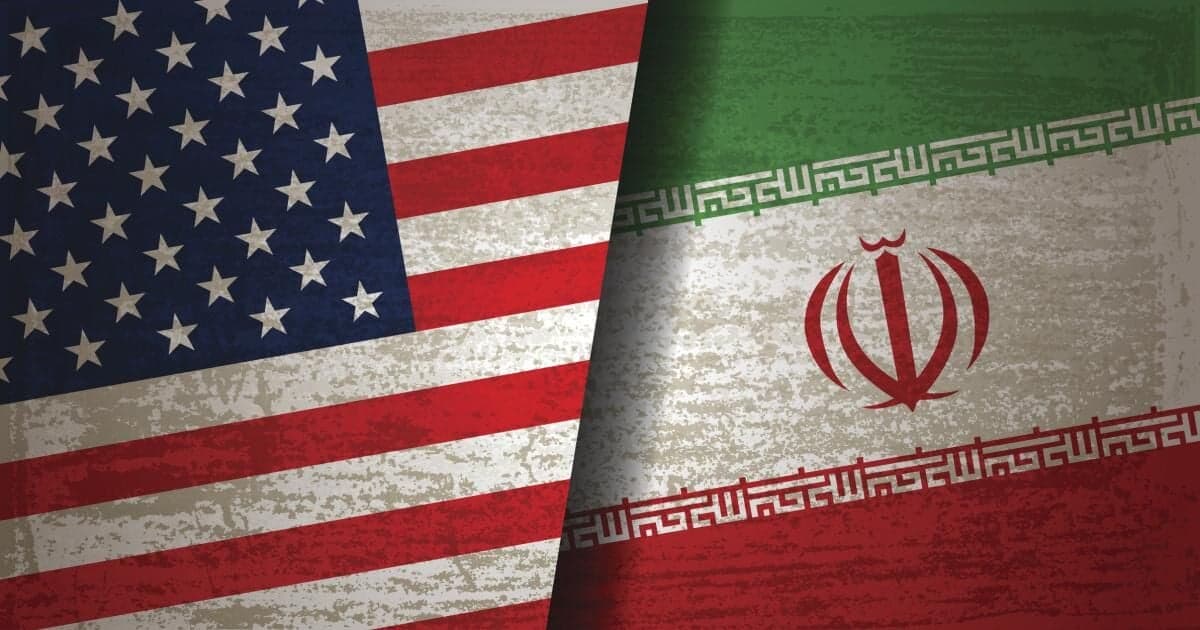
US-Iran Backchannel Diplomacy Intensifies Amid Strait of Hormuz Clashes and Sanctions Relief Talks
 03
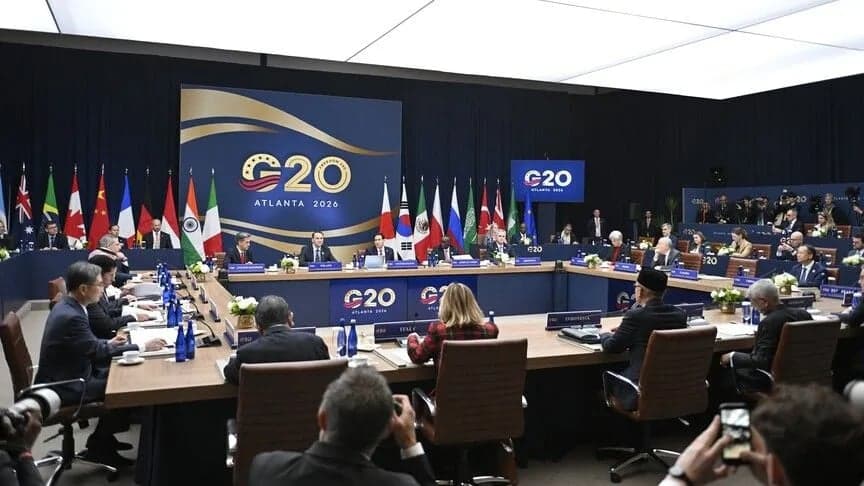
G20 Foreign Ministers' Meeting in Atlanta Ends Without Communiqué Amid Deepening Global Rifts
 04
China Urges European Strategic Autonomy as Beijing and Berlin Seek Stability
 05
Canada and EU Forge 'Alliance for the Future' to Bolster Economic Security
 06
Ukraine Strikes Novokuibyshevsk Refinery, Ending Informal Truce and Fueling US-Kyiv Tensions
 07
Humanitarian Ceasefire Enables Civilian Evacuation from Russian-Occupied Oleshky, Belarus Serves as Transit Hub
See all 7 as a listHide the list
- US, Japan, South Korea Forge Arctic Partnership, Expand Maritime Focus to Yellow Sea
- US-Iran Backchannel Diplomacy Intensifies Amid Strait of Hormuz Clashes and Sanctions Relief Talks
- G20 Foreign Ministers' Meeting in Atlanta Ends Without Communiqué Amid Deepening Global Rifts
- China Urges European Strategic Autonomy as Beijing and Berlin Seek Stability
- Canada and EU Forge 'Alliance for the Future' to Bolster Economic Security
- Ukraine Strikes Novokuibyshevsk Refinery, Ending Informal Truce and Fueling US-Kyiv Tensions
- Humanitarian Ceasefire Enables Civilian Evacuation from Russian-Occupied Oleshky, Belarus Serves as Transit Hub
Story 1 of 7
3 min read
US, Japan, South Korea Forge Arctic Partnership, Expand Maritime Focus to Yellow Sea
The U.S., Japan, and South Korea have established the Trilateral Arctic Pacific Partnership (TAPP) to enhance cooperation in maritime safety, emergency response, and economic coordination in the Arctic. This new framework also extends their collective security mandate to the Yellow Sea, explicitly addressing China's 'coercive behavior.' The initiative signals growing Western concern over Sino-Russian strategic alignment in the High North and aims to counter Beijing's influence in emerging Arctic corridors.
Read the full storyFold the full story2 min · 7 sources
On October 30, U.S. Secretary of State Marco Rubio, Japanese Foreign Minister Toshimitsu Motegi, and South Korean Foreign Minister Cho Hyun convened on the sidelines of the G20 Foreign Ministers’ Meeting in Atlanta to formalize a new trilateral framework[1][2]. The chief diplomatic deliverable was the signing of a Memorandum of Cooperation (MOC) establishing the Trilateral Arctic Pacific Partnership (TAPP)[3][2]. Designed to create a dedicated trilateral working group, the agreement establishes structured cooperation in maritime safety, emergency response protocols, and economic coordination across the Pacific Arctic[4][5]. Alongside this initiative, the joint consultations produced an under-the-radar shift in regional maritime policy: for the first time in their four trilateral ministerial sessions, Washington explicitly cited China’s "coercive behavior in the Yellow Sea" in its readout, widening the trio’s collective Indo-Pacific security mandate directly to waters contiguous to the Korean Peninsula and mainland China[3][6].
The establishment of TAPP reflects mounting Western anxiety over Sino-Russian strategic alignment in the High North[3][4]. With melting polar ice transforming commercial logistics, Moscow and Beijing have accelerated joint developments along the Northern Sea Route, threatening to establish dual-use maritime dominance over emerging Arctic corridors[4]. Concurrently, Washington has sought to institutionalize minilateral coordination with Tokyo and Seoul across non-traditional theaters to prevent Beijing from exploiting jurisdictional seams. The Atlanta pact builds upon previous sector-specific initiatives, such as the July trilateral agreement signed in Ankara regarding Small Modular Reactor (SMR) deployments, as well as high-level economic security talks held in Seoul to insulate critical industrial supply chains against foreign coercion[3][2].
The agreement directly engages the diplomatic machinery of the U.S. Department of State, Japan’s Ministry of Foreign Affairs, and South Korea’s Ministry of Foreign Affairs[7]. The ministers reaffirmed their commitment to the complete denuclearization of North Korea, pledged full implementation of United Nations Security Council resolutions, and praised the work of the Multilateral Sanctions Monitoring Team (MSMT) in exposing illicit North Korean revenue networks and cyber-enabled evasions[3][4]. However, the broader strategic significance lies in the expanding theater of operations: by formally linking Arctic logistics with Indo-Pacific stability and Taiwan Strait peace, the three nations are tying their naval and economic surveillance architectures closer together than at any point in recent years[3][2].
The practical fallout will be felt in maritime domain awareness and energy supply planning. While the U.S. signaled a harder line by naming Chinese assertiveness in the Yellow Sea, the public messaging from Tokyo and Seoul notably bypassed explicit references to that specific body of water, illustrating lingering tactical divergences[6]. South Korea, in particular, remains wary of completely alienating Beijing given its direct geographic proximity and trade links. Nevertheless, the creation of the Arctic Pacific working group signals that Washington, Tokyo, and Seoul intend to challenge Sino-Russian logistical preeminence in polar waters while reinforcing supply chain integrity across the wider Pacific rim[4][5].
- U.S. Department of State
- Japan's Ministry of Foreign Affairs
- South Korea's Ministry of Foreign Affairs
Story 2 of 7
3 min read
US-Iran Backchannel Diplomacy Intensifies Amid Strait of Hormuz Clashes and Sanctions Relief Talks
High-stakes backchannel diplomacy between Washington and Tehran is underway, mediated by Qatar, to broker a ceasefire and de-escalate conflicts in the Middle East. The U.S. has proposed a plan for Iran to provide nuclear assurances and reopen the Strait of Hormuz within seven days in exchange for sanctions relief. This diplomatic push occurs amidst direct military conflict that began in February, leading to a U.S. naval blockade and increased maritime risks, including recent attacks on commercial tankers.
Read the full storyFold the full story2 min · 12 sources
A high-stakes backchannel diplomatic effort between Washington and Tehran reached a pivotal juncture as the White House attempted to broker a rapid ceasefire to defuse open conflict in the Middle East[1][2]. Vice President JD Vance confirmed that direct diplomatic communications had been initiated with Mohsen Rezaei, the hard-line secretary of Iran’s Supreme National Security Council and former commander of the Islamic Revolutionary Guard Corps (IRGC)[2][3][4]. Working through Qatari mediation, the Vance-led framework proposed a structured de-escalation plan under which Tehran would provide binding nuclear assurances and facilitate the full reopening of the Strait of Hormuz within seven days in exchange for U.S. economic sanctions relief[2][5]. Speaking publicly on October 30, Vance defended the overture, insisting that President Trump "is never going to let this be a forever war" and emphasizing that Washington intends to secure its tactical objectives without committing to an endless campaign[4].
The diplomatic overtures emerge against the backdrop of direct military conflict that began in late February, when U.S. and Israeli forces launched coordinated strikes against Iranian targets, prompting retaliatory ballistic missile barrages across the region[6][4]. An initial memorandum of understanding reached in Pakistan in April quickly disintegrated over maritime navigation rights, leading to a U.S. naval blockade designed to choke off Iranian crude exports[6][3][4]. The conflict has imposed severe economic costs, with U.S. expenditures estimated at $47 billion and domestic fuel prices surging[7][8]. Maritime risks escalated sharply when Iranian fast attack craft detonated two limpet mines on the hull of the commercial tanker Louise 1 in the Strait of Hormuz, intensifying pressure on Washington to establish a diplomatic exit ramp[9][9].
The negotiation channels involve an intricate cast of domestic and international figures. Within Tehran, authority has consolidated around Rezaei and Iranian Foreign Minister Abbas Araghchi, who confirmed ongoing discussions with intermediaries to implement a seven-day de-escalation plan[6][3][5]. Within the Trump administration, the outreach exposed apparent messaging friction: while Vance and Qatari mediators advanced comprehensive terms covering nuclear stockpiles and naval access, President Trump publicly claimed he had only authorized Vance to negotiate the delivery of humanitarian and medical supplies[2][5][7]. In a demonstration of carrot-and-stick diplomacy, the Pentagon struck an Iranian missile launcher on October 30 even as diplomatic letters were under formal review in Tehran[10].
The outcome of these maneuvers holds sweeping consequences for global energy markets and regional security architecture[6][9]. Iran has remained hesitant to commit upfront to irreversible nuclear concessions - such as shipping enriched uranium stockpiles to a third country - in exchange for sanctions relief that could easily be reinstated[2]. Mediators have floated third-party enforcement mechanisms, with Chinese guarantees discussed as an option[2]. If Vance's initiative fails, officials warn that a major escalation of combat operations could follow the U.S. midterm elections, permanently transforming regional maritime transit routes and volatile crude markets[11][2][12].
- U.S.
- Iran
- Strait of Hormuz
Story 3 of 7
2 min read
G20 Foreign Ministers' Meeting in Atlanta Ends Without Communiqué Amid Deepening Global Rifts
The G20 Foreign Ministers' Meeting in Atlanta concluded without a joint diplomatic communiqué due to significant disagreements among member states. Tensions over global flashpoints, trade disputes, and multilateral norms prevented consensus, forcing the U.S. to issue only a Chair's Summary. The failure highlights the declining effectiveness of large multilateral forums in managing international crises.
Read the full storyFold the full story2 min · 12 sources
The Group of 20 Foreign Ministers’ Meeting hosted in Atlanta on October 30–31, 2026, exposed widening rifts across major global powers, culminating in an impasse that prevented a joint diplomatic communiqué[1]. On the morning of October 30, the traditional opening "family photo" of the world's leading diplomats was abruptly scrapped after several European ministers balked at sharing the stage with Russian Foreign Minister Sergey Lavrov, threatening a coordinated walkout if the photo proceeded[2]. U.S. Secretary of State Marco Rubio, chairing the proceedings, was forced to bypass standard consensual drafting processes, confirming that the gathering would conclude solely with a unilateral Chair's Summary rather than an agreed-upon declaration[1][3].
The summit took place against a backdrop of severe global trade and security stress[4][1]. With diplomatic efforts strained by escalating conflict surrounding Iran and continuous attacks disrupting critical transit through the Strait of Hormuz and the Bab el-Mandeb Strait, energy markets and commercial shipping faced major shocks[5][6][7][1]. Hosting the final ministerial prior to the December 2026 G20 Leaders' Summit in Miami, the United States sought to recast the forum from broad multilateral consensus-building toward an enforcement mechanism for economic security, trade route protection, and supply-chain sovereignty[8][4][1]. However, controversies over guest rosters - including Washington's unilateral exclusion of South Africa - amplified complaints from the Global South regarding double standards and coercive agenda-setting[4][1].
Throughout bilateral and plenary sessions, ministerial discussions fragmented along regional rivalries[1][9]. Japanese Foreign Minister Toshimitsu Motegi and Turkish Foreign Minister Hakan Fidan held parallel talks centered on de-escalation in the Middle East and restoring freedom of navigation through crucial chokepoints, while Motegi and European allies voiced grave concerns over sustained Russian offensive operations in Ukraine[7][9]. Meanwhile, closed-door negotiations between Western leaders and non-aligned delegations stalled over language addressing unilateral tariffs, trade protections, and maritime accountability[10][4][1]. Diplomatic sources remarked that the Atlanta gathering demonstrated the functional limits of the G20 format, highlighting its inability to produce meaningful multilateral consensus amidst active, direct confrontations between member states[1].
The failure to achieve a common text underscores an ongoing decline in the utility of large multilateral institutions for crisis management[11][1]. Instead of serving as a cooperative bridge between advanced Western economies and the developing world, the G20 has largely become a stage for transactional bilateral encounters and diplomatic protest[12][1]. The contentious tone set in Atlanta indicates that the upcoming leaders' summit in Miami will likely see deepened geopolitical polarization, accelerating the migration of global governance into minilateral coalitions and ad-hoc security alliances[12][1].
- G20
- United States
- Russia
Story 4 of 7
2 min read
China Urges European Strategic Autonomy as Beijing and Berlin Seek Stability
Chinese President Xi Jinping met with German Federal President Frank-Walter Steinmeier, urging Europe to maintain strategic autonomy and resist economic decoupling. China emphasized its commitment to stable relations with Germany and the EU, advocating for dialogue over confrontation and cooperation over competition. The talks aimed to navigate complex geopolitical shifts and trade disputes.
Read the full storyFold the full story2 min · 7 sources
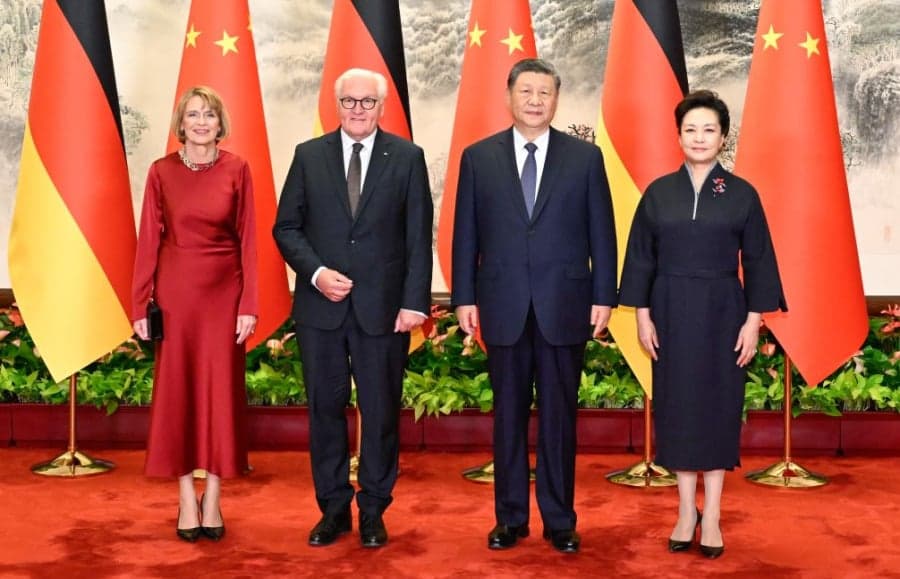
During high-level bilateral talks at the Great Hall of the People in Beijing on October 30, 2026, Chinese President Xi Jinping met with German Federal President Frank-Walter Steinmeier to discuss shifting geopolitical alignments, international trade, and China-EU relations[1]. Emphasizing that "changes unseen in a century are accelerating," President Xi delivered a clear foreign policy message urging Germany and the broader European Union to maintain strategic autonomy, resist economic decoupling, and pursue equal-footed dialogue[1][2]. Xi asserted that China's policy toward Germany remains stable and predictable, stressing that cooperation between the world's second- and third-largest economies must outweigh competition[1][2].
The high-stakes engagement followed the conclusion of the Chinese Communist Party’s Fifth Plenary Session on October 29, which reaffirmed internal ideological alignment and prioritized sustained industrial stability amid rising international headwinds[3][4]. Simultaneously, European capitals have been caught in a complex geopolitical squeeze: European industries face mounting friction from American unilateral tariffs while navigating contentious disputes with Beijing over electric vehicles, trade imbalances, and controls on dual-use technology transfers[5][6][2]. In this context, the German presidential delegation sought to maintain vital commercial and diplomatic channels with Beijing while addressing European anxieties regarding unfair trade practices and global stability[1][2].
Throughout the talks, which also included senior Chinese legislator Zhao Leji, the Chinese leadership urged Berlin to lead Europe away from protectionist trade barriers and confrontational bloc politics[1][2][3]. Xi emphasized that a pragmatic, cooperative China-Germany relationship is vital to stabilizing the global economy and maintaining open international supply chains[1][2]. Steinmeier and the German delegation underscored the necessity of reciprocal market access, fair competitive environments, and the rule of international law, while signaling an openness to constructive dialogue rather than systemic trade warfare[1][2].
The diplomatic outreach highlights China’s calculated strategy to prevent European nations from fully aligning with Washington’s restrictive trade and technology containment frameworks[7][1][2]. By directly courting Germany, the industrial engine of the European Union, Beijing seeks to preserve European market access for its advanced manufacturing output and maintain channels for high-tech capital flow[1][2]. For European leaders, the summit demonstrated the difficult balancing act between safeguarding domestic strategic industries from market distortions and preserving commercial ties with China to avoid compounded economic downturns amidst shifting transatlantic trade policies[5][1][2].
- China
- Germany
- European Union
Story 5 of 7
3 min read
Canada and EU Forge 'Alliance for the Future' to Bolster Economic Security
Canada and the European Union have launched the 'Alliance for the Future,' a comprehensive initiative to create a unified economic security and shared prosperity space. This partnership commits both parties to reciprocal market protections, joint investments in critical minerals, aligning defense industrial supply chains, and harmonizing standards for clean energy and emerging technologies. The agreement is a direct response to global trading system fragmentation and fears of economic coercion, aiming to insulate their industrial bases from external chokepoints.
Read the full storyFold the full story2 min · 2 sources
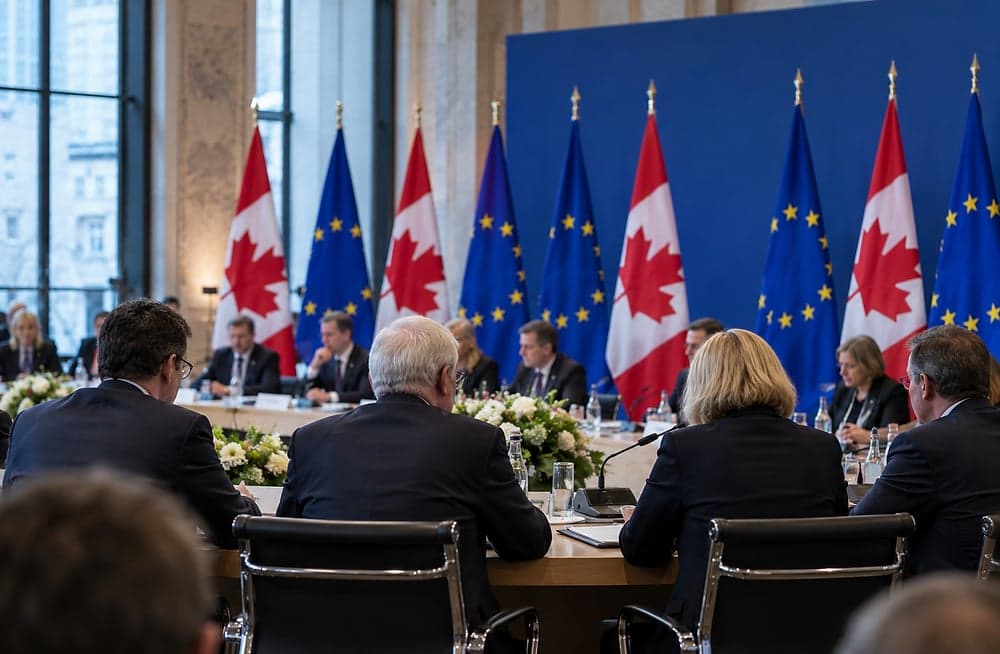
At the 21st bilateral summit in Montréal on October 30, 2026, Canadian Prime Minister Mark Carney, European Commission President Ursula von der Leyen, and European Council President António Costa formally signed a joint declaration launching the Canada-EU "Alliance for the Future"[1][2]. The initiative establishes a comprehensive framework to construct a unified economic security and shared prosperity space across the Atlantic[1][2]. The partnership commits both jurisdictions to reciprocal market protections, joint investment in critical minerals, the alignment of defense industrial supply chains, and the harmonization of standards covering clean energy and emerging technologies[1][2].
The agreement emerges against a backdrop of escalating fragmentation in the global trading system, intense great-power competition for raw materials, and fears of economic coercion[1]. Building upon their existing trade ties under the Comprehensive Economic and Trade Agreement (CETA) and the Strategic Partnership Agreement (SPA), Brussels and Ottawa sought to insulate their industrial bases from external chokepoints[1][2]. European and Canadian leaders framed the pact as a direct countermeasure to global supply chain weaponization, committing both economies to work toward an "ever-closer association" that stops just short of institutional EU membership, with substantive implementation mechanisms slated for negotiation ahead of their 2027 summit[1][2].
Key players driving the initiative include Carney, von der Leyen, and Costa, supported by ministerial teams focused on international trade, procurement, and foreign policy[1][2]. Under the new framework, Canada offers the European Union privileged access to its rich reserves of lithium, nickel, cobalt, and rare earth elements, while European defense and technological conglomerates will partner with Canadian firms to foster co-development in dual-use sectors and advanced manufacturing[1][2]. The alliance emphasizes reciprocity, obligating both entities to share supply chain intelligence, conduct collective risk assessments on critical infrastructure, and build redundant manufacturing capacities[1].
The implications for regional and global trade architectures are wide-reaching[1][2]. By cementing a formal economic security corridor, Canada and the EU are pioneering a model of deep plurilateral alignment designed to mitigate vulnerabilities stemming from geopolitical tensions with China and shifting economic postures in the United States[1][2]. For European industry, the pact unlocks raw materials necessary to meet industrial decarbonization and military rearmament targets[1][2]. For Canada, it provides an institutional economic anchor outside North America, diversifying Ottawa’s strategic dependencies and securing guaranteed demand across the single European market[1].
Legal and geopolitical analysts emphasize that while the Alliance for the Future does not immediately alter international law as a standalone treaty, its strategic significance lies in regulatory convergence and state-backed capital allocation[1][2]. Trade experts view the deal as a classic manifestation of "friendshoring" elevated to high-level industrial strategy, reflecting how middle powers and traditional allies are proactively organizing exclusive economic zones to defend against state-led economic coercion and protect sensitive technologies from adversarial interference[1].
- Canada
- European Union
- Mark Carney
Story 6 of 7
2 min read
Ukraine Strikes Novokuibyshevsk Refinery, Ending Informal Truce and Fueling US-Kyiv Tensions
Ukrainian long-range drones struck the Novokuibyshevsk oil refinery in Russia, breaking an informal pause on attacks against Russian energy facilities. This action follows intense diplomatic pressure from the White House for Ukraine to halt such strikes, driven by the U.S.'s need to stabilize domestic fuel prices. Kyiv's decision highlights a clash between its military imperatives and U.S. economic interests, risking further friction over military and material assistance.
Read the full storyFold the full story2 min · 9 sources
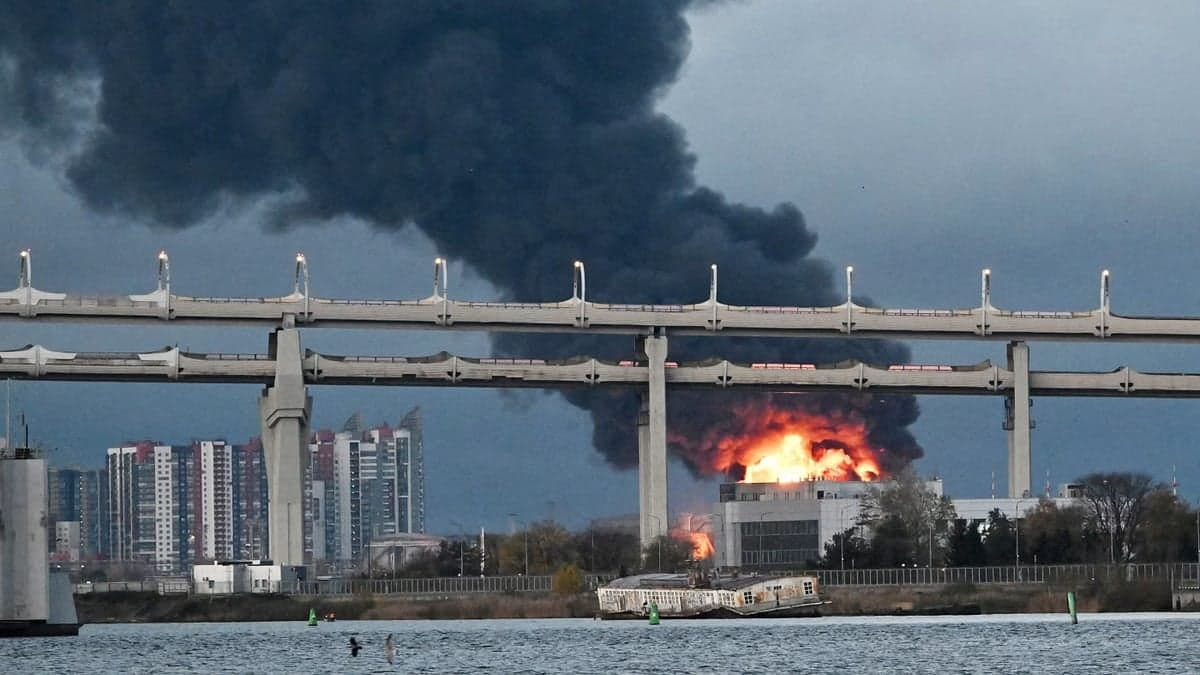
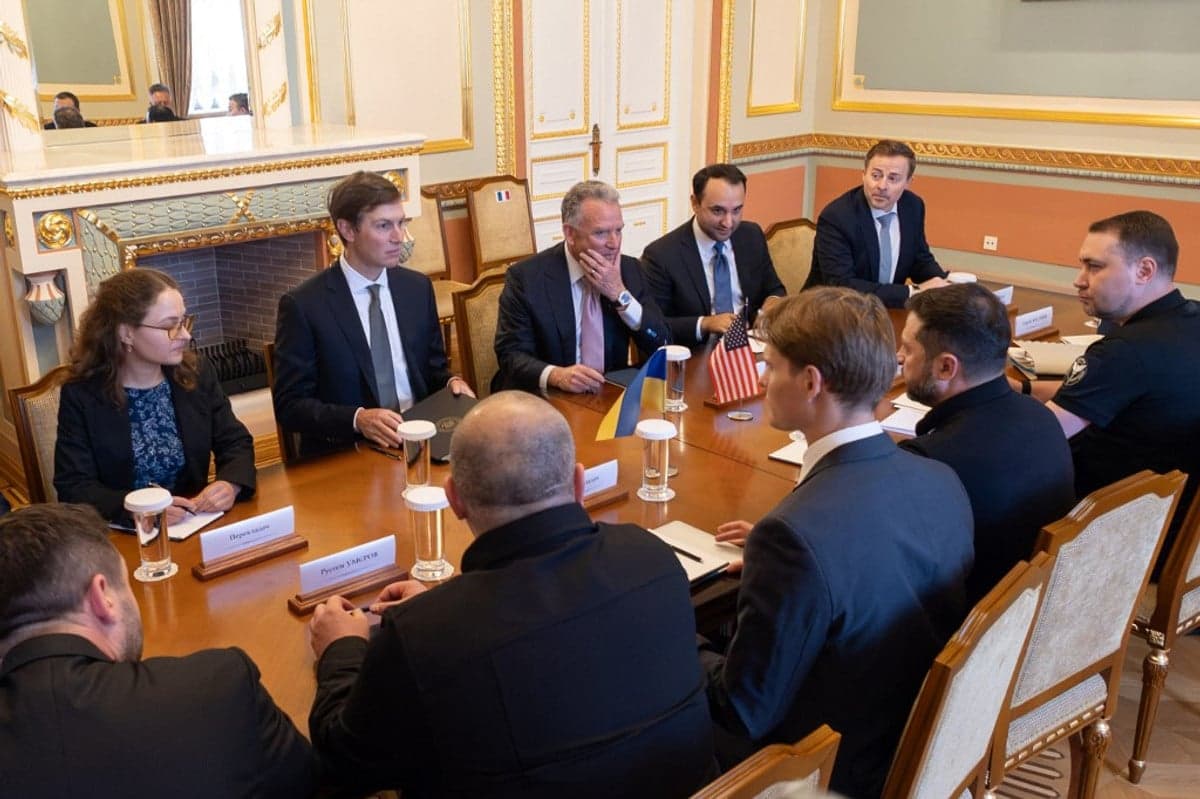
On October 30, Ukrainian long-range attack drones struck the Novokuibyshevsk oil refinery in Russia's Samara region, ending an informal lull in operations against Russian fuel processing facilities[1][2]. Ukrainian defense contractor Fire Point, which manufactures the FP-1 long-range attack drone, confirmed that multiple drones struck the refinery grounds, generating large fires captured on monitoring channels[1]. The operation broke a pause that had held since mid-October, during which Ukrainian deep-strike units had temporarily shelved attacks against Russian domestic energy nodes under intense diplomatic pressure from the White House[1][3][4].
The strike illuminates the deepening geopolitical rift between Kyiv and the Trump administration regarding global energy markets[1][5]. Squeezed by spiking domestic diesel and gasoline costs stemming from the Middle East conflict, the White House had aggressively pressured Ukrainian President Volodymyr Zelenskyy to halt strikes on Russian refineries[1][3][6]. Earlier in the month, Trump authorized sanctions waivers allowing up to 1.8 million tons of Russian diesel to enter global and U.S. markets through early 2027 to lower retail fuel costs ahead of the midterm elections[3][7]. In parallel, Washington curbed high-level intelligence sharing and Elon Musk briefly constrained Ukrainian access to Starlink and Starshield terminals, prompting Ukrainian Defense Minister Evgeniy Khmara to advise a tactical operational pause[8][4][7].
The incident brought sharp reactions from Moscow and highlighted significant policy battles in Washington. Yuri Ushakov, senior foreign policy aide to Russian President Vladimir Putin, publicly accused Kyiv of defying Trump’s direct directives, asserting that Ukraine was deliberately undermining international energy stabilization[1]. In Washington, Democratic lawmakers pushed back against the administration’s transactional diplomacy; Senator Richard Blumenthal issued warnings to international shippers, asserting that transporting Russian diesel to American ports violates federal statutory bans regardless of executive branch waivers[8].
Ukraine's decision to resume strikes on high-capacity refining assets demonstrates the structural limits of Washington’s leverage over Kyiv when core military imperatives clash with U.S. domestic economic goals[1]. While the pause had briefly alleviated localized fuel shortages within Russian regions like Crimea, Ukrainian military commanders view the degradation of Russian fuel production as their primary asymmetric tool against ongoing Russian infrastructure bombardments[3][9][6]. The resumption of strikes signals that Kyiv will not subordinate its strategic campaign of attrition to American electoral timelines, risking further friction with the White House over technical and material assistance[1][7].
- Ukraine
- Russia
- Novokuibyshevsk oil refinery
Story 7 of 7
2 min read
Humanitarian Ceasefire Enables Civilian Evacuation from Russian-Occupied Oleshky, Belarus Serves as Transit Hub
A fragile 87-hour localized ceasefire has enabled the evacuation of Ukrainian civilians from the Russian-occupied town of Oleshky in Kherson Oblast. Four aircraft carrying evacuees landed in Gomel, Belarus, en route to sovereign Ukrainian territory. The operation, mediated by First Lady Melania Trump, involved Ukrainian and Russian Human Rights Commissioners and Belarus as a transit intermediary, highlighting the potential of micro-diplomacy amid broader peace talks deadlock.
Read the full storyFold the full story2 min · 5 sources
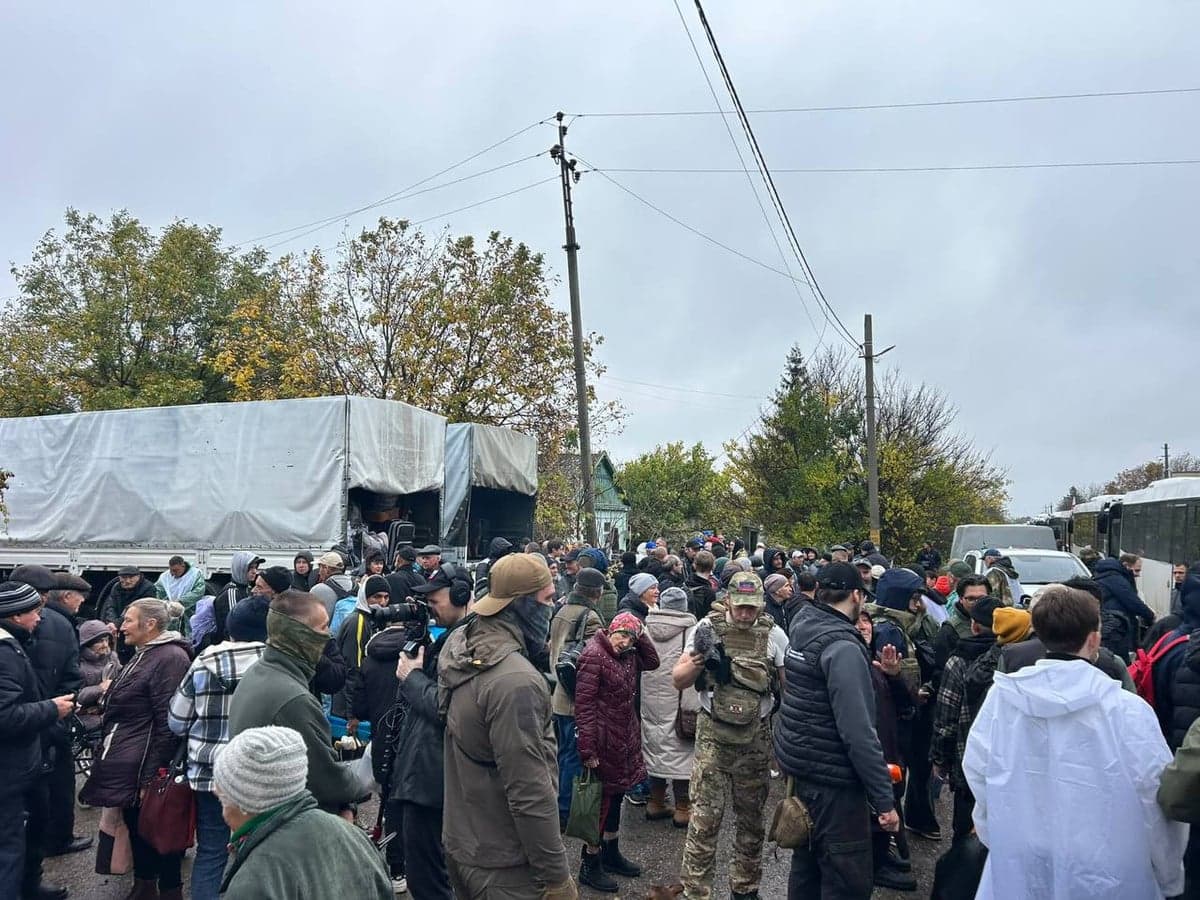
In a discrete diplomatic breakthrough, four aircraft carrying evacuated Ukrainian civilians landed in Gomel, Belarus, on October 31 following a multistage operation out of the Russian-occupied southern Ukrainian town of Oleshky[1]. Ukrainian parliamentary faction leader David Arakhamia confirmed the arrival of the evacuees, noting that the group was scheduled for immediate overland bus transfer across the border into sovereign Ukrainian territory[1]. The transit represented the culmination of a fragile 87-hour localized armistice negotiated exclusively to extract endangered civilian populations from front-line zones along the Dnipro River[1].
The operation was conducted against the backdrop of total deadlock in macro-level peace talks[2][3]. Oleshky, located in Kherson Oblast on the eastern bank of the Dnipro, has remained under Russian occupation since early 2022, enduring heavy shelling, severe logistical isolation, and infrastructure collapse. Standard bilateral negotiations between Moscow and Kyiv have been almost entirely frozen, with the broader conflict characterized by reciprocal infrastructure strikes and trench warfare[4][5]. Under-the-radar humanitarian channels have consequently emerged as the sole mechanism through which the warring parties interact directly on tactical ground issues[1].
The logistical and diplomatic execution involved a distinct coalition of actors[1]. The direct protocols were managed on the ground by Ukrainian Human Rights Commissioner Dmytro Lubinets and Russian Human Rights Ombudsperson Yana Lantratova[1]. However, the foundational diplomatic breakthrough was mediated by U.S. First Lady Melania Trump, who intervened to secure the 87-hour localized ceasefire necessary for the evacuation convoys to assemble and clear active combat sectors[1]. Belarus served as the operational air corridor and transfer intermediary, with security oversight maintained along the Gomel border crossing[1].
The successful execution of the Oleshky corridor highlights a nascent trend in contemporary conflict diplomacy: the substitution of institutional diplomatic corps with highly localized, personality-driven humanitarian mediation[1]. While strategic peace plans fail to gain traction at international summits like the G20, micro-diplomacy focused on bounded objectives - such as targeted humanitarian corridors, child repatriations, and localized pauses - can still yield tangible operational outcomes[2][1]. By utilizing non-traditional diplomatic channels and third-party transit hubs, Ukraine and Russia demonstrated that transactional, life-saving arrangements remain workable even as broader military hostilities escalate[1].
- Ukraine
- Russia
- Oleshky
You're all caught up.
That's every story in Saturday's PiBrief Geopolitics. And there's a newer edition waiting for you.
All PiBrief Geopolitics editions
Subscribe to receive daily briefings about geopolitics and world news in your email.
Get PiBrief Geopolitics in your inbox
A free newsletter on geopolitics and world news. Diplomacy, conflict, the global economy, and elections, ranked and explained, with an audio briefing in every edition.
Free forever / no account / 1-click unsubscribe