
G20 divisions, Trump-Putin summit prep & Hormuz tensions
G20 ministerial meetings have concluded without a joint consensus amid sharp geopolitical divisions over Russian sanctions. Meanwhile, Washington and Moscow are exploring a potential bilateral summit, even as fresh attacks on commercial shipping escalate tensions in the Strait of Hormuz.
13 stories79 sources checked
Listen to this edition
PiBrief Geopolitics, November 1, 2026
The lineup
In this edition
 01
G20 Ministerial in Atlanta Fails to Reach Consensus Amid Geopolitical Divisions
 02
G20 Foreign Ministers Fail to Agree on Joint Statement Amid Geopolitical Divisions
 03
US and Russia Prep Trump-Putin Summit at APEC in China
 04
G20 Summit Collapses Amid Deep Transatlantic Divisions on Russian Sanctions
 05
US State Dept., OFAC Target Dual-Use Evasion and IP Theft Supporting Russian Defense
 06
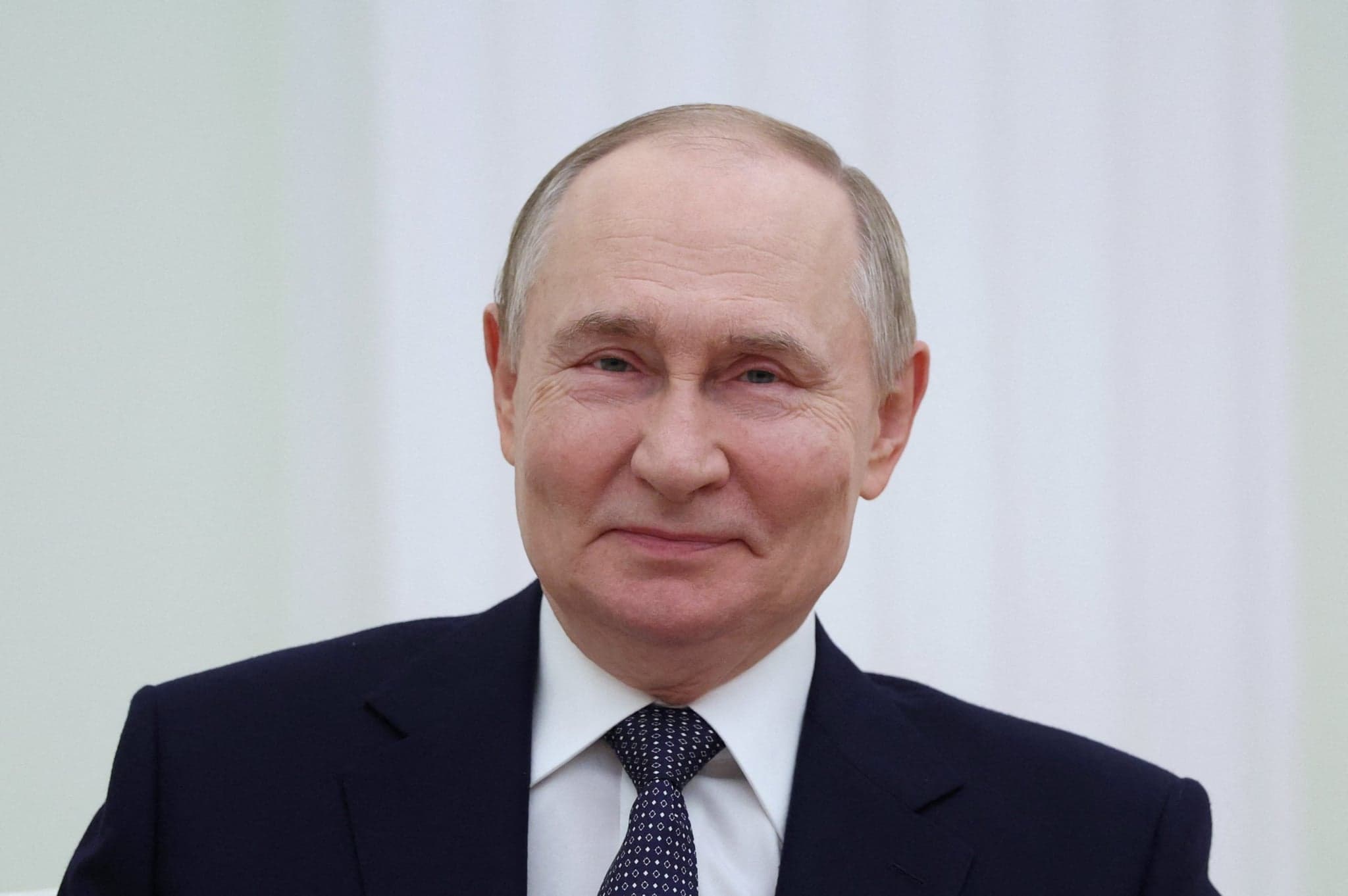
Beijing Cautious on Trilateral Summit Amidst APEC Hosting Duties
 07
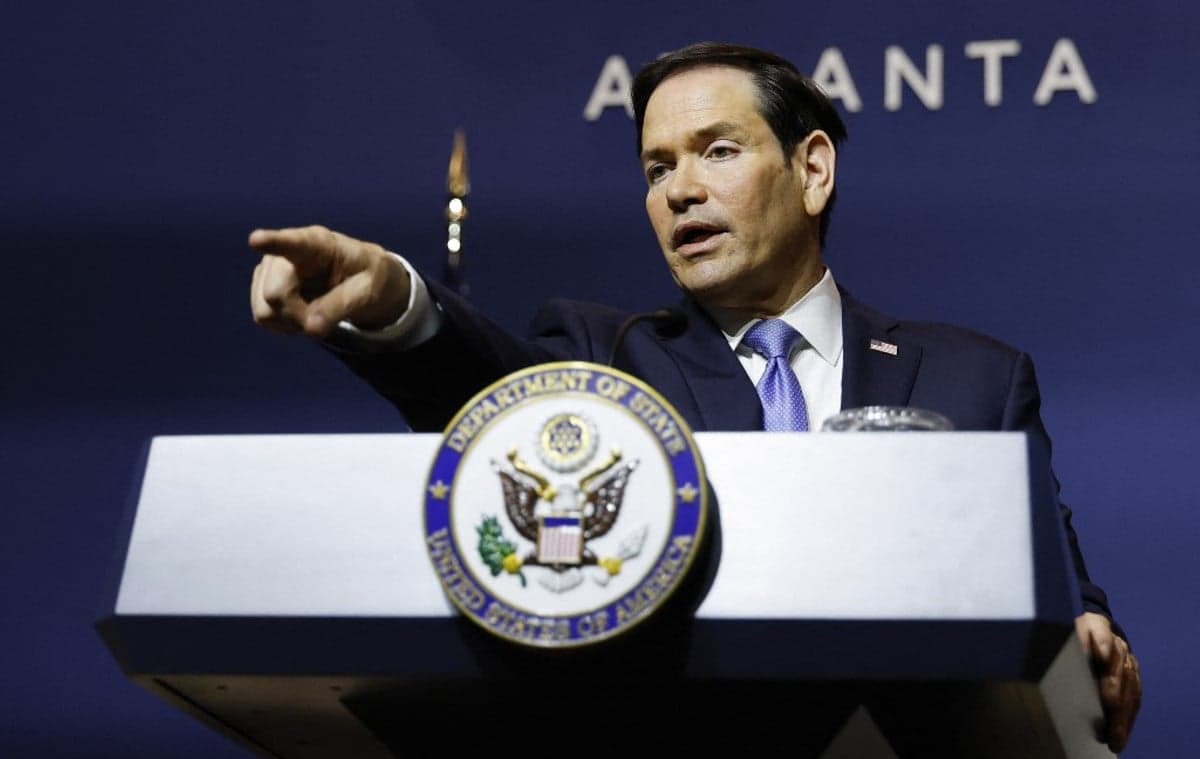
US Secretary of State Rubio Predicts Ukraine Impasse Through Spring 2027
 08
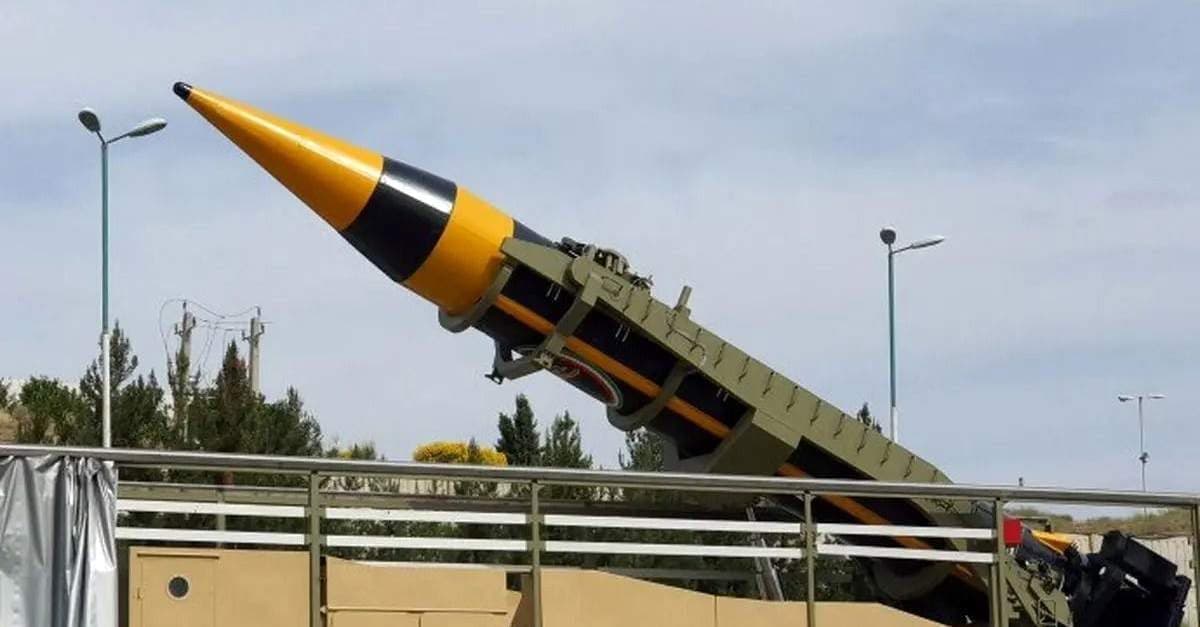
Hormuz Shipping Targeted by Limpet Mines; US-Iran Strike Moratorium Nears End
 09
US White House Faces Scrutiny Over Russian Diesel Sanctions Waivers Amidst Legal Challenges
 10
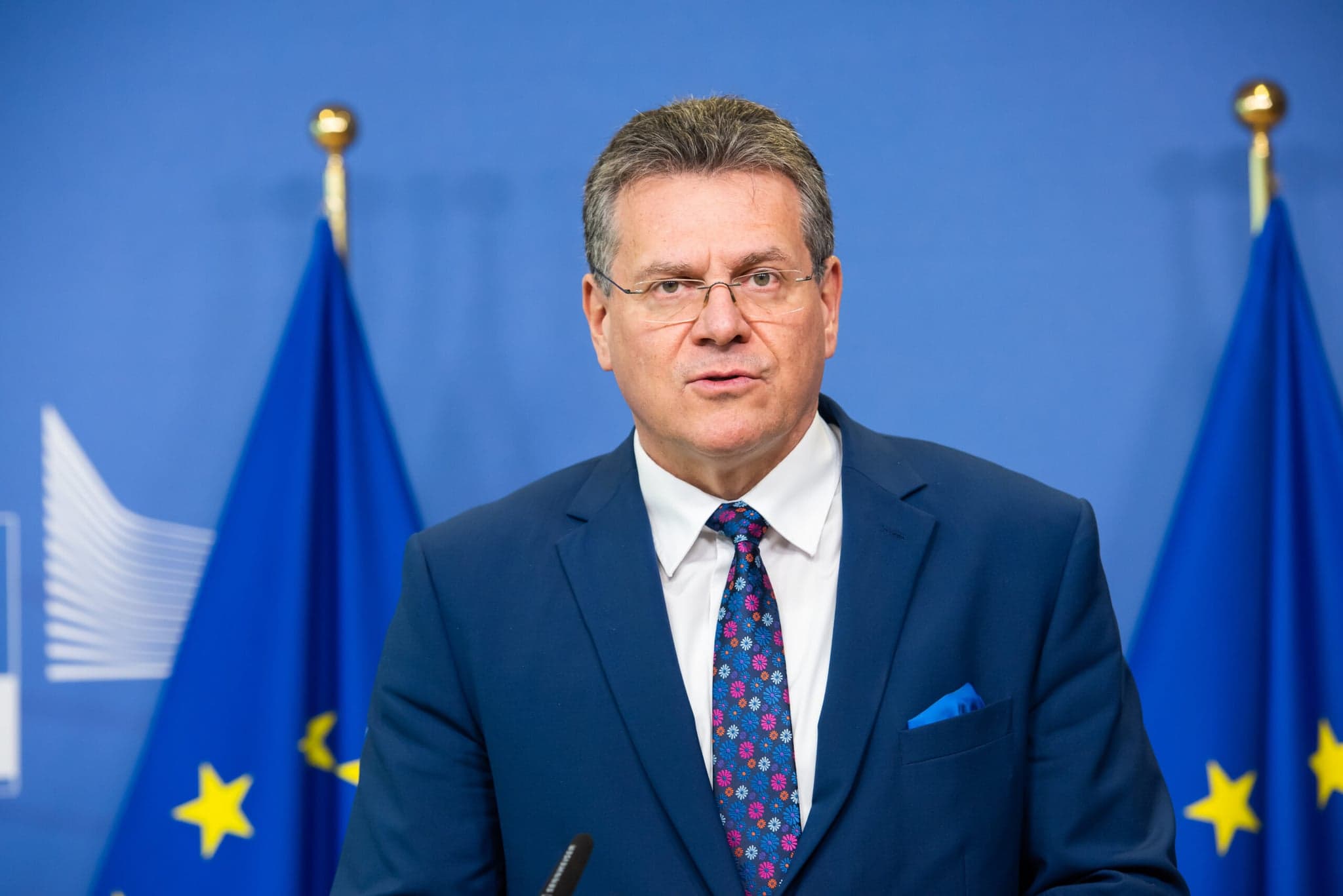
EU-China Trade Tensions Rise Over Brussels' Planned Safeguard Measures
- 11
Sudan Accuses Ethiopia of Hosting Drone Strikes on Critical Infrastructure
 12
Mexico Challenges Texas Over Río Bravo Islands Under 1970 Boundary Treaty
 13
Poland Faces Constitutional Crisis as President Aborts State Visit Amid Tribunal Clashes
See all 13 as a listHide the list
- G20 Ministerial in Atlanta Fails to Reach Consensus Amid Geopolitical Divisions
- G20 Foreign Ministers Fail to Agree on Joint Statement Amid Geopolitical Divisions
- US and Russia Prep Trump-Putin Summit at APEC in China
- G20 Summit Collapses Amid Deep Transatlantic Divisions on Russian Sanctions
- US State Dept., OFAC Target Dual-Use Evasion and IP Theft Supporting Russian Defense
- Beijing Cautious on Trilateral Summit Amidst APEC Hosting Duties
- US Secretary of State Rubio Predicts Ukraine Impasse Through Spring 2027
- Hormuz Shipping Targeted by Limpet Mines; US-Iran Strike Moratorium Nears End
- US White House Faces Scrutiny Over Russian Diesel Sanctions Waivers Amidst Legal Challenges
- EU-China Trade Tensions Rise Over Brussels' Planned Safeguard Measures
- Sudan Accuses Ethiopia of Hosting Drone Strikes on Critical Infrastructure
- Mexico Challenges Texas Over Río Bravo Islands Under 1970 Boundary Treaty
- Poland Faces Constitutional Crisis as President Aborts State Visit Amid Tribunal Clashes
Story 1 of 13
2 min read
G20 Ministerial in Atlanta Fails to Reach Consensus Amid Geopolitical Divisions
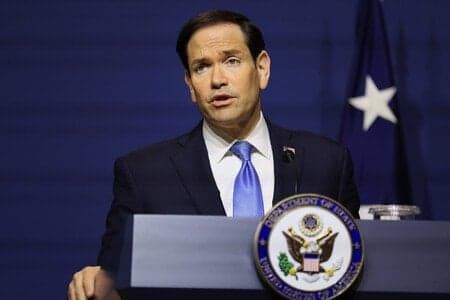
The G20 Foreign Ministers' meeting in Atlanta concluded without a joint declaration due to deep geopolitical fragmentation, particularly concerning Ukraine and Middle East maritime crises. U.S. Secretary of State Marco Rubio issued a unilateral Chairman's Statement, as disagreements prevented consensus. The sessions saw sharp friction, with European nations refusing to be pictured with Russian Foreign Minister Sergey Lavrov and objecting to Moscow's actions in Ukraine. Disputes also arose over U.S.-led maritime restrictions in the Strait of Hormuz and Bab al-Mandab.
Read the full storyFold the full story2 min · 10 sources
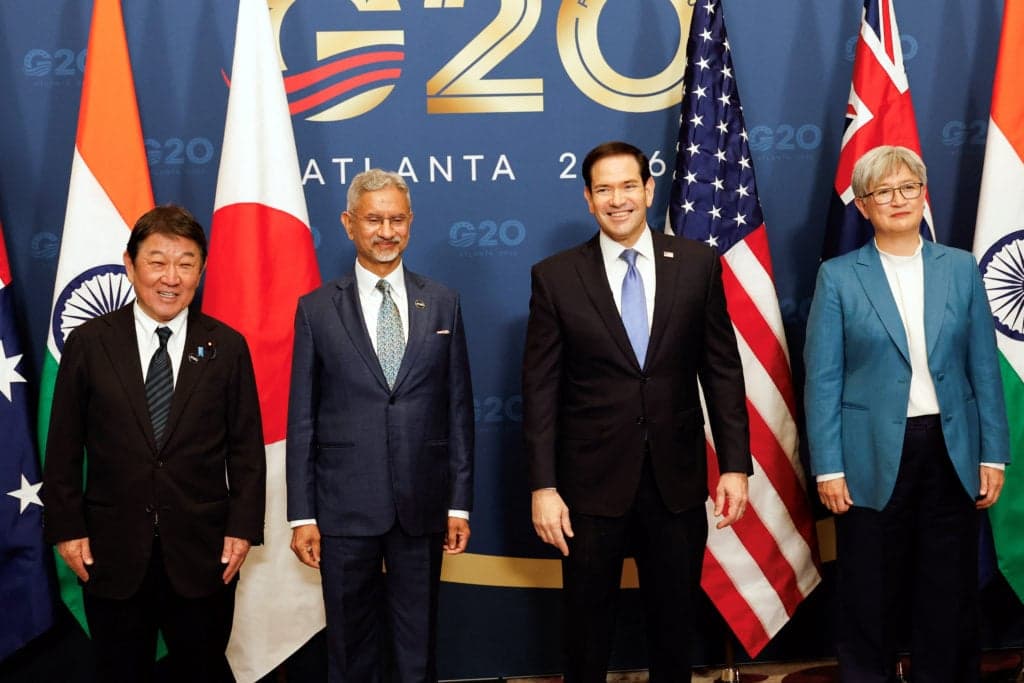
The two-day G20 Foreign Ministers’ meeting hosted in Atlanta concluded without the adoption of a joint ministerial declaration, underscoring the deep geopolitical fragmentation separating the United States, Russia, China, and Western allies[1][2]. In lieu of a consensus communiqué, Secretary of State Marco Rubio was forced to issue a unilateral Chairman’s Statement summarizing the proceedings[3][2]. The sessions were marked by sharp friction, compelling U.S. organizers to abandon the customary G20 "family photo" after European delegations - spearheaded by the United Kingdom, Poland, and Germany - refused to be pictured alongside Russian Foreign Minister Sergey Lavrov[4][5][6].
Disagreements during the plenary sessions touched upon core security flashpoints[7]. U.S. officials pressed for unified language addressing freedom of navigation and global supply chain disruptions, explicitly highlighting the maritime crises choking commercial shipping through the Strait of Hormuz and the Bab al-Mandab Strait, where U.S. naval forces have enforced a tight embargo on Iranian maritime trade[8][3]. However, Chinese and Russian delegates resisted Western-backed formulations condemning Moscow’s ongoing offensive operations in Ukraine or endorsing U.S.-led maritime restrictions in Middle Eastern waterways[1][7]. Concurrently, Russian representatives objected to Polish diplomatic presence at the table, while European ministers, including British Foreign Secretary Ed Miliband, openly rebuked Lavrov inside the room, labeling Moscow the unrepentant aggressor in Eastern Europe[5][6].
The inability to bridge these divides highlights the operational paralysis afflicting multilateral economic forums when major powers treat economic infrastructure and regional conflicts as zero-sum theaters[1][7]. Aside from the transatlantic-Russian confrontation, Asian partners voiced separate grievances regarding regional coercion; Japanese Foreign Minister Toshimitsu Motegi utilized the geopolitical working sessions to reiterate that unilateral attempts to alter the territorial status quo by force or coercion remain unacceptable globally, a clear reference to Beijing’s increased assertiveness in the South China Sea and Taiwan Strait[1][7].
The collapse of consensus in Atlanta sets an austere tone for the upcoming G20 Leaders' Summit scheduled for December 14–15, 2026, in Miami[9][10]. With Washington aiming to refocus the G20 on baseline economic resilience and trade routes, the deep ideological wedges exhibited by the U.S.-China-Russia triangle indicate that subsequent high-level gatherings are more likely to function as platforms for diplomatic posturing and bilateral skirmishing than vehicles for collaborative global economic governance[3][1].
- G20
- Marco Rubio
- Sergey Lavrov
Story 2 of 13
2 min read
G20 Foreign Ministers Fail to Agree on Joint Statement Amid Geopolitical Divisions
The G20 Foreign Ministers' summit in Atlanta concluded without a joint statement due to deep divisions over international conflicts and trade disputes. U.S. Secretary of State Marco Rubio issued a chairman's summary, but consensus on global issues remained elusive. The failure highlights the incapacitating impact of active military conflicts involving member states on international forums.
Read the full storyFold the full story2 min · 10 sources
Diplomats from the Group of 20 largest economies concluded a contentious two-day ministerial meeting in Atlanta, Georgia, on October 31, 2026, failing to reach consensus on a joint declaration[1][2][3]. The failure to deliver a formal joint communique underscores deep divisions among global powers, with discussions fundamentally stalled over the war in Ukraine, escalating hostilities between the United States, Israel, and Iran, and intensifying disputes surrounding international trade and navigation[1][2][4]. In place of an agreed text, U.S. Secretary of State Marco Rubio, who presided over the summit, issued an administrative chairman's summary outlining discussions on global supply chains, energy security, and critical minerals, while acknowledging that participants were nowhere near aligned on remedies for existing global conflicts[1][2].
The geopolitical discord was apparent from the summit's opening moments, when organizers canceled the traditional family photograph of foreign ministers[3]. Several European and Australian delegations formally objected to appearing alongside Russian Foreign Minister Sergey Lavrov, who traveled to Atlanta to lead Moscow's delegation[5][3]. The talks were intended to set the agenda for the upcoming leader-level G20 summit in Miami, focusing primarily on economic stabilization, maritime supply lines, and the regulation of critical minerals[1][6][7]. Instead, the sessions devolved into polarized exchanges between competing blocs, with Western powers demanding condemnations of territorial aggression, while Moscow and Beijing strongly pushed back against unilateral sanctions, protectionism, and Western maritime security postures[1][5][8].
Key participants throughout the ministerial pushed starkly divergent national priorities[1][2]. U.S. Secretary of State Marco Rubio stressed the imperative of protecting international waterways - specifically naming the Strait of Hormuz, the Bab el-Mandeb, the Black Sea, and the South China Sea - and warned against supply chain weaponization[9][4]. In contrast, Russian Foreign Minister Sergey Lavrov condemned Western asset seizures, merchant fleet interceptions, and sanctions, while pitching Vladimir Putin’s "Large Eurasian Partnership" as an alternative security architecture[5]. Chinese Vice Foreign Minister Ma Zhaoxu used his address to criticize protectionist trade barriers and economic decoupling, calling on G20 nations to refrain from overstretching national security concepts to disrupt industrial chains[8]. Meanwhile, Japanese Foreign Minister Toshimitsu Motegi and Polish Foreign Minister Radosław Sikorski asserted that any unilateral attempt to modify the status quo by force or coercion cannot be tolerated globally[2][10].
The impasse carries significant implications for international governance, demonstrating that the G20 has become nearly incapacitated by active military conflicts involving its constituent members[4][3]. Sikorski observed to reporters that reaching common ground is virtually impossible when direct participants in active wars are negotiating at the same table[3]. Rubio bluntly stated during the post-summit press conference: "I wouldn't pretend to you today that we are close to finding universally accepted solutions to these problems"[1]. The resulting failure to establish common baseline policies on maritime security and energy stability leaves global markets exposed to escalating regional risks, casting substantial uncertainty over the summit in Miami[1][6][4].
- G20
- Marco Rubio
- Sergey Lavrov
Story 3 of 13
2 min read
US and Russia Prep Trump-Putin Summit at APEC in China
Direct diplomatic channels between the U.S. and Russia have reopened, with discussions centering on a potential meeting between Presidents Trump and Putin at the APEC summit in Shenzhen, China, on November 18-19, 2026. This outreach follows earlier proposals from President Putin for trilateral consultations involving China. President Trump has expressed openness to the meeting, focusing on strategic denuclearization, nuclear weapons limits, and global energy stability. Secretary of State Rubio described his talks with Russian Foreign Minister Lavrov as satisfactory, indicating continued diplomatic communications despite ongoing tensions.
Read the full storyFold the full story2 min · 12 sources
Direct diplomatic channels between Washington and Moscow reopened at the cabinet level during the Group of 20 (G20) Foreign Ministers’ meeting in Atlanta, Georgia, which concluded with discussions centering on a high-stakes leadership encounter[1][2]. U.S. Secretary of State Marco Rubio confirmed that he held bilateral talks with Russian Foreign Minister Sergey Lavrov on the sidelines of the summit, where both diplomats explored arrangements for an in-person meeting between U.S. President Donald Trump and Russian President Vladimir Putin[3][4][5]. The potential face-to-face dialogue is being targeted for the Asia-Pacific Economic Cooperation (APEC) leaders' summit, scheduled to convene on November 18–19, 2026, in the Chinese technology hub of Shenzhen[4][5][6].
The diplomatic opening follows weeks of strategic signaling initiated by the Kremlin, where President Putin floated the concept of trilateral consultations alongside Chinese President Xi Jinping and Donald Trump[7][8]. While Washington has approached the trilateral framing cautiously, President Trump publicly indicated openness to meeting in China, specifying that any tripartite engagement should pivot toward strategic denuclearization, nuclear weapons limits, and global energy stability[8]. Lavrov characterized his Atlanta exchange with Rubio as “satisfactory,” observing to reporters that American interlocutors were adhering to “classical diplomacy” by maintaining operational communications despite severe structural tensions over the war in Ukraine[3][1].
The maneuvering involves a wide cast of foreign policy principals, including Russian presidential aide Yuri Ushakov, U.S. special envoys, and Chinese diplomatic planners in Beijing tasked with managing the logistics of the Shenzhen summit[9]. On the U.S. domestic front, the outreach coincides with administrative adjustments under the Lindsey O. Graham Sanctioning Russia and Iran Act of 2026, where the White House recently leveraged presidential waiver authorities on select fuel duties to foster an environment conducive to dialogue and to relieve pressures on global refined diesel supplies[10][11].
A direct Trump-Putin engagement on Chinese soil would carry significant ramifications for transatlantic ties and Indo-Pacific security[7]. European capitals have voiced apprehension that bilateral or trilateral talks on the periphery of APEC could sideline European and Ukrainian security interests[7]. Concurrently, President Trump sought to soften European pushback during remarks in Florida, stating he expects the Ukraine conflict to resolve in the “not too distant future” and indicating he would have “no problem” extending a direct invitation to Ukrainian President Volodymyr Zelenskyy for the upcoming G20 Leaders’ Summit in Miami this December[12].
- Donald Trump
- Vladimir Putin
- APEC
Story 4 of 13
2 min read
G20 Summit Collapses Amid Deep Transatlantic Divisions on Russian Sanctions
The G20 foreign ministers' summit in Atlanta ended without a joint communiqué, exposing a significant rift between the U.S. and European allies over sanctions policy towards Russia. Disagreements centered on international sanctions, diplomatic normalization, and Russian trade engagement, particularly concerning energy security and economic restrictions. This diplomatic breakdown complicates efforts to stabilize global supply chains and increases compliance risks for financial institutions operating across diverging regulatory landscapes.
Read the full storyFold the full story2 min · 6 sources
A high-stakes two-day gathering of G20 foreign ministers in Atlanta concluded without a joint communiqué[1], revealing an unprecedented breach between the United States and its traditional European allies regarding international sanctions policy, diplomatic normalization, and Russian trade engagement[1]. The summit, intended to lay the operational groundwork for the December G20 leaders’ summit in Miami[1], unraveled over fundamental disagreements concerning the ongoing war in Ukraine, energy security architecture, and the enforcement of multilateral economic restrictions[1]. U.S. Secretary of State Marco Rubio was forced to cancel the customary official leaders’ photograph after foreign ministers from Germany, Poland, Canada, and Australia categorically refused to appear on stage alongside Russian Foreign Minister Sergei Lavrov[1].
The diplomatic breakdown follows diverging economic strategies between Washington and Brussels[1]. While the European Union has maintained twenty-one comprehensive sanctions packages targeting Moscow’s financial and industrial infrastructure[2], the U.S. administration has recently pivoted toward targeted transactional engagement to alleviate domestic economic pressures[3][4]. European officials expressed mounting alarm over Washington's unilateral easing of energy-related trade restrictions, arguing that reintegrating Russian officials into standard multilateral forums undermines the global enforcement regime[1]. German Foreign Minister Johann Wadephul stated bluntly that normal diplomatic and economic relations cannot proceed while the territorial integrity of Ukraine remains violated[1], while Polish Foreign Minister Radosław Sikorski warned that any tacit legitimation of Moscow risks eroding the collective deterrence built by Western sanctions[1].
The key figures orchestrating the contentious summit included Secretary Rubio, Minister Lavrov, Minister Wadephul, and Minister Sikorski, alongside trade representatives evaluating critical supply chain and energy security agendas[1]. The meeting was designed to stabilize fragile cross-border supply chains for critical minerals and deliberate on maritime logistics security[1]. Instead, European delegations refused to endorse draft text that softened language regarding Russian sovereign accountability and sanctions compliance, rendering consensus impossible[1].
The fallout from the Atlanta summit signals a fracturing of the G7-led sanctions coalition, introducing deep uncertainty for multinational corporations, commodity traders, and commercial shipping operators[1][5]. Analysts warn that when the world’s primary economic powers fail to agree on baseline sanctions enforcement, regulatory compliance risk increases dramatically for international banks. Financial institutions face conflicting jurisdictional directives, where adherence to unilateral U.S. policy flexibilities risks running afoul of strict EU statutory prohibitions, creating acute legal vulnerabilities in cross-border trade settlements[6][2].
- G20
- United States
- European Union
Story 5 of 13
2 min read
US State Dept., OFAC Target Dual-Use Evasion and IP Theft Supporting Russian Defense
The U.S. Department of State, OFAC, and BIS have jointly sanctioned an individual and two companies for their role in intellectual property theft and sanctions evasion to benefit Russia's defense industry. These actions, taken under the Protecting American Intellectual Property Act (PAIPA), aim to disrupt Moscow's access to Western technologies and industrial components. The designations impose asset freezes and create secondary sanctions risks for foreign financial institutions involved in these transactions.
Read the full storyFold the full story2 min · 5 sources
The U.S. Department of State, in coordination with OFAC and the Bureau of Industry and Security (BIS), enacted designations targeting cross-border networks engaged in intellectual property theft and sanctions evasion in support of the Russian defense industrial base[1][2]. Acting under the Protecting American Intellectual Property Act of 2022 (PAIPA) and relevant executive authorities, the State Department sanctioned Russian national Sergey Sergeyevich Zelenyuk alongside corporate vehicles Matrix LLC and United Arab Emirates-based Special Technology Services LLC FZ[2]. The designations officially block all property and interests in property subject to U.S. jurisdiction and place severe secondary sanctions risks on any foreign financial institution that facilitates their transactions[1][2].
These targeted actions highlight an aggressive enforcement posture aimed at cutting off Moscow’s procurement pipelines for proprietary Western technologies, dual-use industrial software, and specialized engineering components[2]. Investigations revealed that intermediary entities established in the UAE and North Africa were actively circumventing multilateral export controls to acquire sensitive civil aviation and technological assets on behalf of sanctioned Russian industrial buyers[3][2]. Concurrently, the Department of Commerce expanded its Entity List and EAR restrictions to curtail foreign re-exports, eliminating regulatory loopholes historically exploited by shell companies masking their ultimate beneficial ownership[4][1][3].
The entities at the center of the regulatory actions - Sergey Zelenyuk, Matrix LLC, and Special Technology Services LLC FZ - operated as crucial nodes in redirecting proprietary intellectual property, industrial tooling, and microelectronics toward Russian defense manufacturers[2]. U.S. enforcement officials noted that the coordination between PAIPA mandates and OFAC blocking orders reflects a deliberate integration of trade-secret protection and national-security sanctions enforcement[2]. Trade advisory firms, including Mayer Brown and BCL Solicitors, noted that regulatory agencies are expanding their scope from hardware components to software integration, digital architectural models, and proprietary commercial designs[5][3].
The economic ramifications are significant for global tech suppliers, third-party logistics firms, and international corporate law practices[5]. With PAIPA designations carrying strict asset freezes and mandatory transaction reporting, compliance departments across Europe, the Middle East, and Asia are forced to re-audit their software licenses and technological joint ventures[1][2]. The move underscores that even as broader political negotiations occur, targeted administrative sanctions on dual-use technology and IP misappropriation are intensifying, raising due-diligence costs and slowing transactional velocity for legitimate aerospace, software, and advanced manufacturing sectors[3][2].
- U.S. Department of State
- OFAC
- Bureau of Industry and Security (BIS)
Story 6 of 13
2 min read
Beijing Cautious on Trilateral Summit Amidst APEC Hosting Duties
China's Foreign Ministry is taking a measured approach to proposals for a trilateral summit between Presidents Xi Jinping, Donald Trump, and Vladimir Putin ahead of the APEC forum in Shenzhen. Beijing emphasizes its commitment to multilateral dialogue and trade stability, while avoiding formal endorsement of a mechanism that could draw it into direct negotiations over the Ukraine war. Chinese officials are focused on regional trade and engagements with European and Middle Eastern delegations to preserve economic ties.
Read the full storyFold the full story2 min · 10 sources
As momentum builds in Washington and Moscow for high-profile leadership meetings in southern China, the Chinese Foreign Ministry has adopted a measured and deliberate posture regarding proposals for a three-way summit between Presidents Xi Jinping, Donald Trump, and Vladimir Putin[1][2][3]. Ahead of hosting the Asia-Pacific Economic Cooperation forum in Shenzhen, Chinese diplomatic officials have reiterated Beijing’s commitment to multilateral dialogue and global supply chain stability while refraining from formally endorsing a trilateral peace mechanism that could entangle China in direct negotiations over the war in Ukraine[2][3][4].
Beijing’s strategic balancing act reflects distinct geopolitical calculations[1]. While Sino-Russian economic and strategic ties have deepened - as demonstrated by Premier Li Qiang’s recent intergovernmental summits in St. Petersburg alongside Russian Prime Minister Mikhail Mishustin - Chinese planners are wary of being cast as an arbiter in Moscow’s territorial disputes[5][1]. Chinese foreign ministry briefings have placed emphasis on regional trade stability and high-level engagements with visiting European and Middle Eastern delegations, seeking to safeguard trade flows and preserve economic ties with Europe even as Chancellor Friedrich Merz and other Western leaders caution against one-sided dependencies on Beijing[4][6].
Simultaneously, friction along the Washington-Beijing axis continues to restrict the potential for broader strategic rapprochement[7]. Chinese commerce and foreign ministry officials have issued sharp denunciations over ongoing U.S. trade restrictions, including recent import bans directed at Chinese biotechnology firms and tariffs leveraged by Washington under economic security statutes[7][8]. Despite these recurring disputes, Beijing recognizes the prestige value of hosting the APEC summit in Shenzhen and has signaled a willingness to facilitate bilateral side meetings for visiting heads of state, provided that the primary agenda remains focused on Asia-Pacific regional integration and shared prosperity[9][10].
The unfolding dynamic indicates that while Shenzhen will serve as the premier diplomatic stage for global powers in late 2026, the expectations of the three capitals remain misaligned[1][9]. Moscow views the proposed summit format as a vehicle to secure geopolitical concessions and formalize European security revisions alongside the world's two largest powers; Washington approaches it as a forum to press for nuclear arms boundaries and bilateral deals; and Beijing remains intent on preventing great-power confrontation from derailing its domestic economic objectives and international trade architecture[1][2].
- Xi Jinping
- Donald Trump
- Vladimir Putin
Story 7 of 13
2 min read
US Secretary of State Rubio Predicts Ukraine Impasse Through Spring 2027
U.S. Secretary of State Marco Rubio stated that the U.S. does not anticipate Russian President Vladimir Putin agreeing to any negotiated peace settlement for Ukraine before the spring of 2027. Speaking after the G20 ministerial meetings, Rubio described the military situation on the front lines as deadlocked and cautioned that diplomatic talks should not be mistaken for near-term compromise. He also noted that Ukrainian accession to NATO remains unrealistic under current conditions and that Russian participation in the upcoming G20 Summit in Miami is doubtful.
Read the full storyFold the full story2 min · 8 sources
Providing a sober counterweight to optimistic White House rhetoric, U.S. Secretary of State Marco Rubio delivered a candid assessment of the diplomatic impasse with Moscow, stating that the United States does not believe Russian President Vladimir Putin will consent to any negotiated peace settlement regarding Ukraine before the spring of 2027[1]. Speaking to reporters and European allies following the conclusion of the Atlanta ministerial meetings, Rubio pushed back against assertions that a breakthrough was imminent, describing front-line military realities - particularly across the Donbas steppe - as deeply entrenched and deadlocked[1][2][1].
Rubio’s strategic framing marks an important policy recalibration within the U.S. foreign policy apparatus[1]. While the Secretary defended the administration’s baseline posture of engaging Russian interlocutors directly - arguing that ending the war peacefully necessitates dialogue with both Kyiv and Moscow - he cautioned that diplomatic talks should not be confused with near-term capitulation or compromise[3][4][5]. Rubio bluntly told European counterparts that near-term Ukrainian accession to NATO remains fundamentally unrealistic under present conditions, while reiterating that the core territorial disputes will require long-term diplomatic stamina rather than rapid summitry fixes[1][1].
The Secretary of State also tempered expectations regarding the White House’s formal invitation to President Putin for the December G20 Summit in Miami, confirming that Moscow has not committed to attending and noting that Russian participation remains doubtful[1][6]. The prospect of hosting Putin on U.S. soil has provoked fierce resistance across the Atlantic; European Union foreign policy leadership, including Kaja Kallas, cautioned Washington that rolling out a diplomatic red carpet for the Russian leader in Florida risked regularizing war crimes and fracturing Western cohesion[6].
This assessment is reshaping expectations among defense planners and energy markets alike[1][7]. By signaling an anticipated timeline that extends operational deadlock well into 2027, the State Department is positioning the conflict as an enduring war of attrition[1][2]. This perspective complicates concurrent efforts by the White House to employ economic carrots - such as selective energy tariff waivers designed to incentivize Russian diesel exports back into international trade streams - as Moscow continues to use long-range strike capabilities and battlefield pressure to dictate terms before entering structured talks[2][8].
- Marco Rubio
- Vladimir Putin
- Ukraine
Story 8 of 13
3 min read
Hormuz Shipping Targeted by Limpet Mines; US-Iran Strike Moratorium Nears End
Maritime hostilities in the Persian Gulf intensified with limpet mine attacks on commercial tankers transiting the Strait of Hormuz, raising concerns about escalating asymmetric warfare. The incidents coincide with Iran's heightened military readiness and a looming U.S. moratorium expiration on strikes against Iranian infrastructure. Diplomatic efforts continue amidst significant regional tension.
Read the full storyFold the full story2 min · 10 sources
Maritime hostilities in the Persian Gulf escalated sharply over the past 24 hours, marked by the confirmed use of limpet mines against commercial tankers navigating the Strait of Hormuz and a surge in military readiness across the region[1][2][3]. The Panama-flagged crude tanker MT Louise 1, operated by an Indian crew of 27, was disabled approximately 25 nautical miles northeast of Khasab, Oman, after individuals on a small craft attached two magnetic limpet mines above the waterline, triggering an engine room fire[4][3][5]. The crew managed to extinguish the blaze without injuries, allowing the vessel to proceed, while Omani naval units separately evacuated 25 crew members from another burning tanker, the MT Riti, off the Musandam peninsula following projectile damage[4][3]. Maritime security analysts at EOS Risk Group and Orbital Risk Intelligence identified the incident as the first successful deployment of limpet mines against merchant shipping in the corridor since the current war began in February, signaling an asymmetric tactical shift[2][3][6].
This maritime escalation directly intersects with high-stakes political deadlines, as a self-imposed U.S. moratorium on launching strikes against Iranian infrastructure approaches its November 3 expiration[4][7]. On October 31 and November 1, Iranian Supreme Leader Mojtaba Khamenei convened emergency consultations with top security officials, including Armed Forces General Staff Chief Major General Ali Abdollahi, IRGC Commander Major General Ahmad Vahidi, and Artesh Commander Major General Amir Hatami[8]. Khamenei directed the armed forces to achieve "maximum deterrence," order immediate counterstrikes "without geographical limitations," and broaden Iran's target bank against regional and international adversaries[8]. Concurrently, Iran's defense leadership declared that military readiness had been placed on the highest footing to respond to any new Western offensive[1].
Diplomatic friction worsened significantly on November 1 when Iran's Ministry of Foreign Affairs formally designated the United Kingdom's Royal Navy and Royal Air Force as "terrorist organizations" and classified the UK Secret Intelligence Service (MI6) as a "hostile group"[1][9]. Tehran justified the punitive action under its national countermeasure statutes, citing British logistical support for U.S. and Israeli military operations and London's earlier decisions regarding the IRGC[9]. While indirect diplomatic negotiations facilitated by Qatari mediators continued in Doha for a third consecutive day, Iranian lawmakers reiterated that direct discussions with Washington remain strictly conditioned on seven specific prerequisites set by Iran's Supreme National Security Council[1].
The developments have rattled international energy markets and triggered defensive measures across Gulf states[4][7]. Brent crude settled at $117.62 a barrel, recording a 14% gain across October as commodity traders priced in the threat of renewed direct military confrontation[4]. Underscoring the acute threat environment, the U.S. Department of State instituted mandatory "ordered departures" for non-emergency diplomatic staff and families stationed in Saudi Arabia, leaving the embassy in Riyadh and consulates in Jeddah and Dhahran operating on skeleton crews[7]. With regional allies reportedly briefed on the possibility of renewed strikes following the U.S. midterm elections, the combination of targeted tanker interdictions and expanded military targeting banks points toward an imminent test of deterrence across the Middle East[10][7][8].
- Iran
- United States
- Strait of Hormuz
Story 9 of 13
3 min read
US White House Faces Scrutiny Over Russian Diesel Sanctions Waivers Amidst Legal Challenges
The Biden administration's decision to issue emergency waivers allowing the import of Russian diesel has drawn significant criticism and legal challenges. While intended to lower domestic fuel costs, these waivers are being scrutinized by Congress and industry watchdogs for potentially violating existing legislation aimed at sanctioning Russia. This move has created a complex legal and financial environment for U.S. banks and port authorities involved in facilitating these shipments.
Read the full storyFold the full story2 min · 6 sources
Fresh scrutiny has erupted over the executive branch’s implementation of emergency waivers under the Lindsey O. Graham Sanctioning Russia and Iran Act of 2026[1]. While Congress enacted the legislation by a decisive 86–11 bipartisan Senate majority to codify sanctions on Russian sovereign debt, oligarch assets, and secondary financial institutions[1], the administration has utilized statutory waiver authorities under Section 115 to suspend sweeping secondary sanctions and authorize bilateral fuel import agreements[1][2]. Under General License 135 issued by the U.S. Department of the Treasury's Office of Foreign Assets Control (OFAC), Washington authorized a six-month sanctions waiver enabling the import of 300,000 metric tons of Russian diesel, scaling to an additional 500,000 tons in November and 1 million tons shortly thereafter to tame domestic diesel costs[3][4].
In response to the U.S. demand, Russian authorities confirmed an extension of their general fuel export embargo through year-end while creating a specialized carve-out that quadruples export quotas for select refiners to 2 million metric tons (roughly 500,000 barrels per day) to fulfill the U.S. agreement[5]. Russian Deputy Prime Minister Alexander Novak noted that domestic refinery capacity has expanded by 25 percent following repairs and the subsiding of drone strikes on infrastructure, with multiple tankers laden with Russian refined products already en route to global markets[5]. However, this transaction has ignited a domestic legal showdown[3]. A bipartisan coalition of congressional lawmakers formally issued warning notices to chief executive officers of major American commercial banks and domestic port authorities, cautioning that facilitating Russian fuel shipments violates the 2022 Ending Importation of Russian Oil Act and could trigger civil and criminal penalties as well as congressional subpoenas[3][4].
The core players caught in this cross-jurisdictional conflict span the White House, OFAC, Deputy Prime Minister Novak, Russian state refiners, and top U.S. clearing banks, alongside domestic port terminal operators[3][5][4]. Trade legal experts at Freshfields and civil society monitors at the Center for Economic and Policy Research (CEPR) emphasize that the executive waiver represents one of the most substantial shifts in U.S.-Russian trade mechanics since 2022[1][3]. Lawmakers maintain that the statutory conditions required to bypass the 2022 oil import ban have not been met, creating acute compliance hazards for any maritime or financial entity processing these transactions[3][4].
Global energy markets have registered immediate volatility from the shifting policy directives[6]. While the influx of Russian distillate supplies aims to cap seasonal diesel crack spreads, European energy refiners - who remain fully legally barred from importing Russian refined products - have expressed frustration over distorted market competition[1][6]. European bunkering and storage hubs in the Amsterdam-Rotterdam-Antwerp (ARA) region report logistical uncertainty, as secondary sanctions compliance rules diverge across the Atlantic, complicating insurance coverage, cargo tracing, and tanker chartering operations[6]. Financial institutions have begun requesting indemnity confirmations before providing letters of credit for any cargoes associated with the newly granted quotas[4].
- United States
- Russia
- Lindsey O. Graham Sanctioning Russia and Iran Act of 2026
Story 10 of 13
2 min read
EU-China Trade Tensions Rise Over Brussels' Planned Safeguard Measures
The European Union and China are facing escalating trade friction as Brussels prepares to implement broad safeguard measures across chemical, furniture, and industrial machinery sectors, beyond existing EV and hybrid car quotas. China has condemned these plans as violations of WTO principles and vowed to retaliate. This move by the EU stems from concerns over systemic structural imbalances, including China's state subsidies and industrial overcapacity, which have led to a significant EU trade deficit.
Read the full storyFold the full story2 min · 9 sources
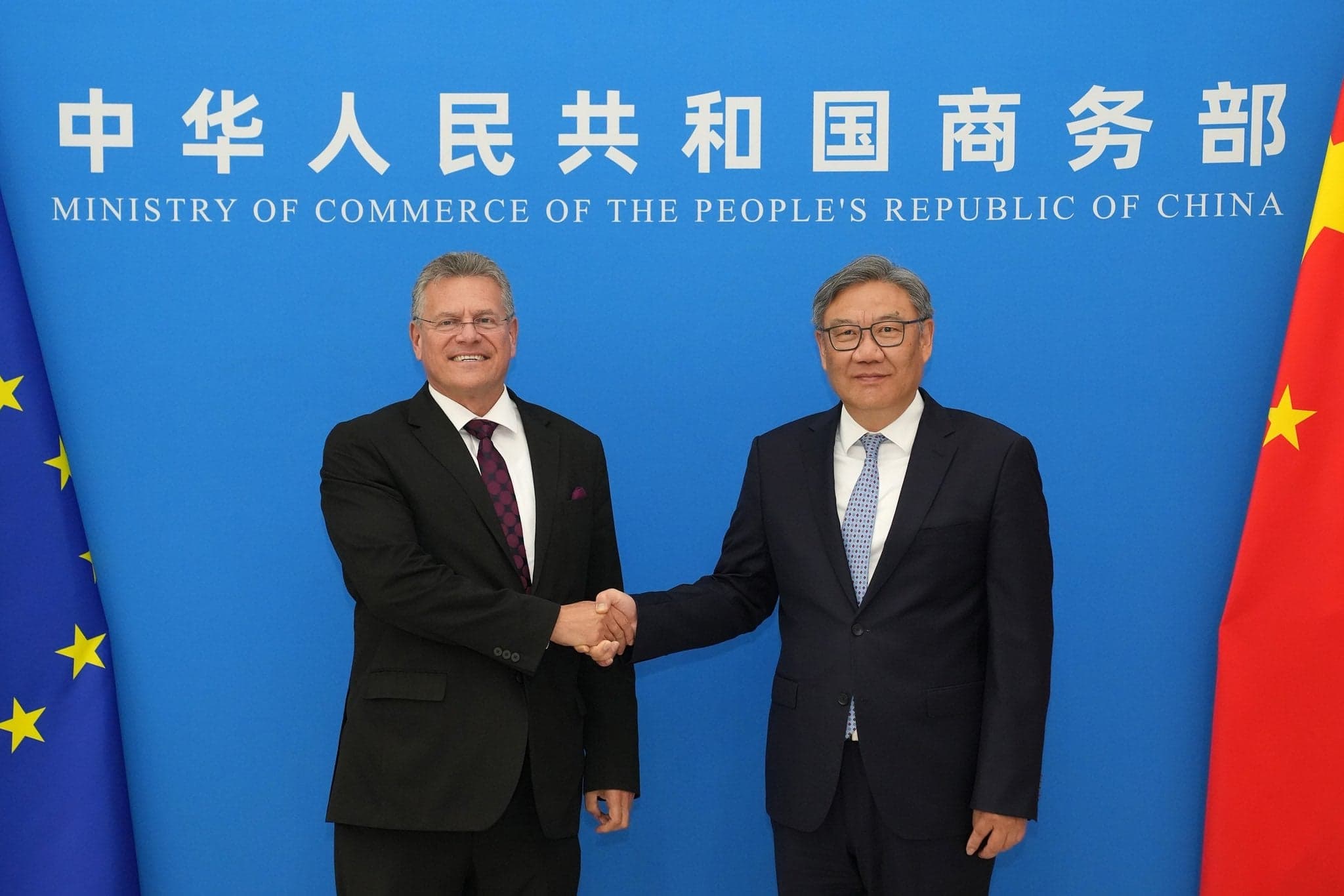
A major trade confrontation escalated between the European Union and the People's Republic of China, as Beijing issued a sharp rebuke against Brussels’ plans to initiate comprehensive trade safeguard measures across the chemical, furniture, and industrial machinery sectors[1][2]. Chinese Ministry of Commerce (MOFCOM) spokesperson Huang Ling declared that the EU’s moves to artificially restrict legitimate trade violate World Trade Organization (WTO) principles, warning that China will deploy “all necessary measures” to defend the fundamental rights of its domestic enterprises[1]. This confrontation follows the contentious entry into force of definitive countervailing duties of up to 35.3 percent on Chinese battery electric vehicles (BEVs)[3], as well as a preliminary accord capping Chinese hybrid car exports to the EU at 350,000 units annually[2].
The escalation stems from systemic structural imbalances in the bilateral economic relationship, with the EU’s merchandise trade deficit with China exceeding €1 billion per day - surpassing €360 billion annually[4][2]. European Commission President Ursula von der Leyen reaffirmed that the isolated export caps negotiated on hybrid vehicles by EU Trade Commissioner Maroš Šefčovič and Chinese Commerce Minister Wang Wentao do not rectify the deeper distortions caused by Chinese state subsidies and industrial overcapacity[4][2]. In an assertive push, French President Emmanuel Macron and German Chancellor Friedrich Merz sent a joint proposal urging the Commission to implement a single-market “kill-switch” - a trade defense instrument allowing Brussels to block threatening foreign trading partners from the EU single market when facing systemic dumping or economic coercion[4].
The standoff involves high-level institutional actors, including Trade Commissioner Šefčovič, Commerce Minister Wang, MOFCOM officials, European industrial lobbies, and major Chinese state-backed manufacturing enterprises[4][1][2]. In response to Western restrictions, Beijing has already demonstrated its willingness to deploy export controls on dual-use commodities, placing fourteen European entities under trade bans and rationing critical rare earth minerals essential for European defense, aerospace, and renewable energy manufacturing[4][5][6]. Although Chinese negotiators had offered to streamline rare earth export licenses during October talks in Beijing, the threat of new EU import quotas has placed those arrangements in immediate jeopardy[1][7][2].
The potential consequences for global supply chains and national economies are far-reaching[8]. If the EU follows through on safeguard quotas for chemicals, furniture, and advanced machinery, it will mark a structural shift from targeted sector-specific tariffs to an expansive defensive perimeter across European industry[2]. Industrial analysts warn that reciprocal Chinese retaliations targeting critical inputs - particularly rare earth permanent magnets and specialized battery components - could severely inflate production costs for European manufacturers, disrupting European automotive, defense, and clean-tech supply chains at a time of sluggish macroeconomic growth[9][5][6].
- European Union
- China
- World Trade Organization (WTO)
Story 11 of 13
2 min read
Sudan Accuses Ethiopia of Hosting Drone Strikes on Critical Infrastructure
Sudan has formally accused Ethiopia of allowing drone strikes from its territory against Sudan's national electrical infrastructure. The Sudanese Ministry of Foreign Affairs stated that unmanned aerial vehicles were launched from Assosa air base, causing widespread blackouts and worsening the humanitarian crisis. Khartoum has appealed for international intervention.
Read the full storyFold the full story2 min · 2 sources
Diplomatic relations between Sudan and Ethiopia deteriorated sharply on October 31, 2026, after the Sudanese Ministry of Foreign Affairs formally accused the Ethiopian government of permitting cross-border drone strikes against Sudanese national infrastructure[1]. In an urgent briefing delivered to foreign diplomats in Port Sudan, Sudanese Foreign Ministry Undersecretary Muawiya Osman alleged that unmanned aerial vehicles had been launched from Ethiopia’s Assosa air base, located near the international border, to strike electrical generation and transmission facilities across Sudan[1]. Khartoum appealed directly to the international community to intervene and hold Addis Ababa accountable for violating Sudanese territorial sovereignty and enabling acts of infrastructural sabotage[1].
The diplomatic protest follows a coordinated campaign of aerial bombardments over the past week that systematically crippled Sudan's domestic energy grid[1]. According to technical assessments released by Sudanese authorities, more than 13 high-voltage distribution substations were knocked offline or sustained critical damage[1]. The strikes triggered widespread power blackouts spanning seven states: Gedaref, Khartoum, Al Jazirah, Red Sea, Sennar, White Nile, and South Kordofan[1]. The loss of power knocked water treatment plants and medical facilities offline in urban centers, worsening the humanitarian crisis facing millions of displaced civilians[1].
The allegations threaten to ignite a broader interstate conflict in an already unstable Horn of Africa[1]. Relations between Khartoum and Addis Ababa have been strained for years by disputes over the fertile Al-Fashaga border district and downstream water-security friction surrounding Ethiopia's Grand Ethiopian Renaissance Dam (GERD). Sudanese officials contend that foreign support for paramilitary factions operating within Sudan is increasingly being staged from Ethiopian soil, transforming domestic insurgent fighting into a proxy war that directly implicates regional state actors[1].
By formally accusing Ethiopia of providing launch rights at Assosa, the Sudanese leadership has laid the groundwork for potential cross-border military escalation[1]. Analysts monitoring regional security point out that an explicit accusation of state-facilitated infrastructure attacks leaves little room for standard diplomatic mediation. If the dispute escalates into armed cross-border exchanges or military interdiction along the frontier, it could pull neighboring East African states into the conflict, jeopardize transit corridors, and disrupt ongoing multilateral peace negotiations across the region[2][1].
- Sudan
- Ethiopia
- Assosa Air Base
Story 12 of 13
2 min read
Mexico Challenges Texas Over Río Bravo Islands Under 1970 Boundary Treaty
Mexico has rejected Texas's unilateral assertion of ownership over nine river islands in the Río Bravo (Rio Grande), citing the 1970 Boundary Treaty. Texas officials claimed jurisdiction over the islands for law enforcement and surveillance purposes, which Mexico's foreign ministry deemed a violation of bilateral agreements and international law. The dispute highlights tensions over border security measures.
Read the full storyFold the full story2 min · 1 source
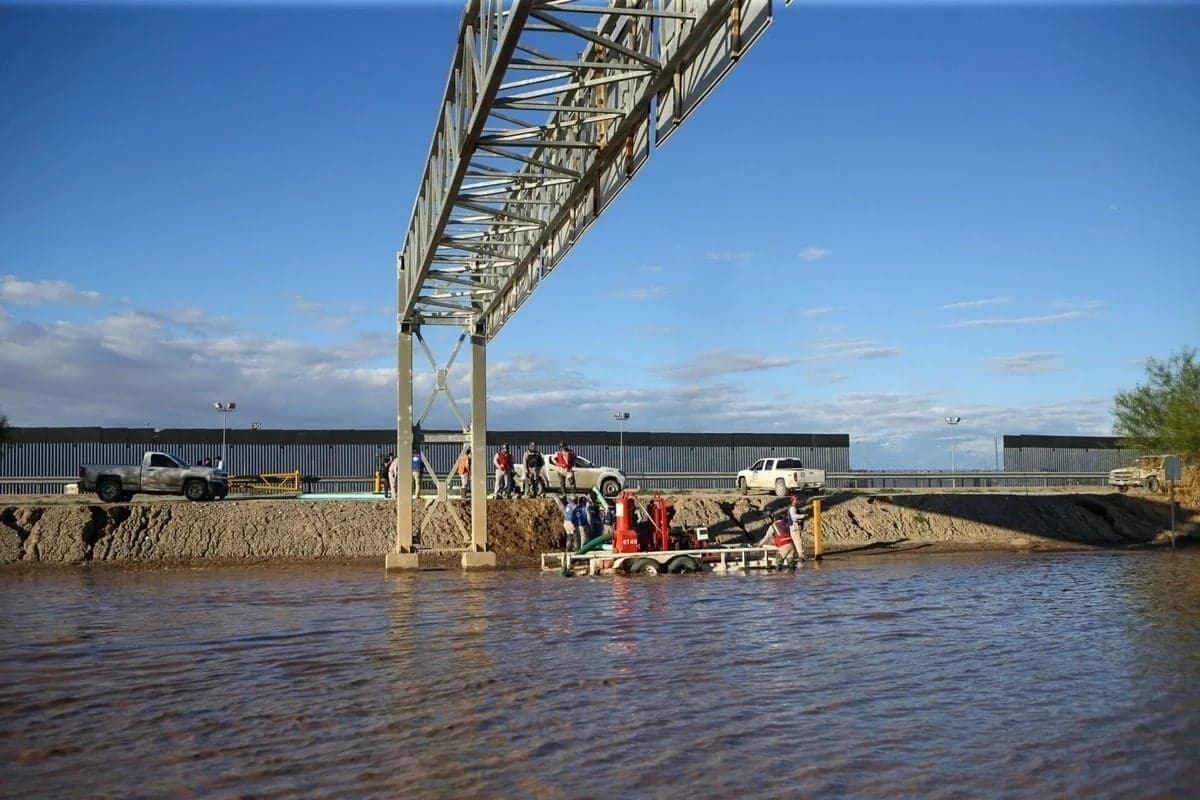
A diplomatic and jurisdictional clash emerged between Mexico and the United States on October 31, 2026, after Mexico's Secretariat of Foreign Affairs (SRE) rejected a unilateral territorial appropriation by the State of Texas along the international border[1]. The dispute centers on an official announcement by Texas Land Commissioner Dawn Buckingham declaring that Texas had asserted ownership over nine river islands located within the Río Bravo (Rio Grande) between Laredo and McAllen[1]. Buckingham stated that the Texas General Land Office (GLO), acting alongside U.S. Customs and Border Protection, had confirmed that these previously unclaimed islands fall under Texas state jurisdiction, clearing the way for U.S. military and state forces to occupy them to conduct surveillance, clear brush, and eliminate smuggling outposts[1].
The Mexican government responded swiftly, issuing an official communiqué warning that sub-national state authorities possess no legal competence to alter or establish international border boundaries[1]. The SRE pointed directly to the 1970 Treaty to Resolve Pending Boundary Differences and Maintain the Rio Grande and Colorado River as the International Boundary, which legally dictates the exact location of the border between the two countries[1]. Mexican authorities emphasized that any alterations to land parcel ownership, changes caused by river avulsion, or sovereign determination of riverbed islands must proceed through the binational mechanisms of the International Boundary and Water Commission (IBWC), rather than unilateral decrees by state-level officials[1].
The friction highlights growing tensions over local authorities adopting direct military measures along the border[1]. While Texas state leadership characterized the island takeover as a necessary law enforcement intervention to deprive drug cartels and human trafficking networks of logistical staging areas, Mexico’s foreign ministry warned that such unilateral moves breach bilateral treaties and risk dangerous confrontations along the international riverline[1]. The SRE stated that Mexican authorities will maintain continuous diplomatic and legal oversight over the nine contested islands and reiterated that security issues along the shared boundary must be resolved strictly through formal sovereign dialogue rather than state-level annexation[1].
This legal and diplomatic challenge marks an uncomfortable flashpoint in broader U.S.-Mexico relations, signaling potential conflict over who exercises sovereignty in active border corridors[1]. By deploying military and border patrol assets onto river islands whose sovereignty is actively contested by a sovereign neighbor, Texas authorities have created a volatile scenario where Mexican security patrols and American military forces could operate in close proximity under conflicting legal mandates[1]. Legal scholars note that if the U.S. federal government does not intervene to assert federal preemption over international treaty compliance, the dispute could prompt formal arbitration under the 1970 treaty mechanisms and complicate broader security and economic cooperation between Washington and Mexico City[1].
- Mexico
- Texas
- United States
Story 13 of 13
2 min read
Poland Faces Constitutional Crisis as President Aborts State Visit Amid Tribunal Clashes
Poland's political landscape plunged into crisis as a power struggle over the Constitutional Tribunal led to physical altercations in Warsaw. President Karol Nawrocki returned mid-flight from a state visit as factions aligned with the governing coalition and the opposition Law and Justice party clashed over judicial control. The dispute centers on contested judicial appointments and the tribunal's legitimacy.
Read the full storyFold the full story2 min · 9 sources
A severe constitutional crisis erupted in Poland on October 30 and 31, 2026, culminating in physical altercations at the Constitutional Tribunal in Warsaw and prompting President Karol Nawrocki to abort an official diplomatic flight to Senegal mid-air to return to the capital[1][2]. The turmoil began when a faction of judges aligned with Prime Minister Donald Tusk’s governing coalition moved to wrest control of the nation's top constitutional body from Chief Justice Bogdan Święczkowski and Deputy Chief Bartłomiej Sochański, both aligned with the opposition Law and Justice (PiS) party[2][3]. Judge Anna Korwin-Piotrowska announced the temporary suspension of both court leaders for one month and assumed operational command of the tribunal, prompting the ousted leadership to denounce the move as an unlawful "coup d'état"[1][4].
The confrontation represents the sharpest escalation yet in a prolonged battle over the independence and political orientation of Poland’s judiciary[5][6]. After taking power in late 2023, Tusk's pro-European coalition pledged to dismantle the judicial mechanisms installed by PiS between 2015 and 2023, which had brought sanctions and fines from the European Union[6][7]. However, judicial reform initiatives were repeatedly vetoed by PiS-aligned presidencies[6][7]. In early 2026, the ruling coalition used its parliamentary majority to appoint eight new judges to the 15-member bench, but President Nawrocki refused to recognize the legitimacy of several appointments, resulting in competing factions claiming legal authority over the court[8][7][3].
Tensions reached a flashpoint in the early hours of October 31 when President Nawrocki arrived at the tribunal building[2]. Video footage showed the president pushing past Judge Korwin-Piotrowska at the entrance and shouting at seated magistrates that they were "not Constitutional Tribunal judges"[2]. Presidential aide Marcin Przydacz claimed the judges had violated the constitutional inviolability of the head of state, while government allies asserted that Nawrocki had forcibly barged through judicial personnel[2]. Outside the perimeter, Warsaw riot police were deployed to cordon off the complex as rival demonstrators gathered; three protesters were arrested after breaching the perimeter fence with power tools and throwing projectiles at security personnel[5][6][9][3].
The institutional showdown has paralyzed central judicial oversight and elicited expressions of international concern[1][8]. Prime Minister Tusk defended the actions taken against the tribunal's leadership, posting that "restoring the rule of law is our duty... it is a difficult process, sometimes painful, and requires decisive action"[1][9]. In contrast, PiS leader Jarosław Kaczyński and former Justice Minister Zbigniew Ziobro condemned the police-backed suspension as a criminal assault on the constitutional order[1][7]. The international diplomatic community reacted with alarm; U.S. Ambassador to Poland Tom Rose issued a public statement urging all parties to exercise restraint, characterizing the institutional confrontation as "very serious" for Polish governance and democratic stability[1].
- Poland
- Karol Nawrocki
- Donald Tusk
You're all caught up.
That's every story in Sunday's PiBrief Geopolitics. And there's a newer edition waiting for you.
All PiBrief Geopolitics editions
Subscribe to receive daily briefings about geopolitics and world news in your email.
Get PiBrief Geopolitics in your inbox
A free newsletter on geopolitics and world news. Diplomacy, conflict, the global economy, and elections, ranked and explained, with an audio briefing in every edition.
Free forever / no account / 1-click unsubscribe