
Strait of Hormuz talks, Xi on Ukraine & G20 deadlock
Diplomats in Doha are negotiating a framework to reopen the Strait of Hormuz amid mounting maritime attacks. Meanwhile, Chinese leader Xi Jinping has rejected trilateral Ukraine peace talks, insisting European powers must be included. In Atlanta, G20 trade ministers concluded their meeting without reaching consensus on critical mineral supply chains.
12 stories86 sources checked
Listen to this edition
PiBrief Geopolitics, November 2, 2026
The lineup
In this edition
 01
Doha Talks Focus on 48-Hour Plan to Reopen Strait of Hormuz Amid Escalating Maritime Attacks
 02
G20 Ministerial in Atlanta Fails to Reach Consensus on Critical Minerals and Trade
 03
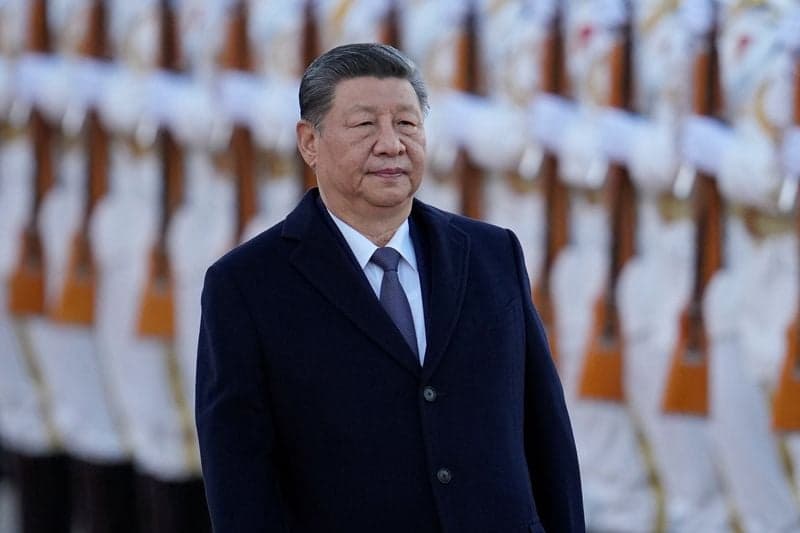
Xi Jinping Rejects Trilateral Ukraine Talks, Demands European Inclusion
 04
US Proposes Russian Gas Route Through Ukraine with American Oversight, Angering Europe
 05
UN Peacekeeping in Western Sahara Ends Abruptly, Creating Regional Security Vacuum
 06
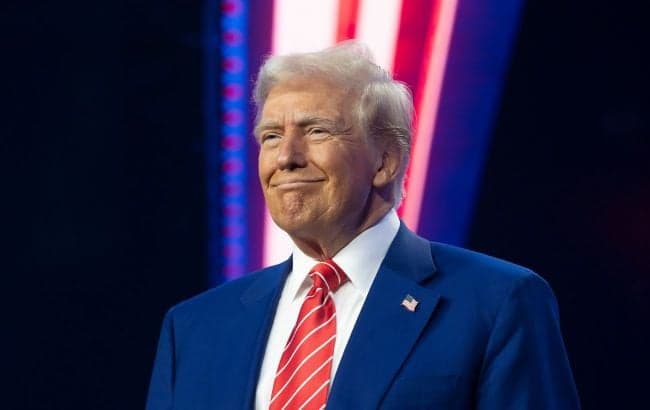
Trump Acknowledges Espionage Rivalry with China and Russia
 07
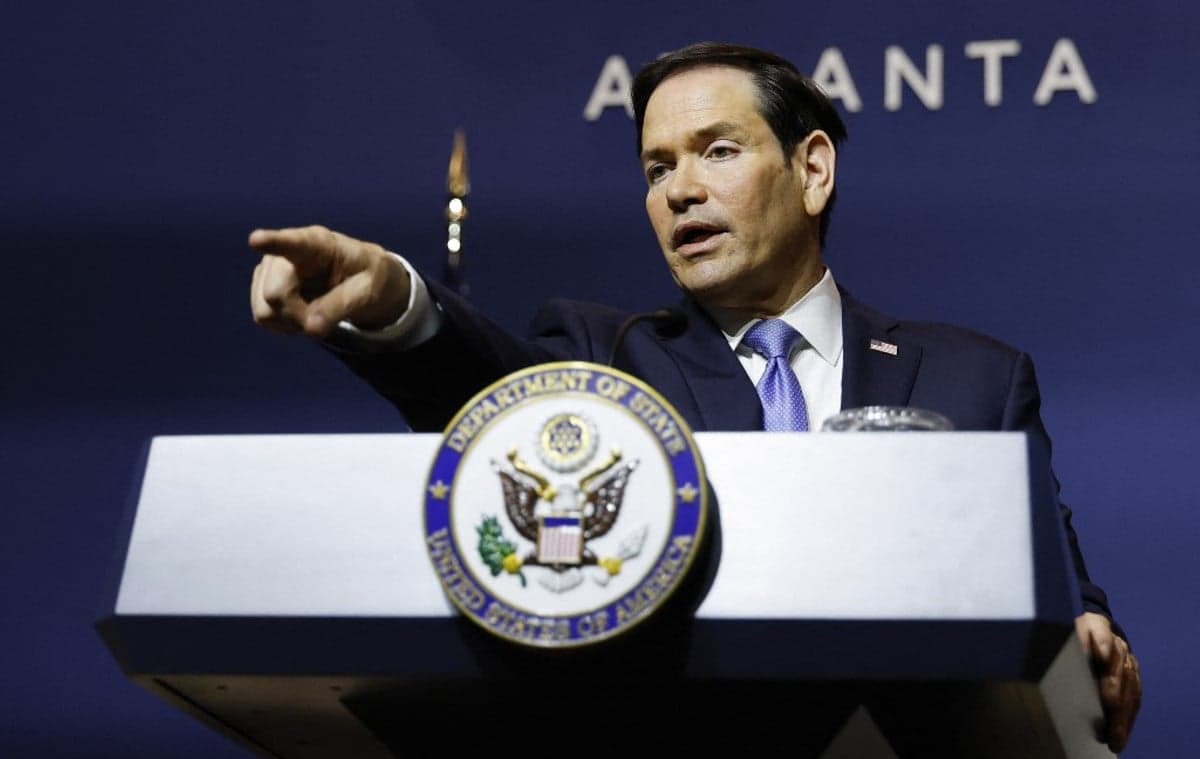
Rubio: Ukraine War May Extend to Spring 2027, Defends Russian Contacts
 08
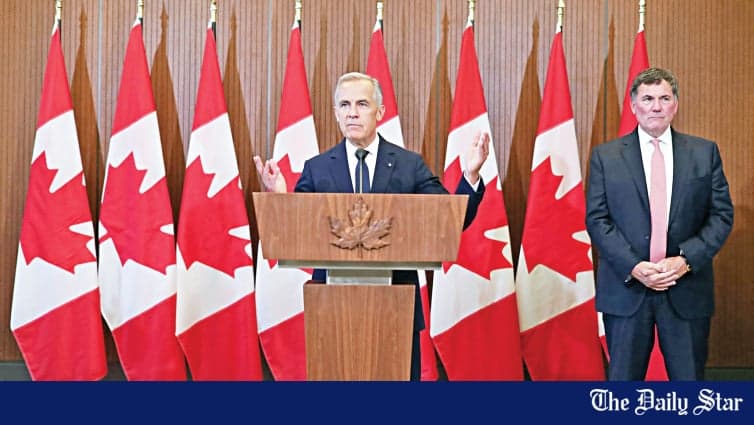
US and Canada Revive Trade Talks Amidst Midterm Election Pressure
- 09
Canada Deepens European Industrial Ties to Mitigate Trade Volatility
 10
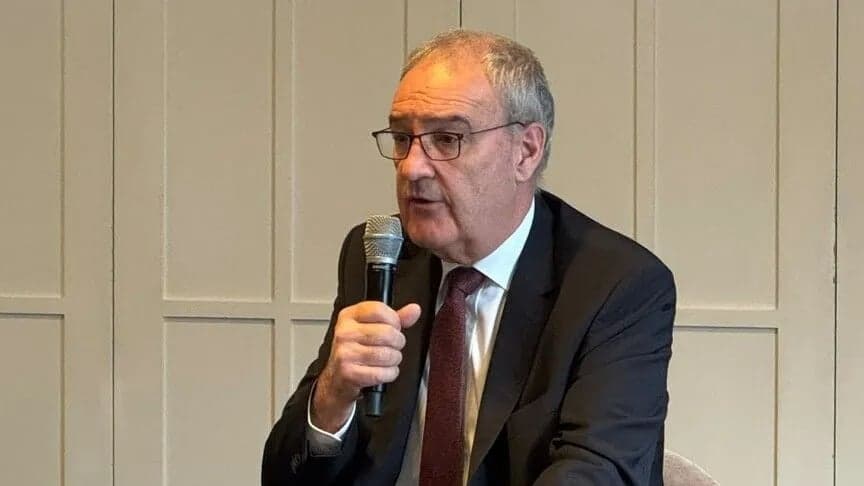
Switzerland Diversifies Trade to Combat Global Protectionism and Dependencies
 11
China and Oman Forge Trade Pact Amid Persian Gulf Security Concerns
 12
China-Peru FTA Upgrade Effective, Enhancing Global Supply Chains and Digital Trade
See all 12 as a listHide the list
- Doha Talks Focus on 48-Hour Plan to Reopen Strait of Hormuz Amid Escalating Maritime Attacks
- G20 Ministerial in Atlanta Fails to Reach Consensus on Critical Minerals and Trade
- Xi Jinping Rejects Trilateral Ukraine Talks, Demands European Inclusion
- US Proposes Russian Gas Route Through Ukraine with American Oversight, Angering Europe
- UN Peacekeeping in Western Sahara Ends Abruptly, Creating Regional Security Vacuum
- Trump Acknowledges Espionage Rivalry with China and Russia
- Rubio: Ukraine War May Extend to Spring 2027, Defends Russian Contacts
- US and Canada Revive Trade Talks Amidst Midterm Election Pressure
- Canada Deepens European Industrial Ties to Mitigate Trade Volatility
- Switzerland Diversifies Trade to Combat Global Protectionism and Dependencies
- China and Oman Forge Trade Pact Amid Persian Gulf Security Concerns
- China-Peru FTA Upgrade Effective, Enhancing Global Supply Chains and Digital Trade
Story 1 of 12
2 min read
Doha Talks Focus on 48-Hour Plan to Reopen Strait of Hormuz Amid Escalating Maritime Attacks
Indirect negotiations between the US and Iran, facilitated by Qatar in Doha, are centered on a critical 48-hour plan to resume commercial shipping through the Strait of Hormuz. Iran has set preconditions including sanctions relief and the release of frozen assets. The talks are happening under pressure from recent attacks on vessels in the Strait, including a merchant ship and a LNG tanker.
Read the full storyFold the full story2 min · 11 sources
Indirect negotiations between the United States and Iran, hosted by Qatari mediators in Doha, advanced to a critical juncture on November 1 and 2, 2026, focusing on an emergency "two-day plan" to restore commercial shipping through the Strait of Hormuz[1][2][3]. Iranian Foreign Minister Seyed Abbas Araghchi confirmed that following consultations with Qatari officials, Tehran agreed to compress its proposed implementation window from a five-to-seven-day sequence down to 48 hours[4][3]. Under the draft arrangement, Washington would execute specific sanctions relief measures on day one, enabling Iran to reopen the strategic maritime waterway to international tanker traffic by day two[5][3].
Tehran has maintained a stringent list of preconditions before normal navigation can resume[1][3]. Major General Mohsen Rezaei, Secretary of Iran’s Supreme National Security Council, warned that the waterway will stay closed unless Washington verifiably removes sanctions instituted under the Islamabad Memorandum of Understanding, lifts the naval blockade, restores oil export waivers, and releases frozen Iranian assets valued between $6 billion and $24 billion, including escrow funds held in Doha[1][6][4][3]. Rezaei confirmed that Iranian leadership had reviewed a letter transmitted by U.S. Vice President JD Vance, remarking on state television that the diplomatic tone from the administration had notably shifted[6][7]. However, hardline figures in Tehran, including Friday prayer leader Mohsen Haj Ali Akbari, signaled that domestic factions are actively lobbying for revisions to Iran’s defensive nuclear doctrine if negotiations fail[6][8].
The diplomatic track remains in race against active hostilities at sea[4]. On November 1, the United Kingdom Maritime Trade Operations (UKMTO) verified that a merchant vessel was struck by an unidentified projectile within the Strait of Hormuz after broadcasting mayday alerts[9]. The strike followed an attack on the Qatari-flagged liquefied natural gas tanker Al Mayeda, bound for Pakistan, which was hit despite having received prior passage clearance from Iranian maritime authorities[4][10]. Meanwhile, U.S. President Donald Trump publicly indicated that while fresh military action against Iranian infrastructure would not occur prior to the U.S. midterm elections, military options remain on the table immediately thereafter[1].
The persistent closure of the world’s most critical maritime chokepoint is driving broad industrial repercussions[11][7]. In a market assessment issued November 2, energy and intelligence consultancy Wood Mackenzie reported that regional strikes damaging major Gulf industrial installations have knocked out approximately 2 percent of global primary aluminum smelting capacity, triggering a 1-million-ton supply deficit[11]. Combined with disruptions to oil shipments and skyrocketing maritime insurance premiums, regional leaders - including UAE presidential diplomatic adviser Anwar Gargash - warn that Gulf states are bracing for severe economic spillovers should the Doha framework fail to hold[4].
- United States
- Iran
- Qatar
Story 2 of 12
2 min read
G20 Ministerial in Atlanta Fails to Reach Consensus on Critical Minerals and Trade
The G20 Foreign Ministers' Meeting in Atlanta concluded without a joint communique due to deep divisions on critical minerals, trade protectionism, and maritime security. The US, supported by the Quad nations, pushed for free navigation and diversified supply chains, while China and Russia advocated for open markets and criticized decoupling efforts. Side meetings by the Quad intensified friction with non-market trade practices.
Read the full storyFold the full story2 min · 8 sources
The Group of 20 (G20) Foreign Ministers’ Meeting in Atlanta, Georgia, concluded without a joint communique, underscoring irreconcilable divisions among member states regarding critical minerals, trade protectionism, and maritime security corridors[1][2]. The ministerial, chaired by U.S. Secretary of State Marco Rubio, exposed deep rifts between Western governments seeking to insulate strategic supply networks and emerging powers led by China and Russia[1][2]. Concurrently, the foreign ministers of the Quadrilateral Security Dialogue - comprising the United States, Japan, Australia, and India - convened on the sidelines of the summit, intensifying regional friction with direct rebukes of non-market trade practices[1][3].
Secretary of State Rubio used the Atlanta platform to demand multilateral commitments safeguarding freedom of navigation - explicitly referencing vulnerabilities in the Strait of Hormuz and the Black Sea - while calling for collective efforts to dismantle monopolies over critical mineral refining and processing[1][2]. The Quad ministers followed with a coordinated statement addressing arbitrary export controls, industrial overcapacity, and economic coercion[3]. The Quad underscored its $20 billion critical minerals initiative, intended to develop alternative supply channels outside Chinese processing dominance, as well as joint programs in Open Radio Access Networks (Open RAN) and semiconductors[3].
Beijing mounted an aggressive diplomatic counteroffensive, publishing the full texts of three distinct plenary addresses delivered by Chinese Executive Vice Foreign Minister Ma Zhaoxu on November 1[4][5][6]. Ma directly challenged the Western agenda before Rubio, arguing that Western efforts toward decoupling, "de-risking," and raising tariff barriers are the true destabilizers of the global economic recovery[4][5]. Presenting China’s Global Security Initiative (GSI), Ma called for the immediate de-escalation of the U.S.-Israel-Iran conflict, a return to the Islamabad Memorandum, and an end to unilateral sanctions[6]. On resource governance, Ma insisted that critical minerals and energy networks must remain open, nondiscriminatory, and free from politicization[4][7].
The complete failure to broker consensus in Atlanta highlights the accelerating fragmentation of multilateral economic governance[2]. Chinese state media labeled the Quad’s accompanying declarations as "Cold War-style containment" masquerading as supply chain resilience[3]. With upcoming multilateral engagements scheduled for the Indo-Pacific - including the ASEAN Summit in the Philippines, an anticipated Quad leaders' summit, and the Asia-Pacific Economic Cooperation (APEC) Leaders’ Meeting in Shenzhen - the policy breakdown at Atlanta sets an adversarial baseline for upcoming bilateral head-of-state meetings[8][1].
- G20
- Atlanta
- United States
Story 3 of 12
3 min read
Xi Jinping Rejects Trilateral Ukraine Talks, Demands European Inclusion
Chinese President Xi Jinping has rejected a proposed trilateral summit on Ukraine involving the US and Russia. In a meeting with German President Steinmeier, Xi expressed surprise at reports suggesting China would host such talks, stating unequivocally that no preparations are underway. This pushback dismantles weeks of speculation about a Yalta-style framework aimed at brokering an end to the war in Ukraine.
Read the full storyFold the full story2 min · 15 sources
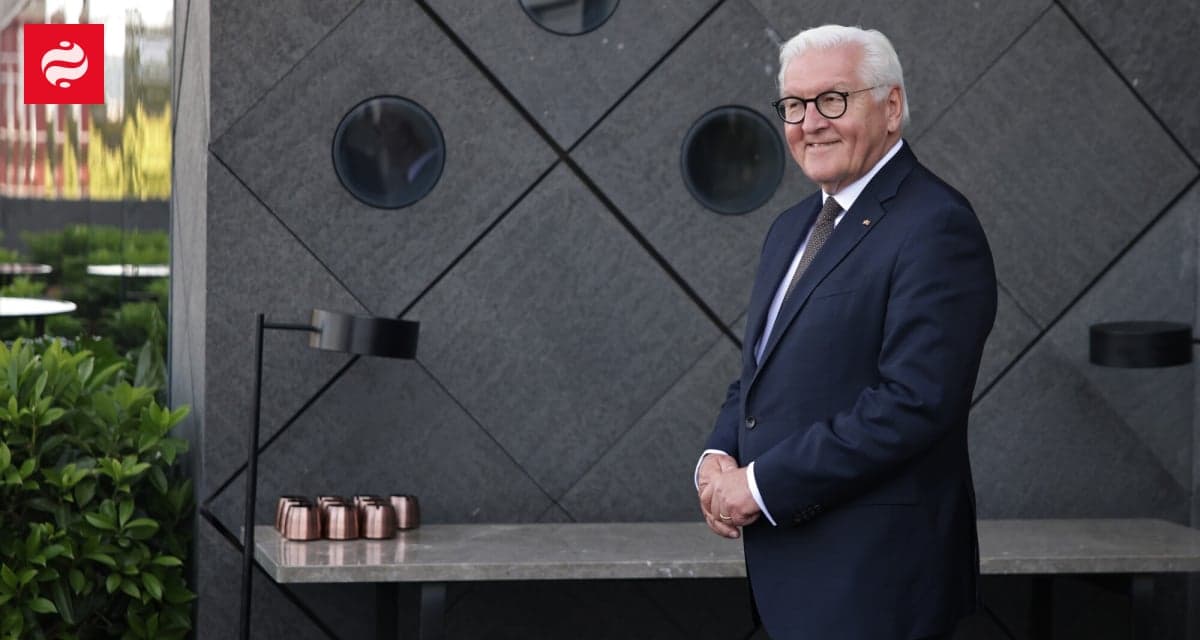
Chinese President Xi Jinping has rejected participating in or hosting a proposed trilateral summit on Ukraine with United States President Donald Trump and Russian President Vladimir Putin, according to German President Frank-Walter Steinmeier in an interview broadcast on November 1, 2026[1][2]. Steinmeier, who recently concluded high-level diplomatic meetings with Xi in Beijing, revealed that the Chinese leader expressed clear surprise at media reports suggesting China would facilitate trilateral peace negotiations[1][2]. Recounting their discussions, Steinmeier confirmed that Xi stated unequivocally that no preparations are underway for any three-way summit concerning the war in Ukraine[1][3]. Following these revelations, Kremlin spokesperson Dmitry Peskov confirmed on November 2 that while bilateral preparations between Putin and Xi for the upcoming Asia-Pacific Economic Cooperation (APEC) summit in Shenzhen remain on track, no concrete arrangements or substantive details exist regarding a trilateral meeting with Trump[1].
The pushback dismantles weeks of diplomatic speculation sparked by Moscow's proposal to convene the three leaders on the margins of the APEC summit, scheduled for November 18–19 in Shenzhen[4][1]. Russian officials, including presidential aide Yury Ushakov, had previously floated the concept of a great-power summit aimed at discussing international security and brokering an end to the war in Ukraine[5][6]. Analysts viewed Moscow's initiative as an effort to orchestrate a Yalta-style framework that would formalize Russian territorial ambitions while breaking Moscow's diplomatic isolation alongside Washington and Beijing[7][8]. President Trump had publicly demonstrated openness to engaging both leaders during his planned travel to China, though he repeatedly maintained that his personal priority for any tripartite engagement was strategic denuclearization and weapons reductions rather than Ukraine[5][9]. Meanwhile, Ukrainian President Volodymyr Zelenskyy and European leaders reacted with sharp concern, warning that negotiations conducted without the affected nations would compromise international law and European sovereignty[1][8].
Key figures shaping this diplomatic maneuvering include Xi, Steinmeier, Trump, Putin, and Peskov[1]. By explicitly clarifying to Steinmeier that the war is fundamentally a European conflict requiring the presence of European nations at the negotiating table, Xi deliberately distanced China from Moscow's trilateral scheme[3][10]. Beijing remains guarded regarding Trump’s transactional diplomatic posture and is wary of entering open-ended grand bargains that could alienate key European trading partners[11][7]. Although China has maintained extensive economic coordination with Russia and stepped up bilateral Arctic and energy initiatives throughout 2026[1][12], Beijing continues to adhere to a declared posture of non-alliance and neutrality, avoiding commitments that would bind its diplomacy to Moscow's specific battlefield aims[13][1].
The immediate implication of Xi’s refusal is a diplomatic setback for the Kremlin's efforts to institutionalize a US-China-Russia triumvirate on global security[7][1]. For European capitals and Kyiv, Beijing's insistence that European stakeholders must participate in any peace architecture provides significant diplomatic leverage, reinforcing the principle that decisions regarding European security cannot be concluded over their heads[7][3]. Nevertheless, the regional dynamic remains intricate: bilateral engagements between Xi and Putin, as well as bilateral discussions between Trump and Xi, are still scheduled on the sidelines of the Shenzhen APEC gathering[1][14]. While a three-way summit on Ukraine has been effectively blunted, both Washington and Moscow will continue to test Beijing's diplomatic positioning as the mid-November summit approaches[1][15].
- Xi Jinping
- Vladimir Putin
- Donald Trump
Story 4 of 12
2 min read
US Proposes Russian Gas Route Through Ukraine with American Oversight, Angering Europe
The United States has put forth a plan for Russian natural gas to flow into Europe via Ukrainian pipelines, managed by an American intermediary to bypass EU sanctions. This initiative aims to create an energy ceasefire before winter, with transit revenues placed in escrow. However, the proposal faces strong opposition from European nations, which view it as a violation of their policy to phase out Russian gas imports.
Read the full storyFold the full story2 min · 7 sources
The United States has presented a framework to Moscow and Kyiv that would allow Russian natural gas to resume flowing into Europe via Ukrainian transit pipelines under the management of an American corporate intermediary, circumventing European Union sanctions[1][2]. The proposal, spearheaded by special envoys Steve Witkoff and Jared Kushner during diplomatic meetings in Moscow, Kyiv, and Florida, aims to establish an energy ceasefire between Russia and Ukraine ahead of the winter heating season[1][3]. Under the proposed structure, revenues generated from gas transit would be deposited into escrow accounts located in a third-country jurisdiction, theoretically barring the Kremlin from utilizing the funds for military expenditures while generating transit fees for Kyiv[1][2].
The initiative comes as European energy stockpiles drop to multi-year seasonal lows, raising fears of supply crunches and price spikes as winter temperatures approach[1][4]. Washington has framed the plan as a pragmatic mechanism to provide Vladimir Putin with an economic incentive to halt long-range bombardments against Ukrainian energy infrastructure[1][2]. The Ukrainian transit corridor, which was largely mothballed in January 2025 following the expiration of bilateral transit arrangements, remains structurally operational and could be reactivated on short notice compared to the damaged Baltic subsea routes[5][2].
The initiative has ignited severe resistance across European capitals, threatening to open a rift between Washington and its European allies[1]. The European Union previously enacted legal frameworks mandating a full phase-out of Russian gas imports by the end of 2027[1][5]. European officials privately voiced outrage at the proposal, with a senior Scandinavian diplomat stating that resuming purchases of Russian gas compromises foundational European policy[1]. Another senior European diplomat described the transaction as dangerous appeasement, drawing comparisons to the 1938 sacrifice of Czechoslovakia at Munich[1].
On the ground, efforts to negotiate an energy armistice remain complicated by active military operations[6]. Although Kyiv briefly paused drone operations against Russian refineries under U.S. pressure in October, continuing Russian missile barrages on Ukrainian civilian grids prompted Ukraine to resume strikes against Russian refining hubs, hitting three major facilities[6]. Observers note that while the White House views gas transit monetization as leverage for planned trilateral negotiations in Abu Dhabi, Brussels’ unwavering stance on structural energy diversification presents a formidable barrier to any formal implementation[1][7].
- United States
- Russia
- Ukraine
Story 5 of 12
2 min read
UN Peacekeeping in Western Sahara Ends Abruptly, Creating Regional Security Vacuum
The United Nations has begun liquidating its Mission for the Referendum in Western Sahara (MINURSO), ending a 35-year peacekeeping operation due to a diplomatic deadlock at the UN Security Council. The US proposed a resolution recognizing Morocco's autonomy framework and phasing out the mission, but Russia vetoed it. A subsequent Russian resolution for an extension also failed, leaving the mission without authorization.
Read the full storyFold the full story2 min · 3 sources
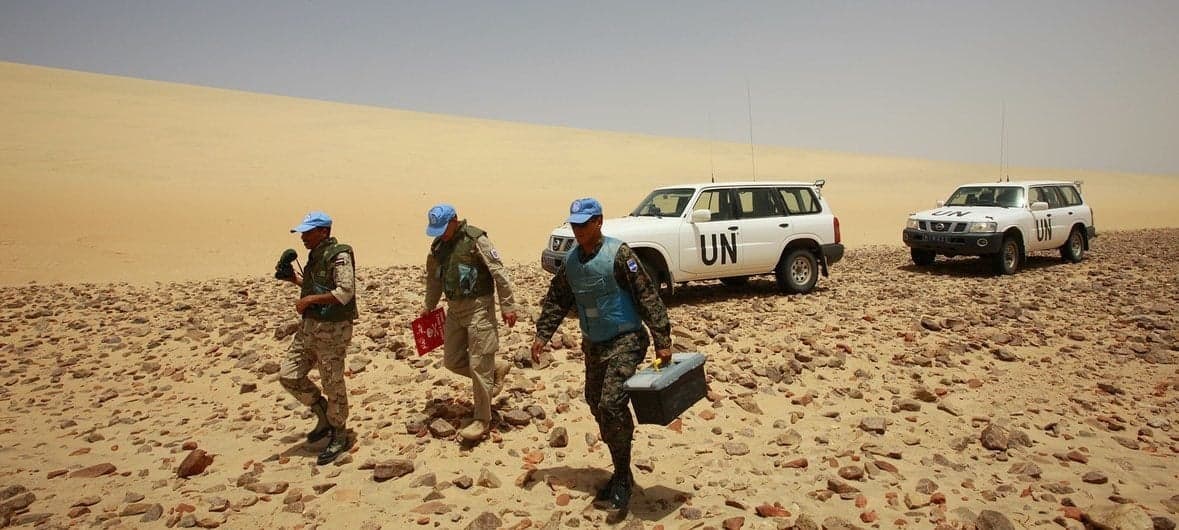
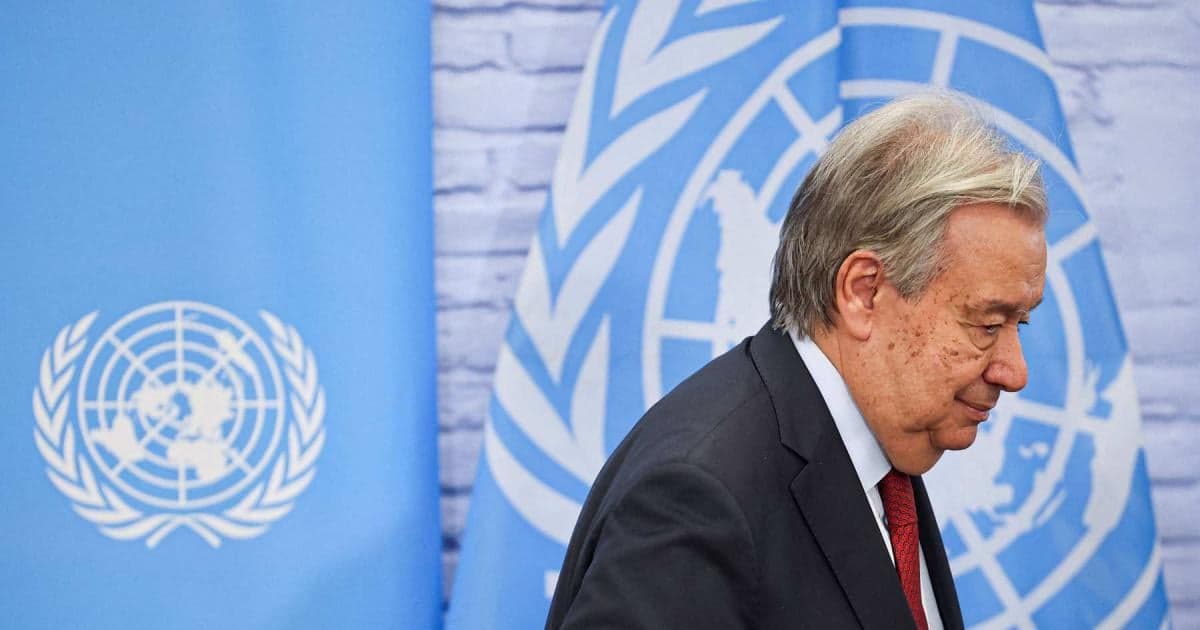
The United Nations officially commenced the liquidation of its Mission for the Referendum in Western Sahara (MINURSO) on November 1, 2026, bringing an abrupt conclusion to a 35-year peacekeeping presence[1][2]. The termination followed a diplomatic impasse at the UN Security Council, where permanent members failed to renew the mission’s mandate before its expiration[2]. Stéphane Dujarric, spokesperson for UN Secretary-General António Guterres, confirmed that a specialized team under the Department of Operational Support has assumed control of the operation to oversee the repatriation of personnel and assets belonging to 41 troop- and police-contributing countries, including Egypt, Ghana, and Pakistan[1][3].
The sudden collapse of MINURSO stems from a major diplomatic clash between Washington and Moscow[1]. The United States drafted a Security Council resolution that formally recognized Morocco’s autonomy framework as the sole political path forward and scheduled the phased wind-down of the peacekeeping mission over the next year[1][2]. Russia exercised its veto to block the American draft, opposing the formal endorsement of Moroccan sovereignty over the territory[1][2]. Subsequent efforts to pass a competing Russian resolution - seeking a standard mandate extension - failed to garner the required votes, leaving the mission without legal authorization to continue operations past its October 31 midnight deadline[1][2].
The dissolution leaves a dangerous strategic void across Western Sahara, a mineral-rich territory along Africa's northwestern Atlantic coast that has been contested since Spain’s colonial withdrawal in 1976[1][2]. MINURSO was deployed in 1991 to monitor a fragile ceasefire between Morocco - which administers roughly 80 percent of the area - and the pro-independence Polisario Front, backed by neighboring Algeria[1][2]. The end of UN monitoring along the militarized sand berm removes the primary institutional barrier separating Moroccan armed forces and Polisario combatants, sharply elevating the risk of renewed, unconstrained warfare.
Regional reactions reflected sharp polarization[1]. Morocco’s royal palace welcomed the mission’s closure, characterizing MINURSO as an outdated mechanism that served primarily to internationalize a localized sovereignty dispute[1]. In contrast, the Polisario Front condemned the withdrawal as an "unacceptable decision" that abandons the Sahrawi people’s right to self-determination[1]. The Algerian Ministry of Foreign Affairs expressed profound regret over the development, directly censuring what it described as the "excessive bias" of U.S. diplomacy[1]. Regional security analysts warn that without international observers on the ground, the conflict could rapidly spill over into cross-border friction between Algiers and Rabat, with direct consequences for North African energy corridors and maritime stability along the Atlantic rim.
- United Nations
- MINURSO
- Western Sahara
Story 6 of 12
2 min read
Trump Acknowledges Espionage Rivalry with China and Russia
President Donald Trump publicly acknowledged that the US conducts extensive, reciprocal espionage against China and Russia. He stated that Washington responds aggressively to covert collection efforts from Beijing and Moscow, asserting American superiority in the covert sphere. This marks a rare explicit validation of active, parity-level intelligence operations against these strategic rivals.
Read the full storyFold the full story2 min · 8 sources
President Donald Trump addressed the intensifying intelligence competition between the United States, China, and Russia, publicly acknowledging during campaign events that Washington conducts extensive, reciprocal espionage against both major adversaries[1][2]. Speaking to supporters in Dubuque, Iowa, Trump recounted being briefed on ongoing covert collection efforts directed at the United States by Beijing and Moscow[1][3]. Brushing aside public alarm, the president stated that Washington responds by running aggressive intelligence collection operations against both powers, asserting that the US operates in the covert sphere "even better" than its rivals[1][3]. The statement represents a rare and explicit public validation from the White House regarding active, parity-level intelligence operations against the two strategic rivals[4].
Trump’s remarks follow a series of federal enforcement actions exposing active covert networks operating within the United States[2][5]. On October 30, federal judges sentenced two Chinese nationals, Liren “Ryan” Lai and Yuance Chen, to 30 months in federal prison and three years of supervised release for acting as unregistered agents of the Chinese government[5]. According to Department of Justice filings, both men operated under the direction of China’s Ministry of State Security (MSS), executing clandestine financial transfers and seeking to compromise US naval personnel and naval installations in California[5]. The case followed the October arrest of California resident Wanying Zhang on charges of conducting surveillance targeting the family of the president of Taiwan at the direction of Chinese intelligence officials[1][2].
The remarks also offered insight into the White House's strategic perception of Chinese and Russian alignment with external adversaries, particularly in the Middle East[3][6]. Trump observed that Beijing and Moscow have maintained a relatively cautious, limited posture regarding direct military assistance to Iran during the ongoing conflict involving US and allied forces[3][6]. He pointed to this restraint as a constructive factor, even while underscoring that both powers continue to target the American defense industrial base and sensitive technical infrastructure through non-kinetic and cyber operations[5][6]. Key entities involved in countering these covert efforts include the Federal Bureau of Investigation (FBI), the Department of Justice, and the broader US intelligence community, which have expanded counter-espionage investigations across military and technological hubs[2][5].
The public acknowledgment of mutual espionage underscores the profound friction operating beneath the surface of high-stakes diplomatic diplomacy[1][7]. While Washington, Beijing, and Moscow continue to lay the groundwork for leader-level economic and arms control dialogues at the upcoming APEC summit in Shenzhen, covert statecraft and counterintelligence crackdowns remain aggressive[8][5]. Observers note that by projecting American superiority in intelligence collection, the administration sought to assure domestic voters of US strategic strength ahead of the midterm elections, while signaling to both China and Russia that diplomatic engagement will not dilute domestic enforcement against foreign espionage networks[5][3].
- Donald Trump
- China
- Russia
Story 7 of 12
3 min read
Rubio: Ukraine War May Extend to Spring 2027, Defends Russian Contacts
US Secretary of State Marco Rubio stated that a peace settlement for Ukraine is unlikely before spring 2027, following the G20 Foreign Ministers’ Meeting in Atlanta. He confirmed a brief interaction with Russian Foreign Minister Lavrov, focusing on potential US-Russia engagement at the upcoming APEC summit. Rubio defended these contacts as vital for preventing miscalculation.
Read the full storyFold the full story2 min · 9 sources
Concluding the two-day Group of 20 (G20) Foreign Ministers’ Meeting in Atlanta, US Secretary of State Marco Rubio stated on November 1, 2026, that he does not anticipate Russian President Vladimir Putin agreeing to any peace settlement regarding Ukraine before spring 2027[1]. Speaking at a post-ministerial press availability, Rubio confirmed that he held an informal, brief interaction on the sidelines with Russian Foreign Minister Sergey Lavrov[2][3]. The exchange focused primarily on the logistical potential for Trump and Putin to interact during the mid-November APEC summit in Shenzhen[2][3]. Rubio emphasized that while no formal bilateral meeting took place with Lavrov in Atlanta, maintaining baseline diplomatic communication channels between Washington and Moscow is vital to prevent miscalculation and potential nuclear escalation[3].
The diplomatic exchange in Atlanta played out against deep structural rifts among G20 members[4][5]. Host officials were forced to cancel the traditional ministerial "family photo" after several European delegates objected to appearing alongside Lavrov and threatened a walkout[4][5]. While European allies continue to insist on the comprehensive isolation of Russian officials following the 2022 invasion of Ukraine, the Trump administration has pursued a more transactional posture, engaging Moscow on specific energy flows - such as recent sanctions relief on Russian diesel fuel - while floating diplomatic off-ramps[4][6][3]. Rubio defended the administration’s contacts, arguing that direct dialogue is essential if the United States is to maintain credibility as a potential mediator between the warring sides[7].
In addressing the realities on the ground, Rubio framed the war in Ukraine not as a borderless campaign, but as an entrenched conflict fundamentally centered on approximately 11 percent of Ukraine’s territory in the Donbas region[1]. He observed that Russia has demonstrated an inability to take this territory militarily, while Ukraine has legitimate security reasons to refuse conceding it, resulting in a protracted military impasse[1]. Furthermore, Rubio cast significant doubt on whether Putin will attend the G20 Leaders’ Summit hosted by President Trump at his Doral resort in Miami this December[1][2]. Although the White House extended an official invitation to Putin - and indicated an openness to inviting President Zelenskyy as well - Rubio suggested that Russian attendance remains contingent on tangible diplomatic outcomes, dampening expectations for a near-term breakthrough[1][3].
The ministerial also highlighted the broader strategic competition between the US and China[4][8]. Rubio leveraged the closing sessions of the Atlanta gathering to urge G20 allies to fortify global supply chains and counter Chinese dominance over critical minerals through American-led initiatives like Pax Silica[8]. The meeting closed without a joint consensus communique on core security flashpoints, including the Russia-Ukraine conflict, Middle East regional hostilities, and navigation disputes in the Indo-Pacific[4][8]. For allied governments, Rubio's candid projection of an extended conflict timeline until at least 2027 signals that Washington expects sustained European defense support for Ukraine, even as US officials test bilateral communications with Moscow ahead of a packed diplomatic schedule in Shenzhen and Miami[9][1][2].
- Marco Rubio
- Vladimir Putin
- Sergey Lavrov
Story 8 of 12
3 min read
US and Canada Revive Trade Talks Amidst Midterm Election Pressure
Canada and the U.S. have restarted bilateral trade negotiations, aiming to create a comprehensive economic agreement. The talks, confirmed by both Prime Minister Mark Carney and President Donald Trump, are expected to address contentious issues like the Keystone XL pipeline and extend cross-border energy cooperation. This diplomatic breakthrough occurs just before U.S. midterm elections, where trade disruptions have been a significant concern for voters.
Read the full storyFold the full story2 min · 16 sources
In an unexpected diplomatic breakthrough, Canadian Prime Minister Mark Carney and U.S. President Donald Trump held discussions to restart stalled bilateral trade talks, instructing their respective negotiating teams to convene in the coming weeks to craft a comprehensive economic agreement[1][2]. Speaking to reporters before a campaign event in Iowa, President Trump confirmed the dialogue, announcing that Washington and Ottawa now have the "concept of a very good deal" that will protect American farmers and expand cross-border energy cooperation[3]. Among the most contentious elements floated by Trump is the revival of the Keystone XL pipeline project, an initiative previously canceled under the Biden administration that the White House now claims Canadian stakeholders will finance along a largely predetermined corridor[4]. Prime Minister Carney confirmed the discussions, describing them as constructive while asserting that any final agreement must protect Canadian workers, improve consumer affordability, and strictly respect national sovereignty and cultural protections[1][5].
The rapprochement follows a sharp breakdown in bilateral economic diplomacy that occurred in August 2026[2][3]. Negotiations had collapsed after the United States refused to extend tariff exemptions to medium- and heavy-duty commercial vehicles and reportedly sought restrictions related to Canadian language provisions - a condition Ottawa firmly rejected as an unacceptable infringement on Canadian cultural autonomy[2][6]. Following that stalemate, Washington slapped fresh duties on roughly $20 billion worth of Canadian goods spanning building materials and consumer goods, prompting Canada to levy retaliatory counter-tariffs that culminated in threats of U.S. tariffs reaching up to 50% on select categories[3]. The sudden pivot toward de-escalation arrives two days before the U.S. midterm elections, where inflationary pressures and cross-border trade disruptions have emerged as central voter concerns[2][3].
The key figures steering this high-stakes engagement include Prime Minister Mark Carney, President Donald Trump, U.S. Trade Representative Jamieson Greer, and White House National Economic Council Director Kevin Hassett[1][7][8]. Domestically, Canadian Conservative opposition leader Pierre Poilievre pushed Carney to finalize an agreement swiftly, arguing that domestic businesses cannot afford prolonged tariff uncertainty[9]. However, Canadian cabinet ministers have privately expressed caution, describing the American negotiating posture as volatile and noting that fundamental disagreements persist over rules of origin for the automotive sector, supply management in dairy, and broad exemption clauses[10][11].
For North American industry, the resumption of talks offers critical relief to cross-border manufacturers, particularly automakers and agricultural exporters whose integrated supply chains have suffered under months of tit-for-tat duties[2][3]. Market analysts note that auto parts frequently cross the U.S.-Canada border multiple times during assembly, rendering tariff friction uniquely destructive to production margins[2]. Should the negotiations successfully institutionalize tariff rollbacks, it could stabilize North American freight corridors and relieve cost pressures on capital goods[12][2]. However, trade policy experts emphasize that significant legal hurdles remain; reviving an infrastructure venture of Keystone XL’s magnitude would require extensive regulatory navigation, private sector capital commitments, and environmental reviews that face immediate legal challenges from environmental groups[4].
International relations scholars view the sudden thaw through the lens of electoral politics and broader North American geostrategy[13][2]. Confronted with widespread public frustration over tariff-driven inflation and legal pushback in domestic courts over unilateral executive tariffs, the Trump administration is seeking tangible commercial wins[14][15]. Simultaneously, Prime Minister Carney’s willingness to re-engage - while simultaneously courting the European Union and Northern European partners - reflects a calculated strategy: offering Washington a pathway to mutual de-escalation while demonstrating that Canada maintains viable alternative trade partnerships if unilateral pressure resumes[16][2].
- Mark Carney
- Donald Trump
- Keystone XL pipeline
Story 9 of 12
2 min read
Canada Deepens European Industrial Ties to Mitigate Trade Volatility
Canadian Minister of Industry Mélanie Joly is leading efforts to strengthen industrial partnerships with Northern Europe, leveraging the Canada-EU Comprehensive Economic and Trade Agreement (CETA). The initiative aims to foster joint ventures in sectors like aerospace, AI, and critical minerals, positioning Canada as a key partner for Western industrial resilience. This move is partly driven by ongoing trade disputes with the United States.
Read the full storyFold the full story2 min · 11 sources
Canadian Minister of Industry Mélanie Joly arrived in Sweden to lead bilateral economic and industrial delegations at Network Conference 2026, launching a campaign to accelerate commercial integration between Canada and Northern Europe[1][2]. The mission focuses on translating existing trade frameworks - principally the Canada–European Union Comprehensive Economic and Trade Agreement (CETA) - into direct industrial joint ventures in critical sectors such as advanced aerospace, artificial intelligence, defense procurement, clean energy technologies, and critical minerals supply chains[1][3][4]. Minister Joly held high-level sessions with European corporate executives and industrial leaders, positioning Canada as an indispensable, resource-rich partner capable of anchoring Western industrial resilience[1][2].
The timing of the Canadian industrial delegation reflects Ottawa's broader strategic pivot toward Europe amid persistent commercial disputes with the United States[5][2]. Over the past 18 months, Ottawa and Brussels have worked intensively to forge an upgraded strategic alliance, which recently culminated in discussions regarding Canada becoming an "associate member" of the EU bloc[6][2]. Concurrently, Canada’s industrial outreach builds upon deepened security ties following Sweden’s 2024 accession to NATO, blending economic diplomacy with transatlantic defense-industrial collaboration[1][3].
The core participants driving this outreach are Minister Mélanie Joly, Swedish Deputy Prime Minister and Minister for Energy, Business and Industry Ebba Busch, and defense-industrial representatives across both nations[7][4]. A tangible outcome highlighted during the meetings was the commercial expansion of defense supply arrangements, including a major defense contract for Montreal-based manufacturer Galvion to supply military equipment across Northern Europe under regional security initiatives[8]. The delegation also reviewed joint initiatives on critical mineral refining and venture capital deployment to support early-stage technology enterprises[9][4].
For Canadian and European manufacturers, the push toward targeted industrial pacts provides a counterweight to rising global protectionism[10][2]. Utilizing CETA’s duty-free market access - which covers roughly 98% of tariff lines - companies in both jurisdictions are working to establish resilient supply chains for specialized metals and digital infrastructure that bypass single-source supplier vulnerabilities[11][3]. The initiative also creates clear pathways for Canadian technology and defense firms to participate in European research and industrial programs, including prospective negotiations for Canada to join satellite and communications frameworks like Galileo and IRIS²[8].
Geopolitical strategists view Canada’s assertive economic diplomacy in Northern Europe as a calculated hedging strategy[5][2]. Facing recurring tariff disputes and shifting trade policies in North America, Ottawa is actively diversifying its capital and trading relationships across the Atlantic[5][6]. Industry experts note that Minister Joly's commercial engagements demonstrate how middle powers are utilizing targeted bilateral industrial partnerships within multilateral alliances to insulate their domestic economies against unilateral shocks from major global trading powers[10][2].
- Mélanie Joly
- Canada
- Europe
Story 10 of 12
2 min read
Switzerland Diversifies Trade to Combat Global Protectionism and Dependencies
Switzerland has launched a proactive trade diversification strategy to safeguard its open economy against rising global protectionism and the weaponization of economic dependencies. President Guy Parmelin announced enhanced trade agreements with Beijing and the Mercosur bloc, alongside initiatives with India, Thailand, and Vietnam. This pivot aims to create new growth markets and provide regulatory certainty for Swiss industries.
Read the full storyFold the full story2 min · 2 sources
Swiss President Guy Parmelin announced a strategic trade diversification doctrine designed to protect Switzerland’s open economy from weaponized dependencies and escalating great-power protectionism[1]. Addressing international correspondents at a press briefing in Bern, Parmelin warned that the multilateral rules-based international trading architecture is facing structural erosion[1]. Asserting that economic dependencies are increasingly being deployed as coercive instruments of power by global superpowers, Parmelin stated unequivocally that "isolationism is not an option for Switzerland" and that aggressive geographical diversification represents the nation's primary economic defense[1].
The policy pronouncement follows a series of trade agreements negotiated by Bern to insulate domestic industries from unilateral tariff shocks[1]. Central to this strategy is an enhanced bilateral free trade agreement concluded with Beijing, alongside a trade accord signed with the South American Mercosur bloc, which opens preferential access to a commercial market of 270 million consumers[1]. Parmelin also highlighted ongoing diplomatic and commercial initiatives with India, Thailand, and Vietnam, reflecting a concerted effort by the Swiss Federal Council to pivot toward dynamic growth markets across Asia and Latin America[1].
Key actors shaping this pivot include President Guy Parmelin, the Swiss Federal Department of Economic Affairs, Education and Research (EAER), and Swiss export confederations spanning pharmaceuticals, precision machinery, specialty chemicals, and watchmaking[1]. Parmelin was careful to clarify that Switzerland's outreach across the Indo-Pacific and South America is not intended to displace traditional partnerships[1]. Commercial exchanges with the European Union and the United States remain Switzerland's foremost economic priority, with Bern maintaining active diplomatic channels in Washington to resolve friction stemming from recent U.S. tariff measures[1].
The economic implications for Swiss industry are substantial[1]. Highly dependent on external markets for its national prosperity, Switzerland’s export-driven manufacturing base faces acute vulnerability when major global trading blocs restrict market access or engage in subsidy races[1]. By locking in bilateral trade terms across non-aligned and emerging markets, Swiss multinational corporations gain greater regulatory certainty and alternative demand channels[1]. Industry observers point out that the Mercosur agreement and enhanced access to China provide vital relief for Swiss chemical and machinery exporters contending with sluggish growth in continental Europe[1].
International relations analysts interpret Parmelin’s remarks as a direct commentary on the fracturing of the World Trade Organization (WTO) consensus[2][1]. Parmelin framed the Swiss doctrine as an ideological defense of legalism over coercion, declaring that "cooperation is better than confrontation" and that "common rules are better than the law of the jungle"[1]. Experts note that Switzerland's maneuver reflects a broader trend among technologically sophisticated mid-sized economies: building multi-regional trade alliances to preserve autonomy and avoid being forced into rigid, exclusionary geopolitical spheres of influence[2][1].
- Switzerland
- Guy Parmelin
- China
Story 11 of 12
2 min read
China and Oman Forge Trade Pact Amid Persian Gulf Security Concerns
China and Oman have agreed to advance a preferential trade and investment agreement, coinciding with efforts to ensure safe navigation and economic stability in the Persian Gulf. President Xi Jinping and Sultan Haitham bin Tariq al-Said released a joint statement addressing regional conflicts that threaten maritime commerce. The proposed pact includes tariff reductions, infrastructure investment, and energy security guarantees, with Oman serving as a key logistics hub.
Read the full storyFold the full story2 min · 4 sources
Chinese President Xi Jinping held strategic discussions with Omani Sultan Haitham bin Tariq al-Said, resulting in a joint declaration to advance a bilateral preferential trade and investment agreement while addressing mounting security risks to Middle Eastern commerce[1][2][3]. During the talks, President Xi warned that the global political landscape is undergoing structural transformations and firmly asserted that the Persian Gulf must not become an "arena for great-power rivalry and geopolitical conflict"[1][2]. In response to severe maritime shipping snarls in the Strait of Hormuz driven by regional warfare, both heads of state released a comprehensive 20-point joint statement calling for the immediate restoration of safe commercial navigation and formalized economic stabilization[2].
The commercial framework under negotiation targets bilateral tariff reductions, infrastructure capital deployment, and energy security guarantees[1][2][3]. As regional conflicts disrupt tanker routes and drive up maritime insurance premiums and global energy freight rates, China has moved to deepen institutional trade links with Gulf Cooperation Council (GCC) member states[2]. Oman, strategically positioned along the Arabian Sea outside the immediate chokepoints of the upper Gulf, has increasingly served as a preferred logistics and transshipment hub for Chinese state-backed industrial projects and energy shipments[2][3].
The key institutional figures involved include President Xi Jinping, Sultan Haitham bin Tariq al-Said, China’s Ministry of Foreign Affairs, and Chinese Special Envoy to the Middle East Zhai Jun, who was dispatched for immediate regional consultations[2]. The economic initiative directly impacts state-owned energy conglomerates, maritime shipping consortia, and infrastructure enterprises involved in port operations, petrochemical manufacturing, and desalination technologies[2][3]. The proposed pact also seeks to establish preferential investment channels for Chinese renewable energy and telecommunications firms seeking entry into Gulf economies diversifying away from oil[2].
From an industry standpoint, securing commercial and maritime stability in the Gulf is vital for global energy markets[2][3]. Analysts at major state energy corporations noted that supply buffers have eroded significantly under ongoing geopolitical clashes, making predictable sea lanes essential to preventing supply disruptions[3]. By drafting bilateral trade mechanisms that couple lower trade barriers with joint logistics and supply security commitments, Beijing and Muscat aim to establish alternative freight routes that bypass regional chokepoints[4][2].
Diplomatic commentators view this engagement as a dual-track economic and geopolitical maneuver[1][2]. While Washington’s regional policy remains dominated by military posture and sanctions enforcement, Beijing is presenting itself as an economic stabilizer and neutral commercial partner capable of bridging diplomatic divides[2]. By warning against external great-power hegemony while locking down preferential trade arrangements with Oman, China aims to solidify its position as an indispensable economic anchor in the Middle East, leveraging bilateral commercial pacts to secure its energy lifelines and expand its commercial footprint across Arab states[1][2].
- China
- Oman
- Xi Jinping
Story 12 of 12
2 min read
China-Peru FTA Upgrade Effective, Enhancing Global Supply Chains and Digital Trade
A modernized Free Trade Agreement (FTA) between China and Peru has officially taken effect, significantly deepening economic ties and codifying new global supply chain corridors. The revised agreement updates existing chapters on trade, investment, and intellectual property, while introducing new sections on e-commerce, environmental standards, and supply chain logistics. This accord is expected to streamline trade in key sectors like minerals and agribusiness.
Read the full storyFold the full story2 min · 5 sources
The official protocol upgrading the comprehensive Free Trade Agreement (FTA) between China and Peru entered into force, marking a major milestone in Beijing's economic integration with Latin America[1][2]. Announced by China’s Ministry of Commerce (MOC), the implementation operationalizes sweeping revisions that modernize the original bilateral trade framework established in 2009[1]. The upgrade is the culmination of negotiations launched in November 2018 and signed in late 2024, designed to align the bilateral economic relationship with contemporary digital trade practices, regulatory harmonization, and industrial logistics[1].
Substantively, the revised protocol revamps seven foundational chapters of the existing agreement - including rules of origin, customs procedures and trade facilitation, sanitary and phytosanitary (SPS) measures, intellectual property rights, trade in services, temporary entry of business personnel, and investment protection[1]. Crucially, the agreement incorporates five entirely new chapters addressing standards and conformity assessment cooperation, competition policy, e-commerce, environmental standards, and global supply chains[1]. Within the supply chain chapter, the agreement establishes clear mechanisms encouraging multimodal transport networks, trade logistics corridors, and port infrastructure development[1]. Furthermore, both nations agreed to future negotiations centered on "negative list" commitments for investment and cross-border service trade, setting a trajectory for even deeper reciprocal market access[1].
The primary institutional architects of the accord are China's Ministry of Commerce and Peru’s Ministry of Foreign Trade and Tourism[1]. China currently stands as Peru’s largest overall trading partner, its top export market, and its primary source of imported manufactured goods, while Peru serves as China’s fourth-largest commercial partner in Latin America[1]. The modernized agreement directly impacts major sectors including mineral extraction - specifically copper, iron ore, and lithium - alongside agribusiness exporters, logistics conglomerates, and digital commerce platforms operating across the trans-Pacific corridor[1].
Trade policy specialists emphasize that the upgraded agreement represents a strategic template for China’s economic diplomacy in the Global South[1]. By explicitly integrating clauses on multimodal transport and logistics corridors, the protocol complements high-capacity Pacific maritime infrastructure, such as the major deep-water port facilities in Chancay, designed to shorten maritime transit times between South America and Asia[1]. For Peruvian agricultural and mineral producers, streamlined SPS inspections and simplified rules of origin provide a competitive advantage over regional peers when entering Chinese consumer and industrial markets[1].
From a broader geopolitical standpoint, the protocol’s activation underscores the diverging trade philosophies governing global commerce[3][1]. While traditional Western markets increasingly turn toward protectionist tariffs and supply-chain nearshoring, Beijing is actively codifying long-term institutional agreements with resource-rich economies[4][1]. Analysts observe that by securing formalized supply chain guarantees and standardizing regulatory frameworks with Lima, China is insulating its domestic industrial base against potential critical-mineral bottlenecks and anchoring its geopolitical presence along the Pacific Rim[5][1].
- China
- Peru
- Free Trade Agreement
You're all caught up.
That's every story in Monday's PiBrief Geopolitics. And there's a newer edition waiting for you.
All PiBrief Geopolitics editions
Subscribe to receive daily briefings about geopolitics and world news in your email.
Get PiBrief Geopolitics in your inbox
A free newsletter on geopolitics and world news. Diplomacy, conflict, the global economy, and elections, ranked and explained, with an audio briefing in every edition.
Free forever / no account / 1-click unsubscribe