
US-Iran Hormuz talks, Russia-Ukraine peace bid & more
The United States and Iran advance a rapid de-escalation plan for the Strait of Hormuz amid broader regional diplomacy. Meanwhile, Washington prepares to mediate renewed peace negotiations between Russia and Ukraine in Abu Dhabi. Elsewhere, Turkey approaches Egypt with a proposed maritime agreement in the Eastern Mediterranean.
12 stories49 sources checked
Listen to this edition
PiBrief Geopolitics, November 3, 2026
The lineup
In this edition
 01
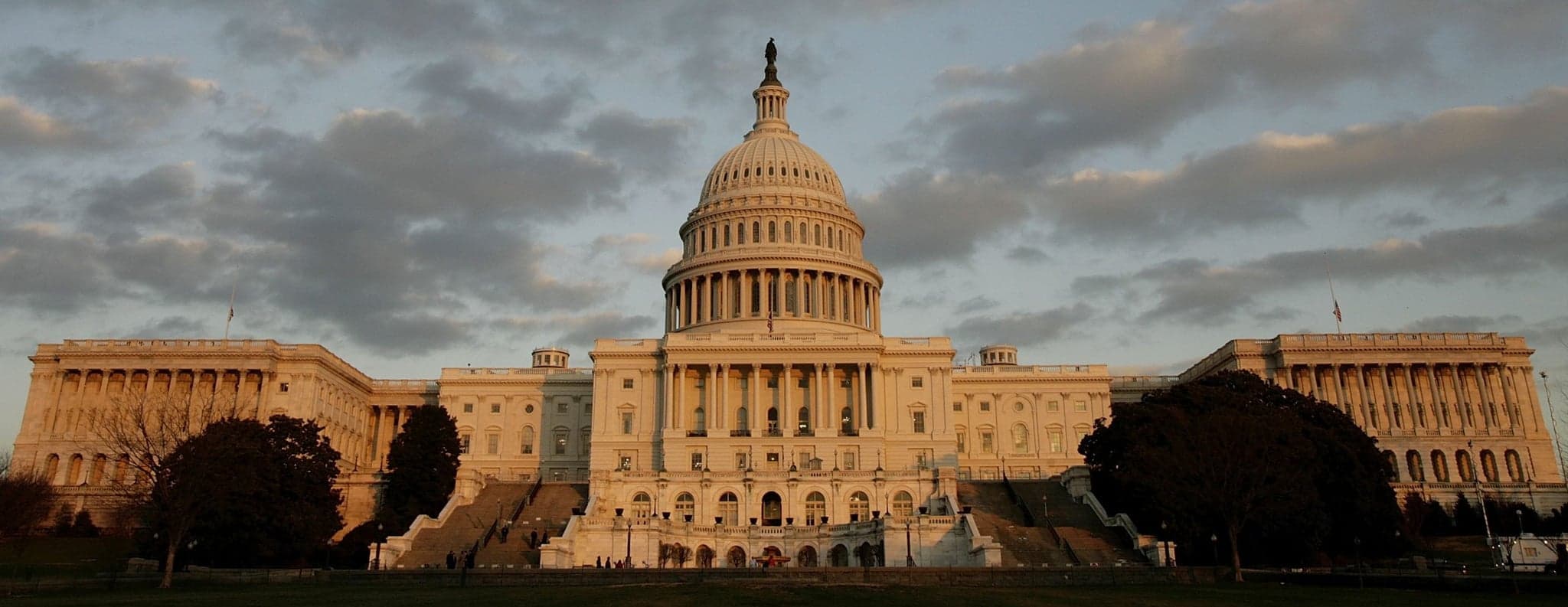
US-Israel Military Posture Friction Emerges Amid Qatari-Led Iran De-escalation Talks
 02
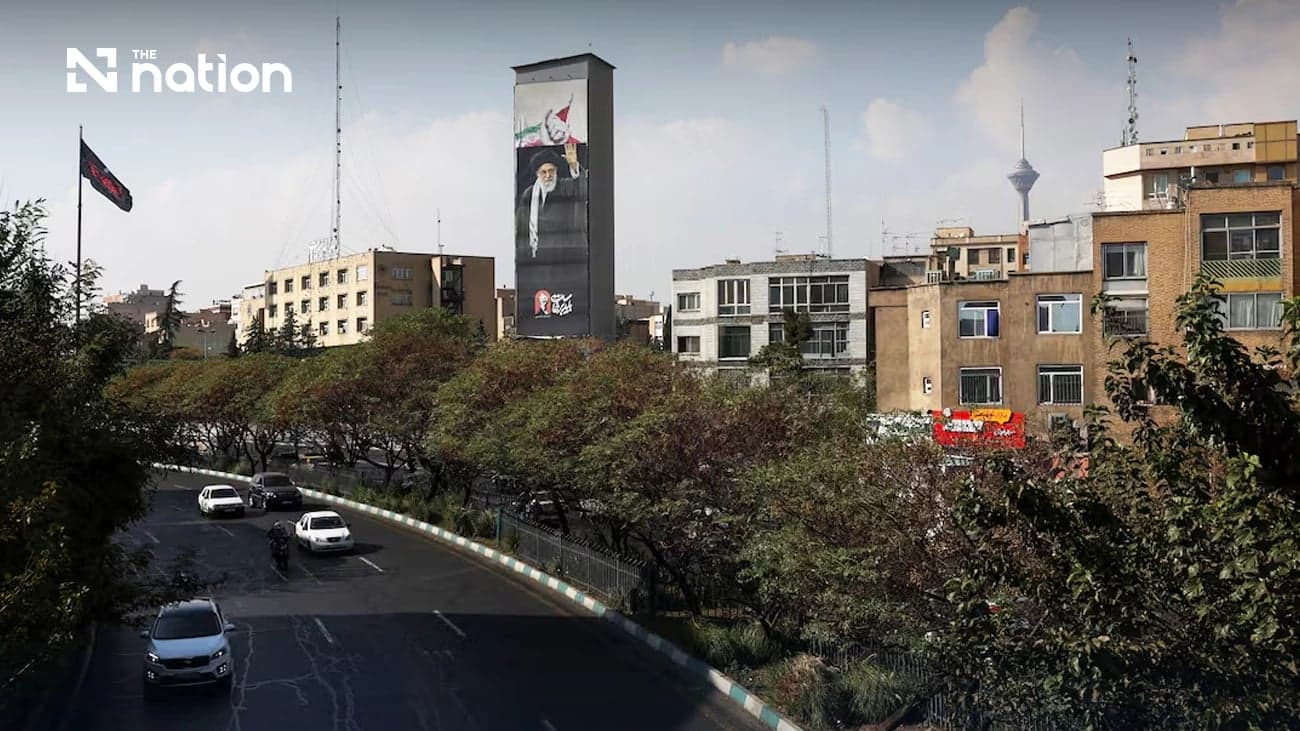
US and Iran Advance Rapid 48-Hour Plan for Strait of Hormuz De-escalation
 03
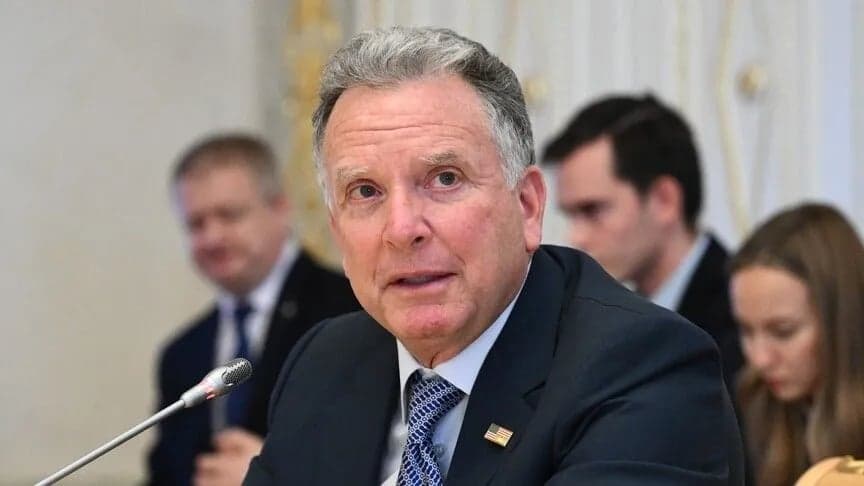
US to Mediate Renewed Peace Talks Between Russia and Ukraine in Abu Dhabi
- 04
China and Oman Elevate Strategic Partnership with Beijing Summit, Deepening Energy and Tech Cooperation
- 05
India and Vietnam Bolster Strategic Partnership with Enhanced Defense and Intelligence Cooperation
 06
US and India Launch 'Tiger Triumph 2026' Naval Drills, Deepening Security Alignment
 07
Makkah Defence Alliance Faces Test as Syria Seeks Membership
 08
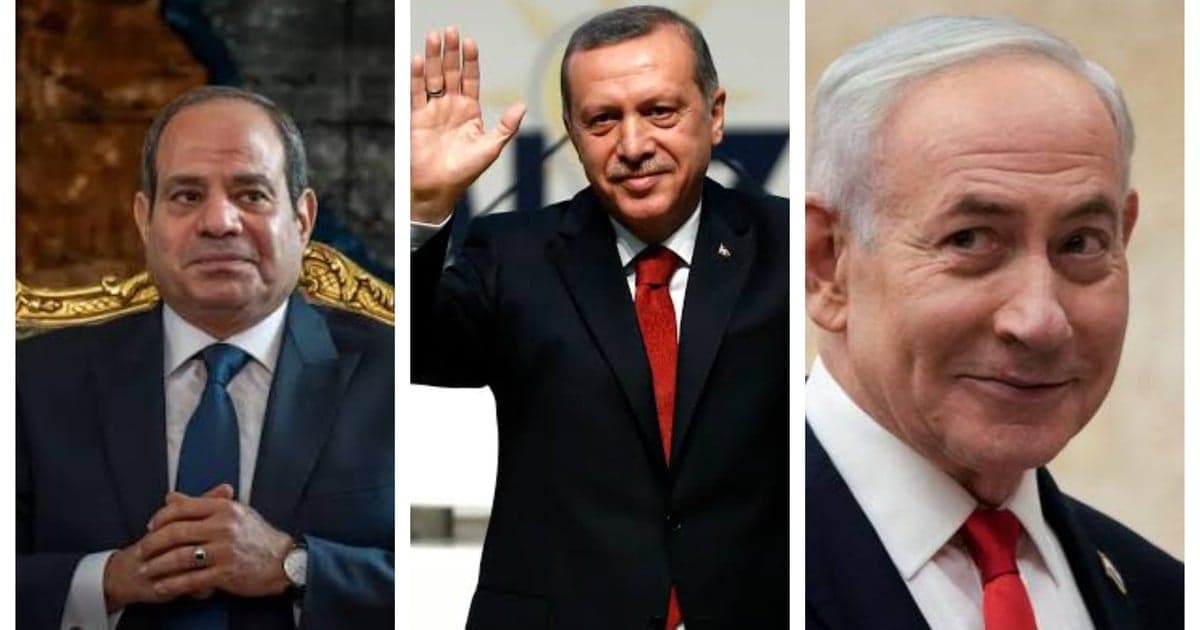
Turkey Offers Maritime Deal to Egypt Amid Eastern Mediterranean Realignment
- 09
Egypt and Sudan Bolster Defense Pact, Warn Against Nile Interference
 10
US Secretary of State Rubio Meets Venezuelan Foreign Minister Blanco on Election Framework
- 11
China and Peru Upgrade Free Trade Agreement, Cementing Strategic Economic Alliance
- 12
Russia Blames US as UN Western Sahara Peacekeeping Mandate Terminates
See all 12 as a listHide the list
- US-Israel Military Posture Friction Emerges Amid Qatari-Led Iran De-escalation Talks
- US and Iran Advance Rapid 48-Hour Plan for Strait of Hormuz De-escalation
- US to Mediate Renewed Peace Talks Between Russia and Ukraine in Abu Dhabi
- China and Oman Elevate Strategic Partnership with Beijing Summit, Deepening Energy and Tech Cooperation
- India and Vietnam Bolster Strategic Partnership with Enhanced Defense and Intelligence Cooperation
- US and India Launch 'Tiger Triumph 2026' Naval Drills, Deepening Security Alignment
- Makkah Defence Alliance Faces Test as Syria Seeks Membership
- Turkey Offers Maritime Deal to Egypt Amid Eastern Mediterranean Realignment
- Egypt and Sudan Bolster Defense Pact, Warn Against Nile Interference
- US Secretary of State Rubio Meets Venezuelan Foreign Minister Blanco on Election Framework
- China and Peru Upgrade Free Trade Agreement, Cementing Strategic Economic Alliance
- Russia Blames US as UN Western Sahara Peacekeeping Mandate Terminates
Story 1 of 12
2 min read
US-Israel Military Posture Friction Emerges Amid Qatari-Led Iran De-escalation Talks
Significant operational friction has surfaced between the U.S. and Israel regarding military escalation timelines against Iran. Prime Minister Netanyahu urged immediate strikes, while President Trump favored allowing ongoing multilateral negotiations, mediated by Qatar, to conclude first. This disagreement follows recent mine explosions in the Strait of Hormuz, which intensified regional tensions and threatened oil flows.
Read the full storyFold the full story2 min · 2 sources
High-stakes diplomatic reporting on November 2, 2026, revealed substantial operational friction between Washington and Jerusalem over their joint posture toward the regional conflict with Iran[1]. A high-level bilateral phone call between U.S. President Donald Trump and Israeli Prime Minister Benjamin Netanyahu underscored divergent timelines for potential military escalation[1]. According to intelligence and diplomatic sources, Netanyahu pressed the United States to commit to kinetic military strikes directly targeting Iranian assets immediately following the U.S. midterm elections[1]. Conversely, President Trump took a direct stance against an immediate military escalation, insisting that active multilateral negotiations must first be allowed to play out before any transition back to sustained combat operations is authorized[1].
The strategic rift follows a dangerous military escalation in the Persian Gulf over the preceding forty-eight hours, during which the Islamic Revolutionary Guard Corps (IRGC) Navy reported that two commercial oil tankers suffered mine-induced explosions after traversing unauthorized corridors within the Strait of Hormuz[1]. The incident threatened to choke off maritime crude flows and ignited acute global energy market volatility[1]. Amid the crisis, Iranian Supreme Leader Mojtaba Khamenei publicly convened the regime’s top three military commanders, issuing a directive that any joint U.S.-Israeli strikes must be met with an immediate, retaliatory response without geographic limitations to maintain strategic deterrence[1].
Concurrently, intense backchannel diplomatic maneuvers gained momentum through mediation led by Qatar[1]. Qatari interlocutors conducted an emergency 12-hour negotiating marathon in Tehran with Iranian officials, remaining in continuous contact with the White House throughout the session[1]. Iranian Foreign Ministry Spokesperson Esmaeil Baghaei confirmed that discussions centered on an updated seven-point de-escalation plan designed to restore commercial shipping access through the Strait of Hormuz in exchange for structured sanctions relief and a verifiable pause in allied strikes[1]. Iranian negotiators subsequently departed Doha after circulating a draft proposal for direct and indirect engagements[1].
The friction between Washington and Tel Aviv highlights a widening divide in allied grand strategy[1]. While Israeli leadership views the current operational window as an opportunity to weaken Iranian deterrence capabilities, Washington is balancing severe domestic inflationary sensitivities tied to crude oil spikes against the risk of an unconstrained regional war[2][1]. Diplomatic insiders describe the bilateral dialogue between Trump and Netanyahu as tense, signaling that the White House is actively exercising leverage to restrain Israeli military timetables in favor of diplomatic pathways coordinated with Gulf intermediaries[1].
- United States
- Israel
- Iran
Story 2 of 12
2 min read
US and Iran Advance Rapid 48-Hour Plan for Strait of Hormuz De-escalation
The United States and Iran have rapidly advanced a de-escalation plan for the Strait of Hormuz through Qatari and Pakistani backchannels, with Iran proposing a 48-hour timetable. Iran has offered to reopen commercial navigation in exchange for the lifting of maritime blockades, sanctions waivers, and financial sanctions. This diplomatic push gained momentum following U.S. Vice President JD Vance's communications with Iranian leadership.
Read the full storyFold the full story2 min · 11 sources
Intensive indirect negotiations between the United States and Iran advanced rapidly via Qatari and Pakistani backchannels, culminating in an Iranian proposal to shorten the implementation of a naval and economic de-escalation package to a 48-hour timetable[1][2]. Following extensive preparatory meetings in Doha between Iranian Deputy Foreign Minister Kazem Gharibabadi and Qatari mediators, a senior Qatari delegation departed Doha for Tehran to present a revised draft agreement directly to Iranian Foreign Minister Abbas Araghchi[1][2]. Iranian Foreign Ministry Spokesperson Esmaeil Baghaei and Parliamentary Speaker Mohammad Baqer Qalibaf confirmed the diplomatic engagement, asserting that Tehran had submitted a condensed version of its previously tabled seven-step framework and declaring that "the ball is in the U.S. court"[3][4].
The diplomatic framework seeks to resolve the acute regional security crisis surrounding the Strait of Hormuz[1][5]. Under the terms of the proposal, Iran has offered to fully reopen commercial navigation in the vital maritime transit corridor within two days, conditioned on Washington lifting its maritime blockade of Iranian ports, granting waivers for Iranian crude oil sales, and revoking punitive financial sanctions[1][6]. The renewed dialogue gained momentum following diplomatic messaging originating from U.S. Vice President JD Vance transmitted via Doha, which Iranian leadership interpreted as a shift toward diplomatic resolution[6][7]. Parallel diplomatic overtures have also emerged across the region: Araghchi engaged with counterparts from Saudi Arabia, Turkey, and Pakistan to explore regional security frameworks independent of foreign military deployments[4].
The delicate negotiations unfolded against a backdrop of ongoing military exchanges that underscore the extreme volatility of the corridor[8]. Overnight, U.S. forces conducted targeted strikes on Iranian coastal surface-to-air missile launchers and radar installations on Qeshm Island in the Strait of Hormuz, which Washington described as a localized defensive action in response to threats against American reconnaissance assets[8][4]. Simultaneously, the Islamic Revolutionary Guard Corps claimed to have downed U.S. drones south of Qeshm[9][4]. Domestically, the Iranian government is contending with widespread economic unrest, with organized rallies by retirees, agricultural workers, and labor unions reported across nine provinces protesting economic stagnation and state management[10][10].
Global commodity markets registered the diplomatic momentum, with international crude benchmarks plunging more than 7% as energy traders factored in a potential peaceful resolution to the maritime bottleneck[1][5]. However, security experts remain cautious, observing that despite heightened diplomatic contacts, a formal accord remains precarious[4][11]. With Iranian hardliners threatening unrestricted retaliatory measures if further strikes occur, and Washington balancing diplomatic avenues with defensive posture requirements, the 48-hour framework represents a narrow operational window to avert a broader military escalation[3][6][4].
- United States
- Iran
- Strait of Hormuz
Story 3 of 12
2 min read
US to Mediate Renewed Peace Talks Between Russia and Ukraine in Abu Dhabi
The United States will resume mediating high-level peace negotiations between Russia and Ukraine in Abu Dhabi on November 10-11, 2026. This marks the first structured engagement under U.S. mediation since earlier talks stalled. Discussions will focus on security, de-escalation, humanitarian aid, and pathways to a lasting cessation of hostilities. The initiative follows intensive U.S. diplomatic efforts and a recent localized ceasefire in Ukraine.
Read the full storyFold the full story2 min · 8 sources
In a major diplomatic breakthrough reviving dialogue dormant for most of the year, United States Special Presidential Envoy Steve Witkoff announced that Washington will formally mediate renewed trilateral working-level peace negotiations between Ukrainian and Russian delegations on November 10–11, 2026, in Abu Dhabi, United Arab Emirates[1][2]. The talks mark the first structured engagement between Kyiv and Moscow under American mediation since previous tracks were halted earlier in the year[1][3]. According to Witkoff, the upcoming discussions will concentrate on four foundational pillars: post-war security arrangements, de-escalation protocols, expanding humanitarian relief efforts, and mapping practical pathways toward a lasting cessation of hostilities[1].
The revival of the Abu Dhabi channel follows an intensive period of bilateral shuttle diplomacy[4]. In October 2026, Witkoff conducted high-stakes consultative missions, meeting Ukrainian President Volodymyr Zelenskyy in Oslo and Russian President Vladimir Putin at the Constantine Palace in St. Petersburg[5][2]. Both leaders signaled an opening to re-engage following a rare, localized humanitarian ceasefire in Ukraine's southern Kherson region around Oleshky that successfully concluded late last month[5][6]. In conjunction with the Gulf-based talks, American negotiators are convening in Brussels with key European allies - including senior officials from France, Germany, the United Kingdom, the European Union, and NATO - to coordinate multilateral security guarantees and plan international financing frameworks for Ukraine’s post-war reconstruction[1][7].
The negotiations involve senior leadership across all sides. The U.S. delegation in Abu Dhabi will be led by Witkoff alongside presidential senior adviser Jared Kushner, while the Kremlin confirmed that Russian presidential aide Vladimir Medinsky will lead Moscow's negotiating team[2][3]. Despite the procedural progress, significant operational friction persists. Even as the announcement went live, cross-border strikes continued: Russian air operations damaged critical electrical and port infrastructure across Kharkiv, Dnipropetrovsk, and Odesa, while Ukrainian unmanned aerial systems targeted domestic energy facilities, including an oil refinery in the Russian city of Yaroslavl[3].
Diplomatic analysts emphasize that while establishing working-level dialogue between technocrats and security officials is a necessary precursor to an eventual heads-of-state summit, fundamental divides remain formidable[2][5]. Kyiv remains firm that it will not legally recognize Russian unilateral territorial annexations in eastern and southern Ukraine and demands ironclad, Western-backed defensive guarantees before agreeing to an armistice[5][8]. Moscow, by contrast, continues to insist on territorial concessions in the Donbas and limits on Ukraine’s military integration with NATO[8]. Observers note that the Abu Dhabi forum will serve as a crucial barometer for whether technocratic progress on humanitarian issues and disengagement lines can withstand acute political constraints in both capitals[1][6].
- United States
- Russia
- Ukraine
Story 4 of 12
2 min read
China and Oman Elevate Strategic Partnership with Beijing Summit, Deepening Energy and Tech Cooperation
Chinese President Xi Jinping and Omani Sultan Haitham bin Tarik Al Said met in Beijing to upgrade their bilateral strategic partnership. This historic summit, the first state visit by an Omani monarch to China, establishes new mechanisms for governance, security, and comprehensive energy cooperation. It aligns with Oman's economic diversification goals and China's strategy to secure maritime logistics routes and influence in the Middle East.
Read the full storyFold the full story2 min · 2 sources
On November 2, 2026, Chinese President Xi Jinping welcomed Sultan Haitham bin Tarik Al Said of Oman to the Great Hall of the People in Beijing for high-level bilateral negotiations[1]. The summit marked the first state visit by an Omani monarch to China in the 48-year history of diplomatic relations between the two countries, signaling a major structural realignment in Beijing’s Middle Eastern diplomatic architecture[1]. During the plenary meetings, both heads of state formally agreed to upgrade their bilateral strategic partnership, establishing new mechanisms for high-level governance exchanges, security dialogues, and comprehensive energy cooperation[1].
The diplomatic outreach comes at a critical juncture in Gulf regional geopolitics, characterized by acute maritime tensions and heightened security volatility across key trade conduits[2]. China has steadily expanded its diplomatic capital across the Gulf Cooperation Council (GCC), seeking to secure long-term maritime logistics routes while positioning itself as a reliable mediator in regional conflicts[1]. For Oman, which has historically maintained a policy of balanced neutrality and served as a regional backchannel intermediary, deepening ties with Beijing aligns directly with the economic diversification goals of its "Oman Vision 2040" framework[1]. Muscat aims to insulate its fiscal base from hydrocarbon volatility by leveraging Chinese capital, industrial manufacturing, and infrastructure capacity[1].
Discussions between Xi and Sultan Haitham extended far beyond traditional energy agreements[1]. Chinese state readouts confirmed that both delegations agreed to broaden bilateral energy cooperation into a "multi-dimensional" portfolio encompassing renewable power, grid integration, and investments in advanced technologies such as artificial intelligence (AI) and civil industrial processing[1]. President Xi explicitly stated China’s willingness to act as a stable, long-term investor in Oman’s advanced technology and infrastructure sectors while supporting Muscat's sovereign right to pursue an independent developmental trajectory aligned with its national conditions[1].
The expanded bilateral alignment carries significant strategic implications for global energy security and Middle Eastern diplomacy. By consolidating ties with Oman - a guardian of the strategic Strait of Hormuz entrance - Beijing secures preferential commercial and logistical access along vital sea lanes that supply its industrial base[1][2]. The summit also touched heavily on Middle Eastern peace initiatives, with Xi reiterating China’s desire to collaborate with regional states to de-escalate ongoing conflicts and establish durable security frameworks[1]. The outcome demonstrates Beijing's accelerating campaign to convert economic partnerships in the Gulf into systemic diplomatic leverage, offering Middle Eastern governments an alternative to conventional Western security alignments.
- China
- Oman
- Xi Jinping
Story 5 of 12
2 min read
India and Vietnam Bolster Strategic Partnership with Enhanced Defense and Intelligence Cooperation
India and Vietnam have significantly advanced their strategic ties, focusing on deeper intelligence sharing, maritime domain awareness, and defense industrial cooperation. This move, formalized during a meeting between Vietnamese Foreign Minister Le Hoai Trung and Indian National Security Advisor Ajit Doval, aims to address evolving geopolitical realities in the Indo-Pacific.
Read the full storyFold the full story2 min · 2 sources
Bilateral defense and strategic ties between India and Vietnam took a major step forward on November 2, 2026, as Vietnamese Foreign Minister Le Hoai Trung hosted Indian National Security Advisor Ajit Doval for comprehensive security discussions in Hanoi[1]. The bilateral meeting focused on implementing the strategic blueprint set out under the upgraded "Enhanced Comprehensive Strategic Partnership," which the two countries recently established to reflect growing political trust and mutual security interests[1]. Both sides finalized plans to deepen joint intelligence sharing, maritime domain awareness, and bilateral defense industrial cooperation in response to changing geopolitical realities across the Indo-Pacific[1].
The engagement in Hanoi follows a sequence of high-level diplomatic exchanges, notably the state visit to India by the General Secretary of the Communist Party of Vietnam and President To Lam, alongside bilateral sessions led by Prime Minister Le Minh Hung during the autumn BRICS summit[1]. Both New Delhi and Hanoi find themselves navigating acute maritime boundary disputes, external coercive pressures in the South China Sea, and shifting regional supply chain dependencies[1]. Foreign Minister Trung highlighted that the upgrade of bilateral ties creates a robust framework for high political trust, converging strategic interests, and shared long-term security visions[1].
National Security Advisor Doval affirmed that Vietnam serves as a foundational pillar in India’s regional security framework, particularly under New Delhi’s "Act East" doctrine[1]. During the session, the two delegations agreed to sustain regular high-level defense exchanges, accelerate joint military training programs, and expand technical collaboration via initiatives like the Vietnam-India Future Technology Forum[1]. The focus on defense technology, dual-use infrastructure, and software capabilities marks an intentional pivot toward bolstering indigenous resilience and defense readiness against asymmetrical regional threats[1].
The reinforced partnership carries profound geopolitical implications for the broader Indo-Pacific architecture[2][1]. As regional dynamics grow more complex, both Vietnam and India are using bilateral security compacts to hedge against external hegemony without entering formal treaty alliances[1]. By synchronizing maritime defense strategies and deepening supply chain integration in critical technologies, New Delhi strengthens its strategic footprint across Southeast Asia, while Hanoi secures a powerful partner in South Asia capable of bolstering its maritime sovereignty and technological self-reliance[1].
- India
- Vietnam
- Le Hoai Trung
Story 6 of 12
2 min read
US and India Launch 'Tiger Triumph 2026' Naval Drills, Deepening Security Alignment
The United States and India have commenced Exercise Tiger Triumph 2026, a joint naval maneuver involving integrated forces to enhance multi-domain interoperability and disaster response capabilities. This exercise is a tangible demonstration of the deepening bilateral defense relationship and commitment to a free and open Indo-Pacific.
Read the full storyFold the full story2 min · 4 sources
On November 2, 2026, military forces from the United States and India officially commenced Exercise Tiger Triumph 2026 in Visakhapatnam, marking a concrete operational demonstration of the deepening bilateral defense relationship between Washington and New Delhi[1]. The bilateral, combined joint exercise brings together integrated naval, amphibious, air, and ground elements to conduct complex drills focused on multi-domain interoperability, combined operations, and humanitarian assistance and disaster response (HADR) readiness[1]. U.S. Navy Rear Admiral Joaquin Martinez de Pinillos, vice commander of the U.S. Pacific Fleet, and Indian Navy Rear Admiral Vishal Bishnoi, Flag Officer Commanding Eastern Fleet, presided over the opening ceremony[1].
The operational launch follows intense high-level diplomatic dialogue between Washington and New Delhi aimed at finalizing a comprehensive bilateral trade agreement while navigating delicate energy sanction waivers[2][3]. U.S. foreign policy has increasingly prioritized defense industrial and technological co-production with India as a counterweight in the Indian Ocean and Indo-Pacific regions[1][4]. Rear Admiral Bishnoi noted that the bilateral partnership is founded on mutual trust and professional respect, emphasizing that exercises like Tiger Triumph transform high-level strategic alignment into operational reality by synchronizing command capabilities in demanding maritime theaters[1].
Tiger Triumph 2026 features extensive joint coordination involving amphibious troop landings, combined medical and logistics support operations, integrated command-and-control scenarios, and cross-deck flight operations[1]. Rear Admiral Martinez de Pinillos emphasized that the joint maneuvers reinforce multi-domain readiness to ensure rapid, coordinated responses to regional contingencies and natural disasters, while supporting the broader shared objective of maintaining a free and open Indo-Pacific[1]. The bilateral drills showcase the execution of key defense agreements that allow both armed forces to access reciprocal logistics, maintenance, and secure communications protocols[1].
The commencement of the exercises carries direct strategic implications for regional stability across South Asia and the maritime chokepoints of the Indian Ocean[1]. As major global powers compete for maritime influence across crucial sea lines of communication, the visible enhancement of U.S.-Indian operational interoperability signals a durable security compact[1][4]. Defense analysts note that while New Delhi preserves its sovereign strategic autonomy, its growing comfort with sophisticated multi-service combat exercises alongside U.S. forces institutionalizes interoperability, functioning as a deterrent against unilateral maritime coercion in the Indo-Pacific basin[1].
- United States
- India
- Tiger Triumph 2026
Story 7 of 12
2 min read
Makkah Defence Alliance Faces Test as Syria Seeks Membership
The Makkah Defence Alliance, formed by Saudi Arabia, Turkey, and Pakistan, faces a critical test as its strike moratorium expires amid regional tensions. Syria has signaled interest in joining the bloc, aiming to form an alternative regional defense umbrella. The alliance, however, faces structural challenges including a lack of joint command and divergent strategic priorities among its members.
Read the full storyFold the full story2 min · 6 sources
The tripartite Makkah Defence Alliance - signed in August 2026 by Saudi Arabia, Turkey, and Pakistan - reached a pivotal operational crossroads on November 2–3, 2026, coinciding with the expiration of the U.S. administration's moratorium on kinetic strikes against Iran[1][1]. Borrowing NATO-style collective defense language under its Article 2, the treaty binds Riyadh, Ankara, and Islamabad to treat an armed attack against one member as an aggression against all three[1][1]. However, fresh strategic analyses published as the deadline elapsed indicate that the pact enters this volatile period without an established joint military command, shared data links, or standardized munitions protocols across the three armed forces[1][1].
Adding immediate geopolitical weight to the bloc, Syrian Foreign Minister Asaad al-Shaibani announced at the Manama Dialogue in Bahrain that Syria is actively exploring formal accession to the "Mecca alliance."[2] Al-Shaibani declared that the collective defense of Arab Gulf states is intrinsically linked to Syria’s own national security, signaling Damascus’s willingness to integrate into the tripartite framework[2]. Syria’s declared interest represents a remarkable diplomatic convergence, reflecting a broader realignment that bridges historic rifts between Damascus, Gulf monarchies, and Ankara, while creating an alternative regional defense umbrella independent of Western command structures[3][2].
Despite the diplomatic momentum, the pact faces severe structural friction[1][4]. While Pakistan’s Foreign Ministry ratified the treaty on October 23, Turkish Foreign Minister Hakan Fidan clarified during parliamentary deliberations in Ankara that Turkey views the agreement as strictly defensive, restricting Ankara's contributions primarily to military hardware, intelligence cooperation, and air-defense integration rather than expeditionary troop deployments[1][5]. Compounding this friction is strategic threat divergence among the signatories: Saudi Crown Prince Mohammed bin Salman faces ongoing missile and drone threats from Yemen’s Houthis, Turkish President Recep Tayyip Erdoğan focuses heavily on Eastern Mediterranean and Levant flashpoints, and Pakistani Prime Minister Shehbaz Sharif prioritizes South Asian deterrence[5][4].
The immediate implications for Middle Eastern stability are acute. Regional observers caution that the alliance’s lack of operational integration poses dangerous ambiguity over deterrence thresholds[1][1]. With Houthi forces claiming renewed drone incursions toward Saudi infrastructure in Dammam and along the Red Sea corridor[6][5], the absence of a defined treaty consensus on whether non-state proxy strikes activate Article 2 creates significant risks of either miscalculation or strategic paralysis[1][4]. At the same time, any eventual Syrian inclusion would fundamentally alter the balance of power across the Levant, cementing a non-aligned security bloc capable of complicating both Israeli defense planning and Washington's regional posture[3][2][4].
- Makkah Defence Alliance
- Saudi Arabia
- Turkey
Story 8 of 12
2 min read
Turkey Offers Maritime Deal to Egypt Amid Eastern Mediterranean Realignment
Turkey has proposed a maritime boundary delimitation agreement to Egypt, offering significant additional exclusive economic zone territory. This initiative follows the ratification of the Turkey-Libya maritime deal by Libya's eastern-based government. The U.S. has publicly criticized the Turkey-Libya pact, while Greece, Cyprus, Egypt, and Israel deem it legally void.
Read the full storyFold the full story2 min · 7 sources
Turkey has launched a fresh diplomatic and maritime initiative in the Eastern Mediterranean, renewing a high-level offer to negotiate a comprehensive maritime boundary delimitation agreement with Egypt[1]. Ankara’s proposal promises Cairo an estimated 15,000 square kilometers of additional exclusive economic zone (EEZ) and continental shelf territory compared to what Egypt would retain under its existing maritime understandings with Greece[1]. Turkish officials stated that their proposed boundary lines fully adhere to their interpretation of international law and would provide substantial commercial and hydrocarbon advantages to Egypt, though Egyptian officials have maintained a guarded posture and have resisted entering formal talks[1].
The Turkish diplomatic offensive follows a major shift in North African politics: the eastern-based Libyan House of Representatives in Benghazi unanimously voted to ratify the landmark 2019 Turkey-Libya maritime Memorandum of Understanding[2][3]. The ratification revoked years of domestic opposition under previous parliamentary leadership and aligned both rival Libyan authorities behind the maritime corridor, which cuts across waters south of Crete and Cyprus claimed by Greece[4][3]. Turkish Foreign Minister Hakan Fidan reaffirmed that the agreement represents an established, legitimate legal instrument, asserting that it firmly anchors Turkish offshore exploration and surveying rights across the central Mediterranean basin[5][4].
The consolidation of the Turkey-Libya axis has drawn immediate, severe pushback from regional competitors and Western powers[1][4]. On November 2, the U.S. State Department publicly rebuked the Libyan ratification, formally labeling the Turkish-Libyan maritime deal "unhelpful and provocative" and reaffirming Washington's support for the maritime rights of Greek islands under the United Nations Convention on the Law of the Sea (UNCLOS)[4]. Concurrently, Greece, Cyprus, Egypt, and Israel reiterated their long-standing stance that the agreement is legally null and void, asserting that it disregards established island baselines in Crete, Rhodes, and Karpathos[6]%E2%80%93Turkey_maritime_deal)[4][3].
Ankara’s persistent effort to entice Cairo with expanded maritime acreage is intended to drive a strategic wedge into the opposing East Mediterranean energy bloc formed by Greece, Cyprus, Egypt, and Israel[1][3]. If Turkey succeeds in engaging Egypt, it would fundamentally dismantle the Western-backed maritime consensus in the region and legitimize Ankara’s broader maritime doctrine[1][5]. Conversely, Cairo’s reluctance to endorse the offer underscores the resilience of regional security partnerships and highlights the acute risk of naval standoffs over offshore energy concessions and commercial transit routes across the southern Mediterranean[1][5].
- Turkey
- Egypt
- Libya
Story 9 of 12
2 min read
Egypt and Sudan Bolster Defense Pact, Warn Against Nile Interference
Egypt and Sudan have reaffirmed their Joint Defence Agreement, issuing a strong warning against external interference in Sudan's internal affairs and reiterating support for the Sudanese Armed Forces. The two nations also declared their water security as indivisible and condemned Ethiopia's unilateral operation of the Grand Ethiopian Renaissance Dam (GERD).
Read the full storyFold the full story2 min · 1 source
Following high-level "2+2" bilateral consultations held in Cairo, the foreign and irrigation ministries of Egypt and Sudan issued a joint communiqué confirming their readiness to invoke international law and operationalize their bilateral Joint Defence Agreement[1]. Egyptian Foreign Minister Badr Abdelatty and Minister of Water Resources and Irrigation Hani Sewilam met with Sudanese Foreign Minister Mohieldin Salem and Irrigation Minister Ismat Qurashi to establish a unified front against growing threats to their sovereignty, territorial integrity, and hydrological security[1]. The consultations took place under explicit directives from both prime ministers to align military and foreign policy[1].
In their joint declaration, Cairo and Port Sudan issued an explicit warning against the establishment of parallel governing bodies in Sudan, emphasizing full backing for the Sudanese Armed Forces (SAF) amid ongoing internal warfare and cross-border security shocks[1]. Cairo reiterated that Sudan's national integrity represents an existential component of Egyptian national security, pledging to enact military measures under the Joint Defence Agreement to prevent hostile external actors from crossing defined red lines[1]. The two governments also specifically condemned recent drone strikes directed against critical Sudanese energy and water installations that originated from neighboring territories[1].
The diplomatic realignment centers equally on the escalating dispute with Ethiopia over the Nile River[1]. Reaffirming the binding nature of the 1959 Nile Waters Agreement, the ministers declared that Egyptian and Sudanese water security is indivisible[1]. They strongly condemned Ethiopia’s ongoing uncoordinated filling and unilateral operation of the Grand Ethiopian Renaissance Dam (GERD), characterizing Addis Ababa’s actions as an ongoing threat to downstream states[1]. Both delegations rejected Ethiopian initiatives to multilateralize the dispute among peripheral upstream nations, insisting that any binding resolution must remain strictly trilateral between Cairo, Khartoum, and Addis Ababa while backing the consultative processes sponsored by Uganda, Rwanda, and South Sudan[1].
This formal reaffirmation sharpens geopolitical dividing lines across the Horn of Africa and the Nile Basin[1]. By directly tethering mutual defense obligations to regional water disputes and border integrity, Egypt has signaled a heightened threshold of military deterrence against Ethiopian unilateralism and external proxy interference in Sudan[1]. For the African Union and international shipping corridors in the adjacent Red Sea, the consolidation of this Cairo-Khartoum security axis raises the stakes of regional friction, threatening broader escalation if cross-border drone incursions persist or if downstream water allocations drop during the coming dry cycle[1].
- Egypt
- Sudan
- Ethiopia
Story 10 of 12
2 min read
US Secretary of State Rubio Meets Venezuelan Foreign Minister Blanco on Election Framework
U.S. Secretary of State Marco Rubio met with Venezuela's new Foreign Minister Oliver Blanco in Washington to discuss a post-transition election framework. This high-level engagement formalizes direct communication following the capture of former President Maduro. Discussions focused on accelerating Venezuela's transition to democracy, including electoral reforms and preparations for internationally monitored elections projected for 2027.
Read the full storyFold the full story2 min · 6 sources
In the highest-level diplomatic engagement between Washington and Caracas since the major political upheaval earlier this year, U.S. Secretary of State Marco Rubio hosted newly appointed Venezuelan Foreign Minister Oliver Blanco for bilateral talks at the Department of State in Washington[1][2]. The meeting represents a pivotal step in formalizing direct bilateral communication channels following the January operation that led to the capture of former President Nicolás Maduro, who currently faces federal charges in the United States[3]. Blanco, representing the administration of Venezuelan Acting President Delcy Rodríguez, met with Rubio behind closed doors following a brief ceremonial photo spray[3].
According to the official State Department readout, the discussions focused on accelerating the implementation of the administration's three-phase strategic framework for Venezuela: stabilization, economic recovery and national political reconciliation, and a comprehensive democratic transition[1]. The bilateral session built directly upon an agreement reached two weeks earlier between Venezuelan authorities and domestic opposition factions, which established a joint blueprint to overhaul electoral institutions and pave the way for internationally monitored, competitive national elections projected for 2027[3]. Rubio reiterated Washington's demand for the immediate and unconditional release of all remaining political prisoners and called for independent oversight mechanisms within the National Electoral Council[1][3].
The engagement highlights Washington's dual-track approach toward Caracas, combining political transition pressure with strategic economic normalization[3]. The diplomatic session follows a sequence of quiet, high-level contacts, including an informal meeting between Acting President Rodríguez and President Donald Trump on the sidelines of the UN General Assembly in September, as well as an August visit to Caracas by U.S. Energy Secretary Chris Wright to finalize major oil sector agreements[3]. Rubio has simultaneously maintained direct communication with prominent Venezuelan opposition figures, including María Corina Machado, ensuring that opposition leaders retain input into the electoral design process[3].
Foreign policy analysts view the Rubio-Blanco meeting as a milestone that effectively formalizes the interim Venezuelan government’s standing with the United States while putting its institutional commitments to the test[4][3]. For international energy firms and regional governments, the stabilization of U.S.-Venezuelan relations offers a potential path toward unlocking substantial oil export capacity and stemming the regional migration crisis[3][5]. However, analysts caution that long-term stability hinges entirely on whether the Rodríguez government fulfills its commitments to institutional neutrality, allows returning opposition figures unhindered political participation, and complies with benchmarks leading to the 2027 vote[3][6].
- Marco Rubio
- Oliver Blanco
- United States
Story 11 of 12
2 min read
China and Peru Upgrade Free Trade Agreement, Cementing Strategic Economic Alliance
China and Peru have officially enacted an upgraded Free Trade Agreement, enhancing their comprehensive strategic partnership and economic integration. This modernization of the 2009 pact includes updated protocols for services, e-commerce, digital governance, and supply chain resilience, strengthening Peru's position as a key destination for Chinese investment in Latin America.
Read the full storyFold the full story1 min · 1 source
On November 2, 2026, Chinese President Xi Jinping and Peruvian President Keiko Fujimori exchanged formal diplomatic messages marking the 55th anniversary of bilateral relations between their nations, using the occasion to unveil key trade and investment milestones[1]. The centerpiece of the diplomatic exchange was the announcement that the protocol upgrading the China-Peru Free Trade Agreement (FTA) officially entered into force on November 1[1]. Both leaders hailed the operational rollout of the upgraded pact as a major boost that will inject fresh impetus into their comprehensive strategic partnership and expand economic integration across the Pacific Rim[1].
The consolidation of China-Peru ties reflects Beijing’s sustained strategy to deepen commercial, logistical, and diplomatic footholds throughout Latin America[1]. Over the past decade, Peru has emerged as a premier South American destination for Chinese investment, anchored by critical mineral extraction and mega-logistics hubs such as the Chancay port development, designed to streamline trans-Pacific trade routes directly to mainland Asia[1]. The bilateral FTA upgrade modernizes the initial 2009 agreement by introducing revised protocols covering cross-border services, e-commerce, digital governance, supply chain resilience, and streamlined customs clearances[1].
During the diplomatic exchange, President Keiko Fujimori reaffirmed Peru's adherence to the one-China principle, emphasizing that Lima seeks to deepen bilateral political dialogue, expand agricultural and mineral exports, and draw upon the comprehensive strategic partnership to foster domestic economic modernization[1]. President Xi commended Peru's consistent foreign policy stance, stating that Beijing views Lima as an indispensable partner in South America and stands ready to explore additional high-value industrial and infrastructure projects under high-standard international trade criteria[1].
The legal enactment of the upgraded FTA signals an accelerating shift in South American geopolitical alignment[1]. While Western economies have raised growing security concerns regarding Chinese state-backed infrastructure across Latin America, the China-Peru agreement demonstrates that Beijing continues to successfully institutionalize trade ties with key resource-rich Pacific nations[1]. For global commodity and supply chain markets, the pact provides streamlined market access for Peruvian metals and agricultural products while guaranteeing Chinese enterprises privileged logistics and commercial gateways into the broader South American interior[1].
- China
- Peru
- Xi Jinping
Story 12 of 12
2 min read
Russia Blames US as UN Western Sahara Peacekeeping Mandate Terminates
Russia's Ministry of Foreign Affairs has officially blamed the United States and its allies for the termination of the UN Western Sahara Peacekeeping Mission (MINURSO). The mission's mandate expired without renewal after Washington opposed extending it without structural changes, specifically challenging the core objective of organizing a self-determination referendum. Moscow's alternative resolution for a clean rollover failed to pass the Security Council.
Read the full storyFold the full story2 min · 2 sources
Tensions within the United Nations Security Council spilled into public diplomacy as the Russian Ministry of Foreign Affairs issued an official response to the expiration and operational crisis surrounding the United Nations Mission for the Referendum in Western Sahara (MINURSO), whose mandate officially lapsed without renewal[1][2]. Russian Foreign Ministry Spokeswoman Maria Zakharova issued a comprehensive statement attributing full political responsibility for the termination of the longstanding peacekeeping mechanism to the United States and its Western allies, criticizing Washington's handling of the dossier[1][2].
The diplomatic fracture culminated at the Security Council when Washington opposed extending the traditional peacekeeping mandate without significant structural modifications[1]. According to the Russian Foreign Ministry, the United States pushed to fundamentally reconfigure the mission's scope by eliminating its primary founding objective - the organization of an internationally supervised referendum on self-determination for the people of Western Sahara[1]. In response, Moscow introduced an alternative draft resolution seeking a clean, one-year rollover of MINURSO’s existing mandate without alterations to the historic settlement plan[2]. The Russian draft failed after receiving affirmative votes only from China and Somalia, with the United States voting against it and the remaining Council members abstaining[2].
Zakharova argued that the U.S. stance represents an attempt to bypass international law and compromise the UN’s neutral status in regional conflicts, noting that Washington's role as the informal penholder on the Western Sahara file requires acting as an honest broker rather than prioritizing unilateral recognitions[2]. The mandate's expiration creates an acute vacuum in a disputed territory where MINURSO had served as an essential monitoring mechanism along the Berm boundary dividing Moroccan-controlled areas from the Polisario Front since 1991[2]. Zakharova noted that Moscow remains in active, direct contact with key regional stakeholders, including the governments of Algeria and Morocco, to prevent an escalation of hostilities on the ground[1].
International security experts warn that the dismantling of MINURSO carries immediate and profound geopolitical consequences for North African stability. Without UN military observers monitoring the demilitarized buffer zone, the risk of armed skirmishes between Moroccan defense forces and the Polisario Front escalating into broader interstate conflict between Morocco and Algeria increases substantially. Furthermore, the diplomatic breakdown illustrates growing multilateral fragmentation within the UN Security Council, where consensus on traditional, decades-old peacekeeping operations is increasingly unattainable amid broader great-power competition.
- Russia
- United States
- UN Security Council
You're all caught up.
That's every story in Tuesday's PiBrief Geopolitics. And there's a newer edition waiting for you.
All PiBrief Geopolitics editions
Subscribe to receive daily briefings about geopolitics and world news in your email.
Get PiBrief Geopolitics in your inbox
A free newsletter on geopolitics and world news. Diplomacy, conflict, the global economy, and elections, ranked and explained, with an audio briefing in every edition.
Free forever / no account / 1-click unsubscribe