
Arctic pact, Ukraine peace talks & Quad summit
The United States is set to host trilateral peace talks with Ukraine and Russia in Abu Dhabi. Meanwhile, Greenland has approved a major Arctic security pact with Washington and Denmark, and Russia ratified a new defense treaty with Burkina Faso to expand its military footprint in the Sahel.
14 stories50 sources checked
Listen to this edition
PiBrief Geopolitics, November 4, 2026
The lineup
In this edition
- 01
Greenland Approves Trilateral Arctic Security Pact with U.S. and Denmark
 02
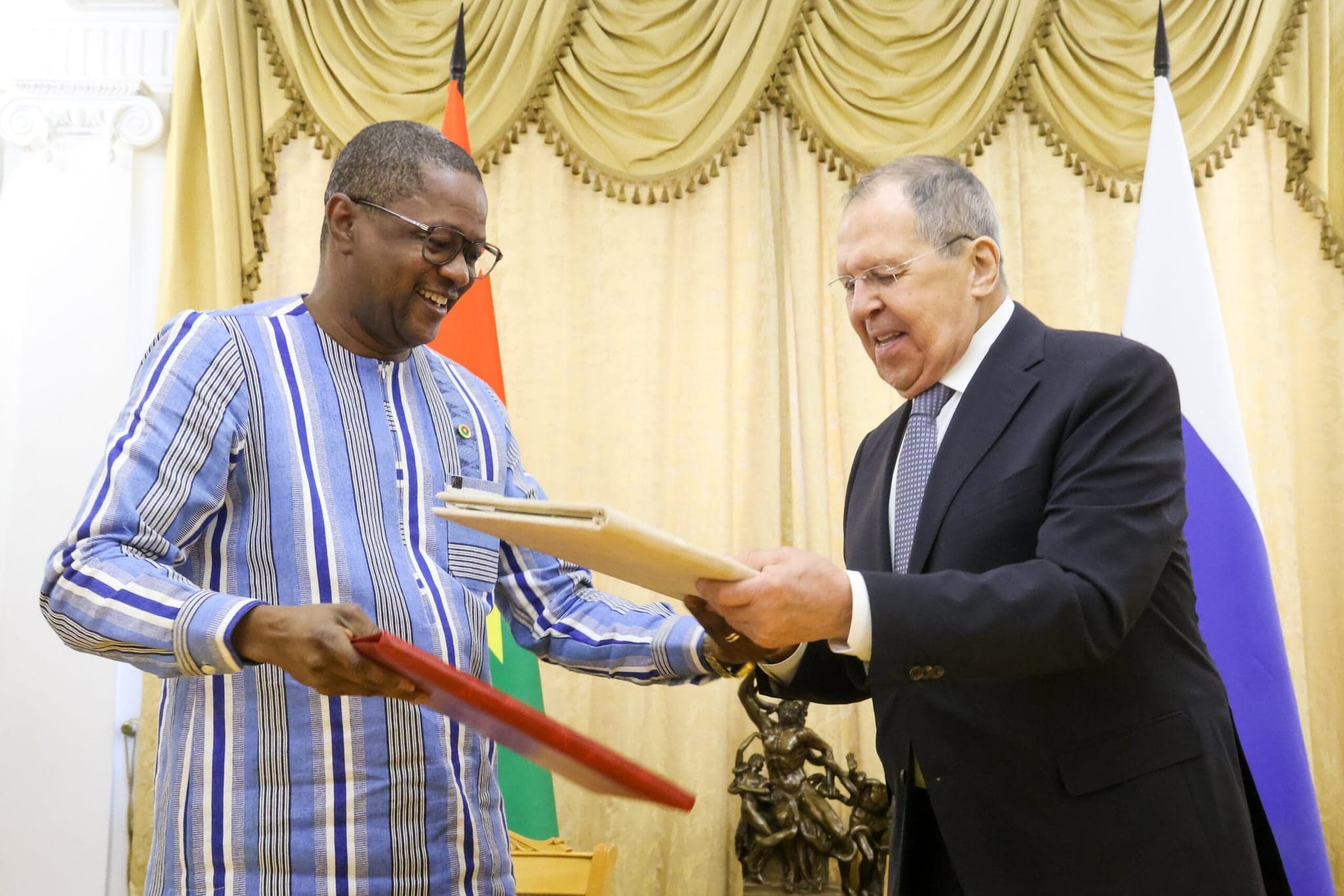
Russia Ratifies Defense Treaty with Burkina Faso, Expanding Sahel Military Presence
 03
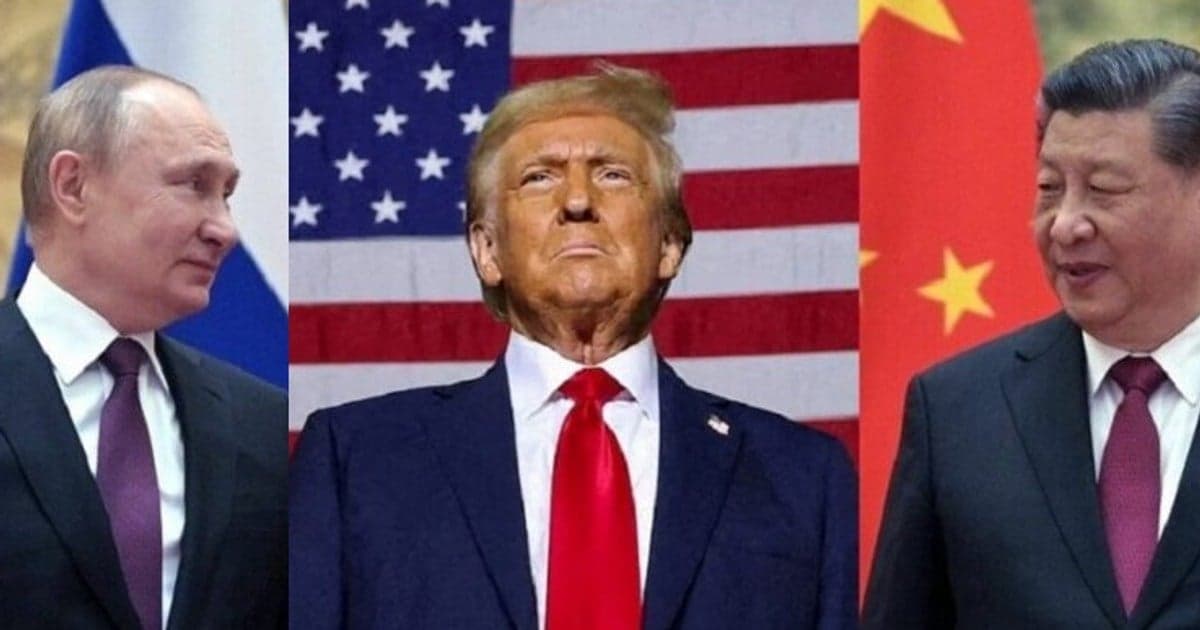
Sino-Russian Influence Expands in Africa, Posing Challenge to West
 04
US to Host Trilateral Ukraine-Russia Peace Talks in Abu Dhabi
 05
Manila to Host Quad Summit, Focusing on Tech Pact and ASEAN Integration
 06
US and Portugal Enhance Atlantic Security and Economic Ties
 07
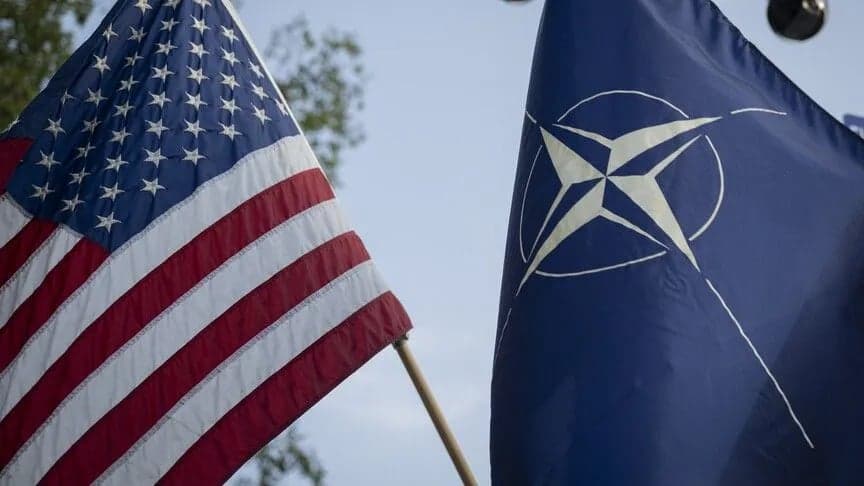
NATO Allies Assess Transatlantic Commitments Post-U.S. Midterm Elections
 08
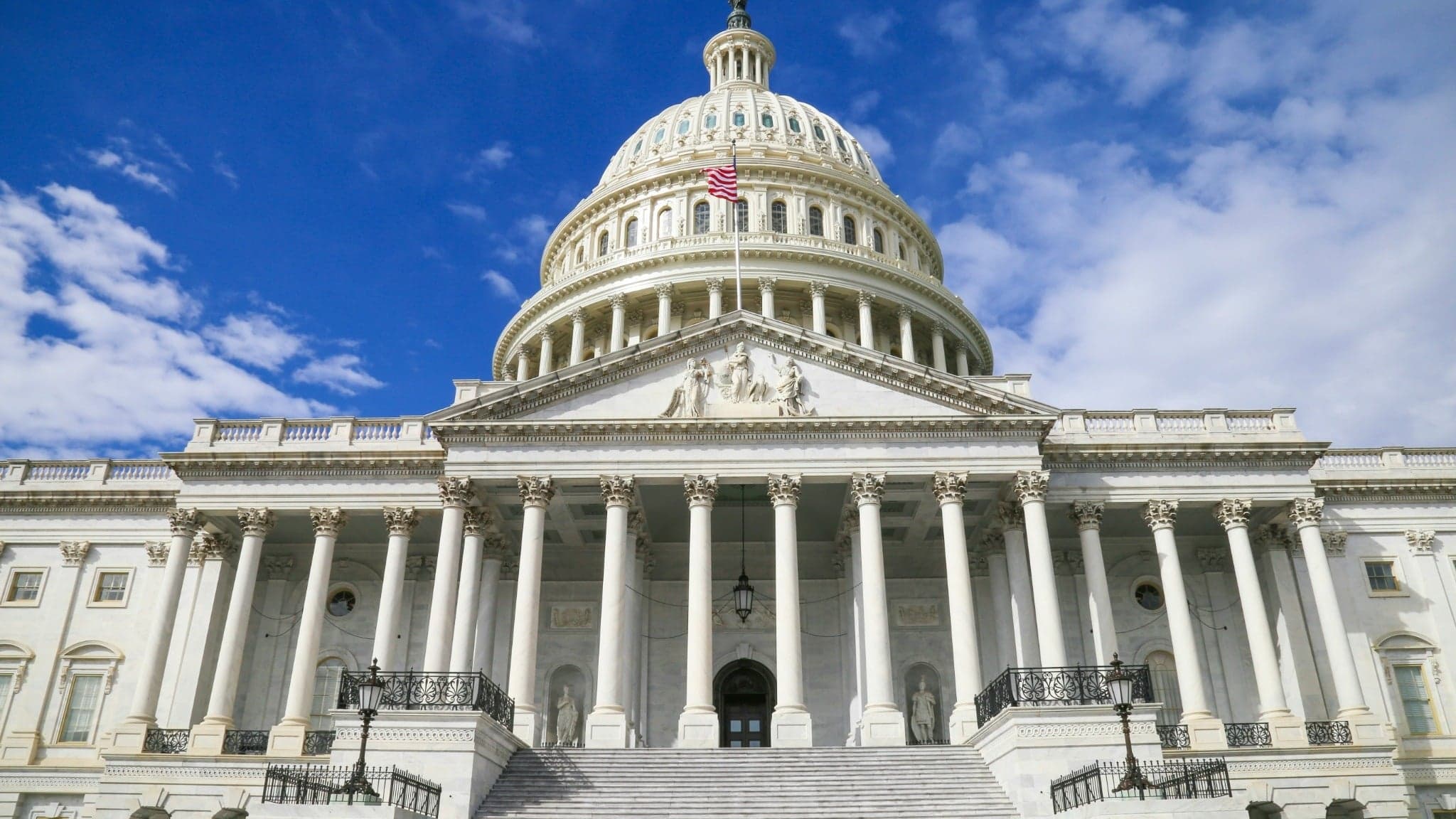
Europe Recalibrates Transatlantic Ties Post-U.S. Midterms
 09
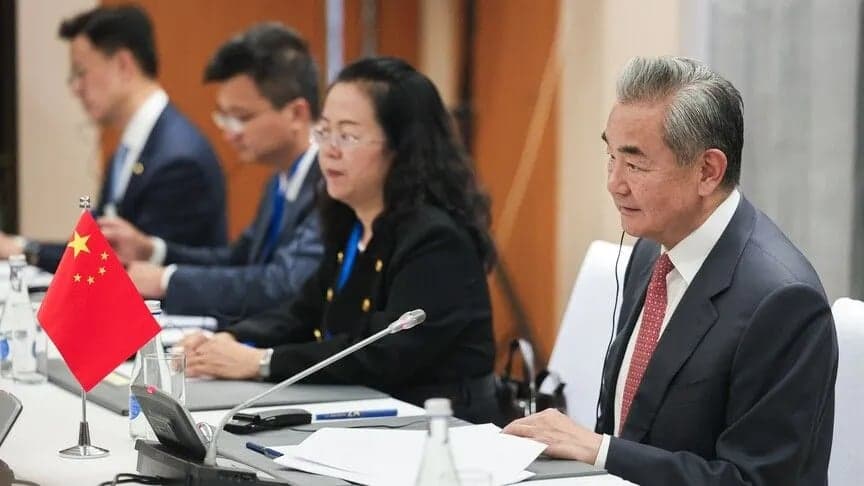
Beijing Strengthens Mekong Security and Supply Chains at Foreign Ministers' Meeting
 10
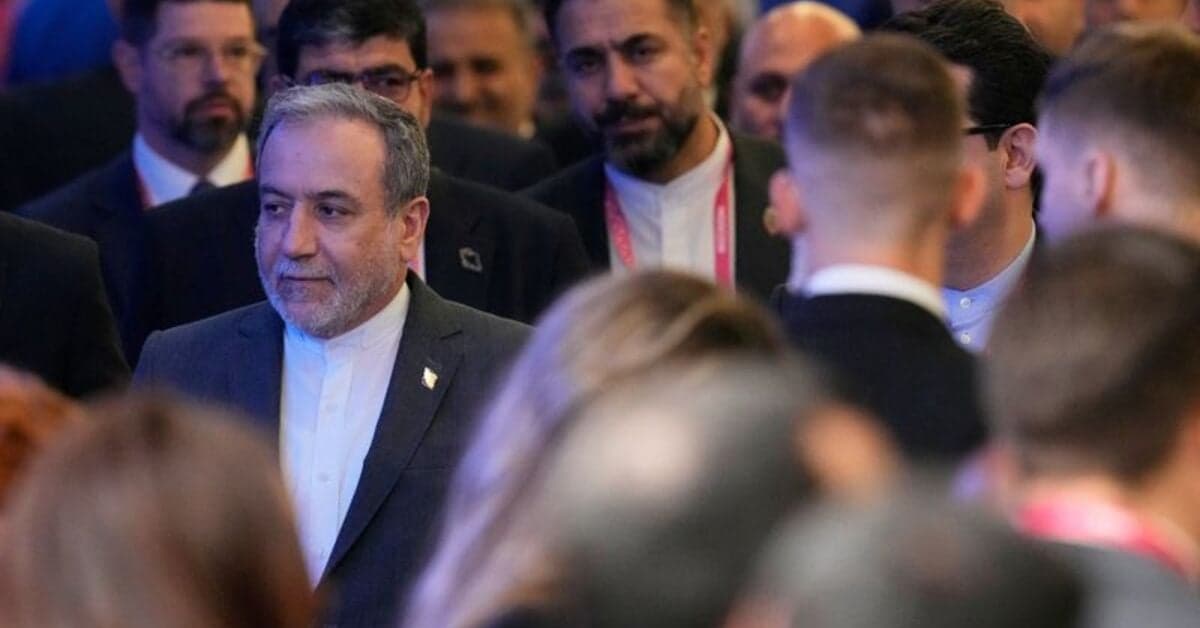
China Initiates Major Middle East Diplomatic Push Amid U.S.-Iran Tensions
 11
Gulf Mediators Work to Avert U.S.-Iran Escalation Post-Election
- 12
U.S. and Israel Plan Phased Reduction of Annual Military Aid
 13
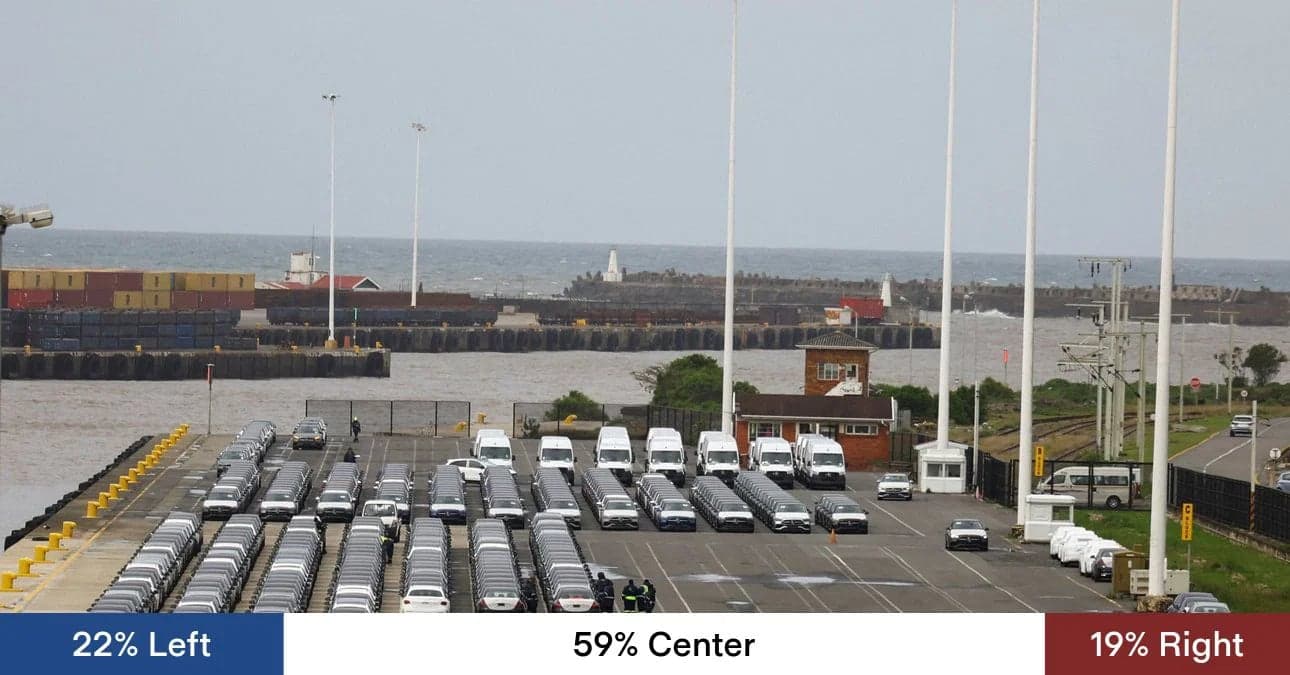
US to Cut Aid to Israel, Restrict Ukraine Strikes Amid Fiscal Strain
 14
US Removes South Africa and Rwanda From AGOA Trade Program
See all 14 as a listHide the list
- Greenland Approves Trilateral Arctic Security Pact with U.S. and Denmark
- Russia Ratifies Defense Treaty with Burkina Faso, Expanding Sahel Military Presence
- Sino-Russian Influence Expands in Africa, Posing Challenge to West
- US to Host Trilateral Ukraine-Russia Peace Talks in Abu Dhabi
- Manila to Host Quad Summit, Focusing on Tech Pact and ASEAN Integration
- US and Portugal Enhance Atlantic Security and Economic Ties
- NATO Allies Assess Transatlantic Commitments Post-U.S. Midterm Elections
- Europe Recalibrates Transatlantic Ties Post-U.S. Midterms
- Beijing Strengthens Mekong Security and Supply Chains at Foreign Ministers' Meeting
- China Initiates Major Middle East Diplomatic Push Amid U.S.-Iran Tensions
- Gulf Mediators Work to Avert U.S.-Iran Escalation Post-Election
- U.S. and Israel Plan Phased Reduction of Annual Military Aid
- US to Cut Aid to Israel, Restrict Ukraine Strikes Amid Fiscal Strain
- US Removes South Africa and Rwanda From AGOA Trade Program
Story 1 of 14
2 min read
Greenland Approves Trilateral Arctic Security Pact with U.S. and Denmark
Greenland's parliament has ratified a new security agreement with the United States and Denmark. The pact modernizes U.S. military basing and surveillance capabilities in the strategically important Arctic region, while affirming Greenland's self-governing autonomy. The agreement ensures continued Danish-Greenlandic sovereignty and maintains legal commitments even if Greenland pursues independence.
Read the full storyFold the full story1 min · 1 source
Greenland’s national legislature, the Inatsisartut, voted 16–0 with seven abstentions in Nuuk to formally ratify a landmark trilateral security agreement linking Greenland, Denmark, and the United States[1]. The accord establishes a modernized operational framework that permits an expanded U.S. military basing and surveillance footprint across the strategically vital Arctic island, while strictly maintaining the territory's self-governing autonomy under the sovereignty of the Danish realm[1]. The agreement also explicitly stipulates that its collective security arrangements will remain legally binding should Greenland choose full independence through future democratic processes[1].
The legislative approval caps months of heightened diplomatic tension triggered by recurrent pressure from the Trump administration regarding American strategic access and defensive control over the North Atlantic and Arctic corridors[1]. Greenlandic leadership negotiated the agreement alongside officials in Copenhagen to neutralize repeated threats of unilateral measures by Washington, converting American security demands into a formalized treaty structure[1]. In northern communities such as Ilulissat, local reactions reflected both relief that diplomatic coercion might abate and apprehension regarding an intensified foreign military footprint in polar ecosystems[1].
The negotiations brought together key players across the North Atlantic alliance, including Greenlandic parliamentary leaders in Nuuk, Danish defense ministry officials, and the Executive Office of the U.S. President[1]. The resulting treaty guarantees substantial infrastructure investment for Greenlandic transport and defensive logistics, while providing U.S. European Command and Northern Command enhanced early-warning capabilities and maritime monitoring installations designed to surveil high-latitude sea routes[1].
Geopolitical analysts note that the agreement solidifies NATO's northern flank at a pivotal juncture of heightened Arctic competition, where Russia and China have expanded their dual-use polar infrastructure and maritime transit ambitions. By formally anchoring Greenland into a tripartite structure, Washington secures vital defensive posture in the GIUK (Greenland-Iceland-United Kingdom) gap while Danish and Greenlandic authorities preserve self-determination rights[1]. Defense experts highlight that the model could serve as a blueprint for non-sovereign Arctic territories seeking to balance national security alignments with autonomous legal governance.
- Greenland
- Denmark
- United States
Story 2 of 14
2 min read
Russia Ratifies Defense Treaty with Burkina Faso, Expanding Sahel Military Presence
Russia and Burkina Faso have finalized a bilateral treaty establishing a long-term strategic partnership, codifying defense assistance, intelligence sharing, and counter-terrorism initiatives. This agreement formalizes Moscow's role as Burkina Faso's primary security guarantor, following the expulsion of French and U.S. forces and the formation of the Alliance of Sahel States (AES). The treaty moves Russia's engagement beyond paramilitary deployments to a state-to-state military-technical agreement.
Read the full storyFold the full story1 min · 4 sources
The Russian government published the formal ratification of the comprehensive bilateral "Agreement on the Foundations of Relations Between Russia and Burkina Faso"[1][2]. Initially signed in Moscow by Russian Foreign Minister Sergey Lavrov and Burkinabè Foreign Minister Karamoko Jean Marie Traoré, the legislative enactment codifies an enduring strategic partnership between Moscow and the military leadership in Ouagadougou[1][3]. The treaty establishes legal architecture across an array of core areas, prioritizing defense assistance, intelligence exchange, and joint counter-terrorism initiatives[4].
The ratification follows years of strategic realignment in the central Sahel, where military takeovers in Burkina Faso, Mali, and Niger led to the formal expulsion of French forces and U.S. military advisory personnel. The three junta-led states subsequently formed the Alliance of Sahel States (AES), turning decisively to Moscow to replace Western security guarantees[3]. The new bilateral treaty moves Russia’s engagement in Burkina Faso beyond the transactional deployment of Africa Corps (formerly Wagner Group) paramilitaries, elevating bilateral defense ties into a legally binding state-to-state military-technical agreement[3][4].
The provisions of the treaty obligate both states to maintain regular consultations on regional security, coordinate diplomatic positions within the United Nations, and shield bilateral interactions from third-party sanctions[1]. In supporting statements, Russian diplomatic officials confirmed that preparations are underway to host a ministerial-level conference in the "Russia–AES" format within one of the Sahel alliance states[3]. Minister Traoré characterized the agreement as historic, emphasizing that it will unlock tailored sectoral initiatives in resource extraction, energy infrastructure, and defense modernization[3].
The formalization of this pact solidifies Moscow's role as the primary security guarantor for Burkina Faso[3], dealing another blow to Western diplomatic influence in West Africa. By providing military hardware, training, and political shielding at the UN Security Council, Russia deepens its strategic foothold across the Sahelian mineral belt, gaining leverage along critical trans-Saharan trade corridors while consolidating an anti-Western regional bloc[1][3].
- Russia
- Burkina Faso
- Sahel
Story 3 of 14
2 min read
Sino-Russian Influence Expands in Africa, Posing Challenge to West
Sino-Russian strategic cooperation in Africa has rapidly advanced, creating a dual architecture where China leads in commerce and infrastructure, and Russia provides security and energy partnerships. This expansion contrasts with a declining Western diplomatic presence, particularly as Sahelian nations align with Russian security structures and embrace Chinese development projects. Russia's growing role in nuclear energy and commodity supply further solidifies its position.
Read the full storyFold the full story2 min · 3 sources
A comprehensive geopolitical tracking assessment documented a sharp acceleration in Sino-Russian strategic integration across Africa, confronting the United States and European allies with an entrenched systemic challenge from North Africa through the Sahel[1]. The analysis details how Moscow and Beijing have effectively split roles to construct a durable dual architecture across the continent: China maintains commanding leverage over commercial credit, infrastructure, and trade networks, while Russia has embedded itself as the primary security guarantor and energy partner for several African states[1]. Historical foreign influence data shows Western diplomatic footprint contracting precipitously, with France's share of foreign influence capacity in Africa plunging from 15.5% in 1995 to just 7%, while Russian security and technical integration expanded by more than 25% over recent baseline periods[1].
This strategic displacement has reached a critical juncture following the consolidation of military governments in Mali, Burkina Faso, and Niger[1]. These Sahelian regimes have systematically ejected French and American military contingents, reorienting their sovereign defense and internal security architectures exclusively toward Russian paramilitary and state security structures[1]. Concurrently, Moscow has transitioned its African diplomacy beyond traditional mercenary deployments into long-term civilian and strategic infrastructure[1]. Russian state nuclear corporation Rosatom is currently financing 85% of Egypt’s $29 billion El Dabaa nuclear power project and is negotiating nuclear energy and industrial agreements across both West and East Africa[1]. This is reinforced by critical commodity dependencies: Russia currently supplies 31% of Africa’s wheat imports, 18% of its commercial fertilizer shipments, and 15% of all major conventional arms transfers across the continent[1].
The key players executing this geopolitical pivot are Rosatom, Russian state-backed security and resource enterprises, Chinese state-owned construction and trade entities, and sovereign governments across the Sahel and North Africa[1]. Facing this bloc are the U.S. State Department, the Pentagon, and European diplomatic corps, who find their historical influence channels increasingly ineffective against alternative security-and-development packages that bypass Western political and governance conditions[1]. Western diplomats note that Beijing’s supply-chain dominance coupled with Moscow’s willingness to provide unconditional regime security has created a high barrier to Western re-engagement[1].
The long-term implications for the international balance of power are profound[1]. Western defense strategists warn that the consolidation of this Sino-Russian alignment is creating an expansive geographic belt outside Western diplomatic influence, spanning the Atlantic coast of West Africa through the Red Sea corridor[1]. This realignment restricts Western access to critical mineral supply chains - including uranium, lithium, and rare earth deposits - while granting Moscow and Beijing outsized diplomatic leverage within multilateral forums such as the United Nations[1][2]. Western policymakers face growing pressure to formulate a counter-strategy based on competitive economic co-existence and direct investment rather than legacy political conditionality[3][1].
- China
- Russia
- Africa
Story 4 of 14
3 min read
US to Host Trilateral Ukraine-Russia Peace Talks in Abu Dhabi
The United States will mediate working-level trilateral negotiations between Ukraine and Russia in Abu Dhabi on November 10-11. Discussions will focus on security arrangements, de-escalation, humanitarian measures, and peace settlement protocols. Prior to these talks, U.S. negotiators will consult with European allies in Brussels to coordinate security guarantees and reconstruction efforts for Ukraine. The initiative follows months of diplomacy and occurs amidst continued battlefield tensions.
Read the full storyFold the full story2 min · 8 sources
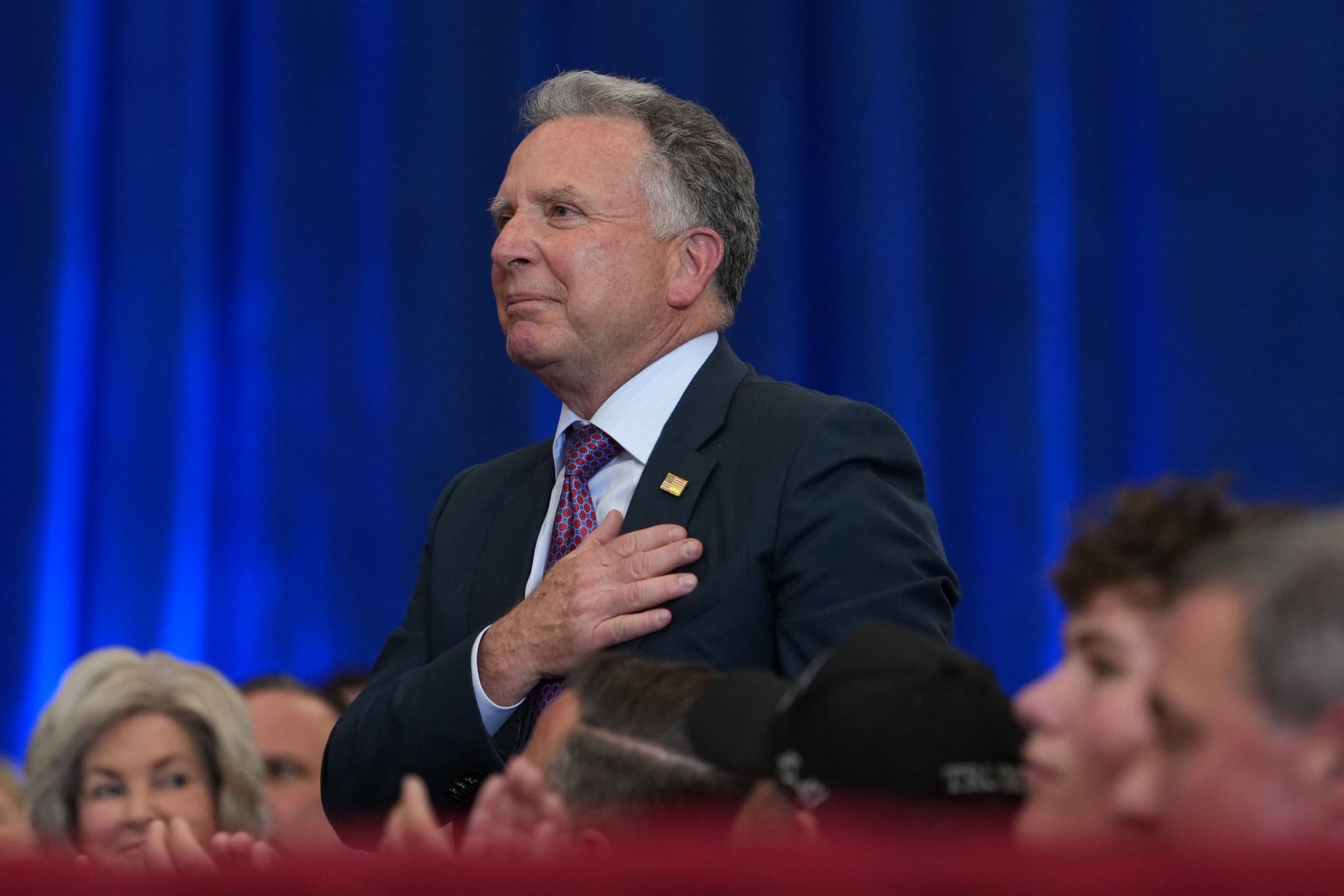
The United States has moved to formalize a direct diplomatic track aimed at brokering a resolution to the war in Ukraine[1]. U.S. Special Presidential Envoy Steve Witkoff announced that Washington will host and mediate working-level trilateral negotiations between delegations from Ukraine and Russia in Abu Dhabi on November 10–11[1][2]. The discussions will center on post-war security arrangements, battlefield de-escalation, mutual humanitarian measures, and initial protocols for a broader peace settlement[1]. Before convening the Gulf talks, American negotiators are heading to Brussels for high-level consultations with key allies - specifically France, Germany, the United Kingdom, the European Union, and NATO - to coordinate proposed security guarantees for Kyiv, evaluate Europe’s post-war security architecture, and establish economic mechanisms for Ukraine’s post-conflict reconstruction[1].
The diplomatic acceleration follows months of backchannel diplomacy across Kyiv, Oslo, and St. Petersburg, where Witkoff held direct talks with Russian President Vladimir Putin in late October[1][3]. Kremlin foreign policy aide Yuri Ushakov subsequently confirmed Moscow's readiness to resume trilateral discussions[3]. Diplomatic momentum was further aided by a rare, localized humanitarian cease-fire in the Russian-occupied city of Oleshky, which allowed for aid deliveries and civilian evacuations[4]. However, the renewed talks unfold against an atmosphere of profound strategic mistrust[4]. Ukrainian President Volodymyr Zelensky has voiced intense alarm over potential great-power horse-trading, warning against a "Yalta 2, 3, 4" dynamic in which global powers redraw European spheres of influence without Kyiv’s sovereign consent[5]. This friction was heightened by Moscow's parallel push for a summit between Donald Trump, Vladimir Putin, and Chinese President Xi Jinping on the sidelines of the upcoming Asia-Pacific Economic Cooperation (APEC) summit in Shenzhen[5][6].
The primary architects of the initiative within the U.S. delegation include Witkoff and Jared Kushner, acting under a White House mandate to produce an expedited diplomatic conclusion to the conflict[4][3]. On the battlefield, neither party has eased pressure in the lead-up to the diplomatic round; Russian airstrikes injured scores of civilians at a medical facility in Kharkiv, while Ukrainian long-range drones struck an oil refinery in the Russian city of Yaroslavl[4]. The parallel meetings in Brussels are explicitly designed to head off European fears of marginalization[1]. European leaders have consistently insisted that any enforceable peace pact must bind Washington, NATO, and Kyiv into an ironclad defensive guarantee rather than an imposed geopolitical partition[1][7].
The strategic stakes in Abu Dhabi are exceptionally elevated for both the transatlantic alliance and the global economy[1]. For Washington, mediating the first direct, U.S.-led working-level dialogue between Moscow and Kyiv since February represents a defining test of executive statecraft[4]. For European capitals, the talks raise complex challenges over the long-term defense of the continent's eastern flank and the durability of transatlantic sanctions[1][8]. Veteran diplomats and defense analysts remain divided: while some view the structured working-level agenda as the first substantive framework toward an armistice, others caution that the gulf between Kyiv's territorial sovereignty demands and Moscow's security prerequisites remains structurally unresolved[4].
- United States
- Ukraine
- Russia
Story 5 of 14
2 min read
Manila to Host Quad Summit, Focusing on Tech Pact and ASEAN Integration
The leaders of the Quadrilateral Security Dialogue (Quad) will hold their next summit in Manila, marking the first time the meeting takes place outside member nations. The summit will coincide with the ASEAN Leaders' Summit and focus on signing the Pax Silica initiative, an economic pact to secure allied high-technology supply chains. The initiative includes significant investment in AI infrastructure and critical minerals processing across the Indo-Pacific.
Read the full storyFold the full story2 min · 7 sources
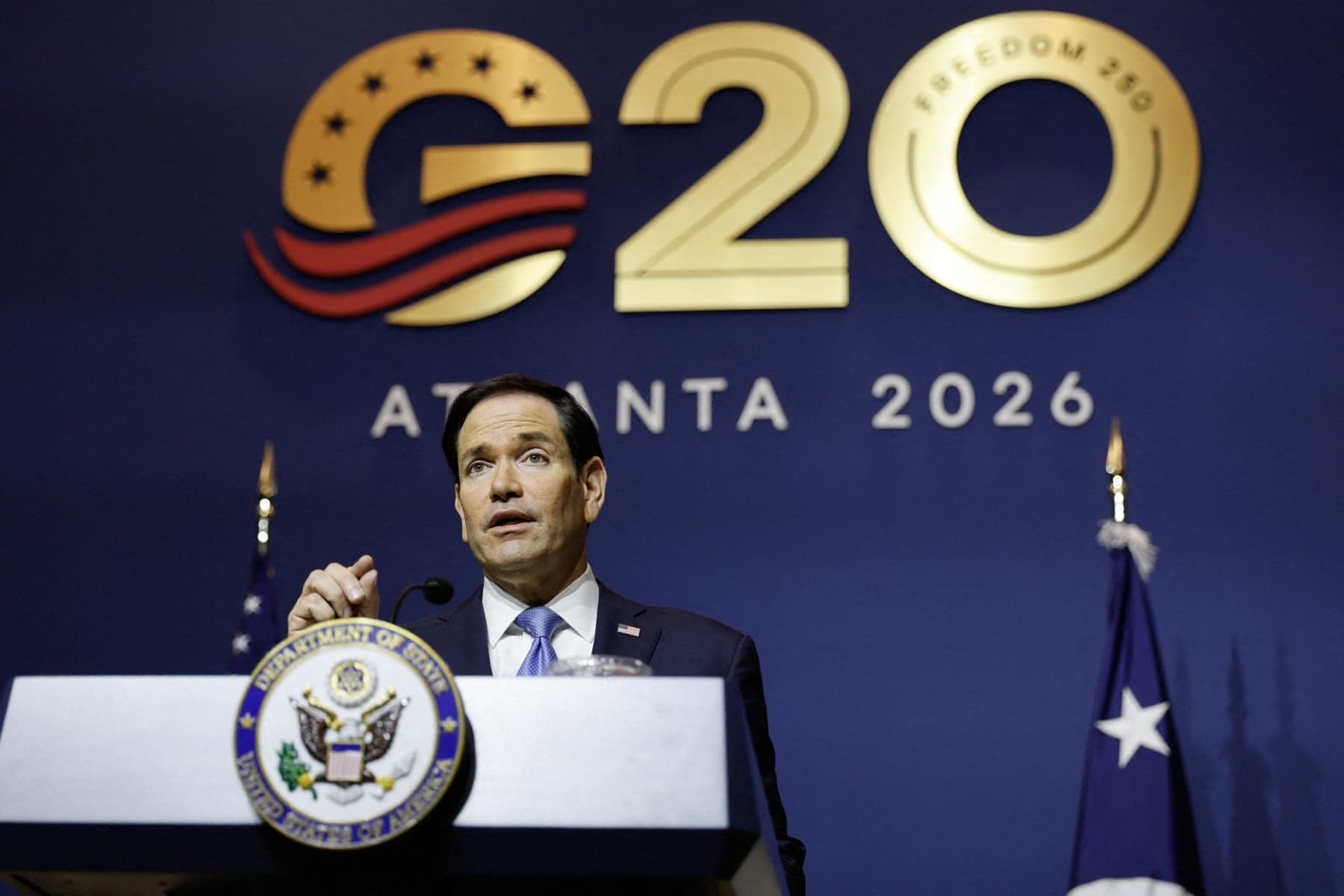
The leaders of the Quadrilateral Security Dialogue - comprising the United States, India, Japan, and Australia - will convene for their next leaders' summit in Manila, marking the first time the leader-level forum will be hosted outside the borders of its four core member nations[1]. U.S. Secretary of State Marco Rubio confirmed the venue following multilateral discussions at the G20 Foreign Ministers' meeting, noting that the Quad summit is slated to coincide with the 49th Association of Southeast Asian Nations (ASEAN) Leaders' Summit on November 16–18[1]. The summit will assemble U.S. President Donald Trump, Indian Prime Minister Narendra Modi, Japanese Prime Minister Sanae Takaichi, and Australian Prime Minister Anthony Albanese, hosted by Philippine President Ferdinand Marcos Jr.[1]
A primary diplomatic focal point of the upcoming Manila gathering will be the formal framework signing of the Pax Silica initiative, a strategic economic pact designed to insulate and integrate allied high-technology supply chains[1][2]. The initiative gained momentum following a Quad ministerial meeting in Atlanta involving Rubio, Indian External Affairs Minister S. Jaishankar, Japanese Foreign Minister Toshimitsu Motegi, and Australian Foreign Minister Penny Wong[3]. There, the grouping pledged over $85 million in technical and financial assistance for the Quad AI Accelerator to deploy trusted artificial intelligence infrastructure across the Indo-Pacific, alongside a U.S. commitment of $10 million dedicated to critical minerals processing and electronic waste recycling networks across India and ASEAN[4][5].
The institutional expansion involves not only governmental leaders but also regional industrial ecosystems[6][5]. The Quad ministers simultaneously announced the establishment of a Quad Business Leaders' Forum and scheduled an operational meeting of the four nations' export credit agencies in Tokyo on November 18 to align public and private capital deployment[6]. The Quad’s growing technological agenda is explicitly paired with regional economic security, specifically targeting vulnerabilities stemming from dominant single-supplier export controls over refined critical minerals[2][5].
Foreign policy analysts view the choice of Manila as a major diplomatic milestone, directly anchoring a frontline ASEAN state into the Quad's institutional orbit[1]. President Marcos has consolidated close security and defense ties with all four Quad nations over the past two years, positioning the Philippines as an indispensable bridge between Southeast Asian multilateralism and Quad maritime security initiatives[1]. Analysts emphasize that shifting the Quad’s primary deliverables toward tangible economic goods - such as AI compute access, secure communications, and mineral refining capacity - offers ASEAN partners a structured alternative to coercive trade practices while avoiding the rigid confines of a traditional military alliance[1][4][7].
- Quad
- United States
- India
Story 6 of 14
2 min read
US and Portugal Enhance Atlantic Security and Economic Ties
The United States and Portugal concluded their 53rd Standing Bilateral Commission meeting, agreeing to bolster mid-Atlantic defense arrangements and commercial relations. Key outcomes include enhanced military interoperability and logistics cooperation in the Azores, particularly at Lajes Field. The partnership also focuses on economic security, maritime supply chains, and aligned diplomatic positions as Portugal prepares for a UN Security Council seat.
Read the full storyFold the full story1 min · 1 source
The governments of the United States and Portugal concluded the 53rd meeting of their Standing Bilateral Commission (SBC), issuing a comprehensive joint statement designed to re-anchor mid-Atlantic defense arrangements and commercial ties[1][1]. The high-level bilateral framework addressed expanded military interoperability, logistics cooperation in the Azores, and aligned diplomatic positions ahead of Portugal assuming an elected seat on the United Nations Security Council for the 2027–2028 term[1][1]. The talks built on recent ministerial consultations between U.S. Secretary of State Marco Rubio and Portuguese Foreign Minister Paulo Rangel[1].
A central focus of the commission was the strategic modernization of Lajes Field on Terceira Island in the Azores[1]. The installations, operated jointly by the Portuguese Air Force and the U.S. Air Force’s 65th Air Base Group, represent a vital geographic bridgehead for maritime domain awareness and logistics between North America, Europe, and West Africa. The delegations committed to expanding U.S. economic and infrastructural engagement with the Autonomous Region of the Azores while resolving longstanding environmental remediation programs managed by the U.S. military[1]. The two sides also reaffirmed national defense spending commitments established during the 2025 NATO Summit in The Hague, highlighting joint exercises executed through the State Partnership Program between the Portuguese Armed Forces and the Illinois National Guard[1].
Beyond territorial defense, the commission placed renewed emphasis on economic security and maritime supply-chain protection[1]. Bilateral working groups prioritized critical infrastructure resilience, including transatlantic subsea communications cables that land along the Portuguese coast, alongside coordinated investments in green port modernization and trade facilitation[1].
The revitalization of the Standing Bilateral Commission reflects a quiet push by Western defense planners to reinforce conventional transatlantic security nodes amid heightened activity by foreign naval forces in the North and Central Atlantic[1]. Securing operational commitments at Lajes Field preserves critical air-refueling and anti-submarine capabilities, while diplomatic coordination with Lisbon ensures an aligned Western voice as Portugal prepares to take its seat on the UN Security Council[1][1].
- United States
- Portugal
- Azores
Story 7 of 14
2 min read
NATO Allies Assess Transatlantic Commitments Post-U.S. Midterm Elections
Following the U.S. midterm elections, NATO allies are reassessing transatlantic security commitments. U.S. Ambassador to NATO Matthew Whitaker reassured European capitals that core defense obligations remain unchanged. However, concerns persist among European diplomats about potential congressional gridlock leading to unilateral U.S. foreign policy actions and impacts on common funding and alliance initiatives.
Read the full storyFold the full story2 min · 2 sources
Diplomatic delegations and defense officials across Europe have moved to assess the resilience of transatlantic security mechanisms following the U.S. midterm elections, in which Democratic victories altered the balance of power across the U.S. Congress[1]. Addressing allied concerns at the Berlin Security Conference, U.S. Ambassador to NATO Matthew Whitaker sought to reassure European capitals, affirming that Washington’s core defense obligations and allegiance to Article 5 of the Washington Treaty remain intact[1]. Whitaker emphasized that the strategic threats confronting the alliance are unchanged and called for continued momentum behind European defense investment within the NATO framework[1].
Whitaker’s public reassurances arrived against a backdrop of deep concern among European diplomats regarding executive foreign policy moves[2][1]. Multiple NATO diplomats, speaking on condition of anonymity, indicated apprehension that congressional gridlock could push the White House toward more assertive unilateral foreign measures, including potential drawdowns from the review of U.S. forces stationed in Europe scheduled for December[2]. Diplomats also highlighted risks to common funding contributions and the alliance-backed Prioritized Ukraine Requirements List (PURL) arms procurement initiative[2]. In defense of the administration's posture, White House Assistant Press Secretary Olivia Wales argued that President Trump had strengthened NATO by compelling allies to fulfill defense spending commitments[2].
Key figures engaged in the debate include Ambassador Whitaker, White House communications officials, and European defense leadership, including Montenegrin Defense Minister Dragan Krapovic, who noted that historic warnings of abrupt American withdrawals had frequently failed to materialize due to statutory checks exercised by Congress[2][1]. Concurrently, prominent security experts, including former NATO official and Royal United Services Institute distinguished fellow Oana Lungescu, warned against transactional security diplomacy[2]. Lungescu cautioned that linking American force presence in Europe to European endorsement of a brokered peace arrangement for Ukraine would inject severe instability into the European security order[2].
The evolving dynamic is compelling European governments to accelerate self-reliance initiatives and hedge against prospective volatility in U.S. defense allocations[2]. While congressional authority provides structural parameters around U.S. troop deployments and treaty commitments, European defense ministries are quietly advancing bilateral procurement agreements, joint defense industrial initiatives, and regional command integrations[2][1]. Observers note that the diplomatic dialogue has shifted from debating whether Europe must spend more to managing the friction of shared command structures, burden-sharing metrics, and autonomous European deterrence capabilities[2][1].
- NATO
- United States
- Europe
Story 8 of 14
2 min read
Europe Recalibrates Transatlantic Ties Post-U.S. Midterms
European policymakers are reassessing transatlantic relations following the U.S. midterm elections, which resulted in Democratic control of Congress. A new European diplomatic strategy involves strengthening ties with congressional leadership, safeguarding trade and defense funding, and preparing for the 2028 U.S. presidential cycle. This pivot aims to mitigate potential executive unpredictability and leverage legislative partnerships for greater stability.
Read the full storyFold the full story2 min · 9 sources
European policymakers, allied foreign ministries, and premier strategic policy institutions have launched a fundamental recalibration of transatlantic relations following the U.S. midterm elections, in which the Democratic Party captured majorities in both the Senate and the House of Representatives[1][2]. Transatlantic policy briefs from the EU Institute for Security Studies (EUISS) and the European Policy Centre (EPC) laid out a new three-pronged diplomatic strategy for dealing with an altered Washington power structure[1][3]. European capitals are shifting away from relying purely on direct engagements with the White House, moving instead to forge institutional alliances with the new congressional leadership, construct safeguards around transatlantic trade and defense funding, and lay strategic groundwork for the 2028 U.S. presidential cycle[1].
The urgency of Europe’s diplomatic rethink stems from the constitutional and political mechanics of divided government in the United States[4][1]. Historically, when an American president loses control of Congress, the executive branch tends to use foreign policy as an unconstrained arena for legacy-defining initiatives[1][1]. European strategists project that an embattled administration could pursue even more unpredictable foreign policy maneuvers - from unilateral trade actions and unconventional diplomacy with Beijing and Moscow to unpredictable military moves[1][1]. Simultaneously, the newly elected Democratic majorities in Congress are expected to exercise rigorous oversight on unilateral tariff policies, challenge emergency executive trade measures, and push for sustained financial and military backing for Ukraine, offering European governments potential legislative leverage they have lacked for two years[5][6].
Allied defense officials have engaged in intense public messaging to preserve stability[7]. Speaking at the Berlin Security Conference, U.S. Ambassador to NATO Matthew Whitaker sought to reassure European partners, stating that Washington’s core foreign policy and its obligations under Article 5 of the Washington Treaty remain unchanged regardless of the midterm results[7]. Nevertheless, Whitaker reiterated the administration's firm stance that European allies must significantly expand their domestic defense capabilities and shoulder a greater share of collective security[7]. Concurrently, European leaders such as German foreign affairs specialist Norbert Röttgen highlighted the new opening to counter executive unpredictability through congressional partnerships[2], while EU High Representative Kaja Kallas initiated defense-focused bilateral consultations in Lisbon to accelerate European strategic autonomy and defense industrial integration[8][9].
The broader implications point toward a bifurcated transatlantic dialogue[1]. European export industries, including German automotive manufacturers and European steel producers, are lobbying EU representatives to collaborate with U.S. lawmakers to challenge unilateral tariff regimes and restore trade stability[6]. On defense, European states recognize that while a Democratic Congress will resist abrupt troop withdrawals or arbitrary cuts to NATO, structural burden-sharing pressures are permanent[1][7]. The strategic consensus taking root in Brussels and key European capitals is that the continent can no longer depend on the cyclical stability of U.S. domestic politics, compelling accelerated investments into sovereign European security capabilities[9].
- European Union
- United States
- Democratic Party
Story 9 of 14
2 min read
Beijing Strengthens Mekong Security and Supply Chains at Foreign Ministers' Meeting
China hosted the 11th Lancang-Mekong Cooperation (LMC) Foreign Ministers' Meeting, securing commitments from Myanmar, Laos, and Thailand to expand economic corridors and enhance cross-border security. Discussions focused on integrating technological ecosystems and establishing joint law enforcement protocols, particularly targeting cross-border fraud syndicates. Beijing also pushed for cooperation in semiconductors, computing, and AI with Thailand.
Read the full storyFold the full story1 min · 3 sources
Chinese Foreign Minister Wang Yi convened high-stakes bilateral and multilateral meetings in Beijing with his regional counterparts from Myanmar, Laos, and Thailand during the 11th Lancang-Mekong Cooperation (LMC) Foreign Ministers' Meeting[1][2]. The discussions yielded significant commitments to expand economic corridors and tighten cross-border security mechanisms, reinforcing China's southern periphery against outside geopolitical pressure[2]. Beijing leveraged the gathering to push beyond traditional infrastructure connectivity, pressing its Mekong neighbors to integrate emerging technological ecosystems and establish joint law enforcement protocols[2].
In his bilateral consultation with Myanmar’s Minister of National Planning, Investment and Foreign Economic Relations, U Aung Kyaw Hoe, Wang underscored China’s backing for Naypyidaw's political reconciliation while extracting security assurances for Chinese investments[2][3]. Central to the talks was Beijing's demand for aggressive joint crackdowns on entrenched telecommunications fraud syndicates and illicit online gambling hubs operating out of Myanmar’s borderlands, particularly around the lawless Myawaddy enclave[2][3]. In parallel meetings, Wang urged Thai Deputy Prime Minister and Foreign Minister Sihasak Phuangketkeow to open critical sectors to Chinese industrial backing - explicitly pitching cooperation in semiconductors, computing facilities, and artificial intelligence - while pressing Lao Foreign Minister Thongsavanh Phomvihane to accelerate the industrialization of the China-Laos Railway corridor[2].
The strategic timing of this diplomatic offensive reflects Beijing’s desire to secure its southern littoral ahead of wider regional summits and potential trade disruptions. By deepening institutional ties through the sub-regional LMC framework - which includes China, Myanmar, Laos, Thailand, Cambodia, and Vietnam - Beijing effectively bypasses the broader, consensus-bound Association of Southeast Asian Nations (ASEAN) apparatus. In exchange for infrastructure funding and regime legitimacy for isolated actors like Myanmar's ruling junta, Beijing is securing physical transport arteries to the Indian Ocean and insulating its technological supply chains from Western export curbs[2].
The resulting agreements consolidate a tightly integrated economic zone spanning from southwestern China through the Indochinese Peninsula[2]. Thailand’s willingness to expand cooperation in high-technology manufacturing marks a diplomatic breakthrough for Beijing's tech sector, while the institutionalized law enforcement cooperation signals expanding extraterritorial security coordination across mainland Southeast Asia[2].
- China
- Mekong
- Lancang-Mekong Cooperation
Story 10 of 14
2 min read
China Initiates Major Middle East Diplomatic Push Amid U.S.-Iran Tensions
Beijing has launched an intensive diplomatic offensive in the Middle East, hosting leaders from Oman, Saudi Arabia, and Iran. This initiative coincides with escalating tensions between the U.S. and Iran in the Persian Gulf. China aims to leverage its growing influence to mediate regional security and stabilize maritime trade routes. The diplomatic effort includes deploying special envoys to seven nations and engaging in bilateral talks to establish localized security arrangements.
Read the full storyFold the full story2 min · 3 sources
Chinese President Xi Jinping and Foreign Minister Wang Yi initiated an expansive round of high-level diplomacy in Beijing, hosting reciprocal talks with key regional powers including Oman, Saudi Arabia, and Iran[1]. The centerpiece of the diplomatic effort was a state visit by Oman’s Sultan Haitham bin Tariq, marking the first official trip by an Omani head of state to the Chinese capital in 48 years[1]. Concurrently, China’s Ministry of Foreign Affairs confirmed the immediate deployment of three senior special envoys tasked with undertaking an extensive regional tour spanning seven nations across the Persian Gulf and the Horn of Africa[1].
The sudden diplomatic offensive comes in direct response to escalating kinetic friction in the Persian Gulf, underscored by overnight U.S. military strikes targeting surface-to-air missile positions on Iran’s Qeshm Island near the Strait of Hormuz[1][2]. Iranian Deputy Foreign Minister Kazem Gharibabadi publicly asserted Tehran's right to legitimate self-defense following the strikes[2], while Iranian Parliament Speaker Mohammad Baqer Qalibaf warned that Iranian deterrence would not be constrained by geography[2][3]. Qatari mediators have been shuttling between Washington and Tehran to salvage an eight-day draft proposal aimed at reopening shipping lanes in Hormuz and avoiding a broader conflict, though senior Iranian officials indicated that a final pact remains distant[2]. Addressing the turbulence, Chinese Foreign Ministry spokeswoman Mao Ning reiterated Beijing's long-standing stance that military escalation cannot resolve underlying regional disputes[1].
Key figures shaping this diplomatic push include Chinese leader Xi Jinping, Omani Sultan Haitham bin Tariq, Iranian Foreign Minister Abbas Araqchi, and Qatari diplomatic mediators[1][2][3]. The regional talks also feature security coordination between Tehran and Riyadh, with Iranian officials confirming continued bilateral dialogue with Saudi Arabia to establish alternative, localized security arrangements designed to minimize non-regional military interference[3].
Regional security analysts view Beijing's aggressive diplomatic insertion as a strategic effort to consolidate its role as an indispensable geopolitical arbiter in the Middle East, building upon the framework of the 2023 Saudi-Iranian normalization pact. As a major consumer of hydrocarbons transported through the Strait of Hormuz, China holds vital economic interests in stabilizing maritime trade lanes while simultaneously seeking to present its non-aligned, multilateral diplomatic model as a credible counterweight to U.S. military power[1]. Experts suggest that if Beijing successfully mediates de-escalation guarantees between Gulf monarchies and Tehran, it will significantly reshape the diplomatic architecture of the region, accelerating a transition toward multipolar security alignments.
- China
- Xi Jinping
- Oman
Story 11 of 14
2 min read
Gulf Mediators Work to Avert U.S.-Iran Escalation Post-Election
Regional mediators, including Qatar, Oman, and Pakistan, are intensifying diplomatic efforts to de-escalate tensions between the United States and Iran following the expiration of a temporary U.S. pause on offensive strikes. Revelations of covert U.S. strikes and Iran's conditional offer to restore navigation through the Strait of Hormuz highlight the precarious security situation. The success of these talks is critical to prevent renewed military conflict.
Read the full storyFold the full story2 min · 4 sources
Diplomatic missions across the Middle East entered a high-stakes operational phase as regional mediators scrambled to construct an enduring de-escalation framework between the United States and the Islamic Republic of Iran[1]. The diplomatic urgency was triggered by the passing of the November 3 U.S. election threshold[1]. A temporary window of relative military restraint - anchored by an October 8 White House pledge pausing major offensive strikes against Iranian territory ahead of the vote - has formally expired[1]. Mediating delegations led by Qatar, Oman, and Pakistan intensified shuttle diplomacy to broker reciprocal security commitments before the expiration of the political calendar triggers renewed military conflict[1].
The fragility of the regional security environment was underscored by revelations that the U.S. had conducted covert strikes against strategic Iranian facilities, including installations on Qeshm Island[2]. While President Trump told reporters he was "in no rush" to decide on resuming expanded military combat, U.S. naval forces remain heavily deployed across the region, reinforced by the arrival of a third aircraft carrier strike group designed to maintain immediate operational readiness[1][2]. Concurrently, Iranian Foreign Ministry spokesman Esmaeil Baghaei issued a conditional diplomatic offer, indicating that Tehran was prepared to restore normal navigation through the Strait of Hormuz within 48 hours provided Washington accedes to a reciprocal package of de-escalation demands[2]. A high-level Qatari diplomatic mission headed by senior mediator Ali Al Thawadi has been working between interlocutors in Washington and Tehran to turn these tentative conditional statements into an actionable ceasefire protocol[2].
The confrontation directly impacts the Gulf Cooperation Council (GCC) monarchies, including Qatar, Oman, Saudi Arabia, and the United Arab Emirates[1]. These states find themselves geographically and economically exposed to the direct fallout of a renewed military escalation, yet hold little unilateral control over the operational decisions of either Washington or Tehran[1]. In Washington, the administration's diplomatic and security apparatus - guided by Secretary of State Marco Rubio, who previously ordered Iranian diplomats to depart the U.S. after earlier negotiation rounds stalled - maintains maximum economic and military pressure, demanding an end to Tehran's proxy networks and maritime disruptions[3].
The primary consequence of the passing electoral threshold is the disruption of the temporary military equilibrium[1]. If the Qatari- and Omani-led diplomatic channels fail to secure binding reciprocal commitments in the coming days, regional defense officials anticipate a rapid escalation cycle[1]. An intensified confrontation risks prolonged disruptions to commercial tanker transit through the Strait of Hormuz, threatening severe shocks to global crude supply chains and maritime insurance markets[1][4]. With regional economies and international markets hanging in the balance, mediators are racing against the clock to replace temporary political pauses with a permanent, multilateral de-confliction structure[1].
- United States
- Iran
- Qatar
Story 12 of 14
2 min read
U.S. and Israel Plan Phased Reduction of Annual Military Aid
The United States and Israel have agreed to systematically reduce the annual $4 billion in U.S. military financing to Israel, framing it as a transition to Israel's self-sufficiency. President Trump stated that while direct aid will taper, core emergency security commitments will remain. This policy shift accelerates prior discussions and changes the nature of the bilateral defense relationship.
Read the full storyFold the full story2 min · 2 sources
A significant shift in Middle Eastern alliance architecture emerged following an announcement by U.S. President Donald Trump detailing an agreement with Israeli Prime Minister Benjamin Netanyahu to systematically phase out the United States' approximately $4 billion in annual direct foreign military financing to Israel[1]. President Trump framed the transition around Israel’s domestic economic strength, asserting that the nation has evolved into a highly prosperous power capable of sustaining its own defense budget, while affirming that Washington would maintain core emergency security commitments if acute crises arise[1].
The policy shift accelerates discussions that had previously centered on the expiration of the current ten-year U.S.-Israel Memorandum of Understanding (MOU) in 2028[1]. Prime Minister Netanyahu had previously outlined strategic intentions to taper direct aid down toward zero over a multi-year horizon, and Israeli Ambassador to Washington Yechiel Leiter has articulated a desire to modernize bilateral defense cooperation away from conventional financial assistance[1]. However, the timing of the announcement and the decision to implement aid suspensions before the conclusion of the year created immediate ripples throughout diplomatic and legislative circles in Washington and Jerusalem[2][1].
The strategic pivot involves high-level policy architects, including Trump, Netanyahu, Israeli diplomatic envoys, and congressional committees responsible for authorizing foreign military assistance and maintaining Israel’s legally mandated Qualitative Military Edge (QME)[2][1]. Diplomatic observers and foreign policy practitioners note that transforming the relationship from grant-based assistance to a commercial and joint-development defense partnership fundamentally changes the domestic political optics, converting Israel from a recipient of foreign aid into a direct commercial buyer of American defense industrial goods[1].
Geopolitical analysts observe that phasing out direct grant aid marks a defining evolution in U.S.-Israel bilateral ties, moving away from a post-1970s client-state paradigm toward a sovereign, reciprocal defense compact[1]. While proponents argue this transition removes bilateral defense ties from contentious domestic political debates and fosters Israeli strategic autonomy, defense analysts caution that the shift must be carefully managed[2][1]. Amid unresolved regional conflicts and ongoing military confrontations with Iranian-aligned entities, regional stakeholders will closely monitor how the restructuring of direct aid impacts joint technological co-development, missile defense funding, and broader security guarantees across the Middle East[2][1].
- United States
- Israel
- Donald Trump
Story 13 of 14
2 min read
US to Cut Aid to Israel, Restrict Ukraine Strikes Amid Fiscal Strain
The White House announced plans to end $4 billion in annual security assistance to Israel by the end of 2026, nearly two years before the current agreement expires. Simultaneously, the U.S. has warned Ukraine to cease long-range strikes on Russian energy facilities, threatening to suspend intelligence sharing and arms shipments. These actions are attributed to domestic fiscal pressures and a transactional diplomatic approach.
Read the full storyFold the full story1 min · 4 sources
The White House revealed plans to wind down the United States’ $4 billion annual security assistance to Israel by the end of 2026, truncating the ten-year, $38 billion Memorandum of Understanding (MOU) negotiated in 2016 nearly two years ahead of its September 2028 expiration[1][2]. President Donald Trump stated that the early phaseout was based on an understanding previously reached with Israeli Prime Minister Benjamin Netanyahu[1][2]. The disclosure sent immediate shockwaves through Israel’s security and political apparatus, with defense officials in Tel Aviv reporting that they were blindsided by the timing and scope of the announcement[1].
Concurrently, the administration executed an assertive diplomatic shift regarding the conflict in Eastern Europe[3]. Washington brokered an agreement permitting Russian diesel exports into international and U.S. markets to suppress global energy prices, while delivering an ultimatum to Kyiv demanding an immediate halt to Ukrainian long-range strikes against Russian oil refineries[3]. Ukrainian officials were reportedly informed that persistent targeting of Russian energy facilities would result in the suspension of critical U.S. battlefield intelligence sharing and arms shipments[3].
The dual maneuvers highlight a foreign policy pivot driven by domestic fiscal strain - including a U.S. federal deficit reaching nearly $2 trillion - and an aggressive transactional diplomatic posture[4]. In Israel, where prolonged regional operations have severely strained public finances, the loss of $4 billion (roughly 12 billion shekels) in annual Foreign Military Financing (FMF) forces the Israeli Treasury to absorb major procurement shortfalls at a time when post-election coalition negotiations remain paralyzed[3][1]. Legal scholars in Washington have noted that while the 2016 MOU is technically a non-binding political understanding rather than a ratified treaty, canceling the funding will trigger intense legislative resistance from lawmakers who hold constitutional authority over appropriations[2][2].
On the European front, the restriction imposed on Kyiv effectively strips Ukraine of its most effective asymmetric weapon against Russian war financing, causing deep consternation among Baltic and Nordic allies[3]. Together, the moves indicate an accelerating American retrenchment from long-term security commitments, requiring traditional allies in both the Middle East and Eastern Europe to urgently reassess their strategic autonomy and defense supply lines.
- United States
- Israel
- Ukraine
Story 14 of 14
2 min read
US Removes South Africa and Rwanda From AGOA Trade Program
The United States has decided to remove South Africa and Rwanda from the African Growth and Opportunity Act (AGOA) program, effective January 1, 2027. This action revokes their preferential duty-free access to the U.S. market, impacting trade relationships built over two decades. The decision is linked to foreign policy disagreements, including South Africa's non-aligned stance and litigation against Israel, and concerns over Rwanda's role in the conflict in eastern Democratic Republic of Congo.
Read the full storyFold the full story2 min · 3 sources
The United States has moved to terminate the eligibility of South Africa and Rwanda under the African Growth and Opportunity Act (AGOA), setting an enforcement date of January 1, 2027[1]. The strategic trade action revokes the two nations' preferential duty-free export access to the American market, stripping away concessions that have served as the cornerstone of bilateral commercial relations for more than two decades[2][1]. While technical discussions remain formally open through trade ministries, the formal notification underscores an escalating willingness in Washington to link economic integration directly to geopolitical alignment[1].
The divergence between Washington and Pretoria has been building steadily over structural foreign policy conflicts[1]. U.S. policymakers pointed directly to South Africa’s assertive non-aligned diplomacy - most notably its International Court of Justice litigation accusing Israel of genocide - as a critical friction point[1]. Pretoria's deepening institutional alignment with the expanding BRICS bloc and periodic joint naval maneuvers have compounded bipartisan frustration in Washington[1]. In the case of Rwanda, the suspension follows protracted diplomatic deadlock over the ongoing armed conflict in the eastern Democratic Republic of the Congo, where Washington has steadily tightened sanctions targeting military networks tied to the M23 rebel movement[3].
For South Africa, AGOA-covered shipments accounted for an estimated $3 billion to $4 billion in goods in 2025[1]. While this represents roughly 10 percent of South Africa’s total bilateral trade with the United States and only about 1 percent of its aggregate global exports, the practical fallout is concentrated in high-value, employment-intensive manufacturing and agricultural sectors, such as automotive components, specialty wine, and citrus fruits[1]. South African President Cyril Ramaphosa and the Department of Trade, Industry and Competition have maintained that Pretoria remains open to dialogue, but have simultaneously accelerated efforts to offset American market losses by negotiating new bilateral trade corridors across Asia, primarily with China[1].
The removal of two of sub-Saharan Africa’s most prominent economies from AGOA signals a structural shift in U.S.-Africa economic policy from broad-based capacity building to strict conditional reciprocity. With sub-Saharan exporters facing growing protectionism and heightened regulatory hurdles in Western markets, this maneuver is expected to accelerate continental realignment toward Beijing and alternative non-dollar settlement arrangements, fundamentally eroding Washington’s remaining commercial leverage across the region.
- United States
- South Africa
- Rwanda
You're all caught up.
That's every story in Wednesday's PiBrief Geopolitics. And there's a newer edition waiting for you.
All PiBrief Geopolitics editions
Subscribe to receive daily briefings about geopolitics and world news in your email.
Get PiBrief Geopolitics in your inbox
A free newsletter on geopolitics and world news. Diplomacy, conflict, the global economy, and elections, ranked and explained, with an audio briefing in every edition.
Free forever / no account / 1-click unsubscribe