
Ukraine guarantees, Saudi-Syria pact & Red Sea talks
Western allies are coordinating new security frameworks for Ukraine ahead of critical talks in Abu Dhabi, while the US reassesses foreign policy priorities in the Middle East. Meanwhile, Saudi Arabia and post-transition Syria have sealed a landmark defense pact alongside major reconstruction funding as regional alignments rapidly shift.
16 stories100 sources checked
Listen to this edition
PiBrief Geopolitics, November 5, 2026
The lineup
In this edition
 01
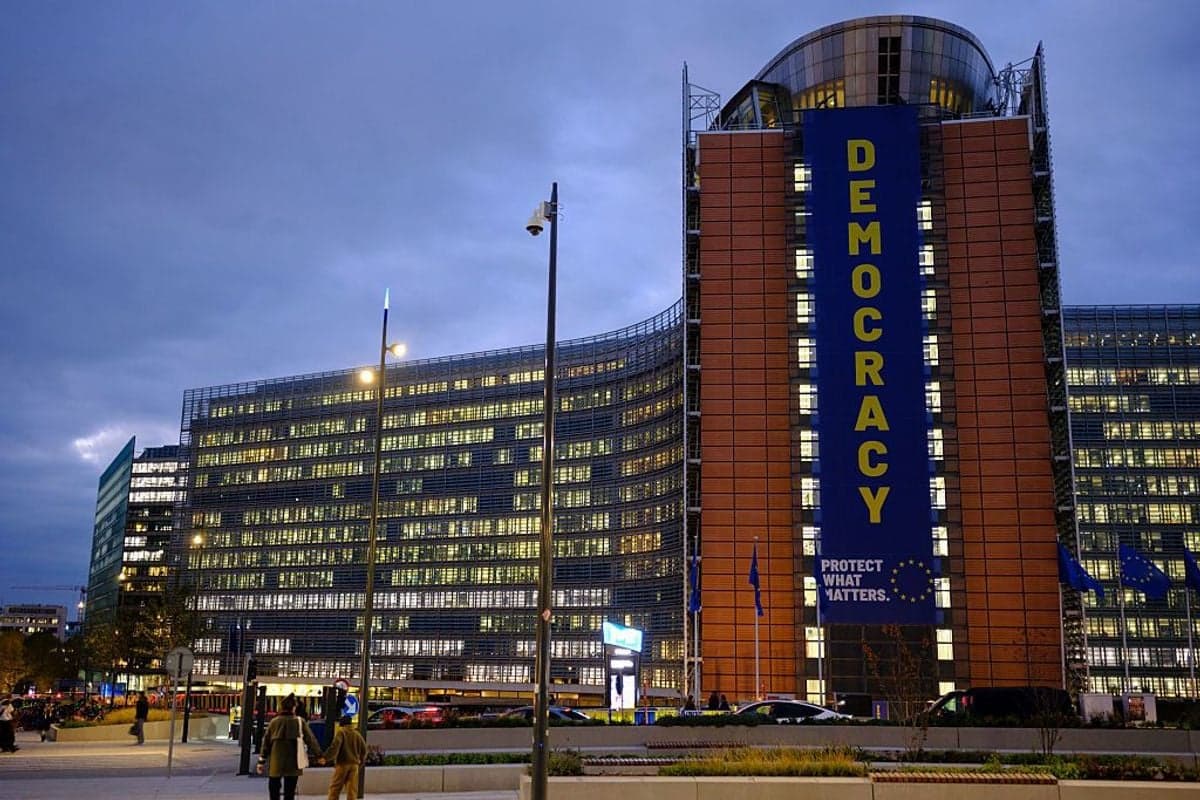
Western Allies Align Security Guarantees for Ukraine Ahead of Abu Dhabi Talks
 02
US Midterms Trigger Foreign Policy Reassessment on Iran and Israel
 03
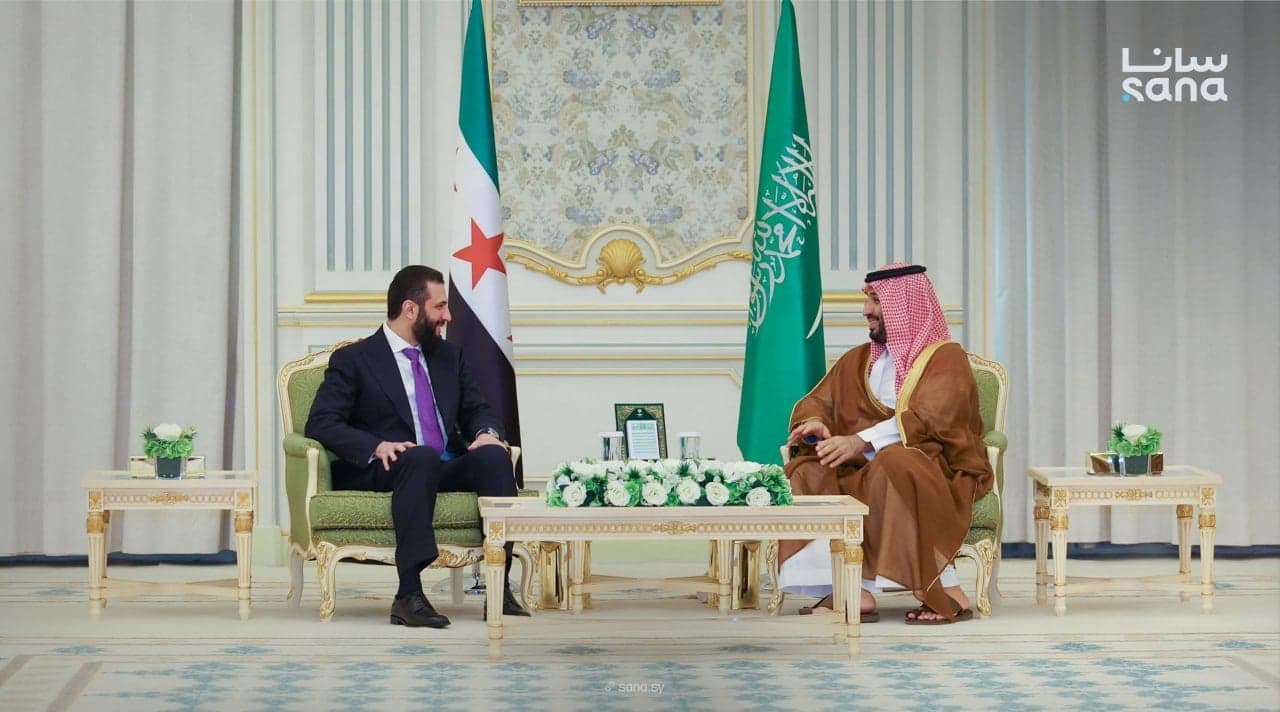
Saudi Arabia and Post-Transition Syria Sign Defense Pact and $403 Million Reconstruction Package
 04
Sudan and Russia Revive Talks for Red Sea Naval Logistics Hub
 05
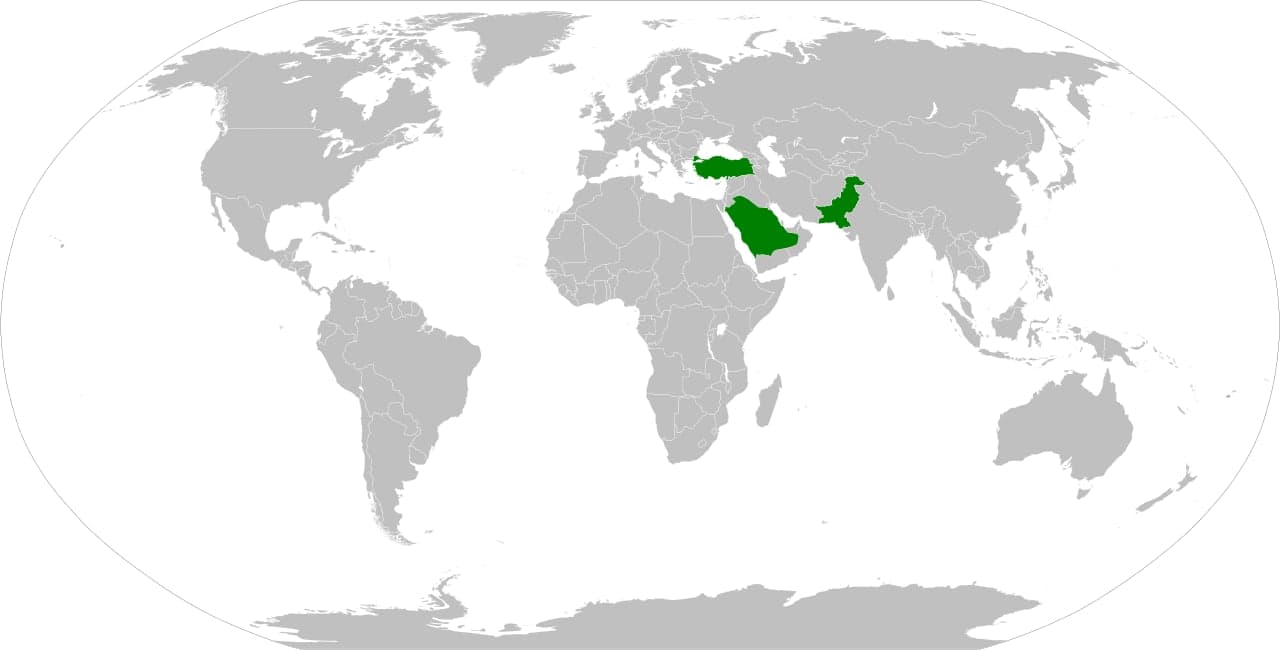
Turkey Ratifies Trilateral Mecca Pact, Enhancing Regional Defense Alignments
 06
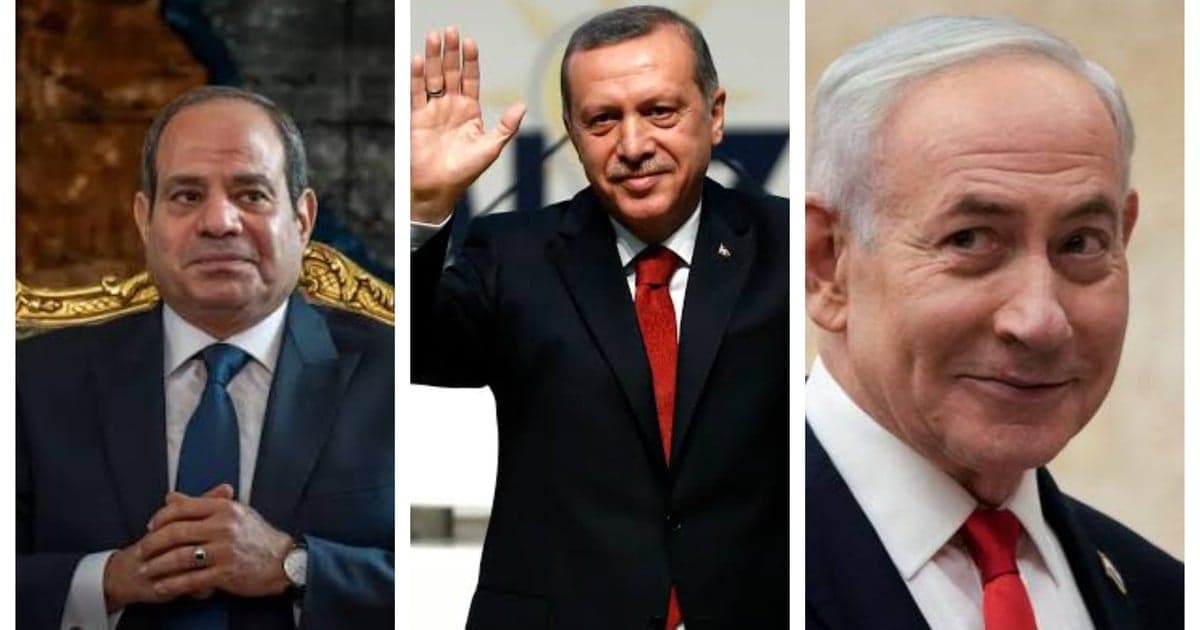
Eastern Libya Endorses Turkey-Libya Maritime Pact, Shifting Mediterranean Landscape
 07
NATO Bolsters Black Sea Air Surveillance After Drone Attacks
 08
Iran and Oman Pursue Diplomatic Path to Reopen Strait of Hormuz
 09
Japan Diversifies Alliances and Deepens French Ties Amid US Political Uncertainty
 10
China Bolsters Mekong Cooperation and Prepares for Trilateral Summits
- 11
Beijing and Pyongyang Reactivate High-Level Party Channels Following Border Summit
- 12
ROK-U.S. Alliance Shifts to Autonomous Regional Counterforce Model
- 13
UN Security Council Adopts Pakistan-Led Framework for Diplomacy During Active Hostilities
 14
UK Promises Slavery Apology Framework, Launches G20 Debt Initiative
 15
India Expands Digital Public Infrastructure to South America with $500 Million Guyana Pact
 16
China Formalizes Mongla Port Expansion in Bangladesh Via Inter-Party Diplomatic Drive
See all 16 as a listHide the list
- Western Allies Align Security Guarantees for Ukraine Ahead of Abu Dhabi Talks
- US Midterms Trigger Foreign Policy Reassessment on Iran and Israel
- Saudi Arabia and Post-Transition Syria Sign Defense Pact and $403 Million Reconstruction Package
- Sudan and Russia Revive Talks for Red Sea Naval Logistics Hub
- Turkey Ratifies Trilateral Mecca Pact, Enhancing Regional Defense Alignments
- Eastern Libya Endorses Turkey-Libya Maritime Pact, Shifting Mediterranean Landscape
- NATO Bolsters Black Sea Air Surveillance After Drone Attacks
- Iran and Oman Pursue Diplomatic Path to Reopen Strait of Hormuz
- Japan Diversifies Alliances and Deepens French Ties Amid US Political Uncertainty
- China Bolsters Mekong Cooperation and Prepares for Trilateral Summits
- Beijing and Pyongyang Reactivate High-Level Party Channels Following Border Summit
- ROK-U.S. Alliance Shifts to Autonomous Regional Counterforce Model
- UN Security Council Adopts Pakistan-Led Framework for Diplomacy During Active Hostilities
- UK Promises Slavery Apology Framework, Launches G20 Debt Initiative
- India Expands Digital Public Infrastructure to South America with $500 Million Guyana Pact
- China Formalizes Mongla Port Expansion in Bangladesh Via Inter-Party Diplomatic Drive
Story 1 of 16
2 min read
Western Allies Align Security Guarantees for Ukraine Ahead of Abu Dhabi Talks
High-level diplomatic consultations involving the U.S., Ukraine, NATO, and European allies convened in Brussels to coordinate positions on security guarantees and economic reconstruction for Ukraine. These discussions precede trilateral peace negotiations scheduled for November in Abu Dhabi, mediated by the U.S. between Ukraine and Russia. A recent humanitarian ceasefire has provided momentum for these talks.
Read the full storyFold the full story2 min · 8 sources
The European Commission hosted urgent, high-level diplomatic consultations in Brussels bringing together representatives from the United States, Ukraine, NATO, Germany, France, the United Kingdom, and the World Bank[1]. The coordination summit was designed to align Western policy positions, finalize binding security guarantee proposals, and structure economic reconstruction blueprints ahead of upcoming trilateral peace negotiations[2][1]. Those negotiations, announced by Washington and officially confirmed by the Kremlin, are scheduled to convene on November 10–11 in Abu Dhabi, mediated by the United States between Ukrainian and Russian delegations[3][4].
The Brussels summit reflects mounting pressure within the Western alliance to establish a unified posture as direct diplomacy accelerates[2][1]. Trilateral negotiations had been suspended earlier in the year due to wider Middle Eastern conflicts, but diplomatic channels were reignited following recent diplomatic missions to Kyiv, Oslo, and St. Petersburg[2][5]. A breakthrough in negotiations followed a localized, U.S.-brokered humanitarian ceasefire around the Ukrainian city of Oleshky, providing the impetus for Washington to pursue a broader settlement[6][5]. However, sharp divisions have emerged between European allies - who fear Washington may push an expedited settlement that undermines European security - and the mediating American team[7][2].
The diplomatic effort features U.S. special envoys Steve Witkoff and Jared Kushner leading the American mediation team, veteran Russian presidential aide Vladimir Medinsky heading Moscow’s delegation, and senior Ukrainian envoys working alongside European Commission planners[3][5][1]. The European Commission emphasized that meetings focused on establishing ironclad multinational security mechanisms for Ukraine, defining Europe’s broader post-war security architecture, and developing economic stabilization scenarios supported by international lending institutions[2][1]. Meanwhile, analyses from foreign policy specialists note that Moscow views the Abu Dhabi round primarily as an instrument to secure incremental concessions from Washington rather than a comprehensive peace resolution[8].
The geopolitical stakes of these preparatory meetings are critical for the global balance of power[2]. By coordinating their positions in Brussels, European powers and NATO leadership are attempting to ensure that any post-war framework negotiated in the Persian Gulf preserves Ukraine’s sovereign defense capability and commits Western allies to durable collective deterrence[2][1]. The impending Abu Dhabi talks test the durability of transatlantic unity, setting the parameters for how post-conflict borders, reconstruction financing, and multilateral security treaties will be structured across the European continent[7][2][1].
- European Commission
- United States
- Ukraine
Story 2 of 16
2 min read
US Midterms Trigger Foreign Policy Reassessment on Iran and Israel
Following the US midterm elections, internal divisions have surfaced regarding Middle East strategy, particularly concerning Iran and Israel. Vice President JD Vance attributed electoral losses to the ongoing conflict with Iran and high energy prices, advocating for a policy shift away from foreign entanglements and closer alignment with Netanyahu's government. President Trump signaled a pause in military operations against Iran and openness to diplomatic tracks, acknowledging the conflict's impact on domestic affordability and voter sentiment.
Read the full storyFold the full story2 min · 10 sources
The domestic political earthquake of the U.S. midterm elections has triggered an immediate reassessment of American foreign policy in the Middle East[1][2]. In the immediate aftermath of elections that saw Democrats capture decisive majorities in both the House of Representatives and the Senate, high-level fissures emerged within the executive branch over prolonged military confrontation with Iran and unconditional alignment with Israel[1][3]. Vice President JD Vance publicly challenged prevailing foreign policy orthodoxy in an extensive public statement, attributing the sweeping electoral defeat directly to the administration’s war with Iran and voter backlash against soaring energy prices[1][3][2]. Vance argued that conservative voters expect Washington to fundamentally alter its relationship with Israeli Prime Minister Benjamin Netanyahu's government and pivot away from foreign entanglements that jeopardize domestic affordability[3]. Vance’s stance was openly endorsed by Donald Trump Jr., signaling an ideological realignment among leading conservative figures[3][2].
President Donald Trump struck a notably more conciliatory tone toward domestic adversaries while simultaneously signaling a tactical pause in regional hostilities[1]. Trump stated publicly that the United States currently has no plans for near-term military strikes against Iranian infrastructure and noted an openness to working with congressional leaders on broader diplomatic tracks[1]. The shift follows months of high-intensity operations that commenced in early July, characterized by naval blockades, aggressive sanctions enforcement under Operation Economic Outcast, and strikes against Iranian targets[4][5]. While Trump defended the operational objective of preventing Iranian nuclear breakout, he acknowledged that the conflict had placed immense upward pressure on retail gasoline prices and voter sentiment, creating urgent incentives for a negotiated diplomatic settlement rather than further escalation[1][2].
This policy friction comes as Capitol Hill prepares for a structural rebalancing of power that will directly affect national security spending and foreign engagements[6][7]. Incoming Democratic leadership has signaled plans to exercise strict subpoena power and leverage defense appropriations to curb unauthorized military expenditures and question the administration's naval maneuvers[1][7]. The looming congressional transition has effectively constrained unilateral action from the White House, with legislators from both parties eyeing legislative mechanisms to attach strict conditions to Middle Eastern security assistance[3][8].
International observers and financial markets view the sudden emergence of this bipartisan sentiment as a watershed moment for Washington’s geopolitical posture[1][3]. While foreign policy prerogatives and presidential veto powers formally remain with the Oval Office, the public willingness of figures like Vice President Vance to align rhetorically with progressive critics on restraining Middle East interventions marks an unprecedented break with decades of bipartisan consensus[9][3]. Diplomatic missions across the region are now recalculating how long Washington’s military commitments can be sustained under mounting congressional oversight and acute domestic cost-of-living concerns[10][2].
- US Midterm Elections
- Middle East
- Iran
Story 3 of 16
2 min read
Saudi Arabia and Post-Transition Syria Sign Defense Pact and $403 Million Reconstruction Package
Syrian President Ahmad al-Sharaa and Saudi Crown Prince Mohammed bin Salman have signed a bilateral defense agreement and six concessional loans totaling over $403 million. This accord marks the first direct Saudi state development financing for Syrian state institutions, targeting critical public infrastructure such as Civil Defense centers, hospitals, and the Aleppo thermal power station. The defense pact includes intelligence sharing and joint coordination on border stability and counter-terrorism.
Read the full storyFold the full story1 min · 7 sources
In one of the most substantial diplomatic and financial realignments in the Levant since Damascus’s political transition, Syrian President Ahmad al-Sharaa concluded high-level talks with Saudi Crown Prince Mohammed bin Salman at Al-Yamamah Palace in Riyadh on November 4, resulting in a bilateral defense agreement and six major concessional loans surpassing $403 million[1][2]. Formally detailed by Syrian and Saudi officials on November 5, the accords mark the first direct Saudi state development financing deployed to Syrian state institutions to rebuild critical public infrastructure[3][2].
The visit was al-Sharaa’s sixth trip to the Kingdom since taking office, accompanied by a senior delegation that included the Syrian ministers of defense, finance, industry, and foreign affairs, alongside the head of the General Intelligence Service[1][4]. Bilateral ties have accelerated sharply following the collapse of the Bashar al-Assad government in December 2024, with Riyadh positioning itself as Syria’s primary regional sponsor, diplomatic conduit to the West, and stabilizer against competing spheres of influence[3][5].
The financial package, channeled through the Saudi Fund for Development, specifically targets critical municipal lifelines: $105 million to expand and equip Syrian Civil Defense centers across multiple governorates, $100 million to rehabilitate and re-equip war-damaged hospitals and healthcare facilities, and $90 million dedicated to restoring the Aleppo thermal power station[2]. An additional $60 million is allocated to repair an initial tranche of 10,000 damaged housing units, alongside $30 million for clean drinking water networks and 300,000 smart water meters across Damascus and Idlib[3][2]. Beyond the reconstruction loans, the defense cooperation agreement formalizes intelligence sharing and joint coordination on border stability and counter-terrorism[2][6].
Regionally, the agreement indicates a decisive structural shift in Middle Eastern geopolitics. By funding basic utilities and municipal governance directly, Riyadh is anchoring Damascus firmly within the Arab fold, actively working to stabilize Syria's new leadership while accelerating diplomatic efforts to remove remaining international financial sanctions[3][5]. The joint communique also notably highlighted shared security concerns regarding maritime chokepoints, calling for immediate de-escalation in the Red Sea, the Bab al-Mandab Strait, and the Strait of Hormuz[7].
- Saudi Arabia
- Syria
- Ahmad al-Sharaa
Story 4 of 16
2 min read
Sudan and Russia Revive Talks for Red Sea Naval Logistics Hub
Sudan and Russia have reopened negotiations for a Russian strategic foothold on Sudan's Red Sea coast, proposing a "free economic zone" for naval logistics. This initiative aims to bypass diplomatic hurdles that have stalled previous plans for a formal Russian naval base. The move seeks to secure Russian arms and political support for Sudan amidst its ongoing civil conflict.
Read the full storyFold the full story2 min · 9 sources
Sudanese government authorities reopened direct negotiations with the Russian Federation to provide Moscow with a permanent strategic foothold along Sudan's Red Sea coast[1][1]. Emerging from high-level bilateral engagements linked to the Russia-Africa framework, Khartoum tabled an alternative arrangement centered on establishing a dedicated "free economic zone" capable of hosting Russian naval logistics, bunkering, and maritime maintenance facilities[1][1]. This proposal seeks to circumvent the intense diplomatic friction and sovereignty disputes that have repeatedly stalled Moscow's long-delayed ambitions to construct an official, fully militarized naval base in Port Sudan[1][2].
The initiative revives an ambition dating back nearly a decade, when Moscow and Khartoum first drafted an accord granting the Russian Navy access to Port Sudan in exchange for weapons, military technology, and security assistance[2][3]. Progress had been repeatedly derailed by Sudan’s 2019 revolution, military coups, and the devastating civil conflict between the Sudanese Armed Forces (SAF) and the Rapid Support Forces (RSF)[4][2]. Throughout this instability, Moscow cultivated deep ties with various Sudanese actors - initially through the Wagner Group’s gold extraction networks (such as Meroe Gold) and subsequently through the Russian Ministry of Defense's reorganized Africa Corps[5][2]. With the SAF fighting to consolidate territorial and economic control, Sudanese leaders are leveraging maritime access to secure Russian arms, fuel supplies, and international political cover against Western diplomatic isolation[2][6].
Key players involved include senior Sudanese military delegates, Sudan's Ambassador to Russia Mohammed Eltigani Sirrag, and Kremlin defense and foreign policy strategists[1][7]. Russian leadership views the Red Sea corridor as vital for extending maritime reach south of the Suez Canal toward the Gulf of Aden and the broader Indian Ocean[1][6]. Conversely, Western powers, led by the United States, have consistently applied pressure on Khartoum to reject permanent Russian military basing[8]. Analysts observe that reclassifying the installation under a civilian-commercial "free economic zone" banner provides Khartoum with diplomatic deniability, allowing it to offer operational basing to Russian auxiliary vessels without triggering automatic Western sanctions[1][8].
If finalized, the arrangement will significantly shift naval power balances across the Horn of Africa and the Red Sea maritime chokepoints[1][6]. A operational Russian hub would grant Moscow sustained surveillance capabilities over international commercial transit through the Bab al-Mandeb strait, placing Russian naval assets in close proximity to critical Western and Asian trade lanes[1][6]. Regional security analysts note that this development complicates maritime security operations led by the United States and European partners, while simultaneously presenting regional actors such as Saudi Arabia, Egypt, and Eritrea with a more embedded, multipolar military reality along their vulnerable maritime flanks[6][9].
- Sudan
- Russia
- Port Sudan
Story 5 of 16
3 min read
Turkey Ratifies Trilateral Mecca Pact, Enhancing Regional Defense Alignments
Turkey's Grand National Assembly is moving to ratify the Mecca Pact, a mutual defense treaty signed with Saudi Arabia and Pakistan in August 2026. The agreement commits signatories to collective defense against external attacks, mirroring NATO's Article 5. This ratification aligns with broader regional efforts to establish autonomous collective security frameworks in response to instability and shifting U.S. security commitments.
Read the full storyFold the full story2 min · 10 sources
Turkey’s Grand National Assembly moved toward a critical legislative vote to formally ratify the Mecca Pact, the historic mutual defense treaty signed in August 2026 alongside Saudi Arabia and Pakistan[1][2]. The treaty, formally designated the Makkah Agreement for Joint Defense, commits the three nations to treat an external armed attack on any member as an aggression against all, mirroring the collective security architecture of NATO’s Article 5[1][2]. Turkish lawmakers initiated floor debates and committee reviews under Article 90 of Turkey’s Constitution to incorporate the agreement into domestic law[2]. The parliamentary push coincides with broader regional analyses regarding the treaty's operational scope, its ten-year withdrawal restriction, and its intersection with complementary minilateral arrangements, most notably the newly minted Badr Memorandum of Understanding among Turkey, Pakistan, Qatar, and Indonesia[3][2].
The geopolitical momentum driving the Mecca Pact reflects years of structural transformation across the Middle East and South Asia[4][5]. Persistent instability, regional conflicts involving Iran, and unpredictable shifts in American security commitments have propelled regional capitals to build autonomous collective frameworks[1][4][6]. The alliance grew out of an earlier bilateral defense accord signed between Riyadh and Islamabad in September 2025[1]. Ankara’s inclusion cemented a trilateral coalition uniting Turkey’s advanced defense manufacturing sector, Pakistan’s nuclear and conventional military manpower, and Saudi Arabia’s financial resources[7][1]. However, the agreement's ratification exposes domestic legal complexities within Turkey[2]. While ratification under Article 90 endorses the legal framework, the Turkish military cannot deploy personnel abroad without an independent parliamentary mandate under Article 92, an authorization that Turkish officials have noted remains uncommitted[2].
Key figures steering this realignment include Turkish President Recep Tayyip Erdoğan, Saudi defense planners in Riyadh, and the pact’s first Secretary General, retired Pakistani Lieutenant General Nauman Mahmood[8][1]. In parallel, industrial leaders such as Haluk Görgün, head of Turkey’s Defence Industry Agency, have sought to bridge the Mecca Pact with broader production initiatives like the Badr agreement[9]. Analysts emphasize that the pact leaves critical operational details unresolved, including designated unit assignments, joint operational budgets, and a unified definition of hostile threats[2]. Scholars like Khalid Al-Jufairi highlight that for Middle Eastern partners, true strategic utility will depend on whether these agreements establish resilient defense-industrial supply chains that provide domestic maintenance, repair, overhaul, and munitions security during protracted crises[10].
The long-term implications for global power dynamics are profound. By binding a key NATO member (Turkey) with a non-NATO nuclear state (Pakistan) and the preeminent Gulf energy powerhouse (Saudi Arabia), the Mecca Pact represents a functional departure from traditional Western-centric alliances[1][6]. The pact signals to Washington and European capitals that Middle Eastern powers are actively constructing post-Western defense deterrence architectures[4][6]. While Western security planners monitor how this bloc balances against Iranian operations and Gulf maritime safety, rival regional capitals express apprehension[4][6]. The institutionalization of the Mecca Alliance challenges the strategic monopoly long held by U.S. security guarantees in the region, introducing a potent, indigenously managed axis of deterrence[4][6].
- Turkey
- Saudi Arabia
- Pakistan
Story 6 of 16
2 min read
Eastern Libya Endorses Turkey-Libya Maritime Pact, Shifting Mediterranean Landscape
Eastern Libya's House of Representatives has ratified the 2019 Turkey-Libya maritime memorandum of understanding, a significant reversal from its previous stance. This decision formally aligns eastern Libyan authorities with Ankara, reshaping the legal and territorial landscape of the Eastern Mediterranean. The move is seen as a bid for international legitimacy and investment by factions within eastern Libya.
Read the full storyFold the full story2 min · 5 sources
Eastern Libya’s House of Representatives (HoR) completed a stunning geopolitical reversal by ratifying the 2019 Turkey-Libya maritime memorandum of understanding, officially aligning eastern Libyan authorities with Ankara[1][2]. For years, the eastern administration in Benghazi vehemently rejected the pact, condemning it as an illegitimate creation of the rival western-based Government of National Accord in Tripoli[2]. The ratification, confirmed by regional security monitors and legislative officials, represents a formal realignment of eastern Libya’s external partnerships and reshapes the legal and territorial landscape of the contested Eastern Mediterranean[1][2].
The background to this pivot stems from shifts within eastern Libya’s internal power dynamics[1][3]. The political sidelining of long-time parliamentary speaker Aguila Saleh - who had historically anchored eastern resistance against Ankara - and the simultaneous rise of Saddam Haftar have altered Benghazi’s strategic calculus[1][3]. Seeking international legitimacy, developmental investment, and direct channels to Ankara’s military and diplomatic influence, the Haftar faction determined that endorsing Turkey’s maritime blueprint serves eastern Libya's long-term interests[1][4]. By recognizing the exclusive economic zone (EEZ) boundaries drawn by Ankara, eastern Libya has decoupled itself from the strict containment policy pursued by its traditional foreign backers[4][2].
The move involves high-profile players across the Mediterranean, including Turkish President Recep Tayyip Erdoğan, eastern Libyan military and political factions under Saddam Haftar, and the Greek and Egyptian diplomatic establishments[1][5][4]. The reaction from Athens was immediate condemnation, as the revived boundary maps directly overlap Greek maritime claims south of Crete[1][2]. Simultaneously, diplomatic reports revealed that Ankara attempted to exploit the development by offering Egypt a competing maritime boundary agreement that would grant Cairo 15,000 square kilometers of additional maritime territory compared to a prospective Greek deal, an overture Cairo officially declined[5]. Regional commentators, including Sinan Ciddi and Hafed Al Ghwell, note that eastern Libya’s ratification turns an energy dispute into an acute crisis for NATO and Southern European security[1][2].
The implications of this diplomatic coup for Mediterranean power dynamics are far-reaching. The ratification shatters Greece’s long-standing regional strategy, which had relied on a coalition comprising eastern Libya, Egypt, Cyprus, and Israel to legally isolate Turkey’s maritime claims[5][4]. With eastern Libya now aligned with Ankara, Turkey gains a consolidated legal and geopolitical foothold across both Libyan administrative poles[1][3]. This realignment severely complicates international efforts to develop Eastern Mediterranean undersea gas infrastructure and heightens friction within NATO, leaving Greece increasingly isolated in its push to legally restrict Turkish maritime sovereignty claims[1][4][2].
- Eastern Libya
- Turkey
- Libya
Story 7 of 16
2 min read
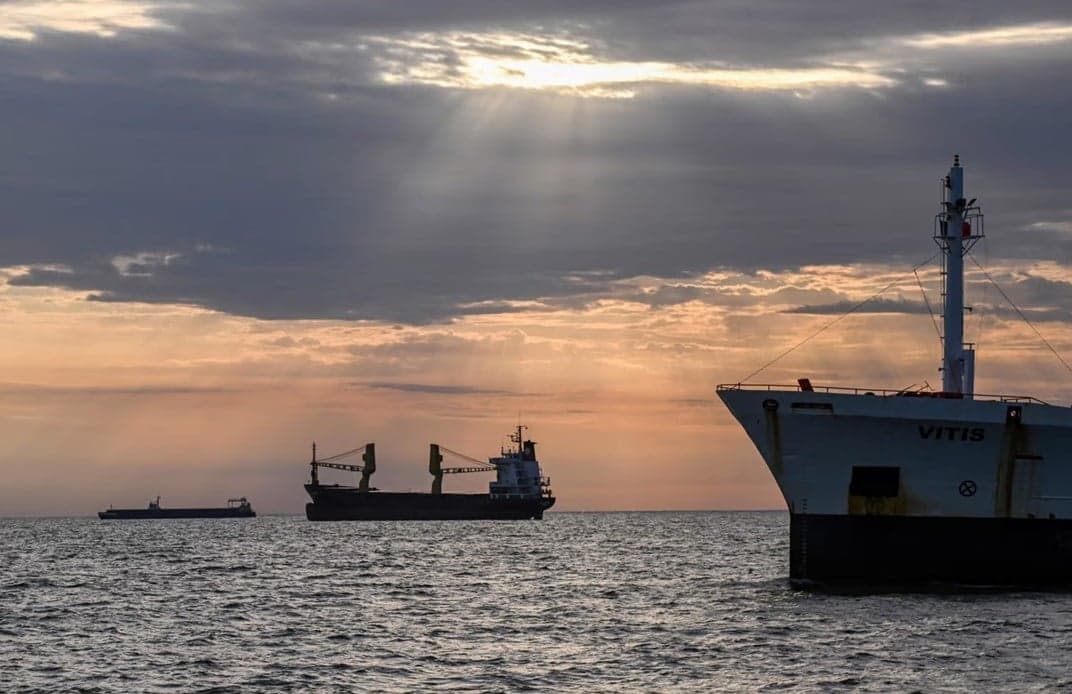
NATO Bolsters Black Sea Air Surveillance After Drone Attacks
NATO has significantly increased aerial surveillance and reconnaissance over the western Black Sea, deploying advanced aircraft and radar systems. This enhanced presence is a direct response to recent asymmetric maritime attacks, including drone strikes, on commercial shipping in the waters of Romania and Bulgaria. Wreckage analysis indicates Russian-origin drones, suggesting a deliberate escalation of Moscow's blockade tactics.
Read the full storyFold the full story2 min · 7 sources
NATO operationalized a substantial reinforcement of its aerial surveillance and reconnaissance presence over the western Black Sea, deploying multi-platform air assets into the airspace of alliance members Romania and Bulgaria[1][2]. Coordinated sorties involved United States Navy Boeing P-8A Poseidon maritime patrol aircraft tracking coastal waters off Bulgaria, a NATO E-3A Sentry AWACS flying out of Geilenkirchen, Germany, and an Airbus A330 Multi Role Tanker Transport operating from Cologne[2]. The heightened air umbrella follows formal alliance announcements detailing the dispatch of specialized maritime patrol aircraft, advanced radars, and counter-drone systems to safeguard critical commercial maritime lanes along NATO's eastern littoral flank[1][3].
This defensive surge is a direct response to a dangerous escalation of asymmetric maritime attacks on commercial shipping along the Danube delta and Romanian-Bulgarian transit routes[4][5]. Throughout October, at least eight commercial cargo ships and tankers - including the Liberian-flagged Contship Jet, the Chelsea 3, the Wine Trader, and the Yara J - were struck or sunk by explosive naval drones and loitering munitions[5][3]. Crucially, several strikes occurred within Bulgarian exclusive economic zones and near Romanian territorial waters used by civilian grain bulkers operating out of Ukrainian ports[4][5]. Western intelligence and maritime security consultancies such as Ambrey identified the drone wreckage as Russian-origin variants, underscoring that Moscow's blockade tactics have spilled into the territorial waters and economic zones of NATO member states[4][5].
The operation brings together NATO military spokesperson U.S. Army Col. Martin O'Donnell, alliance spokesperson Allison Hart, and the defense ministries of Sofia, Bucharest, and Ankara[1][3][6]. Defense analysts such as Sidharth Kaushal from the Royal United Services Institute (RUSI) and Iulia Joja from the Middle East Institute warn that these attacks constitute a deliberate strategy by Moscow to probe NATO’s defensive red lines[4][5]. Russia has denied responsibility, claiming Western military aid escalates the conflict, but local defense officials have demanded that NATO shift from passive air policing to robust, active kinetic defense along the maritime frontier[4][7].
The enhanced deployment highlights the evolving nature of the Black Sea as a frontline flashpoint where low-signature robotic warfare directly tests collective alliance treaties[4][5]. While NATO’s deployment provides real-time domain awareness and early warning to civilian merchant traffic, analysts emphasize that surveillance platforms cannot unilaterally eliminate sub-surface or low-profile maritime drones[1]. This dynamic accelerates trilateral naval and intelligence coordination among Romania, Bulgaria, and Turkey, but it also elevates the operational risk of a direct kinetic engagement between allied forces and Russian-operated unmanned systems within international Black Sea waters[4][6].
- NATO
- Black Sea
- Romania
Story 8 of 16
2 min read
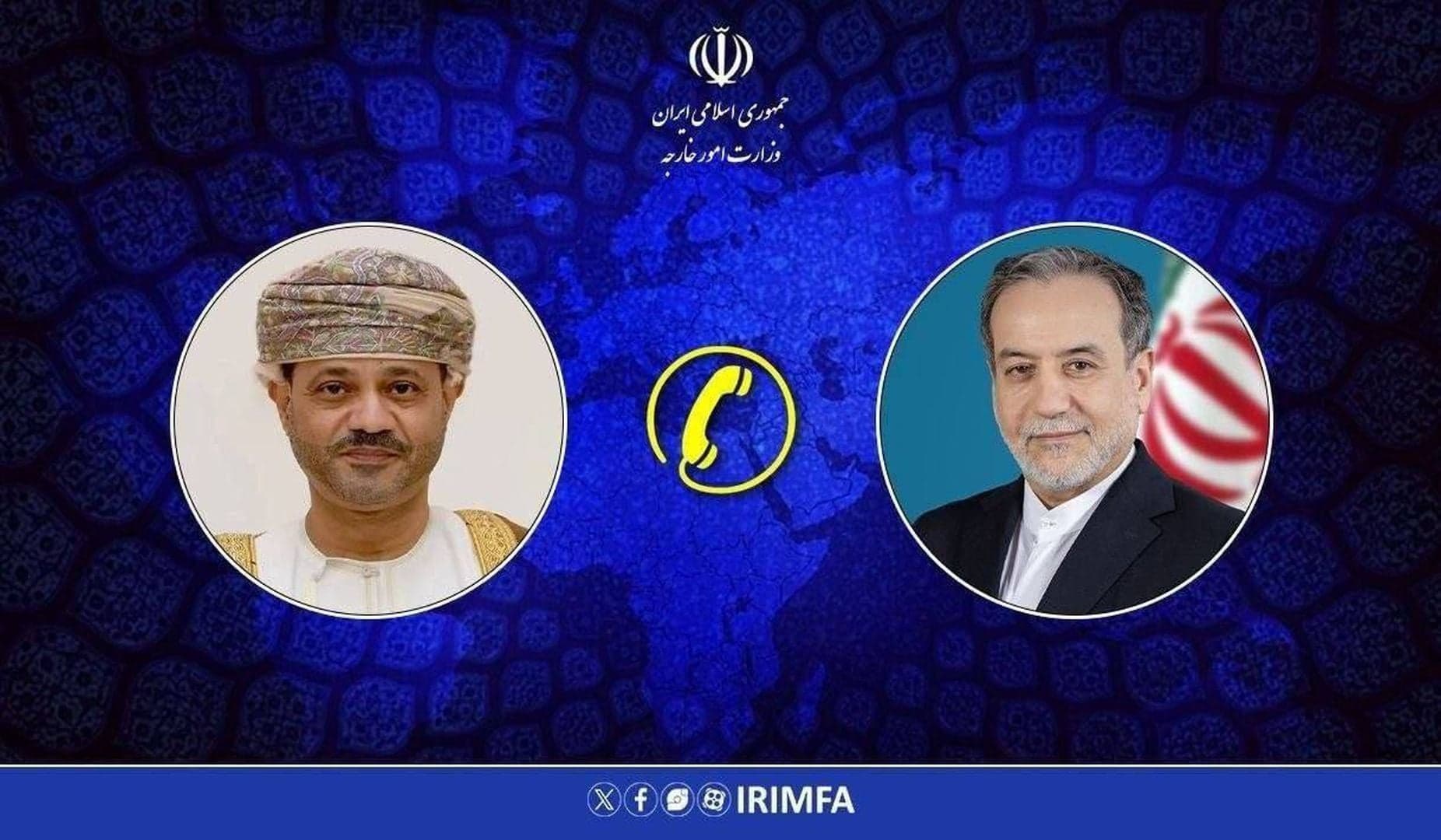
Iran and Oman Pursue Diplomatic Path to Reopen Strait of Hormuz
Responding to geopolitical shifts, Iran and Oman are actively pursuing diplomatic channels to de-escalate tensions and ensure safe passage through the Strait of Hormuz. Iranian Foreign Minister Seyed Abbas Araghchi and Omani Foreign Minister Sayyid Badr bin Hamad Al Busaidi discussed practical mechanisms for reopening commercial shipping. Tehran has proposed a 48-hour framework for tanker traffic in exchange for sanctions relief and reduced US military presence.
Read the full storyFold the full story2 min · 7 sources
Directly responding to the shifting political environment in Washington, senior diplomats in Muscat and Tehran have accelerated efforts to establish a technical and diplomatic pathway to defuse the Persian Gulf crisis[1][2]. Iranian Foreign Minister Seyed Abbas Araghchi and Omani Foreign Minister Sayyid Badr bin Hamad Al Busaidi conducted comprehensive telephone consultations to evaluate practical mechanisms for de-escalating military confrontations and guaranteeing safe, unimpeded commercial shipping through the vital Strait of Hormuz[1][2]. Both ministers emphasized the necessity of transitioning from short-term conflict management toward formal, sustainable understandings that balance international navigation rights with state sovereignty[2].
The diplomatic track gained momentum as Iranian officials continued indirect diplomacy via Omani and Qatari intermediaries, proposing a compressed timeline to halt maritime restrictions in exchange for specific Western concessions[2][3]. Tehran has pushed for an expedited 48-hour reopening framework for commercial tanker traffic through an agreed navigational corridor established with Oman[4][3]. However, the proposal remains heavily contingent on Washington lifting recent energy and financial sanctions - measures Iranian officials have labeled economic warfare - and reducing American military deployments in regional waters[4][5][3]. Despite diplomatic overtures, maritime risk remains elevated; Iran’s Islamic Revolutionary Guard Corps (IRGC) concurrently reported that two oil tankers and a tugboat caught fire overnight following alleged mine detonations after deviating into non-approved routes[6][7].
The geopolitical stakes surrounding the Araghchi-Al Busaidi talks are immense for international commodity markets and regional stability[1][2]. The naval impasse, ongoing since early July strikes, has severely curtailed energy transit through one of the world's most critical maritime chokepoints, driving up global freight rates, insurance premiums, and retail petroleum prices[6][1]. Omani diplomats are leveraging their historical position as neutral mediators to structure verifiable verification protocols that could decouple international maritime passage from wider geopolitical friction[1][2].
Regional reactions highlight a mix of optimism and caution[6][2]. While energy markets welcomed signs of potential diplomatic progress, Iranian representatives conceded that broad gaps remain regarding the sequencing of sanctions relief and maritime guarantees[6]. Washington’s measured response, combined with Muscat’s structured mediation, nevertheless provides the first tangible opening in months to end active hostilities across Arabian Peninsula shipping lanes without requiring broader, immediate military resolution[6][2].
- Iran
- Oman
- Strait of Hormuz
Story 9 of 16
2 min read
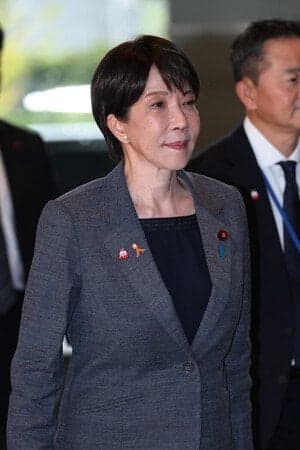
Japan Diversifies Alliances and Deepens French Ties Amid US Political Uncertainty
Reacting to the US midterm election results, Japan is actively reassessing its security alliances and strengthening ties with other nations. Prime Minister Sanae Takaichi aims to reaffirm the US-Japan security alliance while also deepening cooperation with France in defense, AI, and economic security. This strategic diversification is driven by concerns that a politically constrained US might pursue unilateral deals with rivals like China.
Read the full storyFold the full story2 min · 9 sources
Confronted by the U.S. midterm election outcome, the Japanese government has initiated an urgent diplomatic mobilization to safeguard its security interests in the Indo-Pacific[1][1]. In Tokyo, Prime Minister Sanae Takaichi and Chief Cabinet Secretary Minoru Kihara announced plans to accelerate high-level communications with Washington to reaffirm the durability of the U.S.-Japan security alliance[1][1]. Addressing reporters, Kihara stressed that close cooperation between the two nations' foreign ministers and top leaders remains essential to regional stability[1][1]. However, senior officials privately expressed deep concern that a politically weakened U.S. administration, free from upcoming electoral constraints, might pursue unilateral, legacy-driven diplomatic breakthroughs with Beijing, Moscow, or Pyongyang at the expense of allied coordination[1][1][2].
Simultaneously, Prime Minister Takaichi moved to diversify Japan’s strategic partnerships beyond its traditional reliance on Washington, conducting a high-level summit telephone meeting with French President Emmanuel Macron[3]. During the 30-minute discussion, the two leaders confirmed expanding bilateral cooperation in defense, artificial intelligence, space technologies, and economic security[3]. Takaichi also utilized the summit to address European trade friction, directly lodging Tokyo's serious concerns regarding the European Union's proposed Industrial Accelerator Act (IAA) and requesting French intervention to protect cross-border industrial integration[3]. Both leaders underscored the imperative for immediate de-escalation and maritime stabilization in the Middle East[3].
The strategic anxiety in Tokyo reflects the substantial investments the Takaichi administration has made in defense expansion and alignment with U.S. regional security initiatives[2][4]. Japan is currently finalizing revisions to its three primary security documents - the National Security Strategy, National Defense Strategy, and Defense Buildup Program - which emphasize counterstrike capabilities, unmanned combat systems, and record-high defense spending[5][6]. Policymakers in Tokyo worry that political paralysis or abrupt strategic shifts in Washington could complicate defense burden-sharing and leave Japan exposed to aggressive posture changes from regional rivals[1][7].
International affairs analysts note that Takaichi faces a complex diplomatic tightrope[8]. Japan must maintain intimate ties with the White House to preserve deterrence across the East China Sea and Taiwan Strait while insulating itself from potential transactional bargaining between Washington and Beijing[8][9]. By simultaneously pursuing an early bilateral summit with Trump and deepening security ties with European powers like France, Tokyo is actively hedging against American policy volatility and reinforcing middle-power defense networks across the broader Indo-Pacific theater[1][3].
- Japan
- United States
- Sanae Takaichi
Story 10 of 16
2 min read
China Bolsters Mekong Cooperation and Prepares for Trilateral Summits
China has launched a significant regional initiative through the Lancang-Mekong Cooperation (LMC) framework, emphasizing a "golden decade" of integration focused on trade corridors, industrial chains, and AI governance. Foreign Minister Wang Yi outlined a five-point plan for regional solidarity. Beijing is also signaling readiness for trilateral discussions with the US and Russia at the upcoming APEC summit, while criticizing Japan's military expansion.
Read the full storyFold the full story2 min · 8 sources
China deployed a major regional and multilateral diplomatic initiative focused on securing its southern periphery and positioning itself for high-stakes great-power summits[1][2]. In Beijing, Foreign Minister Wang Yi concluded the 11th Lancang-Mekong Cooperation (LMC) Foreign Ministers’ Meeting alongside Thai Deputy Prime Minister Sihasak Phuangketkeow, with foreign ministers from Cambodia, Laos, Myanmar, and Vietnam in attendance[2][3]. Marking the mechanism’s tenth anniversary, Wang laid out a five-point strategic framework for a new “golden decade” of regional integration[4][2]. The strategy prioritizes building out the New International Land-Sea Trade Corridor, deepening cross-border industrial chains, advancing joint AI governance, and elevating the LMC into an explicit benchmark for Global South solidarity[4][2].
Complementing this regional initiative, the Chinese Ministry of Foreign Affairs, through spokesperson Guo Jiakun, signaled that Beijing is maintaining active diplomatic communication with both Washington and Moscow to coordinate possible trilateral head-of-state discussions at the upcoming Asia-Pacific Economic Cooperation (APEC) summit in Shenzhen[4][5][1]. Russian presidential special envoy Kirill Dmitriev arrived in Washington to maintain bilateral channels following the U.S. elections, an initiative that aligns with Beijing's stated readiness to facilitate summit diplomacy among major powers[5]. However, Beijing paired this openness with stern warnings directed at regional rivals[4][6]. Spokesperson Guo strongly rebuked Japan’s pending revisions to its three national security documents, labeling Tokyo’s development of long-range offensive strike capabilities and expanded military spending as an alarming program of rapid remilitarization carried out under the pretext of defense[4][4][6].
The Lancang-Mekong announcements reflect Beijing's sustained effort to build economic and security self-reliance across Southeast Asia amid ongoing geopolitical shocks and Western trade restrictions[4][2]. Wang Yi held targeted bilateral meetings with his counterparts, reassuring Cambodian Foreign Minister Prak Sokhonn that China remains Cambodia's primary "strategic anchor" while pushing forward joint development initiatives like the Industrial Development Corridor and the Fish and Rice Corridor[7]. At the same time, Beijing reiterated calls for joint law-enforcement operations targeting transnational telecommunications fraud syndicates operating along the Mekong basin[7].
For the Southeast Asian participants, the Beijing ministerial solidified critical trade and infrastructure linkages, with member states advocating for improved multimodal logistics to weather global energy and supply disruptions[8]. By simultaneously driving institutional integration along the Mekong and preparing the diplomatic groundwork for high-level engagements with Russian and American counterparts in Shenzhen, China is asserting a central role in steering Eurasian and Asia-Pacific regional architecture at a time of political uncertainty among Western powers[5][1][2].
- China
- Lancang-Mekong Cooperation (LMC)
- Wang Yi
Story 11 of 16
2 min read
Beijing and Pyongyang Reactivate High-Level Party Channels Following Border Summit
China and North Korea have renewed high-level party-to-party diplomacy with a meeting in Beijing between officials from the CCP and the Workers' Party of Korea (WPK). This follows a recent summit where North Korean leader Kim Jong-un met Chinese officials to discuss border trade, energy, and economic logistics. The engagement highlights a focus on institutionalizing party apparatus ties to manage bilateral relations and cross-border issues.
Read the full storyFold the full story1 min · 1 source
Party-to-party diplomacy between China and North Korea saw a renewed push on November 5, 2026, when Wang Yi hosted a delegation in Beijing led by Kim Song-nam, head of the International Affairs Department of the Workers’ Party of Korea (WPK)[1]. Wang held the consultations in his role as a member of the CCP Politburo and Director of the Office of the Central Commission for Foreign Affairs - the CCP's supreme foreign policy apparatus - rather than through standard state diplomatic protocols, highlighting an effort to institutionalize party apparatus ties between the two capitals[1].
The meeting follows a rare cross-border visit by North Korean Supreme Leader Kim Jong-un to the Chinese border city of Dandong, where senior Chinese officials, including Politburo Standing Committee member Wang Huning, held closed-door discussions on border trade, energy access, and economic logistics[1]. Addressing the Pyongyang delegation, Wang Yi stressed that Beijing stands ready to implement the consensus reached by both state leaders to advance bilateral relations into "deeper, greater, substantive and better development"[1].
The reactivation of high-level party channels occurs against a backdrop of complex regional shifts, including broader northeast Asian security recalibrations and tightening supply chain scrutiny across the Asia-Pacific[1]. Observers note that while state-level rhetoric has often appeared measured, the direct engagement between the International Department of the CCP and the WPK serves as Pyongyang’s principal diplomatic valve for negotiating cross-border freight quotas, labor mobility, and critical commodities[1].
This localized diplomatic coordination illustrates Beijing’s intent to manage its neighbor through structured party channels rather than multilateral security dialogues[1]. By solidifying party consensus in the wake of the Dandong border summit, China is reasserting its unique leverage over North Korea’s strategic trajectory while ensuring cross-border stability remains tightly held within internal party mechanisms[1].
- China
- North Korea
- Wang Yi
Story 12 of 16
2 min read
ROK-U.S. Alliance Shifts to Autonomous Regional Counterforce Model
The ROK-U.S. alliance is rebalancing its defense posture, with South Korea accelerating modernization to assume frontline responsibility under new U.S. doctrine. This involves significant investments in autonomous intelligence, surveillance, reconnaissance, and long-range strike capabilities. The shift is driven by North Korea's evolving threat capabilities, including advanced drones and ballistic missiles.
Read the full storyFold the full story2 min · 1 source
Comprehensive strategic assessments detailed a foundational shift in the defense posture of the Republic of Korea (ROK)-U.S. alliance, driven by Seoul's accelerated conventional modernization programs designed to meet Washington's newly revised alliance doctrine[1]. Under the framework of the 2026 U.S. National Defense Strategy, the United States has mandated that regional treaty allies assume frontline responsibility for their own defense against immediate regional threats, with Washington providing "critical but limited" backing[1]. Analysis published by military research institutions confirmed that South Korea is rapidly scaling investments in autonomous intelligence, surveillance, reconnaissance, and long-range strike capabilities to operationalize this autonomous burden-sharing model[1].
The realignment is accelerated by changing threat perceptions across the Korean Peninsula[1]. North Korea’s successful integration of tactical combat lessons learned from Ukraine has produced enhanced combined strike doctrines combining long-range ballistic missiles, heavy artillery, and sophisticated unmanned aerial systems[1]. Demonstrations in late October showcased Pyongyang’s vast expansion in fixed-wing unmanned combat aerial vehicles and loitering munitions, intended to erode traditional allied conventional advantages[1]. Concurrently, political rhetoric from the Pentagon - exemplified by senior defense leadership asserting that the United States will prioritize allies actively providing for their own defense - has signaled that Seoul must rapidly prepare for greater operational independence[1].
The transformation involves key decision-makers within the ROK Ministry of National Defense, United States Forces Korea (USFK), and incoming allied commanders, including General Xavier Brunson[1]. South Korea's military is focusing resources on domestic sensor-to-shooter strike networks and counter-unmanned systems to counterbalance Pyongyang’s asymmetric modernization[1]. However, prominent defense analysts express skepticism regarding whether this forced burden-sharing is entirely realistic[1]. Given North Korea’s continuous expansion of tactical nuclear forces aimed at achieving strategic parity with the United States, military planners warn that any premature devolution of defensive responsibility risks eroding the credible deterrence long provided by the American nuclear umbrella[1].
The long-term consequence of this partnership shift is a redefinition of the U.S. force footprint in Northeast Asia[1]. Enabling the ROK military to command and execute sovereign counterforce missions against regional threats theoretically allows USFK assets to adopt a more flexible, mobile posture across the broader Indo-Pacific theater[1]. However, the strategic trade-off is significant: as the alliance moves away from absolute integration toward a decentralized model, regional adversaries may interpret the transition as a reduction in American commitment, heightening the risk of miscalculation and strategic instability in the Asia-Pacific[1].
- Republic of Korea (ROK)
- U.S.
- North Korea
Story 13 of 16
2 min read
UN Security Council Adopts Pakistan-Led Framework for Diplomacy During Active Hostilities
The UN Security Council has adopted a presidential statement, spearheaded by Pakistan, to establish a formal international framework for sustaining diplomatic mediation during active combat. This is the first time the Council has formally addressed preserving dialogue channels while fighting is ongoing, rather than focusing solely on pre-conflict prevention or post-war reconstruction. The statement aims to prevent escalation and facilitate humanitarian coordination by keeping communication avenues open.
Read the full storyFold the full story2 min · 2 sources
In a rare institutional consensus on the mechanics of modern warfare, the United Nations Security Council agreed to adopt a presidential statement on November 5, 2026, establishing a formal international framework for sustaining diplomatic mediation while active combat is underway[1][2]. Penned by Pakistan, the initiative marks the first time the Council has dedicated a formal presidential product exclusively to preserving dialogue and indirect communication channels during open fighting, rather than focusing purely on pre-conflict prevention or post-war reconstruction[1]. The draft cleared the Council’s silence procedure on November 4 following intense diplomatic negotiations and minor revisions driven by Western members, notably the United States[1].
The statement builds upon Security Council Resolution 2788, adopted in July 2025, which recommitted the body to the peaceful settlement of disputes under Chapter VI of the UN Charter[1]. Council deliberations throughout late 2026 had grown increasingly polarized, with Secretary-General António Guterres repeatedly warning that global flashpoints in Eastern Europe, the Middle East, and Sudan reflected a dangerous trend where "force outpaces diplomacy"[1]. The Pakistani penholders argued that contemporary wars frequently lack established off-ramps because combatant states systematically sever bilateral channels upon the outbreak of violence, exacerbating escalation risks and hindering basic humanitarian coordination[1][1].
The breakthrough required significant compromise between the penholder and the permanent five members. The United States initially broke silence on October 30, objecting to earlier drafts that could have constrained defensive mandates or compelled unwanted third-party intervention without clear sovereign consent[1][1]. The final, agreed-upon third revised draft explicitly emphasizes the utility of direct and indirect channels to reduce battlefield miscalculation, facilitates localized ceasefires, and mandates the Secretary-General to leverage his "good offices" to keep avenues open during fighting[1][1]. It also incorporated compromised language obligating combatants to respect international humanitarian law and ensure unhindered humanitarian access "as applicable"[1].
The long-term significance of this statement lies in setting a normative precedent for multilateral intervention in protracted wars[1]. By formalizing "diplomacy during hostilities," non-permanent members have created a procedural basis to pressure warring parties and intermediary nations to keep backchannels open without awaiting a military stalemate[1][1]. Regional mediation centers and specialized multilateral envoys are expected to cite this framework to legitimize quiet, technical-level talks amid ongoing clashes, potentially shifting how the UN engages in active battlefields.
- United Nations Security Council
- Pakistan
- United States
Story 14 of 16
2 min read
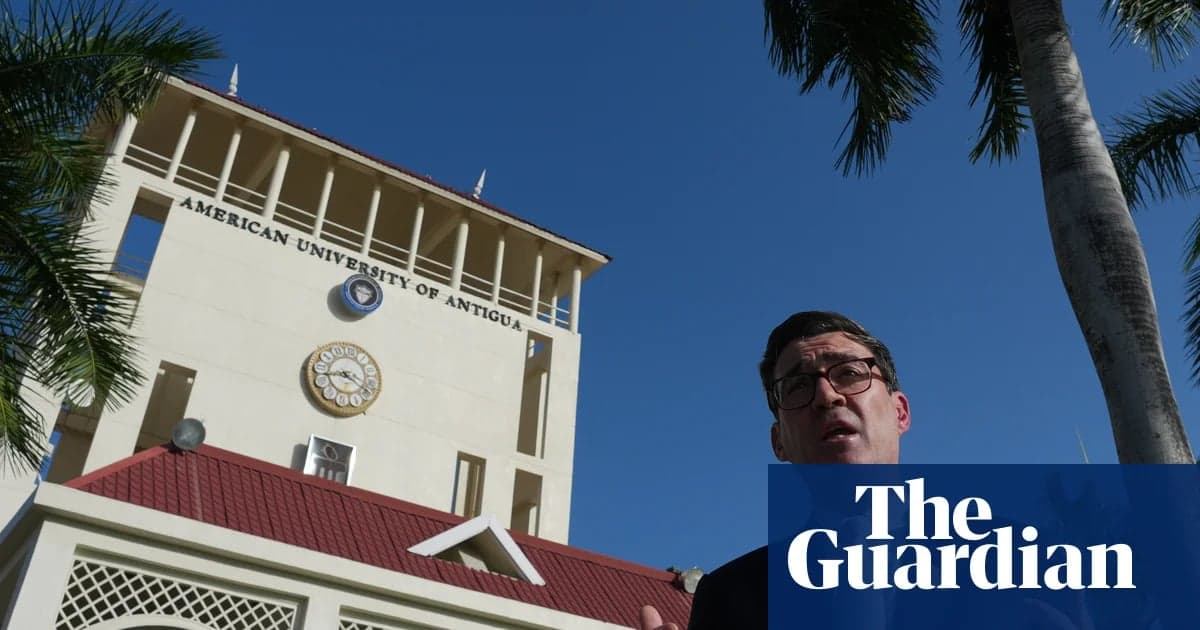
UK Promises Slavery Apology Framework, Launches G20 Debt Initiative
At the Commonwealth Heads of Government Meeting, the UK has agreed to a structured dialogue on historical harms of the slave trade, with Prime Minister Andy Burnham aiming for a formal state apology within a year. While ruling out direct financial reparations, London will focus on apologies, educational partnerships, and climate-resilient infrastructure investments in the Caribbean. The UK also plans to champion sovereign debt restructuring for developing nations during its G20 presidency.
Read the full storyFold the full story2 min · 9 sources
At the Commonwealth Heads of Government Meeting (CHOGM) in Antigua and Barbuda, the United Kingdom unveiled a fundamental recalibration of its diplomatic posture toward former colonies[1][2]. Prime Minister Andy Burnham formally agreed to enter the UK into a “structured, time-bound, inclusive and good-faith dialogue” regarding the historical harms of the transatlantic slave trade[3][2]. While Burnham maintained a strict legal boundary by explicitly ruling out direct financial cash reparations from British taxpayers, he formally opened the door to an official state apology on behalf of the British government, moving away from the defensive, non-committal stance long maintained by his predecessors[4][2]. Foreign Secretary Ed Miliband subsequently confirmed that discussions are intended to conclude within a year, aiming to codify the terms of a formal apology by the time the UK hosts the G20 leaders' summit[2].
The announcement represents a strategic compromise designed to preserve Commonwealth cohesion while shielding London from open-ended financial liability[1][4]. Caribbean leaders, organized through the Caribbean Community (CARICOM) reparatory justice initiative, had escalated pressure on the British delegation and King Charles III, insisting that symbolic acknowledgments of sorrow were insufficient without structural remedies[3][5]. In response, Burnham paired the apology roadmap with a £40 million investment pledge for Caribbean climate-resilient infrastructure over three years, framing Britain's contribution around sustainable development, educational partnerships, and institutional repair rather than direct fiscal compensation[6][7].
A central pillar of this diplomatic repositioning is London's commitment to champion sovereign debt restructuring on behalf of developing nations[1][8]. Burnham announced that the British government will utilize its upcoming presidency of the G20 to place international debt relief, vulnerability metrics, and development financing at the center of the global economic agenda[1][5]. This initiative aligns with arguments advanced by regional leaders such as Barbadian Prime Minister Mia Mottley, who has advocated for global financial reforms that account for small-island economic and climatic vulnerability[1][5].
The shift has drawn mixed reactions across political lines[1][9]. Antiguan Prime Minister Gaston Browne and other regional leaders commended the willingness to begin binding dialogue but reaffirmed that moral apologies alone cannot fully substitute for comprehensive repair and restitution[9][5]. Conversely, conservative commentators in the UK warned of legal exposure and criticized international overtures during a domestic cost-of-living squeeze[1]. Within diplomatic circles, however, Foreign Office strategists consider the Antigua compromise an important diplomatic maneuver that averts a permanent fracture within the 56-nation Commonwealth while restoring British diplomatic standing across the Global South[1][4].
- United Kingdom
- Commonwealth
- Transatlantic Slave Trade
Story 15 of 16
2 min read
India Expands Digital Public Infrastructure to South America with $500 Million Guyana Pact
India has secured a partnership with Guyana to deploy its Digital Public Infrastructure (DPI) framework, including a Unified Payments Interface (UPI)-like national financial payment architecture. This agreement, signed alongside a $500 million Indian Line of Credit for Guyanese transportation, healthcare, and defense projects, marks India's strategic expansion of sovereign digital technology provisioning into South America. The DPI aims to rapidly enhance financial inclusion for Guyana's growing economy.
Read the full storyFold the full story1 min · 4 sources
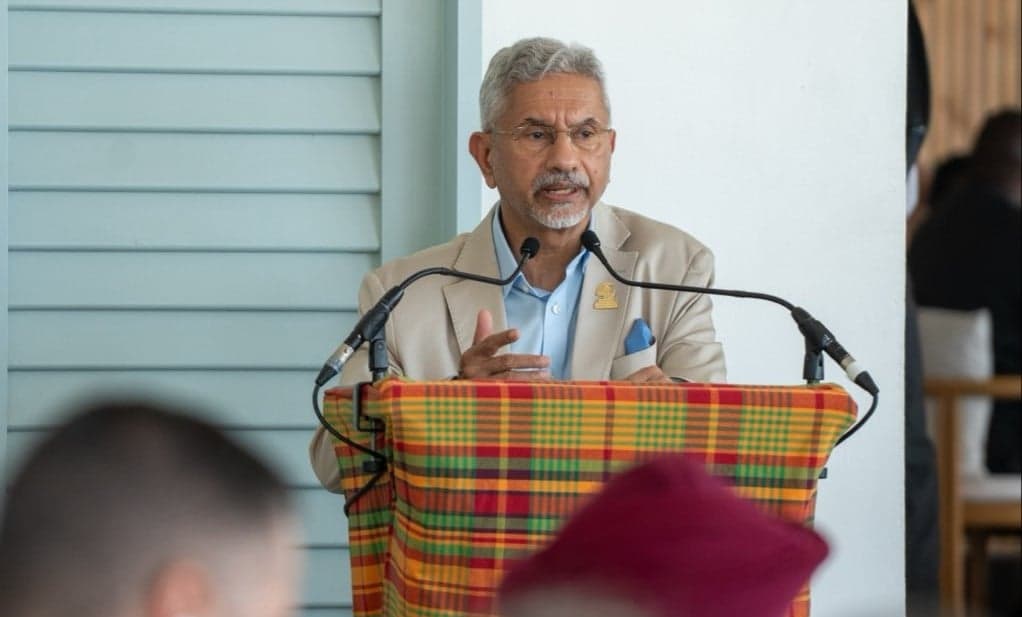
India advanced its strategy of "digital stack diplomacy" on November 4 and 5, leveraging the sidelines of the Commonwealth Heads of Government Meeting (CHOGM) in St. John’s, Antigua and Barbuda, to secure a landmark partnership with Guyana[1][2]. Indian External Affairs Minister Dr. S. Jaishankar met with Guyanese President Dr. Mohamed Irfaan Ali to sign a bilateral agreement establishing India's Digital Public Infrastructure (DPI) framework - centered on deploying a Unified Payments Interface (UPI)-like national financial payment architecture - in the South American country[1][2]. Alongside the digital agreement, Jaishankar announced a new $500 million Indian Line of Credit tailored for Guyanese transportation, healthcare, and defense projects[2][3].
The two leaders also finalized agreements authorizing Indian grant assistance for Quick Impact Projects (QIPs) and the installation of manufacturing technology facilities for micro and small enterprises (MSEs) in Guyana[1][2]. The accords build on momentum established during Indian Prime Minister Narendra Modi’s visit to Georgetown in late 2024, consolidating a comprehensive development partnership with one of the world's fastest-growing hydrocarbon economies[2].
This agreement represents a strategic breakthrough for New Delhi’s international statecraft. While India has previously integrated UPI rails with financial hubs in Singapore, the UAE, and France, exporting the full architectural stack to South America signals an expansion into sovereign digital technology provisioning across the Global South[1][2]. For Guyana, adopting an open-source, high-volume payment system provides rapid financial inclusion for rural and hinterland communities during an oil-fueled economic boom.
The deal highlights how New Delhi is pairing competitive concessional lending with technology exports to cultivate durable partnerships in resource-rich Caribbean and Latin American states[1][3]. Addressing a Commonwealth business forum in St. John’s following the bilateral signing, Jaishankar underscored that Commonwealth partners need to actively "de-risk and diversify" supply chains through trusted South-South corridors, pitching India’s public digital infrastructure as an alternative to proprietary Western commercial software and centralized Chinese telecommunications models[4].
- India
- Guyana
- Dr. S. Jaishankar
Story 16 of 16
2 min read
China Formalizes Mongla Port Expansion in Bangladesh Via Inter-Party Diplomatic Drive
China, through the International Department of the Chinese Communist Party (IDCPC), has signed framework agreements to modernize Bangladesh's Mongla Port and begin construction on the Chinese Economic and Industrial Zone (CEIZ). The Tk 4,068 crore modernization will expand container facilities and industrial berths, financed by Chinese state-backed credit. This initiative aims to secure strategic maritime access for China and enhance regional connectivity.
Read the full storyFold the full story1 min · 7 sources
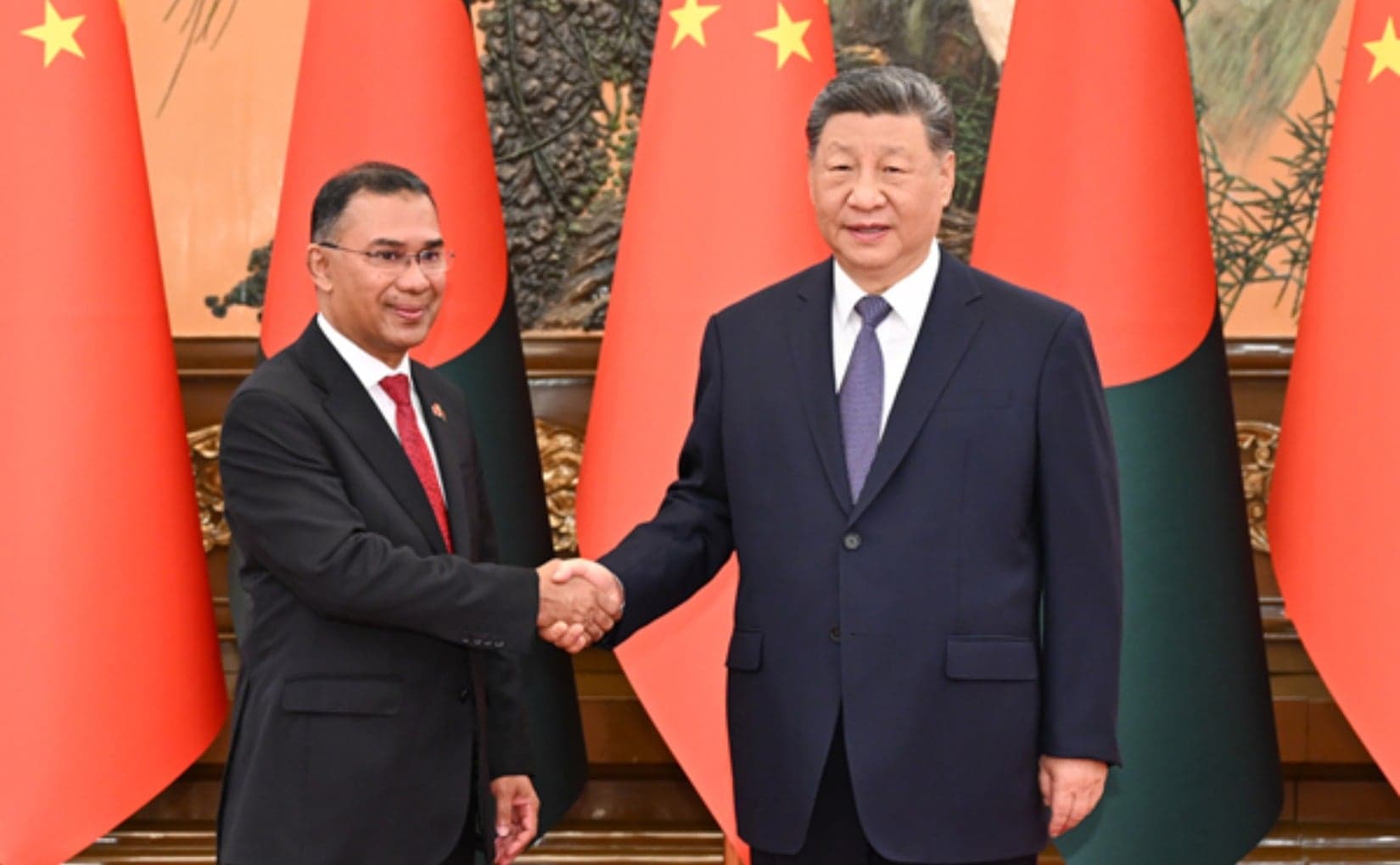
In an overt deployment of inter-party diplomacy to safeguard strategic infrastructure investments, Liu Haixing, Minister of the International Department of the Chinese Communist Party (IDCPC), led a delegation to Dhaka on November 4, meeting with Bangladeshi President Mirza Fakhrul Islam Alamgir and signing framework agreements to modernize the port of Mongla and break ground on the Chinese Economic and Industrial Zone (CEIZ)[1][2]. The Tk 4,068 crore modernization initiative equips Bangladesh’s second-largest seaport with expanded container facilities and specialized industrial berths financed through Chinese state-backed credit[1][3].
The visit follows months of domestic political restructuring in Bangladesh under the leadership of Prime Minister Tarique Rahman[1][4]. Addressing Bangladeshi political leaders at Bangabhaban, Liu emphasized that Beijing is operating with an explicit "party-blind" diplomatic doctrine, stating that China "does not draw ideological lines, nor distinguish friends based on whether a party is in or out of government"[5]. This rhetoric is designed to reassure Dhaka's shifting political establishment that long-standing projects, including the comprehensive restoration of the Teesta River basin, will continue uninterrupted regardless of cabinet changes[6][5].
Beyond the maritime modernization of Mongla Port, the talks advanced high-stakes regional connectivity corridors[1][7]. President Alamgir welcomed Beijing's proposals for the direct Kunming-Chattogram corridor and renewed momentum behind the China-Myanmar-Bangladesh Economic Corridor[1][7]. For Beijing, securing the deep-water access points along the Bay of Bengal remains essential for bypassing the Malacca Strait and connecting landlocked southwestern Chinese provinces like Yunnan to the Indian Ocean.
The development signals that Beijing is relying heavily on the IDCPC, rather than standard foreign ministry channels alone, to execute strategic continuity across South Asia[1][5]. By institutionalizing party-to-party memorandums and linking port development directly to dedicated export processing zones, China is locking in its maritime connectivity agenda while insulating major Belt and Road infrastructure from South Asian electoral volatility[1][5].
- China
- Bangladesh
- Liu Haixing
You're all caught up.
That's every story in Thursday's PiBrief Geopolitics. And there's a newer edition waiting for you.
All PiBrief Geopolitics editions
Subscribe to receive daily briefings about geopolitics and world news in your email.
Get PiBrief Geopolitics in your inbox
A free newsletter on geopolitics and world news. Diplomacy, conflict, the global economy, and elections, ranked and explained, with an audio briefing in every edition.
Free forever / no account / 1-click unsubscribe