
Russia-Ukraine talks, Iran-Russia pact & more
The White House has hosted rare trilateral discussions between Russian and Ukrainian envoys to negotiate localized ceasefires following developments in Oleshky. Meanwhile, Moscow and Tehran are deepening their strategic axis with new energy and security agreements alongside an Iranian nuclear proposal to Washington. In East Asia, Japan is seeking renewed security guarantees from the United States amid an evolving geopolitical landscape.
14 stories63 sources checked
Listen to this edition
PiBrief Geopolitics, November 6, 2026
The lineup
In this edition
 01
White House Hosts Russian and Ukrainian Envoys for Localized Ceasefire Talks
 02
Iran Delivers Nuclear Proposal to US, Consolidates Strategic Axis with Russia
 03
US Midterms Shift Global Alliances: Allies and Rivals Assess Foreign Policy Impact
 04
Russia and Iran Forge Strategic Gas Pipeline and Security Pact
 05
Japan Seeks Urgent US Alliance Assurance Amid Shifting Geopolitical Landscape
 06
UK Excludes Russia from 2027 G20 Summit; Seeks Tech Dialogue with China
 07
Ibero-American Summit Exposes Transatlantic Divides on Governance and Trade
 08
Türkiye Opens Makkah Defense Alliance to New Regional Members
- 09
NATO Launches Counter-Drone Marketplace to Expedite Alliance Technology Procurement
 10
AU and EU Align Security Partnerships Amid Regional Instability
 11
China and North Korea Deepen Party Ties Amid Regional Diplomatic Shifts
 12
Canada and China Revive Strategic Economic Dialogue Amid Global Trade Realignment
 13
US and Egypt Sign Five-Year Pact for Prosperity, Shifting Focus to Civilian Sectors
- 14
Algeria-UAE Diplomatic Split Signals North African Geopolitical Realignment
See all 14 as a listHide the list
- White House Hosts Russian and Ukrainian Envoys for Localized Ceasefire Talks
- Iran Delivers Nuclear Proposal to US, Consolidates Strategic Axis with Russia
- US Midterms Shift Global Alliances: Allies and Rivals Assess Foreign Policy Impact
- Russia and Iran Forge Strategic Gas Pipeline and Security Pact
- Japan Seeks Urgent US Alliance Assurance Amid Shifting Geopolitical Landscape
- UK Excludes Russia from 2027 G20 Summit; Seeks Tech Dialogue with China
- Ibero-American Summit Exposes Transatlantic Divides on Governance and Trade
- Türkiye Opens Makkah Defense Alliance to New Regional Members
- NATO Launches Counter-Drone Marketplace to Expedite Alliance Technology Procurement
- AU and EU Align Security Partnerships Amid Regional Instability
- China and North Korea Deepen Party Ties Amid Regional Diplomatic Shifts
- Canada and China Revive Strategic Economic Dialogue Amid Global Trade Realignment
- US and Egypt Sign Five-Year Pact for Prosperity, Shifting Focus to Civilian Sectors
- Algeria-UAE Diplomatic Split Signals North African Geopolitical Realignment
Story 1 of 14
2 min read
White House Hosts Russian and Ukrainian Envoys for Localized Ceasefire Talks
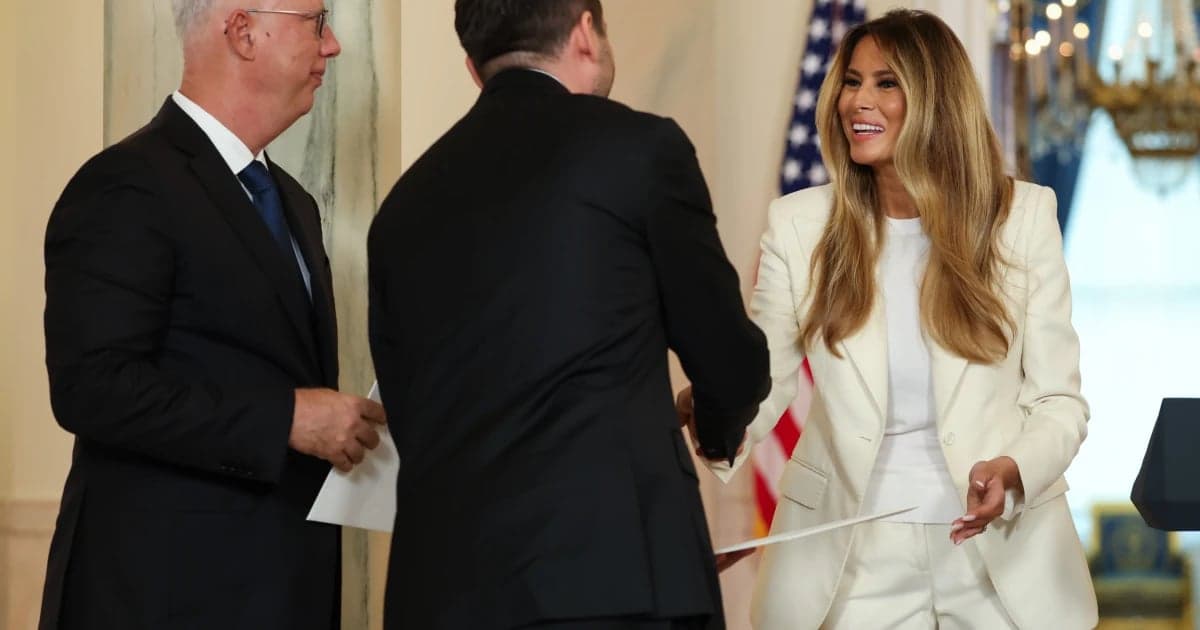
First Lady Melania Trump convened Russian and Ukrainian representatives at the White House to formalize a localized humanitarian ceasefire in Oleshky. This initiative, aimed at facilitating civilian evacuations and humanitarian aid, follows discussions during the UN General Assembly. The US administration views this as a crucial humanitarian precedent and hopes to build upon it for broader peace negotiations.
Read the full storyFold the full story2 min · 3 sources
First Lady Melania Trump hosted an unprecedented diplomatic convocation at the White House, bringing together official representatives from the Russian Federation and Ukraine to formally recognize and build upon a localized humanitarian ceasefire[1][2]. The diplomatic gathering was organized around a temporary six-day suspension of hostilities centered in the frontline city of Oleshky, situated along the Dnipro River in the Russian-occupied sector of Kherson[1][3]. Characterized by the administration as an urgent humanitarian milestone, the gathering saw the First Lady directly deliver personal letters addressed to Russian President Vladimir Putin and Ukrainian President Volodymyr Zelenskyy, urging both leaders to translate localized cooperation into broader, enduring peace architecture[2].
The diplomatic initiative traces its origins to bilateral discussions held during the 81st United Nations General Assembly, utilizing communication conduits previously established through humanitarian efforts to repatriate displaced children[3]. In Oleshky - a war-ravaged locality where the population has plummeted from pre-war figures of 24,000 to fewer than 2,000 predominantly elderly residents following severe shelling and flooding from the destroyed Kakhovka Dam - the pause permitted humanitarian supply deliveries and complex civilian evacuations coordinated with demining teams[1][3]. At the White House event, Russian presidential special envoy Kirill Dmitriev expressed gratitude to the First Lady, confirming that President Putin had directly provided executive instructions to ensure field adherence to the localized pause[1].
The assembly represents a historic departure from customary executive statecraft, marking what the White House noted as the first time an American First Lady has directly convened senior officials from two active belligerent states within the presidential mansion[2]. Addressing the delegation, the First Lady framed the Oleshky accord as a crucial precedent, asserting that humanitarian imperatives must transcend battlefield calculations and urging both sides to nurture the agreement as a foundation for ending the wider European conflict[1][2].
Despite the humanitarian successes celebrated in Washington, the initiative has introduced fresh friction among traditional transatlantic partners[1]. Several European security analysts and allied diplomats voiced apprehension regarding the unilateral nature of the White House’s alternative backchannels, cautioning that piecemeal arrangements negotiated directly between Washington and Moscow could circumvent broader allied frameworks and compromise Kyiv's collective security position[1]. Nevertheless, the Trump administration has signaled an intention to expand this model of direct, high-profile mediation to drive forward comprehensive settlement negotiations[1].
- United States
- Russia
- Ukraine
Story 2 of 14
2 min read
Iran Delivers Nuclear Proposal to US, Consolidates Strategic Axis with Russia
Iran has formally submitted a nuclear proposal to Washington via Qatari mediators and is demanding the lifting of sanctions and unfreezing of assets as preconditions for negotiations. Simultaneously, Iranian officials met with Russian President Putin in Moscow to strengthen bilateral security ties and discuss regional stability and energy infrastructure. This dual diplomatic maneuver occurs amidst heightened regional tensions and the continued closure of the Strait of Hormuz by the IRGC.
Read the full storyFold the full story2 min · 13 sources
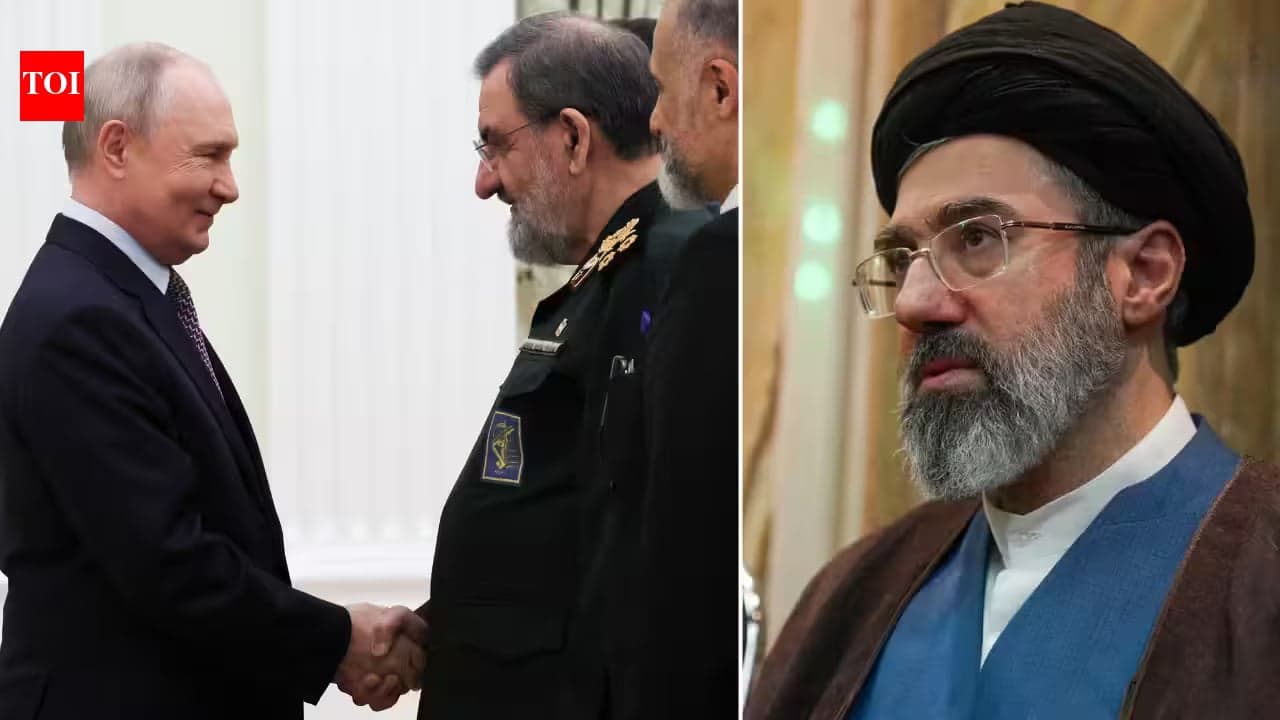
In a coordinated diplomatic surge, the Secretary of Iran’s Supreme National Security Council, Mohsen Rezaei, met with Russian President Vladimir Putin at the Kremlin to solidify bilateral security arrangements and discuss regional conflict dynamics[1][2][3]. During the high-level talks, Rezaei delivered a direct personal communication from Supreme Leader Mojtaba Khamenei and held extensive discussions regarding regional stabilization, post-war frameworks, and energy infrastructure, including prospective bilateral gas pipeline initiatives[2][4]. Concurrently, senior Iranian officials confirmed that Tehran has transmitted a formal nuclear proposal to Washington through Qatari mediators[5][6][7]. However, Iranian officials underscored that formal negotiations remain contingent upon Washington first fulfilling seven explicit preconditions[5][8].
The diplomatic overture takes place amid high regional instability following months of direct military friction involving the United States, Israel, and Iran[5]. Critical maritime arteries remain severely constrained, with the Islamic Revolutionary Guard Corps maintaining a virtual closure of the Strait of Hormuz through naval mining and vessel interdictions[1]. Speaking from Moscow, Rezaei stated unequivocally that the strategic waterway would remain shuttered to general transit and that direct bilateral dialogue with the United States would not commence until Tehran's preconditions are addressed[5][2]. These demands include the comprehensive lifting of economic sanctions, the unfreezing of seized sovereign assets, and restitution for military strikes[5][7]. In Tehran, Deputy Security Chief Ali Bagheri Kani reinforced this posture on state television, declaring that Iran would not rely on mere "paper commitments" and requires tangible American policy steps before engaging in substantive diplomacy[3].
The Russian leadership utilized the Kremlin engagement to project steadfast support for Tehran while staking out a central mediating role. President Putin condemned military strikes against Iranian nuclear installations as unjust and reaffirmed Moscow’s readiness to facilitate an end to hostilities on terms favorable to regional security equilibrium[2][6]. The burgeoning defense and geopolitical partnership between Moscow and Tehran reflects a shared objective to resist Western containment, with Russia positioning itself as a guarantor of Iranian political interests in exchange for expanded regional footprint and economic alignment[2][4].
In Washington, the White House confirmed that it is reviewing the Qatari-transmitted proposal, even as President Donald Trump publicly cautioned that decisions regarding potential escalation or military operations would be finalized imminently[5][9][10]. The timing of Iran's diplomatic maneuvering appears calibrated to exploit domestic political shifts in the United States following the 2026 midterm elections, which saw the Democratic Party secure majorities in both chambers of Congress on platforms heavily critical of the ongoing conflict and its inflationary impact on global energy markets[11][12][13]. For Gulf neighbors, notably Oman and Qatar, mediation represents a vital effort to avert catastrophic regional confrontation and re-establish standard navigational protocols through the Persian Gulf[1][10].
- Iran
- United States
- Russia
Story 3 of 14
2 min read
US Midterms Shift Global Alliances: Allies and Rivals Assess Foreign Policy Impact
Following the 2026 U.S. midterm elections, which saw Democrats secure majorities in Congress, global capitals are reassessing American foreign policy. The shift in institutional power, with the 120th Congress poised for greater oversight, impacts international security operations, trade, and alliances. Allied perceptions of U.S. reliability are notably shifting, with some populations viewing the U.S. as a threat and prioritizing regional ties over transatlantic ones. Foreign powers are repositioning for potential U.S. domestic gridlock and volatility in strategic commitments.
Read the full storyFold the full story2 min · 9 sources
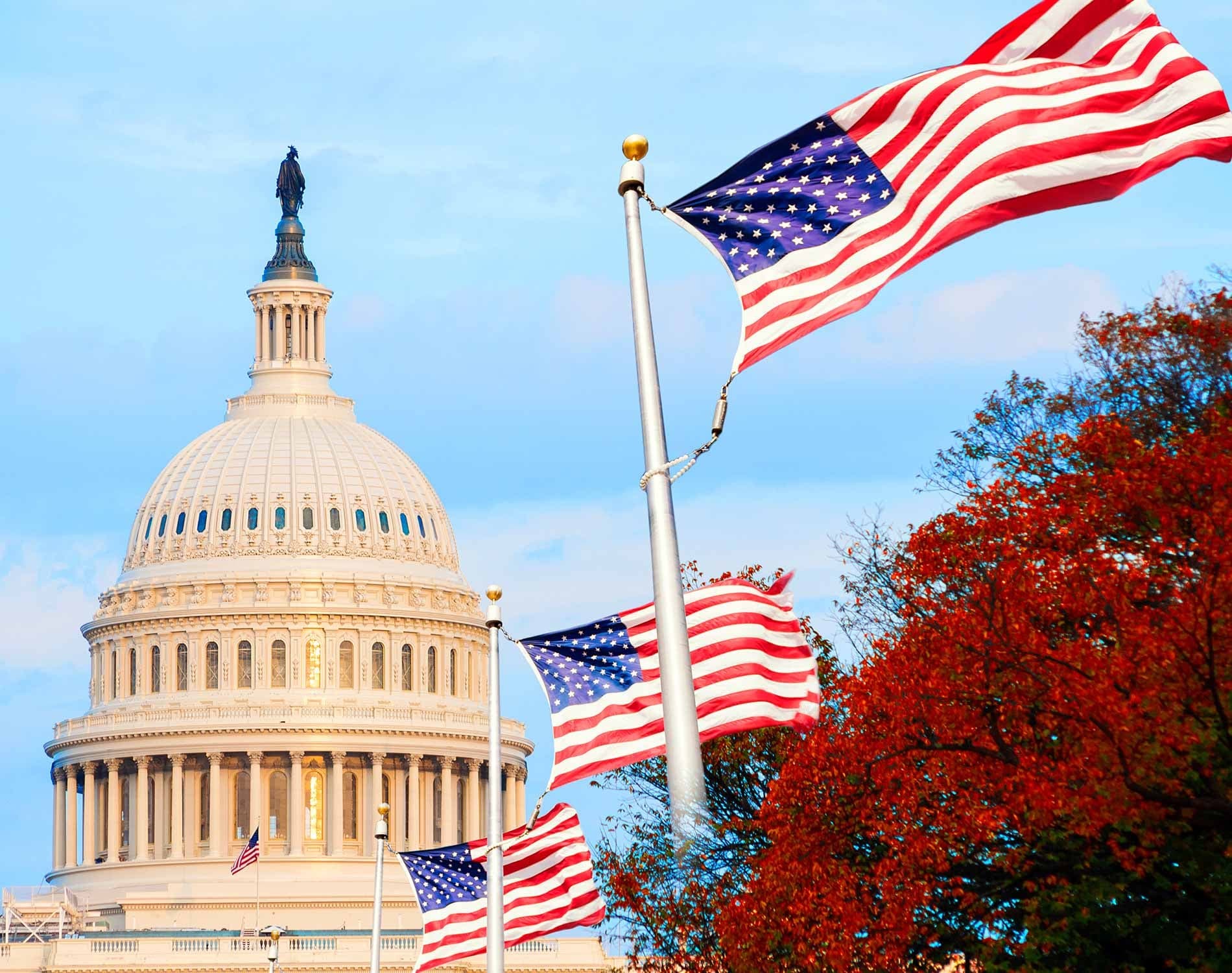
Allied capitals and strategic rivals across Europe, Asia, and the Middle East initiated intensive diplomatic assessments following the November 2026 U.S. midterm elections, which resulted in the Democratic Party securing majorities in both the House of Representatives and the Senate[1][2]. The end of unified Republican control on Capitol Hill has altered expectations regarding American foreign policy continuity[1][2]. Diplomatic strategists note that while President Donald Trump retains core executive authorities as commander-in-chief, the incoming 120th Congress - slated to see Delaware Senator Chris Coons assume leadership of the Senate Foreign Relations Committee - will possess decisive oversight tools, budgetary power, and confirmation authority to challenge the administration's external agenda[3][4].
The institutional power shift carries immediate implications for ongoing international security operations, trade relations, and bilateral alliances[5]. In Tokyo, Chief Cabinet Secretary Minoru Kihara moved swiftly to project continuity, affirming that the bilateral security architecture remains the bedrock of Japanese defense policy regardless of congressional shifts, as Prime Minister Sanae Takaichi prepares for upcoming leader-level engagements at multilateral summits[6]. Concurrently, European and Asian partners anticipate that a divided Washington could push the White House toward executive unilateralism on trade tariffs, while emboldening lawmakers to subject foreign aid, military authorizations, and arms sales to stringent legislative scrutiny[2][3].
Expert analyses published across major foreign policy institutions emphasize that allied perceptions of Washington's reliability are shifting[5][7]. In London, the National Centre for Social Research released data revealing that 74 percent of the British public now views the United States as a serious threat to world peace - more than double the rate recorded two years prior - with 42 percent of Britons prioritizing strategic and security links with continental Europe compared to just 9 percent who favor Washington[8]. In an assessment for Chatham House, Director Bronwen Maddox highlighted that domestic voter pressure over cost-of-living concerns and fuel prices will severely constrain White House military flexibility in the Middle East, specifically regarding persistent maritime operations near the Strait of Hormuz and confrontation with Tehran[9].
Regional analysts across the Indo-Pacific and the Middle East note that foreign powers are already repositioning themselves for an era of domestic institutional deadlock[2]. Analysts at the Eurasia Group observe that while international partners welcome potential legislative checks on unilateral tariff escalation, the return of gridlock reinforces a "G-Zero" dynamic in which foreign capitals must hedge against recurring volatility in American strategic commitments[7].
- Democratic Party
- Chris Coons
- Sanae Takaichi
Story 4 of 14
2 min read
Russia and Iran Forge Strategic Gas Pipeline and Security Pact
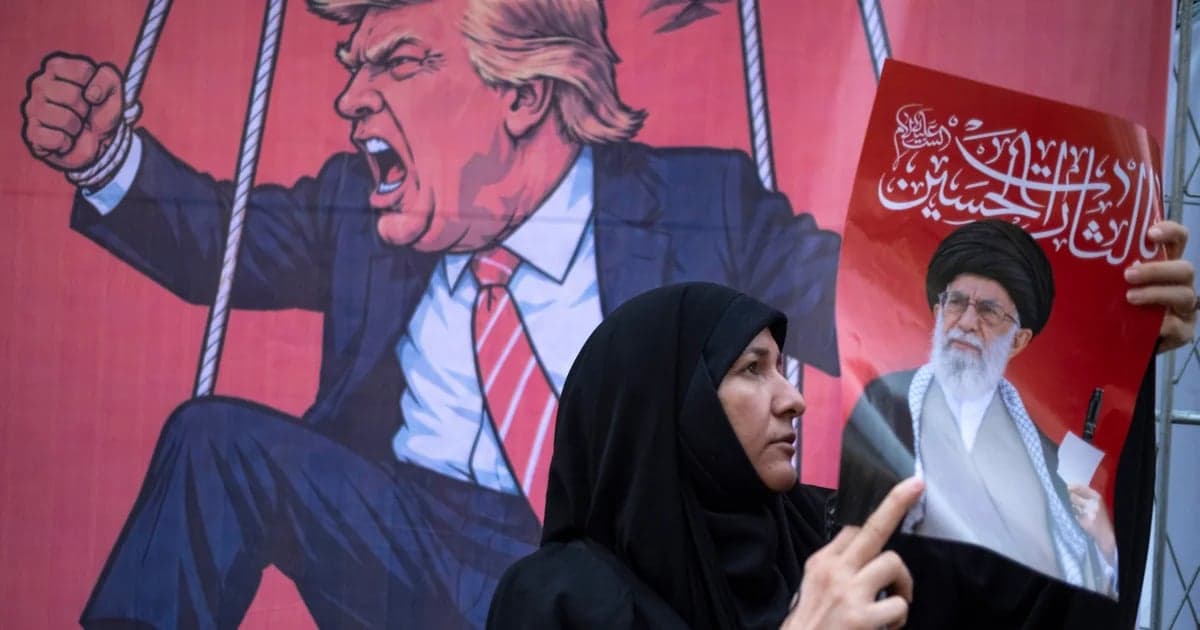
Russian President Vladimir Putin and Iran's Supreme National Security Council Secretary Mohsen Rezaei met in Moscow to discuss building natural gas pipelines connecting the two nations. The initiative aims to stabilize Iran's domestic gas supply while positioning Iran as a transit hub for Russian gas to Asian and Middle Eastern markets. The talks also focused on regional security arrangements for the post-conflict era, reinforcing a growing geopolitical axis between Moscow and Tehran.
Read the full storyFold the full story1 min · 7 sources
Russian President Vladimir Putin hosted Mohsen Rezaei, Secretary of Iran’s Supreme National Security Council, for high-stakes talks at the Kremlin[1][2]. Rezaei traveled to Moscow to deliver a personal, direct message from Iran’s Supreme Leader, Ayatollah Mojtaba Khamenei, to the Russian president[3][4]. While the precise contents of Khamenei’s communication were kept confidential, both delegations confirmed that discussions centered on regional security arrangements and concrete plans to build overland natural gas pipelines connecting Russia and Iran[1][4].
The pipeline initiative marks a strategic convergence of mutual vulnerabilities[1]. Despite holding some of the world’s largest proven hydrocarbon reserves, Iran has faced chronic domestic natural gas shortfalls, exacerbated by targeted strikes on domestic processing and refinery infrastructure during the ongoing regional conflict[1]. Under the framework outlined in Moscow, Russian natural gas supplies would flow southward to stabilize Iran’s domestic grid while simultaneously positioning Iran as a transit and re-export conduit to send Russian gas to neighboring Asian and Middle Eastern markets[1].
This energy initiative unfolds against the backdrop of heightened diplomatic coordination in Moscow[5]. Rezaei characterized the exchange as an "extremely important" strategic consultation regarding the post-conflict era and regional architecture[1][4]. The talks took place as international mediators attempt to negotiate terms to de-escalate hostilities between Iran, the United States, and Israel, while Iranian officials have engaged in a flurry of consultations with regional counterparts in Saudi Arabia, Qatar, and Oman to preserve freedom of navigation through the Strait of Hormuz[1][6].
The Moscow summit reinforces an evolving geopolitical axis[7]. By binding Iranian downstream transit networks to Russian upstream supplies, Moscow secures an alternative overland energy corridor to replace lost Western markets, while Tehran insulates its damaged civilian infrastructure against isolation[1]. Furthermore, establishing long-term regional security coordination between the Kremlin and the Supreme National Security Council signals that both states are actively planning a unified front for any prospective multilateral settlements[7][4].
- Vladimir Putin
- Mohsen Rezaei
- Ayatollah Mojtaba Khamenei
Story 5 of 14
2 min read
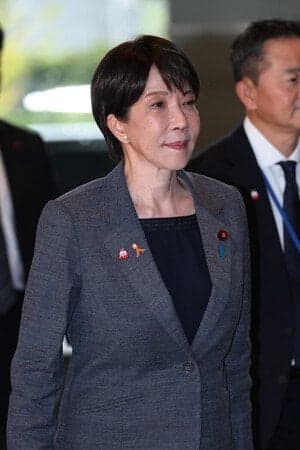
Japan Seeks Urgent US Alliance Assurance Amid Shifting Geopolitical Landscape
Japanese Prime Minister Takaichi is launching an intensified diplomatic effort to solidify the US-Japan security alliance following the US midterm elections. Tokyo fears potential unilateral US diplomatic breakthroughs with rivals like China, Russia, or North Korea that could bypass Japan's security interests. The government aims to secure bilateral alignment on regional deterrence and defense spending before upcoming multilateral summits.
Read the full storyFold the full story2 min · 7 sources
Japanese Prime Minister Sanae Takaichi and senior cabinet officials initiated an aggressive diplomatic outreach campaign to safeguard the United States-Japan security alliance in the wake of shifting political dynamics in Washington[1][2]. Addressing domestic and international media at the Prime Minister’s Office in Tokyo, Takaichi reaffirmed that the bilateral partnership remains the indispensable pillar of Japan’s foreign and security policies, pledging to maintain close personal and strategic cooperation with President Donald Trump[2][3]. Chief Cabinet Secretary Minoru Kihara similarly emphasized that Tokyo intends to accelerate high-level engagement between heads of state and foreign ministers to elevate alliance deterrence capabilities[1][3].
Beneath Tokyo’s public affirmations of continuity lies intense anxiety within Japan’s foreign policy establishment regarding prospective shifts in American strategic behavior[1]. Following the U.S. midterm elections that saw the Democratic Party retake congressional control, Japanese strategists fear that a domestically constrained Trump administration may seek rapid, legacy-defining diplomatic breakthroughs abroad[1][3]. Senior Japanese officials specifically harbor concerns that Washington might pursue unilateral grand bargains with Beijing, Moscow, or Pyongyang[1]. In particular, Tokyo worries that direct U.S. engagement with North Korea could bypass Japan’s critical security priorities - specifically missile defenses and the resolution of the Japanese abductee issue - or that American trade concessions with China could soften allied deterrence regarding the Taiwan Strait[4][5].
To preempt any unilateral shifts, Prime Minister Takaichi is seeking an immediate bilateral summit with President Trump ahead of key regional summits, notably the Asia-Pacific Economic Cooperation (APEC) Leaders' Meeting in Shenzhen and the Group of Twenty (G20) summit in Miami[4][3]. Japan intends to ensure that bilateral alignment on regional deterrence, integrated defense spending, and advanced technology supply chains remains locked in prior to broader multilateral forums[6][4].
Concurrently, Tokyo is diversifying its diplomatic hedging through enhanced ties with European and regional partners. Japanese State Minister for Foreign Affairs Yasutaka Nakasone hosted Italian Ambassador Mario Vattani to deepen the Japan-Italy "Special Strategic Partnership" across security, advanced industry, and economic security domains[7]. Nakasone also leveraged the diplomatic meeting to officially register Japan's deep concerns regarding the European Union's proposed Industrial Accelerator Act, pressing for structural trade protections[7]. This two-pronged approach highlights Japan’s strategy of reinforcing its core transatlantic and European ties while aggressively binding Washington to existing Indo-Pacific deterrence frameworks[6].
- Japan
- United States
- Sanae Takaichi
Story 6 of 14
2 min read
UK Excludes Russia from 2027 G20 Summit; Seeks Tech Dialogue with China
British Prime Minister Andy Burnham confirmed Russia will be formally excluded from the 2027 G20 summit in Manchester due to comprehensive sanctions against Moscow. In contrast, the UK plans to leverage its presidency to deepen working relations with China, focusing on artificial intelligence regulation and technological safety. This signals a strategic pivot balancing security commitments with pragmatic economic and technological engagement with Beijing.
Read the full storyFold the full story1 min · 2 sources
British Prime Minister Andy Burnham formally confirmed that Russian President Vladimir Putin will not attend the upcoming 2027 Group of Twenty (G20) leaders' summit in Manchester, establishing a clear diplomatic exclusion for the host nation’s forthcoming presidency[1]. Speaking to international media, Burnham ruled out the Russian leader’s participation, stating that comprehensive diplomatic and financial sanctions against leading figures in the Moscow administration preclude such an invitation, notwithstanding Russia's statutory membership in the international economic forum[1].
In sharp contrast to the exclusion of Moscow, the Prime Minister struck a distinctly conciliatory tone toward Beijing, affirming that the Manchester summit represents an essential diplomatic venue to deepen working relations with Chinese President Xi Jinping[1]. Burnham highlighted international cooperation on artificial intelligence regulation and technological safety as a central diplomatic objective for the UK presidency, acknowledging that while forging alignment between Washington and Beijing on technological governance will be exceptionally challenging, excluding the world’s second-largest economy from the regulatory table would render global frameworks ineffective[1].
The Prime Minister’s statements signal a calibrated strategic pivot in British foreign policy, balancing firm adherence to European collective security commitments against a pragmatic economic and technological engagement with Beijing[1]. Diplomatic strategists note that the UK’s decision to elevate AI safety to the center of its multilateral hosting agenda reflects an ambition to serve as a transatlantic regulatory bridge, despite heightened strategic competition between China and Western intelligence alliances[1][2].
Diplomatic commentators observe that navigating G20 consensus protocols will present immediate challenges, as host countries typically coordinate guest rosters through multilateral consensus rather than unilateral fiat[1]. However, Downing Street’s early declaration sets clear political boundaries for the summit, signaling to global markets and international partners that the UK will compartmentalize engagement with Beijing while maintaining an uncompromising diplomatic cordon around the Kremlin[1].
- Andy Burnham
- Vladimir Putin
- Group of Twenty (G20)
Story 7 of 14
2 min read
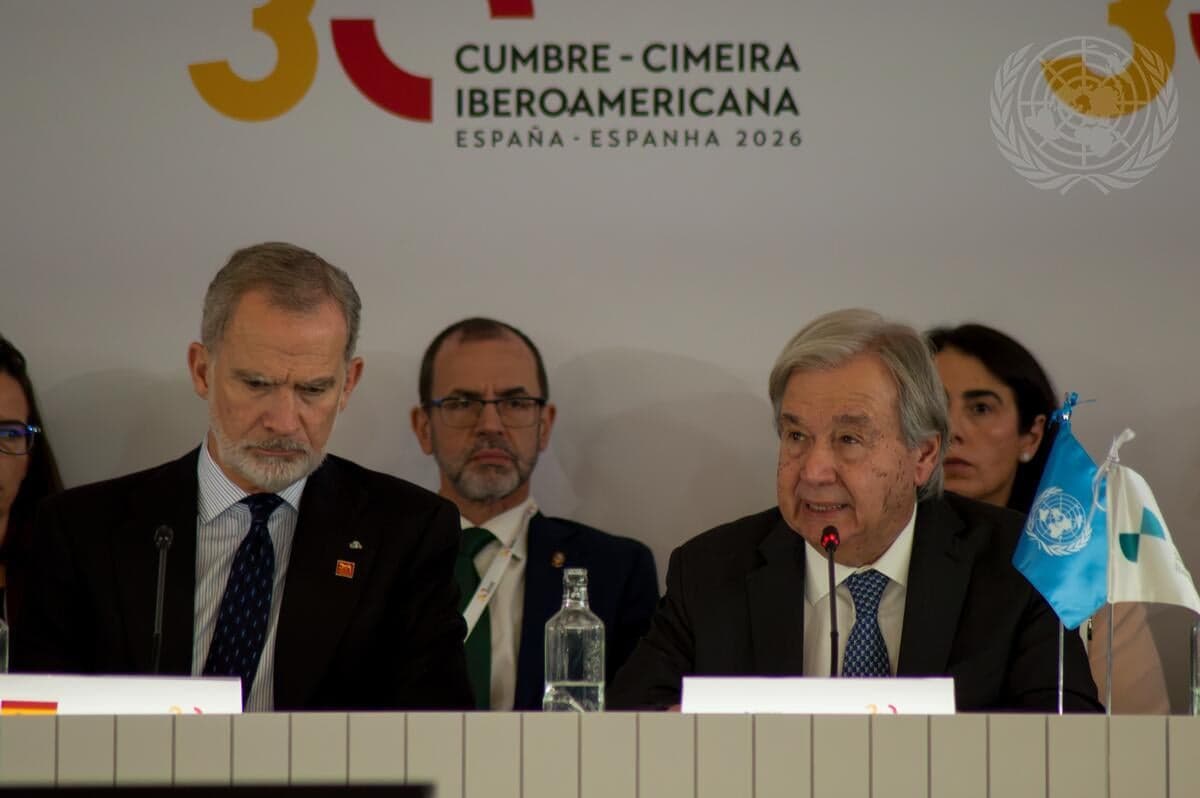
Ibero-American Summit Exposes Transatlantic Divides on Governance and Trade
The 30th Ibero-American Summit in Madrid highlighted significant rifts between European and Latin American nations regarding regulatory harmonization, green transitions, and digital trade. While Spain pushed for closer EU alignment, many Latin American countries resisted standardized mandates, citing concerns over industrialization and national sovereignty. Ukrainian President Zelenskyy's presence seeking support also underscored regional ambivalence towards multipolar trade relations.
Read the full storyFold the full story2 min · 4 sources
The 30th Ibero-American Summit of Heads of State and Government concluded in Madrid, exposing profound structural divisions between European institutional objectives and Latin America’s evolving foreign policy alignments[1][1]. Hosted by Spain under the banner "Ibero-America: Together we build our Community," the biennial summit assembled delegations from 22 member nations across Latin America, Spain, Portugal, and Andorra, alongside high-ranking multilateral observers including United Nations Secretary-General António Guterres[1][2]. While inaugural ceremonies at the Teatro Real emphasized common cultural lineage, closed-door plenaries highlighted acute geopolitical and economic divergences across the Atlantic[1][3].
The summit’s central agenda pitted European aspirations for harmonized regulatory governance, green transition mandates, and digital trade rules against Latin American demands for tech equity, national sovereignty, and unconditional market access[1]. Spanish Prime Minister Pedro Sánchez and King Felipe VI vigorously championed an upgraded bi-regional partnership designed to bind Latin American economies closer to the European Union's regulatory and commercial orbit[1][4]. However, developing member states resisted standardized compliance requirements, arguing that European environmental and artificial intelligence governance models risk restricting industrialization and infringing upon national regulatory independence[1].
Diplomatic tensions were further accentuated by overt political polarization among participating heads of state. Argentine President Javier Milei maintained a conspicuous distance from the summit's collective initiatives, declining to attend both the King’s official gala dinner at the Royal Palace and the foundational ceremonial sessions[3]. Further complicating the diplomatic balance, Ukrainian President Volodymyr Zelenskyy attended the gathering as an external guest to conduct bilateral meetings with regional leaders, seeking to rally Latin American support against Russian aggression[3] - a move that met with varying degrees of ambivalence from Latin American governments keen on preserving non-aligned, multipolar trade relations with Beijing and Moscow[1].
The conclusion of the Madrid summit highlights the diminishing efficacy of traditional multilateral forums in imposing uniform strategic consensus[1]. As Latin American states increasingly diversify their commercial and diplomatic alliances across Asia and the Global South, the European Union faces mounting hurdles in securing exclusive regulatory and trade alignment[1]. SEGIB Secretary-General Andrés Allamand warned delegates that regional cooperation faces severe headwinds precisely when official development assistance is dropping to historic lows, reflecting a broader trend where minilateral deals and strategic multi-alignment supplant historical institutional blocs[1][3].
- Ibero-American Summit
- Madrid
- European Union
Story 8 of 14
2 min read
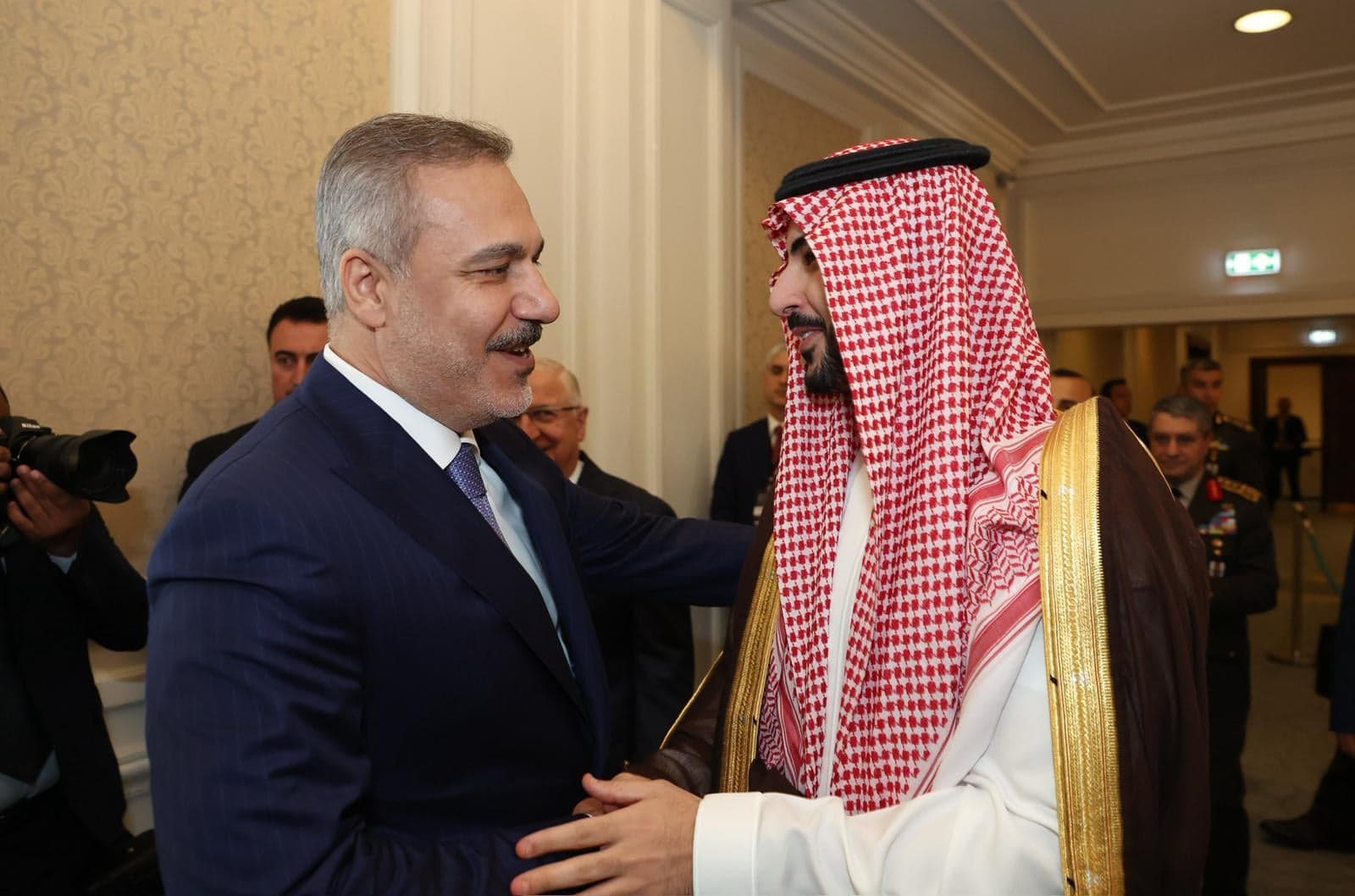
Türkiye Opens Makkah Defense Alliance to New Regional Members
Türkiye has announced that the Makkah Defense Alliance, formed with Saudi Arabia and Pakistan, is now open for accession by other regional nations. This mutual defense pact, designed to act as a collective security mechanism, is rapidly expanding its footprint amid escalating regional conflicts. Syria is reportedly evaluating formal entry, which would create a contiguous defense corridor across the Middle East.
Read the full storyFold the full story2 min · 6 sources
Turkish diplomatic leadership formally announced that the "Makkah Defense Alliance" - the mutual defense pact established between Saudi Arabia, Türkiye, and Pakistan - is officially open to accession by additional regional nations, marking a major transformation in Middle Eastern security architecture[1][2]. First codified at the Al-Safa Palace in Mecca in August 2026, the pact established an Article 5-style collective defense mechanism stipulating that an armed attack against any one signatory state constitutes an attack against all three[3][2]. The confirmation that the grouping welcomes new partners follows high-level deliberations by the pact’s Strategic Political and Defense Committee aimed at operationalizing joint military readiness[3].
The alliance's geographic and operational footprint is expanding rapidly against a backdrop of escalating regional conflicts and attacks on commercial infrastructure[3][2]. Syrian Foreign Minister Asaad Al-Shibani revealed that Damascus is actively conducting official evaluations regarding formal entry into the defense grouping[4][5]. The current Syrian government, which assumed power following the collapse of Bashar al-Assad's administration in December 2024, has drawn increasingly closer to Riyadh through extensive reconstruction and economic stabilization accords[4][1]. Broadening the alliance to incorporate Syria would establish a contiguous mutual defense corridor spanning from South Asia through the Gulf and across the Levant to Anatolia[6].
The operational activation of the Makkah pact has already manifested in tangible military coordination[3]. Prompted by persistent ballistic and drone strikes against Saudi aviation and energy hubs, the alliance's defense ministers approved the emergency deployment of joint capabilities to defend Saudi territory and critical holy sanctuaries[3]. Concurrently, European powers have sought coordination with the emerging bloc: France recently deployed troop contingents to protect vital Saudi oil terminals, while the United Kingdom dispatched fighter aircraft to reinforce Gulf air defense matrices[4].
The expansion of the Makkah Defense Alliance signals a historic strategic pivot across the Islamic world away from exclusive reliance on Western security umbrellas[2]. Triggered by perceptions that traditional American security guarantees have become unpredictable and distracted by multi-theater conflicts, Ankara, Riyadh, and Islamabad are institutionalizing an autonomous regional security architecture[2][6]. By controlling vital maritime checkpoints across the Red Sea and Eastern Mediterranean while fielding integrated ground and aerial defense units, this trilateral-led bloc is cementing itself as a dominant, independent pole in the global security order[2][6].
- Türkiye
- Saudi Arabia
- Pakistan
Story 9 of 14
2 min read
NATO Launches Counter-Drone Marketplace to Expedite Alliance Technology Procurement
NATO has officially launched its Counter-Unmanned Aircraft Systems (C-UAS) marketplace, a new procurement framework designed to accelerate the acquisition of advanced counter-drone technologies by allied defense forces. This digital platform, operationalizing the 'Drone Edge' initiative, offers rapid acquisition pathways for C-UAS systems from vetted contractors. The move aims to overcome conventional procurement limitations that struggle to keep pace with rapid drone technology advancements.
Read the full storyFold the full story1 min · 1 source
The North Atlantic Treaty Organization officially launched its Counter-Unmanned Aircraft Systems (C-UAS) marketplace, a procurement framework developed to streamline how allied defense forces acquire advanced counter-drone technologies[1]. The launch operationalizes a key deliverable of the "Drone Edge" initiative, which was originally established during the NATO Summit Defence Industry Forum in Ankara[1]. The digital platform provides allied armed forces with rapid-acquisition pathways for cutting-edge sensor, kinetic, and electronic-warfare systems directly from vetted defense aerospace contractors across member nations[1].
The establishment of the marketplace reflects a strategic overhaul of NATO's air and missile defense architecture, driven by the rapid evolution of autonomous aerial systems in modern combat theaters[1]. As Secretary General officials addressed National Armaments Directors and coordinated with the European Commission's Directorate for Defence and Space, led by Commissioner Andrius Kubilius, alliance planners underscored that conventional procurement cycles are ill-suited to match rapid iterations in commercial and military drone hardware[1]. The C-UAS marketplace aims to lower technical interoperability barriers and aggregate allied demand to achieve lower unit costs[1].
Alongside this defense industrial rollout, NATO deepened its outward security partnerships by conducting high-level political dialogues with regional defense counterparts, including ministerial delegations from Iraq, to coordinate regional security and defense-capacity building[1]. Concurrently, alliance commanders reaffirmed commitments to bolstering integrated air and missile defense along the eastern flank, highlighting persistent requests from partners in Eastern Europe for expanded counter-drone umbrella systems[1].
Defense industry analysts characterize the C-UAS marketplace as an important step toward institutionalizing joint Western defense manufacturing standards[1]. By creating an alliance-wide clearinghouse for counter-unmanned systems, NATO is attempting to eliminate fragmented national procurement programs and integrate small and medium-sized technology startups directly into collective defense contracts[1].
- NATO
- Counter-Unmanned Aircraft Systems (C-UAS)
- Drone Edge initiative
Story 10 of 14
2 min read
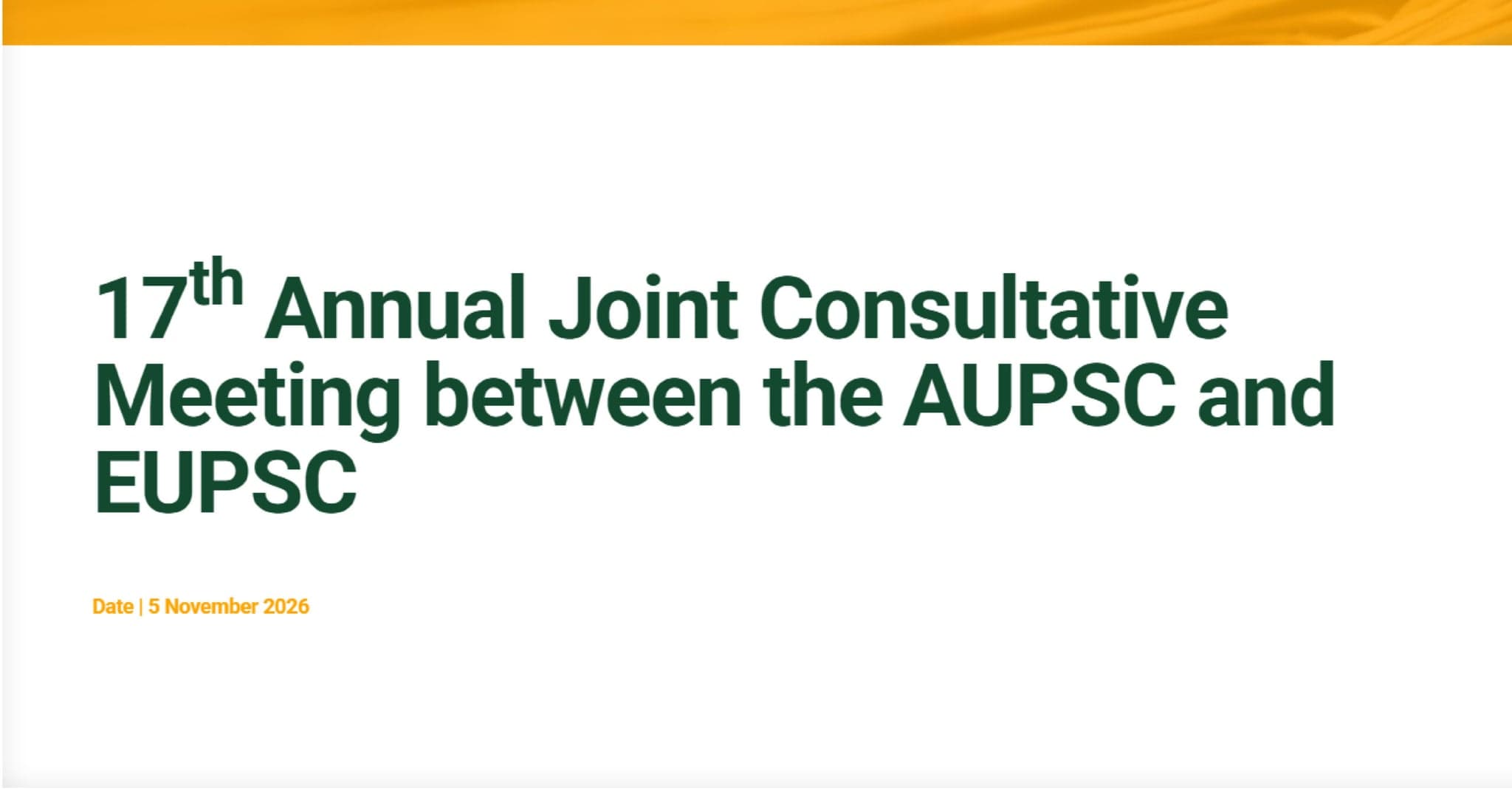
AU and EU Align Security Partnerships Amid Regional Instability
The African Union (AU) Peace and Security Council and the European Union (EU) Political and Security Committee held their 17th annual joint consultative meeting to restructure their security partnership. Discussions focused on addressing worsening instability in the Sahel, Horn of Africa, and Great Lakes region. The consultations also aimed to finalize frameworks for AU-led Peace Support Operations and early-warning mechanisms, while integrating development and migration management efforts into a joint communique.
Read the full storyFold the full story1 min · 2 sources
The African Union (AU) Peace and Security Council and the European Union (EU) Political and Security Committee convened their 17th annual joint consultative meeting, concluding two days of high-level diplomatic sessions[1]. Led by Antonin Benjamin Biéké, Special Envoy of Côte d'Ivoire to the AU and PSC Chairperson, and Lene Vensild, Permanent Chair of the EUPSC, the consultations focused on restructuring the security partnership between the two continental bodies in response to worsening instability in the Sahel, the Horn of Africa, and the Great Lakes region[1].
The inter-continental meetings took place amid mounting structural strains on multilateral peacekeeping, as traditional United Nations mandates face host-nation pushback and financial constraints[1]. Preparatory sessions led by the PSC Committee of Experts finalized joint frameworks covering the financing and operational deployment of AU-led Peace Support Operations (PSOs), joint early-warning mechanisms, and synchronized responses to unconstitutional changes of government across the African continent[1].
The consultations coincided with the European Commission’s rollout of its second Annual Migration Management Cycle, which introduces legally binding national contributions under the EU Solidarity Pool and deepens external migration diplomacy with North and West African partners[2]. Negotiators worked to integrate development support, maritime border security, and regional conflict mediation into an updated joint communique, balancing European demands for migration controls with African priorities regarding economic resilience and institutional capacity[2][1].
International relations analysts at Amani Africa noted that the negotiations revealed subtle friction over the agenda, reflecting the AU's desire for operational autonomy and the EU's demand for governance benchmarks[1]. However, both sides emphasized that formal inter-organizational alignment remains indispensable to prevent external geopolitical competitors from displacing coordinated Afro-European security frameworks[1].
- African Union (AU)
- European Union (EU)
- Peace and Security Council (PSC)
Story 11 of 14
2 min read
China and North Korea Deepen Party Ties Amid Regional Diplomatic Shifts
Chinese Foreign Minister Wang Yi held discussions with Kim Sung-nam, a high-ranking official from North Korea's Workers' Party of Korea (WPK). This meeting follows recent high-level contacts between Beijing and Pyongyang, focusing on aligning strategic directions and coordinating policies. The deepening party-to-party cooperation aims to synchronize diplomatic postures ahead of potential broader negotiations.
Read the full storyFold the full story1 min · 5 sources
In Beijing, Chinese Foreign Minister Wang Yi held talks with Kim Sung-nam, a member of the Political Bureau, Secretary of the Central Committee, and Director of the International Department of the Workers’ Party of Korea (WPK)[1][2]. The meeting represents the latest in a rapid sequence of high-level contacts between Beijing and Pyongyang, coming just ten days after North Korean leader Kim Jong Un conducted an unexpected border visit to Dandong, China, to confer with Chinese People’s Political Consultative Conference (CPPCC) Chairman Wang Huning[3][1].
The diplomatic mission led by Kim Sung-nam focused on briefing the North Korean leadership on the strategic directions emerging from the Chinese Communist Party’s (CCP) Fifth Plenary Session of the 20th Central Committee, alongside mutual policy coordination[4][1]. Wang Yi affirmed Beijing’s readiness to implement the consensus reached between the top leadership of both nations to foster stable and enduring bilateral ties[2]. The discussions were further supported by party-to-party channels, including a simultaneous delegation visit by China’s Central Party School to Pyongyang[3].
Regional security experts view this intensifying exchange as strategic positioning ahead of broader diplomatic negotiations[3]. Analysts and international relations scholars at Chinese and South Korean institutions note that North Korea and China are synchronizing their diplomatic posture to gauge mutual redlines and explore leverage[3]. The flurry of meetings follows indications that China maintains an unusually receptive stance toward potential direct engagement between Pyongyang and Washington, prompting Pyongyang to consult closely with its primary economic patron before committing to any external dialogue[3].
For Northeast Asian security, this quiet recalibration underscores that North Korea’s strategic alignment with China remains central to its external maneuvering, even as Pyongyang simultaneously deepens logistical ties with Moscow[3][5]. By embedding diplomatic and ideological cooperation directly through party apparatuses, Beijing ensures it retains substantial oversight and diplomatic capital over any nascent diplomatic overtures originating from the Korean Peninsula[3][1].
- Wang Yi
- Kim Sung-nam
- Kim Jong Un
Story 12 of 14
1 min read
Canada and China Revive Strategic Economic Dialogue Amid Global Trade Realignment
Canada and China have agreed to resume their Economic and Financial Strategic Dialogue, with meetings to be co-chaired by high-level finance and trade officials from both countries. This revival marks a thaw in bilateral relations after years of diplomatic strain and commercial friction. The dialogue aims to stabilize commercial interactions and address financial sector dynamics.
Read the full storyFold the full story1 min · 2 sources
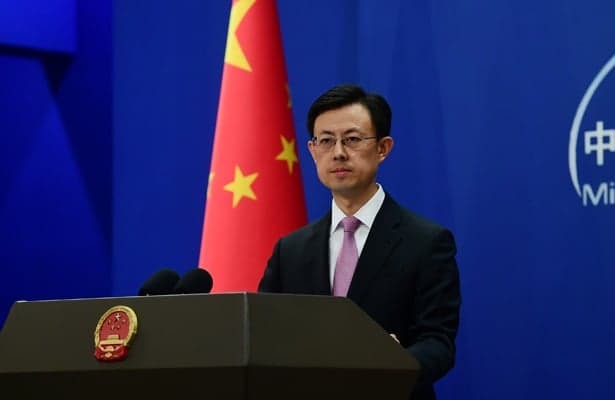
The Chinese Ministry of Foreign Affairs confirmed that Beijing and Ottawa have agreed to convene the second China-Canada Economic and Financial Strategic Dialogue in Canada[1]. The high-level bilateral meeting will be co-chaired by Chinese Vice Premier He Lifeng - a member of the CPC Central Committee Political Bureau - alongside Canadian Minister of Finance and National Revenue François-Philippe Champagne and Minister of International Trade Maninder Sidhu[1].
The revival of this formal dialogue marks a tangible thaw in bilateral communication after years of diplomatic chill and commercial frictions[1]. While broader Western alliances have prioritized supply chain de-risking and scrutinized bilateral trade balances, the decision by Canadian and Chinese finance and trade leadership to resume structured, cabinet-level economic talks represents a pragmatic opening[1][2].
The announcement follows remarks delivered at major Chinese trade events, including the 9th China International Import Expo (CIIE) in Shanghai, where Beijing highlighted the necessity of shared market access, open trade architecture, and cooperative balance in international commerce[1]. Canadian officials, facing domestic and international realignments, appear to be utilizing this platform to engage directly on market access, tariff regimes, and financial transparency[1].
This development offers a template for how middle-power G7 members may manage economic interdependence with China independently of broad multilateral deadlock[1]. By restoring institutional mechanisms for dispute mitigation and fiscal policy coordination, both Ottawa and Beijing are establishing guardrails to stabilize commercial interactions and address financial sector dynamics[1].
- He Lifeng
- François-Philippe Champagne
- Maninder Sidhu
Story 13 of 14
2 min read
US and Egypt Sign Five-Year Pact for Prosperity, Shifting Focus to Civilian Sectors
The United States and Egypt have formalized a "Strategic Objectives Agreement to Enhance Shared Prosperity," committing an initial $125 million tranche of U.S. funding towards civilian sectors over five years, with a total value of up to $625 million. The agreement redirects focus from traditional military aid to areas like higher education, healthcare, sustainable agriculture, and AI development.
Read the full storyFold the full story1 min · 3 sources
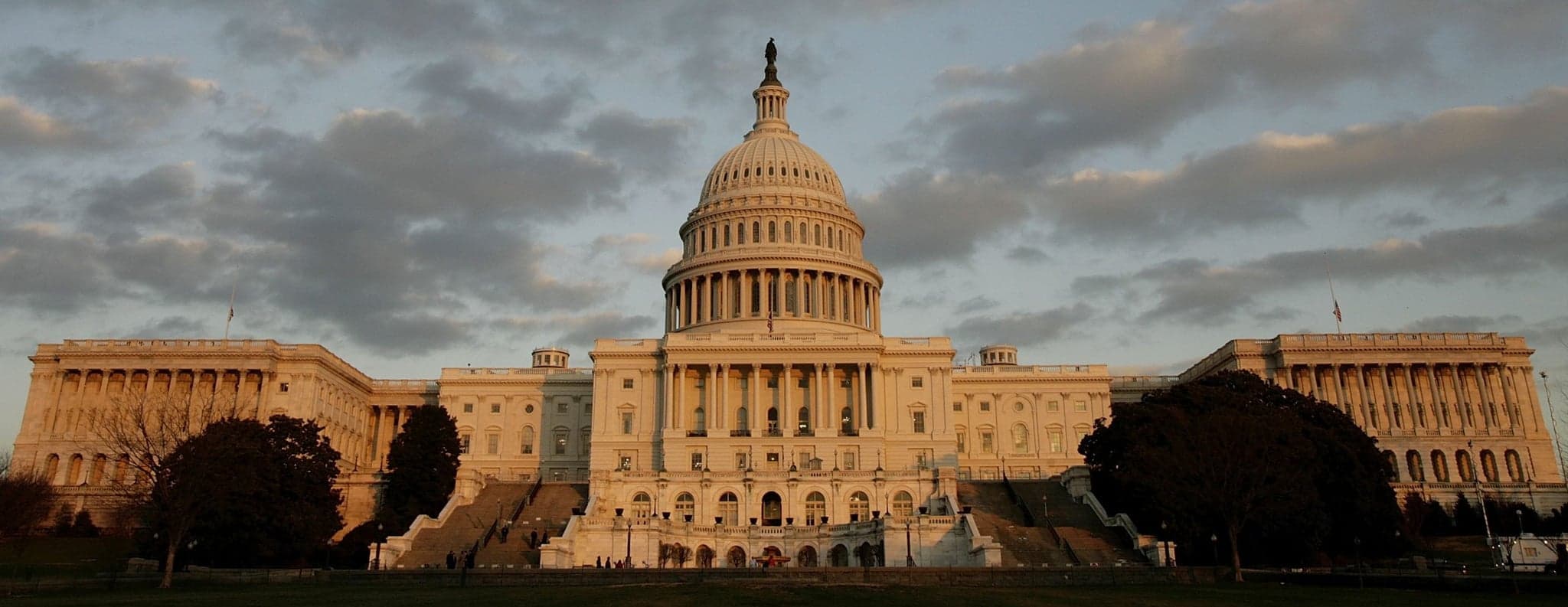
The United States and Egypt concluded an economic and developmental accord, signing the "Strategic Objectives Agreement to Enhance Shared Prosperity"[1]. The agreement was formalized by Egyptian Foreign Minister Badr Abdelatty, Egyptian Deputy Foreign Minister Samar El Ahdal, and U.S. Embassy Chargé d’Affaires Robert Silverman, committing an immediate $125 million tranche of U.S. funding toward critical civilian sectors[1]. The initiative forms the centerpiece of a broader five-year bilateral framework valued at up to $625 million[2].
The agreement diverges from traditional U.S.-Egyptian bilateral assistance, which has historically leaned heavily toward conventional security and military hardware financing[1]. Under the new framework, funding is specifically channeled into civilian resilience, higher education, healthcare modernization, sustainable agriculture, and advanced technologies, with targeted initiatives in artificial intelligence development and water resource infrastructure[1].
This strategic adjustment comes at a critical juncture for Egypt, whose economy faces acute fiscal pressure due to rising regional energy costs, shipping disruptions through the Suez Canal, and widespread regional volatility[1][3]. By directing bilateral funding toward food security and AI workforce development, the United States is seeking to address internal economic fault lines that could destabilize Egypt’s broader domestic cohesion[1].
In the wider regional theater, the agreement signals Washington’s effort to cement its foundational alliance with Cairo through economic integration and technology transfers rather than purely defense-oriented pacts[1]. For Egypt, securing direct American investment in water security and technological modernization provides institutional insulation against worsening macroeconomic volatility, while granting Washington durable influence in the governance of the region's most populous state[1].
- Badr Abdelatty
- Samar El Ahdal
- Robert Silverman
Story 14 of 14
2 min read
Algeria-UAE Diplomatic Split Signals North African Geopolitical Realignment
A diplomatic rupture between Algeria and the United Arab Emirates (UAE) is deepening strategic fractures across North Africa, with analysts warning of escalating geopolitical realignment. Algeria's termination of ties with Abu Dhabi stems from sharp divergences over regional competition, particularly Algeria's opposition to UAE support for Morocco's claims over Western Sahara. Algiers views Abu Dhabi's initiatives as an encirclement strategy, threatening established security compacts.
Read the full storyFold the full story1 min · 1 source
A diplomatic rift between Algeria and the United Arab Emirates drew renewed focus from strategic analysts, who warned that the severing of bilateral relations marks an escalating geopolitical realignment across North Africa and the Sahel[1]. Following Algeria’s formal decision to terminate diplomatic ties with Abu Dhabi, regional observers emphasized that the break represents an unprecedented public collapse between two pivotal Arab League powers whose foreign policy doctrines have diverged sharply over regional proxy competition[1].
The dispute centers on Algeria’s vocal opposition to the UAE’s expanding financial, diplomatic, and logistical support for Morocco’s sovereignty claims over Western Sahara[1]. Algiers views Abu Dhabi's assertive bilateral initiatives in Rabat, alongside its growing economic and defense engagement across Sahelian states, as a calculated encirclement strategy designed to marginalize Algerian regional influence[1]. Algerian security officials have grown increasingly alarmed that Emirati commercial and security ventures in sub-Saharan border states could undermine traditional security compacts established between Algiers and major external partners, including France and Russia[1].
In an extensive analytical brief for the Moshe Dayan Center, Dr. Daniel Zisenwine underscored that the crisis highlights fundamentally incompatible foreign policy paradigms[1]. While the UAE pursues an expansive, pragmatic foreign policy defined by economic statecraft, regional normalization pacts, and expeditionary partnerships, Algeria remains anchored in a sovereignty-first, non-interventionist foreign doctrine rooted in post-colonial legalism[1]. Abu Dhabi’s composed refusal to offer diplomatic concessions has deepened Algerian frustration, demonstrating the UAE's confidence in its broad security alliances[1].
Regional geopolitical analysts indicate that the breakdown threatens to complicate multilateral security coordination across North Africa[1]. With Algeria digging into its traditional alliances and the UAE expanding its regional footprint, the standoff risks accelerating bloc polarization across the Maghreb and western Sahel, creating new friction points in regional counterterrorism and trade integration[1].
- Algeria
- United Arab Emirates (UAE)
- Morocco
You're all caught up.
That's every story in Friday's PiBrief Geopolitics. And there's a newer edition waiting for you.
All PiBrief Geopolitics editions
Subscribe to receive daily briefings about geopolitics and world news in your email.
Get PiBrief Geopolitics in your inbox
A free newsletter on geopolitics and world news. Diplomacy, conflict, the global economy, and elections, ranked and explained, with an audio briefing in every edition.
Free forever / no account / 1-click unsubscribe