
Ukraine peace talks, US strikes Iran & G7 summit
Russian officials gather in Abu Dhabi for trilateral Ukraine peace discussions amid ongoing missile strikes. Meanwhile, Qatar confirms continued backchannel mediation between Washington and Tehran over regional transit and nuclear safeguards. Secretary of State Rubio travels to France for the G7 summit as European leaders navigate shifts in American foreign policy.
13 stories88 sources checked
Listen to this edition
PiBrief Geopolitics, November 7, 2026
The lineup
In this edition
 01
United States forces strike Qeshm Island following escalation in the Strait of Hormuz
 02
Kremlin Sends Top Brass to Abu Dhabi for Trilateral Ukraine Peace Talks Amidst Missile Barrage
 03
Secretary Rubio Travels to France for G7 Summit to Address Allied Concerns Post-Midterms
- 04
Israel, Greece, Cyprus Form Defense Pact Amidst US Aid Cut and Turkey Tensions
 05
Türkiye Ratifies Trilateral Defense Pact with Pakistan and Saudi Arabia, Forging New Security Alliance
 06
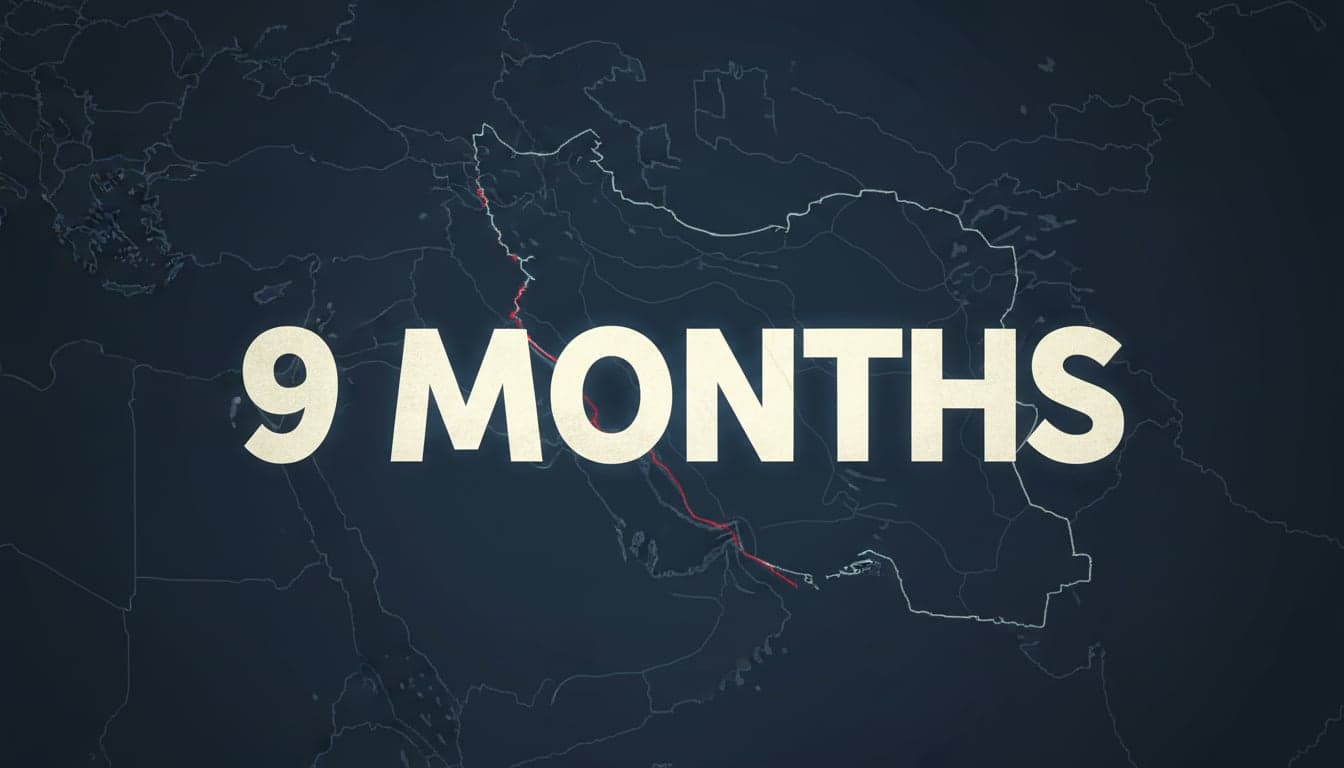
Qatar Confirms US-Iran Mediation Continues Amidst Backchannel Talks Led by VP Vance
 07
Europe Rejects Trump's Unilateral Security Initiative with Russia
 08
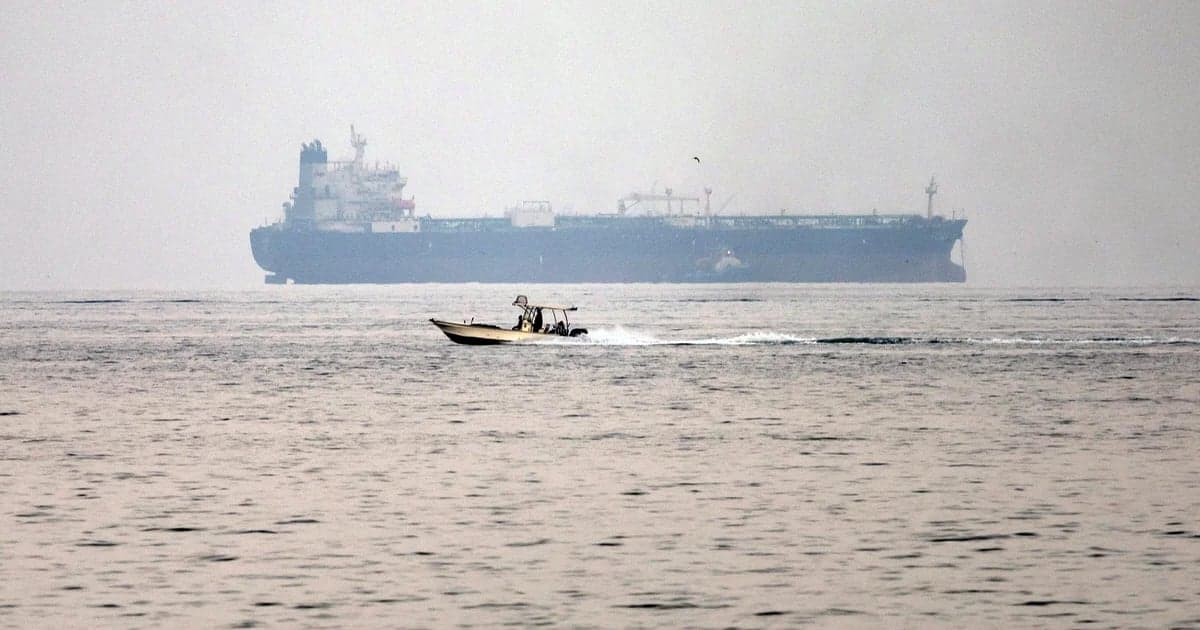
Qatar and Oman Mediate Gulf Transit Restoration Linked to Nuclear Safeguards
 09
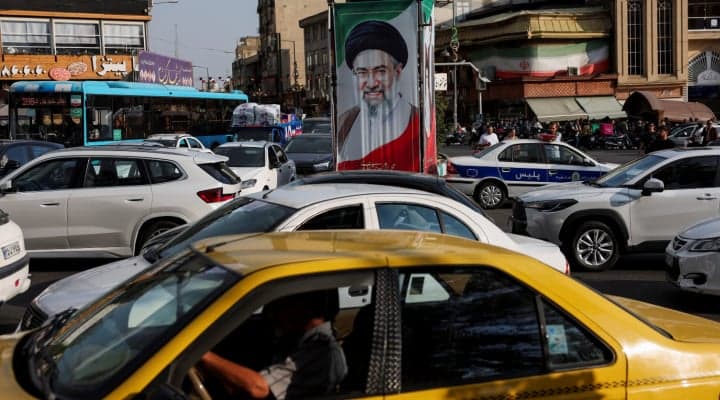
Iran Proposes Nuclear Framework to U.S. Via Qatar Amid Gulf Tensions
 10
U.S. Threatens to End Military Aid to Israel Post-Midterms
- 11
UN Peacekeepers to Withdraw from Southern Lebanon by End of 2026
- 12
US and Regional Powers Re-Engage Myanmar's Junta for Critical Minerals
 13
Canada Eliminates Foreign Aid from Budget, Pivoting to Domestic Security and Industrial Policy
See all 13 as a listHide the list
- United States forces strike Qeshm Island following escalation in the Strait of Hormuz
- Kremlin Sends Top Brass to Abu Dhabi for Trilateral Ukraine Peace Talks Amidst Missile Barrage
- Secretary Rubio Travels to France for G7 Summit to Address Allied Concerns Post-Midterms
- Israel, Greece, Cyprus Form Defense Pact Amidst US Aid Cut and Turkey Tensions
- Türkiye Ratifies Trilateral Defense Pact with Pakistan and Saudi Arabia, Forging New Security Alliance
- Qatar Confirms US-Iran Mediation Continues Amidst Backchannel Talks Led by VP Vance
- Europe Rejects Trump's Unilateral Security Initiative with Russia
- Qatar and Oman Mediate Gulf Transit Restoration Linked to Nuclear Safeguards
- Iran Proposes Nuclear Framework to U.S. Via Qatar Amid Gulf Tensions
- U.S. Threatens to End Military Aid to Israel Post-Midterms
- UN Peacekeepers to Withdraw from Southern Lebanon by End of 2026
- US and Regional Powers Re-Engage Myanmar's Junta for Critical Minerals
- Canada Eliminates Foreign Aid from Budget, Pivoting to Domestic Security and Industrial Policy
Story 1 of 13
2 min read
United States forces strike Qeshm Island following escalation in the Strait of Hormuz
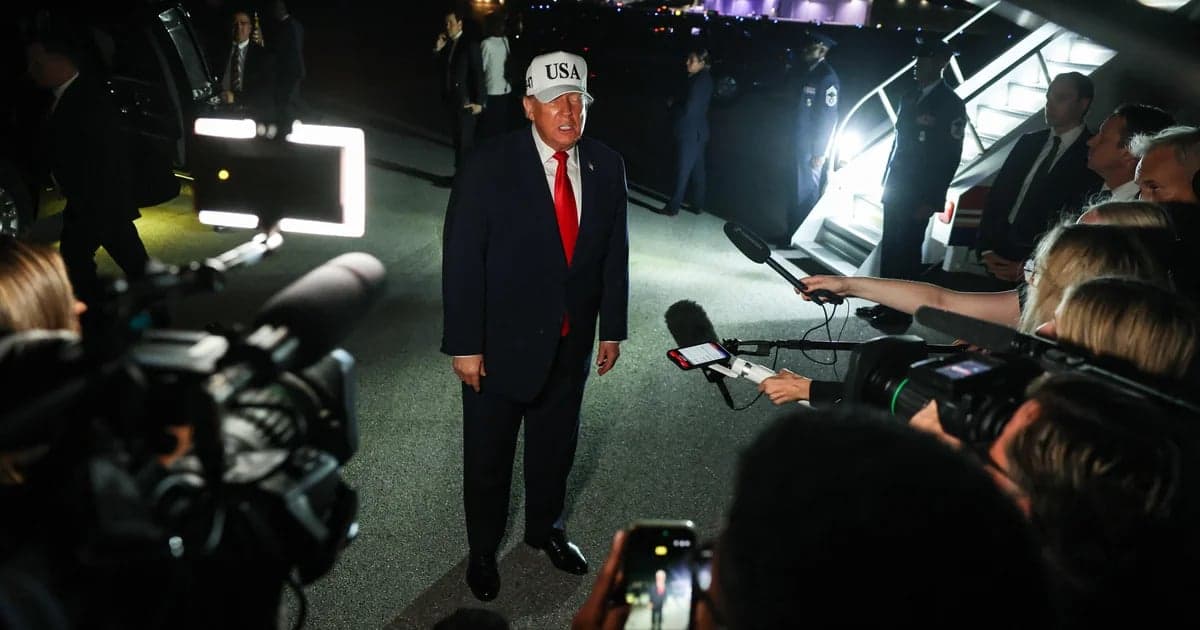
Two missiles struck Iran's strategic Qeshm Island after the sound of overhead aircraft, with United States President Donald Trump confirming minor American strikes that knocked out an anti-aircraft device. The incident follows an eight-month-long regional conflict and ongoing tensions involving drone shootdowns and commercial transit risks.
Read the full storyFold the full story2 min · 4 sources
Two missiles struck the Suza area of Iran's strategic Qeshm Island in the Strait of Hormuz, triggering explosions following the sound of overhead aircraft, according to Iranian state news agency IRNA and semi-official agency Tasnim. Reuters reported that United States President Donald Trump confirmed to reporters that American forces conducted what he termed minor strikes on Iran, stating that U.S. forces knocked out an Iranian-built anti-aircraft device in about five to fifteen minutes. Tasnim and Iranian state television reported no immediate official confirmation of casualties or the full extent of structural damage.
The strike is the latest flare-up in an eight-month-long conflict that erupted in late February. Qeshm Island, the largest Iranian island overlooking the world's most critical energy transit chokepoint, has become a frequent flashpoint for limited American operations intended to degrade Iranian missile and radar infrastructure threatening commercial maritime vessels and American military assets. The incident followed strikes earlier in the week on November 2, when American jets hit targets on Qeshm and near the southern port city of Bandar Lengeh. Tensions heightened further on Friday after the Islamic Revolutionary Guard Corps claimed that its air defenses shot down an American MQ-1 Predator drone over the island, subsequently asserting that an MQ-9 drone had also been targeted.
Islamic Revolutionary Guard Corps spokesman Hussein Moghadi addressed the strikes by asserting that Iranian forces carried out defensive maneuvers in which an American aircraft was hit, warning that Tehran would utilize new asymmetric military capabilities against regional adversary positions. Iranian army spokesman Mohammad Akraminia maintained that Iranian forces have gained direct combat experience and are on higher alert than at the beginning of the war.
The military action unfolded against the backdrop of delicate diplomatic maneuvers. Qatar's International Media Office rejected claims that negotiations between Washington and Tehran had collapsed, clarifying that Qatari Prime Minister Sheikh Mohammed bin Abdulrahman Al-Thani is actively maintaining mediation efforts in coordination with both governments. Nevertheless, Ali Bagheri Kani, deputy secretary of Iran’s Supreme National Security Council, insisted that Washington must demonstrate practical measures before indirect discussions can advance.
The confrontation continues to impact commercial shipping through the Persian Gulf and Strait of Hormuz, where transit risks remain elevated. Internally, the standoff has aggravated economic distress in Iran, where International Monetary Fund projections forecast a 78.6 percent inflation rate in consumer prices for 2026. While the White House maintains that its attacks remain strictly limited and defensive rather than the prelude to an expanded air campaign, mediators warn that tit-for-tat strikes near the waterway could derail fragile diplomatic tracks.
- Donald Trump
- Islamic Revolutionary Guard Corps
- International Monetary Fund
Story 2 of 13
3 min read
Kremlin Sends Top Brass to Abu Dhabi for Trilateral Ukraine Peace Talks Amidst Missile Barrage
Russia has confirmed sending a high-level delegation, including military and intelligence chiefs, to Abu Dhabi for trilateral talks with the U.S. and Ukraine. The talks aim to establish parameters for ending the war, de-escalation protocols, and postwar security architectures. This diplomatic initiative follows intense U.S. midterm elections and coincides with a large-scale Russian missile and drone attack on Ukrainian energy infrastructure, drawing sharp condemnation from Kyiv.
Read the full storyFold the full story2 min · 9 sources
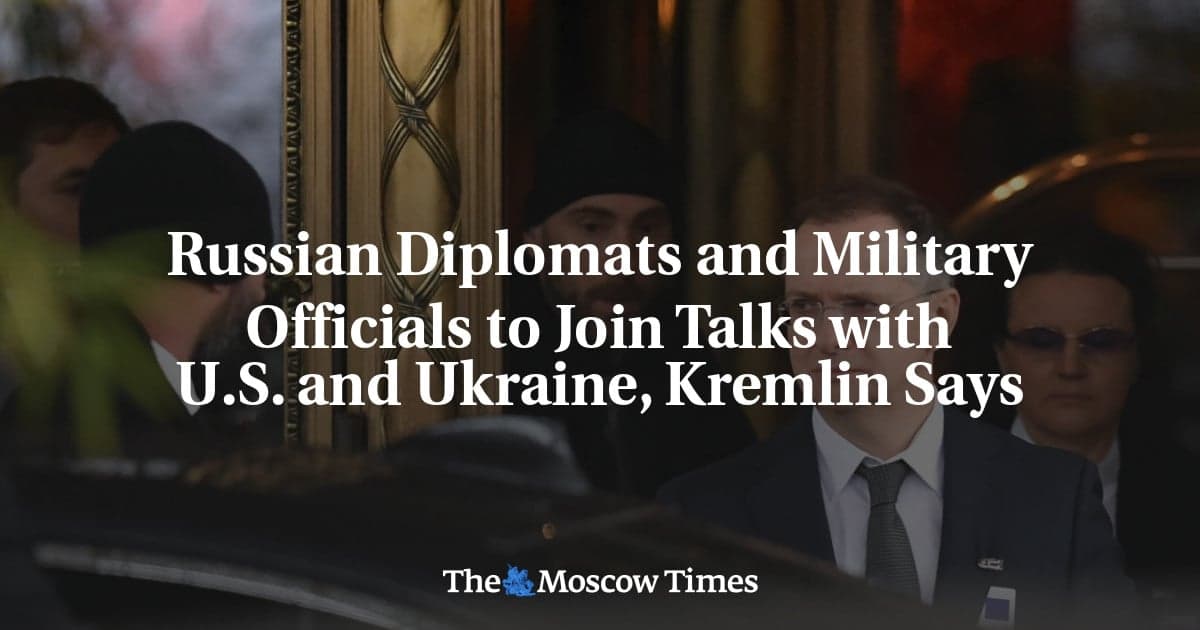
In a major diplomatic pivot announced on November 7, 2026, the Kremlin confirmed that it will send a high-level delegation of senior military commanders, intelligence leaders, and seasoned diplomats to Abu Dhabi for trilateral negotiations with the United States and Ukraine[1][2][3]. Kremlin spokesman Dmitry Peskov announced via the Interfax news agency that the Russian delegation will be led by presidential aide Vladimir Medinsky and will formally incorporate Deputy Foreign Minister Sergei Ryabkov, who is participating in this negotiation format for the first time[4][5]. The delegation also includes Deputy Foreign Minister Mikhail Galuzin, Chief of the Main Intelligence Directorate of the General Staff (GRU) Igor Kostyukov, and senior General Staff operational planner Yuri Zhigarlovsky[4][3]. Scheduled for Tuesday and Wednesday, the Abu Dhabi summit marks the first formal trilateral diplomatic engagement between Moscow, Kyiv, and Washington since February 2026[1][2][5].
The sudden confirmation of the talks follows months of diplomatic impasse and intense behind-the-scenes maneuvering by U.S. Special Envoy Steve Witkoff[3][6]. According to Witkoff, the upcoming agenda will center on establishing the parameters for ending the war, negotiating mutual de-escalation protocols, and outlining postwar regional security architectures[3]. The timing of Moscow's agreement to the meeting comes in the immediate wake of the November 3 U.S. midterm elections, which saw Democrats capture both chambers of Congress and altered the political calculus for long-term American foreign policy commitments[7][8]. Peskov indicated that Russian President Vladimir Putin convened a comprehensive preparatory session with the appointed delegation at the Russian Security Council prior to finalizing their mandate[5].
The diplomatic breakthrough was unveiled against the backdrop of one of the war's most intense aerial bombardments[5]. Overnight leading into November 7, Russian forces launched a coordinated strike involving 36 ballistic missiles and 172 drones against Ukrainian energy and civilian infrastructure[5]. Ukrainian President Volodymyr Zelenskyy confirmed that all 36 ballistic missiles targeted Kyiv and its surrounding province, scoring direct hits on electrical substations that connect the capital and central Ukraine to the Rivne and Khmelnytskyi nuclear plants[5]. The strikes severed municipal water, heating, and power networks as seasonal temperatures dropped toward freezing, while also damaging Kyiv's Northern Bridge across the Dnipro River and injuring at least nine civilians across twelve affected regions[1][5].
The sharp juxtaposition of Moscow's military aggression and diplomatic engagement has drawn severe condemnation from Ukrainian leadership[5]. Zelenskyy publicly rebuked Moscow's coercive negotiating strategy, declaring that "Russia is preparing for trilateral talks by launching ballistic missiles at Ukraine's critical infrastructure"[5]. Zelenskyy made an urgent appeal to Washington to maintain Ukraine as an absolute national security priority and bolster bilateral defense deliveries before winter sets in[5]. Analysts observe that by dispatching its top military intelligence chief alongside veteran disarmament diplomat Ryabkov, Moscow aims to project strength and extract structural concessions regarding Ukraine’s non-aligned status and territorial realities, even as Kyiv seeks firm, enforceable Western security guarantees[3][5][9].
- Kremlin
- Dmitry Peskov
- Vladimir Medinsky
Story 3 of 13
2 min read
Secretary Rubio Travels to France for G7 Summit to Address Allied Concerns Post-Midterms
U.S. Secretary of State Marco Rubio is attending the G7 Foreign Ministers’ Meeting in France to reassure allies about American foreign policy continuity after the recent U.S. midterm elections. The meeting aims to discuss global economic security, Middle Eastern escalation, and defense assistance for Eastern Europe. Allies are seeking clarity on the U.S. approach to NATO and Iran, especially concerning maritime stability in the Strait of Hormuz.
Read the full storyFold the full story2 min · 9 sources
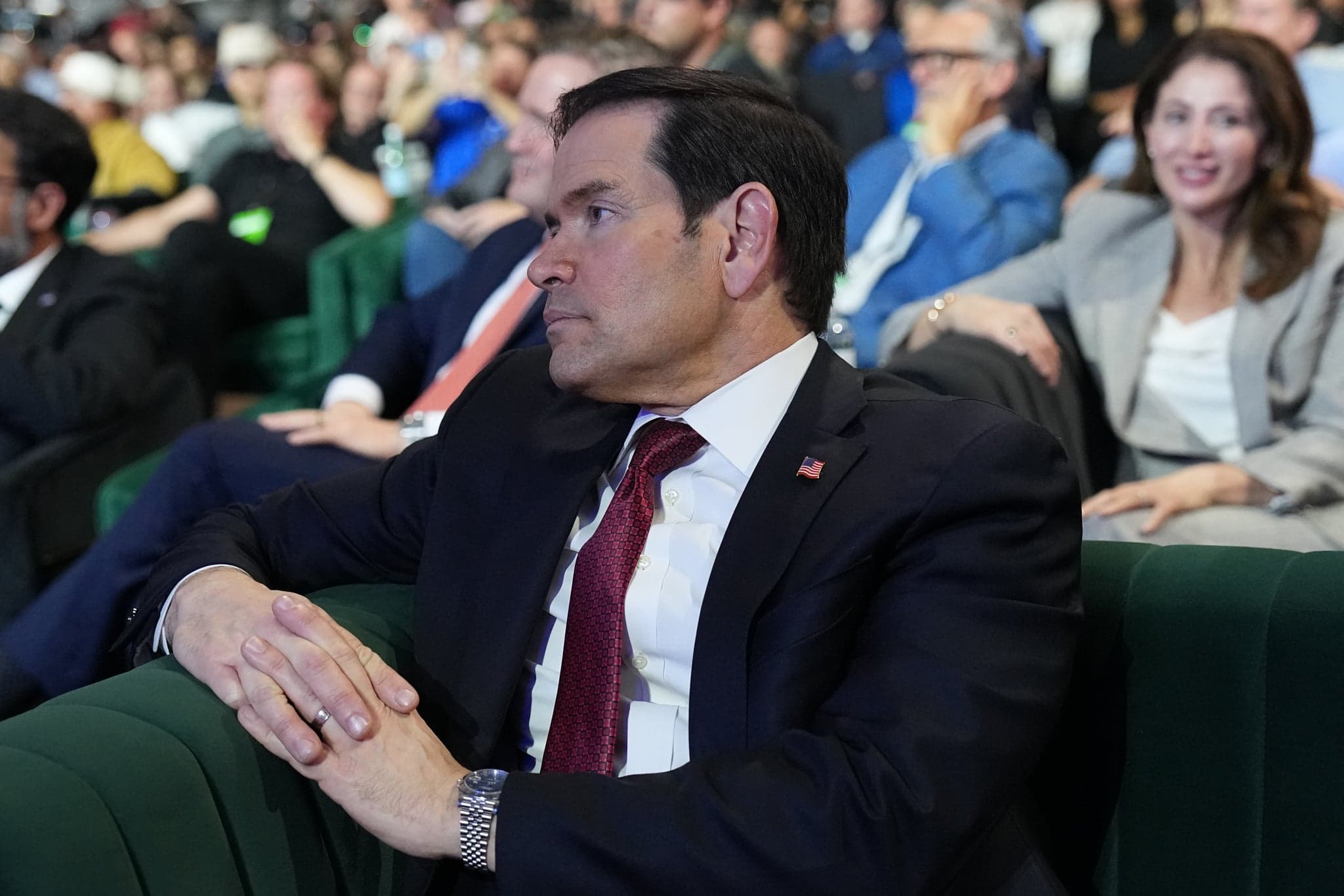
The U.S. Department of State announced that Secretary of State Marco Rubio departed Washington for France to lead the American delegation at the Group of Seven (G7) Foreign Ministers’ Meeting, convening through November 11, 2026[1][2]. The mission represents Rubio's first foreign trip following the November 3 midterm elections, which resulted in a sweeping Democratic victory across both the Senate and the House of Representatives[3][2]. The State Department issued a concise dispatch indicating that the Secretary will utilize the high-level multilateral gathering to "advance American interests in engagements with his G7 counterparts," including the foreign ministers of France, the United Kingdom, Germany, Italy, Canada, and Japan[2].
The diplomatic mission is framed by acute apprehension among Western allies regarding the continuity, reliability, and coherence of American foreign policy[2]. The French summit follows on the heels of the G20 Foreign Ministers’ Meeting that Rubio hosted in Atlanta, which deteriorated without a joint communique due to profound geopolitical divisions involving Russian and Chinese delegations, resulting solely in a unilateral chairman’s statement[2]. In Paris, Rubio is slated to hold bilateral sessions with European partners and Japanese Foreign Minister Toshimitsu Motegi to discuss global economic security, the escalation in the Middle East, and ongoing defense assistance to Eastern Europe[1][2].
European diplomats are preparing to confront the Secretary over how the Trump administration intends to navigate the final two years of its tenure under a divided government[4][5][2]. Rubio’s interlocutors are seeking definitive clarity on whether the White House will recalibrate its transactional diplomacy toward NATO allies or double down on executive unilateralism to bypass a hostile Congress[6][2]. Furthermore, European capitals are seeking assurances regarding maritime trade stability in the Strait of Hormuz and the administration's broader strategic posture toward Iran, given that European commercial shipping has suffered severe disruptions from ongoing naval skirmishes[7][2].
The overseas mission also carries domestic political ramifications for Rubio’s standing within the administration[2][8]. Seen by transatlantic counterparts as an institutionalist counterweight within Trump’s foreign policy circle, Rubio faces intense media scrutiny and persistent rumors regarding his long-term tenure at the State Department, with speculation mounting that he could exit the administration ahead of the 2028 presidential campaign cycle - claims that his aides have firmly denied[2][8]. Rubio's diplomatic performance at the G7 is viewed by international observers as a pivotal stress test that will reveal how effectively the administration can project global leadership while managing intense domestic political constraints[9][2].
- Marco Rubio
- U.S. Department of State
- France
Story 4 of 13
2 min read
Israel, Greece, Cyprus Form Defense Pact Amidst US Aid Cut and Turkey Tensions
Israel, Greece, and Cyprus have solidified a defense pact establishing a joint working group for military cooperation and maritime security in the Eastern Mediterranean. This move comes in direct response to the U.S. discontinuing military aid to Israel and amid political instability within Israel. The three nations also declared the Turkey-Libya maritime border delimitation agreement void.
Read the full storyFold the full story2 min · 3 sources
A profound realignment of Mediterranean and Middle Eastern security architecture accelerated as senior defense officials from Israel, Greece, and Cyprus concluded an emergency trilateral summit in Athens[1]. The three nations announced the formal establishment of a permanent joint working group designed to integrate their domestic defense industries, coordinate maritime surveillance, and conduct collaborative military exercises across the Levantine Sea[1]. In a direct joint declaration, the three governments formally proclaimed the contentious maritime border delimitation agreement signed between Turkey and Libya to be legally null and void, asserting a collective front to safeguard offshore energy infrastructure and undersea electric connectivity projects[2][1].
The trilateral defense pact emerged directly in response to an unprecedented crisis in the U.S.-Israel strategic partnership[1]. Israeli political and defense establishments were left reeling after President Donald Trump issued an abrupt announcement that the United States would discontinue traditional military defense aid to Israel[1]. Israeli President Isaac Herzog described the White House announcement as "like a bolt from the blue," reflecting the profound shock across Jerusalem’s defense apparatus[1]. The announcement came alongside the domestic political realignment in Washington, where incoming Democratic lawmakers have voiced intent to aggressively condition or restrict Middle Eastern defense transfers, leaving Israeli military planners facing a dual-front funding and procurement squeeze[2][1].
The diplomatic fissure in Washington has simultaneously intensified a political crisis within Israel's domestic sphere[1]. Israeli Prime Minister Benjamin Netanyahu faces mounting challenges from an opposition bloc that secured majority recommendations following Israel's recent election deadlock, leaving his governing coalition vulnerable[1]. In Jerusalem, government watchdog groups such as the Movement for Quality of Government petitioned law enforcement to examine the circumstances surrounding the cessation of U.S. aid, alleging potential political coordination linked to Trump’s electoral endorsements[1].
Faced with the erosion of guaranteed American security subsidies, Israel is actively pivoting toward middle-power alliances to fortify its defense industrial supply chains[3][1]. The partnership with Athens and Nicosia establishes an institutional framework for co-developing air-defense assets, securing regional natural gas corridors, and mitigating naval exposure in the Eastern Mediterranean[1]. However, the move has triggered friction with Ankara, as the explicit repudiation of the Turkey-Libya maritime pact threatens to reignite dormant maritime boundary disputes in waters vital to southern European energy security[1].
- Israel
- Greece
- Cyprus
Story 5 of 13
3 min read
Türkiye Ratifies Trilateral Defense Pact with Pakistan and Saudi Arabia, Forging New Security Alliance
Türkiye's parliament has ratified the "Mecca Agreement on Joint Defense," a mutual security pact with Pakistan and Saudi Arabia. This agreement institutionalizes a collective defense framework, committing the three nations to mutual defense and deeper integration in defense production, intelligence sharing, and military coordination. The ratification, passed by a majority vote, has triggered domestic debate regarding strategic implications and potential conflicts with existing alliances.
Read the full storyFold the full story2 min · 6 sources
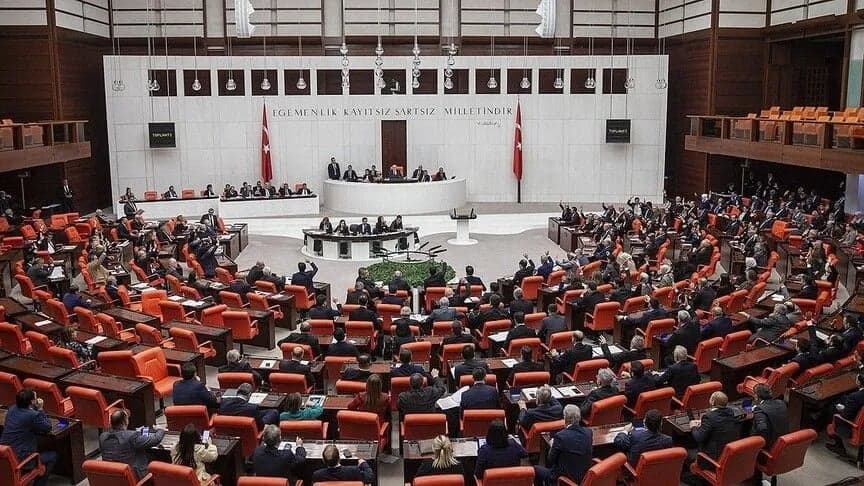
In a late-session legislative vote on November 6, 2026, the Turkish Grand National Assembly officially ratified the "Mecca Agreement on Joint Defense," formalizing a sweeping trilateral mutual security pact between Türkiye, Pakistan, and Saudi Arabia[1][2]. Lawmakers approved the bill by 279 votes to 119, with 398 deputies participating in the 592-seat chamber[1]. The ratification provides immediate legal clearance for the defense alliance to take effect, institutionalizing a collective defense framework originally drafted and signed by Turkish President Recep Tayyip Erdoğan, Pakistani Prime Minister Shehbaz Sharif, and Saudi Crown Prince Mohammed bin Salman at a trilateral summit in Mecca on August 7, 2026[1][3]. The treaty marks a pivotal evolution in non-Western collective security, expanding an earlier bilateral defense pact signed between Riyadh and Islamabad in September 2025 to formally include Ankara[4].
The agreement legally commits the three signatory nations to regard an armed attack against any one member as an aggression against all, while mandating deeper integration in defense production, joint intelligence sharing, and regional military coordination[1][5]. Its legislative passage triggered intense domestic debate in Ankara[1]. The ratification was steered through parliament primarily by the ruling Justice and Development Party (AKP), which contributed 222 votes in favor, alongside its Nationalist Movement Party (MHP) allies (24 votes) and a faction of 25 lawmakers from the main opposition Republican People’s Party (CHP)[2]. Defending the measure on the floor, AKP lawmaker and Konya deputy Ziya Altunyaldız emphasized that the pact is strictly preventive and defensive in posture, insisting it is intended to stabilize regional fractures rather than target any third country[1][3]. Former Defense Minister Hulusi Akar also moved to calm Western allies, maintaining that the tripartite arrangement is "in no way an alternative to NATO"[2].
Despite official assurances, opposition legislators mounted sharp criticism regarding strategic overreach, constitutional oversight, and the lack of clarity surrounding Turkey's potential military exposure in the Persian Gulf[1][2][6]. The 119 opposing votes were led by the New Party (60 votes), the Kurdish-aligned Peoples' Equality and Democracy Party (DEM Party, 22 votes), the New Path Party (15 votes), and the Good Party (13 votes)[2]. CHP foreign affairs spokesman Mehmet Güzelmansur warned that the absence of strict operational parameters could embroil Turkish armed forces in external conflicts and conflict with existing treaty commitments under the Atlantic Alliance[1]. Although Foreign Affairs Committee Chairman Fuat Oktay asserted that Türkiye would not be dragged into external conflicts against its sovereign will, the creation of a permanent trilateral Strategic Political and Defense Committee - whose ministerial heads met recently in Riyadh - signals an integrated command apparatus that extends Ankara’s military footprint directly toward the Indian Ocean and the Arabian Peninsula[2].
The geopolitical ramifications of the Mecca Agreement underscore a major structural shift in global power alignments[1][5]. For Saudi Arabia, incorporating both Türkiye's advanced conventional military and domestic drone-industrial complex alongside Pakistan's nuclear deterrence provides a diversified security umbrella at a time when traditional U.S. defense guarantees have faced heightened uncertainty[2][5]. For Türkiye, the move codifies its geopolitical doctrine as an autonomous Eurasian power broker capable of establishing independent security architecture across the Islamic world, permanently bridging the security corridors of the Levant, the Gulf, and South Asia[2][5].
- Türkiye
- Pakistan
- Saudi Arabia
Story 6 of 13
3 min read
Qatar Confirms US-Iran Mediation Continues Amidst Backchannel Talks Led by VP Vance
Qatar has reaffirmed its ongoing mediation efforts between the U.S. and Iran to prevent regional escalation, dismissing reports of collapsed talks. The initiative is bolstered by intense backchannel outreach led by U.S. Vice President JD Vance, who has engaged with Qatari and Pakistani leadership and directly corresponded with Iran. These diplomatic efforts are occurring under significant pressure in the Persian Gulf and Strait of Hormuz.
Read the full storyFold the full story2 min · 11 sources
On November 7, 2026, Qatari Prime Minister and Minister of Foreign Affairs Sheikh Mohammed bin Abdulrahman Al-Thani announced that Doha’s active diplomatic mediation between the United States and the Islamic Republic of Iran remains underway to halt further regional escalation[1][2]. Addressing widespread international speculation following the U.S. midterm elections, Sheikh Mohammed emphasized that Washington's appetite for a diplomatic resolution has endured despite the shifting political landscape on Capitol Hill[1][3]. Qatar's International Media Office simultaneously issued a formal statement dismissing reports circulating online that the talks had collapsed, characterizing such claims as deliberate distortions manufactured by parties seeking regional destabilization[4]. "We cannot wait to reach a perfect agreement; we hope to reach a good agreement," the Qatari Prime Minister underscored, stressing the imperative of securing a viable settlement before kinetic exchanges expand[1][1].
The public reaffirmation coincided with revelations concerning an intensive, high-level backchannel effort directed by U.S. Vice President JD Vance[5][6]. Reports confirmed that Vance has been conducting near-daily indirect discussions with Qatari Prime Minister Al-Thani and Pakistani Chief of Army Staff Field Marshal Asim Munir to structure a de-escalation framework[7][6]. The initiative was catalyzed by a direct letter Vance sent to Mohsen Rezaei, secretary of Iran’s Supreme National Security Council, proposing an immediate pathway toward renewed formal negotiations[8][6]. Iranian diplomatic officials acknowledged the correspondence, noting that Washington’s altered diplomatic tone provided constructive momentum[6][9]. Parallel efforts have engaged Beijing, with the U.S. having requested the Chinese government to leverage its bilateral influence with Tehran to facilitate a breakthrough[5].
The negotiations unfold under severe operational pressure in the Persian Gulf and the strategic Strait of Hormuz[8][10]. Tehran has put forward an explicit seven-day phased plan designed to de-escalate maritime hostilites[8][1]. Under the Iranian proposal, Washington must lift its naval blockade of Iranian commercial ports, unfreeze sanctioned Iranian sovereign assets, and approve an Iran-monitored transit corridor through the Strait of Hormuz in exchange for Tehran fully reopening the waterway to commercial maritime traffic[1]. Regional anxieties were heightened on November 7 as Iranian state outlets reported unconfirmed missile strikes near Qeshm Island, though U.S. Central Command denied carrying out any operations in the immediate vicinity while issuing security warnings to Iranian civilians regarding Islamic Revolutionary Guard Corps installations[5][1].
The diplomatic track has exposed deep ideological fractures inside the White House and among key U.S. allies[5]. A sharp policy divide has emerged between senior military advisers - aligned with Israeli Prime Minister Benjamin Netanyahu - who are lobbying for immediate pre-emptive kinetic strikes against Iranian facilities, and a diplomatic coalition headed by Vance, White House Special Envoy Steve Witkoff, and adviser Jared Kushner[5][7]. Vance has argued internally that prolonged regional conflict and naval disruptions inflicted severe electoral damage on Republicans in the midterms[6][11]. Pro-strike factions are urgently pushing for military action before the incoming Democratic congressional majority assumes office in January, setting up a compressed diplomatic window for Qatari mediators to convert technical backchannel talks into a binding ceasefire[5][7].
- Qatar
- Sheikh Mohammed bin Abdulrahman Al-Thani
- United States
Story 7 of 13
2 min read
Europe Rejects Trump's Unilateral Security Initiative with Russia
European leaders and Ukrainian officials have collectively rejected a proposal by U.S. President Donald Trump for a broad security arrangement with Russia, intended to extend beyond the Ukraine conflict. The initiative, discussed privately with a Kremlin envoy and excluding Ukrainian negotiators, was met with strong opposition. EU Foreign Policy Chief Kaja Kallas stated Europe would not recognize any pact negotiated over its head, while Poland's Foreign Minister warned against bilateral deals with Moscow. Ukraine's President Zelensky cautioned against a 'Yalta 2.0' scenario, emphasizing that territorial concessions are a red line.
Read the full storyFold the full story2 min · 9 sources
European leaders and Ukrainian officials have issued a sharp collective rebuke of United States President Donald Trump’s proposal to negotiate a sweeping, pan-European security arrangement directly with Moscow[1][2][3]. The pushback follows Trump’s Oval Office announcement that the United States and Russia are nearing what he termed a “big, beautiful agreement” intended to extend far beyond the war in Ukraine to encompass the security architecture of “all of Europe”[4][5]. Trump made the remarks after an unscheduled private White House meeting with Kremlin peace envoy Kirill Dmitriev - deliberately excluding Ukrainian negotiators led by David Arakhamia, who were present at the White House only hours earlier for an event hosted by First Lady Melania Trump[4][6].
The reaction across European capitals has been swift and unyielding[5]. European Union Foreign Policy Chief Kaja Kallas formally rejected the initiative, stating that Europe already maintains its foundational security architecture through NATO and the EU, and that Brussels will refuse to recognize or implement any US-Russia pact negotiated over European heads[3]. Polish Foreign Minister Radosław Sikorski warned that attempting to settle the future of European security bilaterally with Moscow was both strategically flawed and politically impossible[3]. Concurrently, Ukrainian President Volodymyr Zelensky warned against what he termed a "Yalta 2.0" dynamic, reiterating that any diplomatic initiative trading Ukrainian sovereign territory or sovereign defense choices without Kyiv’s direct concurrence remains an absolute red line[3][7].
The European diplomatic revolt exposes deep fractures within the transatlantic alliance, accelerated by Washington's evolving negotiating strategy[5]. Earlier in the week, presidential envoy Jared Kushner traveled to Brussels to brief NATO and EU officials on a five-point framework addressing security guarantees, crisis communications, and risk de-escalation[8][3][9]. That proposal was conceived as a stepping stone toward planned trilateral US-Ukrainian-Russian talks scheduled for November 10–11 in Abu Dhabi[8][9][7]. However, Kushner’s multilateral reassurances were swiftly upended by Trump’s subsequent unilateral overtures to Dmitriev, prompting European allies to question whether Washington is actively seeking to circumvent established alliance consultation mechanisms[8][4][5].
Strategic analysts observe that Washington’s initiative fundamentally miscalculates the Kremlin's strategic posture[9]. An assessment released by the Institute for the Study of War (ISW) emphasized that Moscow's revived baseline demands - including its 2021 ultimatum that NATO roll back its infrastructure to 1997 borders - remain fundamentally irreconcilable with the territorial defense of Eastern Europe and even conflict with ongoing US plans to maintain permanent military infrastructure in Poland[8][9]. By signaling a willingness to negotiate the continent's broader security structure without allied consensus, Washington risks alienating frontline NATO member states and emboldening Russian revisionism ahead of the Abu Dhabi negotiations[5][9].
- Donald Trump
- Russia
- Ukraine
Story 8 of 13
2 min read
Qatar and Oman Mediate Gulf Transit Restoration Linked to Nuclear Safeguards
Qatar and Oman have launched a joint diplomatic initiative to de-escalate tensions in the Persian Gulf and restore commercial navigation through the Strait of Hormuz. The proposal links the reopening of the vital waterway, currently obstructed by hostilities, to Iran readmitting IAEA inspectors and down-blending its enriched uranium under multilateral supervision. In return, the U.S. would lift its maritime blockade and unfreeze Iranian assets.
Read the full storyFold the full story2 min · 11 sources
Intensive mediation accelerated on November 6–7, 2026, as Qatar and Oman launched an ambitious joint diplomatic initiative aimed at de-escalating military hostilities in the Persian Gulf and restoring commercial navigation through the Strait of Hormuz[1][2][3]. The strategic waterway - through which approximately 20% of global petroleum and liquefied natural gas traditionally transits - has remained severely obstructed by sea mines, drone interdictions, and maritime combat operations since the eruption of direct U.S.-Iranian hostilities in early 2026[3][4][5]. The mediation gained urgent traction following a direct November 6 phone call between Qatari Emir Sheikh Tamim bin Hamad Al Thani and U.S. President Donald Trump, during which the Gulf mediator outlined a sequenced off-ramp linking the restoration of maritime transit to international nuclear inspection protocols[6][3].
Under the terms of the Qatari proposal, Iran would agree to readmit inspectors from the International Atomic Energy Agency (IAEA) to its damaged nuclear infrastructure, operating under an updated verification mechanism derived from earlier Cairo negotiations[3]. Critically, the plan offers a niche compromise on Iran’s highly enriched uranium stockpiles: rather than mandating the immediate physical transfer of fissile material out of Iranian territory, Tehran would be permitted to neutralize proliferation concerns by down-blending its stockpiles under permanent multilateral supervision[3]. Concurrently, Oman’s Foreign Minister Badr al-Busaidi has engaged in continuous technical negotiations with Iranian Foreign Minister Abbas Araghchi to establish a jointly administered, mine-cleared shipping corridor hugging the Omani coastline, designed to reopen traffic on the second day of any formal ceasefire[2][3][7]. In exchange, Washington would be required to lift its maritime blockade on Iranian ports and unfreeze a tranche of roughly $8 billion in overseas assets[3].
The diplomatic breakthrough remains fragile due to volatile tactical dynamics on the water[5]. On November 5 and 6, the United Kingdom Maritime Trade Operations (UKMTO) documented a series of maritime explosions, including a commercial vessel struck at the waterline 16 nautical miles east of Khasab, Oman, and separate projectile impacts on a tanker operating 50 nautical miles north of Madinat ash Shamal, Qatar[8][8][9][10]. Meanwhile, senior Iranian officials have sought to project leverage from the crisis; on November 6, Aliakbar Velayati, senior international affairs adviser to the Iranian Supreme Leader, publicly declared that Iran has established itself as an indispensable "architect of West Asian security," warning that any international transit corridor attempting to bypass Tehran will prove inherently costly and unstable[8].
With Brent crude futures fluctuating near $98 per barrel and global shipping lines struggling to maintain transit coverage, international energy markets are watching the Doha-Muscat axis closely[11]. The Qatari-Omani framework represents a rare, technically sophisticated compromise that bridges maritime security and nuclear non-proliferation[3]. If finalized, the initiative could redefine Persian Gulf crisis management, highlighting the power of small Gulf states to mediate direct confrontations between major powers and reshape global energy logistics[3][7].
- Qatar
- Oman
- Strait of Hormuz
Story 9 of 13
2 min read
Iran Proposes Nuclear Framework to U.S. Via Qatar Amid Gulf Tensions
Iran has formally submitted a seven-point nuclear proposal to the United States through Qatari intermediaries, coinciding with heightened military tensions in the Persian Gulf. The proposal's delivery followed a call between Qatar's Emir and President Trump. Iran insists on preliminary demands, including comprehensive sanctions relief and unfreezing assets, before substantive discussions begin. Tehran signals it will continue to restrict the Strait of Hormuz until its preconditions are met, emphasizing the need for verifiable steps from Washington.
Read the full storyFold the full story2 min · 11 sources
Tehran has formally transmitted a seven-point nuclear proposal to the United States using Qatari diplomatic channels, initiating a delicate diplomatic overture amidst heightened military alert in the Persian Gulf[1][2][3]. The delivery of the framework was confirmed by senior Iranian officials following a direct phone call between Qatar’s Emir Sheikh Tamim bin Hamad Al Thani and President Donald Trump, during which the Qatari leadership emphasized ongoing mediation efforts to defuse broader regional hostilities[3]. While Washington confirmed that it is reviewing the document, Iranian diplomats stressed that substantive discussions will not commence until the White House demonstrates concrete adherence to preliminary demands, including comprehensive sanctions relief, the unfreezing of Iranian state assets abroad, and war reparations[2][4][3].
The diplomatic track emerges against the backdrop of sustained kinetic friction in critical Middle Eastern waterways[5][3]. Tensions remain elevated in the Strait of Hormuz, where two commercial oil tankers were recently damaged by fires following targeted strikes[6][3]. Speaking from Moscow, senior Iranian security figure Mohsen Rezaei underscored Tehran’s coercive leverage, asserting that until the United States executes Iran's preconditions, the Strait of Hormuz will remain subject to restrictions and formal negotiations will remain stalled[3]. Ali Bagheri Kani, deputy head of Iran's Supreme National Security Council, reinforced this stance, cautioning that Tehran will reject empty “paper commitments” and requires verifiable, practical steps from Washington before engaging in direct negotiations[6].
This channel also reflects shifts in domestic political calculations within the United States following the November 3 midterm elections[5][3]. With domestic criticism mounting over regional military deployments and voter fatigue surrounding sustained confrontations with Iran, the White House has faced domestic pressure to explore de-escalatory pathways[7][8][9]. Simultaneously, reports indicate that Trump convened his national security team, including leadership from US Central Command (CENTCOM), to evaluate military strike packages should Iranian-backed proxy attacks or maritime disruptions continue, reflecting deep divisions within Washington between hardline deterrence and diplomatic off-ramps[10].
Regional observers note that Qatar’s re-emergence as the principal conduit between Washington and Tehran highlights the shifting diplomatic architecture of the Persian Gulf[4][3]. As Gulf Cooperation Council (GCC) states seek to insulate critical transport and energy infrastructure from collateral disruption, Doha has leveraged its access to both capitals to avert a total military breakdown[3][11]. However, nonproliferation experts warn that the broad scope of Tehran’s demands - particularly financial restitution - presents a high barrier to entry for the Trump administration, making immediate diplomatic breakthroughs unlikely without significant reciprocal concessions[3].
- Iran
- United States
- Qatar
Story 10 of 13
2 min read
U.S. Threatens to End Military Aid to Israel Post-Midterms
The U.S. and Israel are experiencing a major crisis in their alliance following the midterm elections. President Donald Trump and Vice President JD Vance have suggested that the annual $4 billion in U.S. defense aid to Israel may be terminated at year's end, citing voter dissatisfaction with foreign spending. This comes as Israeli Prime Minister Benjamin Netanyahu governs in a caretaker capacity amid political deadlock, pursuing aggressive regional posturing. Defense analysts warn that an abrupt cutoff would disrupt joint programs and weaken regional deterrence.
Read the full storyFold the full story2 min · 10 sources
The long-standing strategic partnership between the United States and Israel is confronting its most severe institutional crisis in decades, as political recriminations following the US midterm elections spilled into open bilateral friction[1][2]. In public statements, President Donald Trump questioned the continuation of Washington’s multi-billion-dollar military assistance programs, explicitly indicating that the estimated $4 billion in annual US defense aid to Israel will expire and be terminated at the end of the calendar year[3][4]. The rhetoric was mirrored by Vice President JD Vance, who publicly attributed Republican electoral setbacks across Capitol Hill to voter dissatisfaction with regional conflicts, foreign expenditures, and unconditional backing for Israeli military campaigns[5][3].
The public shift comes as Jerusalem navigates domestic political gridlock of its own[1][1]. Prime Minister Benjamin Netanyahu continues to govern in an executive caretaker capacity following the inconclusive Israeli parliamentary election held in late October[6][1]. While Netanyahu’s political opponents have secured initial parliamentary endorsements to pursue a coalition, President Isaac Herzog has delayed immediate mandates as political consultations stall[1][1]. In this transitional period, Netanyahu has retained unrestricted wartime executive power, pursuing aggressive regional posturing even as the baseline political consensus supporting Israel in Washington rapidly erodes[6].
The strain on the alliance has generated deep concern among security institutions and defense analysts[1][2]. Policy briefs issued by the Foundation for Defense of Democracies (FDD) warned that terminating defense financing under the existing bilateral Memorandum of Understanding (MOU) would disrupt joint procurement programs, jeopardize integrated air-defense supply chains, and weaken regional deterrence against common adversaries[1][7]. A comprehensive analysis in The Wall Street Journal noted that while Israeli defense planners have long anticipated a gradual reduction in dependence on American financial subsidies, an abrupt cutoff driven by partisan friction threatens to destabilize joint intelligence sharing and long-term force modernization[2].
With the incoming Democratic legislative majority poised to take control of both chambers of Congress, Congressional scrutiny of foreign military funding is expected to escalate significantly[8][5][9]. Lawmakers are preparing expanded oversight into regional arms transfers and strategic spending, placing additional constraints on unilateral executive foreign policy[10][5]. The convergence of divided government in Washington and caretaker governance in Tel Aviv has created an unprecedented period of uncertainty, severing long-standing assumptions about unconditional American strategic underwriting[8][6][2].
- United States
- Israel
- Donald Trump
Story 11 of 13
2 min read
UN Peacekeepers to Withdraw from Southern Lebanon by End of 2026
The UN Interim Force in Lebanon (UNIFIL) will end its nearly 50-year peacekeeping mission along the Lebanese-Israeli border on December 31, 2026, as mandated by UN Security Council Resolution 2790. UNIFIL will cease routine operations and begin an orderly withdrawal. Established in 1978, the mission's mandate has been contentious, with Israel arguing it failed to disarm Hezbollah. The Lebanese government had sought an extension, warning that the withdrawal will create an operational vacuum and increase regional security uncertainty.
Read the full storyFold the full story2 min · 6 sources
The United Nations Interim Force in Lebanon (UNIFIL) confirmed that its nearly half-century peacekeeping presence along the Lebanese-Israeli frontier will officially terminate on December 31, 2026[1][2]. Citing the legal expiration established under UN Security Council Resolution 2790, UNIFIL leadership stated that its contingent of peacekeepers from 45 contributing nations will cease routine operations and commence an orderly withdrawal and drawdown across southern Lebanon[1][2]. The mission stated that while its active observation, logistical patrols, and liaison functions will persist until the final day of its mandate, no further mission extensions are being planned[1][2].
The mandated departure follows years of friction between international observers, Israeli authorities, and local actors[3][4]. Established in 1978 and heavily augmented after the 2006 conflict under UN Security Council Resolution 1701, UNIFIL was originally tasked with verifying the withdrawal of Israeli forces, assisting the Lebanese Armed Forces (LAF), and ensuring southern Lebanon remained clear of non-state armed actors and illicit weapons[3][4]. However, Israeli security officials have systematically condemned the peacekeeping force, arguing that UNIFIL failed to dismantle Hezbollah’s military apparatus, underground bunkers, and launch sites built directly adjacent to UN watchtowers[3]. Last year, facing mounting diplomatic pressure from Washington and Jerusalem, the Security Council voted against an indefinite renewal, fixing the hard 2026 sunset date[2][4].
The impending withdrawal has provoked alarm within the Lebanese government, which had repeatedly petitioned the UN Security Council for an emergency mandate extension[2][5]. Caretaker officials in Beirut warned that the departure of international observers will create an acute operational vacuum, leaving the under-resourced Lebanese Armed Forces alone in managing the volatile demarcation line[1][2]. Security analysts at the Middle East Institute (MEI) pointed out that the removal of UNIFIL’s de-confliction channels removes an essential buffer, dramatically increasing the probability that localized cross-border incidents escalate directly into unmediated state-on-state combat[6][1].
The geopolitical ramifications of UNIFIL’s drawdown extend directly to broader regional stability[6][1]. With the international peacekeeping buffer dissolving, the security balance along the Blue Line will depend entirely on bilateral kinetic deterrence between the Israel Defense Forces and Hezbollah[1][4]. As contributing nations prepare to repatriate thousands of personnel, regional powers are bracing for a fundamental structural transformation of Lebanon's southern frontier that could reshape the territorial dynamics of the Levant heading into 2027[1][3].
- UNIFIL
- Lebanon
- Israel
Story 12 of 13
2 min read
US and Regional Powers Re-Engage Myanmar's Junta for Critical Minerals
The United States and regional Indo-Pacific governments have begun a pragmatic re-engagement with Myanmar's military junta, easing diplomatic isolation and rolling back economic sanctions. This policy reversal is driven by strategic competition for heavy rare earth elements crucial for advanced technologies. Despite the junta's limited territorial control and ongoing human rights abuses, Western and Asian capitals are seeking back-channel access to mitigate supply chain vulnerabilities.
Read the full storyFold the full story2 min · 3 sources
A comprehensive investigation into diplomatic channels across Southeast Asia revealed on November 6, 2026, that the United States and regional Indo-Pacific governments have quietly initiated a transactional policy reversal regarding Myanmar’s military junta[1][1]. Nearly six years after the February 2021 coup plunged Myanmar into a devastating civil war, Western and Asian capitals are systematically easing diplomatic isolation and rolling back economic punitive measures against the regime led by Senior General Min Aung Hlaing, despite the military council controlling less than one-third of the nation’s physical territory[1][1].
The shift has been driven largely by strategic resource competition[1]. Myanmar remains one of the world's most vital geographic deposits of heavy rare earth elements (HREEs) - particularly dysprosium and terbium - which are essential components for advanced electric vehicle powertrains, precision missile guidance systems, and renewable energy technologies[1]. With Beijing historically dominating extraction supply lines out of Kachin and Shan states, Western policymakers have increasingly sought back-channel access to Naypyidaw to mitigate severe vulnerability in critical mineral supply chains[1][2]. Over the course of 2026, the U.S. administration progressively lifted targeted sanctions on selected corporate entities and key military figures connected to the State Administration Council (SAC), culminating in bilateral meetings between high-level U.S. representatives and junta officials in Naypyidaw[1][1].
Parallel diplomatic reintegration is gaining momentum across Asia[1][1]. Neighboring governments, including Thailand and Malaysia, have accelerated engagement with Min Aung Hlaing’s administration over border control, migrant repatriation, and transnational anti-scam law enforcement[1][3]. This softening of diplomatic barriers occurs even as the junta intensifies aerial bombardments against civilian population centers and resistance-held redoubts, including early-November airstrikes on medical facilities in the Sagaing Region[2]. The normalization drive has triggered severe pushback from international civil society and democracy networks[1][1]. Kyaw Win, director of the Burma Human Rights Network, sharply condemned the quiet reconciliation, stating that selectively lifting sanctions on perpetrators of mass atrocities solely to advance geopolitical supply-chain interests undermines international legal accountability and democratic resistance movements[1][1].
This policy realignment marks an erosion of the post-2021 international consensus that sought to ostracize the junta[1][1]. By prioritizing access to upstream critical minerals and transactional border stability over human rights benchmarks, Washington and its regional partners are effectively conceding de facto political space to Naypyidaw[1][1]. The development signals an emerging phase of great-power realpolitik in Southeast Asia, where acute supply-chain anxieties outweigh multilateral commitments to universal democratic governance[1].
- United States
- Myanmar
- Min Aung Hlaing
Story 13 of 13
2 min read
Canada Eliminates Foreign Aid from Budget, Pivoting to Domestic Security and Industrial Policy
Canada's federal budget has completely removed any mention of foreign aid, international assistance, or development, marking a significant departure from its historical role in global development. This move aligns with a broader trend among Western middle powers facing domestic economic pressures. The government is redirecting funds towards domestic sovereignty programs, national defense, and industrial policy, particularly in areas like drone manufacturing.
Read the full storyFold the full story2 min · 8 sources
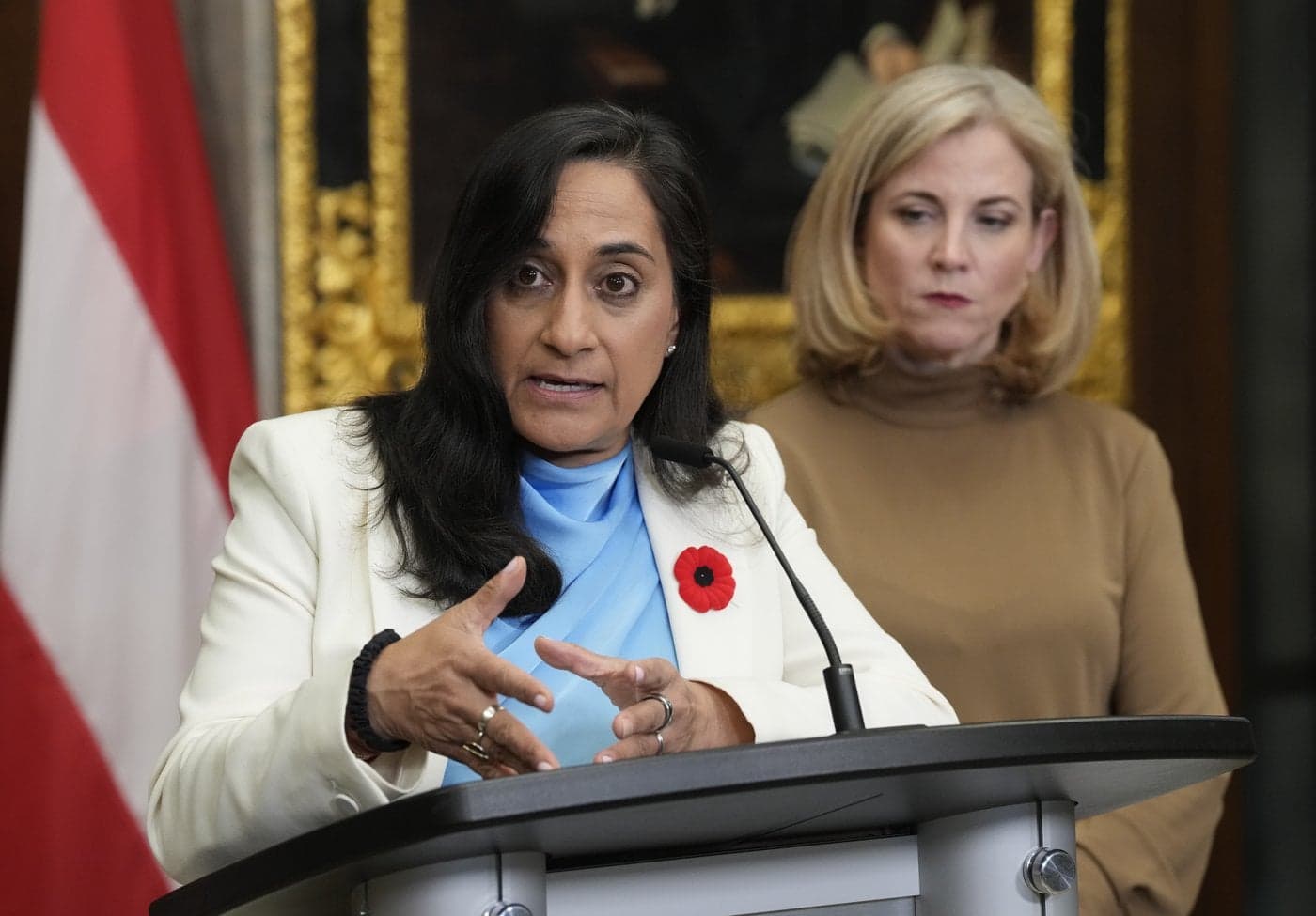
In an unprecedented shift in Canadian external policy, the federal budget unveiled on Parliament Hill by Prime Minister Mark Carney’s government completely eliminated any reference to "foreign aid," "international assistance," or "international development"[1]. A comprehensive review by international policy analysts confirmed this is the first Canadian federal budget in more than 15 years to omit these foundational pillars of Canadian diplomacy entirely, marking a decisive break from the country's historic post-war identity as a middle-power development leader[1]. While Foreign Affairs Minister Anita Anand received Austria’s Federal Minister for European and International Affairs Beate Meinl-Reisinger in the foyer of the House of Commons on November 6, Canadian non-governmental organizations and aid coalitions voiced shock at Ottawa’s programmatic retreat[1].
The spending blueprint outlines a fiscal approach centered on a domestic $62.3-billion deficit aimed at underwriting what the Carney administration termed an "investment supercycle" designed to counter international trade barriers, high energy prices, and acute domestic housing pressures[2]. The budget's external security provisions redirected external financing toward domestic sovereignty programs and specialized security applications: the conflict in Ukraine was cited almost exclusively in the context of domestic drone manufacturing partnerships, while international assistance was limited to bureaucratic mentions of operational permits in conflict zones[1]. Domestically, the government redirected external funding priorities toward national defense resilience and allocated approximately $45 million over four years to national anti-radicalization initiatives[3].
The total omission of foreign aid follows a $2.7 billion phased reduction to Global Affairs Canada's international assistance envelope initiated in 2025, which had already rolled back funding for global public health initiatives, multilateral climate funds, and humanitarian agencies[4][5][6]. Kate Higgins, head of Co-operation Canada - a coalition representing more than 100 foreign assistance organizations including Oxfam, Care, and Save the Children - publicly condemned the move, arguing that completely dropping international development from federal budget priorities at a juncture of compounding global humanitarian instability represents an abdication of Canadian responsibility[1][6]. Advocacy directors from groups such as Results Canada noted that the policy direction directly repudiates earlier ministerial pledges that Ottawa would maintain baseline overseas development assistance[4][7].
This niche policy omission reflects a broader, systemic restructuring among Western middle powers[4]. Facing intense domestic cost-of-living constraints, high rearmament targets, and the broader contraction of Western development finance - mirroring previous restructuring within the U.S. State Department and aid cuts across European capitals - Canada has effectively subordinated traditional multilateral development assistance to hard industrial policy, critical infrastructure, and domestic deterrence[8][2][6]. Analysts view this budget silence as the prelude to a forthcoming comprehensive foreign policy review that will formalize a far more transactional, security-focused posture for Ottawa on the world stage[1].
- Canada
- Mark Carney
- Anita Anand
You're all caught up.
That's every story in Saturday's PiBrief Geopolitics. And there's a newer edition waiting for you.
All PiBrief Geopolitics editions
Subscribe to receive daily briefings about geopolitics and world news in your email.
Get PiBrief Geopolitics in your inbox
A free newsletter on geopolitics and world news. Diplomacy, conflict, the global economy, and elections, ranked and explained, with an audio briefing in every edition.
Free forever / no account / 1-click unsubscribe