
Xi-Trump-Putin summit, US-Iran talks & Saudi-Syria pact
Beijing confirms discussions for a potential trilateral summit between Xi Jinping, Donald Trump, and Vladimir Putin. Meanwhile, the United States opens backchannel discussions with Tehran amid escalating regional tensions, and Syria explores a landmark mutual defense pact with Saudi Arabia.
14 stories35 sources checked
Listen to this edition
PiBrief Geopolitics, November 8, 2026
The lineup
In this edition
 01
China Confirms Talks for Historic Xi-Trump-Putin Trilateral Summit
 02
U.S. VP Vance Leads Iran Backchannel Talks Amid Sanctions and Missile Range Escalations
 03
CENTCOM Launches Task Force Iron Gate to Disrupt Iran's Eurasian Trade Routes
 04
Moscow Elevates Abu Dhabi Talks Delegation with Senior Diplomats and Intelligence Chiefs
 05
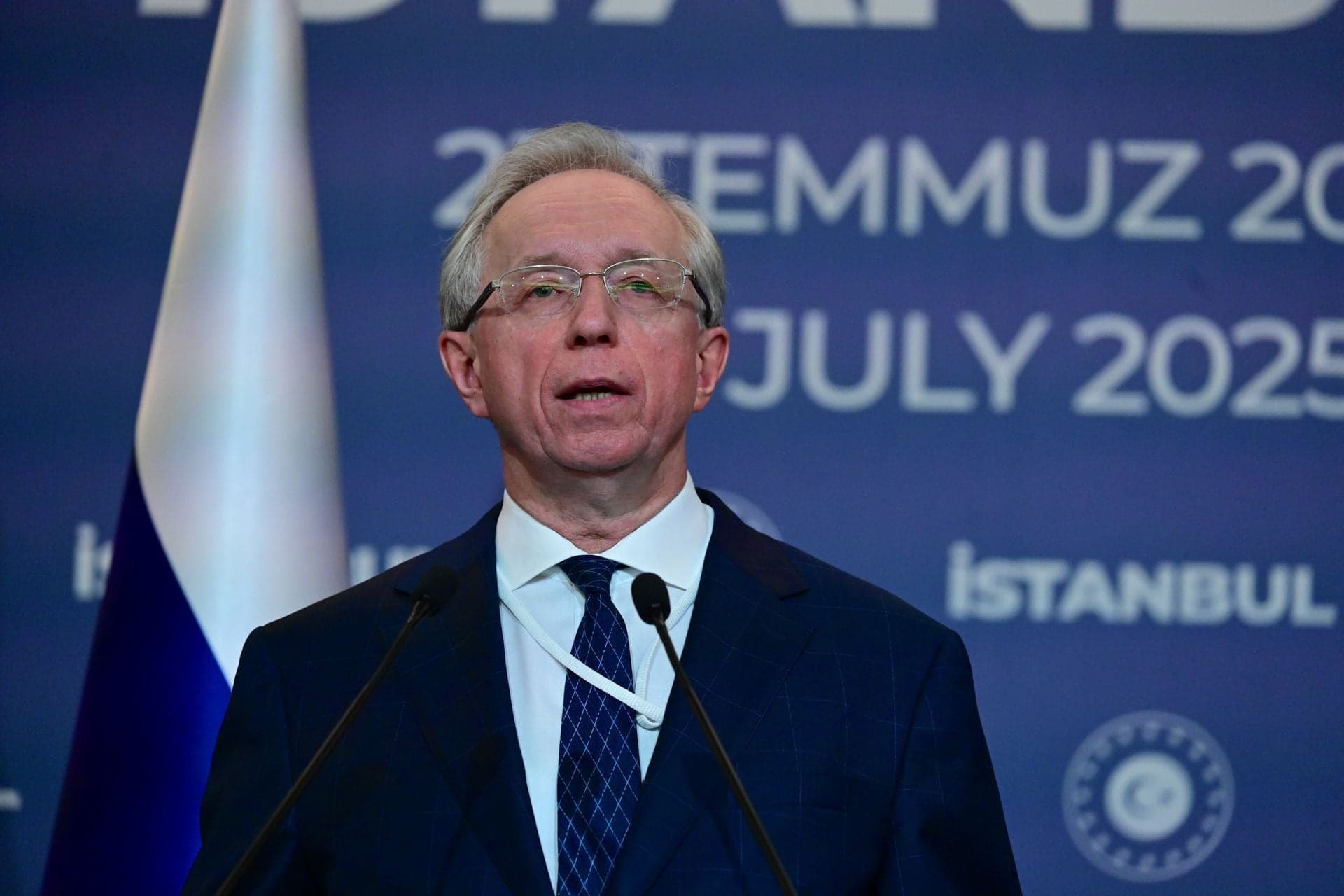
Russia Adds Strategic Arms Envoy Ryabkov to Ukraine Peace Talks Delegation
 06
US Assesses Badr Defense Agreement: Turkey, Pakistan, Qatar, Indonesia Form New Bloc
 07
Syria and Saudi Arabia Forge Defense Pact, Eyeing Makkah Alliance Membership
 08
Syria Explores Mutual Defense Pact with Saudi Arabia, Shifting from Iran
 09
Egypt Reopens Tripoli Embassy, Challenges Turkey-Libya Maritime Accord
 10
US and Cambodia Sign Defense Framework, Deepening Security Ties in Southeast Asia
- 11
Israel and US Transition Defense Ties from Aid to Co-Development Partnership
 12
Japan's PM Takaichi Refuses to Retract Taiwan Defense Stance, Damaging Tokyo-Beijing Ties
 13
China and Gabon Elevate Ties to Strategic Alliance for Critical Minerals and Infrastructure
 14
GCC Finalizes Landmark Rail Treaty in Manama to Enhance Regional Supply Chains
See all 14 as a listHide the list
- China Confirms Talks for Historic Xi-Trump-Putin Trilateral Summit
- U.S. VP Vance Leads Iran Backchannel Talks Amid Sanctions and Missile Range Escalations
- CENTCOM Launches Task Force Iron Gate to Disrupt Iran's Eurasian Trade Routes
- Moscow Elevates Abu Dhabi Talks Delegation with Senior Diplomats and Intelligence Chiefs
- Russia Adds Strategic Arms Envoy Ryabkov to Ukraine Peace Talks Delegation
- US Assesses Badr Defense Agreement: Turkey, Pakistan, Qatar, Indonesia Form New Bloc
- Syria and Saudi Arabia Forge Defense Pact, Eyeing Makkah Alliance Membership
- Syria Explores Mutual Defense Pact with Saudi Arabia, Shifting from Iran
- Egypt Reopens Tripoli Embassy, Challenges Turkey-Libya Maritime Accord
- US and Cambodia Sign Defense Framework, Deepening Security Ties in Southeast Asia
- Israel and US Transition Defense Ties from Aid to Co-Development Partnership
- Japan's PM Takaichi Refuses to Retract Taiwan Defense Stance, Damaging Tokyo-Beijing Ties
- China and Gabon Elevate Ties to Strategic Alliance for Critical Minerals and Infrastructure
- GCC Finalizes Landmark Rail Treaty in Manama to Enhance Regional Supply Chains
Story 1 of 14
2 min read
China Confirms Talks for Historic Xi-Trump-Putin Trilateral Summit
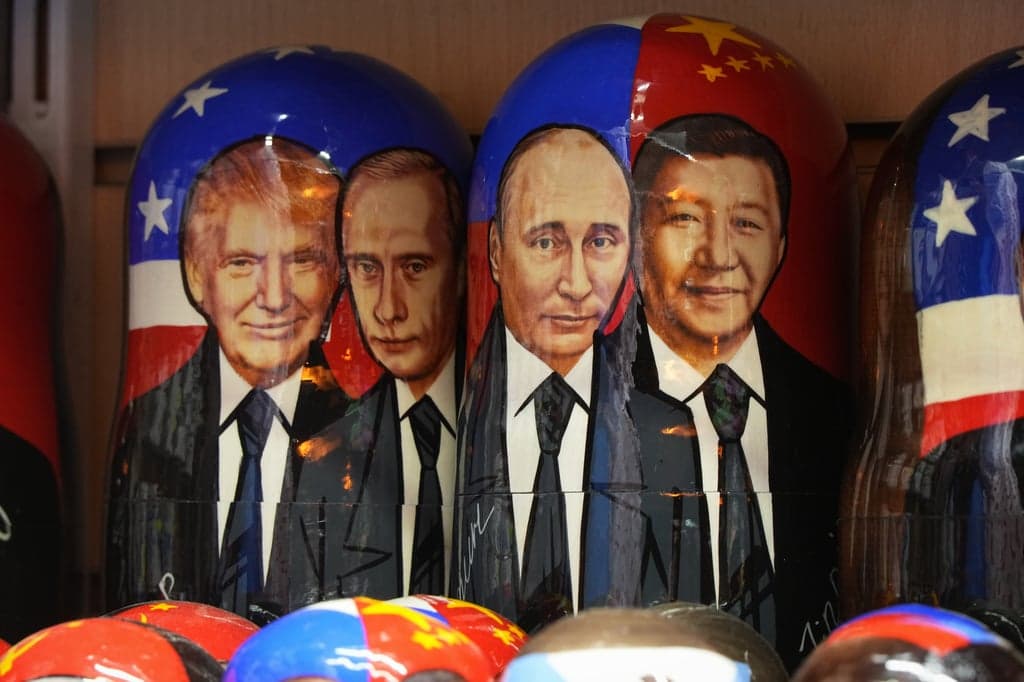
China's Ministry of Foreign Affairs has confirmed preliminary discussions are underway for a trilateral summit between Presidents Xi Jinping, Donald Trump, and Vladimir Putin. The meeting, potentially occurring later this month on the sidelines of a regional economic summit in Shenzhen, would be the first of its kind among the leaders of the three global superpowers. The initiative arises amid global volatility and protracted conflicts, suggesting a mutual recognition of the need for direct, high-level coordination.
Read the full storyFold the full story2 min · 6 sources
In a major development signaling potential recalibrations across the global balance of power, the Chinese Ministry of Foreign Affairs confirmed that preliminary discussions are underway to arrange a historic three-way summit bringing together Chinese President Xi Jinping, U.S. President Donald Trump, and Russian President Vladimir Putin[1]. Speaking at a press briefing in Beijing, Chinese Foreign Ministry spokesperson Mao Ning announced that Beijing is actively "in communication with relevant parties regarding a meeting between the three heads of state"[1]. According to diplomatic officials familiar with the discussions, the proposed gathering would take place later this month on the sidelines of a regional economic summit hosted in the southern Chinese metropolis of Shenzhen[1].
The prospect of a direct trilateral meeting among the heads of state of the three preeminent global superpowers marks an unprecedented diplomatic opening[1]. The initiative surfaces against a backdrop of acute structural volatility, punctuated by protracted military conflicts in Eastern Europe and the Middle East, as well as mounting domestic political shifts in the United States following the 2026 midterm elections[2][3][4]. While bilateral interactions between Washington, Beijing, and Moscow have historically adhered to rigid bilateral tracks or multilateral group sessions such as the G20, an explicit trilateral summit framework reflects a mutual recognition that intersecting crises in energy markets, supply chains, and regional conflicts require direct, high-level coordination among the top leadership.
The primary figures orchestrating the initiative include high-level diplomatic contingents from the Chinese Ministry of Foreign Affairs, the U.S. Department of State, and the Russian Presidential Administration[3][1]. For Beijing, hosting such a high-profile summit serves to reinforce China's self-fashioned role as an indispensable global mediator capable of bridging deep adversarial divides. For the Trump administration, the dialogue presents a potential vehicle to pursue simultaneous foreign-policy deals, while the Kremlin views direct engagement with Washington and Beijing as confirmation of its great-power parity despite Western sanctions regimes[5].
The strategic implications of such an engagement are profound. An alignment of communication channels between Washington, Beijing, and Moscow could influence ceasefire negotiations in Ukraine, redirect the trajectory of Western sanctions policies, and alter regional security postures across both the Indo-Pacific and Central Asia[3][1]. European allies, however, are closely monitoring the developments with caution, amid concerns that direct trilateral bargaining among the three powers could bypass European security interests and established institutional alliances[6][5]. Analysts emphasize that while preliminary logistical and agenda-setting talks are active, finalizing the tripartite agenda remains contingent on resolving complex protocol parameters and foundational policy differences regarding regional security guarantees[1].
- Xi Jinping
- Donald Trump
- Vladimir Putin
Story 2 of 14
2 min read
U.S. VP Vance Leads Iran Backchannel Talks Amid Sanctions and Missile Range Escalations
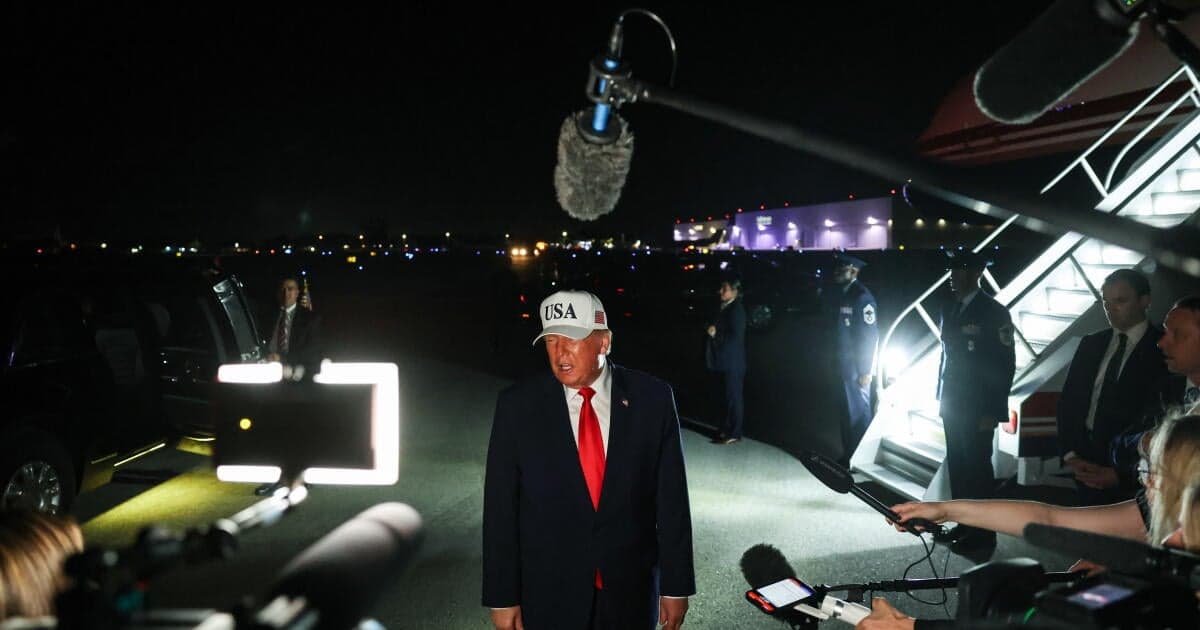
U.S. Vice President JD Vance is spearheading indirect negotiations with Iran, aiming to broker a regional ceasefire and restart nuclear discussions, a move that elevates the backchannel to the administration's highest echelon. This diplomatic push occurs concurrently with intensified U.S. sanctions enforcement, including a new interagency task force expanding interdictions across Central Asia and the Caspian Sea. Tehran has responded by lifting its self-imposed ballistic missile range limit, warning of retaliation without geographical boundaries.
Read the full storyFold the full story2 min · 6 sources
A delicate parallel struggle between high-level diplomacy and military brinkmanship unfolded across Washington and Tehran, marked by direct intervention from the highest levels of the U.S. executive branch[1][2]. U.S. Vice President JD Vance has been actively spearheading indirect, backchannel negotiations with Tehran over the past fortnight, seeking to broker a comprehensive regional ceasefire and establish conditions to resume stalled nuclear discussions[1]. The direct involvement of the Vice President elevates the backchannel to the administration's top echelon, following intense regional mediation facilitated by Qatari and regional counterparts[1][2]. In tandem, President Donald Trump held extensive discussions regarding Middle East de-escalation with Qatar’s Emir Sheikh Tamim bin Hamad al Thani, while Defense Secretary Pete Hegseth conferred with Qatari Defense Minister Sheikh Saoud bin Abdulrahman al Thani[3][4].
Concurrently, regional diplomacy accelerated as Iranian Foreign Minister Abbas Araghchi engaged in high-stakes consultations with Iraqi Foreign Minister Fuad Hussein and Egyptian Foreign Minister Badr Abdelatty[3]. The Egyptian foreign ministry stated that both sides must exhibit necessary "flexibility" to implement compromise solutions and halt the expanding cycle of confrontation[3]. The diplomatic track is gaining urgency amid shifts in Washington's political landscape, where policymakers face domestic pressure to extricate the United States from extended hostilities, even as hardline security advisors urge decisive action before congressional shifts take hold in January[1][2].
Despite the active diplomatic track, the engagement is occurring alongside severe policy escalations on both sides[2]. U.S. Central Command (CENTCOM) commander Admiral Brad Cooper announced the formal activation of "Task Force Iron Gate," a specialized interagency task force based in Tampa, Florida[5][2]. The task force is charged with aggressively expanding the scope of U.S. sanctions enforcement beyond naval choke points to interdict overland supply routes across Central Asia and shipping across the Caspian Sea[5][2]. With naval blockades already estimated to have disrupted roughly $25 billion in Iranian crude oil trade, the expansion aims to sever burgeoning land- and sea-based weapons and technology trade between Tehran, Moscow, and Beijing[5].
Tehran responded to the expanding pressure campaign with an immediate doctrinal escalation[2]. The Islamic Revolutionary Guard Corps (IRGC) announced that it has officially lifted its long-standing, self-imposed limit of 1,200 miles (2,000 kilometers) on the operational range of its ballistic missile arsenal[5][2]. Iranian military leadership cautioned that any fresh offensive strikes by the United States or its allies would trigger retaliatory strikes without geographical boundaries[2]. While Iranian foreign ministry spokesperson Esmail Baqai characterized the recent U.S. midterm results as a repudiation of aggressive foreign policy, the lifting of ballistic range caps directly amplifies the stakes for Vice President Vance's quiet mediation efforts in Doha[1][6].
- JD Vance
- Iran
- United States
Story 3 of 14
2 min read
CENTCOM Launches Task Force Iron Gate to Disrupt Iran's Eurasian Trade Routes
U.S. Central Command (CENTCOM) has established 'Task Force Iron Gate' to disrupt Iran's overland and Caspian Sea trade networks, targeting the flow of weapons, technology, and illicit revenue. This initiative expands upon existing naval blockades and aims to pressure Central Asian transit hubs and intermediaries facilitating Iranian logistics.
Read the full storyFold the full story1 min · 3 sources
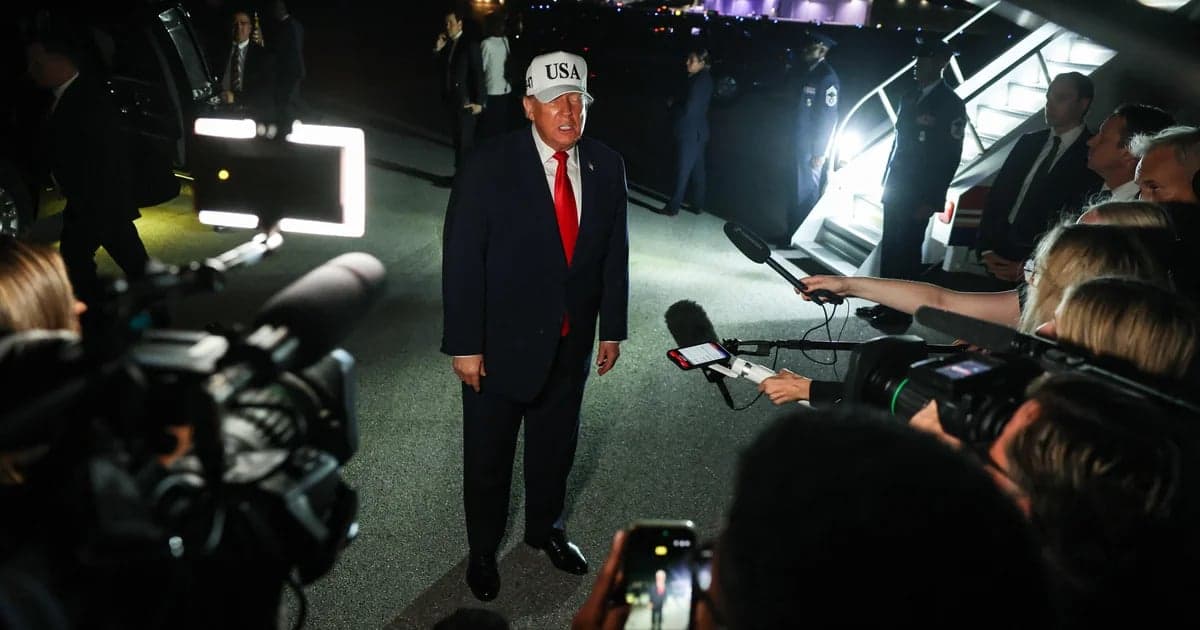
On November 7, 2026, U.S. Central Command (CENTCOM) unveiled "Task Force Iron Gate," a new interagency military unit engineered to systematically disrupt Iran’s ground transportation networks and maritime traffic across the landlocked Caspian Sea[1]. Headquartered in Florida and comprising approximately 20 specialized military and civilian intelligence personnel, the task force is tasked with choking off the flow of advanced weapons systems, dual-use industrial technologies, sanctioned materials, and illicit revenue streams traversing Iran’s northern and eastern land borders[1].
The launch of the initiative marks a strategic expansion of Washington's enforcement posture[1]. CENTCOM Commander Admiral Brad Cooper stated that Task Force Iron Gate builds directly upon the success of the ongoing naval blockade in the Persian Gulf, which U.S. officials claim has severed maritime trade routes and denied Tehran approximately $25 billion in crude oil export revenues[1]. However, this maritime denial has pushed Iranian trade inland, prompting the regime to expand cargo train shipments across Central Asia with China and establish heavy-volume transit corridors through the Volga-Caspian canal route with Russia[1].
Because the Caspian Sea is an enclosed, sovereign body governed strictly by its littoral states - where U.S. naval assets cannot enter - the task force represents an unconventional shift toward non-kinetic, interdiction-focused economic warfare[1]. By coordinating U.S. intelligence, Treasury sanctions designations, and regional partner oversight, the unit intends to pressure Central Asian transit hubs and commercial intermediaries facilitating rail and barge logistics[1][2].
Tehran responded swiftly to the tightening containment cordon[1]. On November 7, the Islamic Revolutionary Guard Corps (IRGC) formally announced that it had abolished its self-imposed 1,200-mile (2,000-kilometer) range ceiling on ballistic missiles[1]. Regional defense planners interpret the removal of this restriction as an asymmetric deterrent signal designed to put distant European and strategic logistical infrastructure within crosshairs, raising the stakes of Washington’s attempt to seal off Iran's final commercial lifelines to Eurasia[1][3].
- U.S. Central Command (CENTCOM)
- Iran
- Caspian Sea
Story 4 of 14
2 min read
Moscow Elevates Abu Dhabi Talks Delegation with Senior Diplomats and Intelligence Chiefs
Russia has significantly upgraded its negotiating delegation for upcoming U.S.-mediated talks with Ukraine in Abu Dhabi, including senior arms control diplomats and defense intelligence leadership. The delegation, to be led by presidential aide Vladimir Medinsky, now features key figures like Deputy Foreign Minister Sergei Ryabkov and GRU chief Admiral Igor Kostyukov. This inclusion signals Moscow's intent to treat the talks as a substantive forum for geopolitical and military-strategic issues, not just a ceasefire channel.
Read the full storyFold the full story2 min · 3 sources
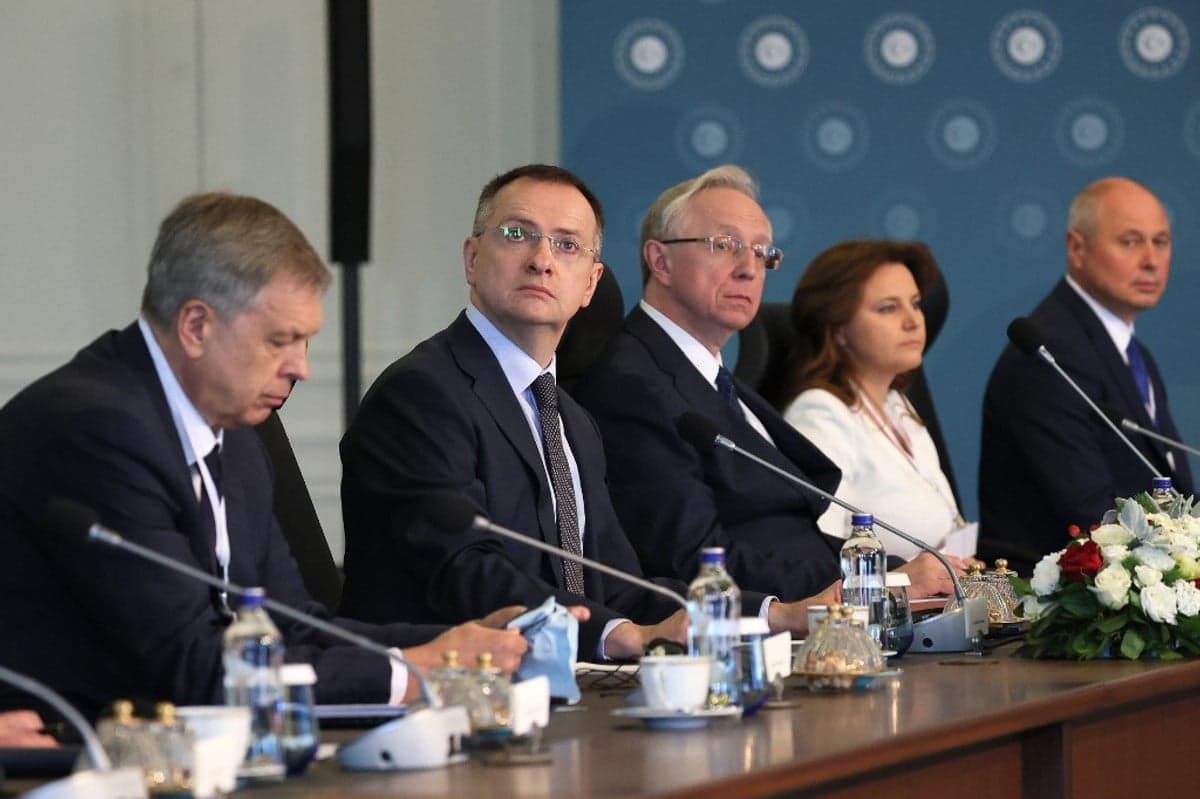
The Kremlin officially announced a substantial elevation in the diplomatic and military stature of its delegation slated for upcoming U.S.-mediated negotiations with Ukraine in Abu Dhabi[1][2]. Kremlin spokesperson Dmitry Peskov confirmed that the talks, scheduled for November 10–11 in the United Arab Emirates, will include Russia's most senior arms control diplomat and high-ranking defense intelligence leadership, representing the most comprehensive team Moscow has fielded since early 2022[1][2]. The Ukrainian delegation will be headed by Rustem Umerov, head of the Foreign Intelligence Service, as confirmed by David Arakhamia, the leader of President Volodymyr Zelenskyy's parliamentary faction[2].
The restructuring of the negotiating delegation follows a formal Security Council session convened by Russian President Vladimir Putin in Moscow[2]. While presidential aide Vladimir Medinsky will continue to serve as the chief negotiator, the delegation features the first-time inclusion of Deputy Foreign Minister Sergei Ryabkov, who oversees the Kremlin's strategic stability portfolio and direct bilateral relations with the United States[1][2]. Ryabkov is joined by Deputy Foreign Minister Mikhail Galuzin, who manages relations with Ukraine and Commonwealth of Independent States (CIS) nations[1][2]. Crucially, the defense establishment will be represented by Admiral Igor Kostyukov, head of the Main Directorate of the General Staff of the Russian Armed Forces (GRU), alongside senior General Staff officer Yuri Zhigarlovsky[1][2].
The presence of Ryabkov and Kostyukov signals a shift in Moscow’s approach toward treating the Abu Dhabi format not merely as a localized ceasefire channel, but as a substantive forum addressing broader geopolitical and military-strategic dimensions[1][2]. Diplomatic observers note that integrating strategic stability specialists and high-level military intelligence officers suggests the agenda will span territorial demarcations, prisoner exchanges, arms-control parameters, and reciprocal security guarantees between Russia and Western powers[1][2]. The talks represent the first trilateral working-level engagement between the parties hosted in the Gulf format since February[1].
The announcement was accompanied by assertive public messaging from Moscow establishing hard diplomatic guardrails[3]. Russian Ministry of Foreign Affairs spokesperson Maria Zakharova issued a statement declaring that any foreign troop deployments to Ukraine - specifically under the nascent European "Coalition of the Willing" framework or joint alliance maneuvers scheduled for early November - would be treated as an unacceptable "military intervention" and an existential threat to Russian security[3]. Zakharova added that such external Western military initiatives undermine European claims to a direct seat at the negotiating table, further underscoring Moscow's preference for direct negotiations with Washington and Kyiv mediated by Gulf intermediaries[3][2].
- Russia
- Ukraine
- United States
Story 5 of 14
2 min read
Russia Adds Strategic Arms Envoy Ryabkov to Ukraine Peace Talks Delegation
Russia has restructured its negotiating team for upcoming peace talks with Ukraine in Abu Dhabi, adding Deputy Foreign Minister Sergei Ryabkov. Ryabkov oversees strategic stability and arms control, signaling Russia's intent to link any Ukrainian settlement to broader strategic discussions with the United States. This move by Moscow follows a similar high-level diplomatic deployment by Kyiv.
Read the full storyFold the full story2 min · 4 sources
On November 7, 2026, the Kremlin confirmed a major restructuring of its negotiating team for the upcoming United States-mediated trilateral peace talks with Ukraine, scheduled to convene in Abu Dhabi on November 10–11[1][2]. Kremlin spokesperson Dmitry Peskov announced that the Russian delegation will once again be headed by presidential aide Vladimir Medinsky, but will feature a consequential addition: Deputy Foreign Minister Sergei Ryabkov, Moscow’s top diplomat overseeing strategic stability, arms control, and bilateral relations with Washington[1][2]. Ryabkov will participate in this format for the first time alongside Deputy Foreign Minister Mikhail Galuzin, who manages affairs with Ukraine and Commonwealth of Independent States (CIS) nations, Admiral Igor Kostyukov, chief of the Main Directorate of the General Staff (GRU), and senior General Staff officer Yuri Zhigarlovsky[1][2].
The decision to elevate the delegation was finalized during a closed-door Russian Security Council session chaired by President Vladimir Putin on November 6, during which officials drafted Moscow’s mandate for the first three-way negotiations between the belligerents since February[1][2]. Kyiv has matched this high-level diplomatic deployment; David Arakhamia, head of President Volodymyr Zelensky’s parliamentary faction, confirmed that Ukraine’s delegation will be directed by Rustem Umerov, head of the Foreign Intelligence Service, alongside senior presidential advisors[1].
Diplomatic observers and intelligence analysts view Ryabkov’s direct involvement as a subtle but defining pivot in the architecture of the negotiations[1][2]. While previous rounds centered primarily on localized ceasefire logistics, prisoner exchanges, and grain corridors, Ryabkov’s portfolio suggests that Moscow intends to tether any Ukrainian settlement to broader strategic negotiations with the United States[1][2]. Ryabkov has historically served as Moscow’s architect for strategic arms control and draft security treaties, including the sweeping 2021 ultimatums presented to NATO[3]. His appointment indicates that the Kremlin aims to expand the talks beyond bilateral territorial concessions into continental security guarantees, long-range missile deployment moratoriums, and sanctions relief frameworks[2][4][3].
The diplomatic maneuvering has stirred immediate pushback across European capitals[4]. European Union foreign policy chief Kaja Kallas stressed on November 6 that European security cannot be determined over the heads of continental partners, reiterating that Moscow holds no veto over sovereign European alliances[4]. Concurrently, strategic assessments from groups like the Institute for the Study of War note that Ryabkov’s presence could serve a dual purpose: either signaling readiness for grand strategic horse-trading, or deploying veteran diplomatic obstructionists to entangle Washington in complex non-proliferation debates while maintaining battlefield momentum[3].
- Russia
- Ukraine
- United States
Story 6 of 14
2 min read
US Assesses Badr Defense Agreement: Turkey, Pakistan, Qatar, Indonesia Form New Bloc
A new 'Badr Agreement' has been signed by Turkey, Pakistan, Qatar, and Indonesia, establishing mechanisms for joint military production, R&D, training, and exercises. This initiative aims to strengthen defense synergies among Muslim-majority nations and leverages complementary strengths like Turkish technology, Qatari financing, and Pakistan/Indonesia's manufacturing capabilities.
Read the full storyFold the full story1 min · 2 sources
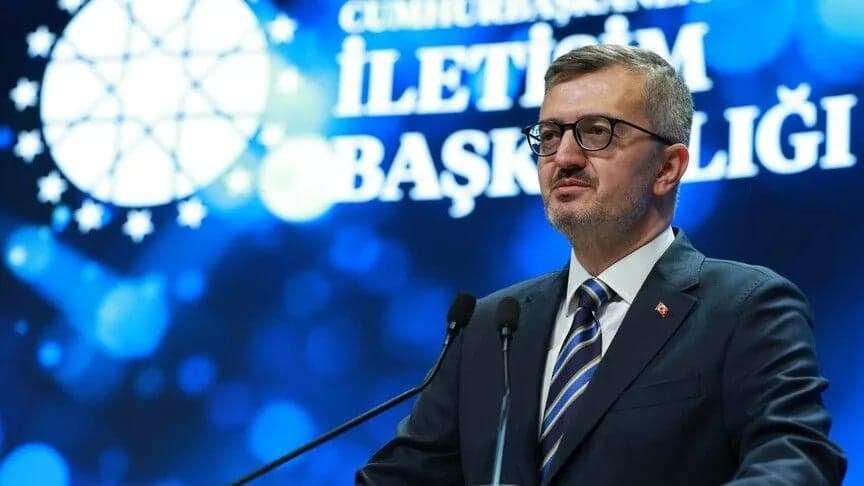
Geopolitical observers and defense analysts published comprehensive assessments on November 8, 2026, evaluating the strategic implications of the newly minted "Badr Agreement," an intercontinental defense memorandum signed between Turkey, Pakistan, Qatar, and Indonesia[1][1]. Reaffirming the initiative, Turkish Presidential Communications Director Burhanettin Duran stated that the multilateral pact marks a decisive leap forward in strengthening defense synergies among major Muslim-majority nations[2]. The framework formally establishes operational mechanisms for joint military production, shared defense research and development, institutional military training, and coordinated multilateral exercises[1].
The agreement brings together key ministerial leadership, including Turkish Defense Minister Yaşar Güler, Pakistani Defense Minister Khawaja Muhammad Asif, Qatari Deputy Prime Minister Sheikh Saud bin Abdulrahman Al Thani, and Indonesian Deputy Defense Minister Yusuf Jauhari[1]. The initiative builds upon earlier regional constructs, including the trilateral Mecca pact and the Regional Four (R4) consultative group formed in early 2026 alongside Egypt[1]. The agreement deliberately leverages the complementary strengths of each signatory: Turkey supplies advanced military technology and engineering, Qatar provides capital financing, while Pakistan and Indonesia contribute industrial scale, manufacturing factories, and skilled defense-labor pools[1].
The geopolitical ramifications of the Badr accord have triggered intense scrutiny from Western and Asian think tanks[1]. Analysis published by the Middle East Forum Observer on November 8 warned that the pact represents the initial structural framework for a standalone Sunni collective security and defense-industrial architecture[1]. While currently functioning as a memorandum of understanding rather than a binding mutual defense treaty, provisions allowing third-party nations to join under consensus criteria could rapidly scale the bloc's geopolitical footprint[1].
Expert commentary highlights that this defense network reflects deliberate strategic hedging away from Western defense dependence[1]. Middle East scholars, including Professor Ding Long of Shanghai International Studies University, noted that participating states are actively constructing alternative defense supply chains designed to mitigate the risks of Western export restrictions, foreign policy conditionalities, and regional policy shifts[1]. For Washington and NATO allies, the Badr partnership signals the emergence of an autonomous defense-industrial corridor spanning the Mediterranean, the Persian Gulf, and Southeast Asia[1].
- Turkey
- Pakistan
- Qatar
Story 7 of 14
2 min read
Syria and Saudi Arabia Forge Defense Pact, Eyeing Makkah Alliance Membership
Syria and Saudi Arabia have finalized a bilateral defense cooperation agreement, focusing on training and coordination. This pact includes provisions for evolving into a mutual defense agreement, potentially allowing Syria to join the Makkah Alliance. The move comes amid deteriorating regional security and Houthi threats against Saudi Arabia.
Read the full storyFold the full story2 min · 5 sources
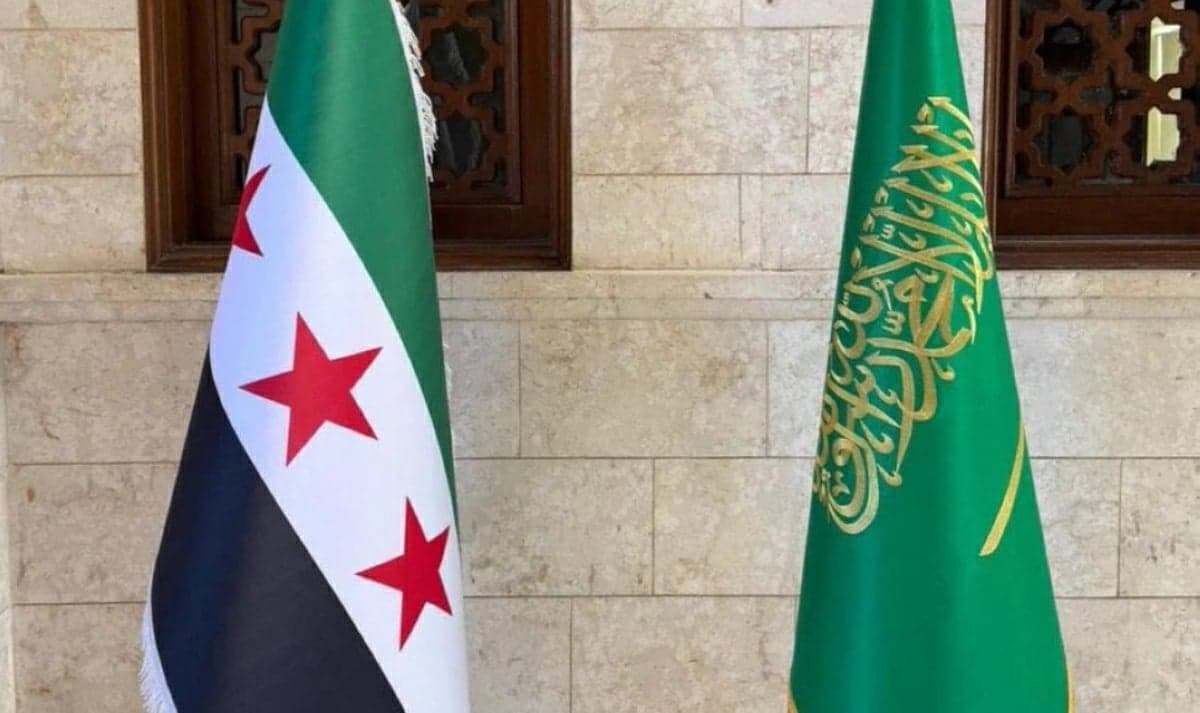
On November 7 and 8, 2026, diplomatic and defense officials in the Middle East confirmed that Syria and Saudi Arabia have concluded a foundational bilateral defense cooperation agreement following high-level discussions between Syrian President Ahmed al-Sharaa and Saudi Crown Prince Mohammed bin Salman in Riyadh[1]. Syrian diplomatic sources disclosed that the initial terms focus heavily on institutional capacity building, officer training, and technical military coordination[2]. More significantly, Syrian officials confirmed that the bilateral pact is structured with provisions allowing it to evolve into a formal mutual defense agreement, potentially opening the door for Damascus to join the broader Makkah (Mecca) Alliance[2].
The timing of this defense compact is driven by deteriorating regional security conditions and ongoing asymmetric threats[1][3]. Saudi critical infrastructure has faced repeated drone and missile strikes by Yemen’s Houthi movement, prompting Riyadh to diversify and reinforce its regional security perimeter[1][3]. The discussions coincide with a pivotal milestone for the Mecca Joint Defense Agreement - the mutual defense treaty established in August 2026 between Saudi Arabia, Turkey, and Pakistan stipulating that an attack on one member is treated as an attack on all[4][1]. The Turkish Grand National Assembly officially voted 279–119 to ratify the Mecca agreement, setting the stage for wider regional integration[1].
The key figures orchestrating this realignment include Crown Prince Mohammed bin Salman, Syrian President Ahmed al-Sharaa, and defense ministry delegations from both capitals[1]. The agreement also engages Turkish and Pakistani military leadership, who must deliberate on any eventual Syrian accession to their shared trilateral defense architecture[1][5]. Reports from regional defense circles indicate that Damascus has actively weighed offering direct security and operational assistance to Riyadh to counter insurgent cross-border attacks, underscoring how rapidly wartime alignments have shifted[1].
Geopolitical analysts observe that incorporating Damascus into a Gulf-led security framework marks a decisive strategic realignment in the Middle East[1][2]. Historically reliant on Iran, Syria’s prospective integration into a Sunni-dominated defense pact highlights a calculated pivot toward Arab and regional collective security structures[1]. Regional security analysts emphasize that while the immediate agreement focuses on training and intelligence coordination, the normalization of security ties between Damascus and Riyadh serves to balance external pressures, fortify Saudi territorial defenses, and establish a new baseline of regional security interdependence without direct reliance on Western guarantees[1][2].
- Syria
- Saudi Arabia
- Makkah Alliance
Story 8 of 14
2 min read
Syria Explores Mutual Defense Pact with Saudi Arabia, Shifting from Iran
Syria is exploring a mutual defense agreement with Saudi Arabia, potentially leading to its accession to the Saudi-led Makkah Alliance. This follows bilateral defense accords and upcoming technical coordination missions. Syrian officials deny plans to send troops to Yemen, stating their focus is on domestic stabilization and economic recovery.
Read the full storyFold the full story1 min · 3 sources
In a significant realignment across the Middle East’s diplomatic landscape, a senior Syrian diplomatic official revealed on November 7, 2026, that burgeoning military cooperation between Damascus and Riyadh could eventually culminate in a formal mutual defense agreement or lead to Syria’s accession to the Saudi-led Makkah Alliance[1]. The disclosure, published via the state-run Syrian Arab News Agency (SANA), followed bilateral accords reached between the Saudi and Syrian defense ministries during Syrian President Ahmed Al-Sharaa’s state visit to Riyadh[1].
Existing bilateral defense accords have established frameworks for specialized training, joint strategic consultations, and technical expertise sharing to rebuild the capabilities of Syria’s armed forces[1]. Beginning next month, high-level Saudi military delegations are scheduled to commence technical coordination missions in Damascus to formalize command-and-control modernization and institutional advisory roles[1]. Syrian officials simultaneously dismissed reports claiming Damascus intended to commit ground forces to the conflict in Yemen, clarifying that the state's military apparatus is exclusively committed to domestic stabilization, institutional consolidation, and economic recovery[1].
The prospect of a mutual defense umbrella between Saudi Arabia and Syria marks a historic departure from decades of Syrian reliance on Tehran’s "Axis of Resistance." Damascus's explicit overture toward the Makkah Alliance indicates an accelerated push to integrate Syria into the moderate Arab diplomatic and defense architecture[1]. Driven by the severe conventional degradation of Iranian forces and proxy networks over eight months of regional conflict, Damascus appears to be seeking long-term security guarantees and reconstruction capital from wealthy Gulf monarchies in exchange for distancing itself from Tehran[2][3][1].
For Saudi Arabia, drawing Damascus into a formal defense partnership represents an opportunity to sever Iran’s geographic land corridor to the Mediterranean and neutralize long-standing northern security threats. Regional security analysts note that if Damascus progresses toward full mutual defense obligations with Riyadh, it would dismantle traditional Levant security alignments, leaving remaining non-state actors isolated and positioning Saudi Arabia as the preeminent geopolitical arbiter across both the Gulf and the Levant[1].
- Syria
- Saudi Arabia
- Iran
Story 9 of 14
2 min read
Egypt Reopens Tripoli Embassy, Challenges Turkey-Libya Maritime Accord
Egypt has officially reopened its embassy in Tripoli, marking a significant reassertion of influence in North Africa after a 12-year closure. Foreign Minister Badr Abdelatty led talks with Libyan officials on security coordination, migrant workers, and reconstruction contracts. During the visit, Egypt firmly objected to the Turkey-Libya maritime boundary memorandum of understanding, insisting on adherence to international law and respect for Egypt's exclusive economic zone.
Read the full storyFold the full story2 min · 3 sources
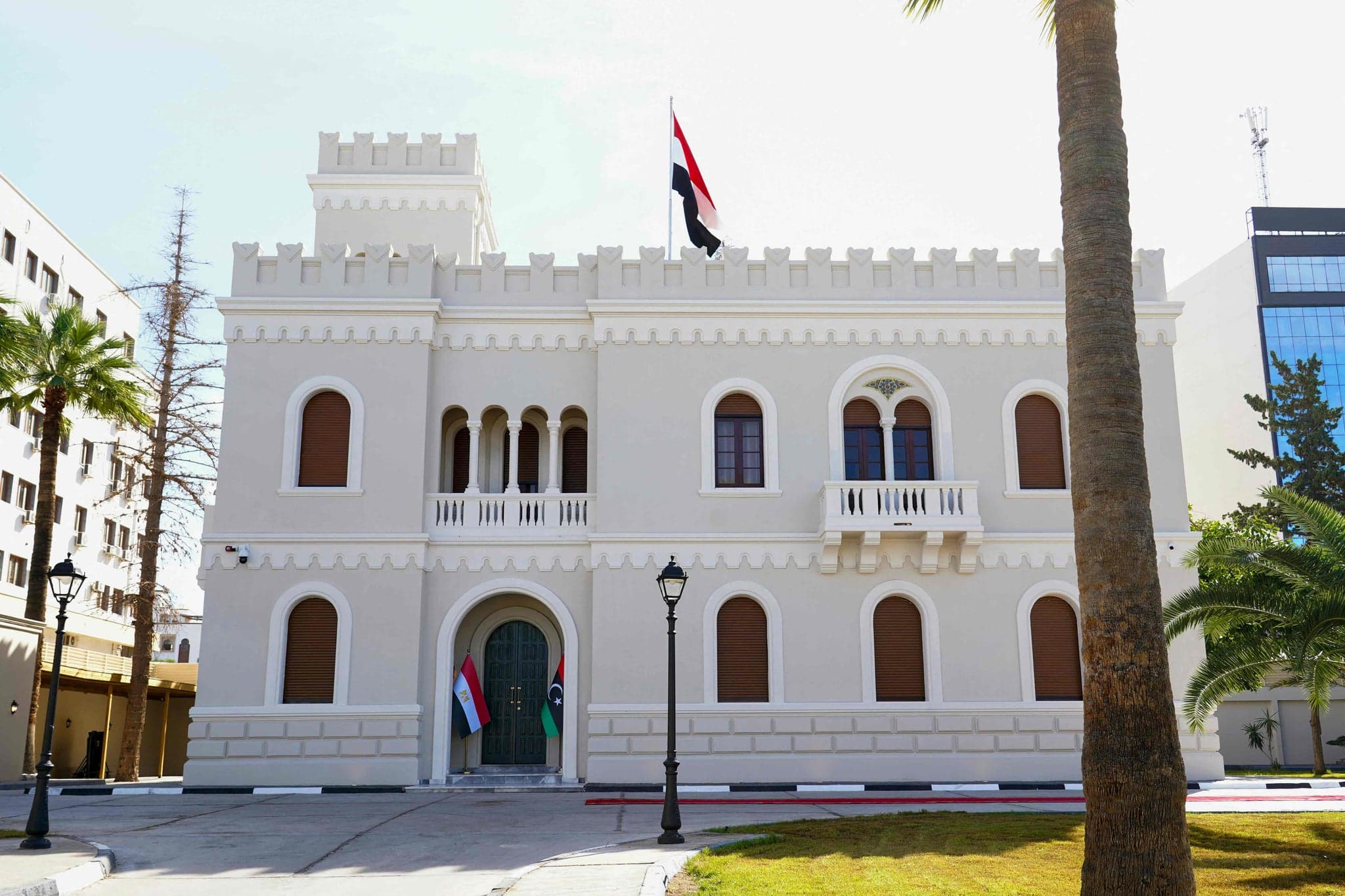
Demonstrating a significant foreign-policy push in North Africa, Egyptian Foreign Minister Badr Abdelatty led a high-level diplomatic mission to Tripoli, culminating in the official reopening of the Egyptian Embassy in the Libyan capital after a 12-year closure[1]. The embassy had remained shut since 2014 due to the widespread breakdown of security and institutional fragmentation following Libya's civil conflict[1]. Abdelatty's arrival and the resumption of full diplomatic mission operations mark a pivotal moment in Cairo's strategy to reassert its influence over the political transition and security landscape of its western neighbor[2][1].
During his visit, Abdelatty conducted extensive delegation-level talks with Libyan Prime Minister Abdul Hamid Dbeibeh of the Government of National Unity, Acting Foreign Minister Taher al-Baour, and Hanna Tetteh, the United Nations Special Envoy to Libya[2][1][3]. The high-level meetings addressed cross-border security coordination, the legal status of Egyptian migrant workers and students residing in Libya, and preparations for reconvening the Egyptian-Libyan Joint Higher Committee to steer major post-conflict reconstruction and infrastructure contracts toward Egyptian state enterprises[2][3].
Crucially, Abdelatty utilized the high-level engagement to firmly reassert Egypt’s legal and diplomatic objections to the contentious maritime boundary memorandum of understanding signed between Libya and Turkey[2][3]. In meetings with both Dbeibeh and al-Baour, the Egyptian foreign minister insisted that any maritime boundary delimitation must strictly adhere to the United Nations Convention on the Law of the Sea (UNCLOS) and fully respect Egypt's exclusive economic zone (EEZ) and sovereign interests in the Eastern Mediterranean[2][3]. Abdelatty emphasized that bilateral cooperation with Tripoli must not come at the expense of regional maritime equilibrium or established international legal norms[2][3].
The dual-track approach - reopening direct diplomatic representation while directly confronting maritime territorial disputes - reflects a calculated shift in Egyptian regional diplomacy[2][1][3]. By re-establishing an active, permanent diplomatic foothold in Tripoli, Cairo aims to effectively engage all factions within Libya's fractured political sphere and ensure an inclusive, Libyan-led political settlement based on the Skhirat Agreement, free from unilateral external interference[2][3]. The move also reshapes Mediterranean diplomacy, placing Cairo in a strengthened position to counterbalance Turkish influence in western Libya while advancing multilateral stabilization efforts in concert with the United Nations[2][1][3].
- Egypt
- Libya
- Tripoli
Story 10 of 14
2 min read
US and Cambodia Sign Defense Framework, Deepening Security Ties in Southeast Asia
The United States and Cambodia have signed a comprehensive framework agreement in Phnom Penh, establishing a formalized structure for ongoing military-to-military cooperation and security dialogue. This agreement, culminating months of consultations, aims to normalize bilateral security ties and covers areas such as joint maritime operations, military exercises, and disaster relief. The U.S. reaffirmed its respect for Cambodia's sovereignty and non-aligned foreign policy.
Read the full storyFold the full story1 min · 1 source
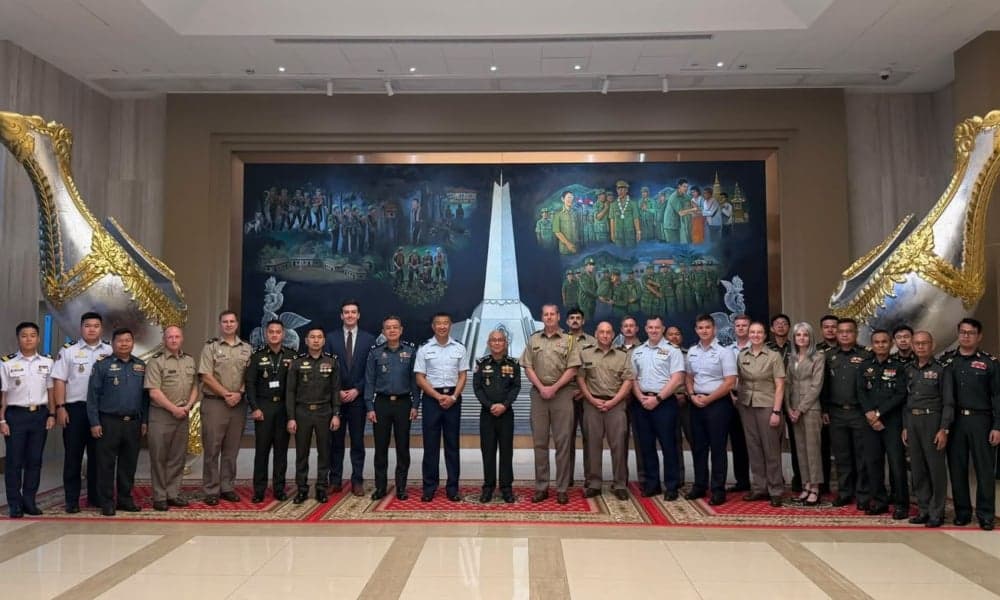
In a notable strategic realignment in Southeast Asia, senior defense officials from the United States and Cambodia concluded the 2026 Bilateral Defense Discussion in Phnom Penh by signing a comprehensive framework agreement[1]. The newly signed Terms of Reference between the U.S. Indo-Pacific Command (USINDOPACOM) and the Ministry of National Defense of Cambodia establishes a formalized, institutional structure to guide ongoing military-to-military cooperation and security dialogue[1]. The agreement culminates months of technical consultations aimed at normalizing bilateral security ties after years of strained interactions[1].
The defense consultations were co-led by Brigadier General Roland C. Tsui, representing USINDOPACOM’s Directorate for Strategic Planning and Policy, and Major General Suon Samnang, Deputy Director General of the General Department of Policy and Foreign Affairs at Cambodia's Ministry of National Defense and Head of the Military Cooperation Coordination Group[1]. Under the new Terms of Reference, the two nations outlined an expansive agenda covering joint maritime security operations, bilateral military exercises, special operations collaboration, institutional capacity building, and combined medical and disaster-relief operations[1].
During the signing ceremonies, Brigadier General Tsui formally reaffirmed the United States' complete respect for Cambodia's sovereign independence and its constitutional, non-aligned foreign policy posture[1]. Tsui emphasized Cambodia's strategic role within the Association of Southeast Asian Nations (ASEAN) and reiterated U.S. backing for regional frameworks established under the Kuala Lumpur Peace Agreement[1]. Phnom Penh's defense leadership welcomed the formalization of ties as an essential step toward professionalizing its military branches and enhancing interoperability with regional partners[1].
The defense framework represents a notable recalibration of diplomatic and security posture in the Indo-Pacific, where Cambodia has historically maintained close defense and infrastructure integration with Beijing[1]. The restoration of structured military consultations with the United States indicates a deliberate hedging strategy by Phnom Penh, seeking to diversify its defense partnerships and balance its foreign relations across major global powers[1]. Regional analysts note that the agreement provides Washington with enhanced institutional access in mainland Southeast Asia, while signaling to regional partners that ASEAN member states continue to preserve strategic autonomy through flexible, multi-vector diplomacy[1].
- United States
- Cambodia
- Phnom Penh
Story 11 of 14
2 min read
Israel and US Transition Defense Ties from Aid to Co-Development Partnership
Israel and the United States are transitioning their defense relationship from direct military aid to a commercial and technological co-development partnership, phasing out the annual $3.8 billion U.S. aid package. This shift aims to create a more dynamic defense relationship based on mutual maturity and commercial collaboration.
Read the full storyFold the full story2 min · 3 sources
High-level policy discussions and diplomatic assessments intensified on November 7 and 8, 2026, as Israeli and U.S. officials outlined the operational transition from decades of non-reimbursable military assistance to a bilateral commercial and defense-technological partnership[1]. The reassessment follows confirmations that the long-standing $3.8 billion annual U.S. military aid package will be phased out by the end of 2026[1]. Prime Minister Benjamin Netanyahu’s office emphasized that moving "from aid to partnership" reflects the economic strength of Israel and the mutual maturity of the relationship, a sentiment echoed by U.S. Ambassador to Israel Mike Huckabee, who argued the shift allows defense ties to evolve dynamically beyond federal grants[1].
The strategic pivot unfolds against a backdrop of severe domestic political turbulence in Israel[2]. On November 8, President Isaac Herzog formally tasked opposition leader and former IDF Chief of Staff Gadi Eisenkot with attempting to form the next government after Netanyahu’s governing bloc failed to secure a parliamentary majority in the national election[2]. Eisenkot faces the complex task of assembling a 61-seat majority across a fragmented Knesset, with regional diplomatic posture and military funding frameworks serving as central friction points during coalition negotiations[3][2].
The key players navigating this transition include officials from the U.S. Department of Defense, the Israeli Ministry of Defense, and major commercial defense contractors across both nations[1]. Under the planned framework, traditional Foreign Military Financing (FMF) grant disbursements will be replaced by co-investment vehicles, joint research and development initiatives, and shared intellectual property agreements covering missile defense, artificial intelligence, and autonomous military platforms[1].
While political leaders have framed the adjustment as a natural maturation of allied relations, Israeli military planners and defense economists have expressed caution[1]. Security analysts point out that absorbing the loss of nearly $4 billion in annual defense subsidies will require substantial budgetary reallocations at a time when the Israeli defense establishment remains extended across multiple operational fronts[1]. Experts note that while the strategic partnership will accelerate Israel’s domestic defense-industrial base and commercial co-development, the transition demands an immediate overhaul of long-term procurement schedules for advanced air platforms, munitions stockpiles, and air defense interceptors[1].
- Israel
- United States
- Benjamin Netanyahu
Story 12 of 14
2 min read
Japan's PM Takaichi Refuses to Retract Taiwan Defense Stance, Damaging Tokyo-Beijing Ties
Japan's Prime Minister Sanae Takaichi has refused to retract her statement on defending Taiwan, leading to the cancellation of a potential bilateral summit with China. This impasse stems from Japan's legal stance that a Taiwan contingency could trigger its self-defense obligations, which Beijing views as interference.
Read the full storyFold the full story1 min · 1 source
Hopes for an imminent diplomatic thaw between Japan and China collapsed on November 8, 2026, following formal indications that a bilateral leadership summit will not take place on the sidelines of the international multilateral summit hosted by Beijing on November 18[1]. The continued chill reflects a firm refusal by Japanese Prime Minister Sanae Takaichi to retract earlier strategic declarations regarding the defense of Taiwan, entrenching an institutional stalemate between Asia's two largest economies[1].
The friction centers on the one-year anniversary of remarks delivered by Prime Minister Takaichi before the House of Representatives Budget Committee on November 7, 2025[1]. In that testimony, Takaichi explicitly asserted that a military contingency in the Taiwan Strait "could constitute" a "survival-threatening situation" under Japan's security legislation, legally empowering Tokyo to mobilize the Self-Defense Forces and exercise collective self-defense alongside allied partners[1]. The Chinese government, which considers Taiwan an internal sovereign affair, condemned the remarks and demanded a formal retraction as a prerequisite for bilateral leader-level summits[1]. To enforce its displeasure, Beijing enacted targeted export quotas on critical rare earth elements to Japan and issued travel advisories discouraging Chinese citizens from visiting the country[1].
Addressing the diplomatic freeze, Prime Minister Takaichi reiterated on Friday that Japan views China as an "important neighbor" with whom it seeks a "constructive and stable relationship" based on mutual strategic interests, adhering to the 1972 normalization communique[1]. However, Japanese diplomatic officials confirmed that Tokyo will not walk back the Prime Minister’s assessment of Taiwan’s centrality to Japanese national security[1].
This diplomatic deadlock codifies a structural doctrine in East Asian geopolitics[1]. By refusing Beijing's demands despite persistent trade retaliation, the Takaichi administration has locked in a more assertive defense policy, signaling to Beijing and Washington alike that Tokyo formally integrates the security of Taiwan into its own homeland defense calculations[1]. This posture leaves commercial channels strained and compels Japanese advanced manufacturers to accelerate supply chain diversification away from Chinese critical mineral dependencies[1].
- Japan
- China
- Taiwan
Story 13 of 14
2 min read
China and Gabon Elevate Ties to Strategic Alliance for Critical Minerals and Infrastructure
China and Gabon have formalized an upgraded strategic alliance, elevating their bilateral ties to a 'community with a shared future.' This expanded framework includes Chinese investment in Gabon's industrialization, infrastructure modernization, and local resource processing.
Read the full storyFold the full story1 min · 1 source
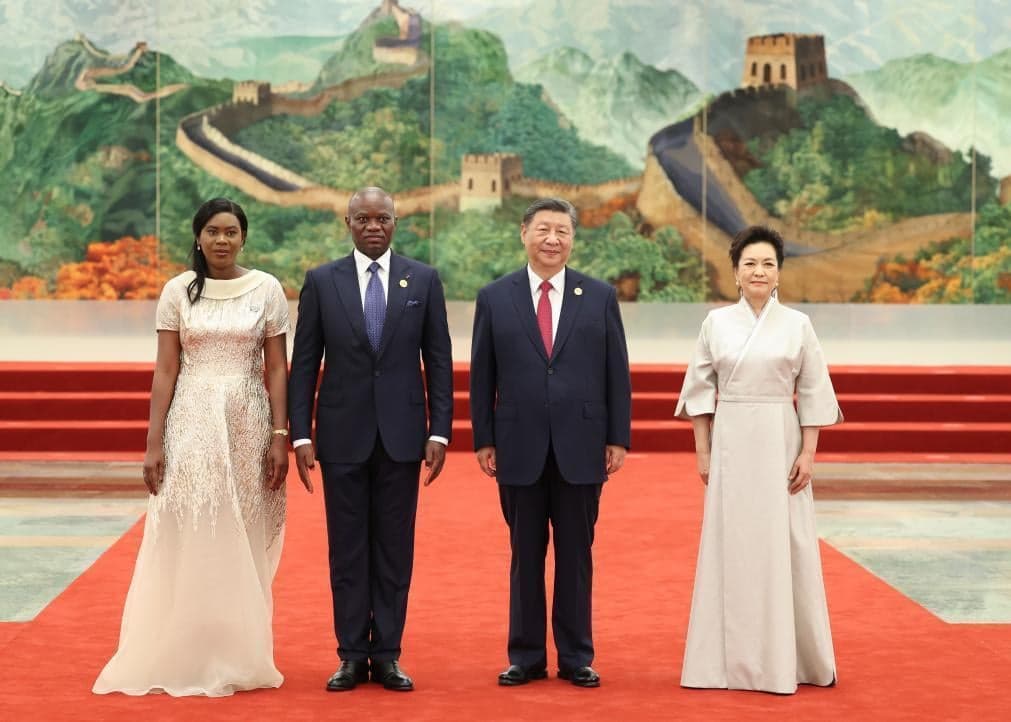
Gabonese transitional President Brice Clotaire Oligui Nguema and Chinese President Xi Jinping formalized an upgraded strategic alliance on November 7, 2026, during an official state visit to Beijing[1]. Following talks at the Great Hall of the People, the two heads of state announced the elevation of bilateral ties to a "China–Gabon community with a shared future in the new era"[1]. The meeting culminated in the signing of six comprehensive memorandums of understanding, the adoption of a joint declaration, and an official state banquet[1].
The agreement marks an elevation from the comprehensive strategic cooperative partnership established between the two countries in 2023[1]. The expanded framework commits Chinese state capital and enterprise expertise to domestic industrialization projects in Gabon, modernization of national transport and logistical infrastructure, and local processing and value-addition of natural resources[1]. The discussions also established new protocols for bilateral investment protection and joint development of renewable and extractive energy resources[1].
For Gabon's leadership, the alliance represents an essential diplomatic and financial milestone[1]. Since assuming power, President Oligui Nguema has prioritized securing non-conditional international investment to drive infrastructure development and alleviate economic strain[1]. By partnering with Beijing, the Gabonese government secures long-term capital commitments for downstream mining facilities and industrial parks, supporting Libreville's policy of ending raw resource exports in favor of domestic refinement[1].
Development economists and geopolitical analysts observing Sino-African relations emphasize that the alliance solidifies Beijing's strategic foothold along Africa’s Atlantic seaboard[1]. As major global powers compete for transition-critical minerals, China’s direct access to Gabon’s massive reserves of high-grade manganese, iron ore, and timber secures key industrial supply lines[1]. Expert commentary notes that the agreement demonstrates Beijing’s continued ability to forge resilient partnerships with Global South administrations regardless of domestic constitutional transitions, reinforcing its Belt and Road infrastructure initiatives across Central Africa[1].
- China
- Gabon
- Brice Clotaire Oligui Nguema
Story 14 of 14
2 min read
GCC Finalizes Landmark Rail Treaty in Manama to Enhance Regional Supply Chains
The six Gulf Cooperation Council (GCC) member states have signed a comprehensive agreement for the GCC Railway Project in Manama, Bahrain. This legally binding treaty establishes four operational pillars to streamline cross-border rail logistics, including unified standards and arbitration mechanisms for passenger and freight transit.
Read the full storyFold the full story1 min · 3 sources
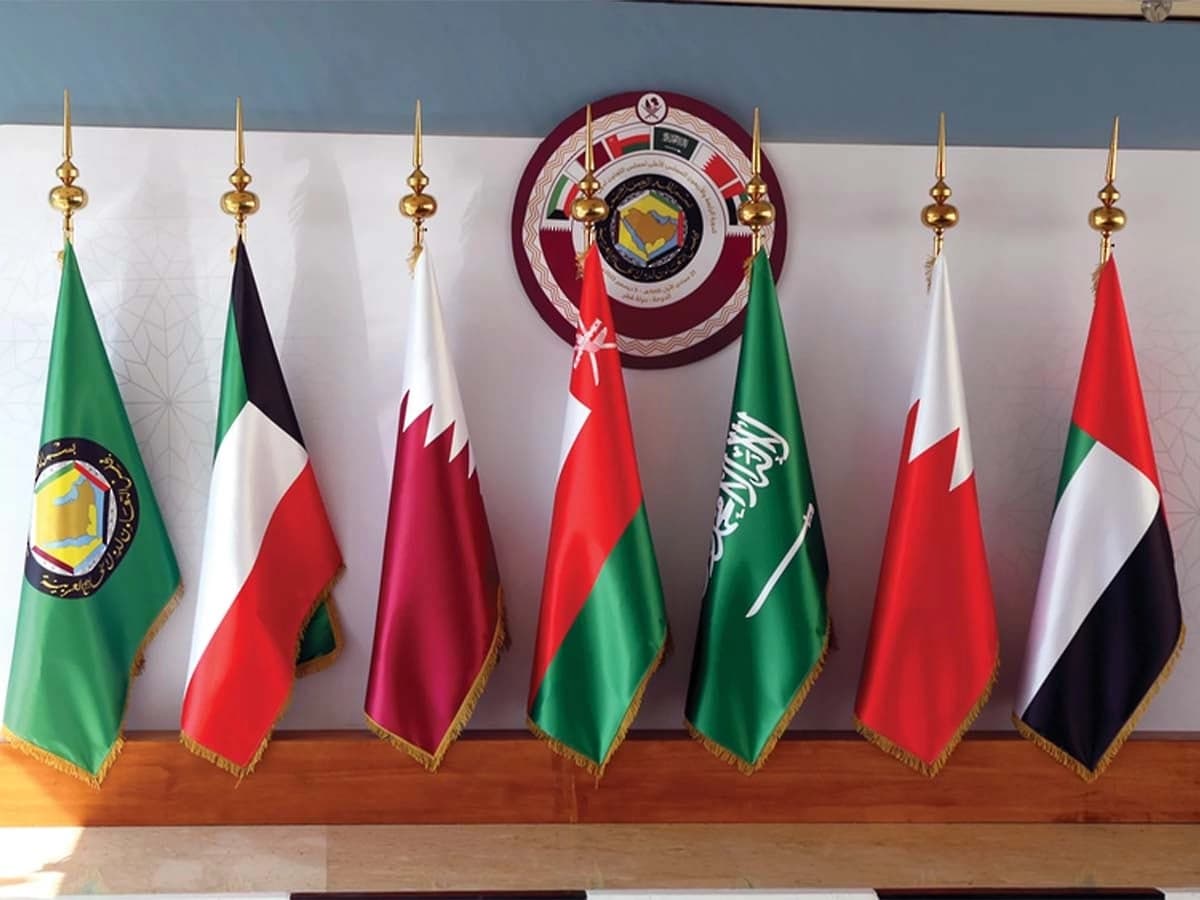
The six member nations of the Gulf Cooperation Council (GCC) concluded a historic milestone on November 8, 2026, convening in Manama, Bahrain, to sign the comprehensive general agreement for the GCC Railway Project[1]. Held under the patronage of Bahrain’s Crown Prince and Prime Minister, Prince Salman bin Hamad Al Khalifa, the signing brought together the transport ministers of Saudi Arabia, the United Arab Emirates, Qatar, Kuwait, Oman, and Bahrain, alongside the GCC Secretary-General, to enact a legally binding multilateral treaty governing the cross-border network[1].
The finalized treaty is structured around four operational pillars designed to eliminate bureaucratic and logistical barriers between the Gulf monarchies[1]. Pillar one mandates binding national execution timelines and phased operational deadlines across all six states[1]. Pillar two establishes unified technical and mechanical interoperability standards, ensuring that national rail segments align across signaling protocols, common tracks, and regional safety guidelines[1]. Pillar three institutes centralized coordination mechanisms under the authority of the GCC Railways Authority to arbitrate cross-border operational disputes and track construction[1]. Pillar four provides legal frameworks for seamless passenger transit and freight connectivity[1].
While a pan-Gulf railway has been discussed for years, the project's acceleration was catalysed by heightened military friction in regional waters[1][2]. Repeated drone and missile skirmishes along vital maritime chokepoints, particularly around the Strait of Hormuz, demonstrated the extreme vulnerability of Gulf supply chains that rely purely on tanker traffic[3][2]. GCC governments fast-tracked the railway treaty to secure a hardened, inland logistics artery capable of transporting critical foodstuffs, manufactured goods, and industrial materials across the Arabian Peninsula independently of maritime corridors[1].
Beyond logistical resilience, the agreement establishes a foundation for deeper economic union within the bloc[1]. By standardizing customs and cargo transfer systems among member states, the treaty serves as an economic stabilizer, buffering GCC members against external shipping blockades and establishing domestic manufacturing conduits that connect northern Gulf industrial zones with deep-water ports facing the Arabian Sea[1].
- Gulf Cooperation Council (GCC)
- Bahrain
- Manama
You're all caught up.
That's every story in Sunday's PiBrief Geopolitics. And there's a newer edition waiting for you.
All PiBrief Geopolitics editions
Subscribe to receive daily briefings about geopolitics and world news in your email.
Get PiBrief Geopolitics in your inbox
A free newsletter on geopolitics and world news. Diplomacy, conflict, the global economy, and elections, ranked and explained, with an audio briefing in every edition.
Free forever / no account / 1-click unsubscribe