
Trump trilateral summit, US-Iran tensions & Ukraine talks
Donald Trump has proposed a trilateral summit with Xi Jinping and Vladimir Putin as European powers secure a seat in US-brokered Ukraine talks. Meanwhile, the US military activated Task Force Iron Gate to counter Iranian supply lines amid stalled diplomatic negotiations. Elsewhere, Japan broke longstanding defense export norms by transferring military hardware to the Philippines.
13 stories82 sources checked
Listen to this edition
PiBrief Geopolitics, November 9, 2026
The lineup
In this edition
 01
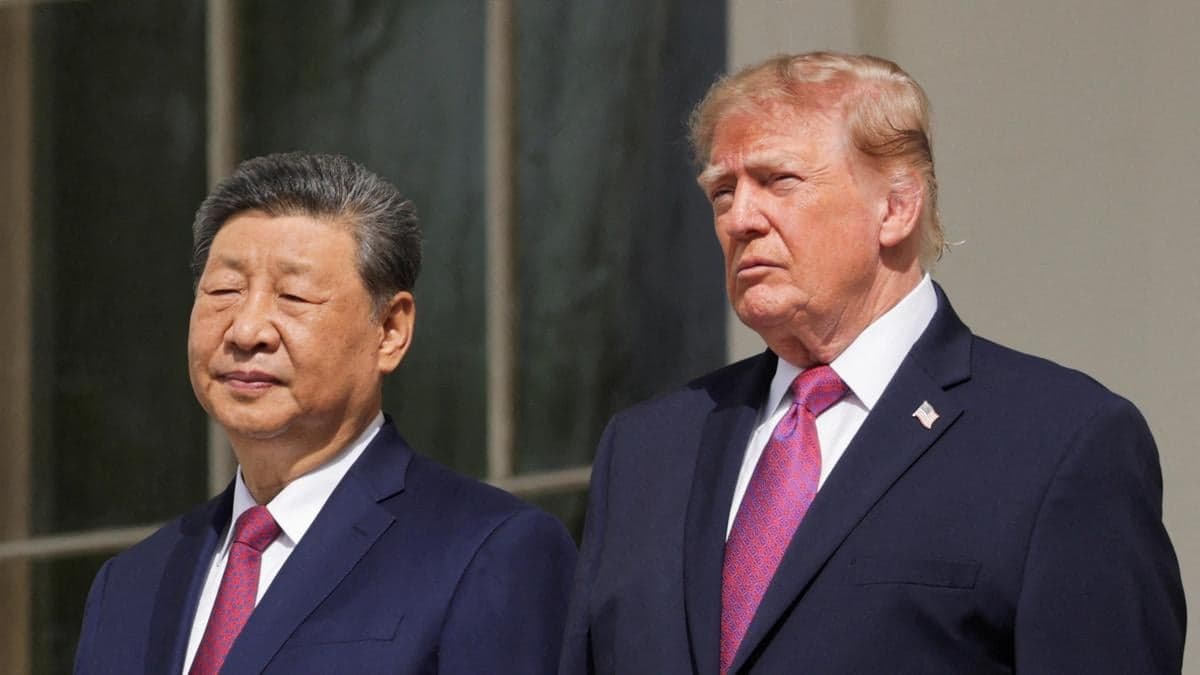
Trump Proposes Trilateral Summit with Xi and Putin at Shenzhen APEC
 02
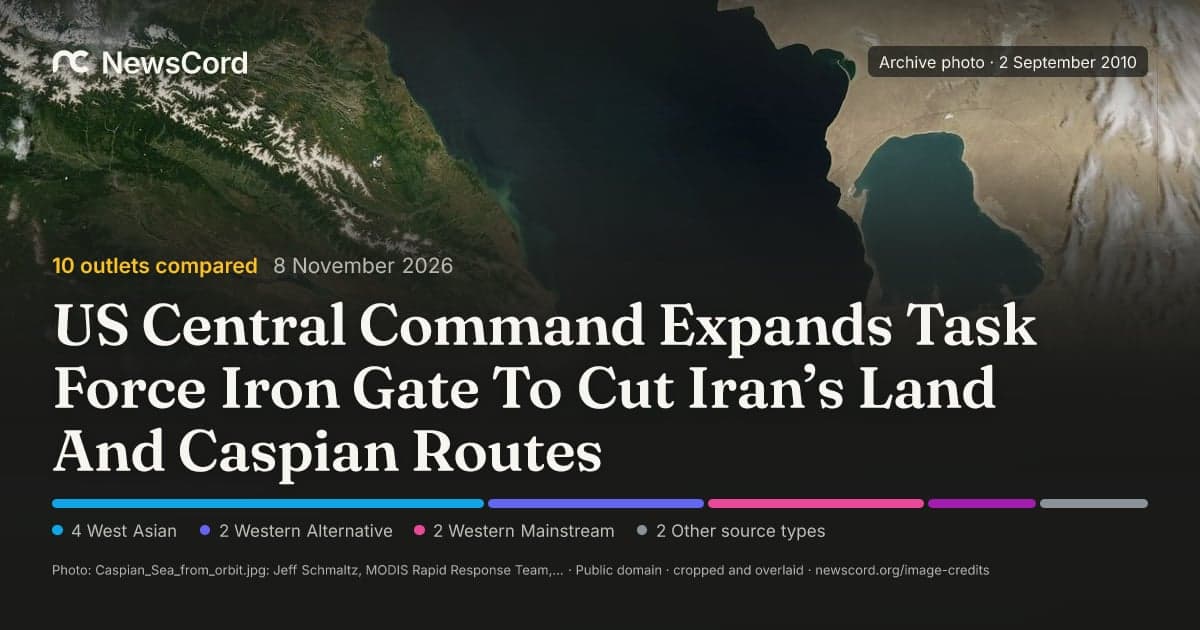
CENTCOM Activates Task Force Iron Gate Against Iran; Tehran Issues Ultimatum
 03
US Activates Task Force Iron Gate to Disrupt Iran's Illicit Supply Lines
 04
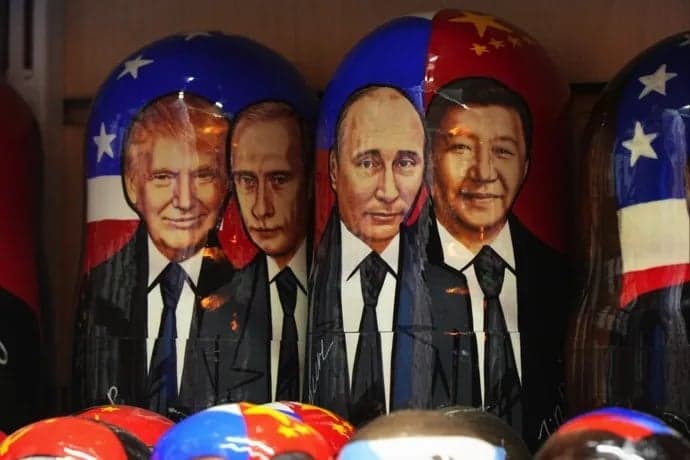
China Expands Middle East Role and Prepares for U.S.-Russia Summit
 05
G7 Foreign Ministers Meet in Paris Amid U.S.-Iran Tensions and Ukraine War Concerns
 06
European Powers Secure Role in US-Brokered Ukraine Talks Amid Russian Objections
 07
U.S.-Iran Nuclear Talks Stall Amid Pressure on Iraq and Qatari Mediation
 08
Japan Transfers Military Hardware to Philippines, Breaking Defense Export Norms
 09
G7 Launches Network to Secure Ports Against Cartels and Illicit Trade
 10
COP31 Convenes in Türkiye Amidst Energy Disruptions and North-South Divide
 11
Nvidia CEO Jensen Huang Undergoing Espionage Investigation by Board
 12
Israeli President Mandates Eisenkot to Form Government, Challenging Netanyahu
 13
China Welcomes First Pakistani Astronaut Aboard Tiangong Space Station
See all 13 as a listHide the list
- Trump Proposes Trilateral Summit with Xi and Putin at Shenzhen APEC
- CENTCOM Activates Task Force Iron Gate Against Iran; Tehran Issues Ultimatum
- US Activates Task Force Iron Gate to Disrupt Iran's Illicit Supply Lines
- China Expands Middle East Role and Prepares for U.S.-Russia Summit
- G7 Foreign Ministers Meet in Paris Amid U.S.-Iran Tensions and Ukraine War Concerns
- European Powers Secure Role in US-Brokered Ukraine Talks Amid Russian Objections
- U.S.-Iran Nuclear Talks Stall Amid Pressure on Iraq and Qatari Mediation
- Japan Transfers Military Hardware to Philippines, Breaking Defense Export Norms
- G7 Launches Network to Secure Ports Against Cartels and Illicit Trade
- COP31 Convenes in Türkiye Amidst Energy Disruptions and North-South Divide
- Nvidia CEO Jensen Huang Undergoing Espionage Investigation by Board
- Israeli President Mandates Eisenkot to Form Government, Challenging Netanyahu
- China Welcomes First Pakistani Astronaut Aboard Tiangong Space Station
Story 1 of 13
3 min read
Trump Proposes Trilateral Summit with Xi and Putin at Shenzhen APEC
President Trump announced plans for an unprecedented trilateral summit with Chinese President Xi Jinping and Russian President Vladimir Putin at the APEC meeting in Shenzhen. The proposed agenda includes negotiations on ending the Russia-Ukraine war, the conflict with Iran, and global nuclear arms control. China has confirmed it is communicating regarding the meeting, while Russia has also been coordinating for such a summit. This diplomatic move precedes the U.S. midterm elections, suggesting an effort to secure foreign policy achievements.
Read the full storyFold the full story2 min · 9 sources
U.S. President Donald Trump announced that he is preparing to hold an unprecedented trilateral summit with Chinese President Xi Jinping and Russian President Vladimir Putin on the sidelines of the Asia-Pacific Economic Cooperation (APEC) Economic Leaders’ Meeting in Shenzhen, China[1][2]. Speaking to reporters, Trump indicated that high-stakes negotiations covering an end to the Russia-Ukraine war, the expanding conflict with Iran, and global nuclear arms control would anchor the proposed agenda[1]. The announcement quickly reverberated across diplomatic channels, prompting China’s Ministry of Foreign Affairs to state that Beijing remains “in communication with relevant parties” regarding the three-way gathering, declining to rule out what would be the first joint summit of all three heads of state[1][3].
The diplomatic overture follows a year of intensifying engagement between Washington and Beijing, with the anticipated Shenzhen talks representing what would be the third bilateral meeting between Trump and Xi this year, following the U.S. president's visit to Beijing in May and Xi’s trip to Washington in September[1][4]. Moscow has simultaneously pushed for direct trilateral engagement; Kremlin aides, led by foreign policy advisor Yuri Ushakov and spokesman Dmitry Peskov, confirmed that work to coordinate such a summit has been active[3][4]. The push comes against the immediate backdrop of the November 3 U.S. midterm elections, where shifts in congressional control have catalyzed the White House to aggressively pursue executive-led foreign policy achievements before the new legislative session convenes in January[5][6].
The key architects of this prospective realignment include Trump, Xi, Putin, Kremlin aide Yuri Ushakov, and Chinese Foreign Ministry spokeswoman Mao Ning[1][3][4]. Should the trilateral meeting proceed in Shenzhen on November 18–19, it would bring together the leaders of the world’s foremost military and economic superpowers to negotiate security arrangements that directly affect European sovereignty and Indo-Pacific deterrence[3][2]. Central to Washington’s calculations is the effort to leverage nuclear arms control discussions and economic incentives - including recent targeted sanctions relief on Russian diesel fuel exports - to extract concessions on ongoing European and Middle Eastern conflicts[7].
The prospect of a direct great-power bargain has triggered acute alarm among traditional U.S. allies[8]. European Union leadership and Ukrainian officials fear a "Yalta-style" accord hashed out over their heads, in which territorial arrangements in Eastern Europe might be traded for broad Russian commitments elsewhere[7][4]. In the Indo-Pacific, governments in Tokyo and Taipei are closely watching whether Washington’s strategic priorities could compromise U.S. security guarantees or chip export enforcement in exchange for Beijing’s assistance in stabilizing volatile global energy corridors and regional crises[4]. While markets initially responded with cautious optimism, pricing in a potential easing of supply chain and energy risk premiums, geopolitical analysts warn that excluding treaty partners from direct deliberations risks creating lasting fractures across both transatlantic and transpacific alliances[9][4].
- Donald Trump
- Xi Jinping
- Vladimir Putin
Story 2 of 13
2 min read
CENTCOM Activates Task Force Iron Gate Against Iran; Tehran Issues Ultimatum
U.S. Central Command (CENTCOM) has launched Task Force Iron Gate to extend the naval blockade of Iran to include overland and Caspian Sea routes, aiming to interdict weapons and financial transfers. U.S. forces have already intercepted a vessel attempting to breach blockade lines. In response, Iran's Foreign Minister issued a 48-hour ultimatum to Washington, demanding acceptance of a ceasefire framework or facing an escalation. The Islamic Revolutionary Guard Corps (IRGC) also rescinded limits on its ballistic missile range.
Read the full storyFold the full story2 min · 12 sources
United States Central Command (CENTCOM) operationalized Task Force Iron Gate, a military directive aimed at expanding the ongoing naval blockade of Iran to encompass strategic overland transit corridors and Caspian Sea shipping routes[1][1]. Coordinated from CENTCOM headquarters in Tampa, Florida, the task force is designed to interdict the flow of advanced weapons components, dual-use technology, and illicit financial transfers moving across Iran's northern and western terrestrial borders[1]. Demonstrating the enforcement mandate, U.S. military forces intercepted and disabled a commercial cargo vessel in the Gulf of Oman after its crew attempted to breach naval blockade lines[2].
Tehran responded with an immediate diplomatic and military escalation[3]. Iranian Foreign Minister Abbas Araghchi delivered a 48-hour ultimatum to Washington, declaring that the White House must either accept Tehran's latest negotiated ceasefire framework or prepare for a severe, uncontrolled expansion of hostilities[4][5]. Emphasizing the warning, the Islamic Revolutionary Guard Corps (IRGC) announced that it had formally rescinded its self-imposed limit on the operational range of its ballistic missile arsenal, while Araghchi emphasized on state television that regional mediation efforts led by Qatar had ground to a halt following the political shock of the U.S. midterm elections[3][6][7].
The standoff marks a critical pivot in the multi-month confrontation between the United States, Israel, and Iran[7]. While Washington and Iranian emissaries had engaged in backchannel exchanges facilitated by Qatari Prime Minister Sheikh Mohammed bin Abdulrahman Al Thani and Turkish intermediaries, conditions hardened following limited U.S. strikes against facilities on Qeshm Island and heightened combat readiness across the region[8][7][9]. The White House held high-level national security meetings to weigh the resumption of broad military operations, with President Trump publicly warning that further kinetic action remains contingent on Iran agreeing to verifiable constraints on its atomic infrastructure and reopening commercial transit through the Strait of Hormuz[10][11].
The establishment of Task Force Iron Gate and Iran’s retaliatory ultimatum have sharply elevated the threat of broader regional warfare[5][11]. By targeting land routes running into Iraq, Syria, and across the Caspian basin, the U.S. strategy directly impinges on trade networks tied to Central Asian states, the South Caucasus, and Russia[1][1]. Energy benchmarks reflected the mounting strain, with global crude markets grappling with heightened volatility as shipping operators reassess the viability of Persian Gulf maritime passages[12][8]. Furthermore, Iran's removal of ballistic missile range restrictions presents an immediate security challenge for Gulf Cooperation Council (GCC) infrastructure, NATO installations in Turkey, and commercial shipping across the broader Indian Ocean basin[3].
- CENTCOM
- Task Force Iron Gate
- Iran
Story 3 of 13
2 min read
US Activates Task Force Iron Gate to Disrupt Iran's Illicit Supply Lines
The United States Central Command (CENTCOM) has established Task Force Iron Gate, an interagency unit aimed at disrupting Iran's overland weapons and Caspian Sea maritime smuggling networks. The unit will focus on dual-use technology and military hardware components that Iran imports through intricate land-based networks, bypassing traditional maritime interdictions. This initiative represents a strategic shift to target specific logistical bypasses and corporate entities facilitating these illicit supply chains.
Read the full storyFold the full story2 min · 9 sources
The United States Central Command (CENTCOM) has formally stood up Task Force Iron Gate, an interagency operational unit charged with detecting and disrupting Iranian overland weapons pipelines and Caspian Sea maritime smuggling networks[1][2]. Directed by CENTCOM Commander Adm. Brad Cooper, the initiative operates out of Tampa, Florida, with a dedicated cadre of approximately 20 military and civilian intelligence specialists working alongside allied law enforcement and federal agencies[1][3][4]. The unit marks a notable tactical shift for Washington, expanding counter-smuggling efforts beyond traditional Persian Gulf maritime interdictions to systematically target dual-use technology, advanced conventional weapons components, and illicit revenue streams traversing Iran’s land borders[2][4].
The creation of the task force follows mounting intelligence that Tehran has adapted its logistics architecture in response to western containment[5][4]. While U.S. naval operations have blocked an estimated $25 billion in Iranian crude oil shipments, an investigative review revealed that Iran has imported at least $2 billion in sensitive dual-use equipment and military hardware since 2025 by relying on intricate overland freight networks spanning Central Asia, Russia, and China[2][4]. By routing supply chains through the Caspian Sea and porous terrestrial border corridors, Tehran has managed to keep critical domestic defense production lines active[2][4]. Task Force Iron Gate has been designed specifically to target the corporate shell companies, transit brokers, and logistics firms facilitating these bypasses[2][4].
Tehran responded swiftly to downplay the operational impact of the new unit while signaling its geopolitical leverage[6][7]. On Sunday, Islamic Revolutionary Guard Corps (IRGC) spokesperson Hossein Mohebbi characterized the initiative as "merely wordplay," asserting that Iran has fortified its economy and coordinated closely with neighboring states to resist U.S. pressure campaigns[7][8]. Concurrently, Aliakbar Velayati, international affairs adviser to the Iranian Supreme Leader, posted an unvarnished geopolitical warning on social media, describing Iran as an indispensable bridge connecting the Persian Gulf, Central Asia, the Caucasus, and the Sea of Oman[6]. Velayati cautioned that any international energy or transit corridor designed to bypass Iranian territory would prove inherently unstable and economically prohibitive[6].
The development highlights a brewing jurisdictional and diplomatic clash across the South Caucasus and Central Asia[6]. To achieve its goals, Task Force Iron Gate will require unprecedented intelligence sharing and customs coordination with regional states that share delicate economic ties with Iran[7][4]. Independent defense analysts caution that tracking dual-use commercial freight across seven sovereign land borders will test the limits of U.S. sanctions enforcement[4]. Nevertheless, the deployment of a dedicated operational task force signals that the administration regards overland procurement as a primary choke point in curtailing Iranian military capabilities[2][9].
- CENTCOM
- Task Force Iron Gate
- Iran
Story 4 of 13
3 min read
China Expands Middle East Role and Prepares for U.S.-Russia Summit
China is actively expanding its diplomatic influence in the Middle East while preparing for a potential trilateral summit with U.S. President Trump and Russian President Putin at the APEC meeting in Shenzhen. Beijing has extended a tariff suspension on U.S. imports, signaling a desire for commercial stability, even as Western nations condemn its actions in Hong Kong. China's special envoy is engaged in high-level consultations in Tehran, advocating for political settlements in the Middle East.
Read the full storyFold the full story2 min · 7 sources
China accelerated its diplomatic activity on November 8 and 9, 2026, simultaneously maneuvering to expand its influence in the Middle East crisis and preparing for major head-of-state diplomacy with Washington and Moscow[1][2]. The Chinese Foreign Ministry confirmed that discussions are officially underway regarding a potential trilateral meeting between Chinese President Xi Jinping, U.S. President Donald Trump, and Russian President Vladimir Putin on the sidelines of the Asia-Pacific Economic Cooperation (APEC) summit in Shenzhen scheduled for November 18–19[2][3]. Ministry spokesperson Mao Ning noted that Beijing is actively communicating with relevant parties regarding the prospective three-way leaders' summit, which Trump publicly indicated could address nuclear arms control, the war in Ukraine, and paths toward ending the Iran conflict[2][3].
As part of the diplomatic ground-clearing ahead of the anticipated summit in Shenzhen, China's State Council Customs Tariff Commission announced on November 9 a two-month extension on the suspension of 24 percent additional tariffs on U.S. imports, keeping a baseline 10 percent tariff in place[4]. The reciprocal gesture preserves the tariff freeze reached during bilateral consultations in Kuala Lumpur, demonstrating an effort by Beijing and Washington to maintain baseline commercial stability amid intense geopolitical competition elsewhere[4]. Concurrently, however, Western governments led by the U.S., UK, and G7 partners issued a coordinated joint statement condemning the sentencing of Hong Kong activist Joshua Wong to 10 years' imprisonment under the National Security Law, illustrating the enduring structural friction between Western capitals and Beijing over human rights and governance[5].
In the Middle East, Beijing visibly escalated its diplomatic intervention[1]. On November 8 and 9, China’s Special Envoy for Middle East Affairs, Zhai Jun, conducted high-level consultations in Tehran with Ali Bagheri Kani, deputy secretary of Iran’s Supreme National Security Council[1]. Highlighting the 55th anniversary of diplomatic relations and the 10th anniversary of the China-Iran comprehensive strategic partnership, Zhai emphasized that the use of military force cannot resolve Middle East security crises and urged all parties to adopt a "rational and pragmatic spirit" prioritizing political settlements[1][6]. Zhai’s itinerary also includes subsequent stops in Riyadh and Muscat, building on President Xi’s recent high-level engagements with Gulf leaders, including the Sultan of Oman[1][7].
Beijing's active diplomacy underscores its dual-track foreign policy: safeguarding vital commercial and energy interests while positioning China as an indispensable geopolitical arbitrator[1]. Disruption to energy transit in the Persian Gulf directly threatens Chinese energy security, creating a powerful incentive for Beijing to prevent an all-out collapse of Iranian governance or trade corridors[1]. Concurrently, by positioning itself as the host of prospective trilateral discussions with the U.S. and Russia, China is projecting an image of diplomatic leadership capable of convening rival superpowers, even as global security experts note that substantial convergence between Washington, Beijing, and Moscow on core strategic priorities remains exceedingly difficult to achieve[2][3].
- China
- Middle East
- United States
Story 5 of 13
3 min read
G7 Foreign Ministers Meet in Paris Amid U.S.-Iran Tensions and Ukraine War Concerns
G7 foreign ministers convened in Paris to address growing transatlantic divisions regarding U.S. actions in Iran and evolving strategies for the Ukraine conflict. The summit, attended by U.S. Secretary of State Marco Rubio and other key diplomats, aimed to assess crisis resolution frameworks across volatile regions. European nations expressed anxieties over escalating U.S.-Iran confrontation and its impact on global energy flows, seeking de-escalation and assurances on Ukraine's sovereignty.
Read the full storyFold the full story2 min · 13 sources
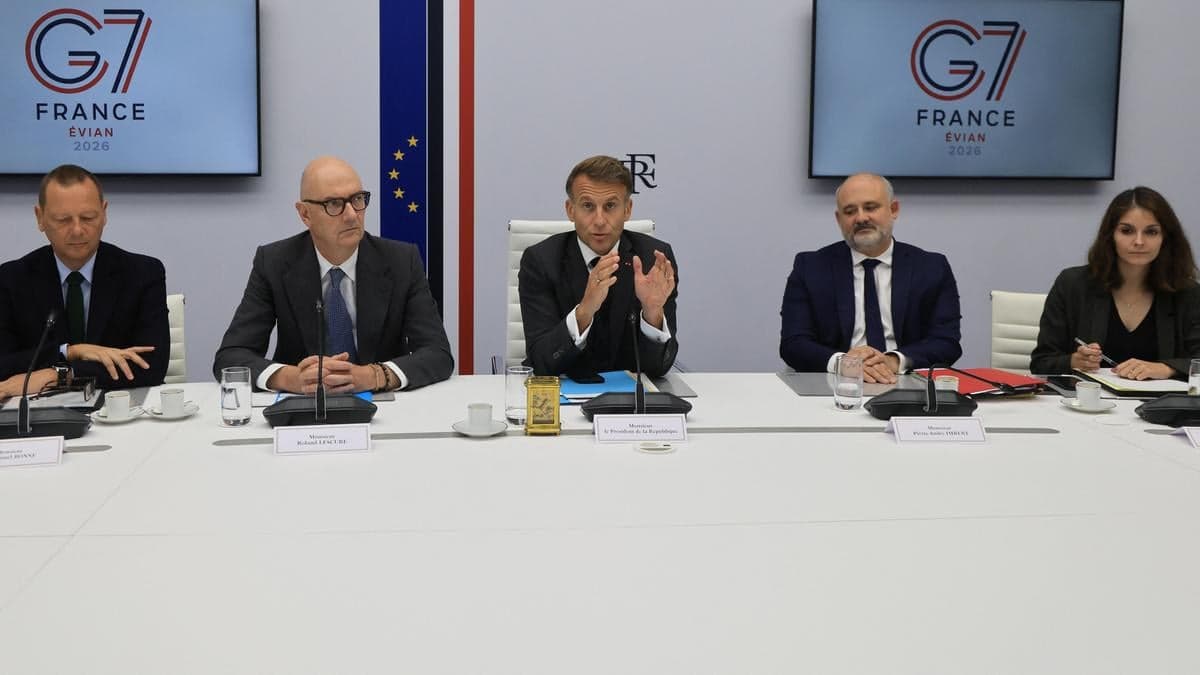
Foreign ministers from the Group of Seven (G7) gathered in Paris on November 9, 2026, for a high-stakes, two-day summit dominated by deepening transatlantic rifts over the United States’ military operations against Iran and shifting allied strategies regarding Ukraine[1][2]. The summit represents U.S. Secretary of State Marco Rubio’s first major diplomatic mission abroad following sweeping Republican losses in the U.S. midterm elections - a domestic political outcome widely attributed to voter discontent over economic fallout and inflation tied to the ongoing Middle East conflict[3][4][5]. Meeting under the French G7 presidency, top diplomats from the United Kingdom, Canada, France, Germany, Italy, Japan, and the United States, alongside invited regional partners including Egyptian Foreign Minister Badr Abdelatty, convened to assess crisis resolution frameworks across several volatile theaters[6][2][7].
The core diplomatic tension centers on European anxieties regarding Washington's escalating confrontation with Tehran and the security of global energy flows through the Strait of Hormuz[8][2]. European leaders, represented prominently by French Foreign Minister Jean-Noël Barrot and German Foreign Minister Johann Wadephul, entered the bilateral sessions seeking to deter the Trump administration from broadening military strikes and to encourage de-escalation[9][2]. European partners are also seeking firm U.S. assurances that any negotiated settlement to the Russia-Ukraine war will preserve Kyiv's sovereign integrity, particularly amid concerns that the White House might push for territorial concessions[2][10]. On the meeting’s sidelines, France’s Finance Ministry launched a donor conference aiming to mobilize €500 million to repair the protective confinement shelter at the Chernobyl nuclear site following Russian strike damage[2].
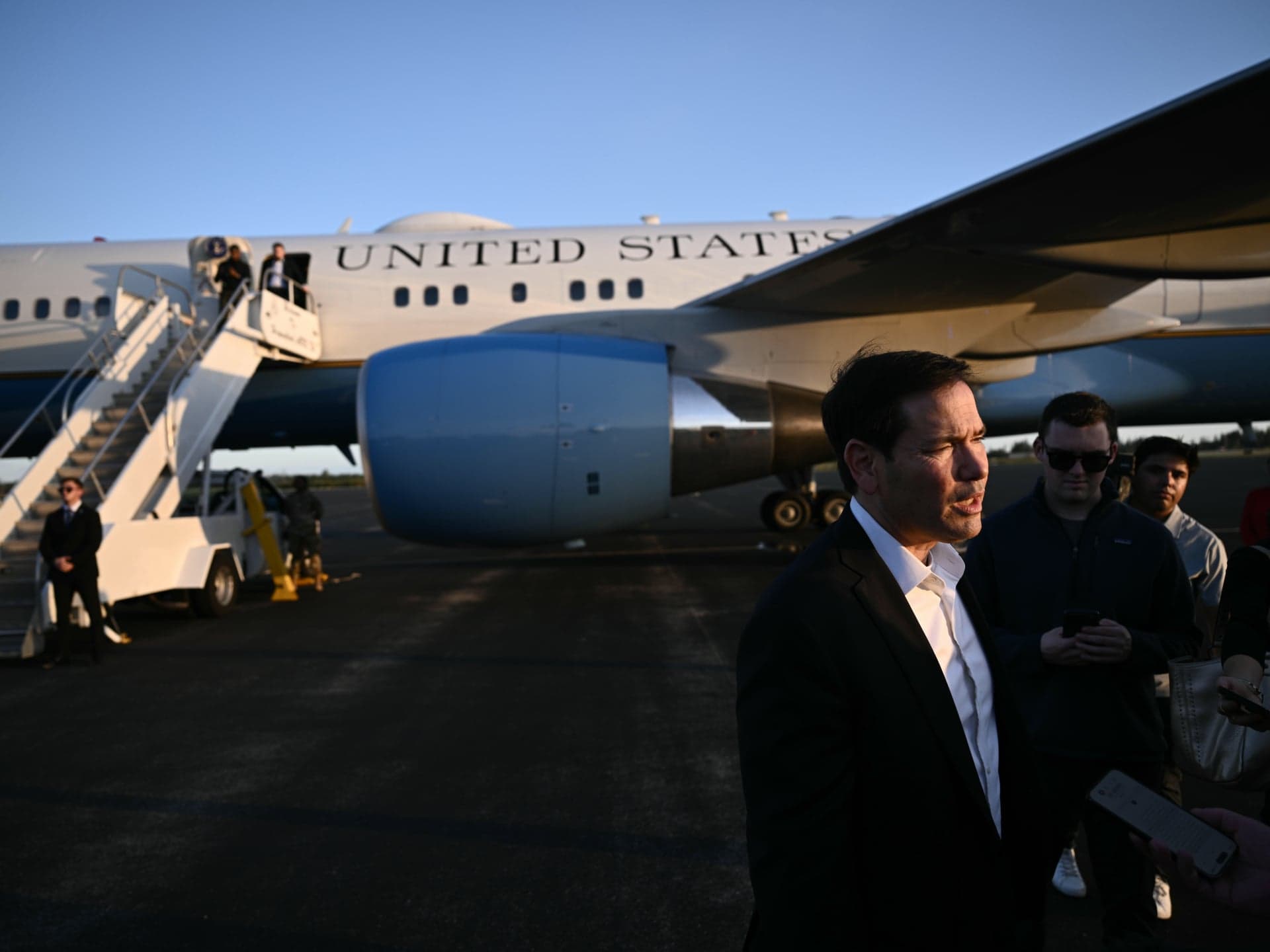
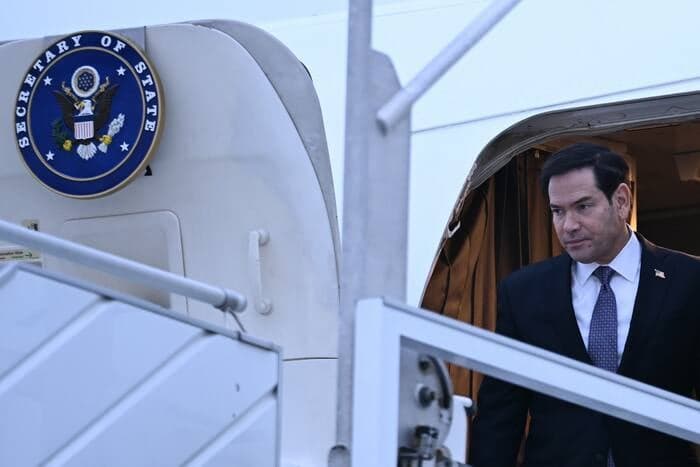
Before departing for Paris from Homestead Air Reserve Base in Florida, Secretary Rubio sought to lower expectations for an imminent breakthrough with Tehran, characterizing Iranian negotiation positions as "outrageous, ridiculous, and really not realistic"[3]. Rubio reiterated that while the administration prefers a diplomatic resolution, U.S. military measures were taken to prevent Iran from acquiring nuclear weapons[3]. In Paris, Rubio held separate bilateral discussions with Wadephul and Barrot, addressing European concerns over regional fallout, energy diversification, and AI governance initiatives originating from the Évian summit[9][6]. German Foreign Minister Wadephul stressed ahead of his departure that continuous multilateral consultations are vital given overlapping crises, citing coordination across the G20, the Baltic Sea States, and regional talks in Istanbul[11].
The diplomatic friction underscores an alliance navigating profound domestic realignments in Washington[12]. While European governments view the incoming Democratic-controlled U.S. Congress as an opportunity to reinforce long-term statutory support for Ukraine, they face immediate uncertainty regarding executive actions from the White House in the Middle East[4]. Meanwhile, Asian allies like Japan are closely watching the proceedings: Japanese Foreign Minister Toshimitsu Motegi coordinated sideline discussions with Rubio to clarify Tokyo's planned revisions to its national security documents and ensure alignment on Indo-Pacific defense spending ahead of upcoming host-nation support negotiations[13].
- G7
- United States
- Iran
Story 6 of 13
2 min read
European Powers Secure Role in US-Brokered Ukraine Talks Amid Russian Objections
European nations, led by France, have successfully secured their participation in U.S.-mediated talks between Ukraine and Russia concerning post-conflict security. The negotiations, set to take place in Abu Dhabi, will include European representatives, countering Russia's attempts to limit discussions to a bilateral U.S.-Russia-Ukraine format. This move underscores European concerns about safeguarding continental defense arrangements and ensuring their institutional buy-in for any long-term security guarantees.
Read the full storyFold the full story2 min · 5 sources
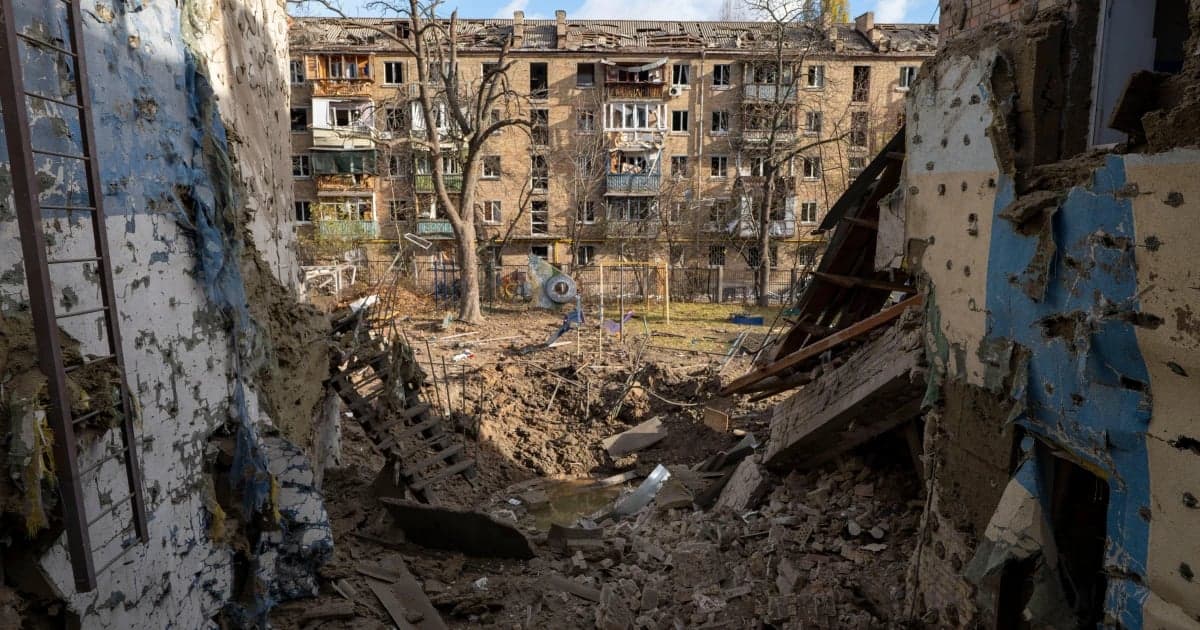
European governments moved decisively over the weekend to counter Russian efforts to sideline them from direct diplomatic negotiations concerning the future of European security[1]. On November 8, French Foreign Minister Jean-Noël Barrot announced that European representatives will attend U.S.-mediated negotiations between Ukrainian and Russian delegations scheduled to convene in Abu Dhabi on November 10[2][1]. The announcement directly rebuffed public stances taken by the Kremlin, which had repeatedly insisted that any discussions regarding security guarantees and war termination should remain strictly confined to Washington, Moscow, and Kyiv[2][1].
The diplomatic friction reflects sharpening anxieties across European capitals that bilateral talks between the United States and Russia could compromise continental defense arrangements[3][1]. The Abu Dhabi session represents the first direct, trilateral engagement on post-conflict security architectures since February[2]. However, following significant shifts in the U.S. political landscape after the midterm elections, both Moscow and Kyiv have sought to test Washington’s diplomatic red lines before newly elected lawmakers take office in January[4][1]. European powers, having underwritten billions in civilian, financial, and military assistance to Kyiv, argue that any long-term security guarantees are structurally unenforceable without the direct institutional buy-in of NATO’s European pillar and the European Union[3][1].
Parallel to the French diplomatic intervention, British and Nordic leadership engaged in private alignment calls to synchronize their negotiating positions[5]. On Sunday, British Prime Minister held extensive bilateral consultations with Finnish President Alexander Stubb following recent preliminary talks in Brussels[5]. According to Downing Street, the two heads of state agreed that international pressure on Moscow must intensify rather than abate, noting that Russian strikes across Ukrainian energy and civilian infrastructure demonstrate that the Kremlin has not yet signaled genuine readiness for durable compromise[5][1]. Stubb and the British Prime Minister also coordinated on broader European security frameworks and the reset of the UK-EU strategic partnership ahead of an upcoming summit[5].
The convergence of European diplomatic muscle in Abu Dhabi sets the stage for high-stakes maneuvering in the Gulf[2][1]. Although France did not specify whether European officials would participate at the formal negotiating table or function as an active observer group, their physical presence disrupts Moscow's objective of striking an isolated accord with Washington[1]. With the Russian military simultaneously launching major missile strikes on Kyiv to maximize pressure ahead of the summit, the negotiations in Abu Dhabi will serve as a bellwether for whether a unified transatlantic front can hold under shifting domestic political incentives[1].
- France
- Russia
- Ukraine
Story 7 of 13
2 min read
U.S.-Iran Nuclear Talks Stall Amid Pressure on Iraq and Qatari Mediation
U.S.-Iran diplomatic efforts to halt military confrontation have faltered, with backchannel negotiations failing to resolve key issues concerning nuclear infrastructure and maritime navigation. President Trump is engaging Qatari Prime Minister Sheikh Mohammed bin Abdulrahman Al Thani to break the deadlock. The U.S. has also pressured Iraq to close border crossings with Iran as part of an economic containment strategy, further complicating regional stability.
Read the full storyFold the full story2 min · 7 sources
Diplomatic initiatives to halt the direct military confrontation between the United States and Iran hit significant obstacles over the past 24 hours, prompting a flurry of crisis diplomacy and renewed economic brinkmanship[1][2][3]. President Donald Trump scheduled an emergency White House meeting on November 9, 2026, with Qatari Prime Minister Sheikh Mohammed bin Abdulrahman Al Thani to evaluate avenues for breaking the diplomatic deadlock[2]. The talks follow weekend disclosures from U.S. officials that backchannel negotiations mediated by regional partners have failed to yield compromises on key demands, specifically regarding the monitoring of Iranian nuclear infrastructure and transit through the Strait of Hormuz[1][4][3].
The diplomatic impasse was accompanied by sharp rhetoric from both capitals[1][3]. In public statements, President Trump maintained that additional U.S. strikes were "highly unlikely" if Tehran agreed to comprehensive nuclear terms and guaranteed unrestricted maritime navigation[3]. However, the president warned that U.S. forces remained prepared to target 38 strategic Iranian bridges and could strike enrichment sites "within five minutes" if intelligence indicated Tehran was relocating enriched uranium stocks[3]. Conversely, Iran’s foreign ministry issued a severe warning to Washington, asserting that Iranian forces would retaliate decisively if the White House abandoned diplomatic channels in favor of military pressure[3]. In London and Tehran, Iranian officials downplayed newly announced U.S. interdiction task forces aimed at severing regional ground transit routes[5].
Simultaneously, the confrontation has exerted intense pressure on regional third parties, most notably Iraq[3]. Iraqi Foreign Minister Fuad Hussein revealed that the U.S. Treasury Department formally demanded Baghdad shut down all but two of its border crossings with Iran, part of an aggressive economic containment campaign designed to sever Tehran’s illicit financial and supply networks[3]. The demand places the Iraqi government in an acute political bind, balancing its strategic ties with Washington against deep domestic, economic, and security relationships with Tehran[3]. Regional friction was further compounded by a drone attack that sparked a major fire at the Khor Mor gas field in northern Iraq, temporarily halting output at one of the country’s primary fuel processing hubs[3].
The diplomatic breakdown carries immediate global consequences, as maritime commerce through the Persian Gulf remains constrained by high-risk insurance premiums and naval deployments[4][6]. By bringing Qatar’s Prime Minister into direct consultations, the White House is seeking to leverage Doha’s established diplomatic backchannels to ascertain whether Tehran is willing to adjust its parameters[2]. However, with Secretary Rubio cautioning that the gap between Washington’s demands and Iranian positions remains vast, the risk of miscalculation across Gulf waterways remains elevated, prompting allied capitals to brace for protracted regional volatility[1][4][7].
- United States
- Iran
- Iraq
Story 8 of 13
2 min read
Japan Transfers Military Hardware to Philippines, Breaking Defense Export Norms
Japan has transferred a coastal radar system and drones to the Philippines, marking a significant shift in its defense export policy under the Official Security Assistance framework. This deal, valued at approximately $27 million, is the first time Japan has provided finished military hardware to a foreign partner. The move aims to bolster the Philippines' maritime domain awareness and counter China's assertiveness in the South China Sea.
Read the full storyFold the full story2 min · 9 sources
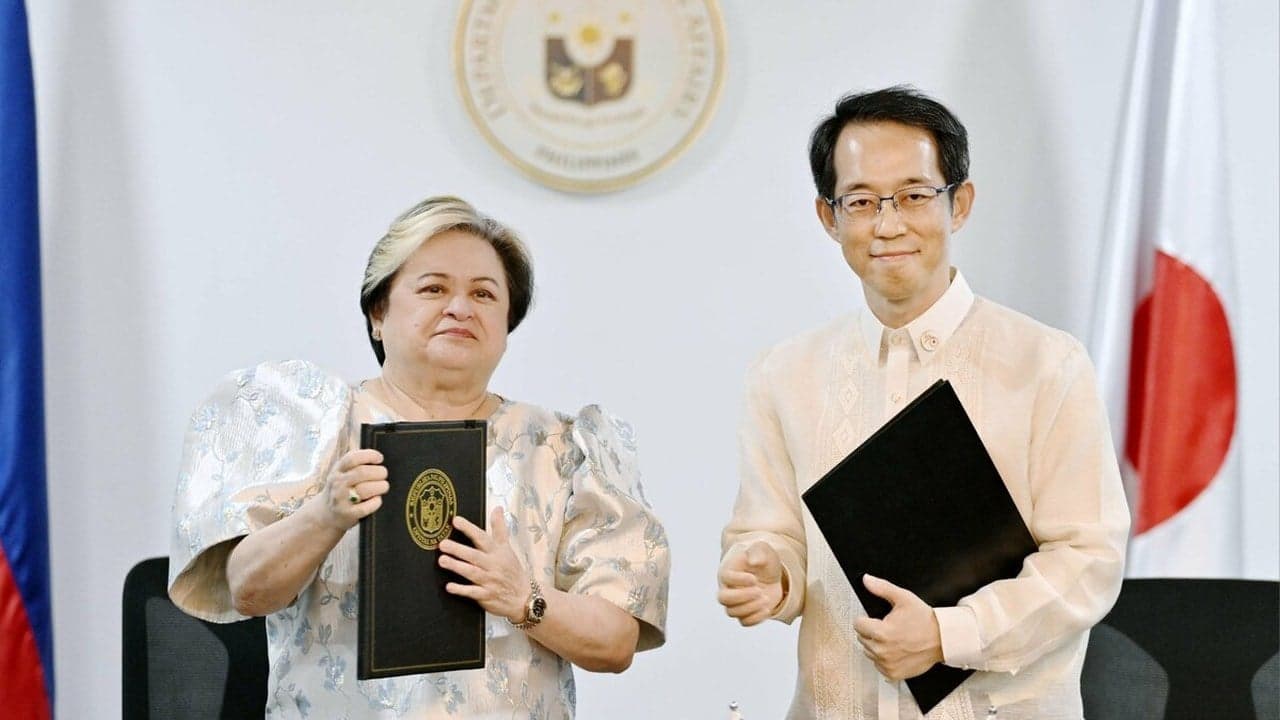
In a landmark shift for Japan’s postwar defense posture, Tokyo and Manila concluded an agreement on November 9, 2026, granting the Armed Forces of the Philippines a ¥4.3 billion (approximately $27 million) security package that includes finished military hardware[1][2]. Signed in Manila by Japanese Ambassador to the Philippines Katsuro Kitagawa and Philippine Foreign Affairs Secretary Maria Theresa Lazaro, the deal provides a sophisticated coastal radar system for the Philippine Navy and dual-use unmanned aerial vehicles (UAVs) for the Philippine Air Force[1][3][4]. Crucially, the agreement represents the first time Japan has transferred a completed, finished defense equipment system to a foreign partner under its Official Security Assistance (OSA) framework[1][2].
The bilateral breakthrough reflects a deliberate effort to counter expanding Chinese maritime assertiveness in the South China Sea and the Luzon Strait[1][5]. Established in fiscal year 2023, Japan’s OSA program was initially confined to non-lethal, dual-use infrastructure and basic components[4]. By categorizing the naval coastal radar system directly as "defense equipment," Tokyo has crossed a long-standing self-imposed threshold regarding military exports[1][3]. The move follows Manila’s recent enactment of the Maritime Zones Act and Archipelagic Sea Lanes Act, which codify Philippine maritime entitlements under international law and have drawn sharp diplomatic protests from Beijing[6]. In Manila, the Department of Foreign Affairs concurrently warned government officials to maintain strict alignment with President Ferdinand Marcos Jr.’s foreign policy directives to present a unified diplomatic front[7].
This security transfer cements the Japan-Philippines Comprehensive Strategic Partnership and serves as a core operational pillar of Tokyo’s updated Free and Open Indo-Pacific (FOIP) doctrine[1]. The radar installations and aerial surveillance drones are engineered to significantly enhance Manila’s maritime domain awareness, providing real-time tracking of foreign military vessels and coast guard flotillas operating within the Philippines' exclusive economic zone[1][3]. Japan’s Ministry of Foreign Affairs emphasized that securing regional sea lanes is an existential interest for Tokyo, given that a vast portion of Japanese trade and energy supplies navigate the waterways adjacent to the Philippine archipelago[1][8].
Regional security analysts view the transaction as an indicator of broader security realignments across the Indo-Pacific, where U.S. treaty allies are constructing lateral defense relationships to bolster deterrence[5]. Tokyo confirmed it is evaluating similar finished defense transfers to other Southeast Asian nations under the OSA mechanism[4]. Parallel to the Manila agreement, Japanese Defense Minister Shinjiro Koizumi met in Tokyo on November 9 with Vietnamese Defense Minister General Phan Van Giang, advancing bilateral talks on defense equipment co-development and the potential joint production of high-speed landing craft, further institutionalizing Tokyo's defense-industrial footprint across the region[9].
- Japan
- Philippines
- South China Sea
Story 9 of 13
2 min read
G7 Launches Network to Secure Ports Against Cartels and Illicit Trade
The G7 foreign ministers have formally launched the 'G7+ Ports Network' to enhance security at global maritime hubs against organized crime and drug cartels. The initiative establishes standardized protocols for tracking high-risk cargo, auditing port vulnerabilities, and sharing data on illicit logistics networks, focusing on synthetic opioids and cocaine trafficking. This move addresses the increasing penetration of criminal elements into major Western ports.
Read the full storyFold the full story2 min · 6 sources
Meeting in Paris on November 9 under the French G7 Presidency, foreign ministers from the world's leading industrialized democracies formally operationalized the "G7+ Ports Network," an intergovernmental initiative designed to harden global commercial maritime hubs against organized crime and transnational narcotics cartels[1][2]. While top-level headlines at the ministerial centered on the U.S. midterm elections and high-stakes discussions on Ukraine and the Middle East, ministers quietly advanced this practical infrastructure coordination mechanism during working sessions held concurrently in Paris and the port city of Marseille[3][4][2].
The G7+ Ports Network was originally conceived during the leaders' summit in Évian earlier in the year, but the Paris ministerial marked its transition into an active operational intelligence-sharing platform[1][4]. Under the initiative, port directors, customs agencies, and maritime intelligence officials across the G7 states - joined by selected partner nations along transshipment routes - will establish standardized protocols for tracking high-risk container cargo, auditing port facility vulnerabilities, and exchanging real-time data on illicit logistics networks[1][4]. The program focuses explicitly on synthetic opioids, cocaine trafficking routes, and grey-market supply manipulation that exploit commercial shipping containers[1][2].
The policy shift is driven by severe governance challenges inside major Western container hubs[1]. Over the past three years, criminal cartels have increasingly penetrated primary logistics nodes in Rotterdam, Antwerp, Marseille, and North American sea terminals through cyber-tampering, bribery of port logistics staff, and sophisticated transshipment camouflage[1][5]. Western policymakers have come to view these compromised hubs not merely as civil law-enforcement issues, but as acute threats to economic stability and national security[1][2]. By convening the network at the ministerial level, the G7 is treating commercial container security as a vital component of foreign policy and supply chain integrity[1][2].
The operationalization of the network reflects a broader trend within the G7 toward functional multilateralism[1][2]. Alongside dedicated sessions led by Canadian Foreign Minister Anita Anand on hybrid warfare and collaborative discussions with World Food Programme Executive Director Luke J. Lindberg on humanitarian logistics, the ports pact provides the G7 with a tangible mechanism to protect physical supply chains[6][1]. Officials familiar with the negotiations indicate that standardizing physical and digital security audits across partner ports will serve as a foundational template for future trade security accords, systematically boxing out corrupt shipping operators[1][4].
- G7
- G7+ Ports Network
- Paris
Story 10 of 13
2 min read
COP31 Convenes in Türkiye Amidst Energy Disruptions and North-South Divide
The 31st United Nations Climate Change Conference (COP31) has opened in Antalya, Türkiye, with nearly 200 nations represented. The summit faces the challenge of balancing decarbonization goals with acute global energy shortages caused by ongoing conflicts. Delegates are grappling with widening divisions between developed and developing nations regarding climate finance and fossil fuel phase-out plans.
Read the full storyFold the full story2 min · 7 sources
The 31st United Nations Climate Change Conference (COP31) officially commenced at the Antalya Expo Center in Türkiye, convening official delegations and negotiators representing nearly 200 nations[1][2]. Opening addresses delivered by Turkish officials and United Nations climate leadership established the summit’s immediate dilemma: balancing binding decarbonization timelines against acute global energy supply shortages triggered by active conflicts in the Middle East and Eastern Europe[1]. With over 100,000 delegates, industry representatives, and civil society observers present, the opening plenary highlighted an widening fracture between the global climate agenda and realpolitik energy defense imperatives[1][2].
The conference opens during severe macroeconomic and environmental strains[1]. Throughout 2026, persistent heatwaves in southern Europe, extensive wildfire seasons across Southeast Asia, and glacial collapses in the Himalayas have underlined accelerating climate vulnerabilities[1]. However, the diplomatic momentum established at prior summits has run headlong into an energy price shock driven by military operations in the Persian Gulf, the tightening blockade on Iranian supply routes, and ongoing disruptions to European energy feeds[1][3]. The host nation, led diplomatically by Turkish President Recep Tayyip Erdogan's government, finds itself attempting to broker environmental consensus while simultaneously navigating its position as an energy transit hub caught between Western sanctions enforcement and Middle Eastern conflicts[1][4].
Key organizations shaping the proceedings include the United Nations Framework Convention on Climate Change (UNFCCC), the Group of 77 (G77) alongside China, and major international watchdog networks such as Oil Change International[5][1]. Civil society groups, spearheaded by statements from advocates like Oil Change International's Shady Khalil, forcefully demanded that governments translate prior non-binding pledges into publicly funded, state-directed phaseout plans for fossil fuel infrastructure rather than backsliding into emergency fossil procurement[5]. Developing nations emphasized that without a legally binding mechanism to scale climate finance and operationalize the Loss and Damage Fund, lower-income economies cannot bear the concurrent costs of rising imported food and fuel prices[5][1].
The Antalya summit lays bare an entrenched fault line between the Global North and Global South[1]. Industrialized nations, facing domestic political backlash over persistent inflation and elevated retail energy costs, are resisting expanded capital transfers and public finance commitments for emerging markets[6][1]. Conversely, developing nations argue that Western shifts toward militarization, heightened defense budgets, and strategic petroleum stockpiling have effectively sidelined the multilateral climate finance architecture[7][1]. As delegations begin two weeks of contentious negotiations, the proceedings reflect a broader erosion of multilateral cooperation, where long-term planetary transition frameworks are routinely subordinated to immediate national security and energy preservation concerns[5][1].
- COP31
- Antalya
- Türkiye
Story 11 of 13
2 min read
Nvidia CEO Jensen Huang Undergoing Espionage Investigation by Board
Nvidia's board of directors has initiated an independent investigation into allegations that CEO Jensen Huang was targeted by a Chinese intelligence operation aimed at diverting advanced AI semiconductors. While no evidence of compromised intellectual property or national security data has been found, the inquiry stems from concerns over potential breaches of U.S. export controls. The company is cooperating fully with the board's review and congressional scrutiny.
Read the full storyFold the full story2 min · 2 sources
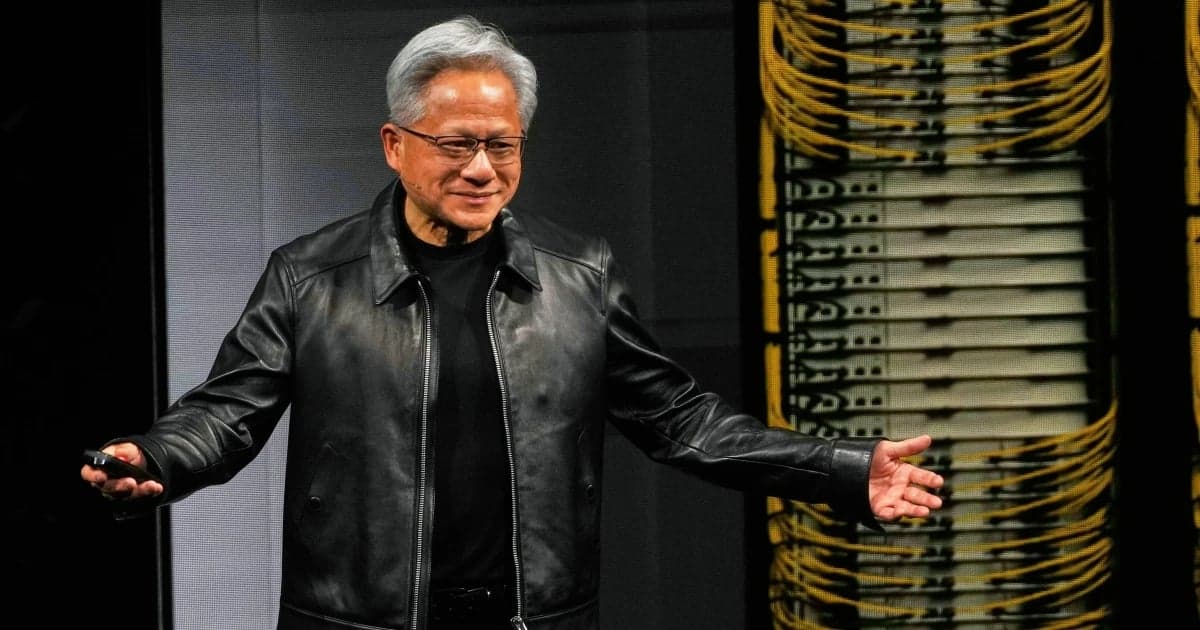
On November 8, semiconductor giant Nvidia announced that its board of directors has launched an independent internal investigation regarding allegations that Chief Executive Officer Jensen Huang was targeted by an extensive Chinese intelligence operation[1]. The inquiry was triggered by reporting alleging that foreign agents sought to leverage a close relationship to bypass stringent U.S. export controls and facilitate the diversion of high-performance artificial intelligence semiconductors to Chinese state-linked entities[1]. Although the board affirmed that it has found no evidence suggesting Nvidia’s core intellectual property or U.S. national security data was compromised, the move represents an unprecedented governance challenge for the world's most valuable chip manufacturer[1].
The investigation follows intensifying pressure from Washington, where congressional scrutiny over semiconductor technology transfers has reached a fever pitch[1]. Last week, three prominent Republican lawmakers issued a formal demand for Huang to provide detailed briefings regarding Nvidia's internal counter-espionage safeguards and foreign adversary risk mitigation[1]. In a public response confirming his full cooperation with the board's review, Huang emphasized his loyalty to American national security objectives and stated that Nvidia’s compliance protocols remain uncompromised[1]. The inquiry arrives at a delicate moment for the company, which has spent recent years navigating complex trade sanctions while attempting to preserve legitimate commercial ties in Asia[1].
The political and diplomatic stakes of the inquiry are magnified by the strategic role Nvidia plays in the global technological balance of power[1]. The company’s graphics processing units (GPUs) remain the foundational compute infrastructure required to train next-generation frontier artificial intelligence models and operate advanced military simulations[1]. The U.S. government has continually tightened export regulations to ensure cutting-edge silicon remains out of reach of Beijing's military-industrial complex[1]. The revelation that intelligence operatives may have targeted corporate leadership directly underscores how corporate C-suites have become primary battlegrounds in modern geopolitical conflict[1].
The investigation is poised to accelerate regulatory efforts to tighten counter-intelligence requirements across Silicon Valley[1]. National security analysts note that foreign operations have increasingly shifted focus from digital cyber-intrusions to human-centric influence and supply-chain diversion tactics[1]. As the G7 foreign ministers simultaneously met in Paris to discuss collective frameworks for AI security and dual-use technological controls, the Nvidia probe serves as a real-time demonstration that commercial executive suites are increasingly treated as extensions of state security architecture[1][2].
- Nvidia
- Jensen Huang
- China
Story 12 of 13
2 min read
Israeli President Mandates Eisenkot to Form Government, Challenging Netanyahu
Israeli President Isaac Herzog has given opposition leader Gadi Eisenkot the mandate to form the country's next government, following his recommendation by a majority of Knesset lawmakers. This move presents the most significant challenge to caretaker Prime Minister Benjamin Netanyahu's leadership in years. Eisenkot, heading the centrist Yashar faction, has secured support from a diverse bloc of parties.
Read the full storyFold the full story2 min · 9 sources
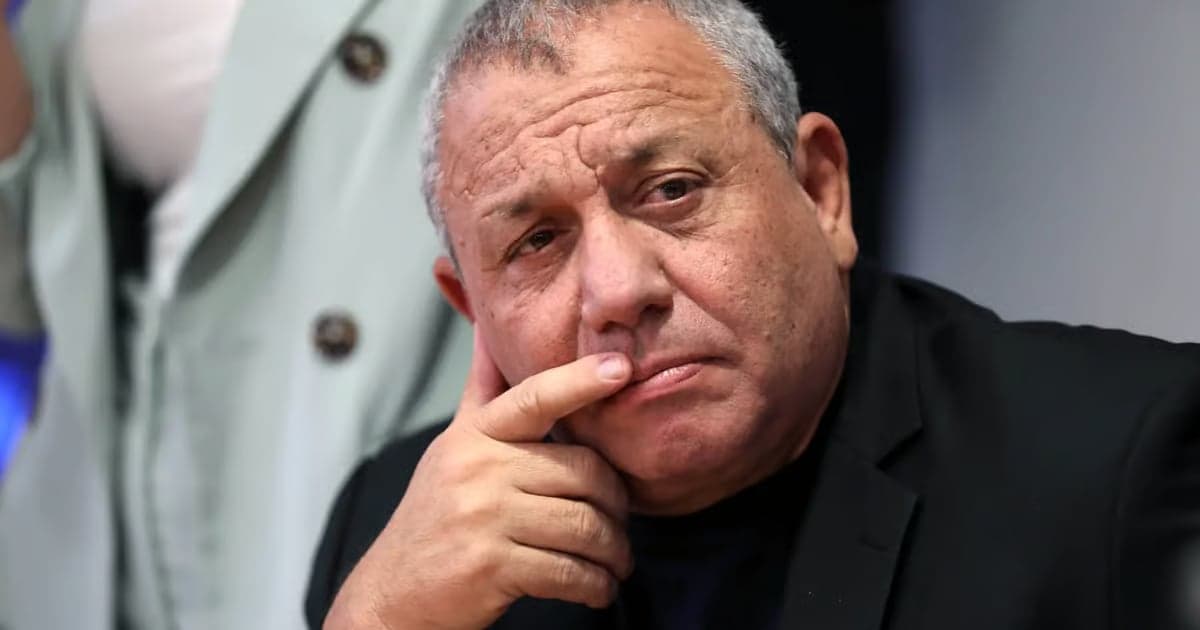
Israeli President Isaac Herzog officially bestowed the mandate to form Israel’s next government upon opposition leader and former Israel Defense Forces Chief of Staff Gadi Eisenkot[1][2]. The formal designation followed intensive post-election consultations at the President’s Residence in Jerusalem, during which lawmakers representing 67 seats in the 120-member Knesset recommended Eisenkot, decisively outstripping the 46 recommendations secured by caretaker Prime Minister Benjamin Netanyahu’s right-wing bloc[2]. The move establishes the most formidable challenge to Netanyahu’s long-standing political dominance since the outbreak of multi-front regional fighting[2].
The mandate stems from the inconclusive October 27 national election, which left the Knesset deeply fragmented after three years of protracted conflict across Gaza, Lebanon, and the wider region[3][2]. Eisenkot, heading the centrist Yashar faction, managed to assemble an ideologically diverse coalition recommendation spanning secular liberals, center-right defectors, ultra-Orthodox factions seeking stability, and outside backing from Mansour Abbas’s United Arab List (Ra'am)[3][2][4]. Netanyahu fought the transition until the final hours, publicly calling for an emergency national unity coalition under his continued leadership and accusing external actors of intervening in Israel's electoral processes[4][5].
The transition places Eisenkot, alongside key political figures such as Benny Gantz, Yair Lapid, and ultra-Orthodox leaders, at the center of complex coalition negotiations that must be concluded within four weeks[3][2]. Conversely, Netanyahu and his hardline allies - including outgoing Defense Minister Israel Katz and far-right cabinet members - face the imminent loss of executive authority[2][6]. In his acceptance remarks, Eisenkot signaled a departure from the combative posture of the outgoing government, committing to rebuild strained alliances with Washington, restore institutional trust, and re-evaluate national defense expenditures strained by prolonged combat deployments[2][4].
The domestic shakeup carries profound ramifications for regional security calculations and the geopolitical architecture of the Middle East[7][2]. A transition away from Netanyahu’s coalition could unlock stalled diplomatic tracks concerning post-war governance arrangements in Gaza and security protocols along the northern border with Lebanon[8][2]. However, Eisenkot faces an arduous domestic path: right-wing elements within his potential coalition remain deeply skeptical of relying on Arab-Israeli votes for parliamentary confidence, giving Netanyahu and his Likud loyalists room to exploit nationalist friction[9][2]. Regionally, adversaries and allies alike are recalibrating their expectations, knowing that a government led by a pragmatic former military chief may adopt a more measured tactical posture while aligning far more closely with Washington's broader containment strategy[2][4].
- Isaac Herzog
- Gadi Eisenkot
- Benjamin Netanyahu
Story 13 of 13
2 min read
China Welcomes First Pakistani Astronaut Aboard Tiangong Space Station
China has officially integrated Pakistan into its human spaceflight program by selecting a Pakistani astronaut as a payload specialist for the upcoming Shenzhou XXIV mission. This marks the first time a foreign national will conduct orbital research aboard China's Tiangong space station. The mission is the result of a bilateral agreement and rigorous training, signifying a deepening of space cooperation between the two nations.
Read the full storyFold the full story2 min · 5 sources
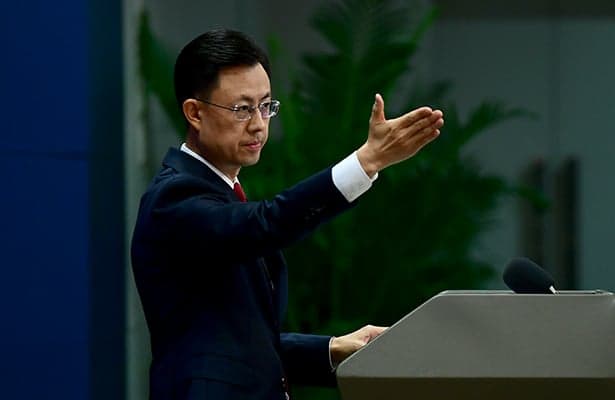
China officially integrated Pakistan into its manned space operations on November 9, with the Ministry of Foreign Affairs confirming that a Pakistani astronaut will serve as a payload specialist aboard the upcoming Shenzhou XXIV spaceflight[1][2]. Announced by Foreign Ministry Spokesperson Guo Jiakun during a regular briefing in Beijing, the mission marks the first time in the history of China’s manned space program that a foreign national will board and conduct orbital research on the Tiangong space station[1][2]. The mission profile specifies that the Pakistani astronaut will spend several days conducting scientific payloads in orbit before returning to Earth aboard the Shenzhou XXIII spacecraft[1][2].
The selection process is the culmination of an intergovernmental agreement signed in Islamabad in February 2025 between the China Manned Space Agency (CMSA) and Pakistan’s Space and Upper Atmosphere Research Commission (SUPARCO)[2][3]. Following a rigorous three-phase technical screening, two Pakistani military aviators - Muhammad Zeeshan Ali and Khurram Daud - completed comprehensive astronaut training at Chinese facilities[2][3]. One will fly the mission while the other remains on primary backup status[2][3]. While Pakistani national Namira Salim previously reached suborbital altitude via a commercial American suborbital flight in 2023, the Shenzhou XXIV flight represents Pakistan's first citizen crossing the Karman line into orbital spaceflight[3].
The timing of the announcement carries deliberate diplomatic weight, coinciding with the 75th anniversary of formal diplomatic relations between Beijing and Islamabad[1][4]. Guo emphasized that the mission manifests the "all-weather strategic cooperative partnership" between the two nations and demonstrates China’s commitment to building a shared international community in outer space[1]. Space analysts at the China Academy of Space Technology noted that the mission builds on decades of bilateral aerospace cooperation, shifting Pakistan’s domestic space sector from basic satellite communications and data-sharing into active orbital science and human spaceflight operations[2][5].
Beyond bilateral celebration, the move represents a calculated geopolitical play in international space governance[5]. As the U.S. and its partners advance the Artemis Accords and construct competitive lunar and low-Earth-orbit coalitions, Beijing is actively using Tiangong - currently the only independently operated national space station - to position itself as the patron of aerospace development for the Global South[3][5]. By lowering technical and financial barriers for developing states to access crewed spaceflight, China is establishing institutional and operational dependencies that extend terrestrial Belt and Road partnerships directly into orbital infrastructure[5].
- China
- Pakistan
- Tiangong Space Station
You're all caught up.
That's every story in Monday's PiBrief Geopolitics. And there's a newer edition waiting for you.
All PiBrief Geopolitics editions
Subscribe to receive daily briefings about geopolitics and world news in your email.
Get PiBrief Geopolitics in your inbox
A free newsletter on geopolitics and world news. Diplomacy, conflict, the global economy, and elections, ranked and explained, with an audio briefing in every edition.
Free forever / no account / 1-click unsubscribe