
Ukraine peace talks, Trump halts Iran strikes & more
Trilateral peace negotiations between the US, Ukraine, and Russia have resumed in Abu Dhabi amid escalating aerial conflict. Meanwhile, Donald Trump halted planned strikes against Iran following Qatari mediation, signaling a shift toward diplomacy. In Paris, G7 foreign ministers convened to align strategy on Middle East tensions and economic coercion.
13 stories71 sources checked
Listen to this edition
PiBrief Geopolitics, November 10, 2026
The lineup
In this edition
 01
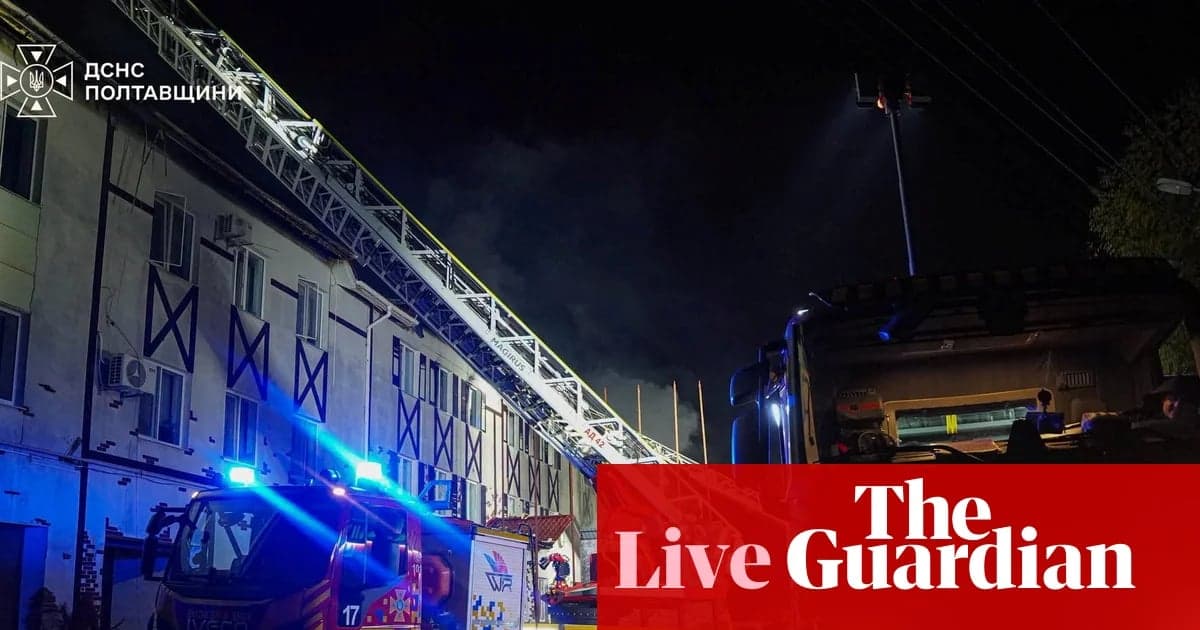
US, Ukraine, Russia Resume Trilateral Peace Talks in Abu Dhabi Amid Escalating Aerial Warfare
 02
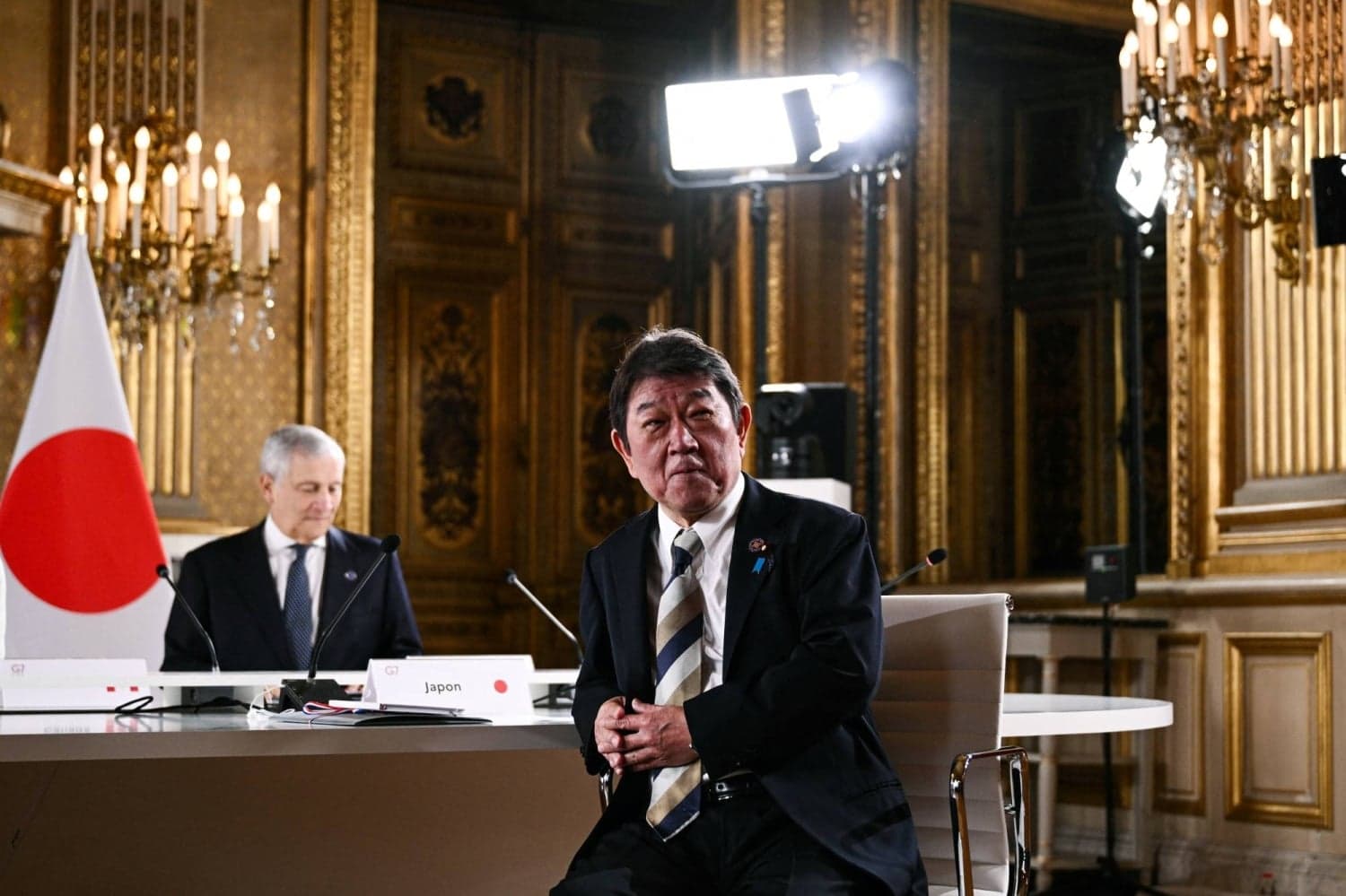
G7 Foreign Ministers Gather in Paris to Coordinate Policy on Russia, Iran, and Economic Coercion
 03
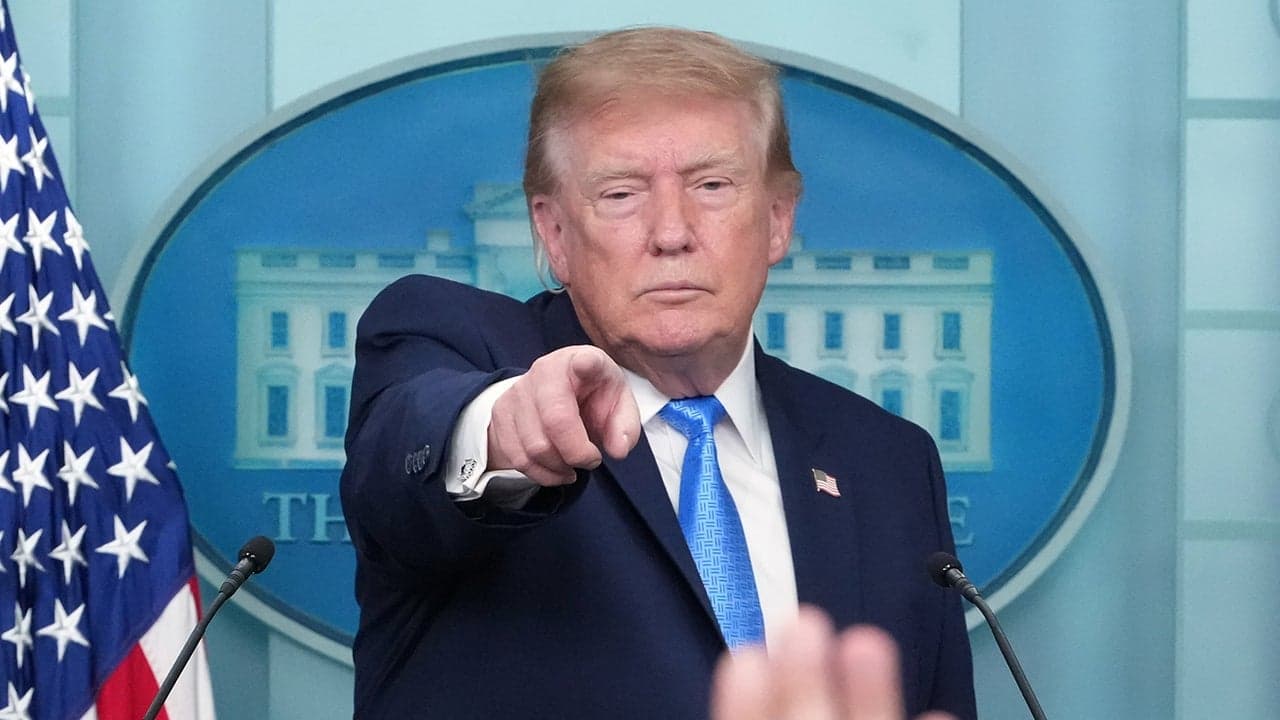
Trump Halts Iran Strikes Following Qatari Mediation, Signals Diplomatic Off-Ramp
 04
US Extends Tariff Suspension on Chinese Port Equipment Amid Trade Talks
 05
Japan and Vietnam Forge Strategic Pact on Critical Minerals and AI Defense
 06
Vietnam and Japan Deepen Ties with Joint Vision Statement on Economy and Security
 07
China's Record $1 Trillion Trade Surplus Fuels Global Trade Friction
 08
Japan Transfers Defense Equipment to Philippines, Bolstering Indo-Pacific Security
 09
Israel's Coalition Mandate Shifts to Eisenkot, Impacting US Strategic Ties
- 10
USDA Trade Mission to Vietnam Boosts US Agricultural Exports
 11
COP31 Climate Summit Opens in Turkey Amid US Absence
 12
US, Ukraine, and Allies Set Red Lines at Abu Dhabi Peace Talks
 13
Federal Reserve Governor Signals Imminent Rate Hikes to Combat Inflation
See all 13 as a listHide the list
- US, Ukraine, Russia Resume Trilateral Peace Talks in Abu Dhabi Amid Escalating Aerial Warfare
- G7 Foreign Ministers Gather in Paris to Coordinate Policy on Russia, Iran, and Economic Coercion
- Trump Halts Iran Strikes Following Qatari Mediation, Signals Diplomatic Off-Ramp
- US Extends Tariff Suspension on Chinese Port Equipment Amid Trade Talks
- Japan and Vietnam Forge Strategic Pact on Critical Minerals and AI Defense
- Vietnam and Japan Deepen Ties with Joint Vision Statement on Economy and Security
- China's Record $1 Trillion Trade Surplus Fuels Global Trade Friction
- Japan Transfers Defense Equipment to Philippines, Bolstering Indo-Pacific Security
- Israel's Coalition Mandate Shifts to Eisenkot, Impacting US Strategic Ties
- USDA Trade Mission to Vietnam Boosts US Agricultural Exports
- COP31 Climate Summit Opens in Turkey Amid US Absence
- US, Ukraine, and Allies Set Red Lines at Abu Dhabi Peace Talks
- Federal Reserve Governor Signals Imminent Rate Hikes to Combat Inflation
Story 1 of 13
3 min read
US, Ukraine, Russia Resume Trilateral Peace Talks in Abu Dhabi Amid Escalating Aerial Warfare
Negotiators from Ukraine, Russia, and the United States met in Abu Dhabi for direct trilateral peace talks, the first in over nine months. Hosted by the UAE, the summit aims to establish security guarantees, prisoner exchanges, and a ceasefire framework. The talks occur amidst a battlefield stalemate and intense aerial exchanges between Ukraine and Russia, with vast political differences separating Kyiv and Moscow.
Read the full storyFold the full story2 min · 11 sources
Negotiators from Ukraine, the Russian Federation, and the United States convened in Abu Dhabi on November 10, 2026, launching their first direct trilateral negotiations in more than nine months[1][2][2]. Hosted by the United Arab Emirates and attended by UAE Foreign Minister Sheikh Abdullah bin Zayed Al Nahyan, the closed-door summit represents the most substantive diplomatic attempt to negotiate an end to the war since previous rounds stalled in Geneva earlier in the year[1][3][4]. The discussions are structured around establishing long-term, verifiable security guarantees, prisoner-of-war exchanges, and the prospective framework for an energy and maritime ceasefire as Europe braces for a fifth consecutive winter of armed conflict[5][4][2].
The diplomatic opening arrives amid an entrenched battlefield stalemate and escalating aerial warfare[6]. In the hours immediately preceding the opening session, the Ukrainian Air Force reported intercepting a barrage of 162 Russian drones and a ballistic missile, while Russia’s Ministry of Defense claimed to have neutralized 155 Ukrainian long-range strike drones across eight Russian regions and occupied Crimea[6]. Despite the operational attrition, the political gap between Kyiv and Moscow remains vast[7]. Russian President Vladimir Putin has continued to condition a cessation of hostilities on Ukrainian troop withdrawals from the partially occupied provinces of Donetsk, Luhansk, Zaporizhzhia, and Kherson, alongside a formal renunciation of Ukraine’s NATO aspirations, limits on Kyiv’s armed forces, and protections for the Moscow-affiliated Orthodox Church[8][7]. Ukrainian President Volodymyr Zelenskyy has categorically rejected conceding territory never conquered by Russian arms or accepting caps on Ukraine's military capabilities, insisting that an immediate cessation of strikes against civilian infrastructure must precede higher-level sovereign negotiations[8][7].
The talks highlight the central role played by Washington’s specialized diplomatic envoys[2]. Leading the American effort are presidential confidante Jared Kushner and Special Envoy Steve Witkoff, who stated publicly on X that their mandate is to establish a "negotiated solution that can deliver lasting peace and create the conditions for a sovereign, secure, and prosperous Ukraine within a more stable European security environment"[9][8]. The Ukrainian delegation is headed by Rustem Umerov, chief of Ukraine’s Foreign Intelligence Service, who conducted preliminary coordination meetings with European and NATO officials prior to entering trilateral sessions[9][10][4]. Moscow dispatched a delegation led by presidential aide Vladimir Medinsky and Deputy Foreign Minister Sergei Ryabkov, signaling the Kremlin's intention to center the dialogue on its longstanding demands regarding European security architecture and NATO's footprint[2].
The initiative carries major diplomatic and strategic ramifications for international security[5][8]. European capitals have voiced apprehension over proposals floated by U.S. President Donald Trump indicating a desire for a sweeping pan-European security settlement with Moscow, stoking fears that Kyiv might face pressure to make concessions to secure a rapid end to hostilities[5][11][2]. Reflecting allied skepticism, German Chancellor Friedrich Merz cautioned during a television broadcast that expectations must remain grounded, noting the absence of mutual trust[6]. In contrast, regional powers such as India and Gulf states have welcomed the talks; Indian Prime Minister Narendra Modi and External Affairs Minister S. Jaishankar conducted high-level consultations with Ukrainian and Russian counterparts just ahead of the Abu Dhabi meeting, viewing the de-escalation of the Black Sea and energy supply routes as vital to emerging economies[5][7].
- Ukraine
- Russia
- United States
Story 2 of 13
2 min read
G7 Foreign Ministers Gather in Paris to Coordinate Policy on Russia, Iran, and Economic Coercion
G7 foreign ministers convened in Paris to address Middle East stability, aid for Ukraine, and counter economic coercion. The meeting, attended by U.S. Secretary of State Marco Rubio and other key diplomats, aimed to align transatlantic policy and reassure allies about U.S. foreign policy consistency post-midterm elections. Discussions also focused on maritime security in the Red Sea and Persian Gulf.
Read the full storyFold the full story2 min · 13 sources
Foreign ministers of the Group of Seven (G7) nations convened in Paris on November 9–10, 2026, for a high-stakes ministerial summit focused on stabilizing the Middle East, coordinating aid for Ukraine, and countering state-directed economic coercion[1][2][3][4]. Hosted by French Foreign Minister Jean-Noël Barrot, the sessions brought together U.S. Secretary of State Marco Rubio, German Foreign Minister Johann Wadephul, British Foreign Secretary Ed Miliband, Italian Foreign Minister Antonio Tajani, Canadian Foreign Minister Anita Anand, Japanese Foreign Minister Toshimitsu Motegi, and EU High Representative for Foreign Affairs Kaja Kallas[4]. Ukrainian Foreign Minister Andrii Sybiha also joined the working lunch to coordinate Western military and logistical aid through the upcoming winter[2].
The summit took place against a backdrop of diplomatic anxiety across European capitals regarding the consistency of American foreign policy following the U.S. midterm elections[5][4]. Addressing his counterparts, Secretary of State Rubio explicitly assured European allies that Washington's overarching diplomatic and strategic posture would remain firm, downplaying claims that congressional realignment would curtail the administration's global security commitments[4]. The ministerial sessions saw intense deliberation on how to interface with parallel, informal U.S. diplomatic tracks - particularly the talks occurring simultaneously in Abu Dhabi concerning Ukraine and the Qatar-led mediation on Iran[6][4][7]. European diplomats reiterated the necessity of anchoring any future European security architecture to multilateral agreements, insisting that sovereign borders and international law cannot be negotiated away behind closed doors[8][9][10].
In addition to Eastern European security, the ministers engaged in closed consultations with key non-G7 regional partners invited to Paris, including Saudi Foreign Minister Prince Faisal bin Farhan Al Saud, Egyptian Foreign Minister Badr Abdelatty, South Korean Foreign Minister Cho Hyun, and Brazilian Foreign Minister Mauro Vieira[4]. A focal point of these expanded discussions was the maritime instability surrounding the Red Sea and the Persian Gulf[11][12]. The ministers received direct readouts on the nascent Washington-Tehran negotiations and deliberated on joint deterrence measures against non-state proxies, particularly Houthi attacks on civilian shipping and regional transport corridors[12][7].
The Paris gathering also placed significant weight on Indo-Pacific security and supply chain resilience[1][13]. In a coordinated joint message, G7 diplomats condemned non-market policies, opaque subsidies, and arbitrary export controls, directly addressing Beijing's intensifying use of economic leverage[1]. Bilateral side meetings between Secretary Rubio and Foreign Minister Motegi reaffirmed the vitality of the U.S.-Japan security treaty as a deterrent against unilateral attempts to alter the status quo by force in the Taiwan Strait and Western Pacific[1][13]. The ministers collectively agreed to accelerate efforts to diversify critical mineral supply chains away from single-source vulnerabilities, formalizing economic resilience as an indispensable pillar of modern allied defense doctrine[1].
- G7
- France
- United States
Story 3 of 13
3 min read
Trump Halts Iran Strikes Following Qatari Mediation, Signals Diplomatic Off-Ramp
U.S. President Donald Trump announced a pause on military operations against Iran, stating offensive strikes are unlikely in the near term. This strategic shift follows meetings with Qatari Prime Minister Sheikh Mohammed bin Abdulrahman Al Thani, focusing on a mediated diplomatic solution to ease tensions in the Persian Gulf. The U.S. is withholding strikes to test Qatar's de-escalation proposal.
Read the full storyFold the full story2 min · 10 sources
In an unexpected briefing at the White House following extensive Oval Office meetings with Qatari Prime Minister and Foreign Minister Sheikh Mohammed bin Abdulrahman Al Thani, U.S. President Donald Trump declared that military operations against the Islamic Republic of Iran are "effectively over" and that new offensive strikes are "quite unlikely" in the near term[1][2][3][4]. The announcement marks a significant shift in U.S. regional posture after nine months of direct and indirect confrontation under Operation Epic Fury[2][5]. The discussions, which also included Vice President JD Vance, centered on a mediated diplomatic off-ramp designed to defuse escalating tensions across the Persian Gulf[1][4].
The strategic pivot follows significant domestic and international developments[6][5]. Domestically, the Trump administration has faced sharp political blowback following the November 3 midterm elections, in which the Republican Party lost control of both chambers of Congress amid voter dissatisfaction with the spiraling cost of living and global energy shocks exacerbated by the war[3][5][7]. Regionally, Gulf partners - including Qatar, Saudi Arabia, the United Arab Emirates, Bahrain, and Kuwait - have intensified diplomatic backchannel efforts to avert broader economic catastrophe[6][4]. Although President Trump underscored that U.S. military forces remain "locked and loaded" should Tehran alter its behavior, he emphasized that Washington is deliberately holding back offensive sorties to test the viability of Qatar’s diplomatic roadmap[2][4].
Under the framework currently under active review, Qatar has shuttled a phased, confidence-building proposal between Washington and Tehran[5][8]. The preliminary outline envisions a mutual de-escalation: Washington would suspend parts of its expansive naval blockade in the Gulf of Oman and unfreeze selective humanitarian assets abroad, while Iran would grant International Atomic Energy Agency (IAEA) inspectors full verification access to contested nuclear installations damaged in recent strikes, followed by the comprehensive reopening of commercial shipping routes in the Strait of Hormuz[9][8]. However, sharp divisions over sequencing remain[9][1]. U.S. Secretary of State Marco Rubio, speaking from Europe, termed several Iranian demands regarding immediate sanctions repeal as "unrealistic," while Mohsen Rezaei, secretary of Iran's Supreme National Security Council, warned publicly that negotiations cannot advance if Washington seeks to impose unilateral terms through economic coercion[5][8].
Global markets reacted immediately to the prospect of reduced hostilities in the world's most critical energy transit artery[5]. Crude oil contracts dropped over 1% on November 10, extending the previous session’s sharp decline, with West Texas Intermediate falling to $85.80 per barrel and Brent futures declining to $91.56 per barrel, approaching 10-week lows[5]. Independent foreign policy analysts note that the core obstacle remains political durability: President Trump requires tangible concessions regarding Iran’s nuclear stockpile to justify the military campaign to his domestic base, while Tehran maintains that any sustainable compact requires legally binding guarantees against renewed American blockades or preemptive strikes[1]. Prime Minister Al Thani departed Washington for Paris to brief European and Saudi foreign ministers on the initiative[10].
- Donald Trump
- Iran
- Qatar
Story 4 of 13
2 min read
US Extends Tariff Suspension on Chinese Port Equipment Amid Trade Talks
The U.S. Trade Representative has extended the suspension of Section 301 tariffs on Chinese maritime cargo equipment and port services for two months. This reprieve benefits U.S. port operators and logistics companies, who rely heavily on Chinese-made cranes. The extension aims to maintain supply chain continuity and preserve negotiating leverage in ongoing bilateral talks with Beijing.
Read the full storyFold the full story2 min · 2 sources
In a strategic regulatory move to safeguard supply chain continuity, the Office of the U.S. Trade Representative (USTR) announced on November 9, 2026, a two-month extension of the Section 301 tariff suspension covering Chinese maritime transport services, logistics equipment, and ship-to-shore (STS) cargo cranes[1]. Scheduled for formal publication in the Federal Register on November 10, the determination prolongs the suspension period through January 9, 2027, amending Harmonized Tariff Schedule (HTS) subheadings 9903.91.12 through 9903.91.16[1]. During this interim window, domestic terminal operators, port authorities, and logistics carriers will not accrue liability for punitive port service fees or additional import duties on heavy Chinese cargo-handling hardware[1].
The Section 301 action stems from a wide-ranging federal investigation into China’s targeted subsidies and dominant footprint across the commercial maritime, logistics, and shipbuilding sectors, which Washington characterized as unfair and unreasonable trade practices[1]. After initially levying penalties in April 2025 and modifying them in October 2025, the U.S. suspended enforcement for twelve months following a bilateral trade arrangement between President Donald Trump and Chinese President Xi Jinping on November 1, 2025[1]. That arrangement functioned in tandem with the broader Busan Agreement, under which Beijing paused export restrictions on critical rare earths while Washington stayed restrictive technology export controls, such as the Bureau of Industry and Security’s Affiliates Rule[2].
The reprieve directly benefits U.S. port infrastructure and ocean shipping conglomerates that faced imminent cost increases[1]. Over 70% of ship-to-shore cranes operating at American maritime ports are manufactured by Chinese state-owned enterprises, and port authorities warned that an abrupt expiration of the waiver would severely disrupt modern port operations and infrastructure upgrades[1]. Legal and trade specialists at Holland & Knight highlighted that USTR granted the extension at presidential direction to preserve negotiating leverage and allow Treasury Secretary Scott Bessent and trade representatives to continue bilateral economic talks with Beijing without provoking retaliatory tit-for-tat tariffs[2][1].
Despite the temporary relief, international trade analysts emphasize that the 60-day bridge extension prolongs regulatory uncertainty for the shipping and manufacturing sectors[1]. With the extension set to lapse in early January 2027, cross-border freight operators must prepare for alternative outcomes: either a formal codification of reciprocal concessions between Washington and Beijing, or an abrupt resumption of double-digit tariffs and port fees that could raise import costs and test maritime shipping resilience[1].
- U.S. Trade Representative (USTR)
- China
- Section 301 tariffs
Story 5 of 13
2 min read
Japan and Vietnam Forge Strategic Pact on Critical Minerals and AI Defense
Japan and Vietnam concluded a bilateral summit in Tokyo, signing a 'Joint Vision Statement' to deepen their Comprehensive Strategic Partnership. The agreement focuses on economic security, advanced technology, and maritime defense, including a pact to secure critical mineral supply chains and collaborate on artificial intelligence and cybersecurity.
Read the full storyFold the full story2 min · 4 sources
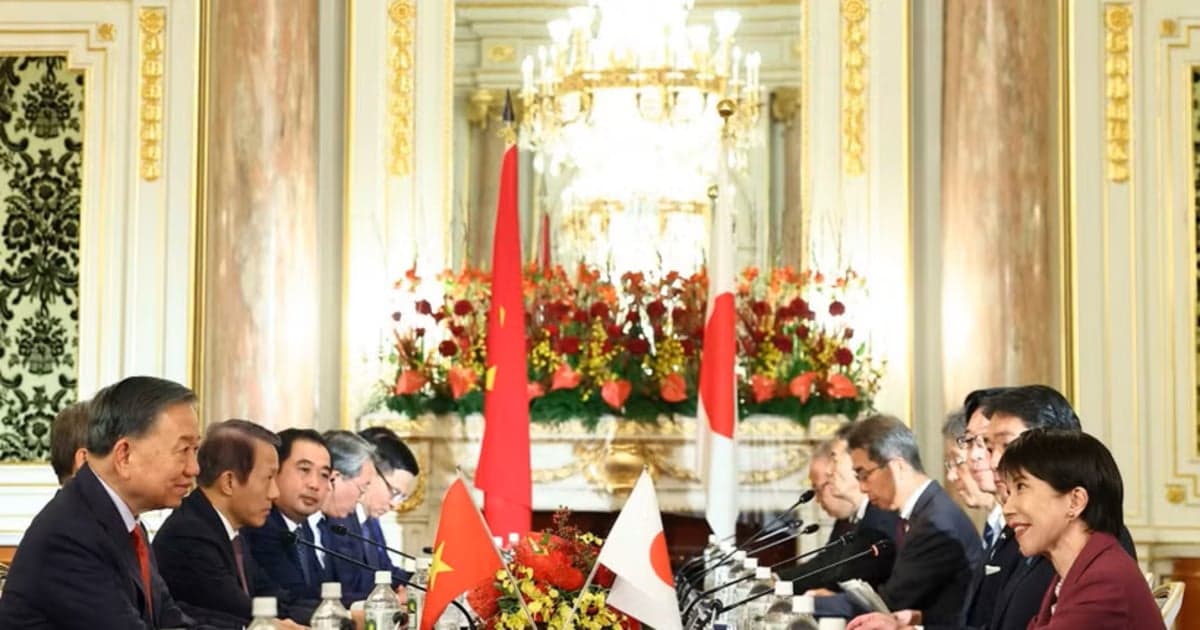
In Tokyo on November 9–10, 2026, Japanese Prime Minister Sanae Takaichi and the General Secretary of the Communist Party and President of Vietnam, To Lam, concluded a bilateral summit resulting in the issuance of the "Japan-Viet Nam Joint Vision Statement"[1]. The agreement marks an expansion of the bilateral "Comprehensive Strategic Partnership for Peace and Prosperity in Asia and the World," anchoring the relationship around economic security, advanced technological integration, and maritime defense alignment across the Indo-Pacific[1]. The state visit represents a continuation of the economic security framework initially negotiated during Takaichi’s visit to Hanoi earlier this year[1].
The central pillar of the newly ratified vision statement is a cooperative initiative on critical supply chains, formally integrated under the RISE+ multilateral framework[1]. Confronting ongoing geopolitical volatility and export controls from Beijing, Tokyo and Hanoi committed to securing the mining, refining, and industrial processing of rare-earth elements[2][1]. Vietnam, possessing some of the world's largest unexploited rare-earth deposits, agreed to expand technical partnerships with Japanese industrial conglomerates to build domestic processing capacity independent of Chinese state supply networks. Concurrently, the leaders agreed to institutionalize collaboration in artificial intelligence and cybersecurity through the NEXUS research framework, which encompasses joint research and development, secure computing infrastructure, AI safety standards, and specialized workforce training[1].
The diplomatic breakthrough unfolds against heightened security tensions across East Asia[2]. Bilateral ties between Tokyo and Beijing have fallen to historic lows following assertions by Prime Minister Takaichi that contingencies involving naval blockades of the Taiwan Strait could trigger Japan’s right of collective self-defense as a "survival-threatening situation" for the Self-Defense Forces[2]. In parallel, China has intensified extensive naval exercises across the Western Pacific, putting regional shipping lanes and neighboring littoral states on alert[3][2]. By officially endorsing Japan’s Updated Free and Open Indo-Pacific (FOIP) doctrine, Vietnam has signaled an intention to counterbalance regional hegemony through robust economic and maritime partnerships with Tokyo and the broader democratic bloc[1].
The strategic compact between Tokyo and Hanoi demonstrates how middle and regional powers are restructuring their diplomatic doctrines around resource security and high technology[1]. Industry analysts view the rare-earth and AI pact as a tangible model of "friend-shoring," allowing Japan to de-risk its high-tech manufacturing sector while providing Vietnam with high-value infrastructure investment and technological know-how[1]. The summit highlights a broader recalibration across Southeast Asia, where nations are balancing non-alignment traditions with targeted security and industrial compacts designed to hedge against major-power confrontation[1][4].
- Japan
- Vietnam
- Sanae Takaichi
Story 6 of 13
2 min read
Vietnam and Japan Deepen Ties with Joint Vision Statement on Economy and Security
Vietnam and Japan have adopted a Joint Vision Statement, aiming to significantly boost bilateral trade to $100 billion by 2030 and accelerate cooperation in supply chain diversification, semiconductor manufacturing, and advanced technologies. The agreement also emphasizes enhanced defense and maritime security collaboration in the Indo-Pacific region.
Read the full storyFold the full story2 min · 6 sources
In a major consolidation of Southeast Asian diplomatic alignment, Vietnamese President and General Secretary of the Communist Party of Vietnam To Lam met with Japanese Prime Minister Sanae Takaichi in Tokyo on November 9, 2026, for a high-level summit that culminated in the adoption of the Vietnam-Japan Joint Vision Statement[1][2]. The summit, marking To Lam’s first official state visit to Tokyo in his current leadership capacity, reviewed the implementation of the bilateral Comprehensive Strategic Partnership established in 2023[2][3]. The two leaders confirmed that nearly 80% of existing commitments had been realized and unveiled plans to accelerate collaboration across supply chain diversification, defense procurement, semiconductor manufacturing, and advanced technology[4][2].
The talks emphasized substantial economic and industrial targets, with President Lam proposing a mutual push to increase two-way annual trade to $100 billion by 2030[4]. Prime Minister Takaichi affirmed that Vietnam serves as a cornerstone partner for Japan’s foreign policy implementation and its broader regional growth strategy[2]. Beyond general trade, the Joint Vision Statement focuses on "co-creation and mutual resilience," aiming to integrate Japanese technical expertise and capital with Vietnam’s expanding manufacturing base[2]. Key areas singled out for expanded investment include green transition infrastructure, next-generation semiconductor fabrication, artificial intelligence integration, and high-speed transportation corridors[4][2].
Defense and maritime security cooperation featured heavily in the discussions, highlighting Vietnam’s strategic balance amid intensifying rivalry between Washington and Beijing[5][1]. Both leaders underscored their commitment to peace, stability, and freedom of navigation in the Indo-Pacific, agreeing to elevate defense exchanges, maritime capacity-building, and coast guard coordination[1][4]. To Lam reaffirmed Hanoi's view of Japan as one of its most reliable and sincere strategic partners, while Takaichi emphasized that Tokyo views Vietnam as vital to maintaining open, rules-based sea corridors across the South China Sea[1][2].
The meeting demonstrates how regional middle powers are knitting bilateral frameworks together to hedge against external economic disruptions and major-power coercion[6][1]. For Japan, securing deeper ties with Hanoi ensures access to alternative supply chain nodes and skilled labor markets[2]. For Vietnam, the partnership reinforces its "bamboo diplomacy" - strengthening ties with a major Group of Seven (G7) economy without abandoning its non-aligned, autonomous foreign policy principles[2].
- Vietnam
- Japan
- To Lam
Story 7 of 13
2 min read
China's Record $1 Trillion Trade Surplus Fuels Global Trade Friction
China's trade surplus surpassed $1 trillion for the second consecutive year, driven by strong exports in high-tech goods like semiconductors and EVs. Despite increased imports, the surplus highlights China's industrial capacity exceeding domestic demand. This sustained surplus is escalating trade tensions with Western nations.
Read the full storyFold the full story2 min · 7 sources
Official customs data published on November 10, 2026, revealed that China’s annual trade surplus eclipsed the $1 trillion threshold for the second consecutive year, demonstrating resilient external demand for Chinese manufactured goods while intensifying geopolitical friction with major Western trade partners[1]. According to China’s General Administration of Customs, outbound shipments for October jumped 35.2% year-on-year, propelled by sustained momentum in high-tech manufacturing, advanced semiconductors, and electric vehicles[1]. While imports grew at a brisk 41.6% pace - narrowing the monthly trade surplus to $105.3 billion compared to September’s $133.5 billion - the country’s cumulative trade surplus across the first ten months of 2026 stood at $1.04 trillion[1].
The figures underscore the durability of Beijing’s industrial policy and export-oriented growth model, even as the global trading environment faces rising protectionist barriers and shifting domestic economic priorities[2][1]. Following years of supply chain restructuring and targeted state support, Chinese industrial manufacturers have expanded market share across emerging markets in Southeast Asia, Latin America, and the Middle East, while retaining competitive footholds in North America and Europe[2][1]. This persistent surplus highlights a fundamental domestic imbalance: strong manufacturing output contrasts with subdued domestic consumption, prompting Chinese producers to offload excess industrial capacity into the international marketplace[2][1].
The sustained flood of Chinese exports has heightened tensions with trading partners in Washington and Brussels[1]. Economists and trade analysts, including Alicia García-Herrero, note that surpassing the trillion-dollar surplus mark for a second consecutive year will provide ammunition to policymakers pushing for unilateral protective measures[1]. Western officials argue that systemic subsidies and industrial overcapacity distort international markets and undermine the manufacturing bases of partner nations[2][1]. The trade surplus expansion comes as trading blocs evaluate additional anti-subsidy duties and retaliatory tariffs, threatening to fragment global supply chains and complicate existing bilateral trade accommodations[3][1].
Looking ahead, market strategists warn that the mounting trade imbalance leaves international economic cooperation on precarious footing[3][1]. If Western nations respond with sweeping compensatory trade restrictions or broader Section 301 and carbon-border tariffs, global supply networks could face renewed logistical friction and inflationary pressures[4][5][6]. Conversely, Beijing’s capacity to navigate external tariffs will depend on whether domestic demand can be stimulated to absorb industrial production, or whether trade diplomacy can preserve access to key consumer markets across the developing and industrialized world[7][1].
- China
- United States
- European Union
Story 8 of 13
2 min read
Japan Transfers Defense Equipment to Philippines, Bolstering Indo-Pacific Security
Japan has provided the Philippines with a coastal surveillance radar system and surveillance drones through a $27 million security assistance agreement. This marks the first time Japan has transferred completed defense equipment under its Official Security Assistance framework. The deal aims to enhance maritime domain awareness and bolster the Philippines' defense capabilities amid regional tensions.
Read the full storyFold the full story2 min · 5 sources
Japan and the Philippines formally solidified their deepening defense partnership on November 9, 2026, signing a 4.3 billion yen ($27 million) security assistance agreement in Manila[1][2]. Under the bilateral accord, Tokyo will provide a coastal surveillance radar system to the Philippine Navy and surveillance unmanned aerial vehicles (UAVs) to the Philippine Air Force[1][3]. The agreement was signed by Philippine Foreign Affairs Secretary Maria Theresa Lazaro and Japanese Ambassador to the Philippines Katsuro Kitagawa[1][2]. Notably, the transaction represents the first time Japan has transferred completed, finished defense equipment to a foreign partner under its Official Security Assistance (OSA) framework, which was established in 2023 to supply military aid to friendly nations[1][3].
The transfer reflects an ongoing overhaul of Japan’s post-war security posture and a rapid convergence of regional defense architectures in the Indo-Pacific[1][2]. Faced with aggressive maritime maneuvers and overlapping territorial friction with Beijing in both the East China Sea and the South China Sea, Tokyo and Manila have moved beyond standard developmental ties toward integrated defense capabilities[1][2]. Japan recently dismantled long-standing domestic bans on lethal weapons exports and has begun preliminary discussions to supply Manila with retired maritime destroyers[1]. For Manila, the grant directly boosts the Armed Forces of the Philippines’ (AFP) Comprehensive Archipelagic Defense Concept, designed to safeguard its exclusive economic zone amid repeated standoffs around contested shoals[3][2].
The operational impact centers on real-time maritime domain awareness across critical international waterways[1][3]. The coastal radar system and aerial surveillance drones will give Philippine armed forces enhanced reach to detect, track, and respond to incursions near strategic sea lanes, including the Luzon Strait and the West Philippine Sea[1][3]. Japan’s Ministry of Foreign Affairs emphasized that securing these sea lanes is an existential economic and national security priority for Tokyo, which depends heavily on free transit through Southeast Asian shipping corridors for its trade and energy imports[2].
Regional defense analysts note that the agreement cements a quasi-alliance that closely complements both nations’ mutual defense treaties with the United States[4][2]. By embedding Japanese-manufactured military platforms into the Philippine armed forces, Tokyo has established itself as an active provider of regional deterrence rather than merely an economic benefactor[1][5]. The bilateral deal is expected to be followed by combined training initiatives and expanded joint maritime drills alongside Washington and regional partners[1][2].
- Japan
- Philippines
- Philippine Navy
Story 9 of 13
2 min read
Israel's Coalition Mandate Shifts to Eisenkot, Impacting US Strategic Ties
Following deadlocked elections, Israeli President Isaac Herzog has tasked former military chief Gadi Eisenkot with forming a new government, sidelining Benjamin Netanyahu. This domestic political shift occurs amidst growing strains in the U.S.-Israel strategic alignment and potential reassessment of military aid.
Read the full storyFold the full story2 min · 6 sources
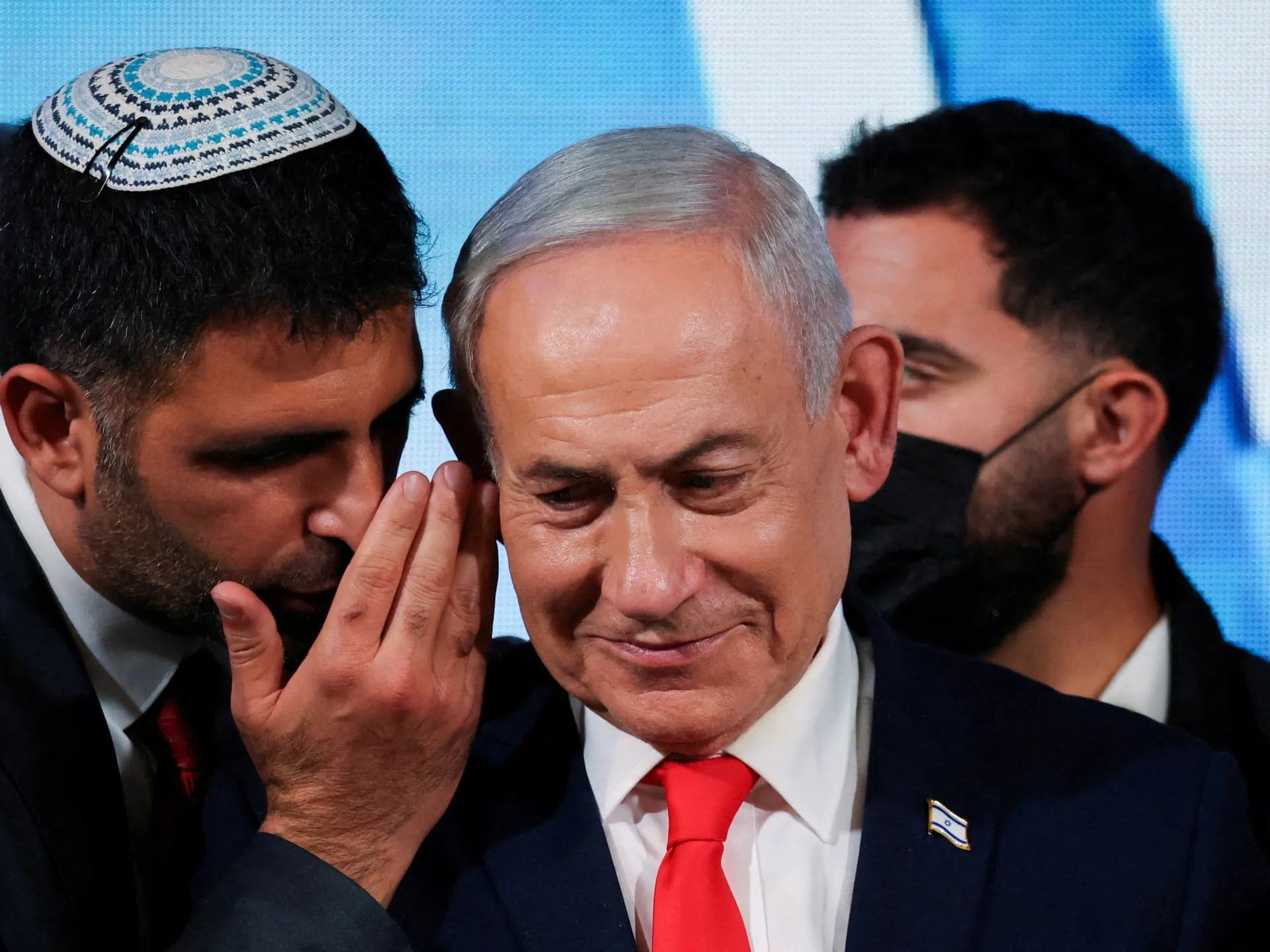
The long-standing strategic alignment between the United States and Israel entered a critical period of readjustment on November 9–10, 2026, following President Isaac Herzog’s decision to award the mandate to form a new Israeli government to former military chief of staff Gadi Eisenkot, leader of the Yashar party[1][2][3]. The decision dealt a major blow to Benjamin Netanyahu, who remains in office only as a caretaker prime minister following deadlocked national elections in which neither bloc achieved an outright 61-seat parliamentary majority[4][3]. Eisenkot was granted 28 days to negotiate a ruling coalition, triggering high-stakes horse-trading with centrist, secular, and outside factions, including potential external backing from Arab-led parties[4][5][3].
The domestic political upheaval intersects directly with growing strains in the U.S.-Israel partnership[1][4]. Following the U.S. midterm elections, which altered the legislative balance in Washington and elevated lawmakers skeptical of unconditional military aid, both Republican and Democratic leaders have called for a reassessment of the bilateral security relationship[1][4]. Addressing the transition, Eisenkot openly warned on November 9 that Israel is grappling with a "devastating" erosion of trust among its closest international allies, specifically pointing to deteriorating ties with Washington and moderate regional partners as a core justification for replacing the Netanyahu administration[1].
The transition has immediate implications for ongoing regional security operations and conflict resolution frameworks[1][6]. Over the November 9–10 period, security officials confirmed that foreign military delegations accompanied by U.S. troops conducted reconnaissance along the Gaza perimeter, laying operational groundwork for a proposed multinational stabilization force[1]. While Netanyahu’s outgoing right-wing coalition resisted key elements of Washington’s postwar stabilization roadmap, Eisenkot has signaled willingness to engage with the White House’s Gaza peace plan and coordinate more closely with Arab partners to formalize postwar governance structures[1][6].
The shifting dynamic highlights the fragility of Israel's current defense consensus and its dependence on international diplomatic cover[1][4]. Netanyahu responded by attempting to force a broad national unity cabinet on his terms, warning that an Eisenkot government dependent on outside non-Zionist factions would undermine national security[2][5]. With Knesset members sworn in on November 10, the impending coalition talks will determine whether Israel re-anchors its traditional transatlantic alliance through compromise or remains locked in diplomatic friction that could alter the terms of U.S. military and diplomatic support[4][3].
- United States
- Israel
- Gadi Eisenkot
Story 10 of 13
2 min read
USDA Trade Mission to Vietnam Boosts US Agricultural Exports
The USDA has launched its largest-ever agribusiness trade mission to Vietnam, aiming to deepen economic ties and expand U.S. agricultural exports. The mission connects American exporters with Vietnamese distributors and processors, highlighting Vietnam's growing importance as a market for U.S. farm products.
Read the full storyFold the full story2 min · 4 sources
Demonstrating targeted economic statecraft in Southeast Asia, the U.S. Department of Agriculture (USDA) formally launched its largest-ever agribusiness trade mission to Vietnam on November 9–10, 2026[1]. Led by USDA Deputy Secretary Stephen Alexander Vaden, the official delegation arrived in Ho Chi Minh City to execute a three-day program connecting U.S. agricultural exporters directly with Vietnamese distributors, industrial processors, and retail executives[1]. The mission includes representatives from 43 prominent agribusiness firms, 37 industry trade associations, and the state agricultural departments of California, Kansas, and Wisconsin[1].
The initiative reflects the growing strategic weight of Vietnam within American trade architecture and broader Indo-Pacific supply chains[1]. Vietnam has rapidly ascended to become the seventh-largest foreign market for American agricultural and forestry products, importing more than $5.6 billion annually after bilateral farm trade expanded 38% between 2024 and 2025[1]. U.S. exports of raw cotton and timber serve as vital manufacturing inputs for Vietnam’s massive export apparel and furniture factories, while bulk shipments of American corn, soybeans, and distillers dried grains (DDGS) supply Vietnam’s expanding commercial aquaculture and livestock operations[1]. Concurrently, rising household incomes in urban centers like Hanoi and Ho Chi Minh City have created strong demand for consumer-ready U.S. dairy, tree nuts, and fresh produce[1].
The mission carries significant geopolitical and economic implications for both nations[1]. For Washington, diversifying agricultural export markets across the Indo-Pacific serves as a critical buffer against retaliatory tariff vulnerabilities and market volatility tied to ongoing trade negotiations with China[2][1]. For Hanoi, deepening commercial and food security partnerships with the United States balances its economic reliance on neighboring Beijing, adhering to Vietnam’s "bamboo diplomacy" that balances relations among major powers while securing reliable raw material flows for domestic manufacturing[1].
Agricultural economists and trade analysts view the mission as a model for how targeted bilateral engagement can maintain economic cooperation amid broader geopolitical fragmentation[3][1]. By embedding U.S. agricultural commodities into Vietnam’s downstream export supply chains, both governments are forging durable commercial linkages that resist geopolitical shocks[1]. Experts anticipate that Washington will look to replicate this trade mission framework across other Southeast Asian partners, reinforcing regional economic resilience and securing vital trade corridors across the Pacific rim[4][1].
- USDA
- Vietnam
- Agribusiness
Story 11 of 13
2 min read
COP31 Climate Summit Opens in Turkey Amid US Absence
The UN Climate Change Conference (COP31) has begun in Antalya, Türkiye, focusing on emissions reductions and climate finance, coinciding with the Paris Agreement's tenth anniversary. The summit's geopolitical landscape is altered by the U.S.'s official absence following its withdrawal from the Paris Agreement.
Read the full storyFold the full story2 min · 11 sources
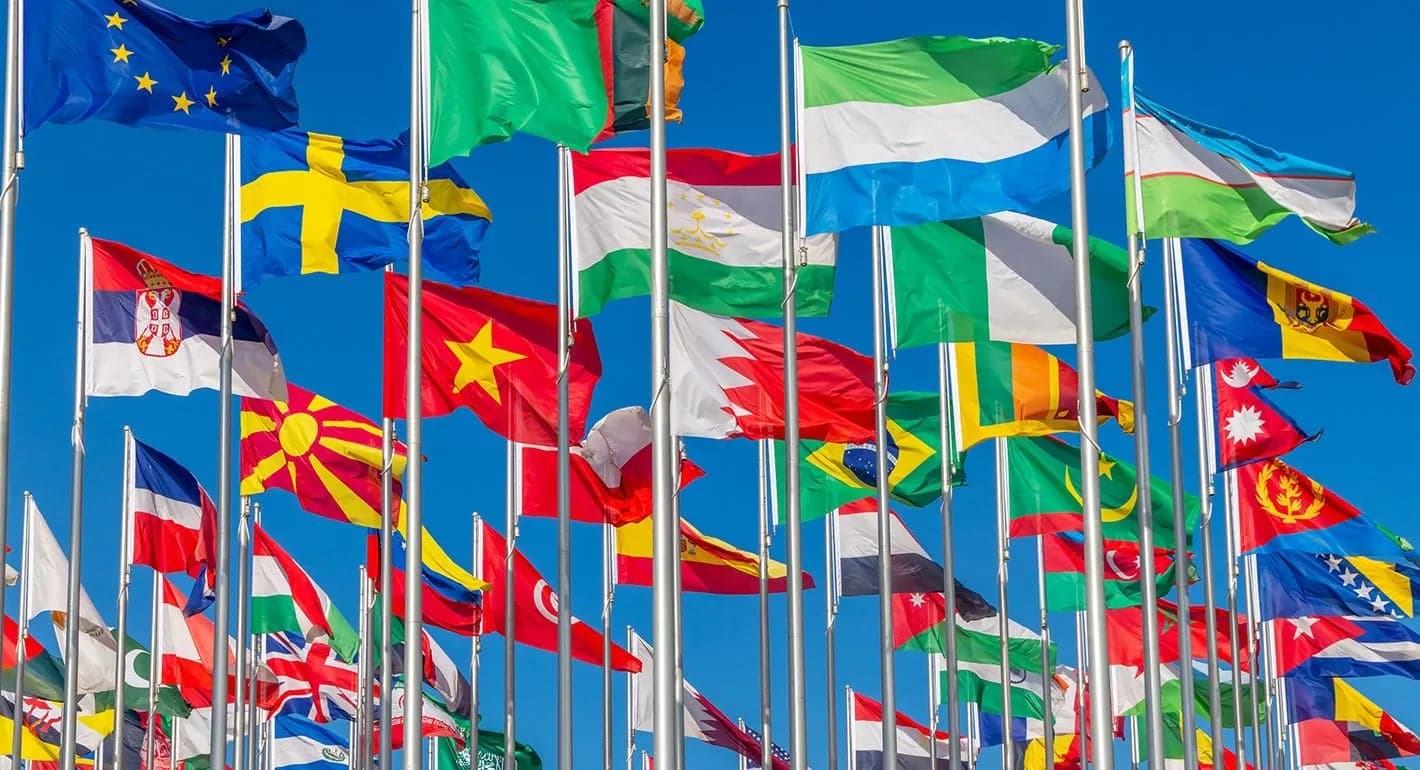
The 31st United Nations Climate Change Conference (COP31) officially commenced on November 9, 2026, in Antalya, Türkiye, opening eleven days of high-stakes multilateral negotiations focused on emissions reductions, global electrification, and climate adaptation financing[1][2][3]. Coinciding with the tenth anniversary of the Paris Agreement entering into force, the summit brings together heads of state, environmental ministers, and institutional investors under the leadership of COP31 President Murat Kurum[2][3]. The Turkish presidency launched an Action Agenda centered on the "35-by-35 pledge" - a voluntary global target aiming to raise electricity’s share of total energy consumption from roughly 23% today to 35% by 2035 - alongside initiatives addressing methane waste reduction and the energy demands of artificial intelligence infrastructure[3][4].
The conference opened against an unprecedented geopolitical backdrop: the United States, historically the world's largest cumulative greenhouse gas emitter, sent no official executive branch delegation following its formal withdrawal from the Paris Agreement earlier in the year[3]. While bipartisan members of Congress, U.S. governors, and corporate leaders traveled to Antalya to maintain commercial and sub-national ties, the absence of White House negotiators fundamentally shifted the dynamics of the summit[3]. The vacuum has redirected leadership responsibilities toward middle powers such as Türkiye, regional coalitions from the Global South, and the European Union, which continue to champion multilateral environmental governance[5][1][3].
The altered diplomatic posture has reignited contentious debates over international climate finance[6][7][3]. Developing nations, facing climate vulnerability and sovereign debt constraints, emphasized on the summit's opening days that the withdrawal of federal U.S. contributions leaves deep deficits in the Loss and Damage Fund and the Global Environment Facility[6][7][3]. Developing-economy blocs argue that without committed capital transfers from advanced economies, emerging markets will struggle to meet costly decarbonization baselines without slowing industrialization and poverty alleviation programs[6][8].
Policy analysts observe that COP31 highlights both the fragmentation and resilience of global multilateral frameworks[6][5][3]. With Washington prioritizing domestic resource extraction and disengaging from international carbon pacts, countries like China and Gulf energy exporters are expanding bilateral green technology investments across Africa and Central Asia[9][10][3]. Experts note that while the absence of federal U.S. backing diminishes the summit's regulatory weight, decentralized market forces, private capital allocations, and middle-power coalitions are stepping in to sustain cross-border environmental and energy cooperation[11][5][3].
- COP31
- United Nations Climate Change Conference
- Antalya
Story 12 of 13
2 min read
US, Ukraine, and Allies Set Red Lines at Abu Dhabi Peace Talks
The United States, Ukraine, and European allies have presented a united front with a joint statement coordinating parameters for renewed trilateral peace talks with Russia in Abu Dhabi. The statement reaffirms Ukraine's sovereignty and territorial integrity, emphasizing robust security guarantees and the centrality of NATO.
Read the full storyFold the full story2 min · 6 sources
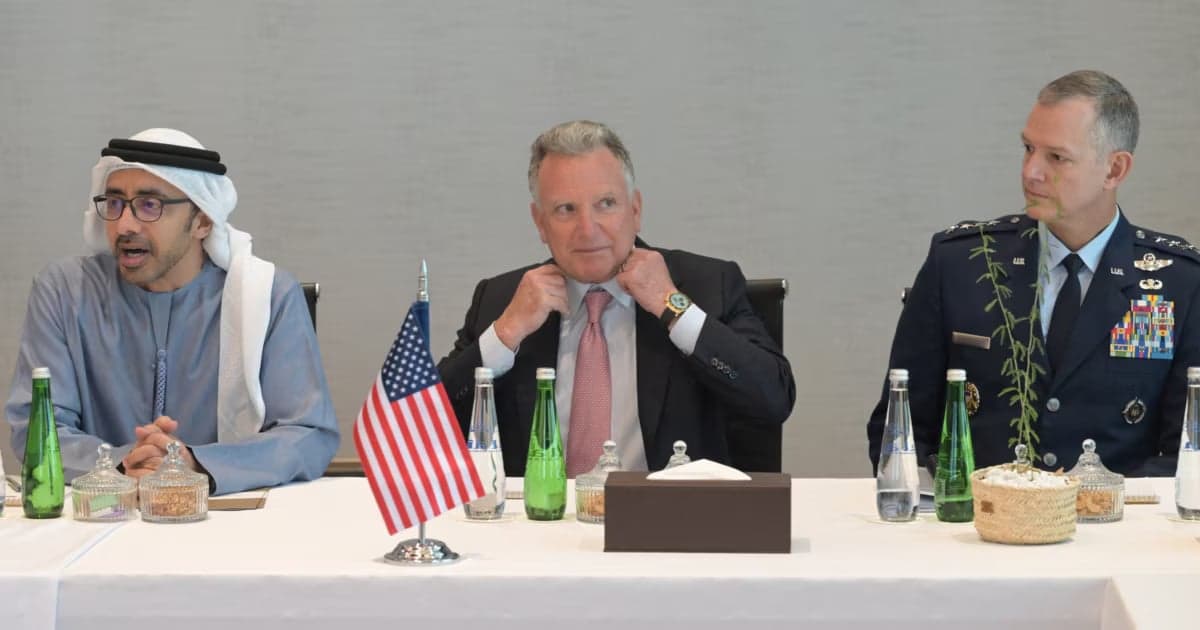
On November 10, 2026, a critical new round of trilateral negotiations between the United States, Ukraine, and the Russian Federation convened at Al Shati Palace in Abu Dhabi, United Arab Emirates, marking the first direct three-way diplomatic encounter since talks stalled in February[1][2]. U.S. envoys Steve Witkoff and Jared Kushner led the American delegation, joined by NATO Supreme Allied Commander Europe General Alexus Grynkewich and hosted by UAE Foreign Minister Sheikh Abdullah bin Zayed Al Nahyan[1][3]. The Ukrainian delegation included Defense Minister Rustem Umerov and defense intelligence chief Kyrylo Budanov, while Russia was represented by military intelligence head Igor Kostyukov and special envoy Kirill Dmitriev[2]. The talks aim to bridge deep divides over territorial control, demilitarization, and postwar security guarantees[4][1][5].
Ahead of the Abu Dhabi plenary, the United States, Ukraine, and European partners released a joint statement on November 10 to establish shared parameters and prevent diplomatic daylight between Kyiv and its Western backers[4]. Posted by Special Envoy Witkoff and published by the European Commission, the text underscored that any durable settlement must strictly respect Ukraine’s sovereignty, territorial integrity, and sovereign decision-making[4]. It further stated that future frameworks must encompass robust, credible security guarantees and affirmed that a strong NATO remains the central foundation of Euro-Atlantic collective defense, even as the parties explore broader multilateral formats involving European stakeholders[4].
The show of unity arrives amid intense transatlantic anxiety over potential shifts in U.S. negotiating posture[6]. Reports published on November 9 revealed that U.S. negotiators had signaled openness to expanding the scope of negotiations to include a wide-ranging reassessment of the broader European security architecture - a long-standing demand of Russian President Vladimir Putin that Washington and European NATO capitals had historically resisted[6]. While U.S. officials argued that settling territorial conflicts logically requires addressing the surrounding security architecture, European allies voiced concern that discussing broader security concessions prematurely risks legitimizing Moscow’s spheres-of-influence doctrine[6].
The diplomatic friction played out against ongoing violence on the battlefield, underscoring the delicate nature of the talks[1]. Overnight leading into the Abu Dhabi summit, Russia launched 162 drones and a ballistic missile at Ukrainian targets, while Ukraine deployed at least 155 long-range drones targeting Russian energy and military sites[1]. Western leaders have managed expectations cautiously; German Chancellor Friedrich Merz publicly noted on November 10 that he holds no "overly high expectations" for rapid breakthroughs, emphasizing that any sustainable peace requires verifiable compliance mechanisms and genuine deterrence against future aggression[1].
- United States
- Ukraine
- European allies
Story 13 of 13
2 min read
Federal Reserve Governor Signals Imminent Rate Hikes to Combat Inflation
Federal Reserve Governor Christopher Waller indicated that the U.S. central bank is prepared to resume monetary tightening to curb persistent inflation. He stressed that the Fed must follow through on market expectations of rate hikes to maintain credibility and achieve price stability, despite solid economic expansion.
Read the full storyFold the full story1 min · 3 sources
Delivering a keynote address at the Bank of England Watchers Conference in London on November 10, 2026, Federal Reserve Governor Christopher J. Waller indicated that the U.S. central bank is prepared to resume monetary tightening to subdue persistent inflation[1]. Speaking to an audience of European policymakers, academics, and financial analysts hosted by King’s Business School and the Money, Macro and Finance Society, Waller warned that despite solid economic expansion, price pressures in the United States remain elevated above the Federal Open Market Committee's (FOMC) 2% target, requiring additional rate increases "sooner rather than later"[1].
Waller detailed the internal mechanics of recent monetary decisions, explaining that while he voted to hold the federal funds rate steady at the latest FOMC meeting, the move was designed to let forward guidance work through financial markets[1]. Waller argued that clear central bank signaling had already led markets to price in an impending tightening cycle, providing effective policy restriction without requiring back-to-back rate hikes at consecutive gatherings[1]. However, he emphasized that credibility demands the central bank follow through on those expectations, as failing to execute projected rate hikes would trigger an unwarranted loosening of financial conditions and undo progress on price stability[1].
Waller’s hawkish rhetoric highlights a widening divergence in monetary policy across major developed economies[1]. While European central banks have grappled with sluggish regional growth, the U.S. domestic labor market has remained resilient, sustaining consumer demand and service-sector inflation[1]. Waller’s stance indicates that the FOMC prioritizes stamping out structural price pressures over aligning with foreign monetary cycles, reaffirming the Federal Reserve's domestic mandate regardless of transatlantic interest rate differentials[1].
The international economic implications of potential Fed tightening are profound[1][2]. Financial analysts observed that Waller’s comments bolstered the U.S. dollar, tightening global dollar liquidity and placing upward pressure on sovereign borrowing costs across emerging and developing markets[1][2]. International monetary experts point out that higher U.S. interest rates risk triggering capital outflows from developing economies, constraining their fiscal space and testing the capacity of global financial institutions to maintain cross-border financial stability amid volatile currency and bond markets[1][3][2].
- Federal Reserve
- Christopher J. Waller
- Inflation
You're all caught up.
That's every story in Tuesday's PiBrief Geopolitics. And there's a newer edition waiting for you.
All PiBrief Geopolitics editions
Subscribe to receive daily briefings about geopolitics and world news in your email.
Get PiBrief Geopolitics in your inbox
A free newsletter on geopolitics and world news. Diplomacy, conflict, the global economy, and elections, ranked and explained, with an audio briefing in every edition.
Free forever / no account / 1-click unsubscribe