
US-China talks, Ukraine prisoner swap & G7 on Taiwan
The United States and China are exploring new diplomatic channels alongside potential trilateral talks with Russia, even as broader negotiations over European security remain divided. A rare US-brokered prisoner swap between Ukraine and Russia marked concrete progress as European leaders convened in Dublin to weigh further sanctions. Meanwhile, G7 ministers pledged continued aid for Kyiv and cautioned Beijing over naval maneuvers near Taiwan.
16 stories64 sources checked
Listen to this edition
PiBrief Geopolitics, November 12, 2026
The lineup
In this edition
 01
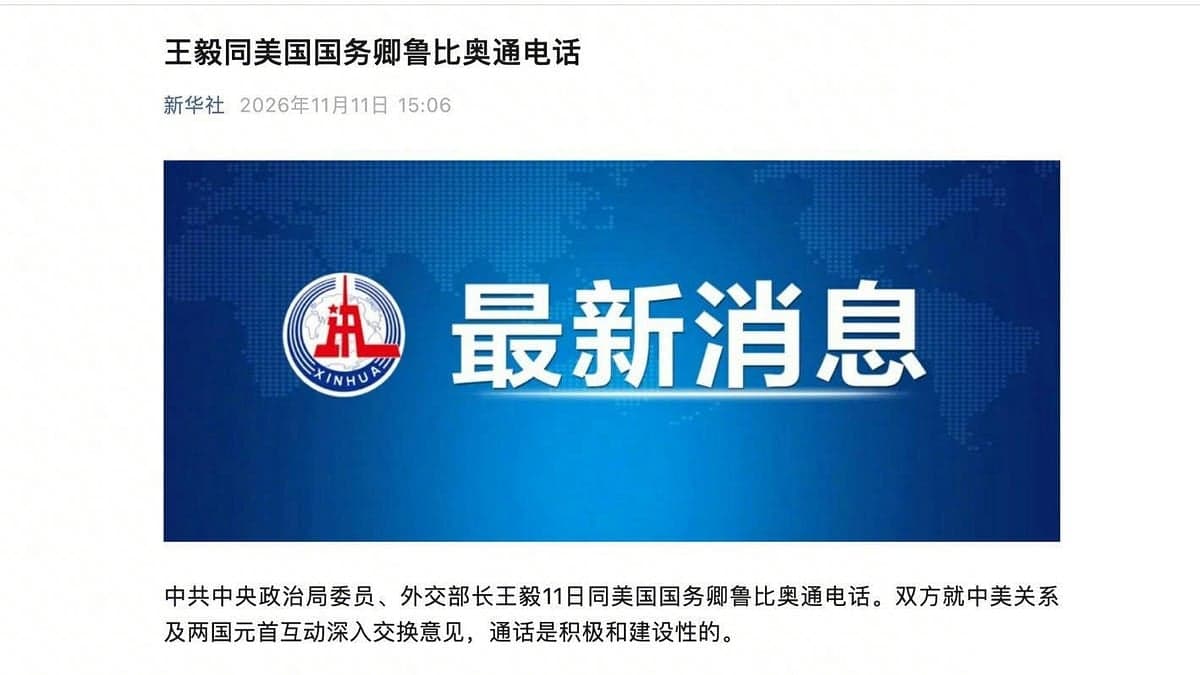
US and China Discuss Bilateral Ties, Explore Potential Trilateral Summit with Russia
 02
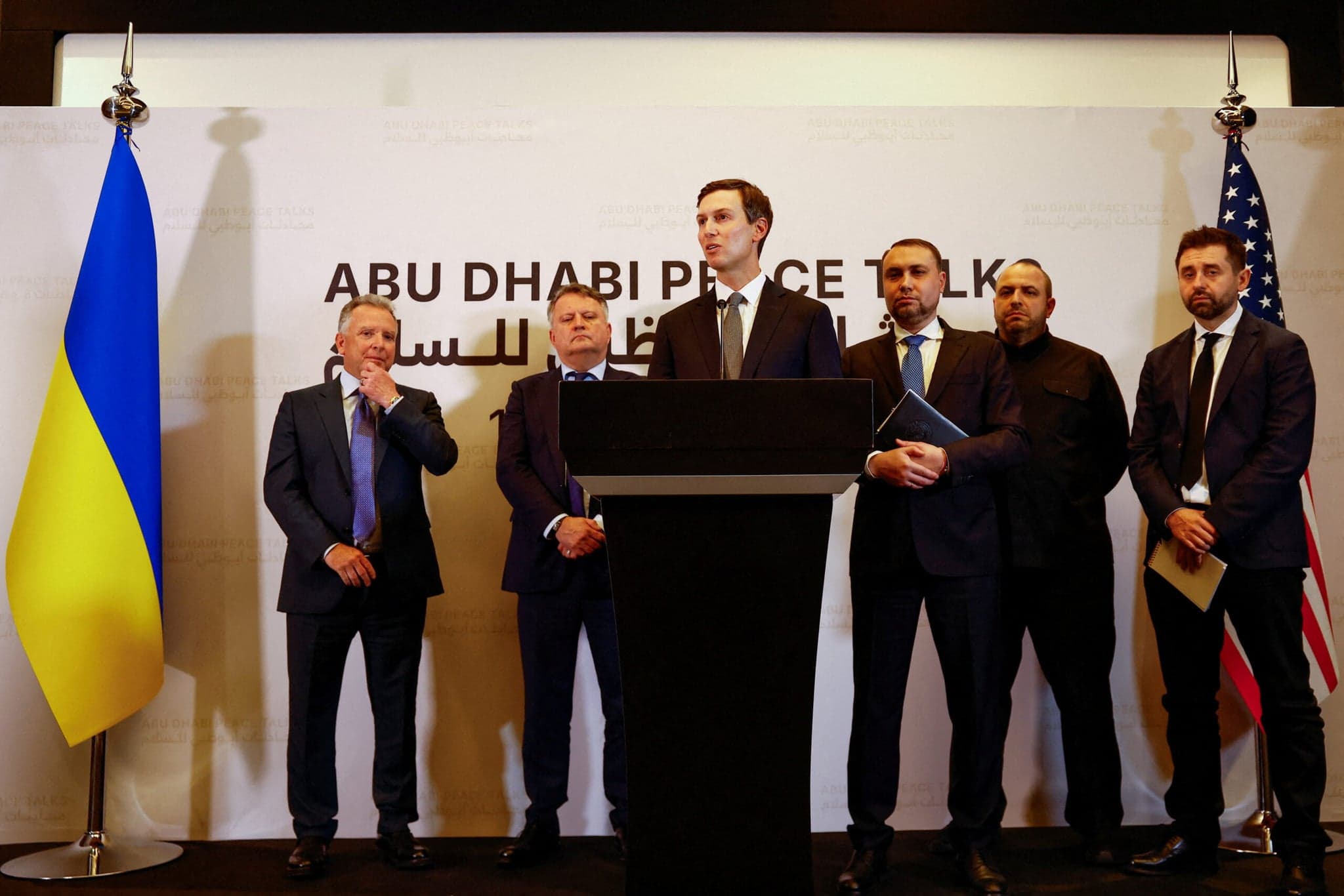
US-Russia-Ukraine Talks End with Deep Divisions on European Security Architecture
 03
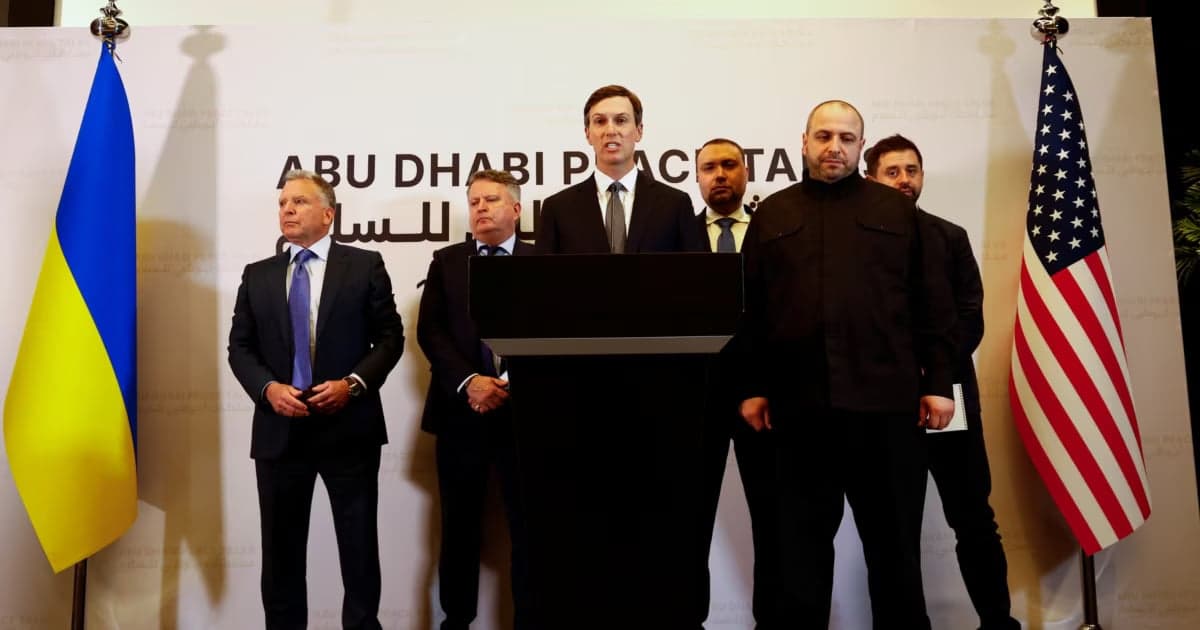
US-Brokered Talks Yield Ukraine-Russia Prisoner Swap; Envoys Head to Moscow, Dublin
- 04
European Leaders Gather in Dublin for Security Talks, New Sanctions Against Russia
 05
G7 Ministers Pledge Ukraine Aid, Warn on Taiwan Strait and Iran Nuclear Risks
 06
G7 Condemns Chinese Naval Activity East of Taiwan
 07
Turkey Hosts Talks for South Caucasus and Middle East Normalization
 08
Brazil and Venezuela Restore Diplomatic Ties at Antalya Climate Summit
- 09
India and South Africa Strengthen Strategic Partnership, Align on Global South Issues
 10
EU and OACPS Nations Push Samoa Agreement for Global South Cooperation
 11
Iran Designates Argentine Military Branches as Terrorist Organizations
- 12
Kenya and European Union Forge Comprehensive Strategic Partnership
- 13
Egypt and China Deepen Strategic Partnership, Focusing on African Stability and Trade
 14
Germany Bans Chinese Drones for Bundeswehr to Enhance Security
 15
Sudan Lifts Ban on Kenyan Tea Imports After Diplomatic Thaw
 16
Russia Imposes Travel Bans on French Lawmakers and Journalists
See all 16 as a listHide the list
- US and China Discuss Bilateral Ties, Explore Potential Trilateral Summit with Russia
- US-Russia-Ukraine Talks End with Deep Divisions on European Security Architecture
- US-Brokered Talks Yield Ukraine-Russia Prisoner Swap; Envoys Head to Moscow, Dublin
- European Leaders Gather in Dublin for Security Talks, New Sanctions Against Russia
- G7 Ministers Pledge Ukraine Aid, Warn on Taiwan Strait and Iran Nuclear Risks
- G7 Condemns Chinese Naval Activity East of Taiwan
- Turkey Hosts Talks for South Caucasus and Middle East Normalization
- Brazil and Venezuela Restore Diplomatic Ties at Antalya Climate Summit
- India and South Africa Strengthen Strategic Partnership, Align on Global South Issues
- EU and OACPS Nations Push Samoa Agreement for Global South Cooperation
- Iran Designates Argentine Military Branches as Terrorist Organizations
- Kenya and European Union Forge Comprehensive Strategic Partnership
- Egypt and China Deepen Strategic Partnership, Focusing on African Stability and Trade
- Germany Bans Chinese Drones for Bundeswehr to Enhance Security
- Sudan Lifts Ban on Kenyan Tea Imports After Diplomatic Thaw
- Russia Imposes Travel Bans on French Lawmakers and Journalists
Story 1 of 16
2 min read
US and China Discuss Bilateral Ties, Explore Potential Trilateral Summit with Russia
U.S. Secretary of State Marco Rubio and Chinese Foreign Minister Wang Yi held high-level talks to manage tensions and prepare for an upcoming summit between Presidents Trump and Xi Jinping. A key topic of discussion was a proposal for a trilateral summit involving the U.S., China, and Russia, aimed at strategic stability and addressing the Ukraine conflict. Despite pragmatic economic cooperation, geopolitical rivalries and disagreements over technology transfer and regional security persist.
Read the full storyFold the full story2 min · 4 sources
In a major bilateral engagement, U.S. Secretary of State Marco Rubio and Chinese Foreign Minister Wang Yi held a comprehensive telephone conference to manage escalating bilateral friction and lay the groundwork for an upcoming summit between U.S. President Donald Trump and Chinese President Xi Jinping[1][2]. The call touched on an ambitious diplomatic proposal: convening an unprecedented trilateral summit among the leaders of the United States, China, and Russia[1]. According to diplomatic disclosures, the suggested trilateral format would be aimed at brokering strategic stability, reducing nuclear risks, and addressing the deadlock over the Ukrainian conflict, reflecting Washington's appetite for disruptive great-power diplomacy ahead of the Asia-Pacific Economic Cooperation (APEC) leaders' gathering in Shenzhen[1][3].
The high-level conversation occurs amid a complex balancing act between economic stabilization and intense strategic rivalry[3][2]. On the commercial front, bilateral engagement has recently shown targeted pragmatic cooperation[2]. General Electric Aerospace recently finalized more than $12.9 billion in commercial engine and maintenance agreements at the China International Import Expo - highlighted by an order from China Eastern Airlines for 202 LEAP-1A engines - while Beijing moved to extend suspensions on select rare earth mineral export restrictions and indicated an openness to purchase more American agricultural exports[2]. Concurrently, however, the geopolitical climate remains fraught with friction[3]. Bilateral dialogue on artificial intelligence and advanced technology transfers has been shaken by intelligence controversies, and Beijing has expressed deep irritation over coordinated Western naval maneuvers and security communiqués scrutinizing the Taiwan Strait[4][2].
The prospect of a U.S.-China-Russia trilateral summit faces severe diplomatic friction, with foreign policy analysts in Beijing cautioning against such an arrangement[1][4]. Chinese strategists have long preferred managing ties with Washington and Moscow through distinct, calibrated bilateral tracks rather than entering high-visibility trilateral bargains that could complicate China’s non-aligned posturing in the Global South or draw it directly into European territorial disputes[4]. Concurrently, national security advisors in Washington have raised flags regarding the blowback of entertaining a trilateral forum with Moscow and Beijing that excludes frontline European partners and Ukraine, warning that it risks validating Russian spheres-of-influence demands[4].
The immediate outcome of the Rubio-Wang dialogue is the stabilization of diplomatic channels before President Trump lands in China for the Shenzhen APEC summit[1][3]. Both Beijing and Washington acknowledged the necessity of establishing clear guardrails to avoid military miscalculations in the Western Pacific while keeping communication lines open[2]. While the proposed trilateral summit with Russia remains at an exploratory stage, the conversation marks an active attempt to reorient great-power diplomacy into direct head-of-state bargaining ahead of an intensive summit season[1][3].
- United States
- China
- Russia
Story 2 of 16
3 min read
US-Russia-Ukraine Talks End with Deep Divisions on European Security Architecture
High-level trilateral negotiations between the U.S., Ukraine, and Russia concluded in Abu Dhabi with a tentative agreement on a prisoner exchange. However, the talks exposed significant disagreements over the future of European security, with Russia demanding a rollback of NATO's presence and the U.S. and Ukraine emphasizing sovereign rights and security guarantees. The differing visions have raised concerns among European nations about a potential pact that bypasses their interests.
Read the full storyFold the full story2 min · 8 sources
High-level trilateral negotiations between the United States, Ukraine, and the Russian Federation concluded in Abu Dhabi after two intensive days of closed-door diplomatic engagement[1]. Convened under U.S. mediation, the meetings marked the first direct, substantive trilateral negotiations among the three parties since February[2][1]. While the talks produced a tentative agreement in principle on a large-scale humanitarian prisoner exchange, they brought to the surface deep structural fault lines concerning the broader European security order[1][3]. Rather than limiting negotiations to a local ceasefire or the status of occupied Ukrainian territory, Russian negotiators made the revision of continental security arrangements the central condition of their engagement[4][3].
The talks were steered by a cadre of senior diplomatic and security figures. The U.S. delegation was spearheaded by special envoys Jared Kushner and Steve Witkoff, supported diplomatically by statements from U.S. Secretary of State Marco Rubio, while the Russian side was led by Presidential Aide Vladimir Medinsky[5][3][6]. Ukraine’s delegation included high-ranking national intelligence and defense officials, such as Foreign Intelligence Service Head Rustem Umerov, who coordinated closely with European and NATO representatives situated on the sidelines in Abu Dhabi[5][6]. Following the sessions, Medinsky stated that the post-World War II security arrangements established at Yalta and Potsdam were fundamentally broken, arguing that Ukraine was merely a symptom of a dysfunctional continental system and insisting that a comprehensive post-conflict security framework must be negotiated before hostilities can definitively end[3].
This strategic gambit represents a coordinated push by Moscow to revive its December 2021 diplomatic ultimatums[4]. Russian Foreign Minister Sergei Lavrov affirmed that establishing clear parameters for a new security architecture must precede a formal resolution to the conflict[4][7]. According to Russian delegation sources and subsequent defense analyses, Moscow's demands effectively seek to roll back NATO’s operational deployments and conventional footprint to boundaries preceding the alliance’s 1997 eastward expansion[4][7]. In response, Kushner and U.S. officials maintained that individual sovereign states must preserve the right to determine their own security alignments and that NATO collective defense remains intact, though Washington continues to advocate for an overarching, long-term stabilization framework[4][2][6].
The developments have triggered anxiety across European capitals, where leaders fear the emergence of a bilateral or trilateral pact that bypasses European Union and eastern flank allies[2][5]. European representatives held parallel discussions in Abu Dhabi with American and Ukrainian officials, insisting that continental security cannot be settled over the heads of the states directly impacted[2][5]. In an analytical assessment, the Institute for the Study of War (ISW) observed that the Kremlin is attempting to subordinate bilateral peace talks to its wider strategic ambition: neutralizing NATO’s eastern deterring posture and securing an effective Russian veto over regional security decisions[4][7].
Security analysts and former diplomats at the Atlantic Council emphasized the high geopolitical stakes of these divergent visions[1]. Distinguished fellow Michael Carpenter and Eurasia Center Director John Herbst noted that while prisoner repatriations offer localized relief, the negotiations revealed an unbridgeable conceptual divide[1]. Moscow continues to treat Ukrainian sovereignty as secondary to a systemic revision of European borders and alliance doctrines, whereas Kyiv demands ironclad, Article 5-style Western security guarantees to deter future aggression[8][2][7]. As U.S. envoys prepare for subsequent rounds of shuttle diplomacy in Moscow and Western Europe, the talks have solidified a new phase of geopolitical bargaining, in which the war in Ukraine is officially entangled with the future institutional balance of NATO and European collective defense[4][1].
- United States
- Ukraine
- Russian Federation
Story 3 of 16
2 min read
US-Brokered Talks Yield Ukraine-Russia Prisoner Swap; Envoys Head to Moscow, Dublin
Negotiations in Abu Dhabi between Russian and Ukrainian delegations, mediated by U.S. envoys, have resulted in an agreement in principle for a large-scale prisoner-of-war exchange. This humanitarian breakthrough is the most significant consensus between the parties in months, though a comprehensive ceasefire remains stalled. Senior U.S. envoys are now traveling to Moscow and Dublin to brief Presidents Putin and Zelenskyy, respectively, aiming to maintain diplomatic momentum.
Read the full storyFold the full story2 min · 9 sources
The first face-to-face negotiations between Russian and Ukrainian delegations since February concluded in Abu Dhabi, delivering an agreement in principle on a large-scale prisoner-of-war exchange[1][2]. The two-day trilateral meeting, mediated by senior United States envoys Steve Witkoff and Jared Kushner, brought together Ukrainian delegation chief Rustem Umerov and Moscow’s chief negotiator Vladimir Medinsky[1]. While the humanitarian breakthrough on captive personnel marks the most significant procedural consensus between the warring parties in months, substantive progress toward a comprehensive ceasefire or broader political settlement remained stalled[2][3]. Following the close of the sessions, Witkoff and Kushner departed for Moscow to present the negotiation outcomes directly to Russian President Vladimir Putin, with follow-on travel planned to Dublin to brief Ukrainian President Volodymyr Zelenskyy[1][2].
The negotiations took place under intense battlefield friction, punctuated by reciprocal overnight drone barrages across the frontline[1][4]. Negotiators in the United Arab Emirates conducted their consultations against the backdrop of shifting geopolitical pressures, with the White House driving a renewed initiative to untangle Europe’s largest land war[1][4]. Parallel consultations were conducted alongside the "E3" powers - France, Germany, and the United Kingdom - as well as Italy, the European Union, and NATO[1]. However, Western European delegations were kept in distinct consultative tracks separate from the direct trilateral sessions, highlighting acute tactical differences between Washington’s accelerated diplomatic track and European insistence that fundamental continental security terms cannot be decided over their heads[1][5].
Despite constructive dialogue surrounding prisoner rosters and technical security parameters, core political disputes proved immovable[2][6]. Moscow’s lead negotiator, Vladimir Medinsky, addressed Russian media immediately following the talks to unequivocally rule out territorial exchanges as part of any negotiated deal[5]. Medinsky asserted that Russian military planning remains focused on solidifying and widening an expanded border "security zone" established in response to Ukraine’s cross-border incursion into the Kursk region, stating that Moscow sees no viability in ceding or swapping these territories[5][5]. For its part, the Ukrainian delegation maintained that long-term security guarantees and sovereignty integrity are mandatory preconditions before any lasting postwar security arrangements can be enacted[2][7].
The diplomatic baton now passes immediately to leadership-level encounters[1]. Witkoff and Kushner’s direct consultations with Putin in the Kremlin and Zelenskyy in Ireland reflect a high-stakes effort to preserve diplomatic momentum[1][8]. Yet the gap between operational humanitarian coordination and a durable political framework remains profound. European capitals continue to voice apprehension over being marginalized from negotiations, insisting that any binding settlement altering sovereign borders or regional arms architecture must be anchored by formal multilateral treaties rather than backchannel agreements[9][5].
- United States
- Russia
- Ukraine
Story 4 of 16
2 min read
European Leaders Gather in Dublin for Security Talks, New Sanctions Against Russia
Over 40 European leaders convened in Dublin for the ninth European Political Community summit, focusing on joint defense procurement, maritime security, and energy resilience. Hosted by Irish Taoiseach Micheál Martin and co-chaired by European Council President António Costa, the summit included Ukrainian President Volodymyr Zelenskyy. The discussions aimed to coordinate European security efforts in light of U.S.-led negotiations with Russia and signaled an impending package of tightened sanctions on entities circumventing restrictions on Russian energy and military trade.
Read the full storyFold the full story2 min · 3 sources
European heads of state and government gathered in Dublin for the ninth European Political Community (EPC) summit, convening more than 40 leaders from European Union member states and neighboring non-EU partners[1]. Hosted by Irish Taoiseach Micheál Martin and co-chaired by European Council President António Costa, the summit featured Ukrainian President Volodymyr Zelenskyy, British Prime Minister Andy Burnham, and Canadian Prime Minister Mark Carney[1]. Convening at a moment of acute diplomatic friction over ongoing Ukraine negotiations, the summit’s agenda was structured around joint defense procurement, maritime security, the protection of critical undersea infrastructure, and long-term energy resilience[1].
The Dublin gathering served as an immediate staging ground for European coordination following parallel U.S.-led talks with Russian negotiators in Abu Dhabi[1][2]. President Zelenskyy’s arrival in Ireland on the eve of the summit prompted direct bilateral sessions with the Irish government focused on non-lethal infrastructure reconstruction, drone technology research, and maritime surveillance collaboration in the North Atlantic[1]. Simultaneously, the British delegation signaled an impending package of tightened sanctions targeting entities circumventing restrictions on Russian energy trade and military supply chains, asserting the United Kingdom’s role in leading European financial pressure[1].
The summit highlighted the utility and legal limitations of the European Political Community as a vehicle for strategic alignment[1]. Lacking a formal founding treaty, permanent secretariat, or legislative authority, the EPC functions as an agile platform for political consensus-building and bilateral pacts rather than statutory decision-making[1]. Leaders utilized the informal framework to coordinate defensive measures against hybrid threats, including GPS-jamming in civilian airspace and interference with undersea energy cables, without becoming bogged down in the institutional consensus requirements that frequently slow European Union policymaking[1].
The central theme running through the Dublin discussions was the imperative of keeping European security under European stewardship[1]. With U.S. envoys actively shuttling between Moscow and regional capitals, leaders inside the Dublin Castle venue pressed for assurances that any framework for ending the war in Ukraine will integrate European security commitments and financial frameworks[1][2][3]. The summit highlighted European leaders' determination to ensure that the continent’s strategic future is shaped collectively by EU members, Britain, and partner states rather than external bilateral deal-making[1].
- European Political Community
- Dublin
- Ireland
Story 5 of 16
2 min read
G7 Ministers Pledge Ukraine Aid, Warn on Taiwan Strait and Iran Nuclear Risks
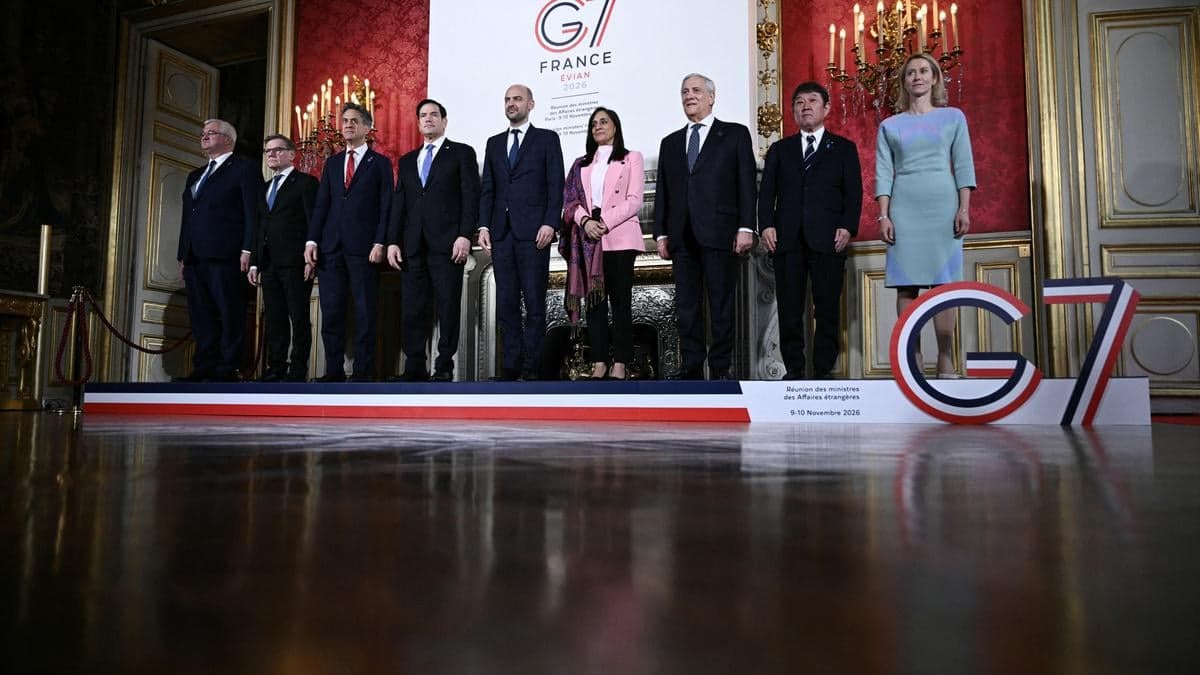
The G7 foreign ministers, meeting in Paris, issued a joint declaration pledging multi-year financial and defense support for Ukraine, beyond current spending cycles. The communiqué also expressed strong concerns over escalating military operations in the Taiwan Strait and reiterated calls for diplomatic resolutions to Iran's nuclear trajectory. The ministers emphasized European security autonomy and the necessity of European involvement in any Eastern European settlements.
Read the full storyFold the full story2 min · 7 sources
Concluding two days of ministerial meetings in Paris under the 2026 French G7 presidency, the Group of Seven foreign ministers - representing Canada, France, Germany, Italy, Japan, the United Kingdom, and the United States, along with the High Representative of the European Union - issued a formal joint declaration detailing collective policy shifts across global theaters[1][2]. Hosted by French Foreign Minister Jean-Noël Barrot, the summit expanded its working sessions to include Ukrainian Foreign Minister Andrii Sybiha as well as senior diplomats from key partner states including Brazil, Egypt, Saudi Arabia, Kenya, and South Korea[3]. The resulting communiqué focused heavily on locking in multi-year Western commitments to Ukraine while delivering pointed strategic positions on maritime tensions in East Asia and non-proliferation in the Middle East[1][3][4].
Foremost among the ministerial outcomes was a coordinated pledge to construct financial assistance mechanisms for Kyiv that look beyond current spending cycles[5]. Addressing concerns regarding potential shifts in American foreign assistance, the ministers formally acknowledged the urgent necessity of securing Ukraine’s civilian and defense budgetary requirements for 2027 and subsequent years in a synchronized, multilateral fashion[5]. Parallel to financing pledges, the group endorsed infrastructure stabilization measures, welcoming the donor conference organized in Paris alongside the European Bank for Reconstruction and Development (EBRD) to repair and maintain the Chornobyl New Safe Confinement structure[1]. The communiqué also commended technical progress achieved through the Tallinn Mechanism - operating under Italian leadership - to bolster Ukraine’s civilian cyber infrastructure against escalating state-sponsored network disruptions[1].
The joint statement carried a firm message regarding European security autonomy, explicitly underscoring that any negotiated political or territorial settlements in Eastern Europe must directly involve European nations[5]. This clause represented a deliberate signal directed at the simultaneous, U.S.-brokered talks occurring in the Middle East, emphasizing that the European continent’s defense architecture cannot be rewritten bilaterally[6][5]. Outside Europe, the G7 delivered an explicit collective warning regarding military escalations in East Asia, voicing deep concern over expanding naval and air operations east of Taiwan and reaffirming the vital importance of peace and freedom of navigation across the Taiwan Strait[4].
Regarding the Middle East, the G7 communiqué commended regional mediators for de-escalation efforts while holding a firm line on Iran’s nuclear trajectory[1]. The ministers reiterated their backing for diplomatic resolutions addressing the proliferation risks posed by Tehran’s advanced enrichment activities, coinciding with statements from Iranian security officials affirming that domestic enriched uranium stockpiles would not be transferred abroad[1][7]. The comprehensive Paris declaration demonstrates that while individual member states pursue differing diplomatic tactics, the G7 bloc is striving to maintain institutional unity on core economic, defense, and non-proliferation policies[1][2].
- G7
- France
- Germany
Story 6 of 16
2 min read
G7 Condemns Chinese Naval Activity East of Taiwan
G7 Foreign Ministers have issued a joint declaration condemning China's military and coast guard operations east of Taiwan as a threat to regional peace and international shipping. The ministers warned against Beijing's unilateral attempts to alter the regional status quo through coercive measures in the Pacific.
Read the full storyFold the full story1 min · 4 sources
Concluding their two-day diplomatic ministerial in Paris under the French presidency, the Foreign Ministers of the Group of Seven (G7) issued a joint declaration late on November 11, 2026, that formally singled out Chinese military and coast guard operations in the waters east of Taiwan as a direct threat to international shipping and regional peace[1][2][3]. Representing Canada, France, Germany, Italy, Japan, the United Kingdom, and the United States, along with the High Representative of the European Union, the ministers explicitly warned against Beijing’s ongoing attempts to unilaterally alter the regional status quo through coercive measures in the Pacific[1][3].
The language represents a nuanced but critical geographical shift in allied diplomacy regarding Taiwan[3]. While previous G7 declarations have routinely called for peace and stability across the Taiwan Strait, the Paris ministerial specifically focused attention on the deep waters off Taiwan’s eastern coast[2][3]. Since mid-2026, Beijing’s People’s Liberation Army Navy (PLAN) and the China Coast Guard have dramatically increased regular patrols, combat readiness exercises, and boarding drills east of the island[2][3]. Taiwanese defense officials have raised alarms that these exercises are rehearsals for a full maritime isolation campaign aimed at sealing off eastern deep-water ports like Su’ao and Hualien, which are considered indispensable for receiving allied wartime logistical shipments and energy resupplies from across the Pacific[4][3].
In Taipei, the Presidential Office immediately welcomed the G7 declaration, stating that international recognition of security threats off Taiwan’s Pacific coastline is indispensable for maintaining free and open maritime corridors[3]. Strategically, the G7's public focus on the eastern approaches signifies that Western defense planners increasingly view Beijing’s gray-zone maritime encirclement, rather than an amphibious strait assault, as the primary operational risk to Taiwan’s sovereignty[2][3]. This multilateral stance establishes the diplomatic justification for expanded allied naval monitoring and freedom-of-navigation exercises in the Philippine Sea, foreshadowing heightened friction between Western naval formations and Chinese coast guard patrols operating beyond the First Island Chain[2][3].
- G7
- China
- Taiwan
Story 7 of 16
2 min read
Turkey Hosts Talks for South Caucasus and Middle East Normalization
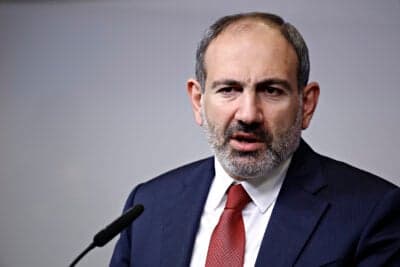
At the COP31 summit in Antalya, Turkish President Recep Tayyip Erdoğan facilitated critical bilateral discussions aimed at resolving conflicts in the South Caucasus and the Middle East. Armenian Prime Minister Nikol Pashinyan met with Turkish and regional leaders to advance the normalization process, including restoring diplomatic relations and opening borders. The summit also saw diplomatic outreach involving Syrian and Iraqi leaders on regional issues like water rights and border security.
Read the full storyFold the full story1 min · 2 sources
The COP31 United Nations gathering in Antalya, Türkiye, developed into a hub for regional diplomacy, with Turkish President Recep Tayyip Erdoğan hosting critical bilateral sessions aimed at resolving long-standing conflicts in the South Caucasus and the broader Middle East[1][2][2]. Foremost among these encounters was the working visit of Armenian Prime Minister Nikol Pashinyan, who arrived in Antalya to participate in the Leaders’ Summit and hold bilateral discussions with Turkish and regional leadership[1]. Pashinyan’s participation marks a crucial milestone in the normalization process between Yerevan and Ankara, which seeks the full restoration of formal diplomatic relations, border demilitarization, and the permanent opening of long-sealed frontiers[1].
The Antalya talks build on a cautious rapprochement that began with special envoy negotiations in 2022 and expanded through humanitarian diplomacy following the 2023 earthquakes[1]. In recent months, direct air cargo trade and official exchanges have laid the foundation for comprehensive normalization[1]. Pashinyan’s high-profile presence on Turkish soil reflects Yerevan’s broader foreign policy pivot away from its historic security dependence on Moscow toward regional integration and diversified alliances[1]. The bilateral discussions centered on operationalizing the Margara-Alijan land border crossing for third-country nationals and accelerating cross-border transit links, directly impacting the finalization of a binding peace treaty between Armenia and Azerbaijan[1].
Parallel to the South Caucasus track, the Antalya summit facilitated key diplomatic outreach involving Middle Eastern leaders navigating structural political transitions[2][2]. Syrian President Ahmed al-Sharaa utilized the multilateral gathering to engage with international counterparts and expand diplomatic dialogue[2]. In tandem, Iraqi President Abdul Latif Rashid conducted bilateral meetings with President Erdoğan and United Nations Secretary-General António Guterres on the sidelines of the summit, addressing regional water rights, border security cooperation, and economic corridors[2].
The sideline diplomacy in Antalya illustrates how international climate conferences are functioning as pragmatic networking venues for regional powers[2][2]. Amid ongoing security crises across the Middle East and Eastern Europe, the Turkish government successfully positioned itself as a diplomatic bridge, utilizing the conference platform to advance regional normalization and trade connectivity that had previously stalled in traditional bilateral forums[1][2][2].
- Turkey
- Recep Tayyip Erdoğan
- Armenia
Story 8 of 16
2 min read
Brazil and Venezuela Restore Diplomatic Ties at Antalya Climate Summit
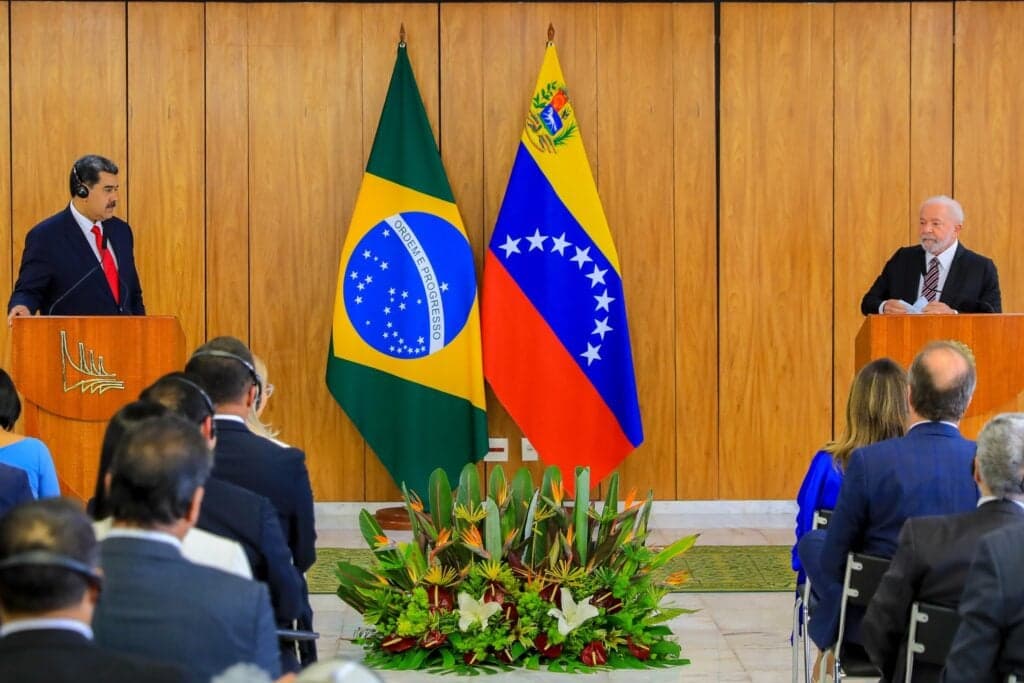
Presidents Lula da Silva of Brazil and Acting President Delcy Rodríguez of Venezuela have agreed to fully restore diplomatic relations, ending a significant estrangement between the South American neighbors. The agreement was reached during a bilateral meeting on the sidelines of the COP31 World Leaders' Summit in Antalya, Türkiye. This move reactivates direct ties, which had been frozen since Venezuela's contentious 2024 election and subsequent political crisis.
Read the full storyFold the full story1 min · 2 sources
In a major diplomatic reset for South America, Brazilian President Luiz Inácio Lula da Silva and Venezuelan Acting President Delcy Rodríguez reached an agreement to fully restore high-level diplomatic relations between their two countries[1][2]. The reconciliation occurred during a private bilateral meeting held on the sidelines of the COP31 World Leaders' Summit in Antalya, Türkiye[1][2]. The decision reactivates direct ambassadorial and institutional ties, ending an estrangement that had disrupted border trade, consular services, and regional political integration across the Amazon basin[1][2].
Relations between Brasília and Caracas had deteriorated into near-total diplomatic freeze following Venezuela’s contentious July 2024 presidential election, during which Brazilian officials declined to endorse the announced election returns[1][2]. Tensions reached an apex following the domestic political crisis in January 2026, which led to the detention of President Nicolás Maduro and the subsequent assumption of the acting presidency by Delcy Rodríguez[1][2]. Although President Lula had criticized foreign military intervention in Venezuela as a breach of sovereignty, formal engagement had remained dormant until the face-to-face negotiations in Türkiye[1][2].
Following the Antalya meeting, both leaders announced a joint diplomatic roadmap prioritizing the immediate review of bilateral trade treaties, tariff structures, and cross-border energy grids[1]. Central to the renewed partnership is an economic framework focusing on Venezuelan petroleum assets[2]. The Brazilian presidency confirmed that direct talks have commenced regarding potential state and private Brazilian investments to rehabilitate Venezuela’s oil and natural gas infrastructure[2]. To formalize this agenda, Brazilian Minister of Mines and Energy Alexandre Silveira was directed to lead an official economic delegation to Caracas before the end of the year[2].
The restoration of full bilateral ties carries broad geopolitical ramifications across Latin America[1]. By re-engaging Caracas, Brazil reasserts its traditional diplomatic posture as a regional mediator capable of maintaining pragmatic ties regardless of regime shifts[1][2]. For the Rodríguez administration, securing formal normalization with South America’s largest economic power provides substantial diplomatic legitimacy and economic relief, facilitating Venezuelan reintegration into continental trade forums and easing cross-border friction[1][2].
- Brazil
- Venezuela
- Luiz Inácio Lula da Silva
Story 9 of 16
2 min read
India and South Africa Strengthen Strategic Partnership, Align on Global South Issues
India and South Africa have reaffirmed their Strategic Partnership and commitment to advancing the Global South agenda during the 12th Foreign Office Consultations in Pretoria. The meeting established an operational roadmap up to 2027, focusing on defense, counter-terrorism, trade, technology, and education. Both nations emphasized their synchronized strategic priorities within multilateral institutions like the G20, BRICS, and IBSA.
Read the full storyFold the full story2 min · 3 sources
Senior diplomatic delegations from India and South Africa convened in Pretoria for the 12th session of the India–South Africa Foreign Office Consultations (FOC), conducting an exhaustive review of their bilateral Strategic Partnership and reinforcing joint leadership across the Global South[1][2]. The bilateral session was co-chaired by Janesh Kain, Joint Secretary for East and Southern Africa in the Indian Ministry of External Affairs, and Ambassador David Malcomson, Acting Deputy Director General of South Africa’s Department of International Relations and Cooperation (DIRCO)[1][2].
The bilateral dialogue covered defense and security cooperation, counter-terrorism intelligence sharing, trade and technological transfers, and educational and scientific collaborations[2]. The consultations established an operational roadmap leading up to 2027, which will mark the 30th anniversary of the formal establishment of the India–South Africa Strategic Partnership[2]. A joint readout released by the Indian Ministry of External Affairs affirmed that both nations had synchronized their strategic agendas across core multilateral institutions, reaffirming their shared commitment to the G20, the BRICS coalition, and the India-Brazil-South Africa (IBSA) dialogue forum[1][2].
The reinforcement of the New Delhi–Pretoria axis occurs during sustained realignments within international institutions, as major developing economies increasingly coordinate to resist binary geopolitical alignment amid intensifying friction between the Western bloc, Russia, and China[3][1]. Both India and South Africa have sought to utilize plurilateral mechanisms like BRICS to advocate for local-currency trade settlements, institutional reform within the United Nations Security Council, and broader sovereignty in international decision-making[3][2]. By synchronizing their diplomatic priorities, the two regional heavyweights aim to insulate their domestic economies from external sanctions shocks while bolstering South-South supply chains in critical minerals, pharmaceuticals, and agricultural commodities[2].
Strategic commentators in New Delhi and Pretoria observed that the consultations demonstrate the enduring resilience of mid-tier geopolitical alliances[2]. Despite diverging domestic economic pressures and complex bilateral relationships with other global powers, both governments reaffirmed that non-Western coalitions remain essential vehicles for shaping international norms[3][2]. Diplomatic sources underscored that the institutional mechanisms reviewed in Pretoria will serve as the foundation for joint defense manufacturing initiatives and heightened maritime security cooperation across the Indian Ocean rim over the coming year[2].
- India
- South Africa
- Pretoria
Story 10 of 16
2 min read
EU and OACPS Nations Push Samoa Agreement for Global South Cooperation
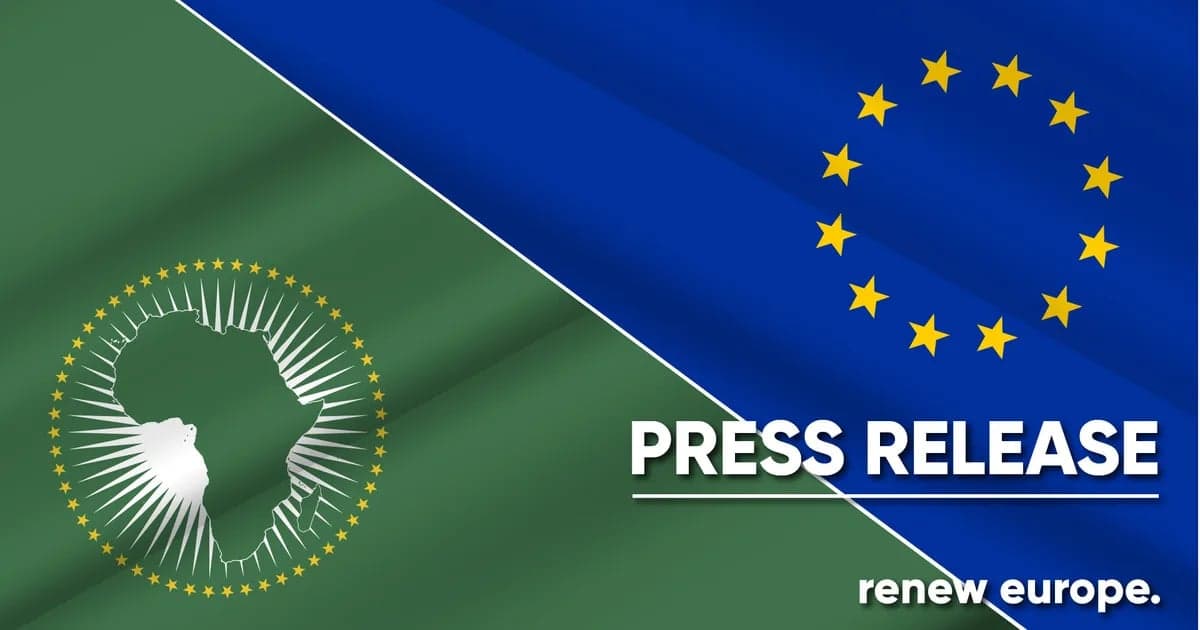
Lawmakers from the European Union and the Organisation of African, Caribbean and Pacific States (OACPS) met in Brussels to advance the Samoa Agreement, aiming to translate the pact into concrete geopolitical, economic, and security outcomes. The assembly focused on securing sustainable trade, establishing critical raw material processing, and coordinating development financing, emphasizing a partnership of equals to counter disinformation and resource competition.
Read the full storyFold the full story2 min · 4 sources
The parliamentary leadership of the European Union and the 79-member Organisation of African, Caribbean and Pacific States (OACPS) mobilized in Brussels for the second OACPS–EU Joint Parliamentary Assembly, pushing forward operational strategies under the overarching Samoa Agreement[1][2]. The parliamentary summit, which brought together roughly 160 lawmakers from Europe, Africa, the Caribbean, and the Pacific, was designed to transition the 20-year legal partnership from diplomatic rhetoric into concrete geopolitical, economic, and security deliverables[1][3][2].
The assembly was co-led by Francisco Assis, Chair of the European Parliament's OACPS Delegation, and Thomas Tayebwa, Co-President of the Joint Parliamentary Assembly, alongside key European figures including Hilde Vautmans, Co-President of the Africa–EU Parliamentary Assembly[1][2]. Discussions were accompanied by direct bilateral implementation dialogues under Article 3 of the pact, including formal ministerial negotiations between the European External Action Service - directed by Pelayo Castro - and partner states like Trinidad and Tobago, represented by Foreign Minister Sean Sobers[4]. Lawmakers emphasized that the Samoa framework, which encompasses over 100 sovereign nations and roughly 2 billion people, must be leveraged immediately to secure sustainable trade channels, establish critical raw material processing ecosystems, and coordinate development financing through the EU’s Global Gateway strategy[1][3][2].
The geopolitical backdrop of the assembly is defined by rapid multipolar fragmentation and heightened competition for access to critical resources and strategic maritime regions[1][2]. European lawmakers, particularly from the Renew Europe and S&D parliamentary groups, acknowledged that Brussels is losing diplomatic and informational ground across the Global South to Russia and China[1]. Delegations noted that while historical treaties often treated developing partner nations purely as sources of raw extraction, the Samoa framework must function as a "partnership of equals" that finances local processing, creates industrial employment, and respects national sovereignty[1][2].
Lawmakers and developmental economists present at the assembly concluded that the legal framework of the Samoa Agreement faces a critical implementation test[1][2]. With developing economies in Africa, the Pacific, and the Caribbean facing acute climate adaptation strains, mounting sovereign debt burdens, and aggressive courting from non-Western coalitions, the assembly resolved that European commitments to financing, technology sharing, and ocean governance must materialize rapidly[1][3][2]. Observers noted that without prompt, measurable investments in local industrial capacity and regional security infrastructure, the EU risks watching its historic partnerships erode in favor of more transactional, immediate alternatives offered by competing geopolitical blocs[1][2].
- European Union
- Organisation of African, Caribbean and Pacific States
- Samoa Agreement
Story 11 of 16
2 min read
Iran Designates Argentine Military Branches as Terrorist Organizations
Iran's Ministry of Foreign Affairs has officially designated Argentina's Navy and Air Force as terrorist organizations, citing reciprocity for Argentina's earlier designation of the Islamic Revolution Guards Corps (IRGC). This action escalates a diplomatic dispute originating from Argentina's stance on the IRGC's alleged role in past terror attacks on Argentine soil. The designation could lead to implications for maritime navigation and international law.
Read the full storyFold the full story2 min · 6 sources
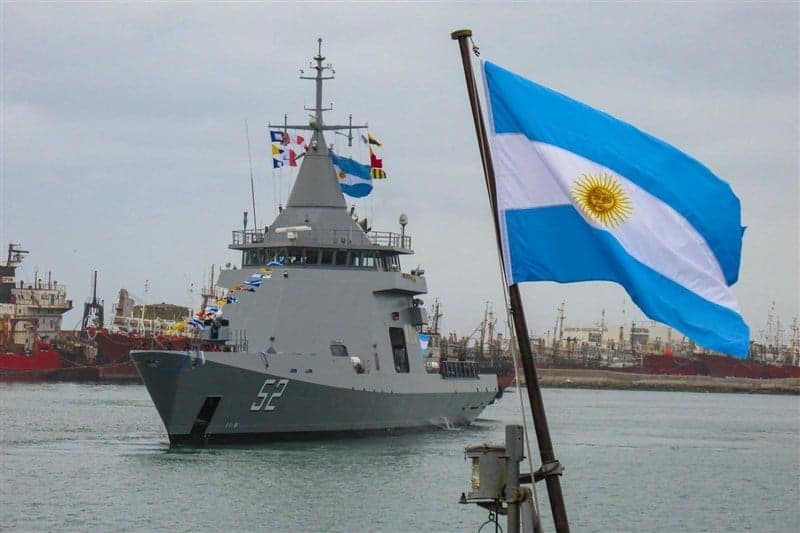
In an unprecedented escalation of diplomatic retaliation, the Iranian Ministry of Foreign Affairs officially designated the Argentine Navy (Armada de la República Argentina) and Argentine Air Force (Fuerza Aérea Argentina) as terrorist organizations on November 11, 2026[1][2]. Tehran announced that the decision was taken under the principle of reciprocity pursuant to a 2019 Iranian statute titled "Countermeasure in Response to the United States' Designation of the Islamic Revolution Guards Corps as a Terrorist Organization"[1][2]. Under this legal framework, Iranian authorities are mandated to impose matching retaliatory designations on any foreign state or official military apparatus that supports or complies with American terror listings against the Islamic Revolutionary Guard Corps (IRGC)[1][2]. The Iranian Foreign Ministry stated that the government in Buenos Aires will bear full responsibility for all international consequences stemming from the move[1][2].
The diplomatic feud originates from actions taken earlier in the year by Argentine President Javier Milei[3]. In late March and April 2026, Argentina formally designated the IRGC as a terrorist entity, following intense geopolitical coordination with Washington and longstanding judicial findings inside Argentina[4][3]. Argentine courts and intelligence agencies have long attributed responsibility to the IRGC and its proxy Hezbollah for two of the worst terror attacks on Argentine soil: the 1992 bombing of the Israeli Embassy in Buenos Aires and the 1994 bombing of the Argentine Jewish Mutual Association (AMIA) community center, which claimed 85 lives[4][3]. Milei's administration expelled Iran's chargé d'affaires in early April, setting off months of deteriorating bilateral relations[3]. Notably, Tehran’s reciprocal designation on November 11 specifically targeted Argentina's naval and aerial branches while leaving the Argentine Army unmentioned - mirroring a similar designation Tehran enacted on November 1 against Britain’s Royal Navy and Royal Air Force[4][5].
This move carries significant long-term legal and security implications for South American foreign policy and international maritime navigation. By converting conventional national military branches into legally defined "terrorist entities," Tehran establishes a domestic justification under Iranian law to harass, intercept, or seize Argentine-flagged naval and state aviation assets operating near critical Middle Eastern waterways, such as the Persian Gulf or the Red Sea[1][5]. While Argentina’s military deployments in the Middle East are sparse, the classification creates acute risks for joint multinational maritime security task forces and military training deployments[4]. More broadly, it establishes an alarming precedent where sovereign armed services are treated as illicit non-state militant organizations in bilateral disputes, threatening to further fray the protections afforded to military personnel under international law[1][6].
- Iran
- Argentina
- Islamic Revolution Guards Corps (IRGC)
Story 12 of 16
2 min read
Kenya and European Union Forge Comprehensive Strategic Partnership
Kenya and the European Union have elevated their relationship to a Comprehensive Strategic Partnership, marking 50 years of formal ties. This enhanced agreement focuses on intensifying economic, governance, and security cooperation, aiming to bolster Western strategic engagement in East Africa. It includes accelerating the Economic Partnership Agreement, increasing trade, and enhancing collaboration on regional security challenges.
Read the full storyFold the full story2 min · 3 sources
Kenyan President William Ruto announced the elevation of bilateral relations between Kenya and the European Union into a Comprehensive Strategic Partnership following a high-level summit at State House in Nairobi with the heads of European Union diplomatic missions[1]. The diplomatic recalibration coincides with the 50th anniversary of formal relations between Nairobi and Brussels, codifying an intensified economic, governance, and security compact designed to anchor Western strategic engagement in East Africa[1].
The announcement formalizes an institutional transition from conventional development assistance to a strategic alliance centered on trade execution, regional security coordination, and industrial investment[1]. Under the elevated framework, Kenya and the EU agreed to accelerate the implementation of the bilateral Economic Partnership Agreement (EPA), targeting non-tariff barriers that impede Kenyan agricultural exporters and smallholder producers[1]. President Ruto underscored that the EU currently absorbs approximately 21 percent of Kenya’s global exports, preserving its position as Nairobi's largest unified external market[1]. Beyond commerce, the partnership outlines collaborative protocols on maritime surveillance, intelligence-sharing, and counter-insurgency support across the volatile Horn of Africa[1].
The timing of the pact reflects an aggressive geopolitical contest for influence across the African continent[2]. Over the past decade, non-Western powers - principally China, through extensive infrastructure lending, and Russia, via private military networks and security partnerships - have expanded their footprint in the Sahel, Central Africa, and the Red Sea littoral[2][3]. For Brussels, establishing a comprehensive strategic alliance with Kenya secures a stable, democratic diplomatic anchor in East Africa[1]. For Nairobi, the agreement provides access to European capital, climate finance mechanisms, and green industrial supply chains while allowing Kenya to retain its non-aligned, multivector diplomatic posture[1].
Diplomatic observers and regional trade analysts note that the upgrade signals European recognition that bilateral, tailored agreements yield more rapid strategic alignment than protracted continent-to-continent negotiations[1]. President Ruto affirmed that the partnership is firmly rooted in multilateralism, international law, and democratic governance, positioning Kenya as an ideological and logistical interlocutor for Western institutions in an otherwise shifting regional landscape[1]. However, European and Kenyan business chambers have indicated that the alliance's ultimate efficacy will hinge on whether Brussels can lower regulatory hurdles for East African goods while mobilizing private European investments to match the scale of infrastructure capital deployed by rival global powers[1].
- Kenya
- European Union
- William Ruto
Story 13 of 16
2 min read
Egypt and China Deepen Strategic Partnership, Focusing on African Stability and Trade
Egypt and China have consolidated their Comprehensive Strategic Partnership through high-level talks in Cairo, focusing on joint security, diplomatic, and infrastructure initiatives across North Africa and the Horn of Africa. The discussions centered on expanding trilateral development projects, utilizing Egypt's institutional framework for training African personnel backed by Chinese resources, and coordinating diplomatic efforts for regional stability.
Read the full storyFold the full story2 min · 2 sources
Egyptian Minister of Foreign Affairs, International Cooperation and Egyptian Expatriates Badr Abdelatty received Liu Xianfa, the Special Representative of the Chinese Government on African Affairs, in Cairo for comprehensive talks that solidified the Egypt–China Comprehensive Strategic Partnership[1]. The high-level meeting focused on operationalizing joint security, diplomatic, and infrastructure agendas across North Africa and the Horn of Africa, formalizing a deeper layer of Sino-Egyptian strategic alignment[1].
According to official briefings provided by Egyptian Foreign Ministry Spokesperson Nader Zaki, the discussions centered on expanding Sino-Egyptian trilateral development initiatives across the African continent[1]. Central to this framework is the deployment of Cairo’s institutional architecture - primarily the Cairo International Center for Conflict Resolution, Peacekeeping and Peacebuilding (CCCPA) - as an executive platform to train African diplomatic, administrative, and security personnel, backed by Chinese technical and developmental resources[1]. The talks also established a joint diplomatic approach ahead of the 6th edition of the Aswan Forum for Sustainable Peace and Development[1].
The strategic rationale driving this engagement involves escalating instability along key maritime and terrestrial corridors[1]. Abdelatty and Liu reviewed deteriorating conditions across the Red Sea, the civil conflict in Sudan, sovereignty disputes in Somalia, and broader flashpoints in the Horn of Africa[1]. Cairo explicitly reiterated its non-negotiable national interests, emphasizing the protection of Egyptian water security under international law, the absolute preservation of state sovereignty, and the imperative of safeguarding freedom of maritime navigation through the Red Sea and the Suez Canal - a commercial corridor vital to both Cairo's treasury and Beijing's international trade flows[1].
Regional security specialists observe that Beijing’s deepening institutional integration with Egypt provides China with a dependable political and operational fulcrum in the Middle East and North Africa[1]. While Washington’s regional strategic footprint has increasingly centered on kinetic operations and direct deterrence frameworks, China is utilizing comprehensive partnerships with foundational states like Egypt to present itself as an infrastructure patron, diplomatic mediator, and development alternative[2][1]. For Egypt, embedding Beijing into regional security dialogues offers external leverage against regional rivals and unilateral riverine infrastructure moves in upstream Nile basins, demonstrating how traditional Middle Eastern middle powers are leveraging Asian partnerships to secure vital geographic interests[1].
- Egypt
- China
- Badr Abdelatty
Story 14 of 16
2 min read
Germany Bans Chinese Drones for Bundeswehr to Enhance Security
Germany's Ministry of Defence has implemented an immediate ban on Chinese-made commercial drones for all Bundeswehr military training and exercises. Existing drones will be phased out and replaced by European-made systems. This decision aims to safeguard classified communications and mitigate surveillance risks associated with Chinese technology.
Read the full storyFold the full story1 min · 4 sources
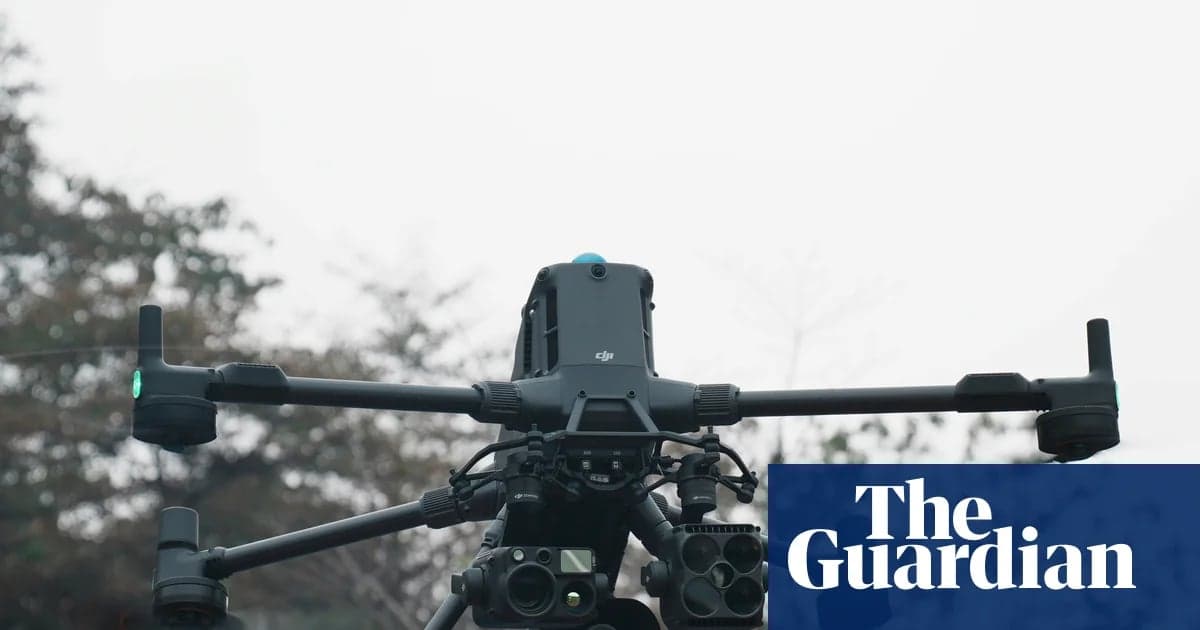
The German Federal Ministry of Defence announced on November 11, 2026, an immediate blanket prohibition on the use of Chinese-manufactured commercial drones for all military training and tactical exercises within the armed forces (Bundeswehr)[1][2]. The defense ministry declared that existing Chinese-built inventories will be phased out as rapidly as possible and replaced entirely by systems engineered and manufactured in Germany or other European partner nations[2][3]. German defense officials framed the policy shift as an essential measure to safeguard classified military communications, eliminate surveillance risks, and guarantee "technological sovereignty and self-sufficiency" across all military installations[2].
The sudden restriction follows growing allied anxiety regarding the widespread penetration of off-the-shelf Chinese electronics across Western defense installations[1]. Under a decentralized 2024 procurement framework, unit commanders across the Bundeswehr had been permitted to bypass bureaucratic acquisition red tape by purchasing commercial off-the-shelf (COTS) micro-drones for troop training, reconnaissance drills, and simulated target practice using an approved "white list"[1][2]. That list permitted various systems produced by Shenzhen-based DJI, the world’s dominant consumer drone manufacturer[1]. However, because individual units procured gear without a central operational registry, German intelligence and military counter-espionage officials warned that software updates, cloud links, and integrated sensors could transmit precise geolocational data and tactical training telemetry directly to servers subject to Beijing's national intelligence laws[1][3].
This policy pivot aligns Berlin with a broader Western initiative to purge Chinese hardware from military infrastructure. Earlier in the year, the United States banned Chinese electric vehicles manufactured by BYD from Kadena Air Base in Japan, while Poland prohibited Chinese smart vehicles from entering sensitive security zones[1][3]. By forcing the Bundeswehr to decommission all Chinese COTS platforms, the German government is triggering an abrupt realignment for European drone manufacturers, such as Quantum Systems and other domestic tech startups, who must rapidly scale production of cost-effective micro-UAVs to fill the tactical training void[3][4]. In the longer run, the directive marks the end of Western militaries exploiting cheap Chinese consumer drones for training purposes, solidifying a permanent defense supply chain decoupling between NATO partners and China's tech sector[1][2].
- Germany
- Bundeswehr
- China
Story 15 of 16
2 min read
Sudan Lifts Ban on Kenyan Tea Imports After Diplomatic Thaw
Sudan has officially lifted its 20-month embargo on Kenyan tea imports following bilateral discussions between President William Ruto and Prime Minister Kamil Idris. The trade dispute began in March 2025 when Sudan retaliated against Kenya for hosting negotiations that allowed rival Sudanese factions to form a parallel administration. This resolution is expected to provide economic relief to Kenya's agricultural sector.
Read the full storyFold the full story2 min · 7 sources
Sudan’s Ministry of Industry and Trade issued Ministerial Order No. 25 of 2026 on November 11, formally terminating a 20-month trade embargo that had halted all imports of Kenyan tea into the country[1][2]. Trade and Industry Minister Mahasin Ali Yaqoub enacted the directive following formal clearance by Sudan’s Transitional Sovereignty Council, chaired by General Abdel Fattah al-Burhan, and subsequent cabinet approval[2]. The diplomatic breakthrough occurred during face-to-face discussions between Kenyan President William Ruto and Sudanese Prime Minister Kamil Idris on the sidelines of the Common Market for Eastern and Southern Africa (COMESA) Heads of State and Government Summit held in Harare, Zimbabwe[3][4].
The trade dispute traces back to March 2025, when Khartoum abruptly severed economic ties and declared Kenya’s ambassador persona non grata[4][5]. The diplomatic rift erupted after the Kenyan government hosted political negotiations in Nairobi that allowed General Mohamed Hamdan Dagalo’s paramilitary Rapid Support Forces (RSF) and allied political factions to sign a founding charter aimed at establishing a rival parallel administration in war-torn Sudan[4][5][6]. In response, the Sudanese military-led government weaponized trade against Kenya by blocking its premier cash crop[5][1]. The fallout severely hit the East African agricultural sector: tea is Kenya’s leading agricultural foreign exchange earner, generating upwards of 254 billion shillings ($1.9 billion) annually[5]. Prior to the ban, Sudan was one of the three largest global consumers of Kenyan black tea, importing between $70 million and $100 million worth of tea per year[7][4]. The embargo left more than 3.4 million kilograms of processed tea stranded in Mombasa port warehouses, driving down auction prices and threatening the earnings of roughly 600,000 smallholder farmers[5][6].
President Ruto celebrated the resolution as an example of constructive regional diplomacy, while intentionally steering clear of commentary regarding Kenya’s prior mediation engagements with the RSF[3][4]. The restoration of the trade corridor provides immediate economic relief to the Mombasa Tea Auction, which serves as the primary export engine not only for Kenya, but also for landlocked neighboring producers including Rwanda, Uganda, and Burundi who depend on Kenyan logistics[7][5]. Beyond commodity markets, the bilateral deal indicates that Sudan’s military-backed authorities are willing to de-escalate trade leverage against neighboring African capitals, signaling a pragmatic shift toward regional economic stabilization even as internal combat within Sudan persists[7][1].
- Sudan
- Kenya
- William Ruto
Story 16 of 16
2 min read
Russia Imposes Travel Bans on French Lawmakers and Journalists
Russia has banned two French lawmakers and two investigative journalists from entering the country in retaliation for France's expulsion of RT France news director Xenia Fedorova. The individuals targeted were accused of involvement in Fedorova's expulsion and the broader French efforts against Russian state-linked influence operations.
Read the full storyFold the full story2 min · 5 sources
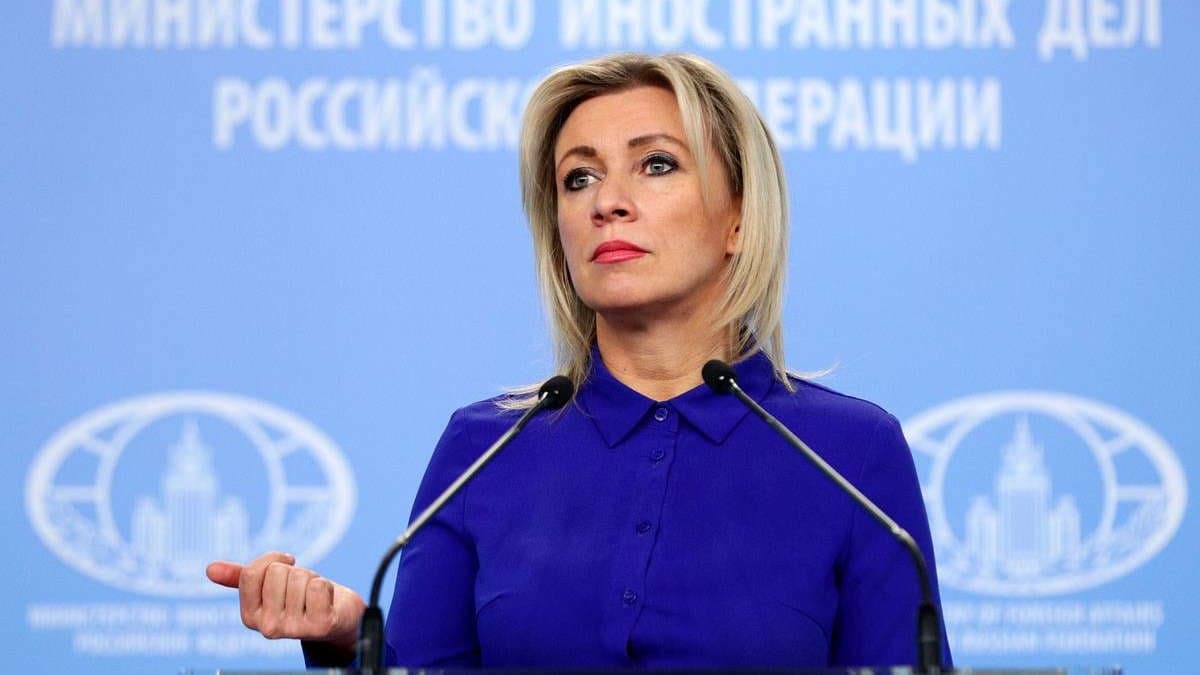
The Russian Ministry of Foreign Affairs escalated its diplomatic confrontation with Paris on November 11, 2026, barring two prominent French lawmakers and two leading investigative journalists from entering the Russian Federation[1][2]. Russian Foreign Ministry spokeswoman Maria Zakharova announced during a press briefing in Moscow that entry bans had been imposed against Members of the French National Assembly Sacha Houlié (Place publique) and Arthur Delaporte (Socialist Party), alongside investigative journalists Ariane Chemin of Le Monde and independent correspondent Paul Gogo, who had reported from Moscow for nearly a decade[2]. Zakharova stated that the individuals were declared persona non grata due to their active involvement in the "harassment" and eventual expulsion from France of Russian media personality Xenia Fedorova[3][2].
The blacklisting represents a direct reprisal for the French government's sustained offensive against Russian state-linked influence operations[3][2]. Fedorova had served as the president and news director of RT France until the European Union banned the outlet following the 2022 invasion of Ukraine[4]. After the network folded, Fedorova remained resident in France, resurfacing as a commentator across conservative media outlets controlled by billionaire Vincent Bolloré, including television network CNews, radio station Europe 1, and the newspaper Le Journal du Dimanche[2][5][4]. Lawmaker Arthur Delaporte had publicly challenged the French Interior Ministry over the validity of Fedorova's residency permit, characterizing her as a destabilizing foreign agent, while Sacha Houlié had authored an influential parliamentary report dissecting Kremlin foreign interference mechanisms across French political life[2]. Consequently, French authorities issued an expulsion order and asset freeze against Fedorova in late July 2026, leading to her designation under EU-wide sanctions in September[2][5].
Reacting to the Russian sanctions on social media, Houlié characterized the entry ban as a "badge of honor and recognition" of his legislative efforts against foreign influence operations, vowing to intensify congressional oversight of Russian disinformation networks[2]. The move carries wider diplomatic significance by demonstrating Moscow’s willingness to directly sanction individual foreign parliamentarians and active beat journalists over the expulsion of Russian state media operatives[3][2]. By targeting specific reporters and oversight committee members, Moscow is attempting to establish a reciprocal deterrent against European legal and journalistic investigations into foreign covert influence, ensuring that bilateral Franco-Russian diplomatic relations remain entirely frozen[2][4].
- Russia
- France
- Xenia Fedorova
You're all caught up.
That's every story in Thursday's PiBrief Geopolitics. And there's a newer edition waiting for you.
All PiBrief Geopolitics editions
Subscribe to receive daily briefings about geopolitics and world news in your email.
Get PiBrief Geopolitics in your inbox
A free newsletter on geopolitics and world news. Diplomacy, conflict, the global economy, and elections, ranked and explained, with an audio briefing in every edition.
Free forever / no account / 1-click unsubscribe