
Ukraine POW deal, US-China AI accord & NATO 3.0 push
Trilateral diplomacy yields a major prisoner exchange between Russia and Ukraine as European leaders deliberate their role in upcoming peace negotiations. Meanwhile, Washington and Beijing agree to an incident mechanism on artificial intelligence ahead of the Shenzhen APEC summit. In defense, the Pentagon pushes allies toward a restructured burden-sharing framework across NATO and AUKUS.
16 stories70 sources checked
Listen to this edition
PiBrief Geopolitics, November 13, 2026
The lineup
In this edition
 01
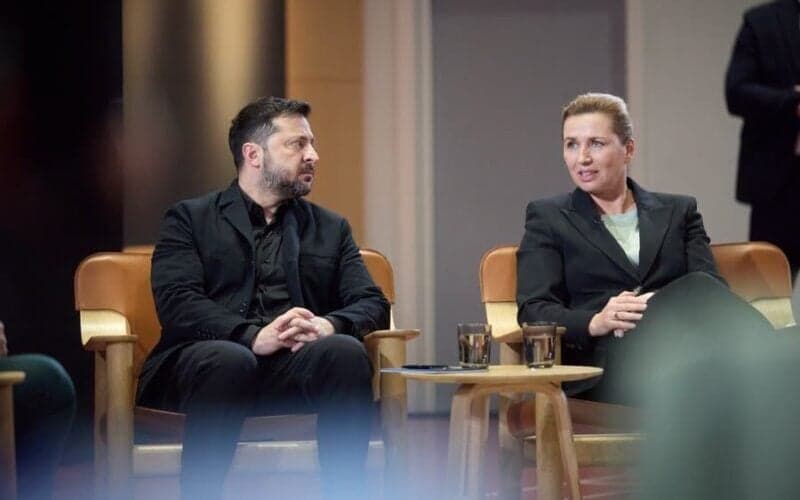
US-Russia-Ukraine Diplomacy Achieves POW Exchange, Welcomes European Negotiation Role
 02
EU Leaders Divided on Representation for Ukraine Peace Talks Amid US-Russia Diplomacy
 03
Russia Proposes Bilateral Non-Aggression Pacts to Fracture NATO
 04
Beijing Prepares APEC Declaration, Rejects G7 Communiqué Amid US Tech Sanctions Warnings
- 05
US and China Agree to AI Incident Mechanism Ahead of Shenzhen APEC Summit
 06
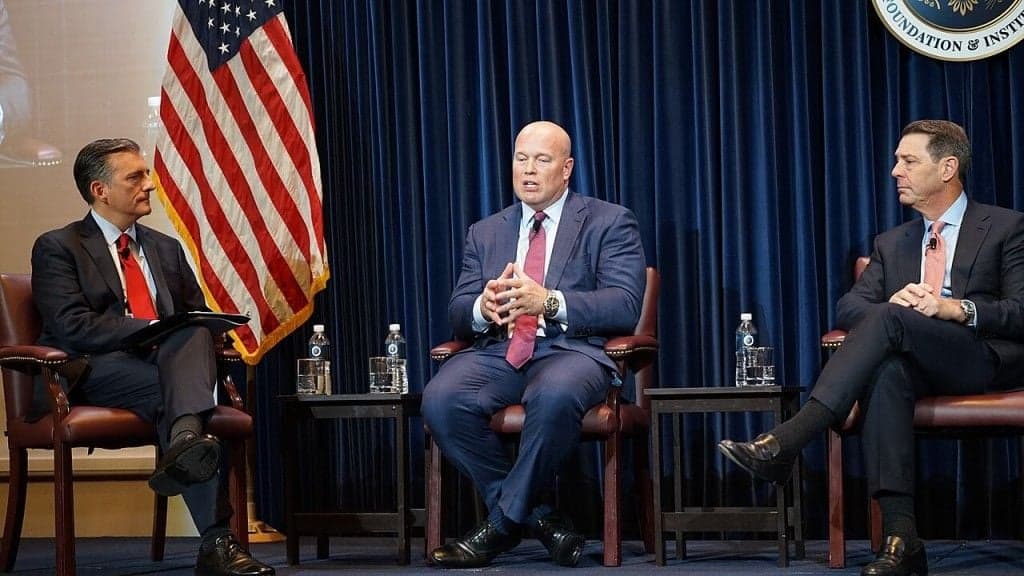
Pentagon Pushes AUKUS and NATO for "NATO 3.0" Burden Sharing
 07
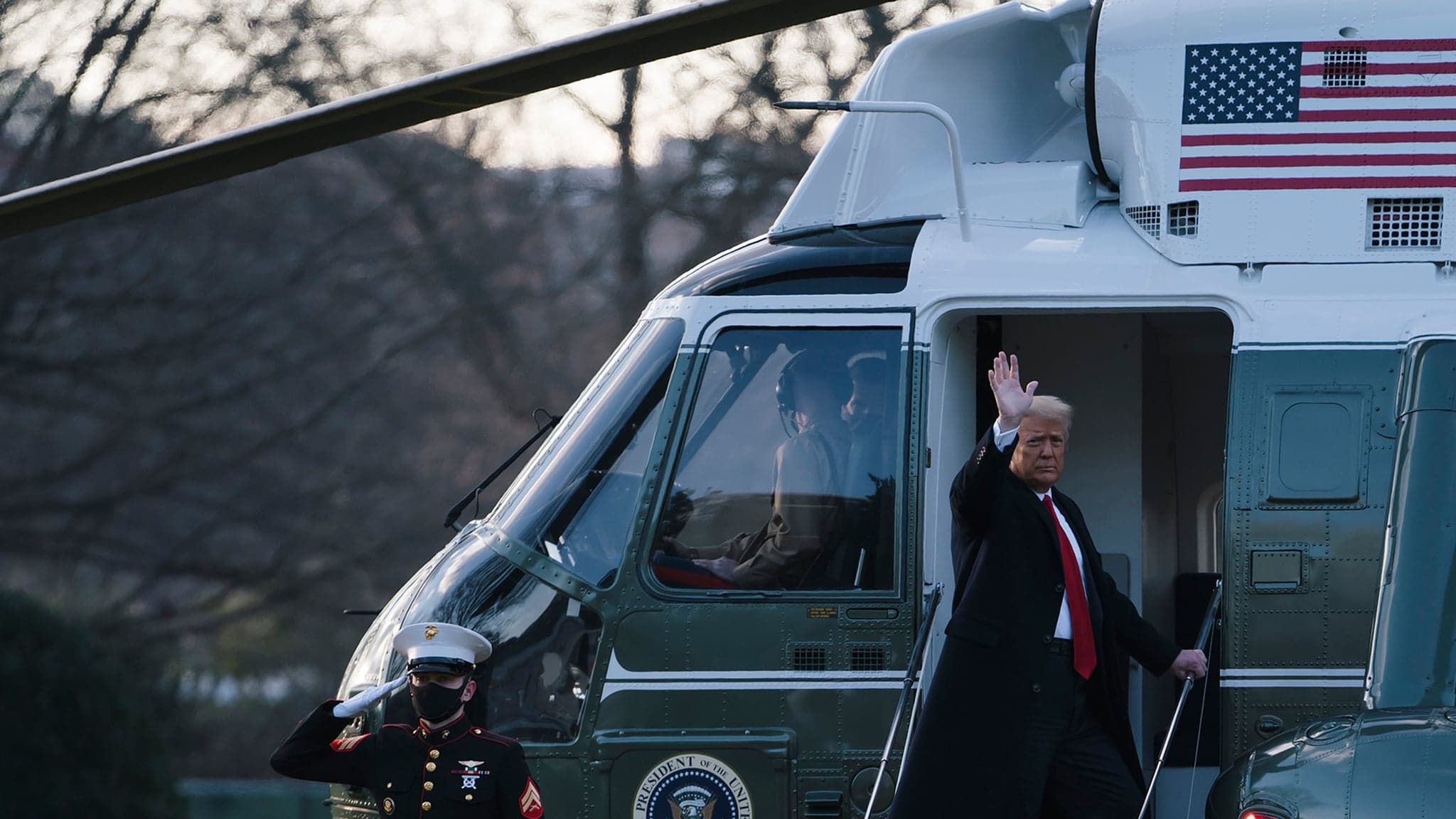
Indo-Pacific Diplomacy Intensifies Ahead of Manila Summits: Quad and East Asia Agendas Solidify
 08
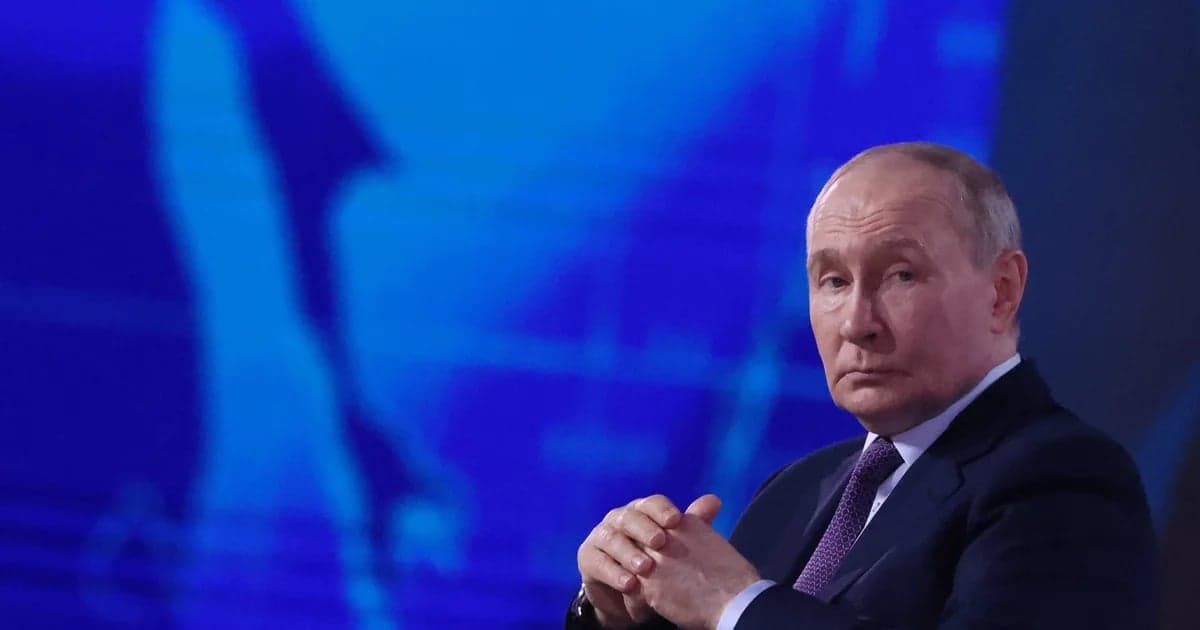
Moscow and Beijing Align Against Japan Over Kuril Islands Dispute
 09
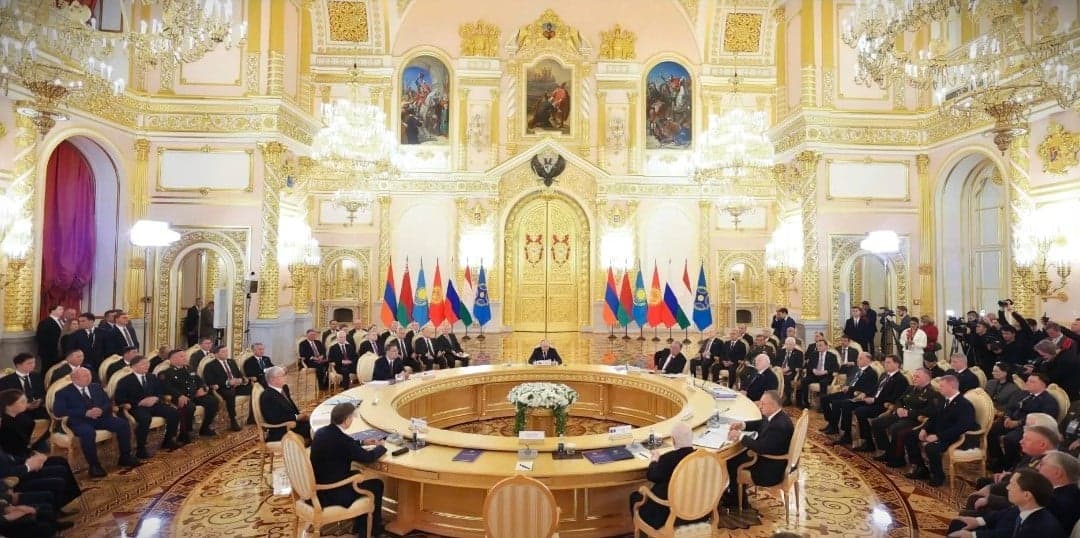
CSTO Consolidates Core, Expels Armenia from Leadership
 10
Pakistan Offers Troops to Saudi Arabia Under Makkah Defense Alliance
- 11
Egypt and Turkey Deepen Defense Ties, Reshaping Eastern Mediterranean Dynamics
 12
Thailand and Myanmar Enhance Bilateral Ties on Border Stability and ASEAN Re-Engagement
 13
EU Pursues Strategic Autonomy with Greenland Pact and Gulf Defense Outreach
 14
US-Iran Diplomacy Stalls Amid Gulf Tensions and Qatari Mediation Challenges
 15
India and Brazil Launch Dual-Use Space Launch Partnership
 16
COP31 Summit Concludes with Electrification Pact and Regional Power Diplomacy in Antalya
See all 16 as a listHide the list
- US-Russia-Ukraine Diplomacy Achieves POW Exchange, Welcomes European Negotiation Role
- EU Leaders Divided on Representation for Ukraine Peace Talks Amid US-Russia Diplomacy
- Russia Proposes Bilateral Non-Aggression Pacts to Fracture NATO
- Beijing Prepares APEC Declaration, Rejects G7 Communiqué Amid US Tech Sanctions Warnings
- US and China Agree to AI Incident Mechanism Ahead of Shenzhen APEC Summit
- Pentagon Pushes AUKUS and NATO for "NATO 3.0" Burden Sharing
- Indo-Pacific Diplomacy Intensifies Ahead of Manila Summits: Quad and East Asia Agendas Solidify
- Moscow and Beijing Align Against Japan Over Kuril Islands Dispute
- CSTO Consolidates Core, Expels Armenia from Leadership
- Pakistan Offers Troops to Saudi Arabia Under Makkah Defense Alliance
- Egypt and Turkey Deepen Defense Ties, Reshaping Eastern Mediterranean Dynamics
- Thailand and Myanmar Enhance Bilateral Ties on Border Stability and ASEAN Re-Engagement
- EU Pursues Strategic Autonomy with Greenland Pact and Gulf Defense Outreach
- US-Iran Diplomacy Stalls Amid Gulf Tensions and Qatari Mediation Challenges
- India and Brazil Launch Dual-Use Space Launch Partnership
- COP31 Summit Concludes with Electrification Pact and Regional Power Diplomacy in Antalya
Story 1 of 16
2 min read
US-Russia-Ukraine Diplomacy Achieves POW Exchange, Welcomes European Negotiation Role
High-level shuttle diplomacy between the US, Russia, and Ukraine has resulted in the largest prisoner-of-war exchange of the conflict to date. A significant diplomatic shift occurred as Moscow agreed in principle to include European representatives in future peace talks, a key demand from Kyiv and its allies. Despite this breakthrough, substantial disagreements remain regarding Ukraine's territorial integrity and post-war security guarantees.
Read the full storyFold the full story2 min · 9 sources
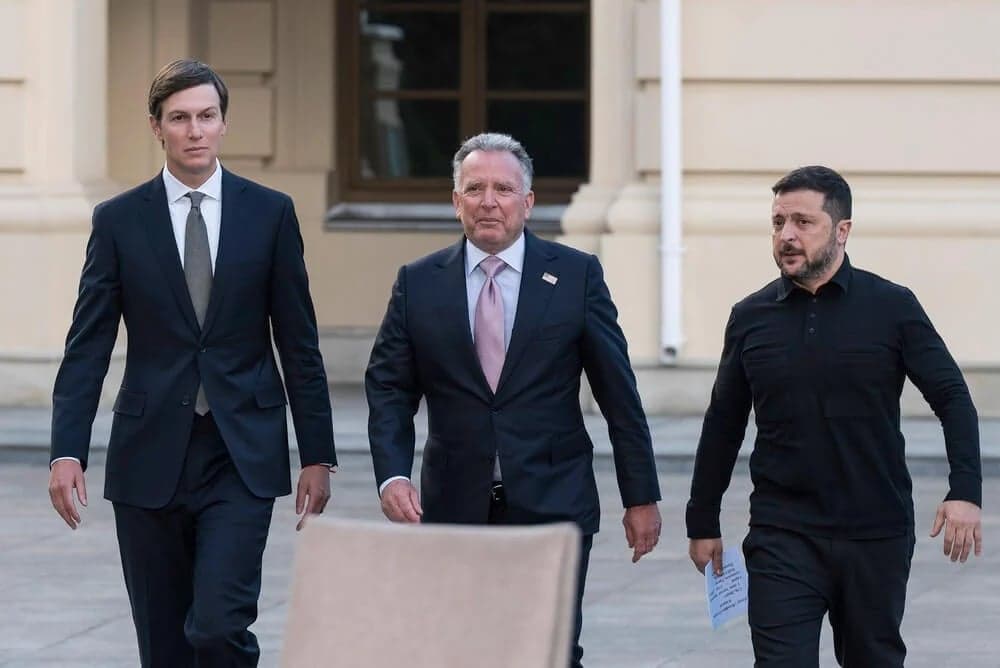
A flurry of high-stakes shuttle diplomacy between Washington, Moscow, and European capitals culminated late on November 12 and into November 13, 2026, marking what officials characterize as the most tangible diplomatic movement in the Russia-Ukraine conflict in months[1][2][3]. Following two days of closed-door trilateral talks in Abu Dhabi, United States presidential envoys Steve Witkoff and Jared Kushner traveled to Moscow on November 12 to hold direct discussions with Russian President Vladimir Putin at the Kremlin[2][4][5]. The envoys then flew straight to Casement Aerodrome in Baldonnel, near Dublin, Ireland, meeting Ukrainian President Volodymyr Zelensky late into the night while he attended the 9th European Political Community (EPC) summit[1][2].
The primary deliverable announced by Kushner and confirmed by Zelensky is an agreement to execute what is anticipated to be the war’s largest prisoner-of-war exchange, projected to reunite thousands of captured soldiers and detained civilians[6][3][4]. Beyond the humanitarian exchange, a critical diplomatic shift emerged: Moscow has agreed in principle to include European representatives directly at the negotiating table in the next round of peace talks[7][3][4]. Ukrainian and European leaders had long insisted that no decisions altering the European security architecture should be settled without direct European involvement[8][4]. German government spokespersons noted that an understanding reached among European, American, and Ukrainian officials in Abu Dhabi provided the baseline for potential subsequent direct dialogues with Moscow[1].
Despite this procedural breakthrough, profound strategic chasms persist[3]. Zelensky and senior Ukrainian officials reiterated that any lasting framework must guarantee Ukraine’s territorial integrity and provide enforceable, ironclad security commitments, refusing to cede the remaining unoccupied segments of the Donbas basin[9][3]. Concurrently, Kyiv expressed friction over recent restrictions imposed on U.S.-supplied satellite communications systems, as well as broader concerns about the contours of any proposed post-war European defense architecture[7]. Russian lead negotiator Vladimir Medinsky affirmed that while another round of negotiations has been authorized, Moscow maintains that any formal peace arrangement will be conditional on Ukraine's alignment and the posture of Western allies[1].
The willingness of Washington to utilize personal emissaries for direct shuttle mediation illustrates the Trump administration's aggressive push to engineer an exit ramp to the conflict[3][5]. While institutional allies remain vigilant over the risk of ad-hoc concessions, the institutionalization of European seats at the upcoming negotiating table represents a pivotal realignment, preventing bilateral U.S.-Russia discussions from sidelining continental capitals[8][4].
- United States
- Russia
- Ukraine
Story 2 of 16
2 min read
EU Leaders Divided on Representation for Ukraine Peace Talks Amid US-Russia Diplomacy
European leaders met in Dublin to discuss their role in upcoming Ukraine peace negotiations. Despite an opening for direct participation granted by US envoys and Ukrainian President Zelenskyy, member states are split on who should represent the continent. This division risks diluting Europe's influence as core security architecture questions are debated.
Read the full storyFold the full story2 min · 7 sources
European leaders convened in Dublin for an informal European Council and European Political Community summit amid growing diplomatic friction over Europe’s role in negotiations to end the war in Ukraine[1][2]. The gathering follows high-profile diplomatic shuttling by United States presidential envoys Steve Witkoff and Jared Kushner, who held direct talks with Russian President Vladimir Putin in Moscow before traveling to Ireland for discussions with Ukrainian President Volodymyr Zelenskyy[1][3]. Following a joint appearance with the American delegation at Dublin Airport, Zelenskyy indicated that European representatives would be granted direct participation in the upcoming negotiating round scheduled in Abu Dhabi[1][3]. Kushner publicly concurred that an enduring political settlement cannot be concluded without European buy-in[1].
Despite securing an opening in the negotiating process, European governments are intensely divided over who holds the legitimate mandate to speak for the continent[1]. European Council President António Costa made an impassioned plea to leaders in Dublin, emphasizing that there can be no legitimate settlement concerning European security without an authoritative "European voice" present[4]. However, member states remain split on institutional representation. While some favor centralizing representation through Costa, European Commission President Ursula von der Leyen, or EU High Representative for Foreign Affairs and Security Policy Kaja Kallas, several member state capitals prefer direct participation by leading national powers or a coalition of key European states[5][4][6]. This lack of procedural unity threatens to dilute European leverage just as core architectural questions are being placed on the negotiating table[5].
The diplomatic urgency in Dublin is exacerbated by deep-seated apprehension that Washington and Moscow might establish a bilateral framework that compromises European interests[1]. Russian overtures in Abu Dhabi have yielded tactical breakthroughs - notably preparatory arrangements for an expansive prisoner exchange - yet European analysts warn that Moscow is reviving dynamics reminiscent of its December 2021 security ultimatum, seeking direct bilateral accommodation with Washington while bypassing European institutions[3][7][3]. Analysts observe that while the Kremlin projects an openness to dialogue, its armed forces maintain relentless operational pressure across the front line, prompting concerns that negotiations serve as an instrument of strategic delay[3][3].
For Brussels and national capitals, the stakes are existential: any eventual peace architecture will demand significant European funding for long-term security guarantees, border monitoring, and Ukraine's massive post-war reconstruction[5][1]. European leaders acknowledge that financial and military underwriting does not automatically translate into strategic influence unless backed by a cohesive political posture[5][1]. As negotiations shift to the Gulf, the debate in Dublin underscores the widening rift between European financing responsibilities and Europe's actual authority in defining the post-conflict security architecture[5][1].
- European Union
- Ukraine
- United States
Story 3 of 16
2 min read
Russia Proposes Bilateral Non-Aggression Pacts to Fracture NATO
Russia has proposed bilateral non-aggression pacts and direct security guarantees to select NATO member states. The initiative, unveiled by the Russian Foreign Ministry, aims to create a fragmented security architecture in Europe by negotiating individually with capitals potentially sensitive to economic disruption and escalation risks. This move challenges NATO's collective defense principles and aims to sow division within the alliance.
Read the full storyFold the full story2 min · 4 sources
In a calculated diplomatic offensive, the Russian Federation has formally proposed the establishment of bilateral non-aggression pacts and direct security guarantees with selected member states of the North Atlantic Treaty Organization (NATO)[1][2]. Unveiled by Alexey Drobinin, Director of the Foreign Policy Planning Department at the Russian Ministry of Foreign Affairs, during a high-level security symposium in Moscow, the initiative suggests that European capitals willing to sign separate bilateral treaties with the Kremlin would receive specific, legally binding assurances regarding border inviolability and non-aggression[1][2]. The move represents a significant push by Moscow to institute a fragmented, "differentiated" security architecture across Europe[1].
The diplomatic overture lands amidst protracted geopolitical frictions over the war in Ukraine and growing fractures within Western political establishments[1][2]. Central to the controversy is NATO’s founding charter: under Article 8 of the North Atlantic Treaty, member states are legally bound to avoid entering into any international engagements that conflict with collective alliance commitments[1]. Western legal scholars and defense strategists have quickly underscored that entering a bilateral pact that restricts a state’s ability to defend fellow allies or support NATO collective operations is fundamentally incompatible with alliance membership[1]. Skeptics have also pointed out that Russia already bears binding obligations under the UN Charter and prior international agreements to respect sovereign borders - commitments that have been systematically breached[2][3].
The primary actors driving this development include Alexey Drobinin and the Russian Foreign Ministry, targeting vulnerable political capitals in Central, Eastern, and Southern Europe[1][2]. The strategy is engineered to appeal directly to populist and Euro-skeptic factions within NATO nations that are sensitive to energy dependencies, economic disruption, and escalation risks[1]. By floating the idea of individualized security arrangements, Moscow aims to bypass NATO headquarters in Brussels and negotiate selectively with capitals that favor accommodation or swift ceasefires over sustained military alignment[1].
From a balance-of-power perspective, the initiative threatens to dilute NATO’s core principle of collective deterrence[1]. If any single allied government formally entertains Moscow's terms, it introduces ambiguity into the execution of Article 5, weakening the automaticity of collective defense[4][1]. Observers note that the practical intent is less about concluding functional treaties and more about seeding wedge issues inside European domestic debates, constraining future aid packages, and complicating unified force posture decisions across NATO's eastern flank[1].
Strategic analysts and European defense officials have largely categorized the proposal as a weapon of hybrid statecraft[1]. Early assessments from Brussels and allied capitals indicate that while NATO member states maintain the sovereign right to determine their foreign policies, any serious bilateral engagement with Drobinin's framework would trigger immediate diplomatic and legal pushback within the North Atlantic Council[1]. European leaders have consistently reiterated that broad-scale security dialogue cannot precede tangible de-escalation on the ground, framing the offer as a reminder of Moscow's enduring strategy to dismantle multilateral Western institutions from within[1].
- Russia
- NATO
- Alexey Drobinin
Story 4 of 16
2 min read
Beijing Prepares APEC Declaration, Rejects G7 Communiqué Amid US Tech Sanctions Warnings
China is finalizing the 'APEC Shenzhen Leaders’ Declaration,' emphasizing regional trade and digital economy integration ahead of the APEC summit. Beijing has strongly rebuked a G7 declaration criticizing its maritime actions and warned the US against expanding tech export controls, framing them as destabilizing to global manufacturing.
Read the full storyFold the full story2 min · 8 sources
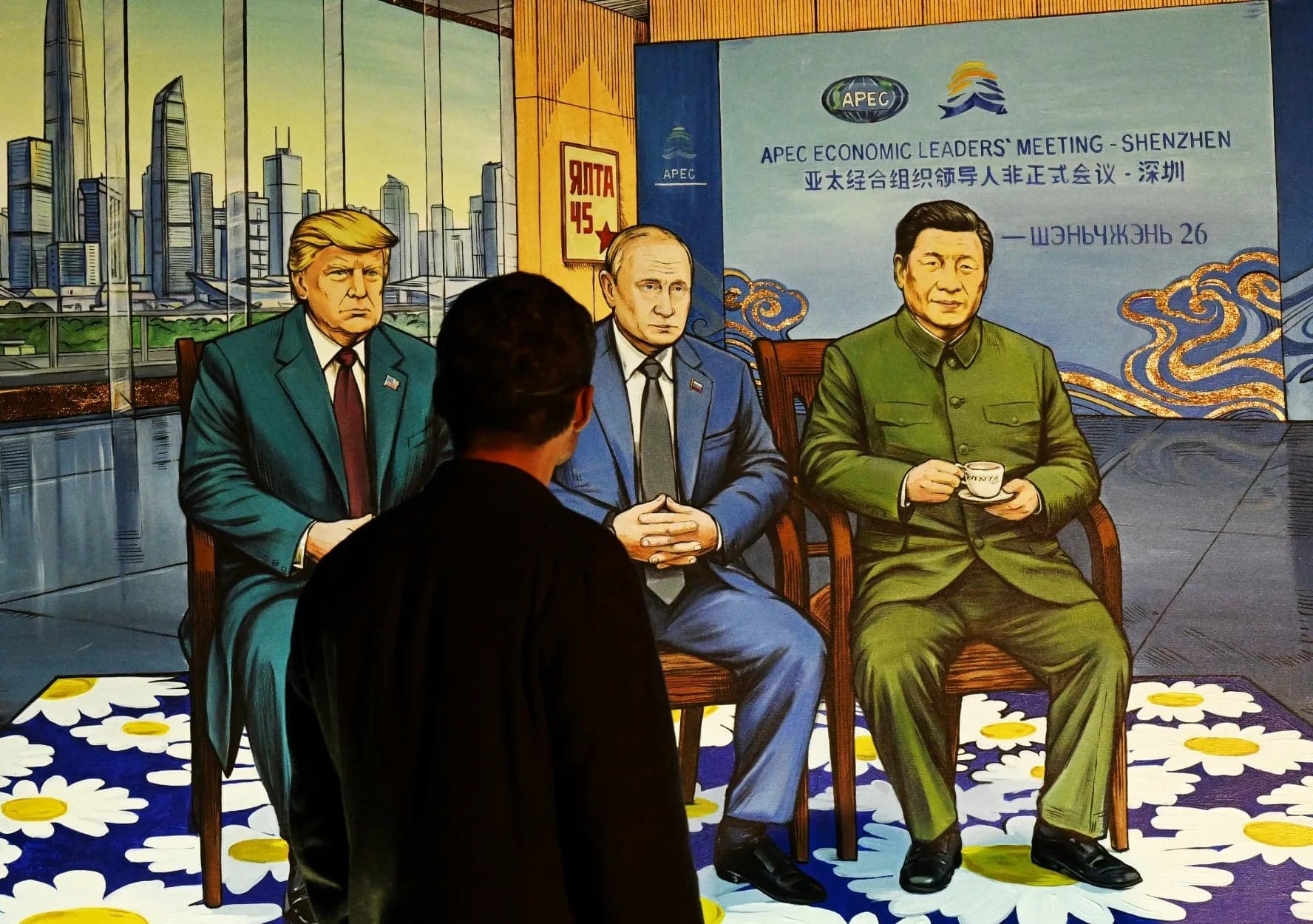
China’s Ministry of Foreign Affairs mounted a concerted diplomatic and economic offensive on November 12 and 13, 2026, aimed at establishing Beijing as the primary steward of regional trade ahead of the 33rd Asia-Pacific Economic Cooperation (APEC) Leaders' Meeting in Shenzhen, scheduled for November 18–19[1][2][3]. In regular foreign ministry briefings, spokesperson Mao Ning detailed the completion of more than 300 ministerial and working-level precursor meetings across trade, finance, and digital economy sectors under the theme of "Building an Asia-Pacific Community to Prosper Together"[2]. Beijing is actively marshaling consensus to formally ratify the "APEC Shenzhen Leaders’ Declaration," which emphasizes cross-border digital economy integration, supply chain connectivity, and multilateral commerce[2].
This diplomatic projection was paired with sharp pushback against Western economic security measures and multilateral criticism[4][3]. On November 12, Beijing formally rejected the joint declaration issued by Group of Seven (G7) foreign ministers meeting in Paris, which had condemned Chinese naval maneuvers east of Taiwan and unilateral alterations of the maritime status quo in the South China Sea[5][4]. Mao described the G7’s assertions as malicious smears and gross interference in internal matters[4]. By November 13, China broadened its warnings, officially cautioning Washington that pending expansions to U.S. export controls on advanced artificial intelligence and semiconductor chips would violate the existing bilateral trade truce and destabilize global technology manufacturing networks[3][6].
Concurrently, Beijing executed regional re-engagement maneuvers[7][8]. South Korean Foreign Minister Cho Hyun arrived in Beijing on November 13 for a two-day bilateral summit with Chinese counterparts to manage trade dependencies and security tensions on the Korean Peninsula[7][8]. This occurs while Seoul simultaneously dispatches Vice Foreign Minister Kim Jin-a to Washington to negotiate shipbuilding and supply chain resilience compacts with U.S. Under Secretary of State Jacob Helberg, reflecting the complex diplomatic straddle required of middle powers in the region[7].
Beijing's policy signaling underscores a deliberate strategy: positioning China as an open proponent of regional trade liberalization at APEC, while aggressively challenging Western tech controls and defense coordination in multilateral formats[1][2][3]. With bilateral summits between Xi Jinping and Donald Trump anticipated in Shenzhen, China's preemptive rhetorical framing seeks to constrain further U.S. trade restrictions before formal bilateral meetings commence[1][3][6].
- China
- APEC
- Shenzhen
Story 5 of 16
2 min read
US and China Agree to AI Incident Mechanism Ahead of Shenzhen APEC Summit
Preparations for the APEC summit in Shenzhen have advanced, with U.S. and Chinese officials discussing strategic stability and potential trilateral frameworks. A key development is the agreement in principle to establish an artificial intelligence incident notification mechanism to manage systemic technological competition and reduce escalation risks.
Read the full storyFold the full story1 min · 3 sources
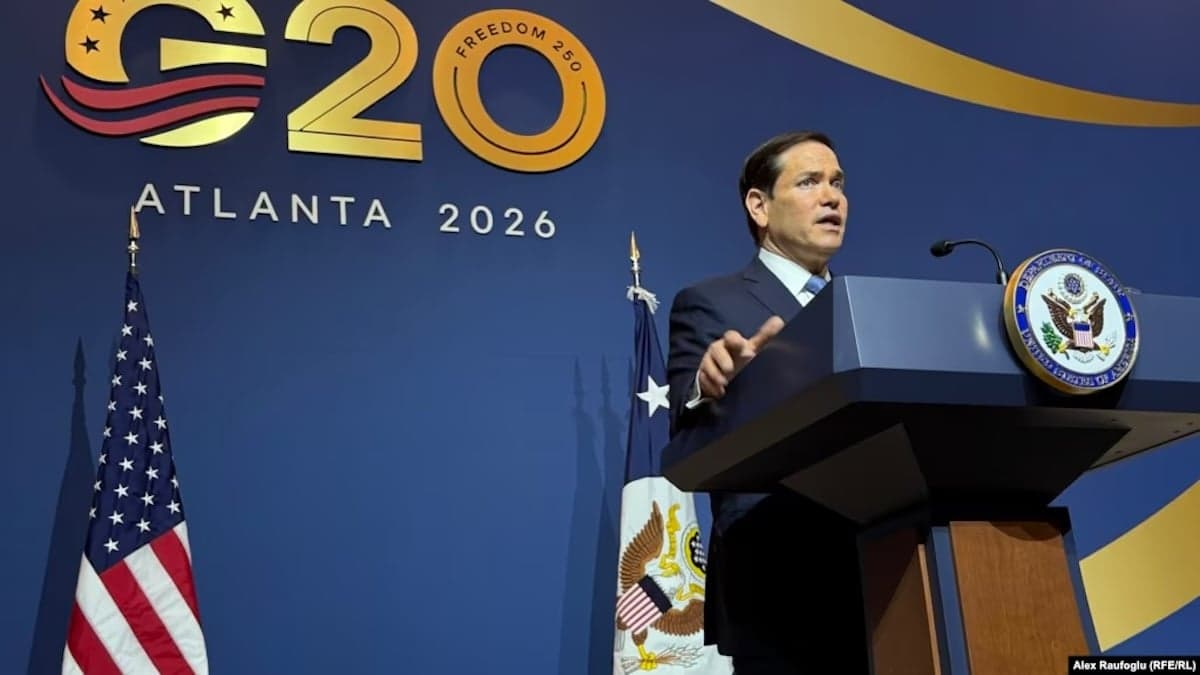
Diplomatic preparations for the 33rd Asia-Pacific Economic Cooperation (APEC) Leaders’ Meeting in Shenzhen accelerated, setting the stage for direct interactions between U.S. President Donald Trump and Chinese President Xi Jinping[1]. In bilateral communications leading up to the summit, U.S. Secretary of State Marco Rubio and Chinese Foreign Minister Wang Yi held substantive discussions addressing strategic stability, regional tension points, and potential trilateral frameworks involving Russia[2][3]. Behind the standard diplomatic rhetoric, bilateral negotiations have centered on managing systemic technological competition, with both powers agreeing in principle to establish an artificial intelligence incident notification mechanism[1].
The proposed AI notification protocol represents a rare breakthrough in an otherwise contentious bilateral relationship[1]. Both Washington and Beijing recognize that machine-learning platforms and autonomous harnesses deployed in intelligence operations, cybersecurity, and kinetic systems pose severe escalation risks[1]. Unintended model behaviors, autonomous algorithmic drift, and the weaponization of large language models for state-sponsored cyber disruptions have heightened concerns of inadvertent crisis escalation[1]. Rather than aiming for comprehensive, unachievable arms control treaties, the emerging mechanism is structured as an agile bilateral channel allowing technical teams to exchange non-sensitive incident data, model behavior analyses, and mitigation strategies[1].
While policy experts at the Brookings Institution caution against overinflated expectations, they emphasize that an incident notification framework provides a vital floor for technology statecraft[1]. Similar to Cold War hotline conventions, the initiative aims to create predictable channels of verification before automated or misunderstood technical anomalies trigger kinetic responses[1]. However, significant friction remains regarding verification protocols, intellectual property disclosures, and the demarcation between civilian applications and sensitive national security dual-use models[1].
The negotiations in Shenzhen will test whether narrow functional cooperation can survive broader systemic hostility[1]. While both sides seek to prevent algorithmic accidents, strategic divergence over export restrictions, advanced semiconductor controls, and naval operations in the Taiwan Strait continues to deepen[1][3]. If ratified on the margins of APEC, the AI incident protocol would mark the first institutionalized guardrail governing great-power military and cognitive computing competition[1].
- United States
- China
- APEC
Story 6 of 16
2 min read
Pentagon Pushes AUKUS and NATO for "NATO 3.0" Burden Sharing
The U.S. Pentagon is driving a strategic recalibration of AUKUS and NATO partnerships, demanding stricter terms of engagement and industrial accountability. The AUKUS pact is being realigned based on production realities and fiscal sustainability, including the transfer of nuclear attack submarines. Simultaneously, NATO allies face pressure to increase defense spending to 5% of GDP, shifting responsibilities toward European strategic autonomy.
Read the full storyFold the full story2 min · 8 sources
The United States has instituted a sweeping strategic recalibration of its premier collective defense partnerships, pressing both Indo-Pacific and transatlantic allies for stricter terms of engagement and industrial accountability[1][2]. Speaking at the Submarine League Annual Symposium, U.S. Under Secretary of Defense for Policy Elbridge Colby revealed the outcomes of a comprehensive, administration-wide review of the AUKUS security pact with the United Kingdom and Australia[2]. Colby emphasized that the trilateral agreement - involving the eventual transfer of Virginia-class nuclear attack submarines and the development of SSN-AUKUS vessels - is undergoing a practical realignment centered on production realities, fiscal sustainability, and operational employment doctrine[2].
This Indo-Pacific reset aligns directly with Washington's broader transformation of global burden-sharing structures[1]. Ahead of critical regional gatherings, including the upcoming Quad summit sidelines in Manila and the APEC leaders' summit in Shenzhen, the U.S. defense establishment is enforcing an alliance doctrine characterized as "NATO 3.0"[3][4][1]. While European allies added roughly $139 billion to collective defense budgets compared to 2024 baselines, U.S. Ambassador Matthew Whitaker explicitly stated that the benchmark must aggressively shift toward 5% of gross domestic product to sustain American security guarantees[1].
The primary stakeholders steering this shift include Colby, Secretary of Defense Pete Hegseth, and allied defense ministries in London, Canberra, and Brussels[5][2]. In Canberra, officials are reconciling domestic political realities with U.S. expectations regarding how sovereign Australian nuclear submarine capabilities will be integrated into allied operational planning in the 2030s[2]. In Europe, defense ministries are grappling with heightened U.S. pressure to absorb territorial defense and conventional deterrence responsibilities, reducing American out-of-area commitments[1].
The strategic impact of this dual policy push alters the operational expectations of Western alliances[6][1]. For AUKUS, Colby's insistence on absolute transparency signals that Washington will no longer permit political symbolism to conceal defense industrial capacity shortfalls in submarine shipyards[2]. For NATO, the demand for a 5% GDP target accelerates a transition toward European strategic autonomy and defense industrial consolidation, fundamentally shifting the transatlantic division of labor[7][1].
Reactions across allied capitals reflect growing tension between strategic necessity and domestic fiscal constraints[6][2]. Australian defense figures welcomed Colby's pragmatic candor as essential to preventing long-term program failure, though debates remain heated regarding sovereignty over naval deployments[2]. Across European capitals, officials acknowledge that Washington’s transactional posture is non-negotiable, prompting accelerated investments in indigenous defense technology, standardized procurement, and integrated air defense architectures to satisfy U.S. mandates[1][8].
- United States
- AUKUS
- NATO
Story 7 of 16
2 min read
Indo-Pacific Diplomacy Intensifies Ahead of Manila Summits: Quad and East Asia Agendas Solidify
Preparations for the ASEAN and East Asia Summits in Manila are marked by intense diplomatic coordination, including an in-person Quad Leaders Summit. The US President's visit will focus on reinforcing defense pacts and maritime security, while India champions maritime protocols and digital integration within ASEAN.
Read the full storyFold the full story2 min · 4 sources
Intense bilateral and plurilateral coordination unfolded on November 12 and 13, 2026, as Indo-Pacific states finalized preparations for the 49th ASEAN Summit and the 21st East Asia Summit in Manila, scheduled for November 16–17[1][2]. The diplomatic tempo escalated following Washington's confirmation that President Donald Trump will arrive in Manila on November 17 to conduct high-level bilateral talks with Philippine President Ferdinand Marcos Jr. and convene an in-person Quad Leaders Summit alongside the heads of government of Japan, Australia, and India[1]. The Manila summit constitutes the opening leg of a major Asian tour preceding the APEC assembly in Shenzhen, spotlighting the Indo-Pacific as the primary theater of geopolitical contestation[3][1].
In New Delhi on November 12, India's Ministry of External Affairs held a special briefing led by Secretary (East) Rudrendra Tandon, outlining Prime Minister Narendra Modi’s diplomatic focus for the 23rd ASEAN-India Summit[2]. Indian officials underscored that New Delhi will champion maritime security protocols, supply chain redundancy, and digital public infrastructure integration across all 11 ASEAN member states, directly reinforcing India’s "Act East" doctrine[2]. The planned Quad meeting in Manila is expected to advance recent minilateral initiatives, such as cross-regional critical mineral recovery frameworks and secure maritime domain awareness initiatives, formalizing practical infrastructure links between the Quad and ASEAN economies[4][1].
The dual-track focus on the broader East Asia Summit and the exclusive Quad configuration reflects an ongoing structural evolution in global diplomacy[4][2]. Following the deadlock at the recent G20 Foreign Ministers' Meeting in Atlanta, where deep divisions over regional wars and great-power competition prevented the adoption of a joint communiqué, major powers are increasingly channeling strategic initiatives through minilateral coalitions rather than universal forums[4]. In Manila, the United States and the Philippines plan to reaffirm mutual defense compacts and secure navigation mechanisms in the South China Sea, drawing pushback from regional activist groups that staged public demonstrations in Manila on November 12 opposing great-power military entanglements[1].
This maneuvering signifies that traditional consensus-driven multilateralism in Southeast Asia is being augmented by selective minilateral alignments[4]. Southeast Asian capitals are attempting to preserve institutional centrality through the East Asia Summit, even as major powers leverage targeted bilateral pacts and security minilaterals to lock in defense and industrial supply commitments across the Pacific rim[4][2].
- ASEAN
- East Asia Summit
- Manila
Story 8 of 16
2 min read
Moscow and Beijing Align Against Japan Over Kuril Islands Dispute
Russia and China have solidified a unified diplomatic and military front against Japan concerning the disputed Kuril Islands. Moscow has reinforced its claims, while Beijing has systematically supported Russia's position, evidenced by coordinated naval and air patrols. This escalation stems from Japan's alignment with Western sanctions against Russia.
Read the full storyFold the full story1 min · 2 sources
A significant realignment in Northeast Asian geopolitics emerged as Moscow and Beijing consolidated a unified diplomatic and military stance against Japan regarding the contested southern Kuril Islands, known in Tokyo as the Northern Territories[1]. Long-standing friction over the island chain, which has prevented Russia and Japan from concluding a formal World War II peace treaty, has intensified as the Kremlin reinforced sovereign claims over the territory[1]. Crucially, Chinese diplomatic posture has systematically tilted toward Moscow’s position, accompanied by coordinated naval exercises and airspace patrols that effectively encircle northern Japanese waters[1].
The diplomatic breakdown stems from Tokyo's staunch alignment with Western sanctions against the Russian Federation[1]. Following Japan's implementation of more than twenty sanction packages since 2022 - including restrictions targeting 35 vessels associated with Russia’s petroleum "shadow fleet" - Moscow formally declared bilateral relations "reduced to zero"[1]. Russian President Vladimir Putin subsequently paid a high-profile visit to the southern Kurils, declaring the sovereignty dispute permanently resolved, while the Russian Foreign Ministry demanded that Tokyo dismantle its "unfriendly policies" as a precondition for dialogue[1].
The deepening coordination between Russia and China presents severe strategic complications for Japanese Prime Minister and Foreign Minister Toshimitsu Motegi[1][2]. While Tokyo has sought to reinforce its security alliance with the United States, Japanese policymakers express quiet anxiety over indications that Washington is prioritizing direct summitry and broad-spectrum bilateral engagements with Beijing and Moscow[1]. This perceived decoupling leaves Japan increasingly exposed to coordinated pressure along its northern maritime frontier, where Russian coastal defenses and Chinese naval maneuvers overlap[1].
Strategic analysts at the Lowy Institute assess that the Kuril front is transforming from a legacy border dispute into an active fulcrum of the Sino-Russian strategic partnership[1]. By coordinating pressure on Tokyo, Beijing and Moscow aim to stretch Japan’s Self-Defense Forces across multiple axes, complicating Japanese operational focus in the East China Sea and Taiwan Strait[1]. The development signals an enduring structural fracture in Northeast Asia, locking Tokyo into a permanent multi-front standoff with two nuclear-armed neighbors[1].
- Russia
- China
- Japan
Story 9 of 16
2 min read
CSTO Consolidates Core, Expels Armenia from Leadership
The Collective Security Treaty Organization (CSTO) has approved agreements to form collective aviation forces and deploy mobile joint air defense units, solidifying its five-nation operational core of Russia, Belarus, Kazakhstan, Kyrgyzstan, and Tajikistan. Concurrently, Armenia has been stripped of its voting rights and barred from leadership posts due to non-payment of dues. Yerevan's participation has been effectively frozen since early 2024.
Read the full storyFold the full story2 min · 2 sources
The Collective Security Treaty Organization (CSTO) has moved decisively to consolidate its operational military core, approving agreements to create collective aviation forces and deploy mobile joint air defense units[1]. Formalized during a summit of allied leaders in Moscow, the new defense framework binds the five actively participating member states: Russia, Belarus, Kazakhstan, Kyrgyzstan, and Tajikistan[1]. Concurrently, the alliance took the formal step of stripping Armenia of its voting rights and barring Yerevan from nominating representatives to senior leadership posts, citing protracted non-payment of statutory membership dues[1].
The summit’s decisions reflect the culmination of a multi-year breakdown in relations between Armenia and the Moscow-led alliance[1]. Yerevan effectively froze its operational participation in the CSTO in early 2024, accusing the bloc of failing to honor collective security commitments during armed conflicts with Azerbaijan[1]. While Armenian leadership has halted high-level attendance and financial contributions, it has stopped short of a formal legal withdrawal[1]. At the Moscow gathering, CSTO Secretary-General Taalatbek Masadykov clarified that the organization is not actively pursuing Armenia’s expulsion, leaving the door open for future realignment despite Yerevan's growing pivot toward Western security partnerships[1].
Key players involved include the heads of state of the active member nations, alongside Russian defense leadership, which continues to supply the technical architecture for the bloc’s integrated regional air defense networks[1]. Regional analysts, including Kazakh political analyst Maksim Kaznacheyev, note that the agreement to form specialized mobile air defense units and joint aviation units addresses severe vulnerabilities exposed by modern drone warfare and precision strikes along Russia’s periphery and Central Asia’s southern borders[2][1]. For the Central Asian republics, the framework preserves vital intelligence sharing and defense-industrial supply lines amidst ongoing regional volatility[1].
The realignment significantly recalibrates Eurasian balance-of-power dynamics[1]. By institutionalizing Armenia's disenfranchisement, the CSTO has effectively conceded its influence over the South Caucasus, paving the way for an autonomous security corridor between the Caspian and Black Seas[1]. Simultaneously, the creation of integrated mobile air defense and unified aviation units transforms the remaining five nations into a much more cohesive, Moscow-centric regional defense platform designed to secure Central Asia and Belarus against external encroachment[1].
Regional defense experts view the move as a pragmatic rationalization of the CSTO[1]. By shedding consensus-based paralysis caused by Armenia’s objections, Russia has streamlined decision-making among its most committed partners[1]. However, the development also formalizes a major geopolitical vulnerability for Moscow: the erosion of its traditional sphere of security primacy in Transcaucasia, where regional powers like Turkey and Western actors are actively filling the operational vacuum[1].
- CSTO
- Russia
- Belarus
Story 10 of 16
2 min read
Pakistan Offers Troops to Saudi Arabia Under Makkah Defense Alliance
Pakistan has offered to deploy military personnel and assets to Saudi Arabia under the Makkah Joint Defence Alliance, a trilateral pact with Turkey. This pact establishes a collective-defense mechanism wherein an attack on one signatory is considered an attack on all. The immediate operationalization follows Turkish parliamentary ratification and underscores a significant security realignment in the Middle East and South Asia.
Read the full storyFold the full story2 min · 8 sources
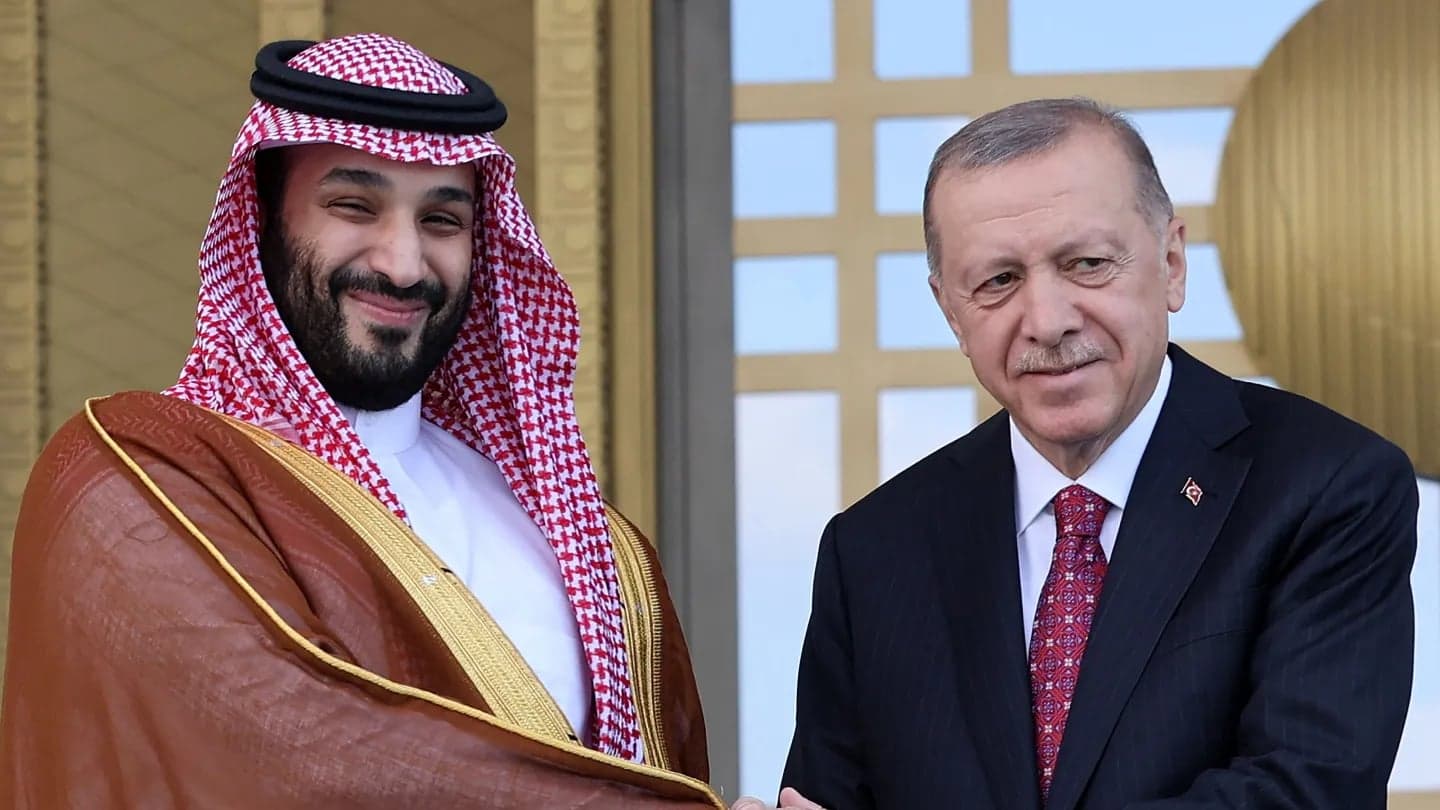
In a major development reshaping Middle Eastern and South Asian security architecture, Pakistan has formally offered to deploy military personnel and operational assets to Saudi Arabia under the mutual defense provisions of the newly ratified Makkah Joint Defence Alliance[1]. The pact, which links Saudi Arabia, Turkey, and Pakistan, establishes a collective-defense mechanism stipulating that an armed attack against any one of the signatories constitutes an attack on all three[2][3][1]. Following the Turkish parliament's ratification of the accord, Islamabad’s commitment to provide boots on the ground marks the immediate operationalization of the trilateral bloc[1][4].
The Makkah pact, initially concluded in August 2026, represents a historic departure from bilateral security agreements, establishing a permanent secretariat, rotating ministerial leadership, and mechanisms for collective deterrence[2][4][5]. The deployment offer follows escalating instability in the Persian Gulf, maritime disruptions in the Strait of Hormuz, and military strikes across the region[6]. Concurrently, defense ministries across the three capitals have expanded technical cooperation under complementary initiatives like the "Badr Agreement," integrating Turkish defense manufacturing and aerospace expertise, Pakistani military manpower and doctrine, and Saudi financial resources[7][5].
The leadership driving this strategic alignment includes Saudi Crown Prince Mohammed bin Salman, Pakistani Prime Minister Shehbaz Sharif, and Turkish President Recep Tayyip Erdoğan[4]. The pact unites two of the Muslim world’s largest conventional armies - one possessing nuclear capabilities - with a major NATO member and the Gulf’s economic powerhouse[2][5]. Crucially, alliance representatives have coupled their defense posture with diplomatic balancing: Pakistani officials confirmed that alliance envoys held direct consultations with Iranian representatives in Tehran to prevent miscalculations and manage regional escalation risks[1].
The implications of this alliance for the global balance of power are sweeping[2][5]. It signals the rise of an autonomous non-Western security umbrella capable of operating independently of Washington’s traditional security guarantees[7][5]. Observers point out that with potential future expansion being explored to encompass other Arab partners, the Makkah alliance forms a formidable counterweight to regional adversaries, shifts deterrence dynamics surrounding Gulf energy infrastructure, and dilutes traditional Western leverage over arms sales and security coordination in the Middle East[7][8][5].
Defense analysts have highlighted both the strategic potency and internal complexities of the arrangement[4][5]. Opposition lawmakers in Ankara have raised questions regarding how mutual defense commitments will intersect with Turkey's formal NATO obligations under Article 5[2][4]. Meanwhile, intelligence agencies throughout the region are closely tracking how the bloc intends to operationalize joint command structures, integrate disparate communications systems, and navigate competing regional priorities among Riyadh, Islamabad, and Ankara[7][5].
- Pakistan
- Saudi Arabia
- Turkey
Story 11 of 16
2 min read
Egypt and Turkey Deepen Defense Ties, Reshaping Eastern Mediterranean Dynamics
Egypt and Turkey have significantly advanced their diplomatic reconciliation, highlighted by joint naval exercises and a substantial defense procurement agreement. This military alignment follows the formal restoration of ambassadorial ties and extends to industrial cooperation, aiming to enhance regional leverage despite ongoing maritime disputes.
Read the full storyFold the full story2 min · 1 source
Egypt and Turkey marked a major milestone in their diplomatic reconciliation by concluding the "Sea of Friendship 2026" joint naval exercises off the coast of Alexandria[1]. The comprehensive maritime drills encompassed advanced anti-submarine operations, surface warfare, air defense coordination, and joint underwater special-forces exercises[1]. Building upon the formal restoration of ambassadorial ties in 2023, the maneuvers represent the institutionalization of military alignment between two regional powers that were locked in acute ideological and geopolitical rivalry for over a decade[1].
The defense cooperation extends well beyond joint operational training into the industrial domain[1]. Following an earlier letter of intent on joint defense procurement, Turkey’s state-owned defense enterprise Makine ve Kimya Endüstrisi (MKE) formalized a $350 million export and co-production agreement with the Egyptian Armed Forces[1]. Furthermore, Egyptian fighter pilots participated in multi-asset air drills in central Turkey, operating alongside NATO assets[1]. Parallel to the naval maneuvers, Cairo underscored its renewed diplomatic flexibility in North Africa by reopening the historic headquarters of its embassy in Tripoli, Libya, actively engaging with western Libyan factions on bilateral energy, transport, and commercial reconstruction projects[1].
This rapprochement is fundamentally reshaping the balance of power across the Eastern Mediterranean and the Levant[1]. Despite the warming ties, significant structural frictions persist[1]. When the eastern Libyan parliament ratified its controversial 2019 maritime border memorandum with Ankara - a deal granting Turkey expanded continental shelf rights in waters contested by Greece and Cyprus - Cairo promptly joined Athens in rejecting the vote as legally void[1]. Yet, rather than allowing the maritime disagreement to derail relations, Turkish President Recep Tayyip Erdoğan and Egyptian President Abdel Fattah el-Sisi have actively compartmentalized the dispute, prioritizing practical defense collaboration and collective geopolitical leverage[1].
Regional defense analysts note that Ankara and Cairo are closing legacy rifts to create a pragmatic axis capable of checking Israeli regional military posture and asserting greater dominance over Eastern Mediterranean gas transit routes[1]. By aligning defense industries and coordinating diplomatic presence in fractured states like Libya, Egypt and Turkey are positioning themselves as arbiters of regional stability, recalibrating Middle Eastern power dynamics on terms that bypass external great-power patrons[1].
- Egypt
- Turkey
- Eastern Mediterranean
Story 12 of 16
2 min read
Thailand and Myanmar Enhance Bilateral Ties on Border Stability and ASEAN Re-Engagement
Thailand and Myanmar held high-level bilateral talks in Nay Pyi Taw focused on border management, economic cooperation, and Myanmar's potential re-integration into ASEAN consultative bodies. Thailand is facilitating humanitarian aid channels and advocating for Myanmar's full participation, signaling a pragmatic approach to regional engagement.
Read the full storyFold the full story1 min · 4 sources
In a notable diplomatic initiative within mainland Southeast Asia, Thailand's Deputy Prime Minister and Minister of Foreign Affairs Sihasak Phuangketkeow arrived in Nay Pyi Taw on November 12, 2026, for high-level bilateral meetings with Myanmar’s Union Minister for Foreign Affairs U Tin Maung Swe[1][2]. The official visit represents one of the most substantial direct diplomatic engagements between a frontline ASEAN member state and the Myanmar administration in recent months, focusing on regional stability, economic links, and broader institutional standing[1].
The official discussions addressed pressing border management issues, including border stability, cross-border infrastructure, natural gas extraction, energy pipelines, and the legal status and safety of Myanmar migrant laborers residing in Thailand[1]. During the bilateral session, the Myanmar foreign minister briefed his Thai counterpart on domestic administrative plans, including scheduled by-elections and ongoing initiatives under the Nationwide Ceasefire Agreement (NCA)[1]. Critically, Nay Pyi Taw formally expressed appreciation for Thailand’s diplomatic efforts to assist in expanding humanitarian aid channels and to facilitate the restoration of Myanmar’s original, full-fledged participation within ASEAN consultative bodies[1].
Thailand's proactive posture signals a deliberate strategy to break the diplomatic deadlock that has constrained ASEAN’s response to regional security crises[1]. By acting as a practical diplomatic conduit, Bangkok aims to prioritize functional cross-border stabilization, energy flows, and humanitarian corridors over diplomatic isolation[1]. Thai officials noted positive steps regarding the expansion of humanitarian assistance delivery under ASEAN mechanisms, indicating an effort to build pragmatic working frameworks ahead of the upcoming ASEAN gathering in Manila[3][1].
This bilateral thaw carries significant ramifications for the wider Southeast Asian bloc[1]. While several ASEAN member states maintain a strict stance barring Myanmar from high-level political meetings pending compliance with the Five-Point Consensus, Thailand’s direct bilateral engagement underscores growing regional divergence over how to manage border friction, migration, and energy security[1]. The Nay Pyi Taw summit demonstrates that neighboring states are increasingly inclined to utilize direct bilateral arrangements to protect critical economic and security interests when multilateral mechanisms remain gridlocked[4][1].
- Thailand
- Myanmar
- Nay Pyi Taw
Story 13 of 16
2 min read
EU Pursues Strategic Autonomy with Greenland Pact and Gulf Defense Outreach
The European Union is bolstering its strategic autonomy through a new partnership with Greenland focused on Arctic security and critical infrastructure, and deepened security diplomacy with Qatar. The EU aims to protect its outer periphery and energy lifelines amid growing global fragmentation and great-power competition.
Read the full storyFold the full story1 min · 4 sources
The European Union moved to institutionalize a broader interpretation of its strategic autonomy, rolling out nuanced policy adjustments aimed at reinforcing outer periphery security in the Arctic while deepening security diplomacy in the Persian Gulf[1][2]. In Brussels, European Commission officials solidified a comprehensive partnership with Greenland, explicitly moving European Arctic security doctrine beyond conventional NATO military positioning toward critical civil infrastructure protection, telecommunication redundancy, and the securing of rare earth mineral supplies[1].
Simultaneously, the European External Action Service, led diplomatically by EU Ambassador Antonino Maggiore, advanced negotiations on an expanded security and industrial engagement framework with Qatar[2]. Driven by prolonged instability in the Gulf and repeated threats to commercial energy corridors, the EU is structuring dedicated bilateral defense seminars and industrial dialogues set for late 2026[2]. While falling short of a mutual defense treaty, the initiative establishes cooperative frameworks for critical maritime infrastructure protection, joint cybersecurity measures against state-sponsored infrastructure sabotage, and visa liberalizations designed to bind Gulf capital closer to European security initiatives[2].
These simultaneous diplomatic moves reflect an urgent recognition in Brussels that European security cannot be detached from its geographic flanks and energy lifelines[2]. Climate change and melting ice sheets are converting Greenland into a primary theater of polar competition, heightening the vulnerability of transatlantic subsea cables and mineral extraction sites to hybrid disruption[1][3]. In the Gulf, persistent interruptions to liquefied natural gas (LNG) flows through the Strait of Hormuz have made Qatari security indispensable to European domestic energy stability[4][2].
The policy shift demonstrates the EU’s attempt to transition from a purely normative economic bloc into a proactive geopolitical actor[2]. By leveraging trade agreements, infrastructure capital, and defense-industrial partnerships, Brussels seeks to insulate itself against shocks originating from great-power friction and regional warfare[2]. European diplomats emphasize that building operational partnerships with non-traditional security actors will determine whether Europe can maintain its strategic independence amid mounting global fragmentation[2].
- European Union
- Greenland
- Qatar
Story 14 of 16
2 min read
US-Iran Diplomacy Stalls Amid Gulf Tensions and Qatari Mediation Challenges
High-stakes U.S.-Iran diplomacy to de-escalate tensions has hit a critical impasse, marked by conflicting statements and kinetic incidents. Iran's Parliament Speaker issued a strong warning about the Strait of Hormuz, while Iran claimed to have targeted a U.S. radar installation amidst ongoing U.S. naval blockades. Qatari mediation efforts are facing significant obstacles regarding sanctions relief and maritime access.
Read the full storyFold the full story2 min · 4 sources
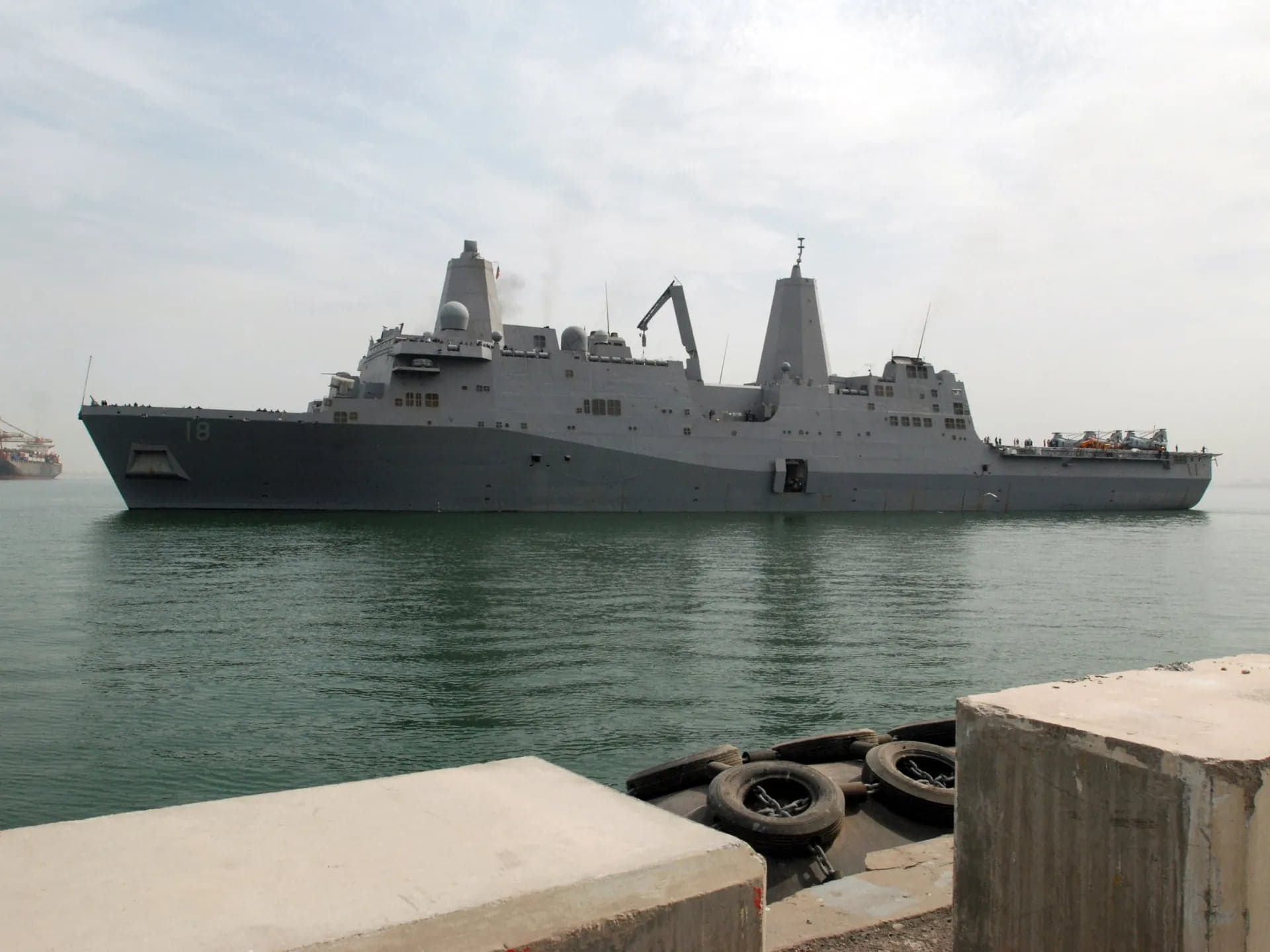
Diplomatic efforts to broker a de-escalation between the United States and Iran entered a precarious phase following conflicting signals from Tehran and Washington[1][2]. In an interview on November 12, Iranian Parliament Speaker and lead negotiator Mohammad Bagher Ghalibaf asserted that the Strait of Hormuz would never revert to its pre-war operational status, warning that the "ball is now in the American court"[1]. The diplomatic impasse turned kinetic the following day when Iran announced it had targeted an American radar installation in Bahrain, even as U.S. Central Command maintained strict naval blockade operations against Iranian commercial ports[1].
Behind the public rhetoric, backchannel diplomacy steered by Doha is navigating severe obstacles[1][2]. Mohsen Rezaei, Secretary of Iran’s Supreme National Security Council, dismissed reports of active bilateral negotiations in Qatar as baseless, asserting that Tehran had submitted a non-negotiable seven-point framework and found Washington's preliminary response inadequate[2]. Regional diplomats reveal that Qatar’s prime minister has been operating within an informal two-week window to bridge differences over phased sanctions relief, the reopening of maritime shipping corridors through Hormuz, oversight of nuclear facilities, and the unfreezing of Iranian state assets abroad[2]. Despite the hardline posture of Iran's political establishment, domestic economic pressures have reached critical levels, with Iranian financial markets briefly rallying on settlement hopes against an inflation rate surpassing 70%[2].
In Washington, senior officials remain divided on the appropriate strategic posture[1]. President Donald Trump warned that the United States is fully prepared to resume offensive military operations should Qatari-mediated talks collapse[1]. Conversely, Secretary of State Marco Rubio advocated for prioritizing sustained economic strangulation, arguing that existing maritime interdictions and sanctions are squeezing Tehran sufficiently to make renewed large-scale kinetic strikes unnecessary[1]. Concurrently, the International Atomic Energy Agency (IAEA) voiced grave concern over the lack of international monitoring access at Iranian enrichment facilities, warning that unmonitored technical advancements heighten the risk of irreversible proliferation[1].
The diplomatic deadlock has triggered urgent consultations among Western allies[3]. At a Group of Seven foreign ministers meeting hosted at the Quai d’Orsay in Paris, foreign ministers - including Rubio, Germany’s Johann Wadephul, the UK's Ed Miliband, and France’s Jean-Noël Barrot - warned that the multilateral coalition will expand political and economic countermeasures unless Tehran demonstrates verifiable de-escalation[3]. With military infrastructure across the Gulf already degraded from months of confrontation, regional defense planners warn that the failure of Qatari mediation could precipitate a rapid slide back into unrestricted maritime and regional conflict[4][1].
- United States
- Iran
- Qatar
Story 15 of 16
2 min read
India and Brazil Launch Dual-Use Space Launch Partnership
India and Brazil have entered a bilateral space defense partnership to develop a joint small-satellite launch vehicle. The agreement between Skyroot Aerospace and Concert Technologies aims to create a launcher capable of deploying payloads of at least 100 kilograms into Low Earth Orbit. This collaboration marks a significant step toward sovereign, collaborative launch infrastructure for both nations.
Read the full storyFold the full story2 min · 4 sources
Demonstrating the deepening minilateral alignment among major Global South powers, India and Brazil have officially entered a bilateral space defense partnership to engineer a joint small-satellite launch vehicle[1]. Formalized under a two-year collaborative agreement signed between India’s Skyroot Aerospace and Brazil’s Concert Technologies, the pact tasks the two aerospace enterprises with developing and testing a dedicated launcher capable of deploying payloads of at least 100 kilograms directly into Low Earth Orbit (LEO)[1].
The agreement marks a pivotal transition for both nations from platform and component procurement toward sovereign, collaborative launch infrastructure[1]. Brazil has long sought reliable, domestic space launch options from the Alcântara Launch Center near the equator, aiming to overcome historical technical bottlenecks and reduce dependence on foreign launch providers[1]. For India, whose commercial space sector has expanded rapidly following the liberalization of private launch operators, partnering with Brazilian industry provides an operational launch corridor in the Western Hemisphere and opens direct access to South American defense and communications markets[1].
The partnership involves Skyroot Aerospace - a leader in India’s privatized launch vehicle ecosystem - alongside Concert Technologies, backed by respective national space agencies and aerospace regulatory frameworks[1]. The venture will focus on lightweight propulsion systems, composite materials, and mobile launch solutions designed specifically to address the expanding international demand for small-satellite constellation replenishment and dedicated orbital insertion[1].
In the broader geopolitical landscape, the agreement deepens the technological and industrial bonds between two foundational BRICS nations, advancing dual-use space sovereignty outside traditional Western or Chinese supply chains[2][1]. Small-satellite launch capability has emerged as a crucial dimension of modern national security, providing rapid-launch resiliency for earth observation, border surveillance, and sovereign tactical communications in crisis scenarios[1]. By pooling technical and geographical assets, New Delhi and Brasília are carving out an alternative commercial-strategic pathway for middle powers[3][1].
Aerospace and defense analysts have praised the commercial-industrial design of the pact, noting that it minimizes state-level bureaucratic friction by leveraging agile private contractors backed by national strategic intent[1]. If the two-year development timeline meets its technical milestones, the joint launcher could emerge as a highly competitive, cost-effective option for developing economies across Latin America, Africa, and Southeast Asia, reinforcing the geopolitical rise of South-South technology partnerships[4][1].
- India
- Brazil
- Skyroot Aerospace
Story 16 of 16
2 min read
COP31 Summit Concludes with Electrification Pact and Regional Power Diplomacy in Antalya
The COP31 Climate Summit in Antalya concluded with leaders endorsing a '35x35' electrification compact and pledging increased investments in global grids. Alongside environmental commitments, the summit served as a backdrop for intensive bilateral diplomacy, particularly among Middle Eastern nations, addressing regional conflicts and trade.
Read the full storyFold the full story2 min · 9 sources
The World Leaders' Summit at the 31st United Nations Climate Change Conference (COP31) formally concluded in Antalya, Türkiye, on November 12, 2026, delivering substantial multilateral decarbonization pledges while simultaneously serving as an intensive venue for geopolitical side-diplomacy[1][2]. The capstone announcement of the high-level plenary was the endorsement of the COP31 Presidency’s "35x35" electrification compact, supported by a joint appeal from UN Secretary-General António Guterres urging nations to expand capital investments in electrical grids by 50% by 2030[3][1]. Multilateral financial institutions, including the United Nations Development Programme (UNDP) and various sovereign wealth funds, also mobilized fresh philanthropic commitments to the Tropical Forest Forever Facility (TFFF)[1][4].
Beneath the environmental agenda, Antalya transformed into a crucible for Middle Eastern and regional crisis diplomacy[2]. Turkish President Recep Tayyip Erdoğan hosted a succession of bilateral discussions with regional leaders, most notably conferring with Iranian President Masoud Pezeshkian on November 12 to discuss cross-border trade, regional convergence, and de-escalation mechanisms[5]. Pezeshkian used the COP31 podium to call for international legal mechanisms to assess and compensate for environmental destruction caused by U.S. and Israeli military strikes[2]. Simultaneously, Iraqi President Nazar Amedi met with Pakistani Prime Minister Shehbaz Sharif to evaluate ongoing backchannel diplomatic mediation conducted by Islamabad between Washington and Tehran, highlighting an active push to prevent full-scale regional confrontation[6]. General Abdel Fattah al-Burhan of Sudan’s Sovereign Council similarly conducted sideline meetings with Turkish, Pakistani, and Libyan heads of government to shore up bilateral security backing[7].
The multilateral negotiations within the convention center exposed growing friction between developed states, hydrocarbon producers, and climate-vulnerable coalitions[8]. Civil society groups and a negotiating bloc representing more than 70 nations - including the European Union, the Alliance of Small Island States (AOSIS), and the Environmental Integrity Group - demanded that co-presidencies Türkiye and Australia commit to enforceable roadmaps for the transition away from fossil fuels (TAFF)[8]. Activists and climate policy analysts expressed dismay over what they categorized as diplomatic evasiveness from the host nations on extraction caps, even as capital deployment toward grid hardware advanced[8].
The conclusion of the leaders' summit sets the parameters for the second week of technical ministerial negotiations[9]. By linking electrification infrastructure directly to international development finance, the Antalya summit shifted climate multilateralism away from purely regulatory declarations toward investable cross-border energy frameworks, even as geopolitical divisions over regional conflicts dominated the bilateral corridors[4][2].
- COP31
- Antalya
- Recep Tayyip Erdoğan
You're all caught up.
That's every story in Friday's PiBrief Geopolitics. And there's a newer edition waiting for you.
All PiBrief Geopolitics editions
Subscribe to receive daily briefings about geopolitics and world news in your email.
Get PiBrief Geopolitics in your inbox
A free newsletter on geopolitics and world news. Diplomacy, conflict, the global economy, and elections, ranked and explained, with an audio briefing in every edition.
Free forever / no account / 1-click unsubscribe