Trump-Xi-Putin summit, EU joins Ukraine talks & more
Donald Trump, Xi Jinping, and Vladimir Putin are scheduled to hold an unprecedented trilateral summit at the upcoming APEC gathering in Shenzhen. Meanwhile, the European Union has secured a formal seat in Ukraine ceasefire negotiations following coordinated diplomatic efforts across the continent. In the Middle East, the United States has signaled a strategic shift toward containing Iran, while Türkiye and Qatar have solidified a mutual defense alliance.
14 stories57 sources checked
Listen to this edition
PiBrief Geopolitics, November 14, 2026
The lineup
In this edition
 01
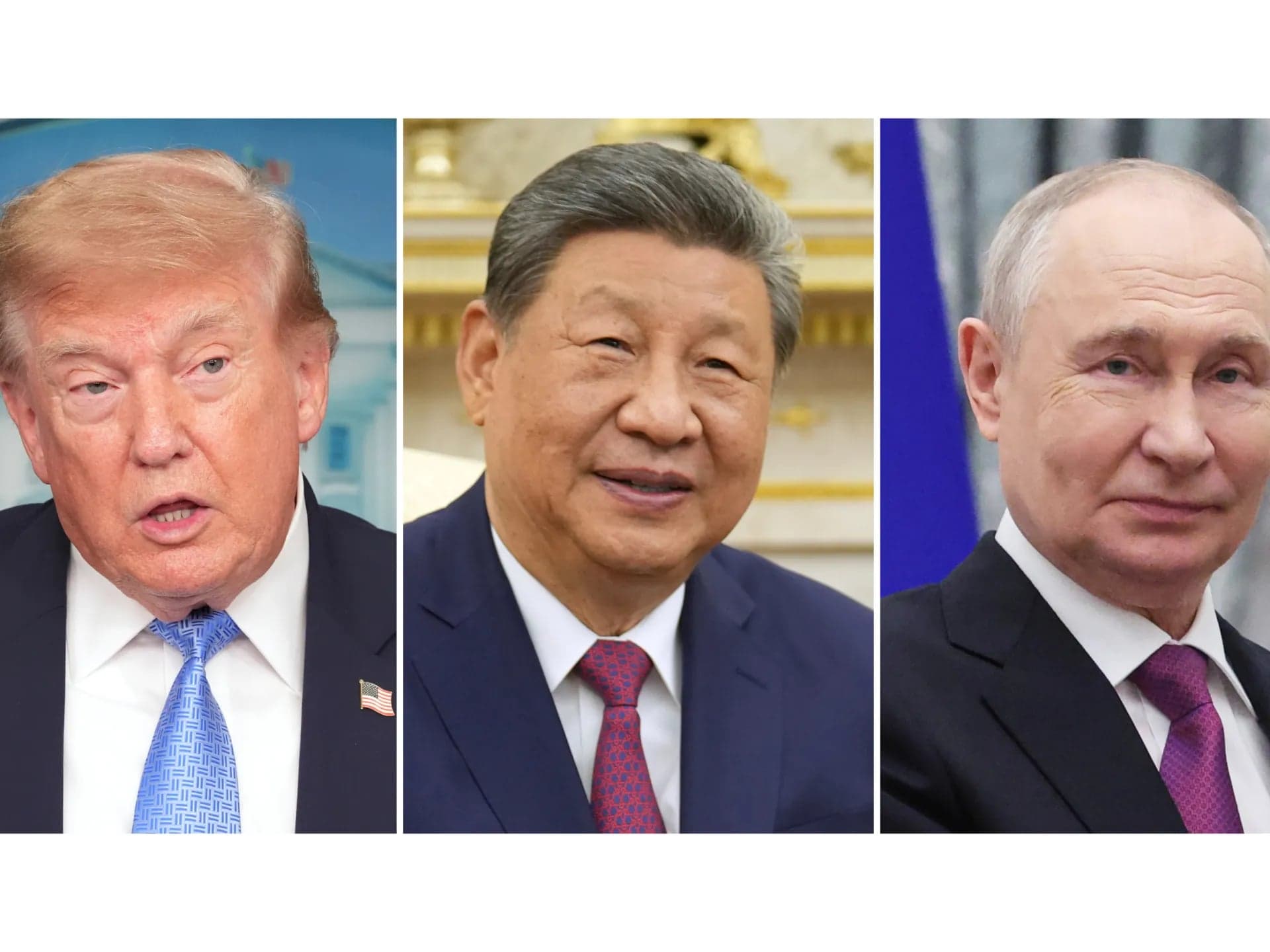
Trump, Xi, Putin to Hold Unprecedented Trilateral Summit at APEC in Shenzhen
 02
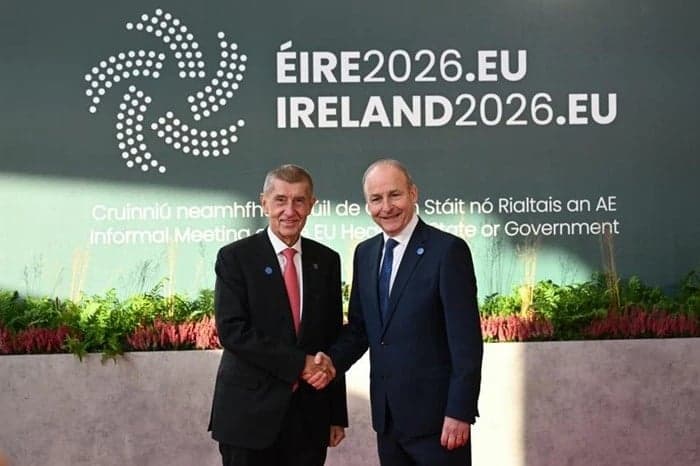
China and U.S. Hold High-Level Dialogue Ahead of APEC
 03
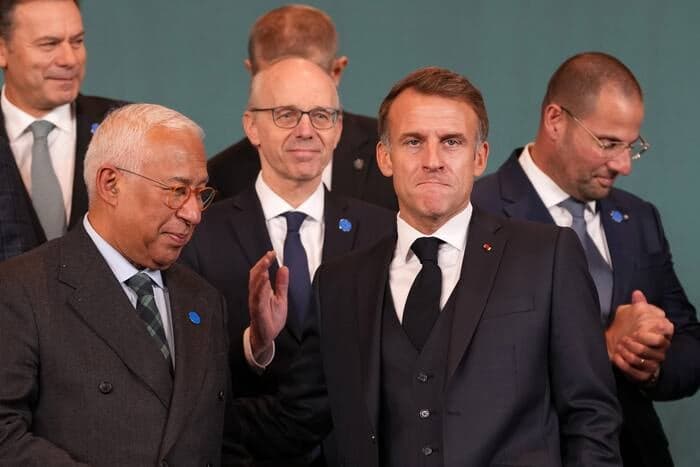
European Union Secures Seat in Ukraine Peace Negotiations
 04
G7 Paris Communiqué Demands European Inclusion in Ceasefire Talks
 05
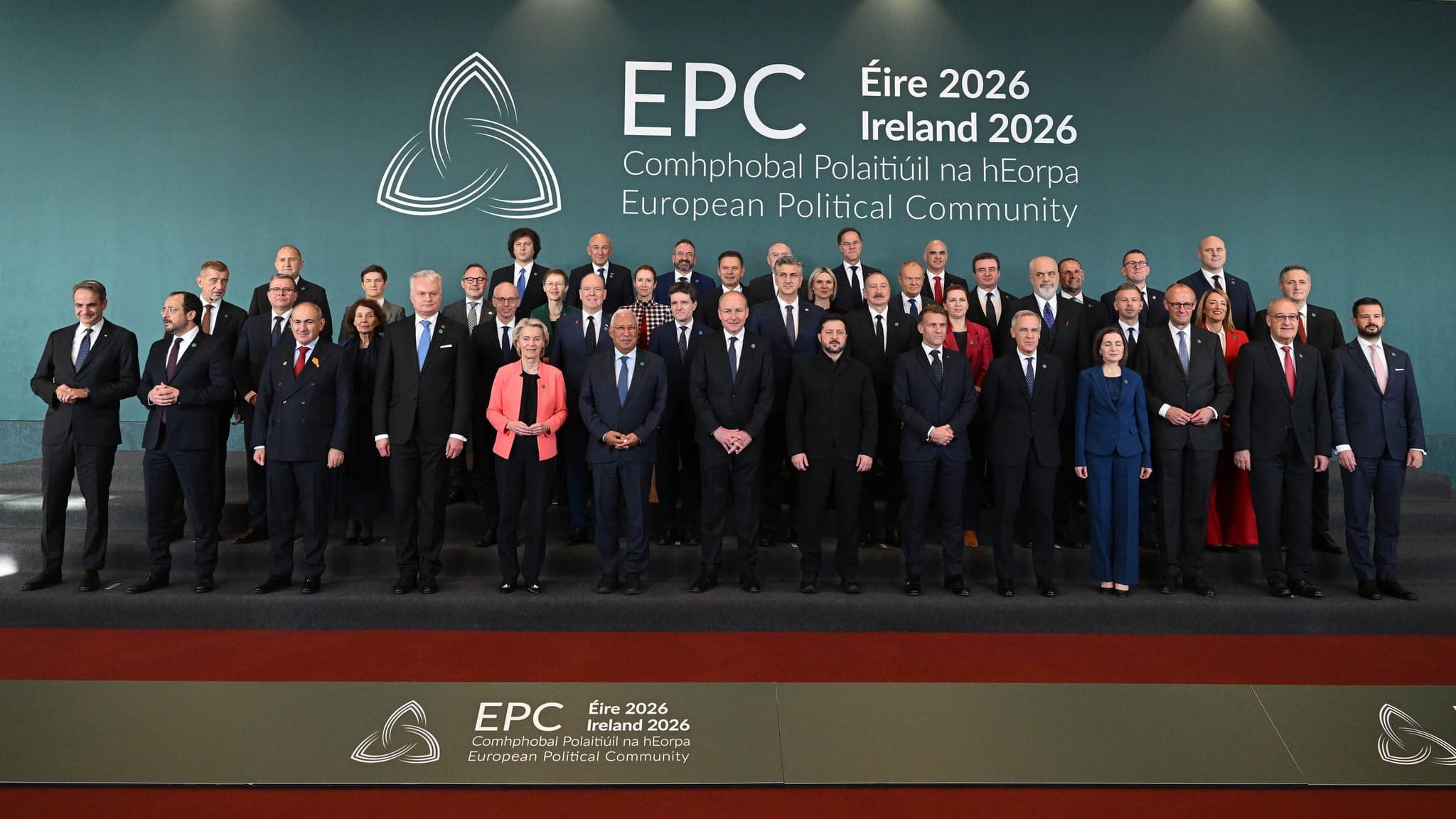
European Political Community Adopts Dublin Security Declaration for Continental Autonomy
 06
Trump Shifts U.S. Policy: Withdraws Vance from Iran Talks, Signals Containment
 07
Türkiye and Qatar Sign Landmark Mutual Defense Pact
 08
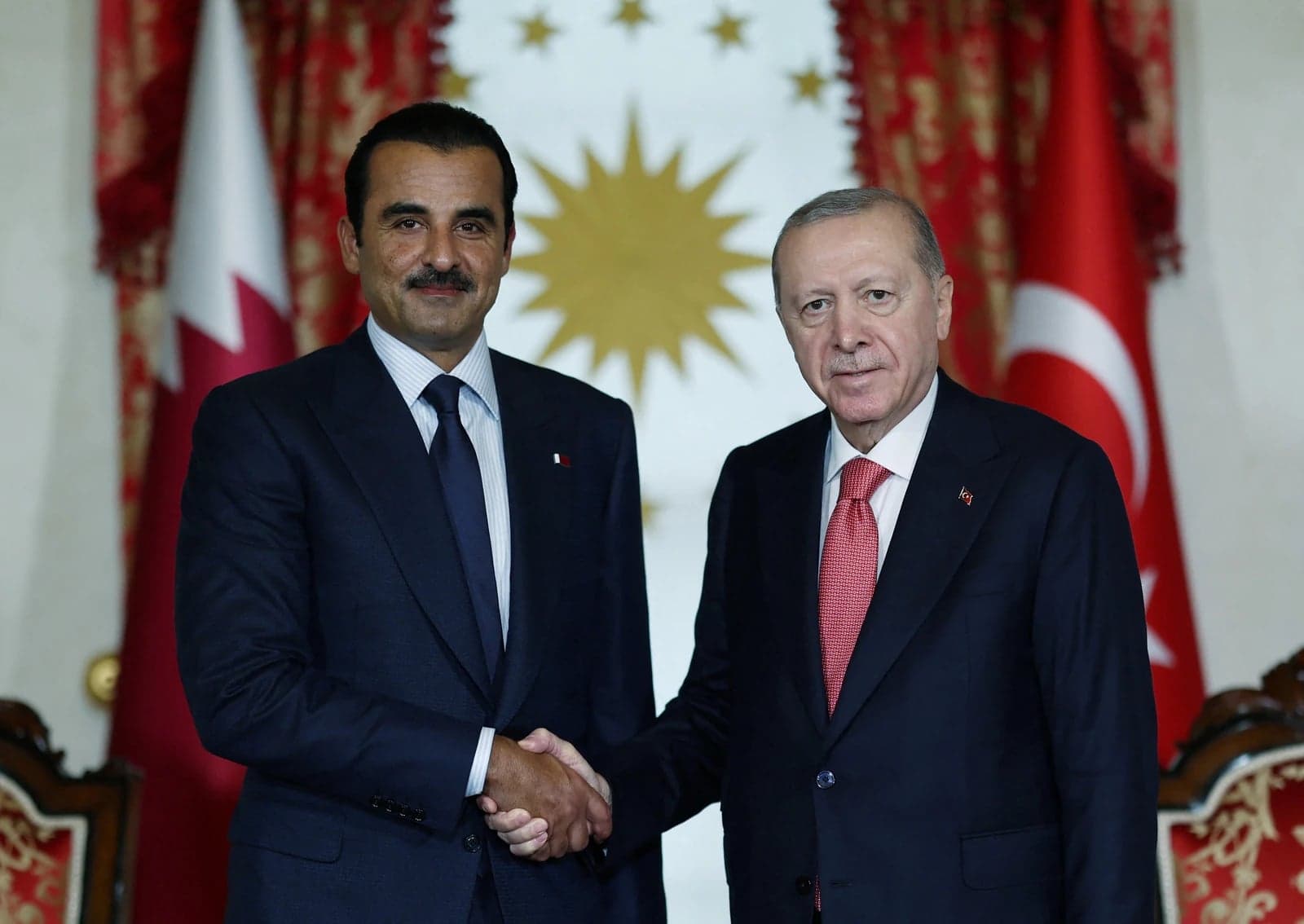
Türkiye and Qatar Solidify Security Alliance with New Defense Pact
- 09
G7 Agrees on Critical Minerals Tech Controls Amid ICC Sanctions Dispute
 10
UK and Azerbaijan Forge Strategic Partnership Beyond Oil
- 11
US Challenges German AI Treaty Over Regulatory Concerns
- 12
Japan and Mexico Align Industrial Sectors for Supply Chain Resilience
 13
Canada Pursues EU Associate Membership, Pivots to Asian Trade
 14
Venezuela and Brazil Restore Diplomatic Ties, Eye Energy Cooperation
See all 14 as a listHide the list
- Trump, Xi, Putin to Hold Unprecedented Trilateral Summit at APEC in Shenzhen
- China and U.S. Hold High-Level Dialogue Ahead of APEC
- European Union Secures Seat in Ukraine Peace Negotiations
- G7 Paris Communiqué Demands European Inclusion in Ceasefire Talks
- European Political Community Adopts Dublin Security Declaration for Continental Autonomy
- Trump Shifts U.S. Policy: Withdraws Vance from Iran Talks, Signals Containment
- Türkiye and Qatar Sign Landmark Mutual Defense Pact
- Türkiye and Qatar Solidify Security Alliance with New Defense Pact
- G7 Agrees on Critical Minerals Tech Controls Amid ICC Sanctions Dispute
- UK and Azerbaijan Forge Strategic Partnership Beyond Oil
- US Challenges German AI Treaty Over Regulatory Concerns
- Japan and Mexico Align Industrial Sectors for Supply Chain Resilience
- Canada Pursues EU Associate Membership, Pivots to Asian Trade
- Venezuela and Brazil Restore Diplomatic Ties, Eye Energy Cooperation
Story 1 of 14
3 min read
Trump, Xi, Putin to Hold Unprecedented Trilateral Summit at APEC in Shenzhen
The White House confirmed an unprecedented trilateral meeting between U.S. President Donald Trump, Chinese President Xi Jinping, and Russian President Vladimir Putin on November 19 at the APEC Summit in Shenzhen. The leaders will discuss global nuclear arms reduction, de-escalation of international conflicts, and trade and technological competition. This historic gathering occurs amidst volatile international security conditions, including the expiration of the New START treaty and ongoing regional conflicts.
Read the full storyFold the full story2 min · 10 sources
The White House formally confirmed plans for an unprecedented trilateral meeting between U.S. President Donald Trump, Chinese President Xi Jinping, and Russian President Vladimir Putin[1][2]. The three leaders are scheduled to convene on November 19 on the sidelines of the 33rd Asia-Pacific Economic Cooperation (APEC) Leaders' Summit in the Chinese technology hub of Shenzhen[3][4]. White House spokesperson Olivia Wales told reporters that the historic face-to-face sit-down will primarily focus on global nuclear arms reduction and efforts to de-escalate major international conflicts, including the ongoing war involving Iran, while addressing broader trade and technological competition[3][4].
The planned trilateral summit comes at a volatile moment in international security[5]. In February 2026, the New Strategic Arms Reduction Treaty (New START) expired without renewal after Washington rejected Moscow’s offer of a short-term extension, insisting that any future strategic stability pact must encompass China's rapidly expanding nuclear arsenal[2]. With the two largest nuclear arsenals unconstrained by bilateral caps for the first time in more than five decades, and with regional conflicts testing great-power relations, Trump has sought a high-stakes personal negotiation to establish a new triangular framework[2][6]. Relations among the three capitals remain intricate: while the Trump administration reached a truce in its trade skirmishes with Beijing and has explored diplomatic tracks to end the conflict in Ukraine, acute tensions persist over the Middle East crisis and U.S. economic pressure[5].
The key figures orchestrating and participating in this diplomatic engagement include President Trump, President Xi, President Putin, alongside senior White House aides and foreign ministry officials across the three governments[7][2]. China’s hosting of APEC in Shenzhen provides President Xi with a platform to position Beijing as an indispensable mediator and central pole in global governance[3][8]. For Moscow, the summit offers President Putin parity on the international stage alongside the leaders of the world's two largest economies, bypassing Western diplomatic isolation despite ongoing hostilities in Eastern Europe[5][9]. The White House, meanwhile, has signaled an intention to bypass traditional multilateral disarmament channels in favor of top-down summitry[2].
The broader geopolitical implications of this summit are reverberating across allied capitals in Europe and Asia[10]. Observers and diplomats caution that expectations for substantive negotiated breakthroughs remain exceptionally low, with senior administration officials conceding that concrete treaties are unlikely to emerge[2][6]. Instead, the meeting carries monumental symbolic weight, creating apprehensions among traditional U.S. partners who fear that transactional bargains struck between Washington, Beijing, and Moscow could compromise allied security architectures[10]. Former diplomatic observers and foreign policy scholars have warned that the optics of a great-power triumvirate could legitimize authoritarian spheres of influence[9].
Expert commentary highlights these strategic trade-offs. Geopolitical analysts at the Brookings Institution, including fellow Jonathan A. Czin, have described the prospective Shenzhen gathering as a forum carrying structural advantages for Beijing and Moscow, providing both rivals with high-profile diplomatic validation[10][9]. International relations scholar Mark Katz observed that the session is fundamentally poised to yield symbolic posturing rather than durable agreements, functioning primarily as a mechanism for the three powers to assert dominance over global crisis resolution while sidelining multilateral institutions[9].
- Donald Trump
- Xi Jinping
- Vladimir Putin
Story 2 of 14
2 min read
China and U.S. Hold High-Level Dialogue Ahead of APEC
Chinese Foreign Minister Wang Yi hosted a U.S. delegation in Beijing for high-level political dialogue aimed at stabilizing diplomatic channels before major regional summits. Wang called for uninterrupted bilateral dialogue based on mutual respect and cooperation, emphasizing the responsibility of the world's two largest economies to avoid strategic miscalculation. The talks included discussions on people-to-people exchanges, such as an expansive academic and cultural program.
Read the full storyFold the full story1 min · 5 sources
In a concerted effort to stabilize diplomatic channels ahead of major regional summits, Chinese Foreign Minister Wang Yi hosted a delegation of American representatives in Beijing on November 13, 2026, for the 2026 China-U.S. Political Dialogue[1][2]. Wang used the high-level engagement to deliver an explicit diplomatic overture, calling for uninterrupted bilateral dialogue grounded in the foundational principles of mutual respect, peaceful coexistence, and mutually beneficial cooperation[1].
Wang stressed that as the world's two largest economies, China and the United States bear an inescapable responsibility to maintain transparent and regularized communications to avoid strategic miscalculation[1]. He urged both governments to vigorously implement the consensus established between President Xi Jinping and President Donald Trump, focusing on strategic stability, reciprocity, and fair competition[1]. The talks served as the primary preparatory track for the anticipated bilateral interactions scheduled to take place at the upcoming APEC summit in Shenzhen and subsequent multilateral forums[3][4][1].
The discussions extended beyond traditional security dossiers into structural people-to-people engagements[1]. The U.S. delegation formally welcomed Beijing's expansive academic and cultural exchange program, which aims to host 100,000 young Americans in China over the next five years for academic study and collaborative research[1]. Both sides agreed that sustained cultural and educational interfaces provide essential insulation against severe geopolitical turbulence, creating informal guardrails when official ties face friction[1].
The meeting illustrates a pragmatic dual-track approach currently governing Sino-American relations[1]. While Washington and Beijing remain engaged in fierce technology competitions, critical mineral export disputes, and persistent standoffs across maritime Asia, both capitals are actively investing in formal dialogue mechanisms to manage friction[3][1][5]. By reaffirming commitments to functional diplomatic exchange on the eve of the APEC summit, both administrations demonstrated a mutual interest in preventing great-power competition from sliding into uncontained confrontation[3][1].
- Wang Yi
- Xi Jinping
- Donald Trump
Story 3 of 14
2 min read
European Union Secures Seat in Ukraine Peace Negotiations
European Union leaders have secured a dedicated seat at the negotiating table for upcoming Ukraine peace talks. Following an informal summit in Dublin, the EU will dispatch a unified diplomatic team to participate alongside American, Ukrainian, and Russian delegates. This breakthrough aims to ensure European representation in discussions concerning continental borders and post-war security.
Read the full storyFold the full story2 min · 4 sources
At an informal European Union summit convened in Dublin, Ireland, on November 13, 2026, EU heads of state announced that Europe has secured a dedicated seat at the negotiating table for upcoming Ukraine peace talks[1][2]. The Dublin meeting brought together European Commission President Ursula von der Leyen, European Council President António Costa, French President Emmanuel Macron, German Chancellor Friedrich Merz, Italian Prime Minister Giorgia Meloni, and Irish Prime Minister Micheál Martin to coordinate continental security strategy[1][2]. The leaders finalized an agreement to dispatch a unified team of European diplomats to participate directly in the next round of multi-party negotiations alongside American, Ukrainian, and Russian delegates[1][2].
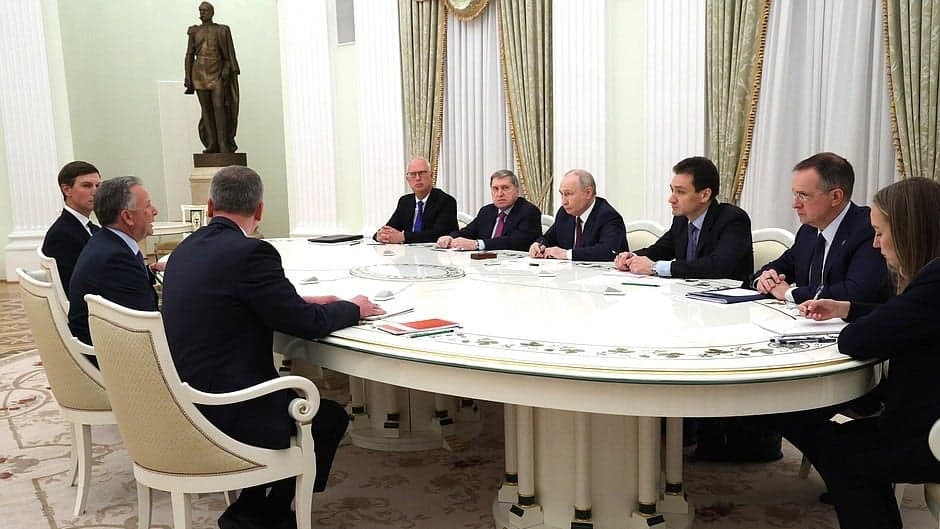
The breakthrough comes in the wake of renewed high-stakes mediation led by U.S. Special Envoys Steve Witkoff and Jared Kushner, who engaged directly with Ukrainian President Volodymyr Zelenskyy and traveled to Moscow to consult Russian President Vladimir Putin[3][1][4]. Those efforts built upon tentative direct talks between Russian chief negotiator Vladimir Medinsky and Ukrainian intelligence chief Rustem Umerov in Abu Dhabi earlier in the month - the first face-to-face bilateral contact between the warring parties in nine months[3][4]. European leaders had grown increasingly vocal against any bilateral U.S.-Russian framework that attempted to settle European continental borders and post-war security architectures without direct European representation[4].
Diplomatic responses from Moscow signaled a pragmatic shift. In remarks delivered on November 13, Kushner confirmed that President Putin had agreed to give direct European participation "a try," while Kremlin spokesperson Dmitry Peskov stated that Moscow is open to European countries joining the process once their mandates and readiness to offer constructive contributions are fully articulated[2]. Concurrently, Putin floated a localized humanitarian evacuation initiative for civilians in contested eastern Ukrainian sectors, reflecting active diplomatic testing between the parties[2].
The formal inclusion of an EU delegation changes the strategic math of the negotiations[1]. While Washington has pushed for a streamlined roadmap focusing on ceasefire lines, territory, and initial security pledges, European powers - backed strongly by Paris and Berlin - are determined to tie any ceasefire to robust, legally binding European security guarantees and enforceable constraints on future Russian force posture[4]. European diplomats underscored that continental stability cannot be brokered as a secondary consideration, signaling a united front as preparations begin for the expanded plenary sessions[4].
- Ursula von der Leyen
- António Costa
- Emmanuel Macron
Story 4 of 14
3 min read
G7 Paris Communiqué Demands European Inclusion in Ceasefire Talks
G7 Foreign Ministers concluded their Paris summit with a communiqué demanding European inclusion in any ceasefire negotiations concerning Europe's future security. The declaration also calls for an immediate mutual halt to strikes targeting civilian energy infrastructure and maritime commerce in the Black Sea. This statement comes amidst escalating maritime friction and global commerce disruptions, with the G7 asserting freedom of navigation and reinforcing commitments to Ukraine's financial stability.
Read the full storyFold the full story2 min · 5 sources
The Foreign Ministers of the Group of Seven (G7) - representing Canada, France, Germany, Italy, Japan, the United Kingdom, and the United States, along with the High Representative of the European Union - concluded their ministerial summit in Paris with a joint declaration addressing ongoing conflicts and trade security[1]. Most notably, the communiqué stated that "negotiations on the future security of Europe must include the Europeans," formally embedding a demand that bilateral negotiations pursued by Washington with Moscow or Beijing cannot displace European allies[1][2]. The ministers reiterated their support for ongoing peace initiatives to facilitate a comprehensive, reciprocal ceasefire in Ukraine, specifically calling for an immediate mutual halt to strikes targeting civil energy infrastructure and maritime commerce in the Black Sea[1].
The release of the Paris declaration coincides with escalating economic and military friction across two critical maritime corridors[1][2]. In Eastern Europe, recurrent Russian strikes against civilian ports and energy systems have jeopardized the continent's baseline stability entering winter[1]. Concurrently, global commerce has been rattled by instability stemming from the war in Iran, including disruptions and closures in the Strait of Hormuz, alongside renewed volatility in international grain, fertilizer, and petroleum distribution[3][2]. Under the French G7 presidency, European diplomats utilized the ministerial platform to establish joint red lines, compelling the United States to reaffirm multilateral consultation despite the Trump administration's preference for unilateral deal-making[1][4].
Key figures driving the communiqué include French Foreign Minister Jean-Noël Barrot, who led the proceedings, alongside U.S. Secretary of State representatives, foreign ministers from the UK, Germany, Italy, Japan, and Canada, as well as the EU High Representative[1]. The ministers reviewed the implementation of commitments established earlier at the Évian G7 Summit, particularly progress toward transferring advanced air defense batteries, long-range munitions, and co-production licenses that allow Ukraine to manufacture Western-designed armaments domestically[1][2]. Additionally, the coalition reaffirmed its financial commitment, having mobilized $2.5 billion in international relief funding during 2026 to mitigate Middle Eastern food security emergencies triggered by shipping closures[2].
The implications of the Paris statement reach well beyond the Ukraine conflict into international maritime governance[1][2]. The G7 explicitly anchored its maritime security mandate in the United Nations Convention on the Law of the Sea (UNCLOS), reaffirming the EU-backed "No Fees, No Tolls" pledge established in October 2026[2]. By asserting freedom of navigation across the Black Sea, the Persian Gulf, and the Indo-Pacific, the G7 aims to deter state and non-state actors from weaponizing critical shipping choke points[1][2]. Furthermore, the document formally links the group's economic leverage to Ukraine's structural financing needs for 2027, setting the stage for institutional G7-EU coordination to keep Ukrainian public finances liquid amid protracted conflict[2].
Diplomatic commentators observe that the Paris text illustrates the delicate friction between Washington and its traditional democratic allies[1]. By incorporating explicit language requiring European presence at any negotiating table concerning continental borders, the European members of the G7 successfully codified a binding diplomatic benchmark[1][2]. Analysts note that this provision directly addresses European anxieties regarding the upcoming Trump-Putin-Xi interactions in Shenzhen, ensuring that the G7 machinery remains committed to collective deterrence, sovereign territorial integrity, and the rule of international maritime law[5][1][2].
- G7
- Paris
- European Union
Story 5 of 14
3 min read
European Political Community Adopts Dublin Security Declaration for Continental Autonomy
Forty European leaders at the EPC Summit in Dublin adopted the 'Declaration on Key Principles of European Security,' outlining principles and objectives for collective defense, critical infrastructure protection, and support for Ukraine. This declaration underscores the linkage between European security and peace in Ukraine, with plans for further sanctions against Russia and financial support for Kyiv. The move signals a stronger assertion of European agency in security matters, with 40 nations signing the declaration.
Read the full storyFold the full story2 min · 9 sources
Closing out the ninth European Political Community (EPC) Summit at the Convention Centre Dublin, 40 European heads of state and government adopted the "Declaration on Key Principles of European Security"[1][2]. The political declaration outlines 10 foundational principles and 13 common operational objectives intended to anchor the continent's collective defense, protect critical infrastructure, and coordinate sustained military support for Ukraine[2]. In joint statements delivered on the margins of the summit, European Council President António Costa and European Commission President Ursula von der Leyen reaffirmed that European security and peace in Ukraine are inextricably linked, announcing immediate plans to present the EU's 22nd package of sanctions against Russia and organize a coordinated financial package for Kyiv's defense through 2027[3][1].
This strategic convergence in Dublin reflects acute European alarm over being circumvented in external negotiations regarding the continent's security order[2]. Following exploratory peace talks in Abu Dhabi and bilateral diplomatic overtures led by Washington, European leaders moved deliberately to assert collective agency[3][2]. The summit demonstrated a rare degree of continent-wide consensus: out of more than 45 attending delegations stretching from Britain to the Caucasus, 40 nations signed the security declaration, with only a small handful of non-aligned or Russian-aligned states - including Serbia and Switzerland - withholding signatures[4][2]. The initiative was accompanied by targeted side discussions hosted by British Prime Minister Andy Burnham and Ukrainian President Volodymyr Zelenskyy, who focused on integrating non-EU military contributions and tightening export controls on Russian dual-use technology[5][6].
The primary actors shaping this development include Taoiseach Micheál Martin, who hosted the summit, Council President Costa, Commission President von der Leyen, UK Prime Minister Burnham, Ukrainian President Zelenskyy, and NATO Secretary General Mark Rutte, who emphasized that expanding European and transatlantic defense-industrial cooperation is vital to deterring hybrid aggression[7][6][3]. Notably, Hungarian Prime Minister Péter Magyar joined the broader EPC sessions, reflecting shifting dynamics within Central European politics[8]. In parallel sessions, European leaders also convened an inaugural high-level summit on artificial intelligence and industrial autonomy, featuring testimony from Mistral AI CEO Arthur Mensch and AI pioneer Geoffrey Hinton, who urged governments to coordinate public compute and defense-tech capabilities to avoid falling entirely reliant on the U.S. and China[9].
The strategic consequence of the Dublin declaration is a firmer codification of European "strategic autonomy"[2]. By formalizing shared security objectives across both EU members and non-EU neighbors like the United Kingdom, Norway, and Ukraine, the EPC is evolving from an informal talking shop into a cohesive geopolitical coordinating bloc[6][3]. The agreement explicitly rejects any revision of European borders or "spheres of influence" negotiated over Europe’s head, establishing that European states must directly participate in any framework dictating regional security guarantees[2]. In the near term, the summit unlocked immediate winter resilience assistance for Ukraine, including hundreds of specialized mobile generators from the EU's rescEU reserves, floating bridge systems from Norway, and coordinated drone technology transfer agreements[3].
Geopolitical analysts emphasize that the Dublin summit signals a defensive consolidation against shifting American foreign policy. In an analysis for the Center for Strategic and International Studies (CSIS), Jérôme Sansonetti noted that the declaration is primarily designed to prevent European states from being relegated to spectators in bilateral bargaining between great powers[2]. Sansonetti observed that the 40-nation consensus serves two distinct strategic functions: reinforcing internal military posture and defense-industrial autonomy, while simultaneously projecting red lines to demonstrate that Europe will reject any settlement forced upon Ukraine or the continent by outside actors[2].
- European Political Community (EPC)
- Dublin
- Ursula von der Leyen
Story 6 of 14
2 min read
Trump Shifts U.S. Policy: Withdraws Vance from Iran Talks, Signals Containment
President Trump has ordered Vice President Vance to withdraw from diplomatic negotiations with Iran, signaling a decisive pivot toward a policy of heightened economic interdiction, naval blockade, and regional containment. Trump stated that a deal with Iran is not needed, rejecting any immediate diplomatic détente. This move follows the collapse of recent diplomatic overtures and escalates tensions amidst military exchanges.
Read the full storyFold the full story2 min · 5 sources
The Trump administration executed a decisive pivot in its Middle East policy on November 13, 2026, with President Donald Trump confirming he has ordered Vice President JD Vance to withdraw completely from backchannel diplomatic negotiations with Iran[1][2][3]. Speaking in a series of public interviews and official statements, Trump stated flatly that "we don't need a deal with Iran," rebuffing suggestions that Washington would make concessions to broker an immediate diplomatic détente[4][2]. Instead, the administration signaled a transition toward heightened economic interdiction, a strict naval blockade, and regional containment to throttle Tehran's nuclear program and military reach[3].
The diplomatic breakdown follows months of contentious maneuvering. Vice President Vance had served as the White House’s primary direct conduit exploring a negotiated settlement, widely viewed among international interlocutors as the most viable internal bridge for talks[2]. However, diplomatic overtures collapsed after Iranian authorities formally refused Vance’s request for direct, in-person negotiations with Iranian envoys[2]. Iranian leadership laid down a hardline framework comprising seven non-negotiable preconditions, with the head of Iran's Supreme National Security Council vowing publicly that Tehran would not allow the removal of a single particle of enriched nuclear fuel[4]. U.S. Secretary of State Marco Rubio quickly categorized Tehran's preconditions as wholly unacceptable to the United States[4].
The diplomatic freeze coincided with escalating military exchanges that further scuttled dialogue[4][2]. On November 13, Iran's Islamic Revolutionary Guard Corps (IRGC) claimed responsibility for an attack intended to destroy a U.S. early-warning radar facility in Bahrain, identifying the operation as direct retaliation for an earlier U.S. strike against an Iranian military communications installation at Sirik overlooking the Strait of Hormuz[4][2]. While U.S. Central Command denied the radar had been compromised and announced the interception of two inbound Iranian strike drones, the engagement marked Iran’s first direct offensive operation against American military infrastructure in several months[2].
Trump pointedly redirected Vance’s portfolio away from foreign policy negotiations, asserting that Gulf allies - including Saudi Arabia - have cautioned against precipitous escalations while supporting strict economic and maritime containment[5][2][3]. The administration’s strategic redirection closes the door on near-term diplomatic settlements and sets the stage for intensified naval enforcement across critical energy transit routes in the Persian Gulf[2][3].
- Donald Trump
- JD Vance
- Iran
Story 7 of 14
2 min read
Türkiye and Qatar Sign Landmark Mutual Defense Pact
Turkish President Erdoğan and Qatari Emir Sheikh Tamim bin Hamad Al Thani signed a comprehensive mutual defense pact on November 13, 2026, solidifying one of the region’s most enduring military and economic alignments. The agreement, signed during the Türkiye-Qatar High Strategic Committee session in Istanbul, is part of five bilateral accords aimed at enhancing regional security.
Read the full storyFold the full story1 min · 1 source
In an assertive consolidation of Middle Eastern security architecture, Turkish President Recep Tayyip Erdoğan and Qatari Emir Sheikh Tamim bin Hamad Al Thani signed a comprehensive mutual defense pact on November 13, 2026[1]. The historic signing occurred during the 12th annual session of the Türkiye-Qatar High Strategic Committee, held at the Presidential Dolmabahçe Office in Istanbul[1]. The defense agreement formed the core of five bilateral accords struck between the two governments, solidifying one of the region’s most enduring military and economic alignments[1].
Alongside the headline mutual defense commitment executed by the heads of state, Turkish Foreign Minister Hakan Fidan and Qatari Prime Minister and Foreign Minister Sheikh Mohammed bin Abdulrahman Al Thani signed a detailed memorandum of understanding focused on peace mediation, reconciliation, and international conflict resolution[1]. Additional agreements formalized during the summit established cooperative frameworks for consumer protection, judicial synchronization, and educational exchanges, concluding with a comprehensive joint declaration cementing their bilateral strategic roadmap[1].
The defense pact elevates a security relationship that has grown steadily since the 2017 Gulf diplomatic crisis, during which Ankara deployed military personnel to Qatar and established an expansive permanent military presence[1]. By translating practical military cooperation into a binding mutual defense framework, Ankara and Doha have created an institutionalized deterrence umbrella[1]. The pact reflects a hedge against rising volatility across the broader Persian Gulf and Levant, particularly as shifting American strategic priorities prompt regional powers to build independent security coalitions.
Regional analysts noted that the timing of the treaty signals enhanced diplomatic and military autonomy among middle powers. By linking Türkiye's extensive military manufacturing base and standing armed forces with Qatar's strategic capital and diplomatic reach, the alliance establishes an influential bloc capable of independent mediation and collective deterrence across maritime, energy, and regional defense theaters[1].
- Recep Tayyip Erdoğan
- Tamim bin Hamad Al Thani
- Hakan Fidan
Story 8 of 14
2 min read
Türkiye and Qatar Solidify Security Alliance with New Defense Pact
Türkiye and Qatar have signed a comprehensive mutual defense agreement, deepening military integration between the two nations. This pact, signed by President Erdoğan and the Amir of Qatar, builds upon existing economic and security cooperation and addresses growing concerns over Persian Gulf security.
Read the full storyFold the full story2 min · 6 sources
Meeting at the Dolmabahçe Presidential Office in Istanbul for the 12th session of the Qatar-Türkiye Supreme Strategic Committee, Turkish President Recep Tayyip Erdoğan and the Amir of Qatar, Sheikh Tamim bin Hamad Al Thani, signed a comprehensive mutual defense agreement[1][2]. The bilateral defense pact, personally signed by both heads of state, deepens military integration between Ankara and Doha at a critical juncture for Gulf security[3][2]. Beyond the defense arrangement, the leaders oversaw the formal exchange of bilateral memoranda of understanding spanning education, consumer protection, and dedicated joint mediation frameworks overseen by their respective foreign ministries to manage conflict resolution and diplomatic reconciliation[1][3].
The summit solidifies an institutional mechanism established in December 2014 that has systematically transformed Turkish-Qatari relations into one of the Middle East’s most resilient political and military alliances[4]. The signing follows the recent entry into force of the bilateral Trade and Economic Partnership Agreement (TEPA), which both governments credit with accelerating cross-border commerce toward multi-billion-dollar targets[5][2]. Historically anchored by Türkiye's military presence in Doha and Qatari financial backstops for the Turkish economy, this newest phase shifts the partnership toward codified mutual security guarantees and coordinated regional diplomacy[3][2].
The geopolitical context surrounding the Istanbul meeting is dominated by intensifying threats to Persian Gulf commercial corridors and strategic shipping lanes[6][2]. In public remarks following the signing ceremony, President Erdoğan emphasized that the pact adds an institutionalized security dimension to the bilateral relationship, explicitly tasked with preventing the resurgence of broader conflict in the Gulf[2]. Concurrently, the two nations finalized preparations to convene the 7th Session of the Qatar-Türkiye Joint Commission on Economic and Technical Cooperation in Doha, intended to expand energy diversification and joint defense equipment manufacturing[5][2].
The formalization of mutual defense commitments carries profound ramifications for regional defense architecture. By establishing explicit mutual security understandings with Qatar, Ankara cements its footprint as an indispensable security guarantor across the Arabian Peninsula[3][2]. For Qatar, the expanded defense framework diversifies its strategic partnerships beyond traditional Western security umbrellas[3][2]. Regional defense observers note that Ankara and Doha’s institutionalized alliance creates a synchronized diplomatic-military bloc capable of acting independently on regional flashpoints, ranging from maritime dispute resolution to third-party diplomatic mediation[3][2].
- Türkiye
- Qatar
- Recep Tayyip Erdoğan
Story 9 of 14
2 min read
G7 Agrees on Critical Minerals Tech Controls Amid ICC Sanctions Dispute
G7 foreign ministers have agreed to implement coordinated technology controls over critical mineral processing to counter market concentration. However, the summit was marked by friction between the U.S. and European nations over sanctions against the International Criminal Court (ICC).
Read the full storyFold the full story2 min · 3 sources
Following their formal ministerial summit in Paris under the French G7 Presidency, the foreign ministers of the Group of Seven and the European Union issued their finalized joint declaration, outlining an under-the-radar policy shift aimed at establishing coordinated multilateral technology controls over midstream and downstream critical mineral processing[1][2]. Citing extreme market concentration and geopolitical vulnerabilities in critical supply chains, the G7 ministers agreed to harmonize domestic policy measures and export restrictions to safeguard proprietary mineral-refining and extraction technologies, directly countering monopolistic dominance by non-market economies[1].
While the communiqué projected institutional unity across strategic technology policy, Ukraine air defense commitments, and Black Sea maritime security corridors, the summit was shadowed by intense diplomatic friction between the United States and its European counterparts over international legal jurisdiction[3][2]. U.S. Secretary of State Marco Rubio held firm on the Trump administration's aggressive campaign against the International Criminal Court (ICC), which includes severe unilateral U.S. sanctions targeting court personnel and international prosecutors[3]. Secretary Rubio reiterated that Washington will reject any international judicial authority over American service personnel and warned European capitals against deploying defensive economic mechanisms[3].
The primary flashpoint behind the closed-door sessions was European Union discussions regarding the potential activation of the EU Blocking Statute[3]. Such a move would formally insulate European governments, corporations, and individuals from secondary American sanctions resulting from their compliance with ICC warrants[3]. The prospect of an activated EU Blocking Statute against U.S. secondary sanctions introduces severe cross-border compliance hazards for global financial institutions and multinational corporations, pitting European statutory adherence against American secondary financial embargoes[3].
The contrasting outcomes of the Paris summit illustrate the dual-track nature of contemporary Western diplomacy[3][1]. On one track, G7 members are executing tighter structural alignment to safeguard the critical industrial materials required for green technology and advanced defense hardware[1]. On the other, profound ideological cleavages over the validity of multilateral judicial institutions threaten to fracture transatlantic regulatory coherence[3]. Industrial groups have responded favorably to the promise of coordinated critical mineral protection, but trade compliance bodies warn that a secondary sanctions standoff over the ICC could destabilize international legal cooperation among Western allies[3][1].
- G7
- European Union
- United States
Story 10 of 14
2 min read
UK and Azerbaijan Forge Strategic Partnership Beyond Oil
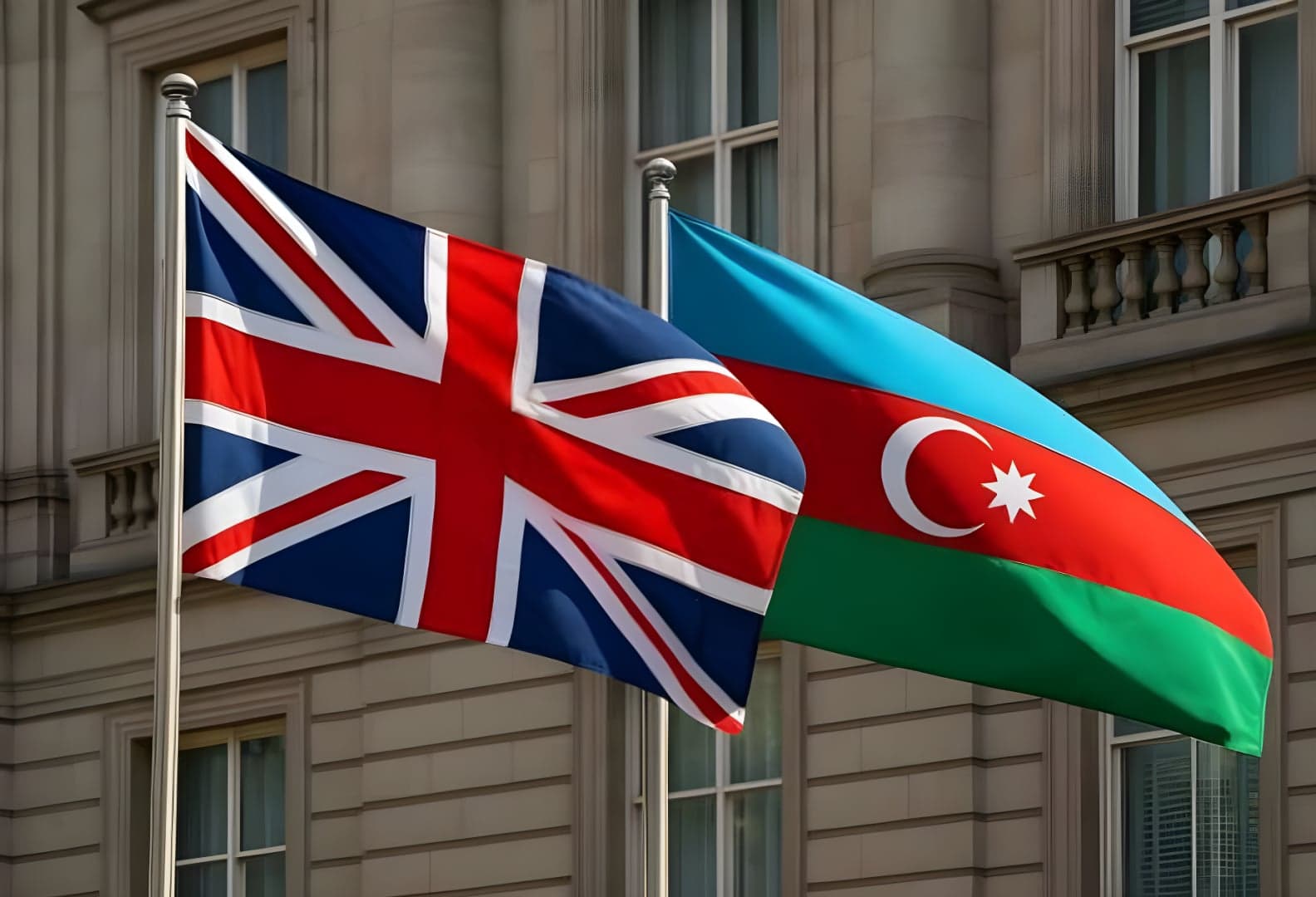
Azerbaijan and the United Kingdom have elevated their bilateral relations to a strategic partnership, moving beyond their traditional focus on hydrocarbons. The new agreement emphasizes political, security, and trade cooperation, including green energy and joint trade diversification.
Read the full storyFold the full story2 min · 3 sources
In a structural recalibration of their diplomatic engagement, Azerbaijan and the United Kingdom elevated their bilateral relations to a formal strategic partnership[1][1]. The declaration, concluded on the sidelines of the European Political Community (EPC) summit in Dublin between Azerbaijani President Ilham Aliyev and British Prime Minister Andy Burnham, transitions London and Baku away from a legacy partnership focused solely on extractive energy toward a broad political, security, and trade architecture[1][1]. The strategic document establishes bilateral protocols for regularized security consultations, green energy interconnectivity, and joint trade diversification[1][1][2].
For more than three decades, the Anglo-Azerbaijani bilateral track was largely driven by British multinational BP and the development of deep-sea oil and natural gas fields across the Caspian Basin[1][1]. While Caspian energy flows remain critical to European energy security, Baku has pursued a multi-vector foreign policy aimed at securing binding institutional partnerships with leading Western capitals[1][1]. The Dublin declaration directly mirrors similar strategic declarations that Azerbaijan concluded with Washington in February 2026 and Berlin in July 2026, creating an interconnected framework of formal cooperation with key Western powers[1][1].
The agreement reflects London’s nascent post-Brexit foreign policy strategy of securing durable geopolitical influence across the South Caucasus and Central Asian transport corridors[1][1]. Strategically situated along the Middle Corridor - the trans-Caspian multimodal transit route linking European markets to Central Asia while bypassing Russian territory - Azerbaijan has emerged as an essential node for Western logistics and energy planning[1][1][3]. Under the new declaration, both governments agreed to coordinate on critical supply chain security, digital infrastructure investments, and clean energy exports, particularly trans-European green electricity corridors[1][1][2].
This strategic elevation establishes Azerbaijan as one of Britain’s most institutionalized diplomatic partners in post-Soviet Eurasia[1][1]. Energy analysts highlight that the pact ensures long-term contractual protections for British capital as Caspian operations transition toward offshore renewables and green hydrogen, while diplomatic strategists observe that London has secured an enhanced vantage point along Iran and Russia's immediate periphery[1][1][3]. Although the partnership has drawn scrutiny from human rights advocates in Europe concerned over regional governance standards, Downing Street and Baku have framed the declaration as a vital stabilizing mechanism for Caspian and European energy and economic resilience[1][1].
- Azerbaijan
- United Kingdom
- Ilham Aliyev
Story 11 of 14
2 min read
US Challenges German AI Treaty Over Regulatory Concerns
The U.S. State Department has formally objected to Germany's draft Digital Media Interstate Treaty, specifically targeting its regulations on generative AI and 'Super Intelligence' platforms. Washington argues that mandates for a 'public value pool' and 'right of reply' constitute viewpoint discrimination and create trade barriers.
Read the full storyFold the full story2 min · 3 sources
In an unheralded diplomatic intervention into European digital policy, the U.S. Department of State formally lodged comprehensive objections during the closing hours of Germany's interstate public consultation regarding the draft Digital Media Interstate Treaty Part II (Digitaler Medienstaatsvertrag, or DMStV)[1][2]. In an extensive diplomatic note issued via U.S. Mission Germany, Washington targeted the treaty’s stringent regulatory mandates governing generative AI and so-called "Super Intelligence" (SI) platforms[1][2]. The State Department challenged the legality and structural impact of the draft treaty’s provisions, specifically requirements forcing advanced AI platforms to implement a "public value pool" and embed mandatory "right of reply" mechanisms into algorithmic generation[1].
The diplomatic confrontation underscores growing transatlantic friction over the boundaries of artificial intelligence governance and tech platform sovereignty[1]. While the European Union and German federal states (Länder) have moved to implement rigorous digital guardrails to prioritize state-vetted journalism and suppress disinformation, the Trump administration has pursued an aggressive foreign policy posture designed to dismantle foreign regulations that impact American technology firms[3][1]. Washington warned German state media regulators that compelling generative models to artificially prioritize approved public media amounts to viewpoint discrimination and state-directed compelled speech[1].
The State Department’s intervention explicitly raised concerns that the German framework establishes a dangerous international precedent, creating a de facto class of state-endorsed news outlets while algorithmically deprioritizing independent journalists, independent creators, and non-certified digital outlets[1]. The filing questioned how German regulatory bodies plan to prevent this regulatory model from being adopted by authoritarian regimes seeking to legitimize centralized digital censorship[1]. Furthermore, Washington accused the draft treaty of generating non-tariff regulatory trade barriers, placing disproportionate technical and financial compliance burdens on American AI developers[1].
The filing signals an increasingly assertive American diplomatic strategy targeting European domestic tech legislation before it is enacted into law[1]. Legal experts and digital rights groups in Europe are sharply divided over the maneuver; supporters of the German statute defend the public value pool as an essential democratic defense against algorithmic distortion and commercial monopolization, while independent tech developers argue the U.S. critique accurately highlights the severe operational difficulties of enforcing a "right of reply" on probabilistic generative models[1]. The dispute establishes a new frontier of transatlantic diplomatic friction that extends beyond traditional trade tariffs into the core architecture of algorithmic governance[1].
- United States
- Germany
- Digital Media Interstate Treaty
Story 12 of 14
2 min read
Japan and Mexico Align Industrial Sectors for Supply Chain Resilience
Japan and Mexico have agreed to synchronize their industrial sectors and supply chains through a new bilateral committee. This initiative aims to align Japan's strategic economic sectors with Mexico's national economic plan, focusing on critical minerals, electronics, and healthcare technologies.
Read the full storyFold the full story2 min · 1 source
During high-level bilateral negotiations and a working dinner in Tokyo, Japanese Minister for Foreign Affairs Motegi Toshimitsu and Mexican Secretary of Foreign Affairs Roberto Velasco Álvarez agreed to accelerate the formal launch of the "Japan-Mexico Committee"[1]. Marking the first official visit to Japan by a Mexican foreign minister in four years, the meeting concluded with an agreement to directly synchronize Japan’s 17 designated strategic economic priority sectors with the domestic industrial programs underpinning Mexico's national economic blueprint, "Plan Mexico"[1]. The resulting bilateral initiative establishes a governmental coordination mechanism to oversee supply chain resilience, advanced healthcare technologies, and critical industrial infrastructure[1].
The diplomatic initiative responds directly to mounting pressures on international manufacturing hubs brought about by global trade fragmentation and aggressive industrial protectionism[1]. Mexico has evolved into a primary staging ground for international nearshoring, with global manufacturers moving manufacturing closer to the North American market[1]. Concurrently, Tokyo has aggressively deployed state support to secure its overseas corporate footprints against logistical chokepoints and geopolitical instability[1]. Elevating bilateral mechanisms from ad-hoc commercial engagements to an institutionalized intergovernmental committee provides Japanese corporations with high-level diplomatic insulation in Latin America's second-largest economy[1].
The synchronization strategy specifically targets critical minerals, electronic components, critical infrastructure upgrades, and agricultural security[1]. Minister Motegi emphasized that Japan intends to enhance mutual economic autonomy by aligning private Japanese capital expenditure with Mexican industrial corridors, mitigating third-party supply shocks[1]. The two ministers also agreed to broaden cooperation across broader trans-Pacific diplomatic frameworks, tasking the forthcoming Japan-Mexico Committee with submitting direct policy recommendations to the executive leadership of both countries to resolve regulatory and operational bottlenecks[1].
The establishment of this institutional corridor represents a structural victory for Japanese industrial conglomerates operating in Mexico's automotive, semiconductor, and logistics ecosystems[1]. For Mexico, the partnership secures an influx of high-value Japanese technical investment and advanced manufacturing capacity outside of standard North American bilateral channels, aiding its own industrial modernization goals under Plan Mexico[1]. Industrial analysts note that the Tokyo-Mexico City alignment provides a blueprint for how mid-tier technological and manufacturing powerhouses can hedge against rising trade friction between larger global economic powers[1].
- Japan
- Mexico
- Motegi Toshimitsu
Story 13 of 14
3 min read
Canada Pursues EU Associate Membership, Pivots to Asian Trade
Canada is pursuing EU associate membership, aiming to become the bloc's first formal 'Associate Member' through deep institutional partnership. This strategic pivot away from U.S. over-reliance includes accelerating trade talks with the Philippines and pursuing a comprehensive Canada-ASEAN free trade pact. The move is framed as a diversification strategy to enhance economic sovereignty amid global trade volatility.
Read the full storyFold the full story2 min · 7 sources
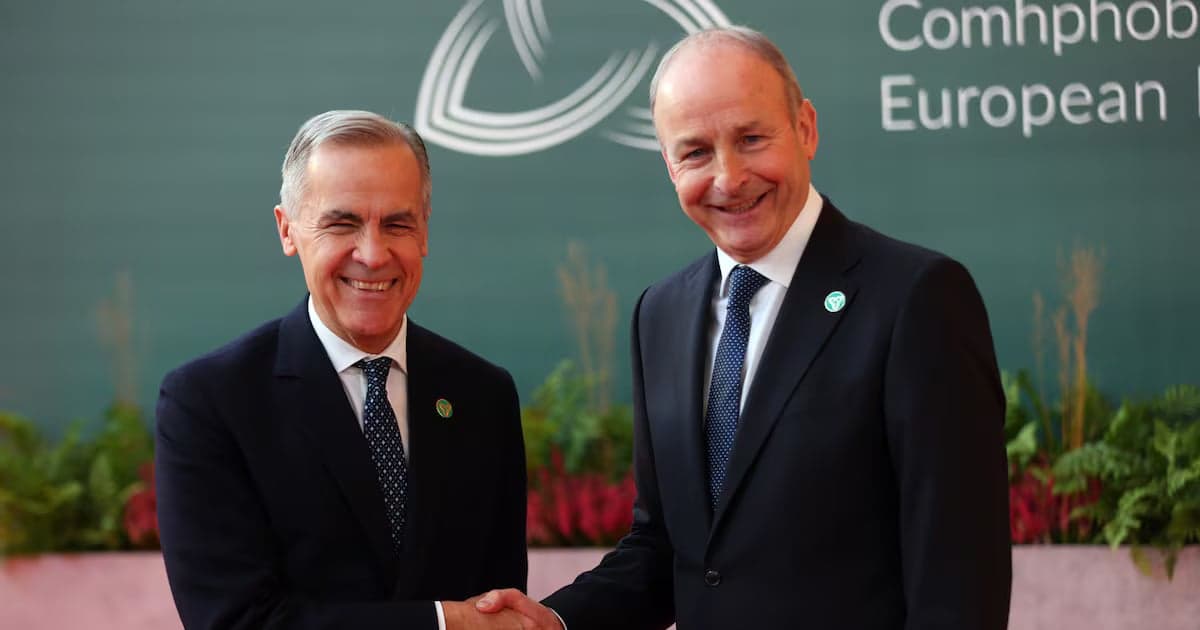
In a coordinated international tour spanning Europe and the Indo-Pacific, Canadian Prime Minister Mark Carney and Foreign Affairs Minister Anita Anand advanced a historic realignment of Ottawa’s foreign and commercial policy[1][2][3]. Following meetings in Dublin at the European Political Community Summit, bilateral readouts - including a formal statement with Cypriot President Nikos Christodoulides - confirmed that Canada and the European Union have entered active discussions to establish Canada as the EU’s first formal "Associate Member"[4][5]. Building on the "Alliance for the Future" established at the Montreal Canada-EU Summit, this proposed associate status represents the deepest institutional partnership the European bloc has ever pursued with an external, non-continental sovereign nation, focusing on mutual regulatory harmonization, energy integration, and critical mineral supply lines[1][5].
This aggressive diversification marks a structural shift away from Canada's historic over-reliance on the United States[6]. With heightened trade volatility, protectionist tariff policies, and unpredictable geopolitical stances emerging from Washington, Ottawa has prioritized insulating its domestic economy[6][7]. Addressing media during high-level trade engagements at the 49th ASEAN Summit in Manila, Carney explicitly framed the pivot around economic sovereignty, declaring that Canada must systematically reduce its relative exposure to U.S. market shocks by securing deep-seated multilateral integration with Europe and the Asia-Pacific[6][3]. Parallel to the European talks, Carney announced major breakthroughs toward a bilateral free trade agreement with the Philippines - projected to triple two-way trade by 2035 - alongside accelerated negotiations for a comprehensive Canada-ASEAN free trade pact[6][3].
The initiative involves high-level participation across multiple continents[3]. Prime Minister Carney and Foreign Minister Anand are coordinating engagements across four major summits in Dublin, Manila, Phnom Penh (for the Francophonie Summit), and the Shenzhen APEC gathering[2][3]. In Europe, the Canadian delegation engaged directly with leaders from France, Greece, Ireland, Denmark, Cyprus, Latvia, and Sweden, securing backing for Canada's integration into EU strategic frameworks[1]. In Southeast Asia, Carney engaged Philippine President Ferdinand Marcos Jr. and ASEAN leadership, targeting expanded exports in agriculture, energy, and advanced manufacturing[6][3].
The institutional impact of Canada achieving EU associate membership would be unprecedented in modern diplomatic history[4]. While full EU accession is geographically impossible under European treaties, associate status would provide Ottawa with preferred access to European research programs, joint defense procurement mechanisms, and critical raw materials partnerships[5][7]. This alignment allows European industries to secure non-Russian, non-Chinese sources of nickel, lithium, and clean energy, while granting Canadian firms frictionless entry into the European single market's specialized sectors[5][7]. Concurrently, closing trade deals across Southeast Asia provides Canadian natural resource producers with alternate export channels to one of the world's most dynamic regional markets, reducing vulnerabilities to unilateral tariffs[6][3].
International trade analysts and economic commentators view Canada’s maneuvers as a case study in middle-power hedging against great-power instability[6][7]. By forging parallel, formalized compacts with the European Union and ASEAN economies, Ottawa is constructing an institutional buffer designed to weather geopolitical friction[7][3]. Expert commentary indicates that while negotiating associate membership within the complex architecture of EU law remains a significant technical challenge, the political momentum on both sides of the Atlantic illustrates how traditional U.S. allies are actively redesigning international alliances to preserve their long-term security and economic autonomy[4][7].
- Canada
- European Union
- Mark Carney
Story 14 of 14
2 min read
Venezuela and Brazil Restore Diplomatic Ties, Eye Energy Cooperation
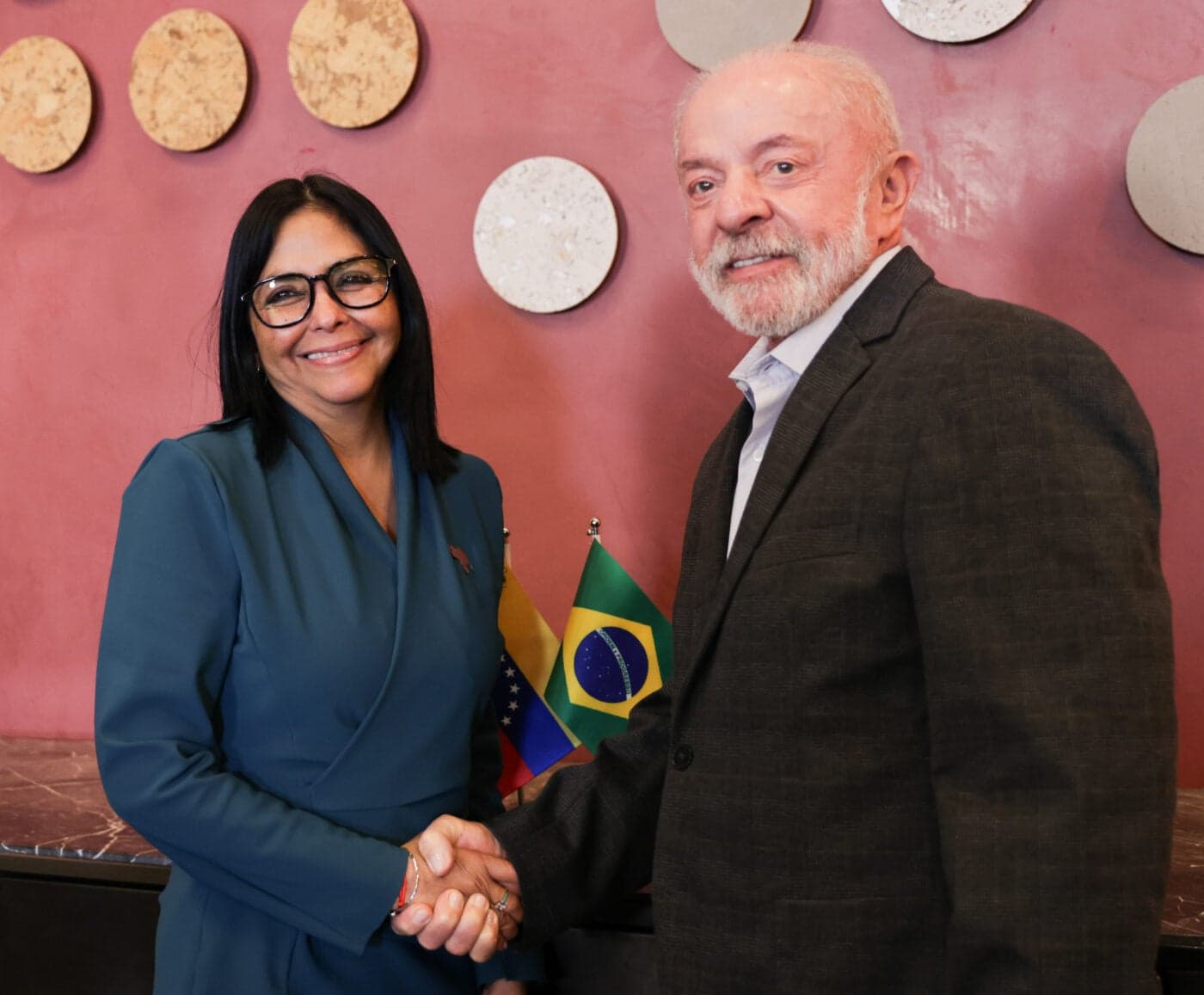
Venezuela and Brazil have officially relaunched state-to-state relations during talks at COP31. The two nations have agreed to restore high-level dialogue, overhaul trade treaties, and explore Brazilian investments in Venezuela's oil sector. A delegation will visit Caracas to assess oil infrastructure.
Read the full storyFold the full story2 min · 3 sources
In a discreet diplomatic breakthrough on the margins of the United Nations Climate Change Conference (COP31) in Antalya, Türkiye, Venezuelan Acting President Delcy Rodríguez and Brazilian President Luiz Inácio Lula da Silva held formal bilateral talks to officially "relaunch" state-to-state relations[1][1]. The meeting produced an immediate, high-stakes agreement to restore institutional dialogue at the highest executive levels, overhaul long-stalled trade treaties, and evaluate direct Brazilian investments into Venezuela’s state-controlled petroleum sector[1][1]. As part of the initial deliverables, the two leaders confirmed that Brazil’s Minister of Mines and Energy, Alexandre Silveira, will lead a technical and financial delegation to Caracas before the end of the year to conduct on-site evaluations of Venezuelan oil infrastructure and upstream joint ventures[1][1].
The rapprochement signals a decisive retreat from nearly two years of bitter political friction that severely undermined South American regional integration[1]. While the Workers' Party in Brasília historically maintained warm ties with Caracas under Hugo Chávez and Lula’s earlier administrations, the relationship fractured sharply following Venezuela’s contentious July 2024 presidential elections[1]. Citing a fundamental "breach of trust," the Lula administration had progressively distanced itself from Caracas and notably exercised a quiet veto to block Venezuela from entering the BRICS bloc as a partner state[1]. The bilateral encounter in Antalya marks a strategic pivot from ideological censure back toward pragmatic economic interdependence and regional stability[1][1].
Central to the negotiations is a mutual restructuring of trade mechanisms, specifically Economic Complementation Agreement No. 69 (ACE-69)[1]. President Lula pressed Caracas to dismantle punitive import tariffs currently levied against Brazilian automobile manufacturers, while the Venezuelan side sought immediate avenues for cross-border capital infusions into its flagging energy network[1]. Beyond trade, both leaders leveraged their summit encounter to establish common ground at COP31, jointly rebuking wealthy industrialized nations for sluggish contributions to international climate finance mechanisms and demanding binding multilateral commitments to underwrite clean energy transitions across the Global South[1][1].
This quiet reconciliation carries significant consequences for South American geopolitical architecture. By re-engaging Caracas, Brazil reclaims its traditional status as South America's primary diplomatic arbiter and opens lucrative pathways for its heavy industrial and energy conglomerates[1][1]. For Caracas, securing Brazilian diplomatic normalization and fresh energy investment weakens international isolation and broadens trade diversification[1][1]. While business confederations in São Paulo welcomed the prospect of renewed export channels and regulatory clarity on tariffs, political analysts note that deepening ties with Caracas poses diplomatic friction for Brasília in its bilateral posture with Washington, which maintains a hardline sanctions policy toward the Venezuelan regime[2][1][3].
- Venezuela
- Brazil
- COP31
You're all caught up.
That's every story in Saturday's PiBrief Geopolitics. And there's a newer edition waiting for you.
All PiBrief Geopolitics editions
Subscribe to receive daily briefings about geopolitics and world news in your email.
Get PiBrief Geopolitics in your inbox
A free newsletter on geopolitics and world news. Diplomacy, conflict, the global economy, and elections, ranked and explained, with an audio briefing in every edition.
Free forever / no account / 1-click unsubscribe