
Xi, Trump, Putin summit, Iran drone strike & more
Leaders from China, the United States, and Russia have converged in Shenzhen for discussions on shifting global alignments. Meanwhile, an Iranian drone strike on American systems in Kuwait has sparked a regional diplomatic crisis. Across Asia, nations continue to recalibrate through Quad security discussions and new bilateral trade accords.
12 stories75 sources checked
Listen to this edition
PiBrief Geopolitics, November 18, 2026
The lineup
In this edition
 01
Xi Hosts Trump and Putin in Shenzhen for APEC Summit, Discussing Trilateral Alignment
 02
Quad Leaders Meet in Manila to Strengthen Indo-Pacific Ties and Tech Initiatives
 03
Trump and Marcos Seal Major Trade Accord, Reaffirm US-Philippine Defense Treaty
 04
South Korea and China Conclude Phase-Two FTA, Focusing on AI and Services
 05
Iran Drone Strike on U.S. Systems in Kuwait Ignites Regional Diplomatic Crisis
 06
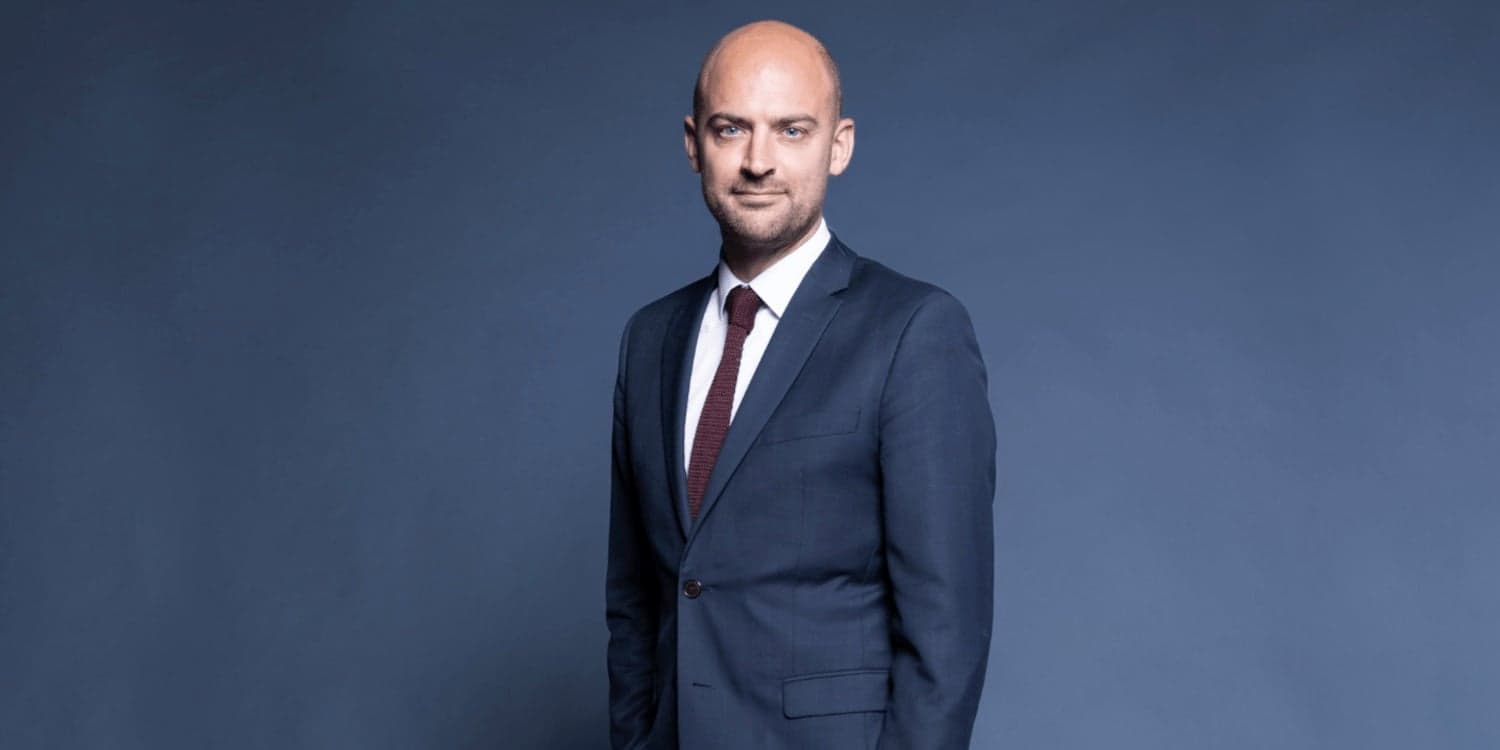
Europe Pushes Back Against U.S.-Russia Talks, Straining Transatlantic Ties
 07
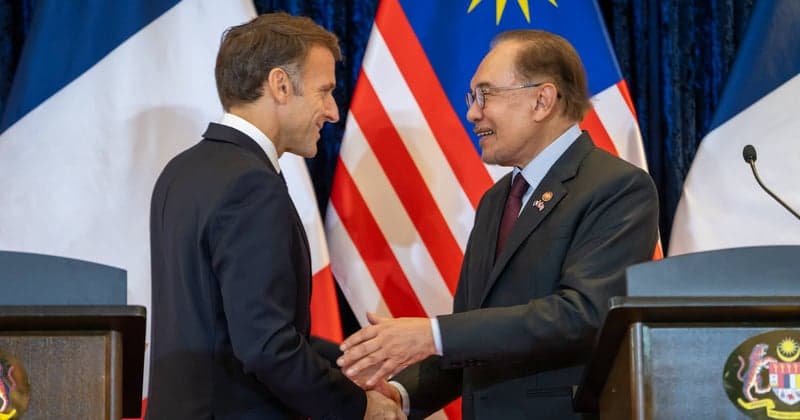
France and Malaysia Elevate Ties, Launch Joint Rare Earths Venture and Defense Deals
 08
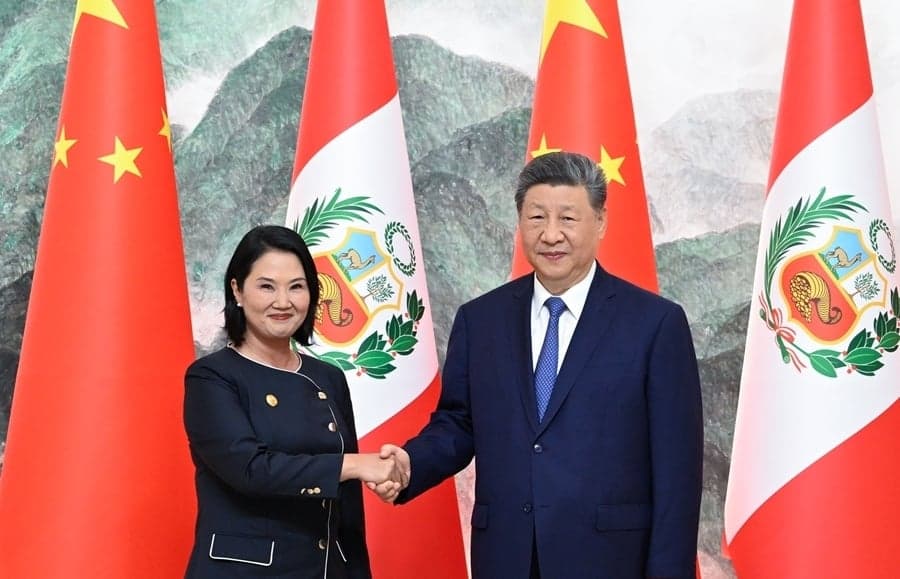
China-Peru FTA Upgrade and Chancay Port Activate New Trans-Pacific Trade Route
 09
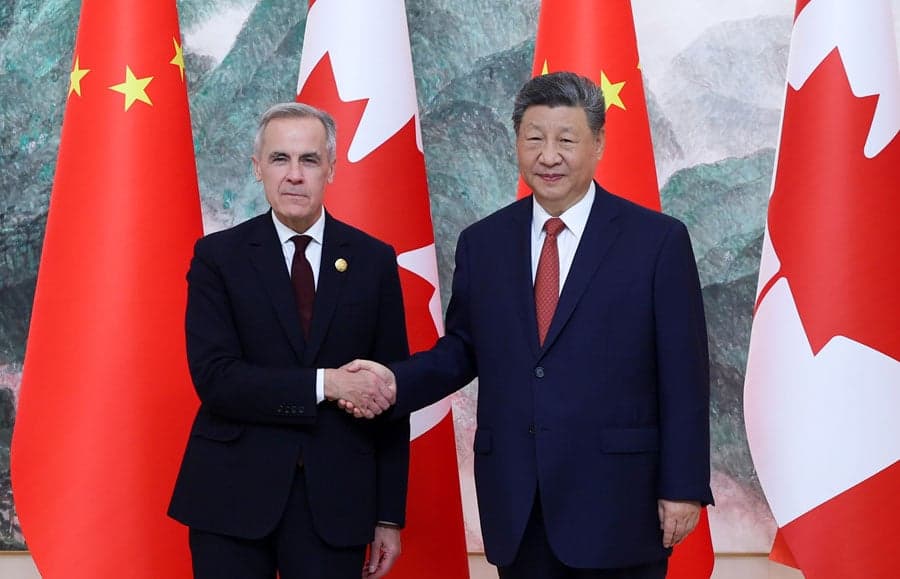
Canada and China Agree to Expanded Trade Relief and Market Access
 10
Singapore Defends Trusted Hub Status Amid US AI Export Curbs
- 11
US Deputy Secretary Landau Embarks on Central Asia Diplomatic Mission
 12
Saudi Arabia Replaces Coalition Commander Amid Troop Withdrawals in Yemen
See all 12 as a listHide the list
- Xi Hosts Trump and Putin in Shenzhen for APEC Summit, Discussing Trilateral Alignment
- Quad Leaders Meet in Manila to Strengthen Indo-Pacific Ties and Tech Initiatives
- Trump and Marcos Seal Major Trade Accord, Reaffirm US-Philippine Defense Treaty
- South Korea and China Conclude Phase-Two FTA, Focusing on AI and Services
- Iran Drone Strike on U.S. Systems in Kuwait Ignites Regional Diplomatic Crisis
- Europe Pushes Back Against U.S.-Russia Talks, Straining Transatlantic Ties
- France and Malaysia Elevate Ties, Launch Joint Rare Earths Venture and Defense Deals
- China-Peru FTA Upgrade and Chancay Port Activate New Trans-Pacific Trade Route
- Canada and China Agree to Expanded Trade Relief and Market Access
- Singapore Defends Trusted Hub Status Amid US AI Export Curbs
- US Deputy Secretary Landau Embarks on Central Asia Diplomatic Mission
- Saudi Arabia Replaces Coalition Commander Amid Troop Withdrawals in Yemen
Story 1 of 12
3 min read
Xi Hosts Trump and Putin in Shenzhen for APEC Summit, Discussing Trilateral Alignment
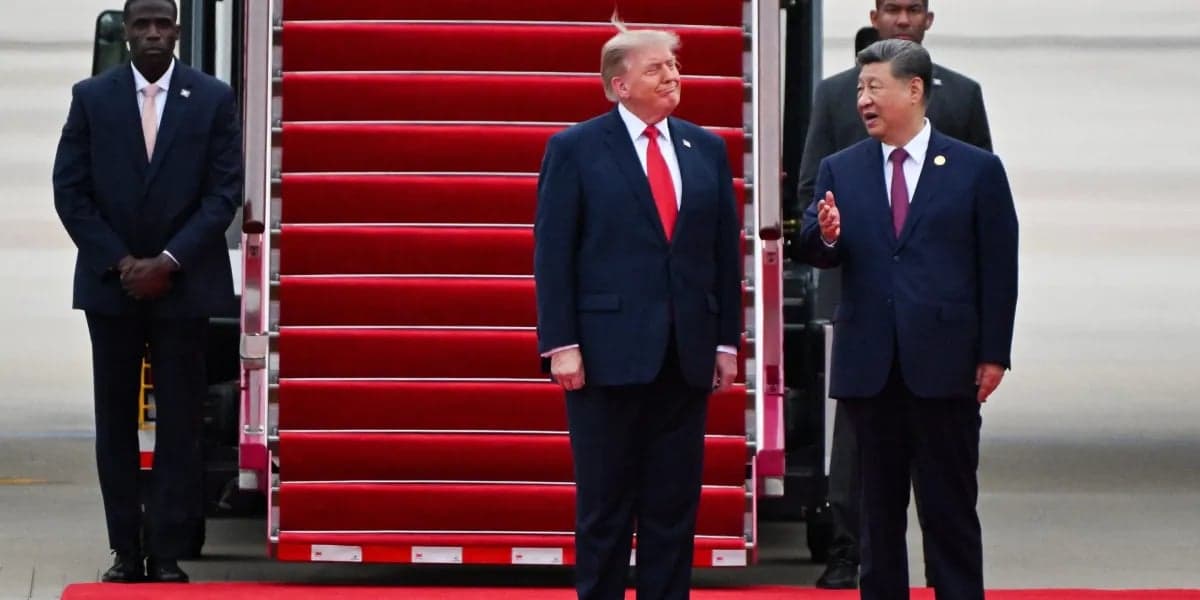
Chinese President Xi Jinping welcomed U.S. President Donald Trump and Russian President Vladimir Putin to Shenzhen for the APEC Summit. Xi personally greeted Trump, a departure from diplomatic precedent, setting the stage for trilateral and bilateral talks. The summit aims to address global security, technology, and trade tensions amid evolving superpower relations.
Read the full storyFold the full story2 min · 14 sources
Chinese President Xi Jinping broke longstanding Chinese diplomatic precedent on November 18 by personally travelling to Shenzhen Bao’an International Airport to greet U.S. President Donald Trump on the tarmac[1][2]. The red-carpet arrival marked the first time during Xi’s tenure that he has met a visiting American head of state at an airport[2]. The dramatic gesture came as global leaders gathered in Shenzhen - China’s premier technology hub and home to tech conglomerates such as Huawei, Tencent, and BYD - for the 33rd Asia-Pacific Economic Cooperation (APEC) Leaders’ Summit[3][4][2]. The diplomatic pageantry set the stage for an unprecedented trilateral meeting between Xi, Trump, and Russian President Vladimir Putin, alongside bilateral deliberations aimed at steadying volatile superpower relations[5][6][7].
The arrival was immediately preceded by intensive bilateral diplomacy between Beijing and Moscow[6]. Earlier in the day, Xi and Putin convened for their 50th personal meeting, with Xi praising their comprehensive strategic partnership as an essential anchor providing "stability and certainty to a turbulent, chaotic world"[7]. In his own addresses, Putin delivered blistering remarks arguing that European powers are suffering a "humiliating decline," while positioning Moscow and Beijing as pillars of a reformed global architecture[8]. Delivering the keynote address at the APEC CEO Summit, Xi laid out four core propositions for building an Asia-Pacific community, pointedly rejecting economic protectionism and unilateral barriers while promising to reform domestic regulations to grant foreign companies "full manufacturing access" in China's Greater Bay Area[9][10].
The geopolitical stakes surrounding the Shenzhen summit reflect acute tensions spanning advanced technology, trade, and regional flashpoints[8][4]. Trump landed in China following stops in Manila, accompanied by U.S. Secretary of State Marco Rubio[11][12]. The administration sought to project an image of global strength despite domestic scrutiny over widespread infrastructural and technology outages back home affecting major financial institutions, aviation networks, and government services[12][7]. While Rubio stressed there was "zero evidence" connecting the domestic disruptions to foreign cyber operations, bilateral tech rivalry remained center stage, exacerbated by recent intelligence scrutiny surrounding Western semiconductor leadership and artificial intelligence supply chains[12][13].
The trilateral agenda is slated to focus on global security dilemmas, primarily nuclear arms control frameworks, potential pathways toward ending the war in Ukraine, and escalating conflict dynamics across the Middle East[7]. Trump indicated openness to expanding his diplomatic push to include talks with North Korean leader Kim Jong Un, a prospect South Korea’s presidential office and Chinese officials acknowledged as a potential path toward reducing Korean Peninsula friction, though Beijing noted no formal summit had yet been finalized[14][11]. Regional allies, notably Taiwan - represented at APEC by Acer Group Honorary Chairman Stan Shih - emphasized that communication with Washington remained steady while monitoring whether cross-strait issues or semiconductor export controls would be leveraged in closed-door discussions[8]. Analysts caution that despite the cordial arrival optics, significant institutional discord over technology transfer, tariffs, and military posture will likely limit immediate formal agreements to crisis-prevention mechanisms and notification protocols[4][13].
- Xi Jinping
- Donald Trump
- Vladimir Putin
Story 2 of 12
3 min read
Quad Leaders Meet in Manila to Strengthen Indo-Pacific Ties and Tech Initiatives
Leaders of the Quadrilateral Security Dialogue (Quad) met in Manila to reaffirm their commitment to the Indo-Pacific's security and maritime status quo. The summit focused on enhancing defense interoperability, securing critical supply chains, and launching new initiatives like the 'Super Intelligence' Accelerator for AI and microelectronics. This meeting aims to counter regional coercion and reassure allies of continued U.S. engagement.
Read the full storyFold the full story2 min · 11 sources
On the sidelines of the ASEAN-related summits in Manila, the leaders of the Quadrilateral Security Dialogue - U.S. President Donald Trump, Australian Prime Minister Anthony Albanese, Indian Prime Minister Narendra Modi, and Japanese Prime Minister Sanae Takaichi - convened for a 90-minute summit to reinforce their strategic alliance[1][2]. Marking roughly a decade since the grouping’s modern revival and the tenth anniversary of the "Free and Open Indo-Pacific" framework first championed by former Japanese Prime Minister Shinzo Abe, the four heads of government reaffirmed their commitment to maintaining the maritime and security status quo against coercive revisionism[1][3]. The summit represented the first formal leader-level Quad convening of Trump’s second administration, serving to quell regional anxieties regarding potential American retrenchment from multilateral Indo-Pacific commitments[4][5].
In a comprehensive joint press release issued following the talks, the four nations declared their firm opposition to "any destabilizing or unilateral actions that seek to change the status quo, including by force or coercion" and expressed explicit concern over economic coercion, particularly arbitrary export curbs on strategic resources[1][3]. A major centerpiece of the meeting was the institutional pivot toward critical technologies and defense interoperability[6]. The leaders formally announced the establishment of the inaugural Quad Business Leaders’ Forum scheduled for early 2027 to mobilize private-sector capital into resilient commercial networks[1][3]. They also confirmed new commitments toward the "Super Intelligence" (SI) Accelerator, an $85 million technology initiative originally unveiled by foreign ministers in Atlanta to co-develop artificial intelligence, secure microelectronics, and fortify cyber infrastructure against state-sponsored intrusions[1][7].
The meeting produced immediate defense and economic pacts aimed at countering supply chain vulnerabilities[6]. Australian Prime Minister Albanese and U.S. President Trump emphasized expanded joint military exercises, specifically involving maritime patrol aircraft to safeguard sea lines of communication and establish resilient maritime transit corridors across the Indian and Pacific Oceans[1][6][7]. Japan’s Prime Minister Takaichi stressed the necessity of strengthening sovereign resilience among regional partners so that smaller Indo-Pacific nations retain the freedom to determine their own strategic partnerships free from external intimidation[2]. The Quad partners also unveiled targeted agreements securing critical mineral extraction and processing pipelines, directly countering unilateral export bans on rare-earth elements[6][8].
Despite the united front presented by the four leaders, the summit highlighted complex domestic and regional friction points[5][6]. Outside the summit venue in Manila, around 1,500 to 2,000 demonstrators staged protests against U.S. regional policy, brandishing signs opposing American involvement in Middle East strikes and expressing hostility toward the proposed "Pax Silica" technology compact[9][5][6]. Philippine President Ferdinand Marcos Jr., while hosting Trump for separate bilateral state engagements and praising mutual ties, stated explicitly that Manila would not sign the U.S.-backed Pax Silica AI pact during this visit[10][11]. Nonetheless, market watchers and strategic analysts viewed the Manila declarations as a concrete sign that the Quad will remain the central vehicle for U.S.-allied technology and maritime containment policy leading into 2027[4][6].
- Donald Trump
- Anthony Albanese
- Narendra Modi
Story 3 of 12
2 min read
Trump and Marcos Seal Major Trade Accord, Reaffirm US-Philippine Defense Treaty
U.S. President Donald Trump announced a significant bilateral trade deal with Philippine President Ferdinand Marcos Jr. during a visit to Manila. The agreement focuses on energy infrastructure, agriculture, and technology, aiming to boost economic ties and strengthen the U.S.-Philippine alliance. Trump also reaffirmed that the Mutual Defense Treaty covers attacks on Philippine forces in the South China Sea.
Read the full storyFold the full story2 min · 8 sources
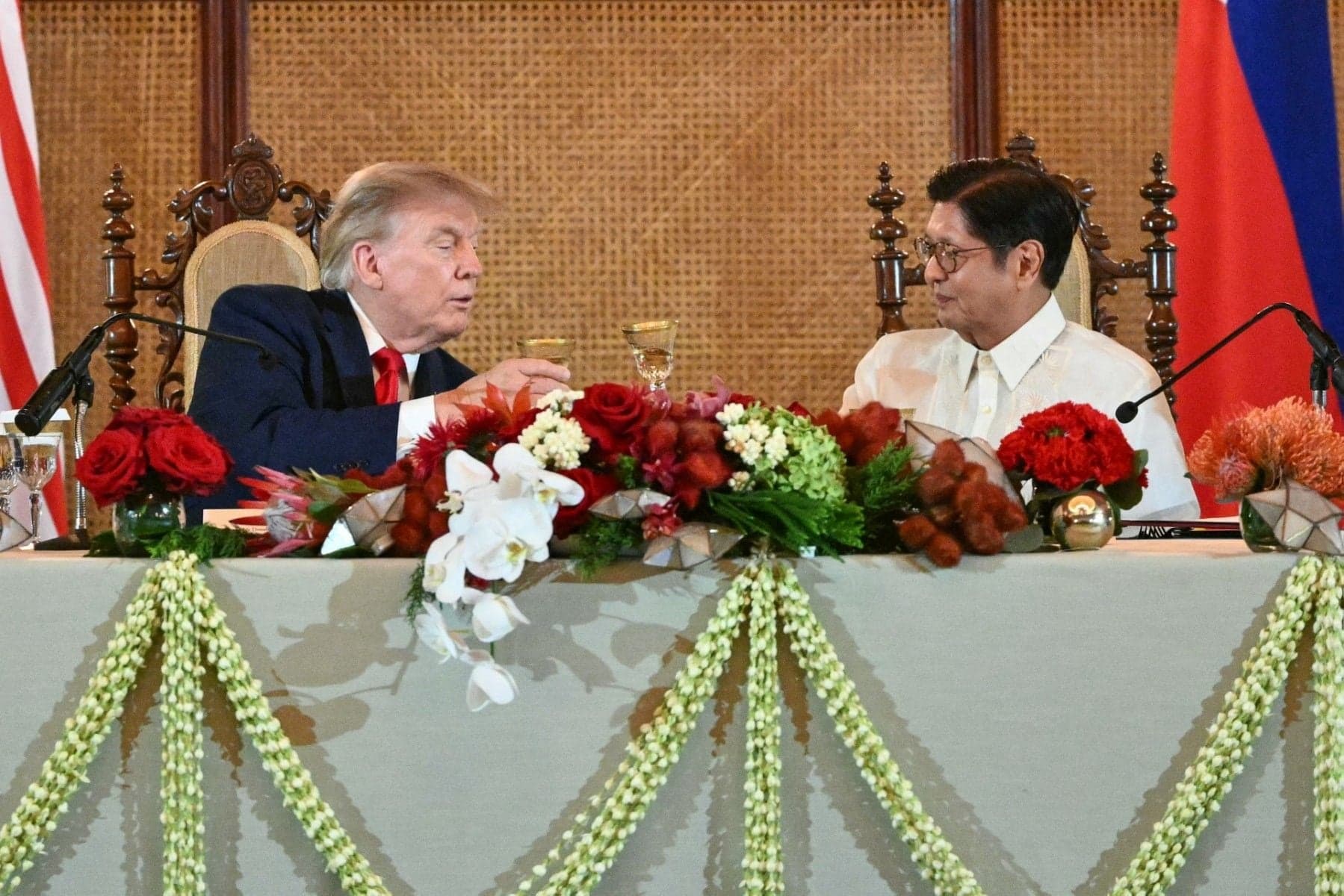
During a high-level state visit to the Malacañang Presidential Palace on November 18, 2026, U.S. President Donald Trump and Philippine President Ferdinand Marcos Jr. executed a strategic pivot aimed at solidifying the bilateral alliance across economic and military spheres[1][2]. Speaking at a state luncheon held in the Ceremonial Hall, Trump announced that Washington and Manila had consummated a "very big trade deal," characterizing it as the most substantial bilateral economic agreement reached between the two nations[3][4][2]. While Philippine trade officials clarified that formal legal drafting remains underway to translate high-level commitments into codified policy, the announcement marked an unexpected breakthrough following months of friction caused by a 12.5% U.S. tariff levied on Philippine exports[5][2].
The agreement focuses heavily on energy infrastructure, critical agriculture exchanges, and technological integration[2]. According to statements from the White House and the Malacañang, the pact will expand market access for American agricultural exporters and open avenues for U.S. energy firms to invest in Philippine power grid modernization and civil nuclear energy development[2]. However, diplomatic envoys confirmed that a formal bilateral accession to "Pax Silica" - the Washington-led initiative aimed at securing semiconductor supply chains and critical processing infrastructure - was held over for further technical review, reflecting Manila's intent to extract precise investment guarantees before fully restricting external trade[2].
The timing of the trade deal coincides with a historic diplomatic milestone: 2026 marks both the 80th anniversary of formal U.S.-Philippine diplomatic ties and the 75th anniversary of the 1951 Mutual Defense Treaty (MDT)[6][7]. The military alliance has undergone rapid operational expansion under Marcos, who granted the U.S. military expanded access to northern and western military installations under the Enhanced Defense Cooperation Agreement (EDCA)[6]. During bilateral discussions, Trump lauded the partnership as "one of America's oldest and most important alliances in the Pacific," explicitly reaffirming that the MDT applies to attacks on Philippine armed forces, public vessels, and aircraft operating in the contested waterways of the South China Sea[1][6].
The economic agreement serves as essential strategic ballast for President Marcos's foreign policy[6][2]. Philippine business leaders and regional security experts had expressed mounting concern that persistent American trade barriers were undermining Manila’s economic resilience at the exact moment it was facing economic and maritime coercion from Beijing[8][2]. By linking economic relief and trade stability directly to defense cooperation, the bilateral summit reinforces Manila's frontline position in Washington’s Pacific posture[8]. Foreign policy commentators noted that the move insulates the Marcos administration domestically, demonstrating that close security alignment with the West yields tangible economic dividends rather than just geopolitical exposure[8][2].
- Donald Trump
- Ferdinand Marcos Jr.
- U.S.
Story 4 of 12
2 min read
South Korea and China Conclude Phase-Two FTA, Focusing on AI and Services
South Korea and China have substantively concluded negotiations on the second phase of their Free Trade Agreement. This new phase moves beyond merchandise tariffs to establish commitments in trade in services, cross-border investment, and regulatory alignment for advanced technology sectors like AI. The agreement aims to stabilize bilateral ties and foster closer economic integration, with China urging South Korea to maintain strategic autonomy.
Read the full storyFold the full story2 min · 4 sources
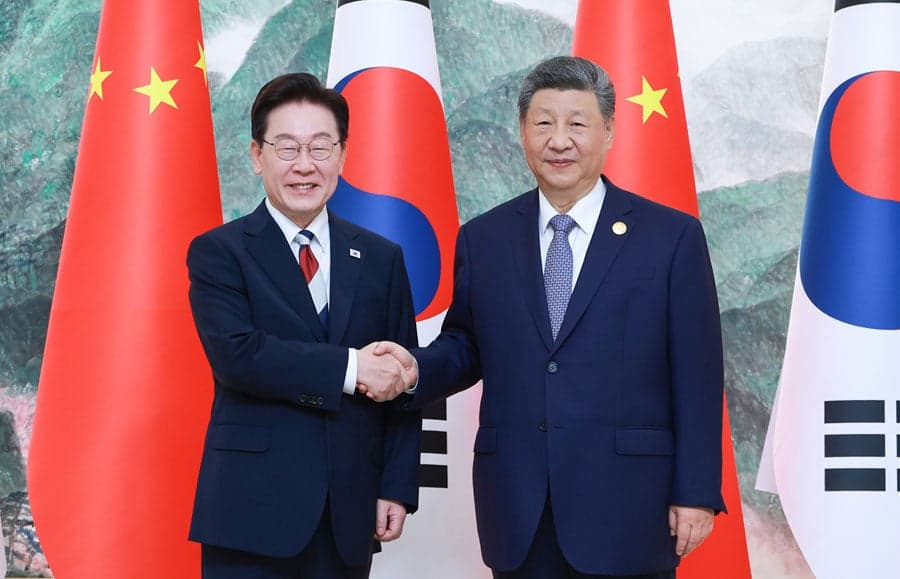
On November 18, 2026, Chinese President Xi Jinping and South Korean President Lee Jae Myung convened for a high-level bilateral meeting on the sidelines of the Asia-Pacific Economic Cooperation (APEC) Leaders’ Meeting in Shenzhen, formally announcing that Beijing and Seoul have substantively concluded negotiations on the second phase of the China-South Korea Free Trade Agreement (FTA)[1][2]. The breakthrough follows months of technical working-group sessions aimed at deepening the economic architecture between the two nations ahead of the 35th anniversary of their diplomatic relations[1][2]. Unlike the original 2015 bilateral pact, which predominantly targeted merchandise tariffs, Phase Two establishes binding commitments in trade in services, cross-border investment protections, and regulatory alignment in advanced technology sectors[1].
The conclusion of the negotiations marks a pivotal stabilization in Seoul-Beijing relations following years of diplomatic friction stemming from geopolitical alignments and supply chain restructuring[2][2]. President Lee underscored that the two nations have achieved a sustained, comprehensive restoration of bilateral ties, emphasizing that Seoul’s adherence to the "One China" policy remains unaltered[2]. For Beijing, the accord represents an institutional mechanism to tie South Korea’s industrial base closer to the Chinese market[1]. President Xi explicitly urged Seoul to maintain "strategic autonomy" in its foreign policy, advocating for joint governance frameworks and broader macroeconomic policy coordination[1].
A central focus of the newly concluded second phase is the cooperative development of emerging technologies, most notably artificial intelligence (AI)[1]. In official remarks released following the Shenzhen summit, Xi called on both sides to cultivate an integrated industrial ecosystem for AI and high-tech manufacturing, signaling China's intent to keep critical East Asian supply chains open[1][2]. The agreement also outlines shared commitments to advance the Free Trade Area of the Asia-Pacific (FTAAP) and defend multilateral trade norms against rising protectionist measures[1][2].
The geopolitical implications of this trade consolidation are substantial, given South Korea's traditional role as a key treaty ally of the United States. While Washington has expanded technological export controls to constrain Beijing’s access to advanced computing infrastructure, Seoul’s willingness to institutionalize bilateral technology and services trade with China demonstrates an acute desire to hedge against external economic pressures. Market analysts observing the Shenzhen summit noted that South Korean industrial conglomerates in the semiconductor, display, and digital service sectors gain critical regulatory certainty within China, even as Seoul navigates increasing compliance oversight from Western partners[3][4].
- South Korea
- China
- Xi Jinping
Story 5 of 12
3 min read
Iran Drone Strike on U.S. Systems in Kuwait Ignites Regional Diplomatic Crisis
Iran's conventional army conducted a drone strike on U.S. Patriot missile defense systems in Kuwait, claiming retaliation for U.S. strikes on Qeshm Island. Kuwait reported intercepting the drones but condemned the aggression, highlighting regional instability. The incident escalates tensions between Iran and the U.S., involving multiple Gulf states and prompting international diplomatic intervention.
Read the full storyFold the full story2 min · 9 sources
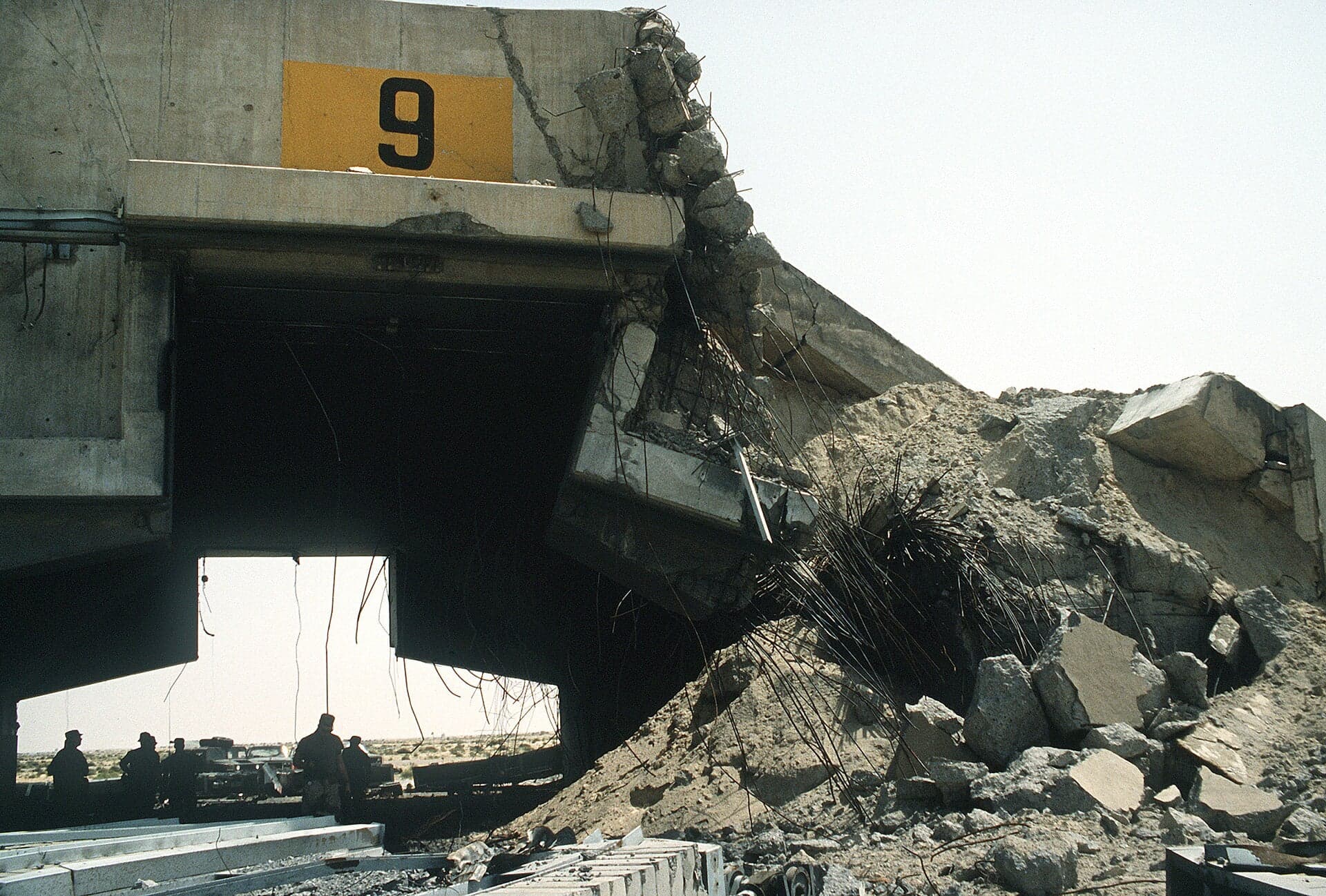
A grave military confrontation triggered intense diplomatic friction across the Persian Gulf when the conventional Iranian army - the Artesh - announced on November 18 that it had launched suicide and combat attack drones targeting U.S. Patriot missile defense installations and launch platforms at Ali Al Salem Air Base in Kuwait[1][2]. Unlike historical operations executed by the Islamic Revolutionary Guard Corps (IRGC), this direct attribution to the regular state military marked a significant institutional departure[1]. Tehran framed the operation as legitimate retaliation for heavy U.S. military strikes conducted the previous day against Iranian naval and military infrastructure on Qeshm Island in the Strait of Hormuz[1][3]. In an official statement, the Iranian army declared that its actions demonstrated that Iranian defense "will be decisive, forceful, and without geographical limits"[2].
The strikes elicited an immediate and furious diplomatic rebuke from Kuwait[4]. While the General Staff of the Kuwaiti Armed Forces reported that its integrated air defense batteries engaged and intercepted the inbound hostile unmanned aerial vehicles (UAVs) before primary targets were compromised, the Kuwaiti Foreign Ministry issued a formal condemnation[4][5]. Characterizing the barrage as a "repeated and criminal" aggression that directly imperils regional peace, Kuwait officially asserted that Tehran’s actions undermined ongoing multilateral de-escalation channels[4]. The ministry stressed that Kuwait reserves its full sovereign right under international law to take all necessary self-defense measures to defend its territory, airspace, and critical infrastructure against external hostilities[4]. Concurrently, Bahrain’s Defense Force announced it had intercepted Iranian aerial assets aimed at its territory, following an IRGC strike claiming to have struck U.S. radar installations at Sheikh Isa Air Base the day prior[3].
The military flare-up generated urgent diplomatic maneuvers among external powers seeking to avert an unmanageable wider war[6][7]. In Moscow, Russian Foreign Ministry spokeswoman Maria Zakharova held a press briefing calling on Washington and Tehran to halt armed confrontations immediately and return to the diplomatic negotiating track[6]. Zakharova warned that ongoing strikes on Gulf sovereign infrastructure pose catastrophic risks to global energy supplies and commercial maritime safety[6]. Simultaneously, regional mediators in Oman continued emergency consultations with Iranian representatives to secure safe passage for commercial shipping in the Strait of Hormuz, where four commercial tankers had caught fire or struck naval mines within a 24-hour window[8].
The incident has generated acute economic and political fallout worldwide[8][6]. International energy markets reacted nervously to the drone incursions near Kuwait’s energy infrastructure and the mine threats in the Strait of Hormuz, maintaining upward pressure on crude oil and maritime insurance premiums[8][6]. In Washington and across Gulf capitals, defense officials observed that Tehran's willingness to deploy the conventional Artesh directly against an American garrison within a sovereign Gulf Cooperation Council (GCC) partner eliminates standard diplomatic deniability, sharply shrinking the operational runway for non-military off-ramps[1]. The confrontation cast a shadow over ongoing Asian summits, prompting direct warnings from President Trump and urgent behind-the-scenes consultations among Gulf allies, the Pentagon, and international maritime security task forces[8][9].
- Iran
- U.S.
- Kuwait
Story 6 of 12
3 min read
Europe Pushes Back Against U.S.-Russia Talks, Straining Transatlantic Ties
European powers are voicing strong opposition to U.S. and Russian diplomatic talks held in Abu Dhabi concerning a post-war security architecture for Ukraine and Europe. EU defense ministers are concerned about being sidelined in critical security negotiations, fearing that bilateral agreements could undermine NATO and European sovereignty. This friction highlights a significant strain on transatlantic relations.
Read the full storyFold the full story2 min · 9 sources
Deep cracks in the transatlantic alliance over the future of European security were laid bare following high-level trilateral consultations held between American, Ukrainian, and Russian envoys in Abu Dhabi[1][2]. In Brussels, EU defense ministers convened under the Foreign Affairs Council to hold emergency deliberations regarding European support for Ukraine, common defense funding, and the strategic perils of direct superpower bargaining[3]. Tensions peaked after disclosures that U.S. envoys Steve Witkoff and Jared Kushner had engaged Russian negotiators Kirill Dmitriev and Igor Kostyukov in talks that entertained Moscow’s long-standing demand to negotiate an overarching, post-war "European security architecture" alongside territorial terms in Ukraine[2][4].
The diplomatic controversy stems from European fears of marginalization[1][5]. European capitals reacted with alarm to indications that Washington was considering broad agreements on NATO's posture and regional security balances without substantive European participation at the core table[1][2]. While U.S. negotiators traveled onward to Moscow and Dublin to debrief leaders, Russian Foreign Minister Sergey Lavrov forcefully dismissed European demands for an immediate ceasefire, accusing Brussels of attempting to freeze the conflict merely to "buy time" for Ukrainian forces to rearm[5][6]. Lavrov further underscored Moscow's stance that European institutions would not be granted a veto over security arrangements negotiated directly between Russia and the United States[6].
Key European allies, led by France and Germany, moved rapidly to mount a united counteroffensive[1][7]. Günter Sautter, chief foreign and security policy adviser to German Chancellor Friedrich Merz, and Emmanuel Bonne, diplomatic adviser to French President Emmanuel Macron, reiterated in official briefings that "peace in Ukraine and security in Europe are two sides of the same coin" and cannot be settled in Europe's absence[7]. At the Foreign Affairs Council in Brussels, European officials warned that any American concession echoing historical "Yalta-style" spheres of influence would fundamentally undermine NATO’s eastern flank and dismantle international legal norms protecting national sovereignty[5]. European diplomats argued that while bilateral engagements between Washington and Moscow might pave the way for basic humanitarian accords and prisoner swaps, long-term stabilization remains impossible without direct European signatures[1][5].
The friction has heightened operational and diplomatic urgency across European defense ministries[8][3]. Rather than yielding to bilateral diplomatic pressure, frontline European states accelerated independent commitments to Kyiv[8]. Finland signed a bilateral memorandum with Ukraine on joint defense manufacturing, while Sweden and the United Kingdom finalized support packages integrating advanced Meteor air-to-air missiles onto Gripen fighter jets earmarked for Ukrainian deployment[8]. Meanwhile, on the ground, a major Ukrainian strike that partially collapsed a road section of the Kerch Bridge underscored Kyiv's intent to reshape battlefield realities before trilateral meetings in Shenzhen can lock in unfavorable negotiating parameters[1][9]. With European leaders demanding an explicit seat at the upcoming rounds of diplomacy, the divide between Washington’s expedited peace posture and Europe’s insistence on deterrence and territorial sovereignty represents the most severe strain on transatlantic policy cohesion in recent years[1][2][5].
- European Union
- United States
- Russia
Story 7 of 12
2 min read
France and Malaysia Elevate Ties, Launch Joint Rare Earths Venture and Defense Deals
French President Emmanuel Macron and Malaysian Prime Minister Anwar Ibrahim upgraded bilateral relations to a Strategic Partnership, signing seven agreements covering defense, critical minerals, and civil nuclear power. A key element is a joint venture for a rare earth elements processing plant in Malaysia, ensuring downstream value and supply chain diversification. Defense and energy cooperation were also significantly advanced.
Read the full storyFold the full story2 min · 7 sources
On November 17, 2026, French President Emmanuel Macron concluded a two-day official state visit to Malaysia, joining Malaysian Prime Minister Anwar Ibrahim at Bangunan Sultan Abdul Samad in Kuala Lumpur to formally upgrade bilateral ties to a full "Strategic Partnership"[1][2]. The diplomatic elevation, which comes ahead of the 70th anniversary of Franco-Malaysian relations in 2027, resulted in the signing of seven comprehensive bilateral agreements spanning defense procurement, critical minerals, civil nuclear power, and semiconductor manufacturing[1][3]. Prime Minister Anwar, who briefly flew back from the ASEAN Summit in Manila to host Macron before returning to international meetings, called the bilateral agreements a milestone for Malaysian industrial sovereignty[2][4][5].
The central pillar of the newly established partnership is a commercial and industrial pact focused on critical raw materials[3][6]. French mineral engineering firm Carester and Malaysia’s Malaco Mining solidified a 10-year joint venture to construct and operationalize a major rare earth elements (REE) separation and processing plant in Perak[6]. The facility, scheduled to become operational in early 2027 with an initial capacity of 13,000 tonnes, will exploit Malaysia’s rich adsorption clay deposits containing light and heavy rare earths[6]. Under the terms detailed by Macron and Anwar, the project includes specialized options for refining rare earth metals in France to supply European permanent-magnet production lines for electric vehicles and defense systems[4][7]. This structure adheres strictly to Malaysia’s domestic ban on the export of raw, unprocessed mineral ores, ensuring downstream processing value remains within Southeast Asia[7].
Defense and industrial cooperation formed the secondary axis of the Kuala Lumpur accords[3][6]. Airbus finalized agreements with the Royal Malaysian Air Force to supply multi-role combat and search-and-rescue helicopters, while bilateral working groups initiated formal reviews regarding the potential procurement of French naval platforms and advanced maritime surveillance assets[6]. On the energy front, French energy major TotalEnergies and Malaysia’s state energy firm Petronas expanded joint carbon transition projects, accompanied by an intergovernmental memorandum of understanding to explore French technical support for civilian nuclear energy feasibility studies aimed at fulfilling Malaysia’s 2050 Net-Zero emissions target[6].
Addressing business leaders at the France-Malaysia Economic Forum, President Macron framed the partnership as a concrete application of European "strategic autonomy"[5][6]. Macron explicitly argued that middle powers must establish direct industrial linkages to "derisk" their economies from both American protectionist trade measures and Chinese monopolistic control over critical raw material value chains[6]. Industrial analysts highlighted that the Carester-Malaco venture represents one of the few viable non-Chinese supply chains for refined heavy rare earths globally[4][7]. For Malaysia, the alliance demonstrates an effective diplomatic playbook: leveraging natural mineral endowments to attract Western high-tech capital while avoiding formal alignment with either Washington or Beijing[4][6].
- Emmanuel Macron
- Anwar Ibrahim
- France
Story 8 of 12
2 min read
China-Peru FTA Upgrade and Chancay Port Activate New Trans-Pacific Trade Route
China and Peru have reviewed the operational status of their upgraded Free Trade Agreement and activated the new Chancay Megaport. The port, majority-owned by Chinese enterprises, offers direct deep-water routes to China, significantly reducing shipping times from South America.
Read the full storyFold the full story1 min · 1 source
On November 17, 2026, Chinese President Xi Jinping met with Peruvian President Keiko Fujimori on the sidelines of the APEC summit in Shenzhen to formally review the operational status of the Optimization Protocol of the China-Peru Free Trade Agreement, which entered into force in early November[1]. The implementation of the upgraded FTA coincides with the full commercial activation of the Chancay Megaport, a multi-billion-dollar maritime infrastructure project constructed on Peru’s central coast with majority ownership and operation by Chinese state-backed enterprises[1].
The bilateral dialogue in Shenzhen established that China has now maintained its position as Peru's principal trading partner and top export destination for 12 consecutive years[1]. Under the newly operationalized protocol, the two nations have broadened tariff eliminations while embedding specific provisions designed to harmonize Peru’s industrial export pipeline with China’s 15th Five-Year Plan[1]. The revised framework goes beyond traditional mineral extraction agreements, outlining coordinated investments in domestic lithium and copper processing, clean energy power generation, and artificial intelligence integration for maritime logistics[1].
The strategic synergy between the Chancay Port and the upgraded trade pact marks a fundamental restructuring of trans-Pacific shipping economics[1]. By offering direct deep-water maritime routes between South America’s Pacific coast and Chinese ports, the infrastructure reduces transit times by roughly ten days, allowing Andean and broader South American exporters to bypass logistical choke points and maritime terminals in North America. During the summit, President Xi emphasized that Beijing views the hub as an anchor for building a modern Asia-Pacific trade and supply corridor linking Latin America directly with Asian value chains[1].
The formalization of this economic corridor highlights Washington’s diminishing commercial leverage along the Pacific rim of South America. Despite repeated warnings from U.S. security officials regarding the dual-use potential of Chinese-controlled port infrastructure in the Western Hemisphere, Lima has embraced Chinese capital to anchor its long-term development strategy[1]. The successful activation of the upgraded pact signals to neighboring South American states that commercial alignment with Beijing offers immediate infrastructure capitalization and privileged market access for high-demand raw and agricultural commodities[1].
- China
- Peru
- Xi Jinping
Story 9 of 12
2 min read
Canada and China Agree to Expanded Trade Relief and Market Access
Canada and China have formalized an expansion of their economic and trade arrangement, granting Canada improved market access and tariff exemptions for agricultural and seafood exports. In return, Canada will extend tariff remissions on select Chinese steel and aluminum and facilitate pathways for Chinese banking institutions.
Read the full storyFold the full story2 min · 6 sources
On November 17, 2026, Canadian Prime Minister Mark Carney and Chinese President Xi Jinping held substantive bilateral talks on the margins of the APEC Summit in Shenzhen, formalizing an extension and expansion of the Preliminary Joint Arrangement on Addressing Bilateral Economic and Trade Issues[1][2][3]. The diplomatic engagement was reinforced by a parallel ministerial meeting between Canadian Foreign Minister Anita Anand and Chinese Foreign Minister Wang Yi[2]. Under the expanded arrangement, Beijing granted improved market access and targeted tariff exemptions for roughly $400 million (CAD ~C$400 million / USD ~$280 million) worth of Canadian agricultural and seafood shipments[2][4][5].
The breakthrough is the culmination of a deliberate, year-long effort by Ottawa and Beijing to recalibrate bilateral relations following years of heightened friction[2]. Specific provisions in the updated agreement provide tariff relief on $116 million in frozen pork cuts and $285 million in Canadian fish and seafood exports[5]. In reciprocal gestures confirmed by China's Ministry of Commerce (MOFCOM), Canada agreed to extend existing tariff remissions on select Chinese steel and aluminum imports by two years, while opening technical pathways for Chinese banking institutions to establish branches in Canada and expanding cross-border e-commerce cooperation[3][5].
Beyond commercial concessions, the Shenzhen talks highlighted nascent diplomatic collaboration on transnational challenges alongside frank engagements on long-standing disputes[2]. Ministers Anand and Wang confirmed working-level commitments to collaborate on combating illicit fentanyl supply networks and dismantling international online fraud and scam compounds operating across Asia[2]. Concurrently, Canadian officials maintained that economic normalization would not compromise Ottawa’s vigilance regarding national sovereignty, noting that dialogue had been maintained on foreign interference, consular access, and human rights[2].
The development illustrates a subtle yet critical foreign policy adjustment by Canada, seeking pragmatic diversification for its export-oriented sectors amid shifting trade rhetoric in North America[4][6]. Speaking after the summit, Prime Minister Carney noted that the arrangement unlocks billions in potential future commercial orders for Canadian farmers, ranchers, and coastal harvesters[4]. For Beijing, securing tariff remissions and establishing bank licensing dialogues with a G7 member state represents a notable diplomatic victory, demonstrating that economic statecraft can effectively blunt broad-spectrum Western decoupling efforts[3].
- Canada
- China
- Mark Carney
Story 10 of 12
2 min read
Singapore Defends Trusted Hub Status Amid US AI Export Curbs
Singapore is pushing back against proposed US export control regulations that would extend licensing and oversight for advanced AI chips to Southeast Asian destinations. Washington is concerned about Chinese firms accessing high-performance computing capacity overseas, while Singapore emphasizes its own stringent controls.
Read the full storyFold the full story2 min · 8 sources
A diplomatic and regulatory dispute surfaced across Southeast Asia between November 17 and November 18, 2026, as the government of Singapore publicly defended its status as a "trusted business hub" in response to new export control proposals introduced by the U.S. Department of Commerce’s Bureau of Industry and Security (BIS)[1][2][3]. The draft U.S. regulations propose extending mandatory export licenses and stringent oversight mechanisms for advanced artificial intelligence chips shipped to Southeast Asian destinations - specifically targeting Singapore and Malaysia - to close potential compliance gaps[4][2][5].
The regulatory push by Washington addresses growing concerns in the U.S. intelligence and defense communities over Chinese tech firms accessing high-performance compute capacity overseas[3][6]. U.S. officials and industry research bodies, including the Institute for Progress, have estimated that as much as 30% of China's advanced AI computing capacity by 2027 could be derived through the rental of server capacity in third-party data centers or diversion schemes across Southeast Asia[6]. The geopolitical scrutiny intensified following congressional hearings announced by the House Foreign Affairs, Intelligence, and Select CCP Committees on November 17, which summoned Nvidia chief executive Jensen Huang to address allegations of illicit semiconductor transfers to Chinese entities[7].
In response to the U.S. measures, Singaporean authorities confirmed that they are actively engaging Washington to review the specific scopes of the proposed restrictions, emphasizing the city-state's stringent enforcement of domestic strategic goods controls[8]. Digital infrastructure operators in the region cautioned that overly restrictive U.S. mandates could distort global operations. Chris Sharp, Chief Technology Officer at Digital Realty, emphasized at a Singapore facility launch that regional enterprise clients in healthcare and finance are prioritizing sovereign, private computing architectures rather than public internet-routed workloads, urging regulators to avoid measures that impair compliant data infrastructure[4].
The market response across regional tech corridors was immediate and severe, with shares of Malaysian data center suppliers plunging nearly 20% following the announcement[6]. Industry analysts, including experts at the Lowy Institute and Counterpoint Research, warned that the proposed rules place a severe "know-your-customer" burden on cloud and colocation providers, threatening to bifurcate the market into trusted U.S.-aligned tiers and secondary domestic networks[6]. The episode underscores an emerging rift between Washington's perimeter-based technology containment strategies and the economic imperatives of neutral ASEAN trading states striving to build out regional high-performance computing hubs[2][6].
- Singapore
- United States
- China
Story 11 of 12
2 min read
US Deputy Secretary Landau Embarks on Central Asia Diplomatic Mission
U.S. Deputy Secretary of State Christopher Landau is undertaking a week-long diplomatic mission to Tajikistan, Türkiye, and Turkmenistan. The trip aims to reinforce U.S. strategic presence in regions increasingly influenced by China and Russia, focusing on border security, energy diversification, and trade routes.
Read the full storyFold the full story1 min · 2 sources
Diplomatic scheduling records released by the U.S. Department of State on November 17 and November 18, 2026, revealed a concerted American diplomatic outreach across Central Asia and the Eurasian periphery[1][1]. While Secretary of State Marco Rubio joined the presidential delegation attending multilateral summits in the Philippines and China, Deputy Secretary of State Christopher Landau departed on a week-long regional mission spanning Tajikistan, Türkiye, and Turkmenistan from November 16 through November 24[1][1].
Landau’s mission represents a discrete, high-level maneuver to reinforce Washington's strategic presence in regions historically dominated by Moscow and increasingly integrated into Beijing’s Eurasian commercial orbit[1]. In Dushanbe, discussions centered on enhancing border security along Tajikistan’s rugged southern boundary with Afghanistan, countering narcotics flows, and establishing alternative regional transit routes. In Ashgabat, the agenda focused on natural gas export diversification, critical mineral mapping, and unlocking the Caspian transit corridor away from sanctioned Russian infrastructure, while stops in Ankara aimed to coordinate Eurasian policy with Turkish leadership[1].
The Central Asian tour occurred concurrently with closed-door strategic security sessions convened at the Department of State in Washington on November 18[1]. Under Secretary for Arms Control and International Security Thomas G. DiNanno held bilateral consultations with Israeli Deputy Director General for Strategic Affairs Meirav Eilon Shahar, followed immediately by strategic talks with German Foreign Office Political Director Dominik Mutter[1]. The talks addressed defense supply coordination, regional deterrence postures, and the looming expiration of key international arms control and non-proliferation mechanisms[2][1].
The targeted nature of Landau’s Central Asian mission illustrates an evolving U.S. foreign policy doctrine that emphasizes agile, bilateral engagements with frontier states[1]. By directly engaging non-aligned Central Asian capitals such as Ashgabat and Dushanbe on energy independence, critical raw materials, and border infrastructure, Washington is actively attempting to establish alternative diplomatic pathways that deny adversarial powers undisputed control over vital trans-Eurasian trade and connectivity networks[1].
- United States
- Christopher Landau
- Tajikistan
Story 12 of 12
2 min read
Saudi Arabia Replaces Coalition Commander Amid Troop Withdrawals in Yemen
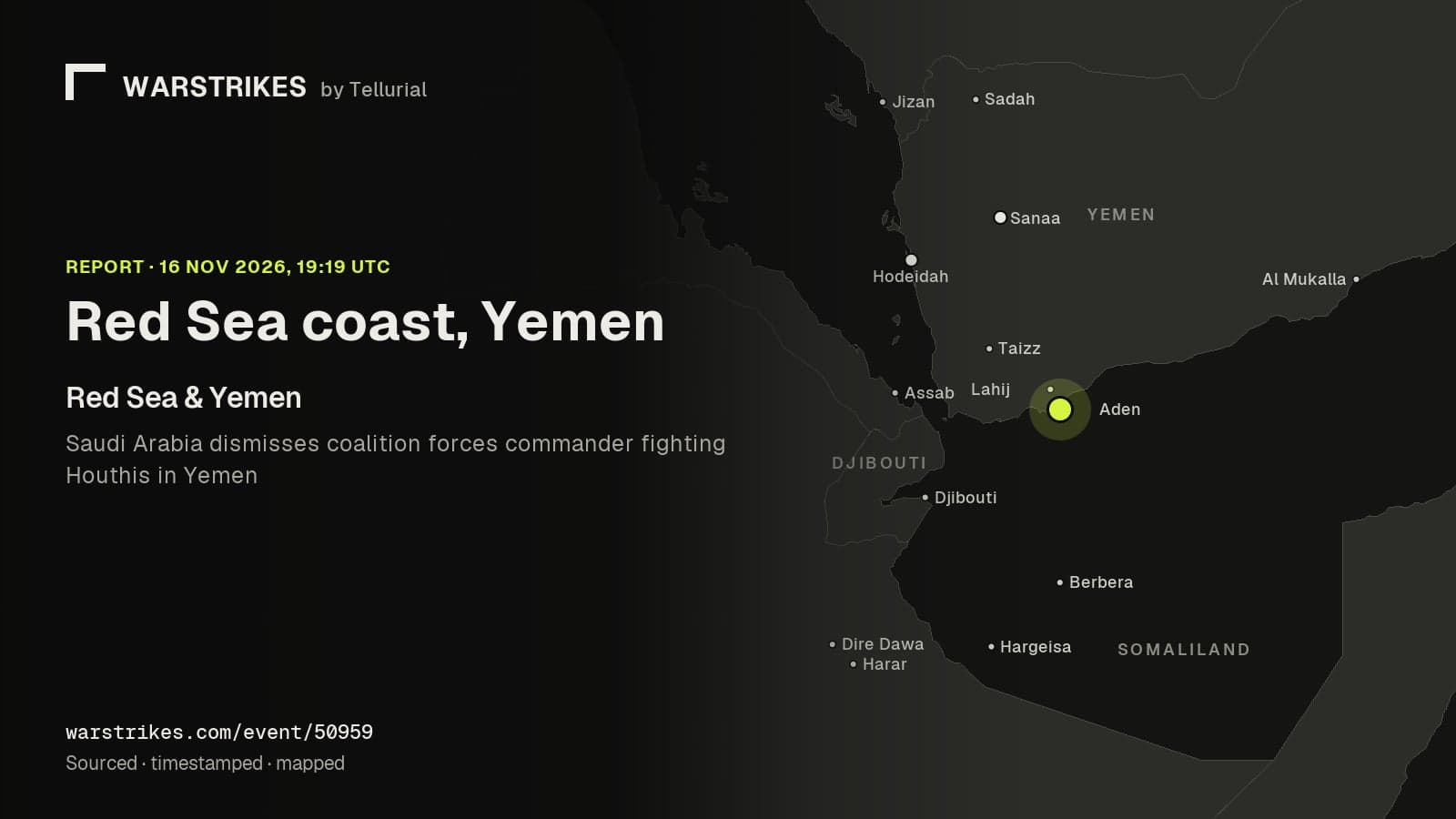
Saudi Arabia has dismissed the commander of its joint coalition forces in Yemen following an abrupt withdrawal of troops from frontline positions near the Bab el-Mandeb strait. Houthi forces advanced significantly towards Aden, prompting the redeployment to consolidate defenses around the interim capital.
Read the full storyFold the full story1 min · 3 sources
A significant operational shift in the protracted Yemeni conflict unfolded on November 16 and November 17, 2026, when the Kingdom of Saudi Arabia abruptly dismissed the commander of its joint coalition forces combating the Houthi movement[1][2]. The leadership change followed an abrupt operational retreat by forces aligned with Yemen’s internationally recognized government, who withdrew from frontline defensive positions along the Red Sea coast near the Bab el-Mandeb strait to consolidate defenses around the southern interim capital of Aden[2][3].
The coalition’s sudden redeployment was necessitated by a coordinated southern advance by Houthi forces, who pushed along coastal axes to within an estimated 80 kilometers of Aden - marking their closest operational approach to the government seat since 2015[2]. In an emergency legislative response on November 17, the Yemeni Parliament passed a unanimous decree formally designating the Houthi movement as a terrorist organization[2]. Concurrently, regional security tensions escalated as Saudi air defense units intercepted two inbound attack drones targeting infrastructure in the Mecca and Riyadh regions, underscoring the Houthis' persistent long-range strike capabilities[2].
The military reshuffle within the Saudi defense establishment signals deep strategic strain between Riyadh's diplomatic objective of achieving a sustainable exit from the Yemeni conflict and the tactical reality of expanding Houthi territorial dominance[2][3]. The abandonment of forward positions guarding the approaches to Bab el-Mandeb presents an immediate maritime security crisis, leaving vast swaths of the coastline adjacent to one of the world's most vital maritime energy choke points exposed to asymmetric attack infrastructure and anti-ship missile emplacements[2].
The rapid realignment has alarmed international shipping consortia and maritime security monitors, who note that the collapse of government-held coastal buffer zones severely compromises commercial transit through the Gulf of Aden[2]. By pulling forces back to establish an entrenched perimeter around Aden, the Saudi-backed coalition has tacitly conceded operational control of critical overland and littoral access routes in southwestern Yemen[2][3]. This dynamic leaves the interim government vulnerable and cements the Houthi movement's leverage over regional trade routes and future political negotiations[2].
- Saudi Arabia
- Yemen
- Houthi movement
You're all caught up.
That's every story in Wednesday's PiBrief Geopolitics. And there's a newer edition waiting for you.
All PiBrief Geopolitics editions
Subscribe to receive daily briefings about geopolitics and world news in your email.
Get PiBrief Geopolitics in your inbox
A free newsletter on geopolitics and world news. Diplomacy, conflict, the global economy, and elections, ranked and explained, with an audio briefing in every edition.
Free forever / no account / 1-click unsubscribe