
Shenzhen pact, US-Venezuela deal & ICJ ruling
The United States, China, and Russia have agreed to a historic security framework and nuclear risk reduction dialogues following a trilateral summit in Shenzhen. In a separate shift, Washington and Caracas signed a landmark defense cooperation treaty, reversing decades of bilateral hostility. Meanwhile, the International Court of Justice ruled that Myanmar committed genocide, triggering widespread diplomatic fallout.
11 stories69 sources checked
Listen to this edition
PiBrief Geopolitics, November 20, 2026
The lineup
In this edition
 01
US, China, Russia Forge Global Security Pact in Shenzhen Summit
 02
US, China, Russia Hold Historic Trilateral Summit in Shenzhen, Agree to Nuclear Risk Reduction Dialogues
 03
Major Powers Align Against International Court Jurisdiction in Shenzhen Declaration
 04
ICJ Rules Myanmar Committed Genocide; Creates Diplomatic Rift
 05
Kushner Pitches Postwar Ukraine Security Framework to European Allies
 06
U.S. and Venezuela Sign Historic Defense Cooperation Agreement, Reversing Decades of Hostility
 07
Canada and Japan Forge Independent Alliances to Mitigate Major Power Unpredictability
 08
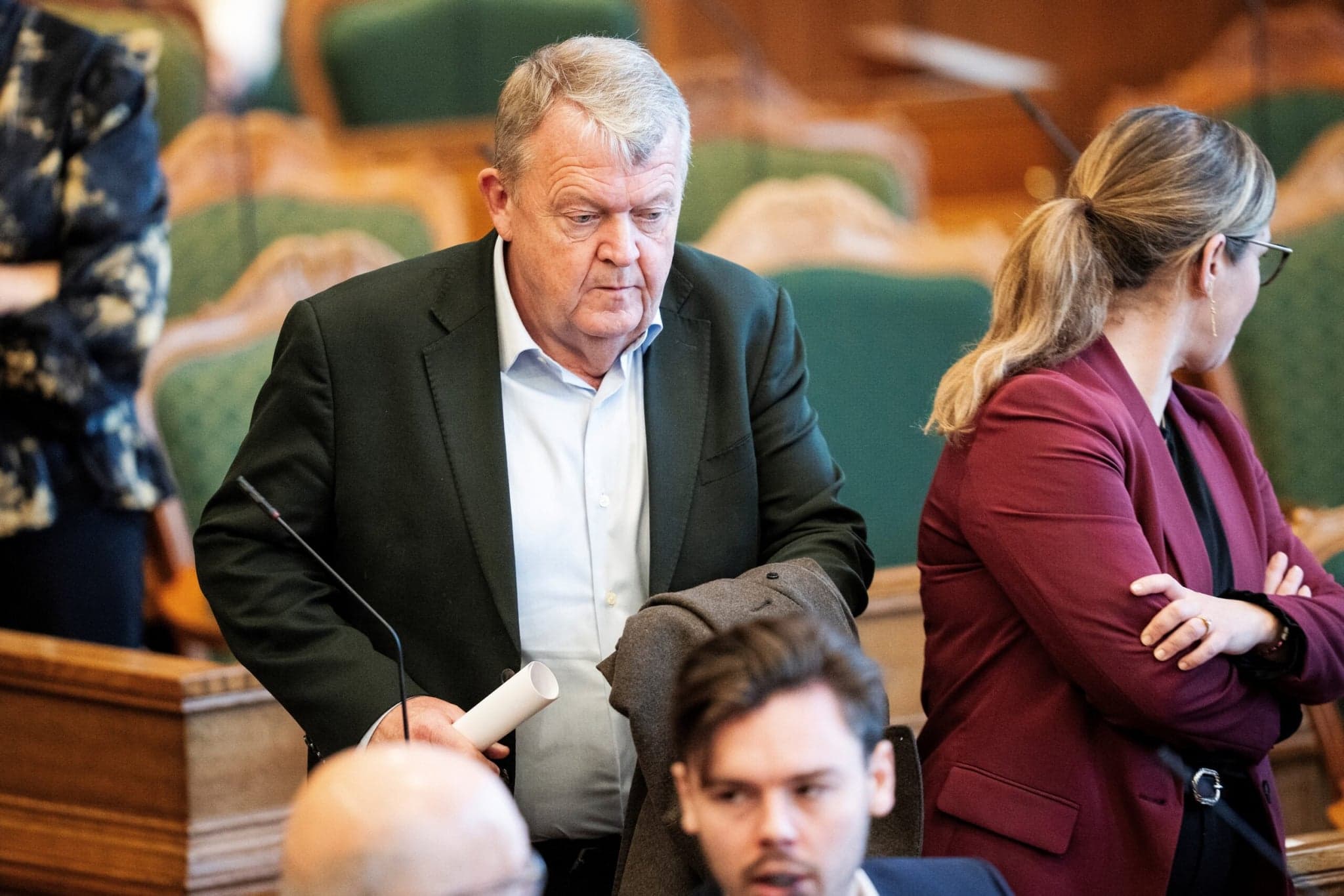
Denmark Ratifies Trilateral Greenland Defense Pact with US, Securing Arctic Influence
 09
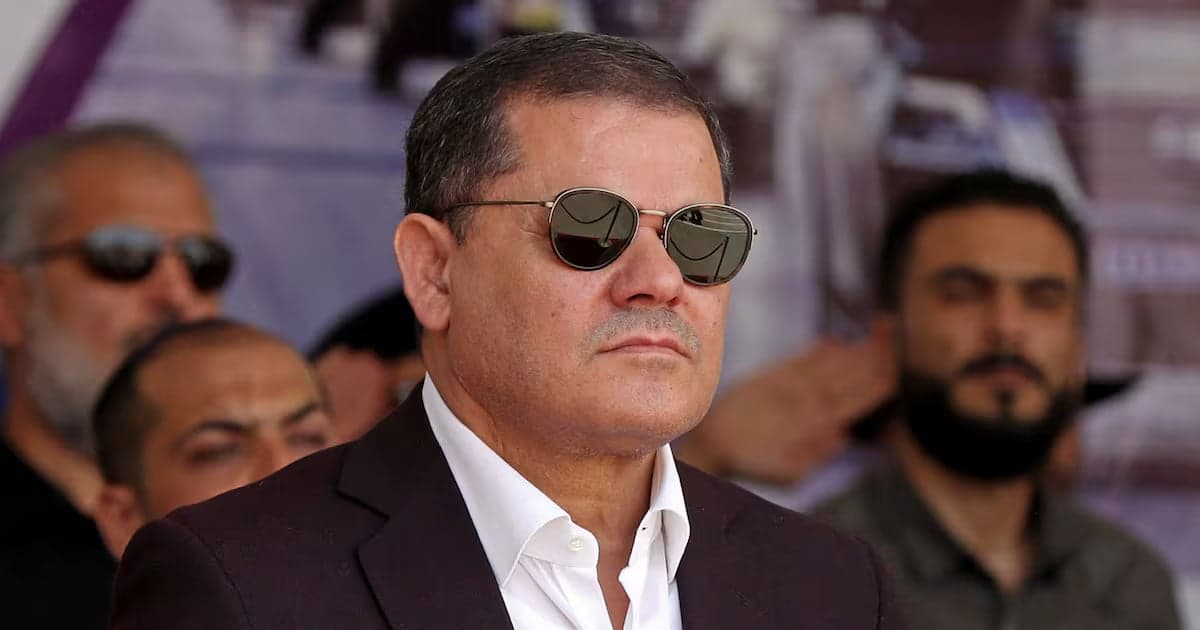
Egypt and Libya Cement Energy and Security Treaties, Pivoting Eastern Mediterranean Strategy
- 10
African Nations Rally for Fairer Global Tax Rules Ahead of Nairobi Talks
 11
US Rejects Multilateral AI Governance, Prioritizing Domestic Innovation Autonomy
See all 11 as a listHide the list
- US, China, Russia Forge Global Security Pact in Shenzhen Summit
- US, China, Russia Hold Historic Trilateral Summit in Shenzhen, Agree to Nuclear Risk Reduction Dialogues
- Major Powers Align Against International Court Jurisdiction in Shenzhen Declaration
- ICJ Rules Myanmar Committed Genocide; Creates Diplomatic Rift
- Kushner Pitches Postwar Ukraine Security Framework to European Allies
- U.S. and Venezuela Sign Historic Defense Cooperation Agreement, Reversing Decades of Hostility
- Canada and Japan Forge Independent Alliances to Mitigate Major Power Unpredictability
- Denmark Ratifies Trilateral Greenland Defense Pact with US, Securing Arctic Influence
- Egypt and Libya Cement Energy and Security Treaties, Pivoting Eastern Mediterranean Strategy
- African Nations Rally for Fairer Global Tax Rules Ahead of Nairobi Talks
- US Rejects Multilateral AI Governance, Prioritizing Domestic Innovation Autonomy
Story 1 of 11
3 min read
US, China, Russia Forge Global Security Pact in Shenzhen Summit
Leaders of the U.S., China, and Russia met in Shenzhen for a trilateral summit, releasing a joint declaration on global security. Key pillars include UN Security Council reform, energy market stabilization, state consent against international tribunals, and nuclear risk reduction dialogue. The summit marks a significant diplomatic reset amid global tensions.
Read the full storyFold the full story2 min · 10 sources
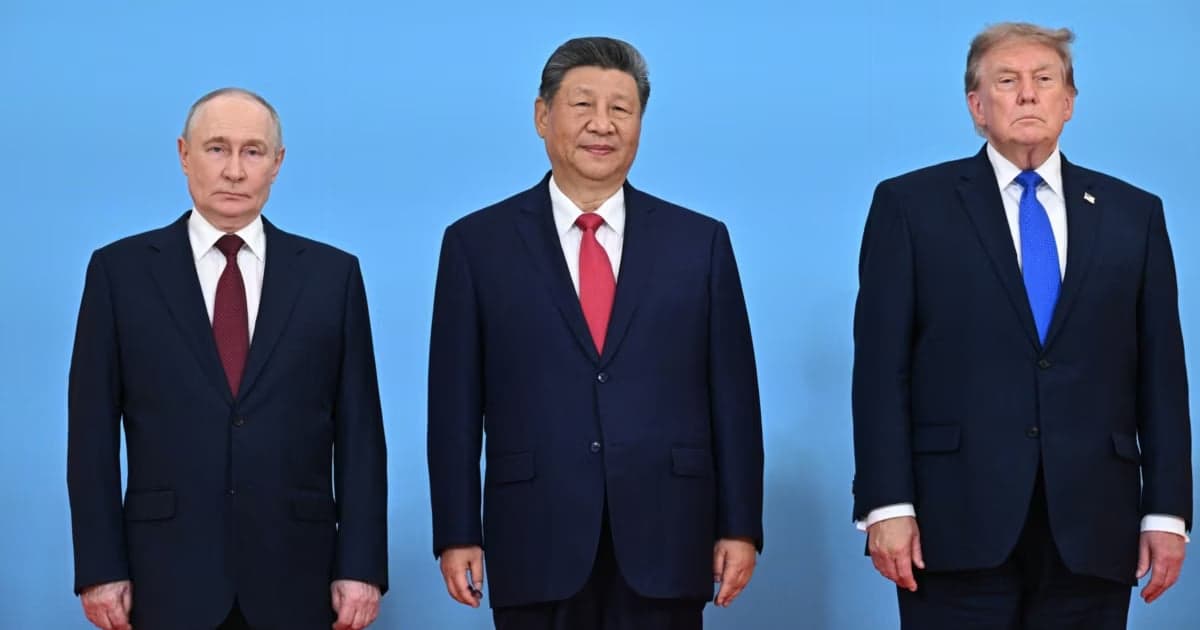
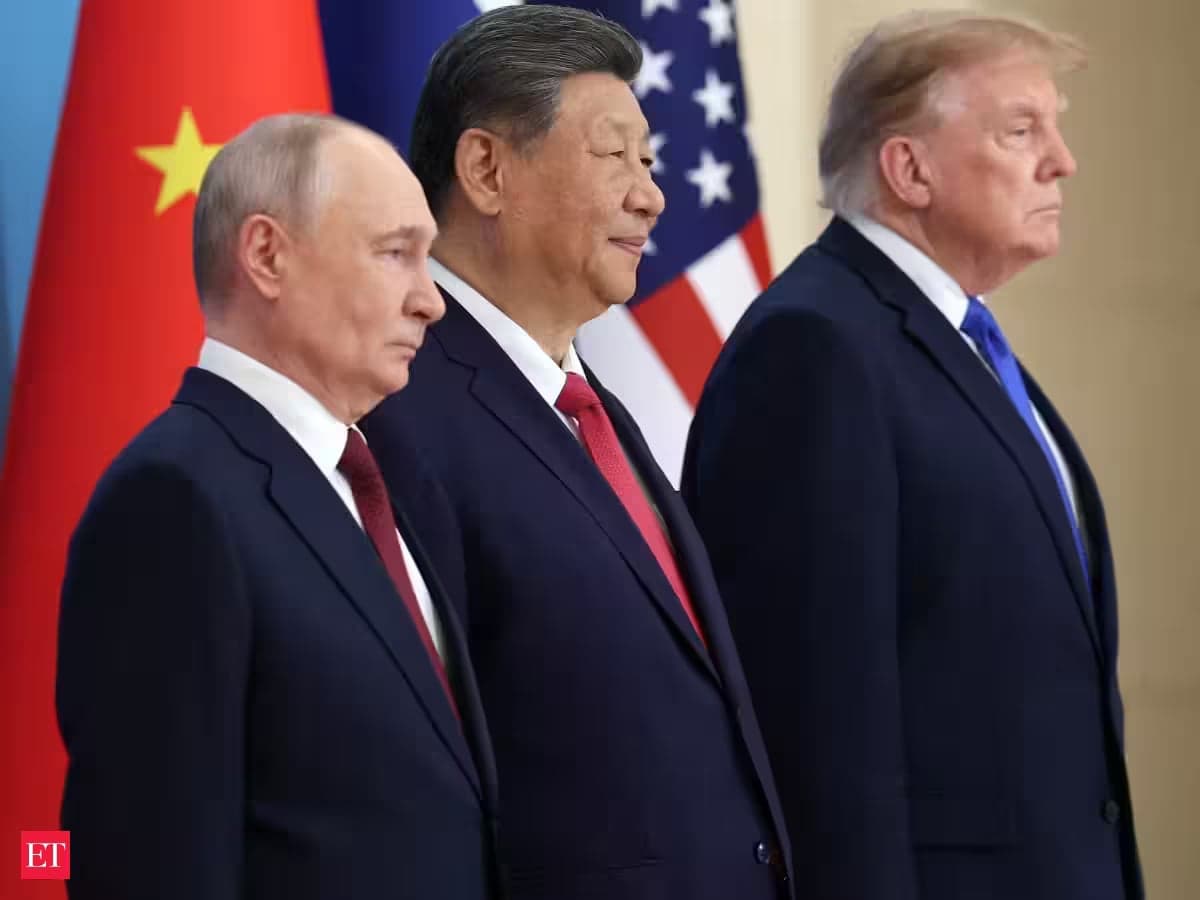
On November 19, 2026, U.S. President Donald Trump, Chinese President Xi Jinping, and Russian President Vladimir Putin convened in Shenzhen, China, for an unprecedented trilateral summit held alongside the Asia-Pacific Economic Cooperation (APEC) engagements[1][2]. The meeting - the first formal three-way leadership summit among the three superpowers - concluded with the simultaneous release by the White House and the Chinese Ministry of Foreign Affairs of a joint document titled the "China-Russia-U.S. Heads of State Declaration toward Peace."[1][3][4] The text codifies a major diplomatic reset among Washington, Beijing, and Moscow around four shared pillars: committing to United Nations Security Council reform to restore its core peace-and-security mission; pledging joint efforts to stabilize energy markets and increase the supply and production of refined petroleum products; emphasizing state consent and sovereign immunity against overreach by the International Criminal Court (ICC) and related bodies; and initiating a dedicated three-way dialogue on nuclear risk reduction and non-proliferation under the reaffirmed doctrine that a nuclear war cannot be won and must never be fought[3].
The summit represents a profound shift in major power diplomacy, arriving against the backdrop of strained multilateral institutions, ongoing hostilities in Ukraine, and escalating friction in the Middle East[5][6][4]. Observers highlighted that the joint declaration conspicuously omitted any explicit reference to either the Russia-Ukraine war or the ongoing conflict involving Iran, notwithstanding President Trump’s stated pre-summit goal of brokering comprehensive peace frameworks[6][7][4]. In post-summit remarks to reporters, President Putin stated that Ukraine and its European allies were "not yet ready" to compromise, citing a recent Ukrainian strike against the Kerch Bridge as a justification for Russian reluctance to enter immediate bilateral talks[4].
The diplomatic alignment in Shenzhen has sparked substantial global reaction and altered expectations surrounding the balance of power[5][4]. By positioning President Xi Jinping as the central convener and treating Vladimir Putin as an equal partner to the American president, Beijing successfully presented itself as an indispensable mediator while formalizing a tripolar diplomatic axis[8][4]. Danielle Steitz, Director of National Security Policy at the Progressive Policy Institute, observed that while the summit yielded little concrete progress on ending active wars, it conferred significant legitimacy on the Kremlin by validating its standing as a peer superpower alongside the United States and China[4]. International disarmament organizations, including the International Campaign to Abolish Nuclear Weapons (ICAN), characterized the nuclear risk dialogue as a potentially crucial avenue for arms control, though they urged the leaders to translate high-level pledges into verifiable commitments ahead of upcoming multilateral disarmament conferences[9].
European allies and foreign policy analysts have expressed deep unease over the trilateral framework, warning that the agreement reflects a pivot toward transactional, great-power diplomacy that could sideline smaller nations and regional blocs[5][4]. The specific targeting of international tribunals in the declaration reflects a synchronized effort by Washington, Moscow, and Beijing to shield state officials from international judicial oversight, reflecting shared skepticism toward supranational legal bodies[10][3][4]. As the three leaders concluded the summit, European capitals began evaluating the durability of their own strategic postures, anticipating an international environment increasingly dictated by tripartite summitry and bilateral spheres of influence[5][4].
- Donald Trump
- Xi Jinping
- Vladimir Putin
Story 2 of 11
3 min read
US, China, Russia Hold Historic Trilateral Summit in Shenzhen, Agree to Nuclear Risk Reduction Dialogues
Leaders from the U.S., China, and Russia convened for a landmark trilateral summit in Shenzhen, China, marking the first formal three-way meeting of the nuclear superpowers. They issued a declaration agreeing that nuclear war cannot be won and must never be fought, and committed to initiating dialogues on reducing nuclear risks and averting military escalation. The summit also addressed the International Criminal Court, with the nations stating it should not abuse its jurisdiction. This high-stakes meeting occurred amid shifting geopolitical alignments and domestic pressures for each leader.
Read the full storyFold the full story2 min · 13 sources
On November 19, 2026, U.S. President Donald Trump, Chinese President Xi Jinping, and Russian President Vladimir Putin convened for a historic 80-minute trilateral summit at the Kylin Villa in Shenzhen, China[1]. Held on the sidelines of the Asia-Pacific Economic Cooperation (APEC) Leaders’ Summit, the encounter marked the first formal three-way meeting between the leaders of the three nuclear superpowers[2][3]. Following the closed-door discussions, the three nations released a four-point "China-Russia-U.S. Heads of State Declaration toward Peace," anchored by an explicit reaffirmation that "a nuclear war cannot be won and must never be fought" and an agreement to initiate structured dialogues on reducing nuclear risks and averting military escalation[4][5][6]. The declaration also took aim at international legal architectures, stating that the International Criminal Court (ICC) must not abuse its jurisdiction and should require state consent and uphold official immunities[7][5].
The high-stakes diplomatic theater arrived against the backdrop of shifting geopolitical alignments and domestic pressures[6]. Trump entered the summit immediately following a regional tour through Manila - where he attended the Quadrilateral Security Dialogue (Quad) and the Association of Southeast Asian Nations (ASEAN) dinner - while seeking foreign policy milestones following contentious U.S. midterm elections[8][2][6]. For Beijing, hosting the summit in Shenzhen - the engine of China's technological and economic modernization - served as a domestic and international showcase for Xi’s "major country diplomacy" and his framework of "constructive strategic stability"[9][6]. For Putin, attending his first in-person APEC summit in nine years, the session shattered Western efforts to diplomatically isolate Moscow amid the protracted conflict in Ukraine and the volatile military situation in the Middle East[2][6].
The talks featured key political and diplomatic figures, including U.S. Secretary of State Marco Rubio, special envoys Steve Witkoff and Jared Kushner, and Kremlin foreign policy aide Yury Ushakov[10]. Substantively, however, the summit underscored profound operational fault lines beneath the orchestrated optics[6]. While the three heads of state agreed on the mutual utility of bilateral crisis-management communication channels and de-escalation protocols in the Western Pacific, deep strategic rifts remain unaddressed[11][6]. Beijing continues to restrict exports of critical rare earths ahead of an expiring bilateral trade truce in January, Washington faces an incoming Congress demanding intensified semiconductor and technology export controls, and the battlefield in Ukraine remains deadlocked with conflicting terms for any ceasefire[12][4][1].
The strategic impact has rattled allied capitals across Europe and the Indo-Pacific[13][12]. Following the summit, Trump held a 20-minute call from Air Force One with Japanese Prime Minister Sanae Takaichi to reaffirm the U.S.-Japan security alliance, yet friction surfaced regarding the summit's joint declaration against the ICC - which is currently presided over by Japanese jurist Tomoko Akane[7]. In Seoul and Tokyo, foreign policy analysts warned that tripartite summits without traditional allies risk destabilizing long-standing deterrence postures[12]. Daniel Fried, a distinguished fellow at the Atlantic Council, observed that bringing China into formal nuclear dialogue is a modest, constructive advance[5]. Conversely, Melanie Hart, senior director of the Atlantic Council's Global China Hub, cautioned that the summit served primarily as narrative manipulation by Beijing, allowing it to project an image of global statesmanship while continuing its nuclear buildup unabated[5].
- U.S.
- China
- Russia
Story 3 of 11
3 min read
Major Powers Align Against International Court Jurisdiction in Shenzhen Declaration
During a summit in Shenzhen, China, the leaders of the United States, China, and Russia issued a joint declaration rejecting the jurisdiction of the International Criminal Court (ICC) and similar supranational bodies over their officials. The declaration emphasizes state consent and immunities as paramount, marking an unprecedented convergence among the three powers against the post-Cold War international justice framework. The document also includes commitments to UN reform and stabilizing energy markets.
Read the full storyFold the full story2 min · 6 sources
On November 19, 2026, Chinese President Xi Jinping, Russian President Vladimir Putin, and U.S. President Donald Trump convened for an extraordinary trilateral summit on the sidelines of the 33rd Asia-Pacific Economic Cooperation (APEC) Leaders' Meeting in Shenzhen, China[1][2]. While mainstream coverage focused on the broader optics of the leaders' first joint meeting, the formal release of the four-point "Heads of State Declaration toward Peace" revealed a significant shift in international jurisprudence[3][4]: Point 3 of the document committed the three superpowers to an explicit rejection of supranational legal authority over their leaders, declaring that "the principle of state consent and respect for immunities of State officials are of paramount importance, and concurred that the International Criminal Court and other similar bodies must not abuse their jurisdiction"[3][3].
The joint declaration represents an unprecedented convergence among three permanent members of the United Nations Security Council against the post-Cold War framework of international criminal justice[3][4]. Tensions between these capitals and the International Criminal Court (ICC) have mounted steadily in recent years due to arrest warrants, preliminary examinations, and sanctions regimes affecting senior military and government personnel from all three nations and their close partners[5]. Historically, Washington, Beijing, and Moscow have approached multilateral judicial instruments through differing diplomatic rationales; however, the Shenzhen consensus formally unites them in codifying head-of-state immunity as an absolute pillar of international law that supersedes universal jurisdiction and international mandates[3][4].
The broader text of the declaration reflects a concerted effort by the three powers to reshape multilateral institutions from within[1][3]. In Point 1, the three leaders committed to reforming the United Nations to focus strictly on great-power strategic stability, while Point 2 pledged coordinated increases in the production and global supply of refined petroleum products to stabilize international energy flows[3][3]. The meeting, hosted by Xi Jinping alongside senior Chinese officials Cai Qi and Foreign Minister Wang Yi, also included a reaffirmation in Point 4 that "a nuclear war cannot be won and must never be fought," pairing the anti-ICC stance with a pledge to initiate three-way dialogues on nuclear risk reduction[3][4].
Legal scholars and diplomatic observers warn that the explicit anti-ICC provision carries profound ramifications for international humanitarian law and multilateralism. By publicly synchronizing their opposition to the court, the United States, China, and Russia have effectively signaled to non-governmental organizations, smaller states, and the ICC Registry that any attempts to prosecute state officials without the host nation’s express consent will face unified opposition from the world’s three preeminent military powers[3]. Council on Foreign Relations experts noted that the Shenzhen consensus represents a modern resurgence of "concert diplomacy," reminiscent of historical great-power bargains, wherein multilateral accountability mechanisms are deliberately subordinated to sovereign immunity and transactional diplomacy[2][6].
Reactions across Europe and among civil society groups have underscored fears of legal fragmentation. Diplomatic observers note that this unified stance puts immense pressure on ICC member states - many of whom are traditional U.S. allies in Europe and Asia - forcing them to choose between their Rome Statute obligations and their strategic and economic ties with Washington, Beijing, or Moscow.
- United States
- China
- Russia
Story 4 of 11
2 min read
ICJ Rules Myanmar Committed Genocide; Creates Diplomatic Rift
The International Court of Justice (ICJ) ruled that Myanmar committed genocide against the Rohingya, marking the first such finding by the UN's principal judicial organ. The binding decision orders Myanmar to provide reparations and prevent future atrocities. This ruling comes amid a diplomatic push by the U.S., China, and Russia to emphasize state consent and immunity for officials.
Read the full storyFold the full story2 min · 9 sources
On November 19, 2026, the International Court of Justice (ICJ) in The Hague issued a historic judgment in the case of The Gambia v. Myanmar, ruling by a 9–6 majority that the state of Myanmar committed genocide against the Rohingya ethnic minority during military "clearance operations" in 2016 and 2017[1][2][3]. Delivered by Court President Judge Yuji Iwasawa, the binding, unappealable decision marks the first time in the ICJ's 80-year history that the principal judicial organ of the United Nations has found a sovereign state directly responsible for committing genocide under the 1948 Genocide Convention[1][3][4]. The court documented systematic atrocities - including the killing of approximately 10,000 civilians, the destruction of 392 villages, pervasive sexual violence, and reproductive restrictions designed to prevent Rohingya births - ordering Myanmar to provide reparations and ensure compliance with prevention mandates[1][2][3].
The ruling immediately catalyzed a major diplomatic fault line across international institutions[5][6]. While the European Union and dozens of legal bodies lauded the judgment as a monumental victory for global justice and the rule of law, the verdict collided directly with the geopolitical policy shifts formalized by the world's leading powers in Shenzhen[5][7][6]. Paragraph three of the trilateral declaration signed that same day by the United States, Russia, and China forcefully elevated the principles of "state consent and respect for immunities of State officials," explicitly demanding that international tribunals avoid jurisdictional overreach[7][8].
This convergence has exposed an acute divergence in diplomatic approaches to international law[5][6]. While Human Rights Watch and legal experts praised Gambia’s landmark legal effort as a precedent for universal accountability, the Trump administration offered only a cautious response, reflecting Washington's parallel campaign of sanctions against the International Criminal Court[5][6][1]. Analysts noted that the major powers' joint stance in Shenzhen undermines the multilateral machinery required to enforce ICJ rulings, especially since enforcement ultimately depends on resolutions passed by the UN Security Council, where the U.S., China, and Russia hold veto power[5][7].
The immediate diplomatic implications are profound for international litigation broadly, including pending genocide filings such as South Africa’s case against Israel[5]. Rights organizations and legal experts cautioned that the growing pushback from Washington, Beijing, and Moscow poses an existential threat to the enforcement capacity of the Hague-based courts[5][8]. As Rohingya refugees in Cox’s Bazar celebrated the formal recognition of their suffering, international diplomats acknowledged that translating the court's historic decree into tangible restitution will face fierce resistance from a great-power bloc increasingly hostile to supranational legal accountability[5][3][9].
- International Court of Justice (ICJ)
- Myanmar
- Rohingya
Story 5 of 11
2 min read
Kushner Pitches Postwar Ukraine Security Framework to European Allies
U.S. special envoy Jared Kushner met with European leaders in Berlin to discuss a potential postwar security framework for Ukraine. The U.S. proposal suggests 'NATO-like security guarantees' for Ukraine, rather than direct NATO membership, aiming to provide deterrence against future Russian aggression. This initiative follows discussions at the Shenzhen summit.
Read the full storyFold the full story2 min · 5 sources
Directly following the Shenzhen trilateral summit, U.S. special envoy Jared Kushner traveled to Berlin on November 19, 2026, to engage European counterparts on emerging diplomatic blueprints for concluding the war in Ukraine[1][2]. Kushner, operating alongside fellow U.S. envoy Steve Witkoff, disclosed that the Trump administration assesses the Russian leadership to be "comfortable" with a settlement model that provides postwar Ukraine with "NATO-like security guarantees" rather than direct accession to the North Atlantic Treaty Organization[3][1][2]. The proposal marks an assertive shift in Washington’s conflict strategy, prioritizing negotiated bilateral or multilateral defense assurances outside the formal Article 5 framework of the Washington Treaty[1][2].
The diplomatic mission in Berlin was designed to brief and reassure European partners following closed-door deliberations between President Trump, President Putin, and President Xi in China[2]. According to U.S. officials, the war in Ukraine formed a central topic of discussion in Shenzhen, even though the leaders chose not to incorporate peace terms into their public declaration[4][2]. Kushner's consultations come as Washington attempts to construct an off-ramp for the conflict that satisfies Moscow’s categorical demand to block Ukraine's formal NATO entry, while offering Kyiv sufficient deterrence against future Russian aggression through a coalition of guarantor nations[2].
European capitals, however, have received the proposed framework with sharp skepticism and concern[2][5]. Key NATO allies, notably Germany, France, and the United Kingdom, expressed unease over the prospect of Washington negotiating core elements of the European security architecture without direct, equal participation from Ukraine and European institutions[4][2]. Critics within European foreign ministries question whether non-treaty "NATO-like" guarantees can possess genuine deterrent credibility, especially without permanent forward deployments or explicit mutual defense commitments from Western powers[2].
The diplomatic initiative is further complicated by volatile developments on the ground[4][3]. Despite Kushner’s optimistic characterization of Moscow's posture, President Putin warned of planned retaliation following recent Ukrainian strikes on the Kerch Bridge, reiterating that Russia does not view Kyiv or its Western backers as ready for viable compromises[4][3]. The divergence between Washington’s push for a swift framework and European insistence on enforceable, sovereign guarantees highlights growing strategic friction across the transatlantic alliance as the war approaches its fifth year[4][2].
- Jared Kushner
- Ukraine
- European Allies
Story 6 of 11
2 min read
U.S. and Venezuela Sign Historic Defense Cooperation Agreement, Reversing Decades of Hostility
In a dramatic shift, the United States and Venezuela have signed a sweeping bilateral military cooperation agreement in Caracas, reversing relations severed in 2005. U.S. Secretary of War Pete Hegseth met with Venezuelan interim President Delcy Rodríguez to finalize pacts covering joint military training, intelligence sharing, and border security. This agreement follows the U.S. operation that captured former Venezuelan President Nicolás Maduro and aims to bolster combined operations against transnational criminal networks.
Read the full storyFold the full story2 min · 8 sources
In an extraordinary realignment of Latin American security architecture, U.S. Secretary of War Pete Hegseth conducted an unannounced official visit to Caracas, Venezuela, to finalize a sweeping bilateral military cooperation agreement[1][2][3]. Hegseth - the first senior U.S. defense chief to visit the country this century - met with Venezuelan interim President Delcy Rodríguez at the Miraflores Presidential Palace[2][4]. The formal defense document was signed alongside Venezuelan Defense Minister Gustavo González López, cementing a total reversal of military relations that had been severed since 2005 under the administration of Hugo Chávez[2][4][3].
The agreement establishes operational frameworks for joint military training, bilateral intelligence sharing, border security coordination, and the provision of technical equipment to modernize the Venezuelan Armed Forces[5][1][2]. The formalization of ties follows the dramatic January 3 U.S. special operations raid that resulted in the capture and extradition of former President Nicolás Maduro[1][2]. Speaking from the U.S. Embassy in Caracas, Hegseth declared that Venezuela had transformed from Washington’s "most aggressive regional threat to a compliant security partner"[2]. The new security accord will focus heavily on combined operations against transnational criminal networks and designated narco-terrorist organizations, specifically targeting leaders of the Tren de Aragua syndicate[2][4].
The rapprochement carries major economic and energy dimensions[1][6]. Over recent months, Washington has rapidly expanded its footprint across Venezuela's hydrocarbon sector[6]. This footprint was consolidated under a deal granting producer North American Blue Energy Partners (NABEP) - in which the U.S. government holds a direct 35% equity stake - long-term development access to 17 domestic oilfields that encompass roughly one-fifth of Venezuela’s total oil reserves, alongside output guarantees and first-refusal rights[6]. Businessman Alejandro Betancourt, an influential figure within NABEP, was seen present at both the Miraflores Palace and the U.S. Embassy during the bilateral defense proceedings[7].
The defense pact marks a radical geopolitical shift for the Western Hemisphere[1]. Regional allies and international observers are assessing the implications of Washington transitioning from coercive regime-change operations to formal military integration with former figures of the Chavista apparatus[1][2][8]. While Rodríguez praised the "geopolitical maturity" of both governments in converting past hostilities into mutually beneficial security agreements, critics across the region have raised questions regarding transparency, human rights safeguards, and the lack of specific timetables for full democratic transitions[2][4][8]. Hegseth’s subsequent diplomatic itinerary - extending to Honduras for security meetings with President Nasry Asfura and Colombia to deliver a C-130 Hercules transport aircraft - underscores a broad, security-first reorganization of U.S. hemispheric alliances[3].
- U.S.
- Venezuela
- Caracas
Story 7 of 11
2 min read
Canada and Japan Forge Independent Alliances to Mitigate Major Power Unpredictability
Canada and Japan are proactively recalibrating their foreign policy by establishing independent trade and defense pacts, moving beyond exclusive reliance on major powers like the U.S. and China. Canadian Prime Minister Mark Carney has pursued bilateral networks, including trade negotiations with ASEAN and tariff mitigation with China, while Japanese Prime Minister Sanae Takaichi has deepened defense and critical mineral partnerships across Europe and Southeast Asia. These strategies aim to secure critical supply chains and insulate them from geopolitical volatility.
Read the full storyFold the full story2 min · 8 sources
A pronounced policy recalibration among traditional Western allies has accelerated as Canada and Japan step up independent trade and defense pacts to insulate themselves from major-power unpredictability[1][1]. Reports and diplomatic updates highlighted how Canadian Prime Minister Mark Carney and Japanese Prime Minister Sanae Takaichi are operationalizing "middle-power" hedging strategies[1][1]. Rather than relying exclusively on traditional security and trade arrangements with the United States or accommodating Beijing, both nations are constructing parallel bilateral networks to secure critical supply chains, technology flows, and regional security arrangements[1][2][1].
This systemic pivot stems from mounting unease among middle powers over Washington’s increasingly transactional approach to international alliances and tariff threats, alongside aggressive Chinese economic coercion[1][3][2][1]. Carney, advancing the "third path" doctrine he originally articulated at the World Economic Forum, concluded free-trade negotiations with the Philippines and made substantial progress toward a comprehensive economic partnership with the Association of Southeast Asian Nations (ASEAN)[2][4]. In Shenzhen, Carney also finalized an agreement with Xi Jinping to extend a bilateral tariff mitigation pact through 2028, securing C$400 million ($279.4 million) in tariff relief for Canadian exports, including agricultural goods, while lowering domestic tariffs on certain Chinese steel and aluminum imports[2].
Concurrently, Tokyo has executed an alternative middle-power strategy dictated by its severe security environment[1][1]. While Ottawa possesses the geographic insulation to pursue selective economic engagement with China, Japan hosts the largest concentration of overseas U.S. military personnel and confronts immediate maritime and missile threats from China, Russia, and North Korea[5][6]. Rather than pursuing commercial detente with Beijing, Prime Minister Takaichi has deepened defense and critical-mineral partnerships across Europe and Southeast Asia[1][1]. Tokyo has leveraged its Comprehensive Strategic Partnership with Ottawa - focusing on Canadian critical minerals and advanced technology - while coordinating defense and supply-chain resilience with European partners and regional states[1][1][7].
The divergence and coordination between Ottawa and Tokyo illustrate the structural reconfiguration of the international order[1][1]. International relations scholars point to this trend as a proactive "de-risking" against the United States as well as China[2][6]. Zhao Minghao, a foreign policy scholar at Fudan University, noted that middle powers are systematically establishing alternative mechanisms to bypass unilateral trade actions from Washington and coercive market leverage from Beijing[2][6]. By stitching together flexible regional networks rather than relying on rigid superpower guarantees, middle powers are transforming global governance into a more fragmented, multipolar architecture[8][2][6].
- Canada
- Japan
- Mark Carney
Story 8 of 11
3 min read
Denmark Ratifies Trilateral Greenland Defense Pact with US, Securing Arctic Influence
The Danish Folketing has unanimously ratified a significant security and defense agreement with Greenland and the United States. This pact modernizes the 1951 defense treaty, granting the U.S. expanded military rights in Greenland, including facility modernization and the development of a missile defense shield. The agreement also establishes designated defense areas and ensures that only NATO allies and the EU can fund critical infrastructure on the island.
Read the full storyFold the full story2 min · 10 sources
On November 19, 2026, the Danish Folketing voted unanimously, 109 to 0, to approve parliamentary resolution B 36, formally ratifying a comprehensive security and defense agreement between Denmark, Greenland, and the United States[1][2]. The legislative action marks the final statutory hurdle required to implement the trilateral pact, which Greenland’s parliament (the Inatsisartut) approved earlier in November without opposition[3][4]. The executive agreement modernizes the foundational 1951 bilateral defense treaty governing the island and will officially enter into force upon the Danish Ministry of Foreign Affairs delivering a formal diplomatic note of completion to Washington[5][3].
The ratification resolves months of intense transatlantic tension that erupted after U.S. President Donald Trump renewed calls to acquire Greenland, warning that Washington would act "whether they like it or not" and threatening escalating trade tariffs against European allies[6][1]. To de-escalate the crisis without ceding territory, Danish Prime Minister Mette Frederiksen, Greenland Premier Jens-Frederik Nielsen, and President Trump signed a negotiated framework on September 22, 2026, on the sidelines of the United Nations General Assembly in New York[1][2]. The finalized pact grants the United States expanded military operational rights across Greenland while formally reaffirming the Kingdom of Denmark’s territorial integrity and explicitly upholding the Greenlandic population’s legal right to self-determination[6][3].
Under the terms of the treaty, the United States secures authorization to modernize its facilities at Pituffik Space Base (formerly Thule Air Base) in northwestern Greenland and to construct components for an advanced "Golden Dome" missile defense shield[6][7]. Furthermore, the accord establishes designated "defense areas" at Narsarsuaq in South Greenland and Mestersvig in the northeast, though the precise operational terms for these two outposts remain subject to subsequent trilateral implementation agreements[1][8]. Critically, the treaty enacts an exclusive security umbrella: only NATO member states, official NATO partners, and the European Union will be permitted to construct military facilities or finance critical infrastructure projects on the island, and the text dictates that should Greenland ever vote for full independence from Denmark, it will remain contractually committed to NATO[6]. The signatories will also enact a domestic screening law in Greenland to block foreign investments from geostrategic adversaries like Russia and China on national security grounds[5][8].
The diplomatic breakthrough was hailed by U.S. Secretary of State Marco Rubio, who stated that the deal "modernizes the United States-Denmark-Greenland defense partnership and bolsters the national security of the United States and our allies in NATO"[5][3]. U.S. Ambassador to Denmark Kenneth A. Howery echoed the sentiment, calling the agreement a "tremendous accomplishment" that safeguards Arctic approaches[6][7]. Danish Prime Minister Mette Frederiksen conceded that arriving at the pact had been an arduous diplomatic ordeal, while Premier Jens-Frederik Nielsen emphasized on social media that Nuuk proved it could defend indigenous sovereignty and rights while acting as a pragmatic security partner[3][4].
Beyond resolving the immediate territorial row, the ratification establishes a significant precedent for Arctic governance and alliance cohesion. By binding Greenland’s potential future statehood to NATO and excluding non-allied capital from critical mineral extraction and dual-use logistical facilities, the treaty cements Western control over the vital GIUK (Greenland-Iceland-United Kingdom) gap and emerging trans-Arctic shipping corridors[6][9]. International relations analysts, including American University's Transatlantic Policy Center co-director Garret Martin, note that the agreement illustrates how smaller states and autonomous territories can trade expanded basing rights and localized defense concessions to fend off unilateral great-power coercion and preserve self-determination[10].
- Denmark
- Greenland
- United States
Story 9 of 11
2 min read
Egypt and Libya Cement Energy and Security Treaties, Pivoting Eastern Mediterranean Strategy
Egyptian President Abdel Fattah El-Sisi hosted Libyan GNU Prime Minister Abdul Hamid Dbeibah in Cairo, signing nine bilateral agreements covering energy, security, and economic cooperation. These pacts formalize cross-border gas infrastructure, oil refining, and electricity grid integration, signaling Egypt's direct re-engagement with western Libya. This move represents a strategic pivot following eastern Libyan lawmakers' ratification of a maritime agreement with Turkey that conflicted with Egypt's interests.
Read the full storyFold the full story2 min · 6 sources
Egyptian President Abdel Fattah El-Sisi hosted the Prime Minister of Libya's Government of National Unity (GNU), Abdul Hamid Dbeibah, at the Ittihadiya Palace in Cairo, where the two leaders signed nine comprehensive bilateral agreements[1]. The pacts span cross-border gas infrastructure, oil refining, joint energy exploration, electricity grid interconnection, fisheries, higher education, and labor regulation[2][1]. This diplomatic summit formalized a major strategic breakthrough following Egyptian Foreign Minister Badr Abdelatty’s reopening of the Egyptian Embassy in Tripoli after a 12-year closure, signaling Cairo’s formal institutional re-engagement with western Libya[3][4].
The Cairo-Tripoli rapprochement represents a fundamental strategic pivot in North African and Eastern Mediterranean geopolitics[4][5]. Historically, Cairo served as the chief military and diplomatic backer of eastern Libyan commander Khalifa Haftar and the Tobruk-based House of Representatives, opposing the UN-recognized, Turkish-backed GNU in Tripoli[1][4]. However, this traditional alliance fractured dramatically after eastern Libyan lawmakers unexpectedly ratified a controversial 2019 maritime boundary delimitation agreement with Turkey[3][2][1]. Because that maritime agreement overlaps with exclusive economic zones claimed by Egypt, Greece, Cyprus, and Israel, eastern Libya’s reversal left Cairo diplomatically outmaneuvered by its former proxies, prompting El-Sisi to counterbalance by establishing direct ties with Tripoli[2][1][5].
The nine signed treaties are aimed at stabilizing energy flows and commercial access across North Africa[1]. Under the provisions, Libyan crude oil will be refined inside Egyptian industrial facilities, and technical teams will begin the implementation phase of connecting cross-border gas pipelines to integrate Libya’s upstream reserves into Egypt’s liquefied natural gas (LNG) export infrastructure[2][1][4]. In exchange, Egyptian construction, infrastructure, and energy conglomerates will secure prioritized access to post-conflict reconstruction projects in western Libya[1].
The realignment has redrawn strategic balances across the Mediterranean[1][5]. While Egypt maintains that the Turkey-Libya maritime memorandum remains legally "null and void" in international submissions to the United Nations, Cairo’s direct economic entanglement with the GNU allows it to preserve its energy transit interests while neutralizing hostile proxies along its western border[1]. Regional analysts highlight that El-Sisi’s multi-vector engagement effectively sidelines hardline military factions in eastern Libya, compelling both Ankara and Tripoli to treat Cairo as an indispensable arbiter for any future Mediterranean gas pipeline routes and regional stabilization initiatives[2][1][6].
- Egypt
- Libya
- Abdel Fattah El-Sisi
Story 10 of 11
2 min read
African Nations Rally for Fairer Global Tax Rules Ahead of Nairobi Talks
The UN Economic Commission for Africa (ECA) is mobilizing African states to adopt a unified stance in rewriting global tax rules, ahead of negotiations for the UN Framework Convention on International Tax Cooperation in Nairobi. The ECA advocates for African countries to gain stronger taxing rights over multinational corporations, challenging outdated bilateral tax treaties and OECD-led frameworks that disproportionately favor capital-exporting nations. The goal is to restore source-based taxing rights and curb illicit financial flows.
Read the full storyFold the full story2 min · 1 source
On November 20, 2026, the United Nations Economic Commission for Africa (ECA) launched a coordinated diplomatic mobilization during a high-level briefing in Addis Ababa, calling on African states to establish a unified negotiating front to rewrite global tax rules[1]. ECA Executive Secretary Claver Gatete warned delegates that African countries must secure robust taxing rights over multinational corporations and cross-border commercial transactions as negotiations advance on the landmark United Nations Framework Convention on International Tax Cooperation[1]. The diplomatic push was timed specifically to build momentum ahead of the upcoming sixth session of the Intergovernmental Negotiating Committee scheduled to convene in Nairobi[1].
The mobilization targets longstanding structural inequities embedded in legacy international taxation architectures[1]. For decades, cross-border corporate taxation standards have been steered primarily by the Organisation for Economic Co-operation and Development (OECD), a grouping predominantly composed of high-income economies[1]. Developing countries have argued that the OECD’s frameworks and historical bilateral tax treaties disproportionately favor residence jurisdictions - where corporate headquarters are situated - at the expense of source jurisdictions in Africa where raw resources are extracted, digital services are consumed, and economic activity actually occurs[1].
During the Addis Ababa assembly, Gatete emphasized that existing bilateral double-taxation treaties actively constrain African governments from mobilizing domestic revenue by locking in negligible withholding tax rates and enabling profit-shifting by multinational enterprises[1]. The ECA’s platform for the Nairobi talks seeks to establish legally binding UN-level mechanisms that restore source-based taxing rights, mandate reciprocal cross-border access to financial and tax data across jurisdictions, institute multilateral dispute-resolution mechanisms, and curb illicit financial flows that drain billions of dollars from African economies annually[1].
The ECA’s strategic intervention reflects a broader, accelerating trend within global diplomacy: the migration of international economic rule-making away from exclusive, Western-led clubs like the OECD toward the universal, one-country-one-vote forum of the United Nations General Assembly[1]. By coordinating common positions through regional economic blocs, African nations are leveraging their collective voting power to construct an alternative international financial architecture.
If the African bloc succeeds in anchoring mandatory source-country taxing rights in the draft UN convention, it could reshape corporate compliance and tax liabilities for multinational mining, telecommunications, energy, and digital services companies operating across the continent. Diplomatic observers note that the Nairobi negotiations will serve as a crucial test of South-South multilateralism, demonstrating whether emerging economies can translate numerical superiority at the United Nations into enforceable international fiscal policy.
- African Nations
- United Nations
- ECA
Story 11 of 11
2 min read
US Rejects Multilateral AI Governance, Prioritizing Domestic Innovation Autonomy
The United States has declared its opposition to international regulatory frameworks for artificial intelligence, adopting an 'innovation autonomy' doctrine. The administration will cease participation in multilateral efforts to set AI safety, alignment, and ethics standards, prioritizing domestic agility over harmonized global rules. This policy shift aims to prevent foreign regulations, like the EU's AI Act, from constraining U.S. companies and to foster a permissive environment for domestic AI development and investment.
Read the full storyFold the full story2 min · 1 source
On November 19, 2026, the United States government enacted a major foreign policy shift by formally declaring its outright opposition to international and multilateral regulatory frameworks governing artificial intelligence[1]. In a public declaration, President Donald Trump rejected what the administration described as "globalist regulation" of AI technologies, stating that Washington will no longer participate in multilateral coordination efforts aimed at setting cross-border algorithmic safety, alignment, and ethics standards[1]. The policy shift establishes an "innovation autonomy" doctrine that prioritizes domestic technological agility over supranational harmonized rules[1].
The announcement breaks decisively with several years of diplomatic momentum that had sought to establish international guardrails for advanced machine learning[1]. Prior multilateral initiatives, notably the European Union’s landmark AI Act and consultative frameworks promoted through the United Nations, the G7, and regional summits in Singapore and Japan, aimed to craft uniform compliance rules regarding algorithmic bias, foundation model transparency, and catastrophic risk mitigation[1]. Under the new directive, the U.S. administration will halt alignment talks with European Union standard-setting bodies, choosing instead to rely strictly on light-touch, sector-specific oversight conducted through existing federal agencies rather than binding treaties or international monitoring bodies[1].
The policy shift is designed to prevent foreign legal standards - most notably the EU AI Act’s stringent testing and transparency mandates - from functioning as de facto global standards that constrain American frontier artificial intelligence labs and hardware manufacturers[1]. U.S. officials argued that extraterritorial regulatory burdens penalize American companies and stifle rapid commercialization, particularly as technology competition with China intensifies. By declaring independence from global regulatory bodies, Washington aims to establish a permissive domestic environment designed to attract venture capital and accelerate compute infrastructure deployment[1].
Industry response to the abrupt diplomatic reversal has been starkly divided[1]. Some domestic tech executives and venture investors welcomed the administration’s stance, arguing that freedom from complex multinational compliance regimes will accelerate development speed and eliminate bureaucratic overhead[1]. Conversely, multinational technology firms operating across borders expressed concern over an increasingly fragmented regulatory landscape[1]. Technology policy analysts point out that U.S. firms operating in Europe, Canada, and parts of Asia will still have to comply with regional mandates to access foreign consumer markets, potentially forcing firms to build bifurcated software architectures[1].
From a broader foreign policy perspective, the withdrawal signals a significant retreat from tech diplomacy. Without American participation in harmonized international safety standards, multilateral efforts to establish non-proliferation treaties on autonomous cyber capabilities and dual-use algorithms are severely weakened. The shift leaves standard-setting largely contested between Brussels’ regulatory model and Beijing’s state-directed digital governance frameworks, accelerating the bifurcation of global technology ecosystems.
- United States
- Artificial Intelligence
- Donald Trump
You're all caught up.
That's every story in Friday's PiBrief Geopolitics. And there's a newer edition waiting for you.
All PiBrief Geopolitics editions
Subscribe to receive daily briefings about geopolitics and world news in your email.
Get PiBrief Geopolitics in your inbox
A free newsletter on geopolitics and world news. Diplomacy, conflict, the global economy, and elections, ranked and explained, with an audio briefing in every edition.
Free forever / no account / 1-click unsubscribe