
Schengen visa debate, US-China summit & EU-UK reset
Washington and Beijing have deferred major trade and technology disputes ahead of the upcoming G20 summit, even as tensions rise over military expansion. In Europe, leaders established a new diplomatic coalition on Ukraine and forged a post-Brexit reset agreement with the United Kingdom. Meanwhile, regional security debates over Greenland and proposed Russian travel bans are testing key alliances.
15 stories90 sources checked
Listen to this edition
PiBrief Geopolitics, November 22, 2026
The lineup
In this edition
 01
Iran and Houthi Militia Launch Coordinated Strikes Targeting Bahrain and Saudi Arabia
 02
Denmark Cites Intelligence Plot, Urges EU-Wide Schengen Ban on Russian Nationals
 03
Greenland Defense Pact Fuels Transatlantic Rift, EU Threatens Tech Retaliation
 04
Beijing Slams FCC Ban on Chinese Telecoms' Direct US Phone Number Access, Threatens Retaliation
 05
House Report Accuses Western Firms of Aiding China's Military Aerospace Growth
- 06
Trump Warns of Accelerated Chinese Nuclear Expansion Post-Shenzhen Summit
 07
US and China Defer Major Trade, Tech Disputes to Upcoming Miami G20 Summit
 08
Europe Formalizes 'E5 Plus' to Unify Ukraine Peace Negotiation Stance
 09
EU Budget Compromise Proposed Amidst €45 Billion Ukraine Defense Loan Plan
 10
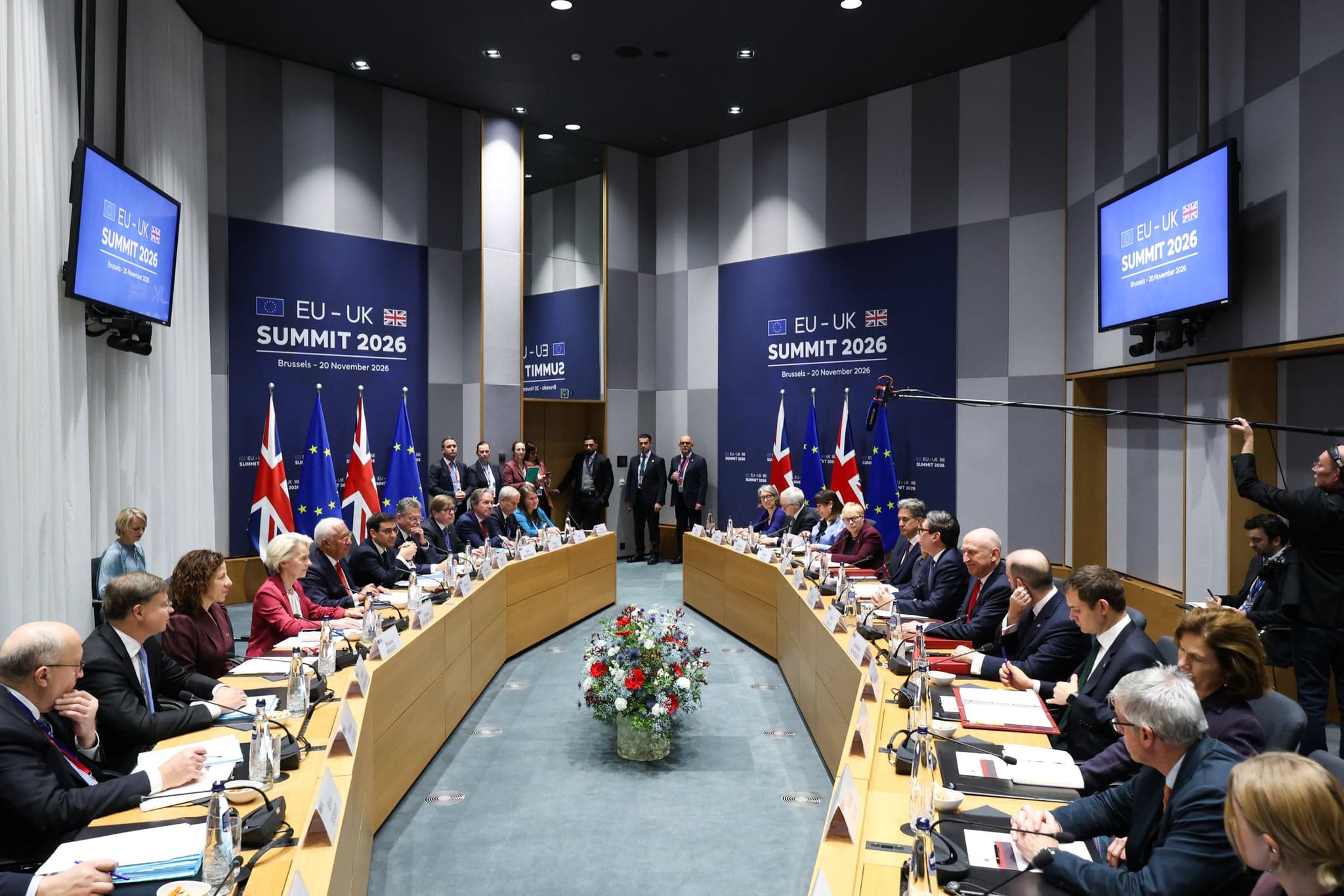
EU-UK Summit Forges 'Reset Agreement' Amid Post-Brexit Realignment and Rejoining Talk
 11
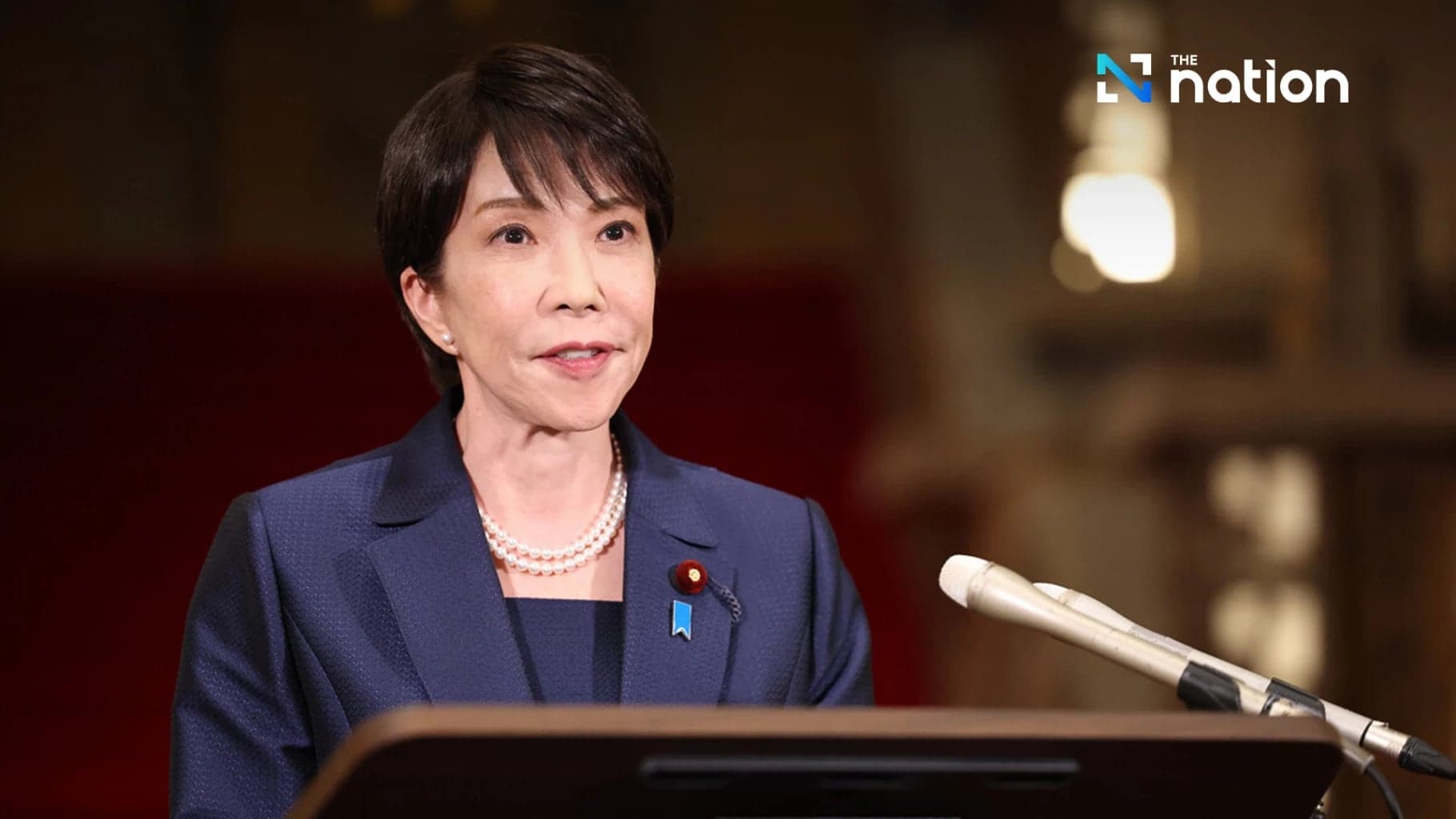
Tokyo Mobilizes Diplomacy After Great-Power Shenzhen Summit Rattles Pacific Allies
- 12
Egypt Pushes Littoral Sovereignty Coalition for Red Sea Security
 13
Oyo Summit Mediates DRC-Kenya Rift Amid Central African Stabilization Efforts
 14
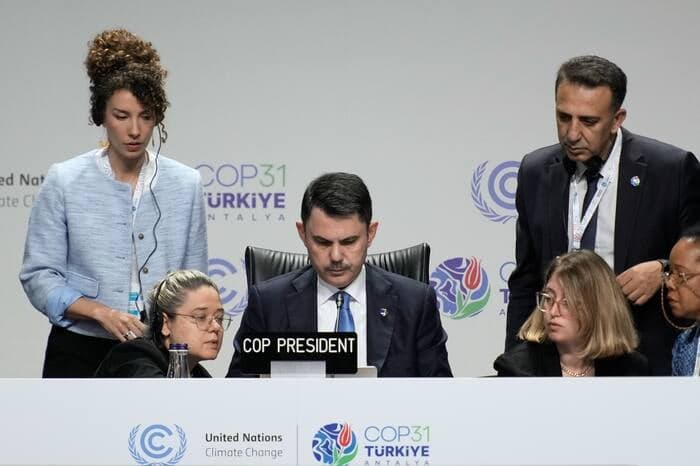
Antalya Climate Talks Collapse: 1.5°C Overshoot Codified, Fossil Fuels Omitted
 15
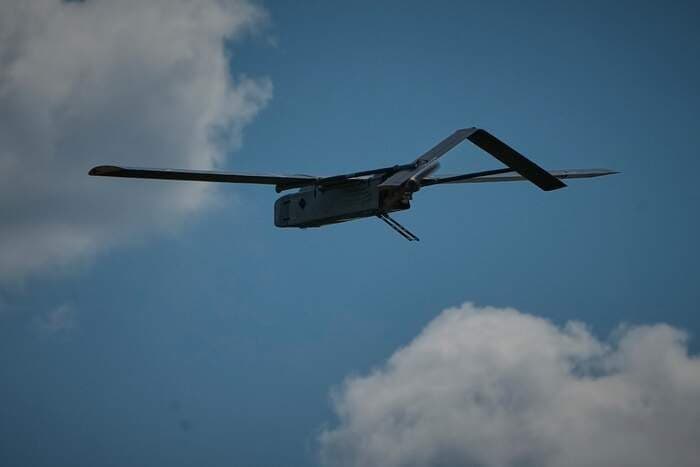
Geneva Autonomous Weapons Talks Falter, UN Delays AI Arms Treaty to 2028
See all 15 as a listHide the list
- Iran and Houthi Militia Launch Coordinated Strikes Targeting Bahrain and Saudi Arabia
- Denmark Cites Intelligence Plot, Urges EU-Wide Schengen Ban on Russian Nationals
- Greenland Defense Pact Fuels Transatlantic Rift, EU Threatens Tech Retaliation
- Beijing Slams FCC Ban on Chinese Telecoms' Direct US Phone Number Access, Threatens Retaliation
- House Report Accuses Western Firms of Aiding China's Military Aerospace Growth
- Trump Warns of Accelerated Chinese Nuclear Expansion Post-Shenzhen Summit
- US and China Defer Major Trade, Tech Disputes to Upcoming Miami G20 Summit
- Europe Formalizes 'E5 Plus' to Unify Ukraine Peace Negotiation Stance
- EU Budget Compromise Proposed Amidst €45 Billion Ukraine Defense Loan Plan
- EU-UK Summit Forges 'Reset Agreement' Amid Post-Brexit Realignment and Rejoining Talk
- Tokyo Mobilizes Diplomacy After Great-Power Shenzhen Summit Rattles Pacific Allies
- Egypt Pushes Littoral Sovereignty Coalition for Red Sea Security
- Oyo Summit Mediates DRC-Kenya Rift Amid Central African Stabilization Efforts
- Antalya Climate Talks Collapse: 1.5°C Overshoot Codified, Fossil Fuels Omitted
- Geneva Autonomous Weapons Talks Falter, UN Delays AI Arms Treaty to 2028
Story 1 of 15
2 min read
Iran and Houthi Militia Launch Coordinated Strikes Targeting Bahrain and Saudi Arabia
Iranian aerial strikes hit an industrial facility in Bahrain while the Houthi militia targeted Riyadh and the Yanbu crude export hub with drones and missiles. The escalations mark a sharp rise in regional tensions and prompt defensive measures by Gulf states.
Read the full storyFold the full story1 min · 4 sources
Tensions across the Persian Gulf escalated sharply over the weekend as coordinated aerial strikes targeted Bahrain and Saudi Arabia. On Saturday, November 21, 2026, Iranian aerial strikes hit Bahrain, igniting a fire at a civilian industrial facility on Sitra Island near a refinery operated by Bapco. Bahrain’s Interior Ministry confirmed that the attack wounded two people, including a Bahraini national and a Pakistani resident in critical condition. Simultaneously, the Saudi-led coalition intercepted and destroyed a drone fired by Yemen's Houthi militia toward the Riyadh region, followed by the interception of a ballistic missile targeting Saudi Arabia's western Red Sea coast near the Yanbu crude export hub.
The strikes end a relative lull in attacks against Gulf states hosting American forces. Iran's Islamic Revolutionary Guard Corps announced that its aerospace forces launched combined missile and drone strikes against United States positions and Patriot radar installations at the Al-Riffa and Awali military installations in Bahrain. Tehran stated the operation was conducted in retaliation for ongoing American airstrikes and violations of Iranian airspace. The attacks coincided with remarks from U.S. President Donald Trump regarding prospective agreements with Tehran over nuclear weapons.
Regional and international reactions were swift, with Qatar, the United Arab Emirates, and Jordan condemning the strike on Bahrain as a violation of sovereignty. The Saudi Foreign Ministry also condemned Iran's actions, while Iranian officials defended the strikes and warned that U.S. and Israeli assets would face further retaliation if Iranian energy facilities are targeted.
In response to the attacks, Bahrain filed notification letters with the United Nations Security Council to establish formal legal grounds for potential military action, asserting its right to self-defense under Article 51 of the UN Charter and the Gulf Cooperation Council Joint Defence Agreement. With Gulf defense forces maintaining high alert, regional governments and international partners are bracing for potential diplomatic showdowns and the risk of expanded kinetic confrontations surrounding critical energy infrastructure.
- Iran's Islamic Revolutionary Guard Corps
- Bapco
- Saudi-led Coalition to Support Legitimacy in Yemen
Story 2 of 15
2 min read
Denmark Cites Intelligence Plot, Urges EU-Wide Schengen Ban on Russian Nationals
Following the disruption of a Russian intelligence-directed plot to assassinate a Ukrainian-American citizen, Denmark is demanding strict EU-wide Schengen visa and border security enhancements for Russian nationals. Copenhagen proposes a suspension of tourist visas, ending recognition of non-biometric passports, and issuing only territorial-validity visas to curb clandestine movements and hybrid threats.
Read the full storyFold the full story2 min · 6 sources
The Danish government formally demanded that European Union member states execute a comprehensive tightening of visa and border security rules targeting Russian citizens, following the disruption of a hostile Russian covert operation on Danish soil[1]. In proposals circulated to all EU capitals, Copenhagen urged the European Council and the Commission to suspend all tourist visas for Russian nationals across the European Union, end the official recognition of non-biometric Russian passports, and enact strict entry bans on current and former personnel of Russia’s armed forces[1]. To restrict clandestine movement, Denmark is also calling on Schengen members to discontinue issuing broad Schengen-wide visas to Russian applicants, recommending instead territorial-validity-only visas restricted exclusively to the issuing country[1].
The diplomatic initiative was triggered by findings from the Danish Security and Intelligence Service (PET), which revealed that authorities had intercepted and thwarted a Russian intelligence-directed plot to assassinate a Ukrainian-American citizen north of Copenhagen[1]. PET’s investigation confirmed that Russian intelligence agencies orchestrated the planned killing by recruiting operatives from Denmark’s domestic criminal underworld[1]. In immediate retaliation, Copenhagen expelled the Russian defense attaché and declared that the incident represented a grave escalation of state-sponsored hybrid aggression that demands a coordinated, continent-wide counter-strategy rather than isolated national responses[1].
Denmark’s proposals arrive amid a broader push by Nordic and Baltic states to address escalating Russian hybrid operations targeting critical civilian infrastructure across the continent[2][3]. Recent months have seen coordinated sabotage efforts, GPS spoofing disruptions affecting civil aviation, and cyberattacks on European medical and transport networks[2]. With Estonia actively considering the complete closure of its eastern border to mitigate intelligence infiltration, Denmark's proposal seeks to institutionalize these border defenses at the EU level[1][3]. Several member states have indicated support for incorporating Copenhagen’s visa measures into the upcoming 22nd EU sanctions package against Russia, which also targets shadow fleet operations and cryptocurrency evasion networks[2][4].
The Danish campaign highlights a hardening European defense posture that increasingly prioritizes internal security over conventional cross-border mobility[1][5]. The initiative intersects directly with the EU's newly backed Civil Protection Framework, designed to enhance institutional readiness against hybrid disruptions and cross-border threats[5]. For transatlantic partners, Denmark’s revelation that the target was a dual Ukrainian-American citizen underscores how Russian clandestine operations in Europe directly threaten Western nationals[1]. The incident has intensified calls within NATO and the EU for unified operational guidelines, reinforcing European demands that the transatlantic alliance take collective intelligence action against third-party proxy networks operated by Russian intelligence on allied soil[1][6].
- Denmark
- European Union
- Russia
Story 3 of 15
2 min read
Greenland Defense Pact Fuels Transatlantic Rift, EU Threatens Tech Retaliation
Denmark's ratification of a U.S. security pact for expanded military bases and a missile defense shield in Greenland has reignited transatlantic tensions. Simultaneously, the EU is threatening tech retaliation against U.S. companies over trade and digital sovereignty disputes, particularly concerning spectrum access and corporate due diligence mandates.
Read the full storyFold the full story2 min · 11 sources
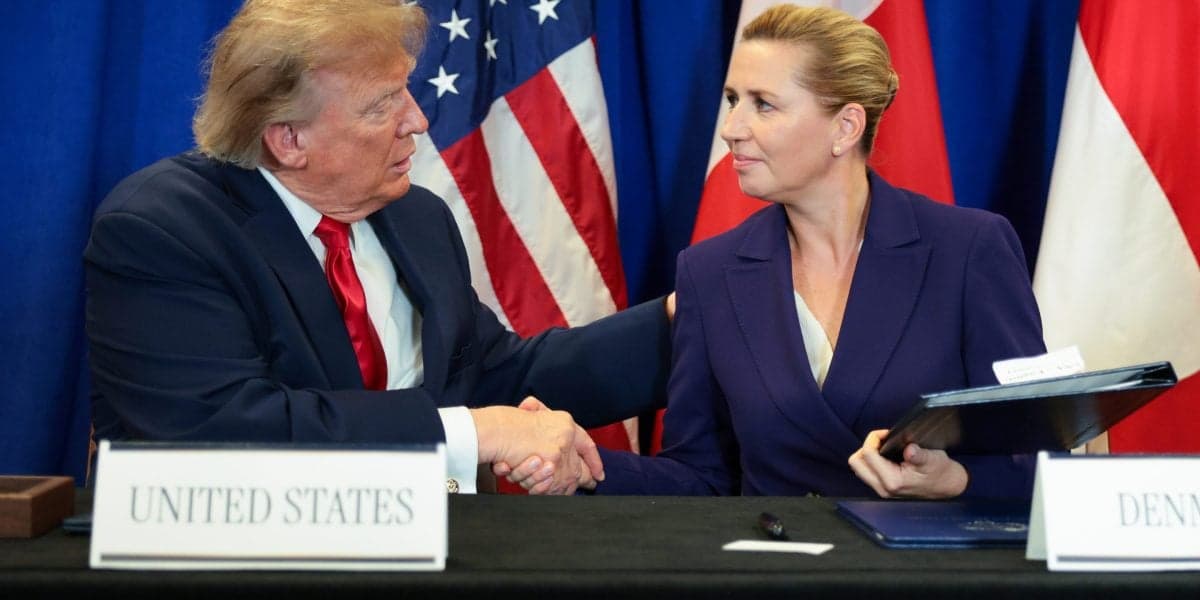
Transatlantic relations faced renewed friction following the finalization of a security pact granting the United States expanded military basing rights in Greenland, juxtaposed against sharp escalations over trade and digital sovereignty[1][1][2]. The Danish parliament voted unanimously to ratify a bilateral agreement with Washington allowing the U.S. military to construct two new bases on Greenland and establish infrastructure for the "Golden Dome," a multilayered, multibillion-dollar missile defense shield[1][2]. While the agreement explicitly preserves Denmark's sovereignty and affirms Greenlanders' right to self-determination, foreign policy analysts and European officials warn that the coercive diplomacy employed by President Donald Trump - including earlier threats to seize the territory - has left enduring scars on allied trust[1][2].
The ratification follows months of unprecedented diplomatic tension within NATO[2]. The dispute escalated when Trump publicly linked Arctic security to American ownership of Greenland, repeatedly refusing to rule out military or economic pressure to secure the strategic landmass between North America and Russia[1][2]. Although the final treaty structured the arrangement under expanded terms of the longstanding 1951 defense pact, European leaders view Washington's transactional pressure on Copenhagen as an alarming deviation from multilateral alliance norms[3][1]. Experts from the Transatlantic Policy Center noted that while the agreement provides the Pentagon with critical strategic positioning in the Arctic GIUK (Greenland-Iceland-UK) Gap, the diplomatic fallout has reinforced European perceptions that Washington is an unpredictable ally[1][4].
Simultaneously, commercial and regulatory friction between Washington and Brussels reached a new peak over European tech and environmental regulations[5][6]. U.S. Ambassador to the European Union Andrew Puzder issued sharp warnings to Brussels, demanding that the EU ease non-tariff barriers and corporate due diligence mandates that impose supply chain compliance burdens on American companies[5]. Puzder specifically criticized European Commission proposals that would restrict foreign access to the 2GHz satellite radio spectrum band - a move that European regulators are advancing to foster domestic space autonomy, but which Washington views as direct protectionism designed to squeeze out Elon Musk's SpaceX and Starlink systems[7][6]. Puzder warned that European firms operating in the United States could face "devastating" retaliation if Brussels proceeds with spectrum restrictions or excessive fines under digital platform regulations[7][8].
The convergence of Arctic defense compromises and mounting trade hostilities illustrates an increasingly fragmented transatlantic relationship[9][1]. While European governments have compromised on territorial defense initiatives like the Golden Dome to preserve NATO deterrence against Russia, they are simultaneously doubling down on regulatory and industrial sovereignty[10][6][2]. The persistent threat of U.S. commercial retaliation across sectors ranging from space communications to digital taxation has only hardened the EU's resolve to construct its own industrial and military capabilities, accelerating Europe’s strategic pivot away from systemic dependency on the United States[9][3][11].
- Greenland
- United States
- Denmark
Story 4 of 15
2 min read
Beijing Slams FCC Ban on Chinese Telecoms' Direct US Phone Number Access, Threatens Retaliation
China's Ministry of Commerce has strongly condemned the U.S. FCC's decision to prohibit Chinese telecom operators and certain VoIP providers from obtaining direct access to U.S. telephone numbers. Beijing called the ban malicious, a violation of fair competition, and an unfounded national security escalation. The U.S. FCC defended the move as a necessary defense against robocalls and cyber risks, particularly citing concerns over state-sponsored hacking linked to China.
Read the full storyFold the full story2 min · 8 sources
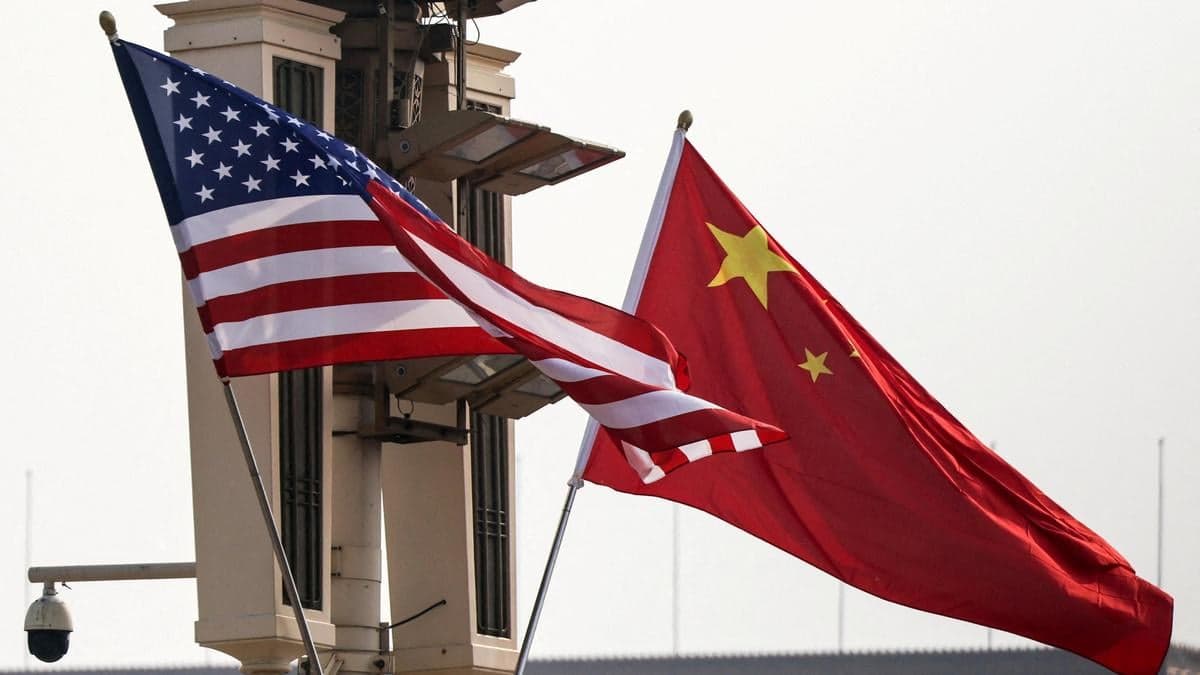
The Chinese Ministry of Commerce issued a sharp denunciation of a newly adopted U.S. Federal Communications Commission (FCC) regulation, terming Washington's decision to block Chinese telecom operators from direct access to U.S. telephone numbers a "malicious" attempt to suppress Chinese enterprises[1][2]. The rebuke came in response to an order approved by the FCC that bars state-owned telecommunications giants - including China Mobile, China Telecom, and China Unicom - along with IP-enabled voice service providers using equipment manufactured by Huawei and ZTE, from obtaining direct access to North American numbering resources[1][3][2]. Beijing argued that the ban violates fundamental principles of non-discrimination and fair competition, while arbitrarily broadening the concept of national security without verifiable evidence[4][5][2].
The regulatory confrontation underscores the enduring friction within critical communications infrastructure, despite top-level diplomatic engagements[4][2]. FCC Chair Brendan Carr defended the Commission's decision as an indispensable "first line of defense" designed to combat illegal robocalling campaigns and curb systemic cyber risks[3][6]. By utilizing Voice over Internet Protocol (VoIP) mechanisms, telecom providers with direct number access can route calls with lower operational costs and deploy specialized routing features[7]. However, U.S. regulators have grown increasingly alarmed over potential vulnerabilities, an anxiety intensified by security breaches in late 2024 linked to the state-sponsored hacking unit known as Salt Typhoon, which compromised domestic telecommunications networks to access call records[3].
In its official rejoinder, Beijing warned that Washington's continued push to sever supply chains and isolate Chinese firms directly contradicts the consensus reached during recent head-of-state discussions aimed at stabilizing bilateral economic ties[4][2]. A spokesperson for China’s Commerce Ministry insisted that the FCC immediately revoke the order and return to negotiated consultations, adding that Beijing is prepared to take all necessary measures to defend the lawful interests of its domestic companies[4][5]. The dispute comes as other regional players feel the regulatory squeeze; Hong Kong carrier HKT recently entered an agreement under FCC pressure to wind down its U.S. operations by September 2027[3][8].
Beyond direct number access, the FCC is weighing further escalations that could bar Chinese telecom firms from connecting to American networks, operating domestic data centers, and importing next-generation optical transceivers used for high-speed fiber data transport[7]. This ongoing regulatory tightening indicates that technological and telecommunications decoupling remains an active arena of conflict, with both governments maintaining defensive barriers even while sustaining formal diplomatic channels[4][7].
- FCC
- China Mobile
- China Telecom
Story 5 of 15
2 min read
House Report Accuses Western Firms of Aiding China's Military Aerospace Growth
A House Select Committee report details how Western aerospace companies, including Honeywell, GE Aerospace, and Collins Aerospace, have allegedly transferred critical technology and expertise to Chinese firms linked to the People's Liberation Army (PLA). The report criticizes the U.S. export control system for relying too heavily on self-certification, allowing dual-use technologies to bolster China's military-civil fusion strategy. Proposed measures aim to block U.S. airworthiness certification for Chinese aircraft and restrict equity investments in Chinese aerospace ventures.
Read the full storyFold the full story2 min · 4 sources
Legislative scrutiny of dual-use technology transfers escalated as details and policy proposals from a major congressional investigation titled "China's Wingmen: How Western Government Policy Enabled China's Rise in the Skies" circulated across Washington and Beijing[1][2]. Authored by the House Select Committee on the Strategic Competition Between the United States and the Chinese Communist Party, chaired by Representative John Moolenaar (R-MI), the report documents how leading Western aerospace suppliers provided critical technology and manufacturing expertise that inadvertently reinforced China’s military-civil fusion apparatus[1][2][3]. The findings contend that commercial arrangements permitted Chinese state actors to harness commercial aviation supply chains to advance the operational capabilities of the People's Liberation Army (PLA)[1][2].
The congressional probe specifically highlighted prominent aerospace manufacturers, including Honeywell, GE Aerospace, and Collins Aerospace, detailing how these corporations repeatedly sought and received U.S. government export licenses for controlled items linked to commercial aircraft programs, such as the state-backed COMAC C919[1][3][4]. The committee determined that these transfers involved entities with direct connections to Chinese military end users[1][3]. According to the investigation, the existing regulatory export architecture relied far too heavily on corporate self-certification and voluntary due diligence, creating a dynamic where commercial incentives favored continued joint-venture integration over national security vigilance[1][3].
The report identified Chinese-based joint ventures as a critical vulnerability in the U.S. regulatory regime, noting that they allow sensitive aerospace engineering knowledge and production practices to move offshore completely outside the jurisdictional reach of the Committee on Foreign Investment in the United States (CFIUS)[1][3]. To close these gaps, Chairman Moolenaar urged Congress to enact legislative measures that would block U.S. airworthiness certification for Chinese-manufactured commercial aircraft and mandate extensive beneficial ownership transparency[2][3]. The proposals would also prohibit defense contractors from maintaining equity investments in Chinese aerospace ventures, threatening to terminate federal procurement contracts for companies that continue supplying components to military-linked entities[2].
Industry observers note that imposing unilateral aerospace curbs could complicate supply chain compliance across the global aviation sector, where American suppliers have long supplied components to foreign commercial airframes[1][2]. Committee members acknowledged the danger that European or allied suppliers might backfill canceled American contracts, emphasizing that the U.S. Departments of State and Commerce must coordinate multilaterally to align export restrictions with partners[2][3]. The report’s release signals that the next legislative session will feature an aggressive push to decouple high-tech manufacturing partnerships, shifting the burden of compliance onto major defense and aerospace conglomerates[1][2].
- House Select Committee on the Strategic Competition Between the United States and the Chinese Communist Party
- John Moolenaar
- Honeywell
Story 6 of 15
2 min read
Trump Warns of Accelerated Chinese Nuclear Expansion Post-Shenzhen Summit
President Donald Trump stated that China is rapidly expanding its nuclear arsenal, projecting parity with the U.S. within a decade. This warning followed an unprecedented trilateral summit in Shenzhen with Chinese President Xi Jinping and Russian President Vladimir Putin. Secretary of State Marco Rubio defended ongoing leader-level dialogue, noting that while the U.S. and Russia have large arsenals, China is on track to significantly increase its warhead count.
Read the full storyFold the full story2 min · 6 sources
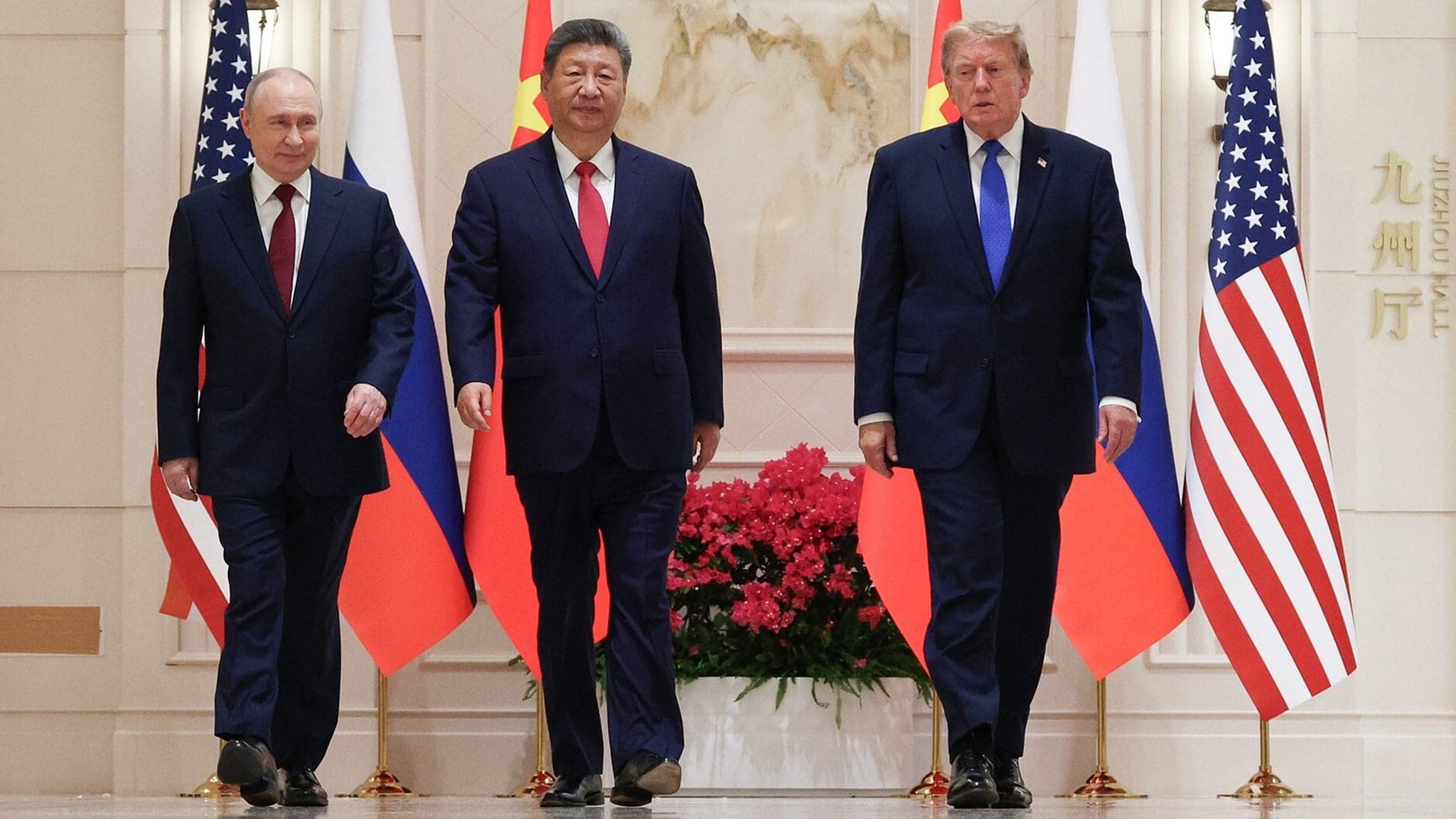
Speaking at a White House press conference following his return from Asia, President Donald Trump warned that China is aggressively accelerating its nuclear arsenal build-out at a "hot and heavy" pace, projecting that Beijing could reach numerical parity with the United States within a decade[1][2]. The remarks marked Trump’s first public assessment since participating in an unprecedented trilateral summit in Shenzhen with Chinese President Xi Jinping and Russian President Vladimir Putin[3][1]. Trump’s warnings highlighted the profound strategic apprehensions lingering beneath the surface of the three-power diplomatic spectacle, particularly regarding Beijing's rapid shift away from its historic doctrine of minimal nuclear deterrence[1][2].
Standing alongside the President, Secretary of State Marco Rubio mounted a vigorous defense of Washington's direct engagement with Beijing and Moscow on strategic stability[1][2]. Rubio stated that because the United States, Russia, and China possess the overwhelming majority of global nuclear stockpiles, refusing to maintain regular leader-level dialogue would be both "absurd" and "dangerous"[1][2]. While Russia and the United States maintain expansive arsenals built during the Cold War, the Pentagon’s latest reviews project that China - which had slightly over 600 operational warheads by 2024 - is on trajectory to surpass 1,000 operational nuclear warheads by 2030[1][2].
The post-summit briefing followed a joint declaration emerging from Shenzhen, where Trump, Xi, and Putin formally affirmed that "a nuclear war cannot be won and must never be fought" and pledged to pursue dialogue aimed at mitigating nuclear risks and non-proliferation[3][1]. Historically, Beijing has consistently rebuffed trilateral arms control frameworks, insisting that negotiations between the U.S. and Russia - possessors of much larger stockpiles - must precede any Chinese inclusion[4][1]. Observers view China's willingness to sign onto the Shenzhen declaration as a symbolic opening toward risk-reduction talks, even as Beijing’s Ministry of Foreign Affairs continues to maintain that its overall deterrence capacity is not on equal footing with Washington or Moscow[4][1].
The divergence between the White House's public alarm and the formal trilateral pledge reveals the complex tactical maneuvering surrounding nuclear diplomacy[1][2]. Even as Washington attempts to institutionalize trilateral arms limits to encircle China’s modernization drive, military actions continue in parallel; the U.S. conducted a long-scheduled Minuteman III intercontinental ballistic missile test across the Pacific in the immediate run-up to the summit[5]. Analysts anticipate that translating the Shenzhen communique into concrete arms control verification mechanisms will face resistance from Beijing, which views its expanding strategic deterrent as an indispensable hedge against U.S. conventional and technological superiority in the Western Pacific[1][6].
- Donald Trump
- Xi Jinping
- Vladimir Putin
Story 7 of 15
2 min read
US and China Defer Major Trade, Tech Disputes to Upcoming Miami G20 Summit
Presidents Trump and Xi Jinping have postponed resolutions on core trade and technology disputes, agreeing to address them at the upcoming G20 summit in Miami. Despite cordial optics from their recent meeting in Shenzhen, few substantive concessions were made, with China largely maintaining the status quo. Key sticking points include China's lagging commitments on rare earth mineral and agricultural purchases and U.S. export controls on advanced AI chips.
Read the full storyFold the full story2 min · 11 sources
Strategic evaluations of the bilateral meetings between President Donald Trump and President Xi Jinping on the sidelines of the APEC summit in Shenzhen highlighted that both superpowers have opted to defer their most contentious trade and technology disputes to next month’s G20 meeting in Miami[1][2][3]. While President Trump hailed the summit’s elaborate ceremonial reception - including an unprecedented airport greeting by Xi - as evidence of personal diplomatic momentum, regional analysts and policy observers noted that Beijing largely succeeded in keeping the broader bilateral relationship in a holding pattern while yielding few substantive concessions[1][2].
The underlying economic relationship remains fraught, tethered to a fragile, repeatedly extended trade truce[2][3][4]. Earlier in the month, U.S. Treasury Secretary Scott Bessent and U.S. Trade Representative Jamieson Greer pressed Chinese Vice Premier He Lifeng to enforce long-delayed commitments, demanding prompt deliveries of rare earth minerals and the realization of promised American agricultural purchases[5]. Under the framework negotiated in South Korea and reaffirmed during September talks in Washington, both sides proposed a reciprocal tariff reduction package covering $60 billion in trade, alongside an expectation that Beijing would purchase $17 billion annually in U.S. farm exports[5][6]. However, Chinese imports of non-soybean agricultural products remain significantly behind schedule, and critical rare-earth export quotas remain depressed relative to pre-trade war volumes[2].
Beijing’s official readouts of the bilateral engagements notably omitted mention of the lagging agricultural figures, rare earth bottlenecks, or pending export controls on semiconductors - such as the recent U.S. restrictions barring Chinese entities from remotely accessing advanced American AI chips[1][2]. Instead, the Chinese leadership emphasized a new guiding vision framed around "strategic stability, respect, fairness, and reciprocity"[7][8]. Analysts pointed out that by offering grand summit optics and deferring the difficult structural negotiations on tariffs and export controls, Xi effectively averted immediate retaliatory trade measures from Washington at a delicate moment when China's domestic economy is managing persistent weakness in the property market and contractions across tech equity valuations[1][2][9].
The decision by both administrations to kick major economic disputes down the road leaves the ultimate trajectory of the trade truce unresolved[1][2]. As both sides look toward the upcoming G20 summit in Florida, Washington continues to demand concrete delivery on mineral and agricultural quotas, while Beijing maintains that any reciprocal trade adjustments must include the removal of non-tariff barriers and broader market access[5][3][10]. The ongoing pause demonstrates that while neither economy desires an immediate, disorderly escalation of trade barriers, the fundamental structural frictions between American national security restrictions and Chinese state-led industrial policies remain wholly unresolved[1][2][11].
- Donald Trump
- Xi Jinping
- Scott Bessent
Story 8 of 15
2 min read
Europe Formalizes 'E5 Plus' to Unify Ukraine Peace Negotiation Stance
Ukrainian President Zelenskyy announced the formation of the 'E5 Plus' diplomatic framework for potential Ukraine peace negotiations. This structure includes the UK, Germany, France, Italy, and Poland, augmented by EU Commission, EU Council, and NATO representatives. The initiative aims to create a consolidated European front for negotiating with Russia, driven by concerns over U.S. bilateral diplomacy and the need to protect European security interests.
Read the full storyFold the full story2 min · 4 sources
Ukrainian President Volodymyr Zelenskyy confirmed the specific institutional framework through which European nations will participate in potential negotiations to end the war with Russia[1]. Speaking to reporters, Zelenskyy announced that European security interests will be represented by an expanded "E5" grouping consisting of the United Kingdom, Germany, France, Italy, and Poland[1]. This core coalition will be integrated into a joint diplomatic structure alongside two institutional envoys from the European Union - one from the European Commission and one from the European Council - as well as an official representative from NATO[1]. The formulation, initially outlined during the European Political Community meetings in Dublin, establishes a consolidated European front tasked with formulating a common negotiating agenda in direct consultation with Kyiv[2][1].
The institutional formalization of the "E5 Plus" mechanism represents Europe’s bid to avoid being sidelined as the United States pursues its own direct diplomacy[2][1]. Talks led by U.S. envoys Steve Witkoff and Jared Kushner across Abu Dhabi, Moscow, and Berlin have signaled American backing for a four-party negotiation format bringing together Ukraine, the United States, Russia, and Europe[1][3]. However, European leaders have grown increasingly wary of bilateral deals brokered between Washington and Moscow that could compromise the continent’s long-term security architecture[3]. EU High Representative for Foreign Affairs and Security Policy Kaja Kallas repeatedly warned that European capitals must insist on an enforceable ceasefire before entertaining sweeping Russian demands to redraw regional security treaties, cautioning that premature discussions risk walking straight into Kremlin traps[4][3].
This European diplomatic architecture reflects a significant power shift within the continent, balancing EU institutional machinery with key non-EU and frontline military powers[1]. The inclusion of London alongside Paris and Berlin, coupled with Warsaw’s critical role representing NATO’s eastern flank, solidifies Poland’s ascendance into the continent’s premier foreign policy decision-making core[1]. Ukrainian officials stressed that European representation is non-negotiable because the war is taking place on European soil and Ukraine remains on a designated track toward EU accession[1]. The mechanism allows Brussels to project institutional weight through European Council President António Costa and European Commission President Ursula von der Leyen while preserving the operational agility of Europe's largest national militaries[2][1].
The initiative directly impacts transatlantic relations by asserting Europe’s autonomy in determining the terms of its own territorial defense and postwar settlements[3]. While U.S. emissaries have stated that the Trump administration desires Europe "by its side" and remains open to robust security arrangements for Ukraine, deep skepticism lingers across European capitals regarding the durability of Washington's commitments[3]. By organizing under the E5 Plus framework, European leaders intend to present a unified diplomatic counterweight, ensuring that any resolution guarantees Ukraine's sovereignty, maintains sanctions leverage, and protects continental security from unilateral concessions negotiated between Washington and Moscow[1][3].
- Volodymyr Zelenskyy
- European Union
- United Kingdom
Story 9 of 15
2 min read
EU Budget Compromise Proposed Amidst €45 Billion Ukraine Defense Loan Plan
European Council President António Costa has proposed a revised EU budget for 2028-2034, reducing the total to €1.582 trillion and cutting cohesion funds, while suggesting a digital platform levy for revenue. This plan faces opposition from France and fiscally conservative states. Concurrently, a €45 billion loan mechanism for Ukraine's military and budgetary support has been unveiled by the European Commission.
Read the full storyFold the full story2 min · 10 sources
European Council President António Costa circulated a contentious new compromise proposal for the European Union's 2028–2034 Multiannual Financial Framework (MFF), proposing a total reduction of approximately €180.6 billion compared to the European Commission’s original draft[1]. The revised spending framework, pitched to member states ahead of an extraordinary European Council summit, scales the planned seven-year budget down to €1.582 trillion in constant prices[1]. The plan introduces an additional €44 billion in trims against earlier negotiating texts, including a controversial €8 billion cut to regional cohesion funds, while proposing a 3% revenue levy on major digital platforms to generate direct EU revenue[2].
The compromise proposal encountered immediate resistance, highlighting deep ideological divides across member states regarding continental priorities[2][1]. The French presidency rejected Costa’s framework, declaring it an unacceptable basis for negotiations due to inadequate protections for agricultural subsidies and unbalanced spending reallocations[1]. Simultaneously, a coalition of 17 member states, including Poland, Italy, and Spain, expressed vehement opposition to any reduction in regional cohesion investments[2]. Conversely, fiscally conservative "frugal" capitals such as Stockholm signaled that the expenditure reductions did not go far enough to rein in overall spending, leaving Costa facing dual opposition ahead of high-stakes budgetary talks[2].
Intertwined with the broader MFF negotiations is European Commission President Ursula von der Leyen’s newly unveiled Instrument for Coordinated Support to Ukraine (ICSU), which establishes a €45 billion loan mechanism for 2027[3][4][5]. Structured as a limited-recourse facility financed via capital markets borrowing backed by EU budget guarantees, the mechanism allocates €25 billion specifically for military procurement and €20 billion for direct budgetary support[6][7]. European Commissioner for Defence and Space Andrius Kubilius stated that the military component will prioritize munitions, air defense systems, electronic warfare, and drone development, with an explicit emphasis on integrating Ukraine’s industrial base directly into European defense supply chains[6][7]. The principal of the loan is designated for repayment only once Russia pays wartime reparations, leveraging windfall revenues from immobilized Russian sovereign assets[4][7].
The budgetary showdown reflects Europe’s urgent need to assume full financial responsibility for continental security amid persistent uncertainty over transatlantic burden-sharing[8][5]. Commission projections estimate Ukraine’s total external financing shortfall for 2027 at €70 billion, with the EU’s €45 billion commitment designed to cover the bulk of Kyiv's needs as U.S. foreign aid remains stalled or reduced[4][9]. Furthermore, Costa's proposed digital levy targeting multinational Big Tech firms injects direct friction into transatlantic economic relations[3][2]. As Brussels maneuvers to self-fund its strategic autonomy and military aid programs, its aggressive push to tax predominantly American digital giants risks triggering commercial retaliation from Washington, complicating an already delicate transatlantic economic equilibrium[3][10].
- European Union
- António Costa
- European Commission
Story 10 of 15
2 min read
EU-UK Summit Forges 'Reset Agreement' Amid Post-Brexit Realignment and Rejoining Talk
The EU-UK Brussels Summit concluded with a significant 'Reset Agreement' encompassing a Veterinary and Sanitary/Phytosanitary (SPS) accord, linking Emissions Trading Systems (ETS), and a Youth Experience Scheme. The agreements aim to reduce border inspections, align carbon pricing, and facilitate youth mobility. Discussions also advanced a Gibraltar treaty and deepened the EU-UK Security and Defence Partnership.
Read the full storyFold the full story2 min · 12 sources
Fallout and detailed provisions from the Second EU–United Kingdom Summit in Brussels revealed a major recalibration of post-Brexit relations, marked by the formalization of a comprehensive "Reset Agreement"[1][2]. British Prime Minister Andy Burnham met with European Commission President Ursula von der Leyen and European Council President António Costa to finalize three substantial bilateral accords[3][1]. The package establishes a Veterinary and Sanitary/Phytosanitary (SPS) agreement to drastically reduce border inspections on agri-food products, links the UK and EU Emissions Trading Systems (ETS) to align continental carbon pricing, and institutes a mutual Youth Experience Scheme providing visa pathways for up to 100,000 young citizens annually[1][2]. The summit also advanced the provisional application of the long-negotiated bilateral treaty regarding Gibraltar and deepened the EU-UK Security and Defence Partnership[4][5].
The political reverberations of the Brussels summit escalated as UK Energy Secretary Ed Miliband publicly declared that rejoining the European Union remains "on the table" as an ultimate option in long-term strategic reviews[6]. While Burnham stressed that the newly signed agreements focus strictly on pragmatic economic cooperation and border friction mitigation rather than reversing Brexit, Miliband’s remarks provoked an immediate domestic firestorm in the United Kingdom[6][7]. Conservative Party leaders and Reform UK leader Nigel Farage condemned the summit outcomes as a betrayal of the 2016 referendum, alleging that regulatory alignment on food standards and carbon pricing drags Britain back into Brussels’ regulatory orbit[7]. Burnham countered that restoring cross-border trade fluidity and energy security is vital to national economic growth[7].
The economic and institutional implications of the agreements are extensive for cross-border industries[8][1]. Linking the carbon markets eliminates impending cross-Channel tariff frictions under the EU’s Carbon Border Adjustment Mechanism (CBAM) and enables synchronized offshore wind grid integration in the North Sea[9][8]. However, contentious issues remain unresolved: while youth mobility was approved, negotiations over reciprocal university tuition fees and home fee status for higher education students stalled, with both sides committing to a six-month negotiating window[1][10]. The UK Russell Group universities warned that uncoordinated cuts to international student fees could create funding shortfalls, urging policymakers to protect institutional finances while preserving collaborative research ties under future European research frameworks[11].
Crucially, the rapprochement between London and Brussels represents an emerging continental hedge against geopolitical volatility emanating from the United States[12][4]. With transatlantic defense and trade relations strained under the current U.S. administration, both the EU and Britain are systematically dismantling self-imposed barriers to build a resilient European security and economic pillar[12][4]. Council President Costa characterized the strategic partnership as an essential investment in Europe's shared defense capabilities, supply chain security, and industrial resilience[5]. The closer institutional synchronization of British military and intelligence assets with EU foreign policy priorities underscores a structural shift toward intra-European reliance, diminishing historical post-Brexit acrimony in favor of continental solidarity[4][5].
- European Union
- United Kingdom
- Andy Burnham
Story 11 of 15
2 min read
Tokyo Mobilizes Diplomacy After Great-Power Shenzhen Summit Rattles Pacific Allies
Following an unprecedented trilateral meeting between the U.S., China, and Russia in Shenzhen, Japan has initiated urgent diplomatic consultations. Prime Minister Takaichi reaffirmed the security alliance with Washington and expressed concern over the potential institutionalization of regular U.S.-China-Russia summits. Japan plans to intensify engagement with allies to preserve a "free and open international order."
Read the full storyFold the full story2 min · 6 sources
Following the unprecedented trilateral meeting between U.S. President Donald Trump, Chinese President Xi Jinping, and Russian President Vladimir Putin in Shenzhen, the geopolitical aftershocks escalated into high-stakes diplomacy[1][2]. Japanese Prime Minister Sanae Takaichi held urgent telephone consultations with President Trump to reaffirm Tokyo’s security alliance with Washington and express grave concern regarding the potential institutionalization of a regular U.S.-China-Russia tripartite summit format[3]. In Tokyo, Chief Cabinet Secretary Minoru Kihara announced that Japan would immediately intensify diplomatic engagement with traditional allies and like-minded nations to preserve a “free and open international order” grounded in the rule of law[3].
The immediate trigger for Tokyo’s diplomatic mobilization was the November 19 Shenzhen “Declaration toward Peace,” in which Washington, Beijing, and Moscow outlined broad agreements on United Nations reform, securing international petroleum transport lines, and maintaining nuclear risk-reduction talks[2][4]. What sent shockwaves through East Asian diplomatic circles, however, was the political rhetoric surrounding the summit[3]. President Xi and President Putin explicitly invoked their countries’ World War II alliance with the United States against fascism, framing the three nations as natural arbiters of global stability[3]. Senior Japanese foreign ministry officials signaled that this historical framing - combined with the omission of Ukraine, Taiwan, and broader Asian maritime security from the declaration - stokes fears that Washington may be receptive to carving the globe into great-power spheres of influence[5][3].
The diplomatic fallout highlights a structural realignment in Indo-Pacific relations[6]. While President Trump’s Asia itinerary included brief stops at ASEAN and Quad gatherings in Manila, regional observers noted that Southeast Asian and Pacific institutions were visibly sidelined in favor of great-power dealmaking in Shenzhen[6]. For Japan, an institutionalized U.S.-China-Russia directorate poses an existential strategic challenge, potentially undermining decades of U.S. extended deterrence and weakening the G7’s collective security posture[3]. Although Japanese officials expressed relief that the Shenzhen declaration stopped short of binding security concessions, diplomatic analysts warned that the summit signaled an appetite in Washington for transactional diplomacy that circumvents established alliance frameworks[2][3].
Markets and defense establishments across the Asia-Pacific are watching the follow-up closely[2]. While the Shenzhen summit projected an image of great-power rapprochement, it completely bypassed persistent flashpoints, including high-tech export controls, semiconductor restrictions, and South China Sea navigation rights[6][2]. In response, Tokyo is preparing to leverage bilateral defense consultations and economic security channels to ensure that any future trilateral dialogue among the three superpowers does not compromise the security architecture of the Indo-Pacific[3].
- Tokyo
- U.S.
- China
Story 12 of 15
2 min read
Egypt Pushes Littoral Sovereignty Coalition for Red Sea Security
At the Aswan Forum, Egypt's Foreign Minister warned that the increased foreign naval presence in the Red Sea is exacerbating regional instability. He asserted that coastal littoral states must take the primary role in securing maritime lanes, demanding respect for national sovereignty and territorial waters.
Read the full storyFold the full story1 min · 2 sources
At the sixth Aswan Forum for Sustainable Peace and Development, Egyptian Minister of Foreign Affairs Badr Abdelatty delivered a pointed diplomatic policy address warning that the surging foreign naval presence in the Red Sea and Gulf of Aden is exacerbating regional instability and threatening global maritime trade routes[1]. Speaking before senior diplomats, regional foreign ministers, and international envoys, Abdelatty declared that coastal littoral states must take the exclusive primary role in securing Red Sea maritime lanes, explicitly demanding international respect for national sovereignty and territorial waters[1].
The policy pronouncement comes against the backdrop of sustained militarization of regional waterways following recurring strikes on merchant vessels by Yemen’s Houthi movement and subsequent foreign naval deployments[2][1]. Red Sea transit volumes through the Suez Canal - a vital source of foreign currency for Cairo - have suffered severe disruptions[1]. In response, Egypt has sought to reposition itself from a passive bystander into the convener of an indigenous Red Sea security order, leveraging its Suez Canal and Red Sea Economic and Maritime Development Initiative (StREAM) to coordinate maritime policy among littoral nations[1].
The Aswan roundtables brought together key regional stakeholders, including the foreign ministers of Sudan and Eritrea, former Arab League Secretary-General Amr Moussa, and envoys from the African Union and European Union[1]. Egyptian diplomacy linked Red Sea maritime safety directly to political stabilization across the Horn of Africa, emphasizing Cairo’s ongoing deployment of security assistance and military training to Somalia’s federal armed forces to counter Al-Shabaab and stabilize fragile coastal frontiers[1].
Abdelatty’s stance signals an under-the-radar pushback by littoral states against external naval task forces, seeking to prevent the Red Sea from becoming a permanent arena for great-power military operations[1]. By demanding that external powers limit their role to supporting sovereign coastal states rather than deploying independent armadas, Egypt is endeavoring to forge an autonomous regional maritime bloc capable of managing maritime chokepoints and containing cross-regional spillover[1].
- Egypt
- Aswan
- Badr Abdelatty
Story 13 of 15
2 min read
Oyo Summit Mediates DRC-Kenya Rift Amid Central African Stabilization Efforts
A four-nation summit in Oyo, Republic of Congo, involving leaders from Kenya, DRC, Republic of Congo, and Togo, aimed to de-escalate diplomatic fractures between Kenya and the DRC. The rift intensified after Kenya hosted a coalition aligned with the M23 rebel group, paralyzing regional security arrangements under the East African Community.
Read the full storyFold the full story1 min · 1 source
In an unannounced diplomatic initiative in Central Africa, Kenyan President William Ruto traveled to Oyo in the northern Republic of Congo for an emergency four-way summit with Democratic Republic of Congo (DRC) President Félix Tshisekedi, Republic of Congo President Denis Sassou-N'Guesso, and Togolese President Faure Gnassingbé[1]. Accompanied by Kenyan Cabinet Secretary for Foreign Affairs Musalia Mudavadi, President Ruto joined the talks aimed at de-escalating deep diplomatic fractures between Nairobi and Kinshasa that have severely complicated regional stabilization efforts in the conflict-ridden eastern DRC[1].
Relations between Kenya and the DRC had deteriorated sharply after Nairobi hosted the political launch of the Alliance Fleuve Congo (AFC) - a coalition headed by former Congolese electoral chief Corneille Nangaa and aligned with the March 23 Movement (M23) rebel group[1]. Kinshasa vehemently protested Kenya’s tolerance of the opposition coalition, viewing it as direct interference in Congolese sovereignty and an endorsement of armed rebellion in North Kivu[1]. The rift paralyzed multilateral security arrangements under the East African Community (EAC) and heightened distrust between the two economic heavyweights, leaving regional peace initiatives in political limbo[1].
The Oyo summit represents an alternative diplomatic corridor initiated by President Sassou-N'Guesso, a seasoned mediator in the Congo Basin, who enlisted President Gnassingbé of Togo to act as neutral brokers[1]. By shifting the venue away from standard regional bodies such as the EAC and the Southern African Development Community (SADC), the four heads of state sought to create a discreet, leader-to-leader framework capable of addressing Tshisekedi’s security demands alongside Ruto’s regional trade and diplomatic objectives[1].
The stakes of the Oyo talks extend beyond bilateral rapprochement[1]. The ongoing war against the M23 in eastern DRC has drawn in cross-border proxy forces, created a severe humanitarian catastrophe, and disrupted critical supply chains for cobalt, coltan, and other essential transition minerals[1]. If the mediation successfully restores communication between Nairobi and Kinshasa, it could pave the way for a revitalized, coordinated regional security framework to monitor rebel movements, restore border security, and stabilize the wider Great Lakes region[1].
- Oyo
- Republic of Congo
- Kenya
Story 14 of 15
2 min read
Antalya Climate Talks Collapse: 1.5°C Overshoot Codified, Fossil Fuels Omitted
The COP31 climate conference in Antalya has entered overtime negotiations with a draft agreement that acknowledges global warming will likely breach the 1.5°C threshold. Crucially, the text omits any explicit language on phasing out fossil fuels, instead focusing on high-electrification targets and carbon capture technologies.
Read the full storyFold the full story1 min · 5 sources
The United Nations Climate Change Conference (COP31) in Antalya, Turkey, was pushed into contentious overtime negotiations as summit president Murat Kurum released a draft final agreement that marks a significant retreat from previous international climate pledges[1][2]. The ten-page compromise text released to delegates formally acknowledged for the first time in UNFCCC history that global warming is on course to breach the 1.5°C threshold[2]. Crucially, the draft completely omitted any explicit reference to "fossil fuels," "coal," "oil," or "gas," dropping binding phase-out language that had formed the bedrock of international climate negotiations[1][2].
The draft agreement reflects an intense diplomatic struggle between vulnerable nations, industrialized Western states, and powerful fossil-fuel exporters[3][1]. Rather than mandating fossil fuel phase-outs, the Turkish-Australian co-presidency steered the final package toward high-electrification targets and technological carbon capture and storage (CCS), setting a headline goal to capture and sequester 1 billion metric tons of carbon[1][2]. The text refers only tangentially to past agreements on transitioning energy systems, a formulation that petro-states insisted upon to prevent binding restrictions on hydrocarbon production[1][2].
Environmental organizations and vulnerable states responded with sharp criticism[1][2]. Representatives from the Union of Concerned Scientists warned that relying on carbon capture rather than rapid fossil fuel phase-outs provides political cover for continued fossil fuel expansion, while civil society group 350.org condemned the shift as institutional surrender during an "overshoot era"[1][2]. European negotiators expressed deep frustration with the three-hour window granted by Minister Kurum to submit revisions, warning that abandoning explicit fossil fuel language undermines the credibility of the Paris Agreement framework[4].
Amid the broader deadlock, developing mountain nations achieved a notable, under-the-radar institutional win[5]. Led by Nepal, negotiators secured the formal inclusion of paragraphs establishing a permanent two-year "Programme on Mountains and Climate Change" under the UNFCCC’s Subsidiary Body for Implementation (SBI) and Subsidiary Body for Scientific and Technological Advice (SBSTA)[5]. For glacier-dependent and high-altitude nations, the adoption gives fragile mountain ecosystems a formal negotiating track for targeted adaptation financing, carving out a specialized diplomatic niche even as broad mitigation targets falter[5].
- Antalya
- Turkey
- UNFCCC
Story 15 of 15
2 min read
Geneva Autonomous Weapons Talks Falter, UN Delays AI Arms Treaty to 2028
A UN disarmament conference in Geneva concluded without enforceable constraints on lethal autonomous weapons systems (LAWS). Member states agreed only to "elaborate" parameters for a potential accord over the next two years, officially postponing regulatory action until at least 2028.
Read the full storyFold the full story1 min · 3 sources
A major diplomatic push to establish binding global guardrails on artificial intelligence in warfare collapsed in Geneva as a weeklong United Nations disarmament conference concluded without enforceable constraints on lethal autonomous weapons systems (LAWS)[1]. Scores of member states participating in the Convention on Certain Conventional Weapons (CCW) framework settled on an interim agreement to merely "elaborate" the parameters of a potential accord over the next two years, officially postponing any regulatory action until at least 2028[1].
The outcome marks a definitive defeat for the ambitious diplomatic campaign championed by a coalition of seven cross-regional nations - Austria, Belgium, Brazil, Ireland, Mexico, New Zealand, and Panama - which had proposed an immediate mandate to negotiate a legally binding treaty prohibiting weapon systems that target and kill without meaningful human oversight[1]. Outgoing UN Secretary-General António Guterres had set 2026 as an explicit global deadline for negotiating an autonomous weapons treaty[1]. However, major military powers repeatedly stalled the process, citing national security requirements and contesting definitions of algorithmic control[2][1].
Brazilian Ambassador Frederico Meyer underscored the growing disconnect between technological innovation and multilateral diplomacy, warning that "technology is moving faster than diplomacy" as states enter a fourteenth consecutive year of non-binding deliberations[1]. Disarmament advocates, including Max Tegmark of the Future of Life Institute, expressed dismay, noting that military forces are actively deploying increasingly autonomous suicide drones and machine-guided targeting algorithms in modern conflicts while diplomatic forums remain trapped in procedural loops[3][1].
The failure to establish binding norms carries grave implications for global arms control[1]. The diplomatic impasse leaves defense technology contractors and sovereign militaries unconstrained by international treaties regarding the development of AI-driven combat systems[1]. With consensus-based platforms like the CCW stalled, a growing bloc of developing and non-aligned states has begun signaling an intention to bypass the UN consensus framework altogether, exploring standalone treaty negotiations outside Geneva akin to the Ottawa Treaty on landmines[1].
- Geneva
- UN
- Lethal Autonomous Weapons Systems (LAWS)
You're all caught up.
That's every story in Sunday's PiBrief Geopolitics. And there's a newer edition waiting for you.
All PiBrief Geopolitics editions
Subscribe to receive daily briefings about geopolitics and world news in your email.
Get PiBrief Geopolitics in your inbox
A free newsletter on geopolitics and world news. Diplomacy, conflict, the global economy, and elections, ranked and explained, with an audio briefing in every edition.
Free forever / no account / 1-click unsubscribe