
Estonian border tension, Persian Gulf escalation & defense tech
Russia has warned of open conflict following Estonia's border closures, while maritime security concerns mount in the Persian Gulf after tankers were struck and radar sites targeted. Meanwhile, Germany and Ukraine have announced a major defense technology partnership for joint drone production and battlefield software.
6 stories48 sources checked
Listen to this edition
PiBrief Geopolitics, November 24, 2026
The lineup
In this edition
 01
Russia Warns of Open War Amid Estonia's Border Closure
 02
Solomon Islands Shifts Security Ties from Beijing to Canberra
 03
Escalation in Persian Gulf as Tankers Struck and U.S. Radar Installations Targeted
 04
Germany and Ukraine Partner in Defense-Tech Deal for Battlefield Software and Drone Production
 05
European Commission Launches New Sanctions Package and Centralized Enforcement Office
 06
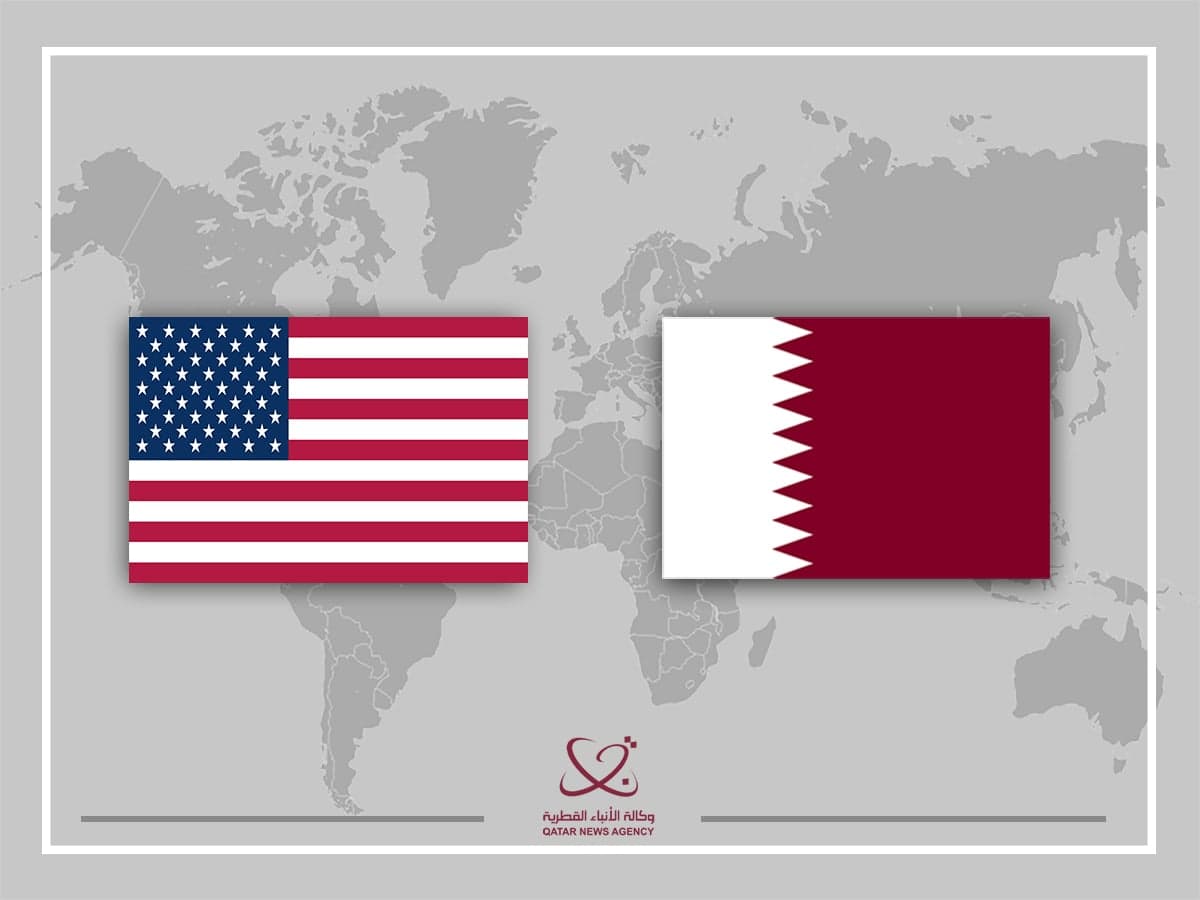
U.S. and Qatar Strengthen Security and Tech Ties at Strategic Dialogue
See all 6 as a listHide the list
- Russia Warns of Open War Amid Estonia's Border Closure
- Solomon Islands Shifts Security Ties from Beijing to Canberra
- Escalation in Persian Gulf as Tankers Struck and U.S. Radar Installations Targeted
- Germany and Ukraine Partner in Defense-Tech Deal for Battlefield Software and Drone Production
- European Commission Launches New Sanctions Package and Centralized Enforcement Office
- U.S. and Qatar Strengthen Security and Tech Ties at Strategic Dialogue
Story 1 of 6
2 min read
Russia Warns of Open War Amid Estonia's Border Closure
Russia threatened Estonia with potential open war following Tallinn's decision to close its land borders for six months. The move followed Estonian claims of a Russian-backed sabotage plot against a defense contractor. Moscow denied the allegations and accused Estonia of harboring anti-Russian sentiment and facilitating drone attacks.
Read the full storyFold the full story1 min · 6 sources
Tensions between the Russian Federation and NATO member state Estonia escalated dramatically after the Russian Foreign Ministry formally summoned Estonia’s chargé d'affaires in Moscow, Marek Ühtegi, to deliver an official protest[1][2]. Moscow issued an explicit diplomatic warning, declaring that Tallinn’s latest policy decisions are "provocative and extremely dangerous" and are "on the verge of triggering open war with Russia"[1]. The confrontation erupted after the Estonian government announced it would shut all road and land border crossings with Russia for a minimum of six months beginning December 1[1].
The immediate trigger for the border shutdown was an investigation by Estonian security authorities into a foiled arson plot targeting Threod Systems, a prominent domestic defense contractor that manufactures unmanned aerial vehicles (drones)[2]. Estonian intelligence attributed the attempted sabotage directly to Russian military intelligence (GRU)[3][2]. In response, Moscow denied responsibility and countered by accusing Tallinn of systemic "Russophobic" policies, claiming that Estonia has quietly allowed Ukrainian armed forces to utilize Estonian airspace to stage long-range drone strikes against targets in northwestern Russia[4][2]. Moscow also accused Tallinn of attempting to obstruct commercial navigation involving Russian cargo ships - such as the vessel Sparta II - in the Baltic Sea, banning the transit of agricultural goods, and restricting Russian religious and linguistic institutions[5][3].
Estonian Foreign Minister Margus Tsahkna dismissed the Kremlin’s accusations as unfounded propaganda designed to divert global attention from Russia’s destabilizing actions across Europe[1]. The diplomatic standoff drew immediate attention across the Atlantic alliance; NATO Secretary General Mark Rutte underscored that the alliance remains resolute in deterring aggression and defending every inch of allied territory, rejecting Russian assertions intended to dismantle Baltic security frameworks[6].
The closure of Estonia’s land crossings marks an almost total freeze of civilian and commercial connectivity along the eastern perimeter of the European Union[1][1]. The diplomatic rhetoric from Moscow signals a heightened risk of direct friction along NATO’s northeastern flank, potentially incentivizing intensified maritime patrols in the Gulf of Finland and prompting enhanced allied surveillance across the Baltic corridor to safeguard critical industrial infrastructure[1][3].
- Russia
- Estonia
- NATO
Story 2 of 6
2 min read
Solomon Islands Shifts Security Ties from Beijing to Canberra
The Solomon Islands will allow its security pact with China to expire, replacing it with a comprehensive economic and security treaty with Australia. Prime Minister Matthew Wale led a delegation to Canberra to finalize the new agreement worth nearly A$1 billion. This shift marks a major realignment in Pacific security dynamics.
Read the full storyFold the full story2 min · 12 sources
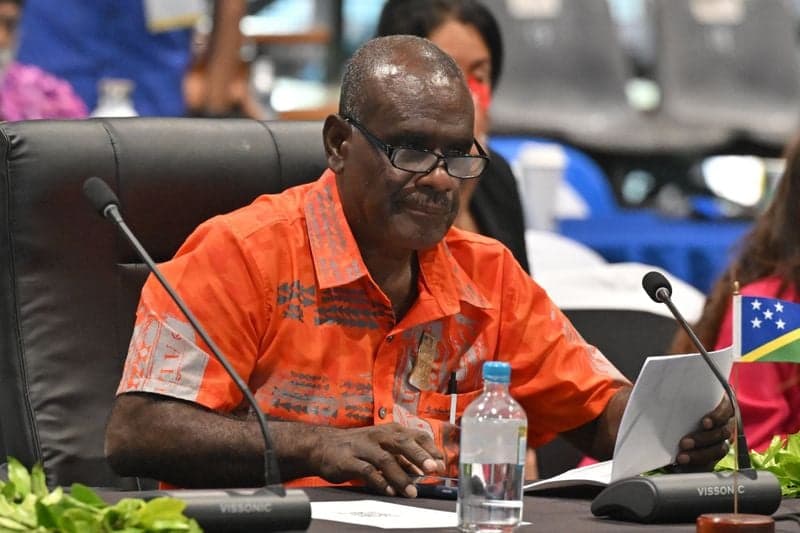
The geopolitical architecture of the South Pacific experienced a significant realignment as the government of the Solomon Islands formally notified Beijing that it will not renew its landmark bilateral security agreement when the pact reaches the end of its five-year term in April[1][2]. Prime Minister Matthew Wale led a high-level 24-member delegation - including 15 cabinet ministers - to Canberra to finalize an extensive bilateral security and economic partnership treaty with Australia[3][4]. The diplomatic pivot marks the formal dismantling of a controversial security architecture established in 2022 under former Prime Minister Manasseh Sogavare, which had granted Chinese security forces operational access in Honiara and raised fears among Western allies of an eventual Chinese naval foothold in Melanesia[5][2].
The policy reversal follows months of domestic political deliberations in Honiara[3]. Upon taking office six months ago, Prime Minister Wale pledged an exhaustive reassessment of external security commitments to restore domestic stability and rebuild core relationships with traditional Pacific partners[5][6]. Bilateral negotiations between Australian Prime Minister Anthony Albanese and Wale intensified over successive meetings, laying the groundwork for a sweeping treaty expected to deliver nearly A$1 billion ($650 million) in targeted assistance covering internal policing, climate resilience, public healthcare, and critical infrastructure[7][8][4]. Australian Minister for Pacific Islands Affairs and Defence Industry Pat Conroy received the Solomon Islands delegation at Fairbairn Defence Establishment, highlighting the security-heavy focus of the summit[3].
In Beijing, Chinese Foreign Ministry Spokesperson Guo Jiakun addressed the diplomatic shift during a regular press conference[9]. Guo maintained that China’s past and present cooperation with Pacific island nations does not target third parties, is not subject to external vetoes, and avoids bloc confrontation[9]. He urged the international community to respect the autonomous developmental choices of Pacific states rather than viewing regional development through the lens of zero-sum geopolitical rivalry[9][10].
The replacement of the Beijing security pact with a formal Canberra treaty restores Australia as the primary external security provider for the Solomon Islands[7][2]. The move delivers a strategic buffer for Canberra and Washington across key maritime sea lines of communication linking Australia and North America[11]. Furthermore, it provides the Wale administration with substantial developmental financing while setting a precedent among Pacific Island Forum members for scaling back bilateral policing arrangements with China in favor of regionalized security compacts[1][12].
- Solomon Islands
- Australia
- China
Story 3 of 6
3 min read
Escalation in Persian Gulf as Tankers Struck and U.S. Radar Installations Targeted
Tensions in the Persian Gulf have peaked with reports of multiple oil tankers hitting naval mines in the Strait of Hormuz. Simultaneously, Iran's IRGC launched drone and missile strikes against U.S.-linked radar systems in Bahrain. While the IRGC claims significant damage, regional forces report successful interceptions as maritime insurance costs surge.
Read the full storyFold the full story2 min · 11 sources
Strategic friction across the Persian Gulf escalated sharply between November 23 and November 24, 2026, as maritime operations and air-defense confrontations reached their highest tempo of the nine-month regional conflict[1][2]. On November 24, Iran’s Islamic Revolutionary Guard Corps (IRGC) claimed that three commercial oil tankers struck naval mines and caught fire while attempting to traverse the Strait of Hormuz under United States naval escort[3][2]. The incident follows reports from two days earlier involving two supertankers near Ghannam Island and brings the verified maritime incident count to historic highs, with international observers reporting widespread disruptions across crucial shipping lanes[4][2].
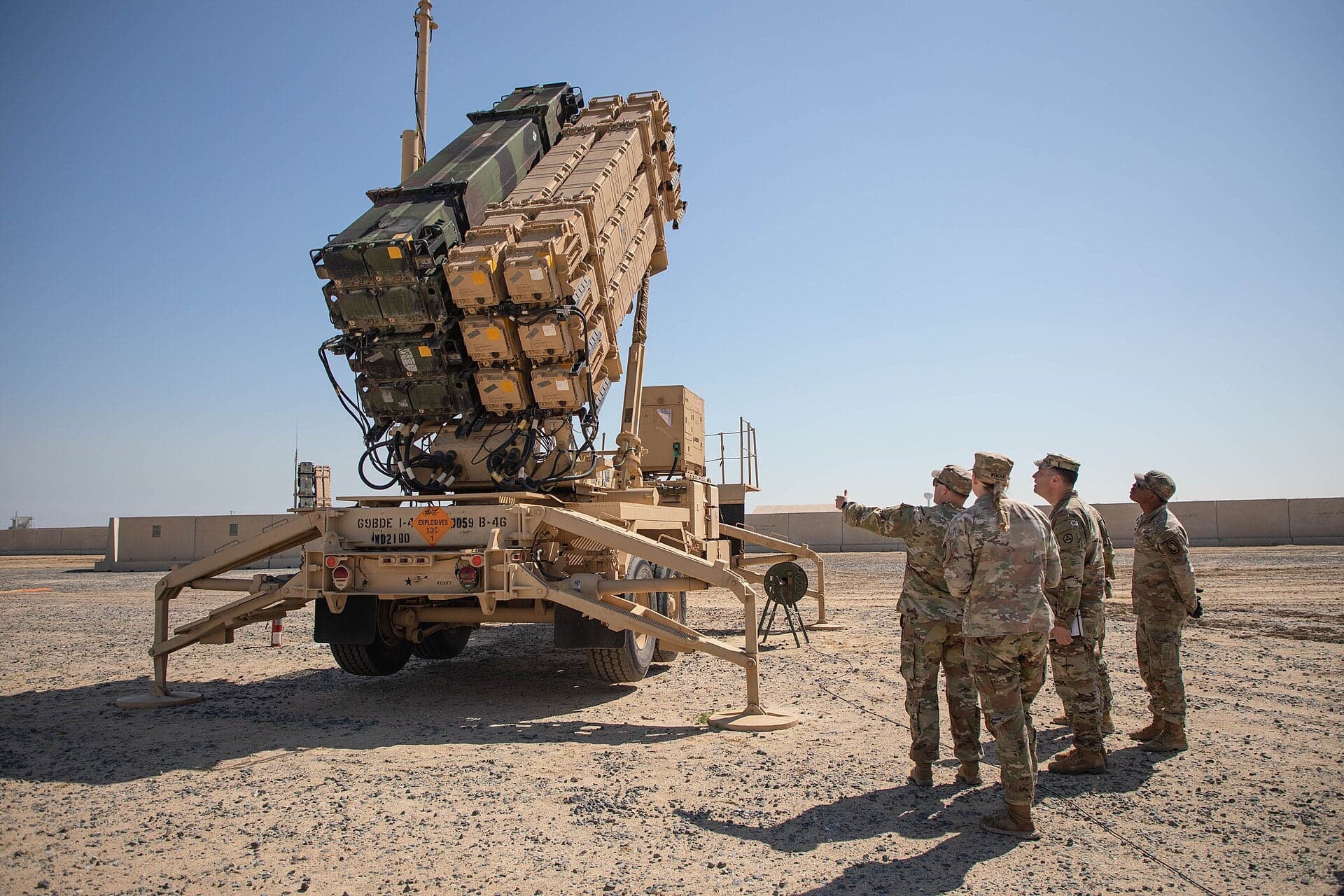
Concurrently, Tehran targeted American regional military infrastructure under an operation codenamed "Ya Umm al-Banin"[1]. The IRGC Aerospace Force announced that it launched coordinated missile and drone strikes targeting two radar installations tied to U.S. Army Patriot air-defense systems located at the Al-Riffa and Awali bases in Bahrain[5][6]. While the IRGC asserted that the radars were severely damaged, Bahrain’s Ministry of Interior and Defense Force countered that their defenses intercepted multiple aerial threats[7][6]. However, falling debris or direct strikes triggered a massive fire at a civilian industrial facility on Sitra Island near the state-owned Bapco refinery, leaving two workers wounded[7][1][6]. In a separate operation, the IRGC claimed its air defense units shot down an American MQ-1 Extended Range reconnaissance drone over the eastern Strait of Hormuz, asserting it was the 20th such drone downed during the hostilities[5].
Diplomatic rhetoric hardened in tandem with the kinetic skirmishes[8]. On November 23, Iranian Foreign Ministry spokesman Esmaeil Baqaei declared during a press briefing that the U.S. naval blockade against Iranian ports constituted an "act of military aggression" and affirmed that Iran would invoke Article 51 of the UN Charter to defend itself using "all available means"[8]. Tehran indicated that normal shipping through Hormuz could resume within 48 hours, but only if Washington yielded to a seven-point list of Iranian demands[9][8]. In Washington, President Donald Trump pushed back on the prospect of an accommodation, stating on social media that Tehran launched unprecedented salvos of missiles and drones over the prior week with negligible military effect, adding that the United States would pursue a "real deal" rather than concessions[7][3]. Vice President JD Vance addressed the conflict by underscoring executive discretion regarding strikes on Iranian assets[7].
The economic and structural consequences of the maritime confrontation are mounting rapidly[2]. Marine insurers have driven single-transit insurance premiums in the Strait of Hormuz to an unprecedented $64 million, while Brent crude oil prices settled around $92 per barrel ahead of an emergency OPEC+ production-quota meeting in Vienna[10][2]. The conflict has also unleashed severe regional ecological destruction; NPR reported on November 24 that over 600 separate oil slicks are now contaminating maritime habitats across the waterway due to persistent tanker attacks and damaged energy infrastructure[11]. The confrontation highlights a tightening siege dynamic: as U.S. and allied forces enforce a counterblockade to choke off Iranian crude exports, Tehran is leveraging asymmetric drone strikes and naval mining to impose prohibitive economic friction on the global maritime transit corridor[4][8].
- Islamic Revolutionary Guard Corps
- Strait of Hormuz
- United States Navy
Story 4 of 6
2 min read
Germany and Ukraine Partner in Defense-Tech Deal for Battlefield Software and Drone Production
Germany and Ukraine have signed a landmark agreement granting the German military access to Ukraine’s proprietary Delta battlefield management software. The partnership also includes funding for local German manufacturing of Ukrainian-designed reconnaissance drones. This represents a rare instance of a major Western military adopting combat-tested technologies developed by Ukraine.
Read the full storyFold the full story1 min · 6 sources
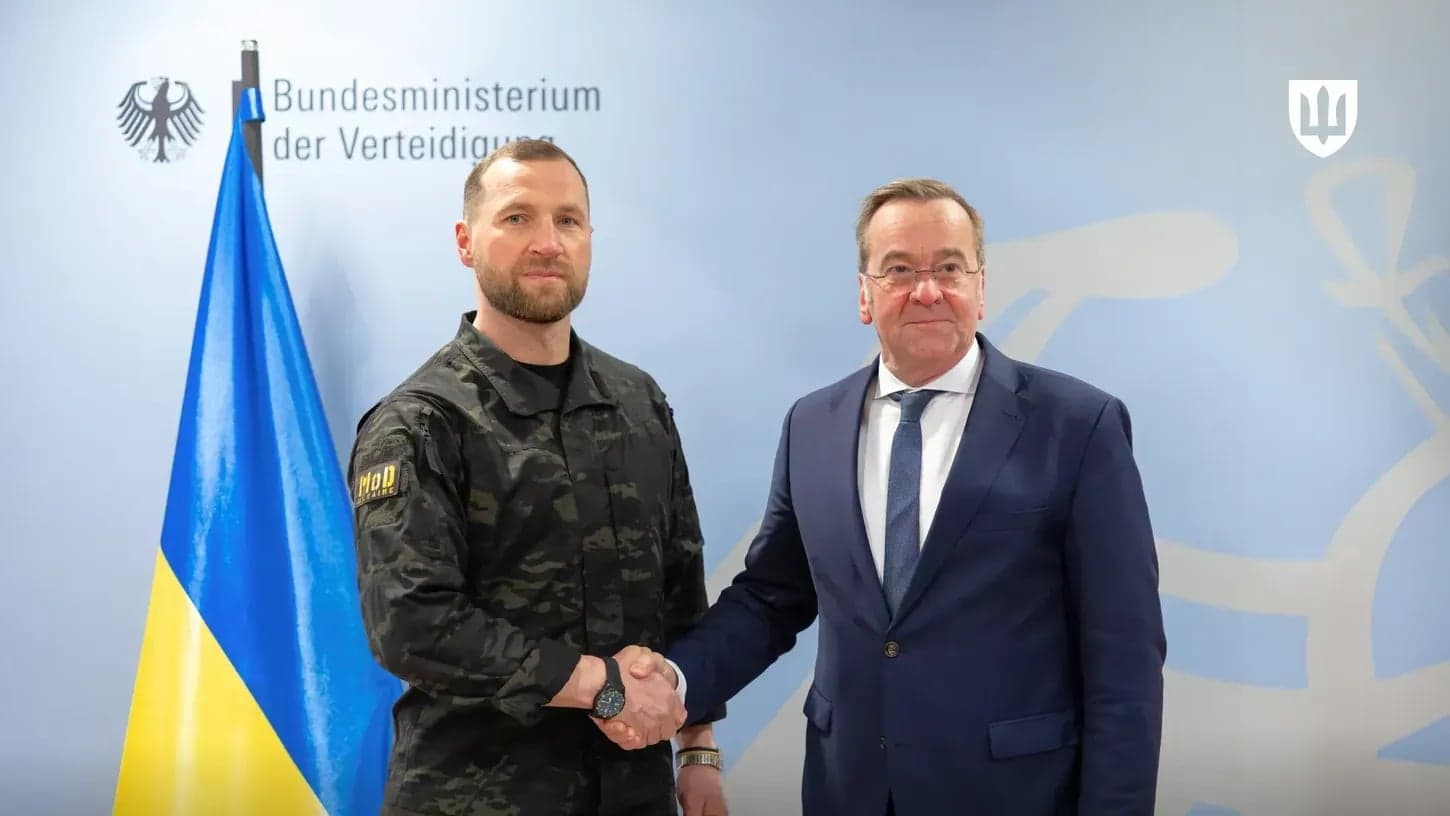
In a significant realignment of European defense-industrial integration, Germany and Ukraine finalized a landmark bilateral defense-technology agreement in Berlin on November 23, 2026, which was formally detailed by Ukraine’s Ministry of Defence on November 24[1][2]. German Defense Minister Boris Pistorius and his Ukrainian counterpart, Yevhenii Khmara - making his inaugural official visit to Berlin - signed a letter of intent that makes the Bundeswehr the first foreign military granted operational access to Delta, Ukraine’s proprietary real-time battlefield management and situational awareness software[1][2].
Delta, which has been deployed throughout Ukraine’s frontline drone and defense operations, integrates live feeds from surveillance drones, commercial and military satellite imaging, radar returns, and forward-observer reporting into a dynamic, 360-degree situational picture[1][3]. The Bundeswehr conducted field trials with Delta in October alongside Ukrainian specialists, leading Berlin to prioritize adopting the system to modernize its command and operational response speeds[3][4]. Under the newly established "DELTA Lab" framework, German software engineers will work directly with Ukrainian developers to adapt the code for Bundeswehr operational units and build new combat functionalities[1]. In accordance with the agreement's strict data security provisions, Germany receives the core software platform without gaining access to Ukraine’s active combat data or classified operational logs[1].
The bilateral ministerial summit also yielded concrete hardware manufacturing agreements[5]. Pistorius and Khmara formalized an initiative to establish production lines inside Germany to manufacture Ukraine’s "Babka" reconnaissance drone, backed by an initial German financial commitment of approximately €34 million[5]. Ukrainian officials further announced that Berlin and Kyiv had reached a preliminary agreement covering the delivery of additional air-defense interceptor missiles to protect critical Ukrainian infrastructure ahead of winter[2].
This partnership marks an unprecedented inversion in traditional Western-Ukrainian military relations[1]. Whereas European powers previously acted exclusively as equipment donors and trainers, high-intensity drone warfare has forced major NATO militaries to actively import battlefield software, doctrines, and unmanned systems designed and combat-tested by Kyiv[6][1]. For Germany, embedding Ukrainian battle-management architecture into the Bundeswehr bypasses years of protracted procurement cycles, solidifying Berlin’s role as the central logistical and industrial anchor of Europe’s rearmament program[6][1][4].
- Delta
- Bundeswehr
- Boris Pistorius
Story 5 of 6
2 min read
European Commission Launches New Sanctions Package and Centralized Enforcement Office
The European Union has unveiled its 22nd sanctions package targeting Russia, which includes banking restrictions, a visa ban for military personnel, and measures against Russia's shadow tanker fleet. Alongside these sanctions, the EU has established a centralized Sanctions Office to improve enforcement and prevent the circumvention of trade restrictions.
Read the full storyFold the full story2 min · 3 sources
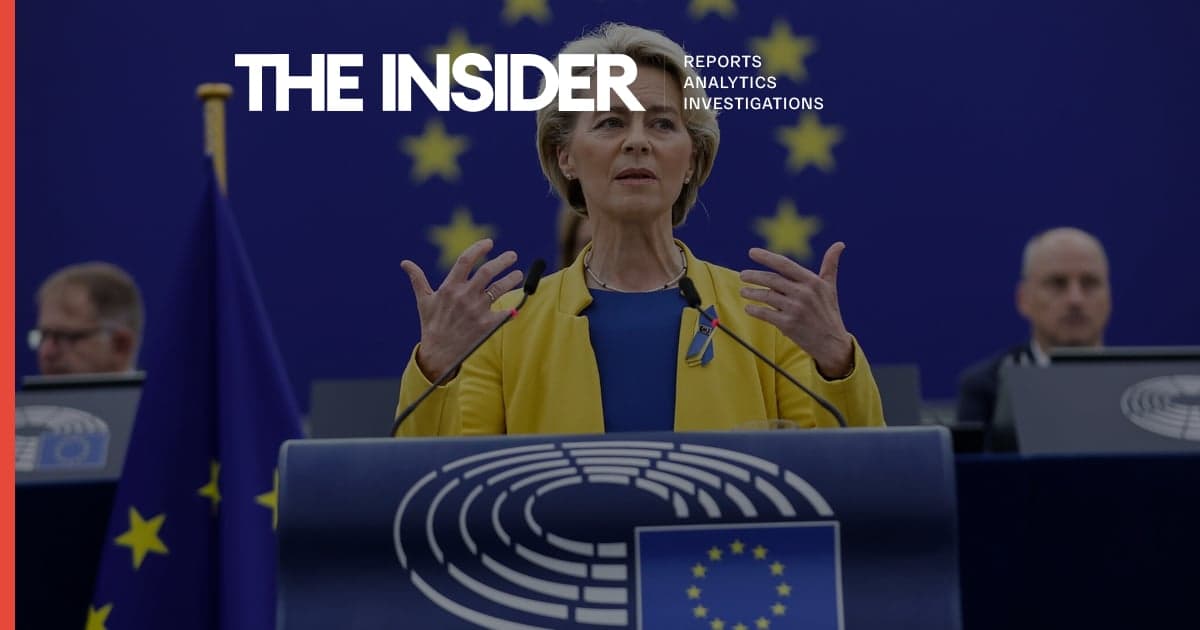
The European Union advanced a sweeping escalation of its economic statecraft on November 23, 2026, as European Commission President Ursula von der Leyen officially presented the draft framework for the bloc’s 22nd sanctions package against the Russian Federation[1][2]. Designed to restrict Moscow's capacity to finance its prolonged war effort, the draft sanctions introduce punitive measures aimed at closing persistent loopholes in European financial, industrial, and social spheres[1][2].
Key provisions of the package include an explicit visa ban prohibiting entry into the European Union for Russian military personnel and ex-combatants who participated in the invasion of Ukraine - a measure championed by EU foreign policy chief Kaja Kallas[2]. Economically, the proposal cuts an additional 60 Russian banking institutions off from the SWIFT international financial messaging network and imposes blocking sanctions on 70 additional vessels belonging to the "shadow fleet" facilitating circumvented oil exports[2]. The directive also bars EU citizens from holding executive or board-level positions within Russian enterprises, bans European firms from participating in the construction, maintenance, or repair of energy infrastructure inside Russia, and institutes comprehensive bans on Russian athletic delegations displaying official symbols or flags within European sporting venues[2].
Parallel to the 22nd package, European institutions operationalized significant administrative machinery to overcome chronic enforcement fragmentation[3]. Reports published on November 23 highlighted the operational rollout of the newly established "EU Sanctions Office," formally set up by the European Commission, alongside a specialized "EU Crypto Sanctions Task Force"[3]. The new central office consolidates intelligence and compliance specialists from the Secretariat-General, the Directorate-General for Financial Stability, Financial Services and Capital Markets Union (DG FISMA), DG TRADE, DG TAXUD, and the European Anti-Fraud Office (OLAF)[3].
This institutional restructuring represents a decisive doctrinal transition for Brussels, moving beyond the sheer volume of designations toward aggressive, coordinated anti-circumvention[3]. In tandem with the EU Sanctions Envoy, the EU Sanctions Office is empowered to provide rapid legal guidance, analyze cross-border transaction anomalies, and interface directly with G7 partners and third-country transit hubs across Central Asia and the South Caucasus[3][1]. By targeting digital-asset concealment schemes and tracking secondary trade flows, the EU aims to dismantle the intermediary supply networks that have enabled Russian defense manufacturers to access dual-use components despite multi-year Western trade embargos[3].
- European Commission
- Ursula von der Leyen
- Kaja Kallas
Story 6 of 6
2 min read
U.S. and Qatar Strengthen Security and Tech Ties at Strategic Dialogue
U.S. and Qatari officials held their eighth Strategic Dialogue in Washington to reinforce bilateral relations. The countries signed agreements on artificial intelligence, critical minerals, and defense cooperation. Discussions also focused on Middle Eastern security and regional mediation efforts.
Read the full storyFold the full story2 min · 10 sources
U.S. Secretary of State Marco Rubio and Qatari Prime Minister and Minister of Foreign Affairs Sheikh Mohammed bin Abdulrahman bin Jassim Al Thani convened the eighth U.S.-Qatar Strategic Dialogue in Washington, D.C.[1][2]. The bilateral talks produced a joint declaration reaffirming their strategic alignment under President Donald Trump and Qatari Amir Sheikh Tamim bin Hamad Al Thani as the two nations prepare to mark 55 years of official diplomatic relations[2]. Central to the ministerial sessions were formal agreements to accelerate bilateral cooperation, including the signing of an Artificial Intelligence Acceleration Partnership and a memorandum of understanding governing the processing of critical minerals[3]. The delegations also reaffirmed joint commitments to the Pax Silica initiative and reviewed progress under the $38 billion bilateral defense cooperation framework, with talks focusing on expanding Qatar’s integrated air and missile defense architecture and counter-drone capabilities[4][5].
The high-level gathering took place against the backdrop of strained Middle East security dynamics and intense, behind-the-scenes diplomacy regarding the conflict between the United States and Iran[6]. While President Trump had recently expressed skepticism toward multilateral negotiations and signaled a more rigid posture toward Tehran, Doha has sustained its role as a primary diplomatic intermediary[7][6]. Alongside his meetings with Rubio at the State Department, Prime Minister Al Thani engaged in consultations with Vice President JD Vance at the White House[8]. The discussions followed earlier consultations between Qatari diplomats, regional stakeholders, and U.S. envoys Jared Kushner and Steve Witkoff aimed at de-escalating naval and missile confrontations across regional waterways[6].
Key institutional actors involved in the bilateral sessions included the U.S. Department of State, the Qatari Ministry of Foreign Affairs, and senior defense officials attached to the U.S.-Qatar Military Consultative Commission[2][5]. On the Qatari side, Prime Minister Al Thani was accompanied by Minister of State Dr. Mohammed bin Abdulaziz Al Khulaifi and Minister of State for Foreign Trade Affairs Dr. Ahmed bin Mohammed Al Sayed[3]. U.S. Ambassador to Israel Mike Huckabee framed Washington’s regional posture during concurrent remarks at an Institute for National Security Studies (INSS) conference, warning that while the administration prefers diplomatic paths, it remains prepared to resume decisive military strikes if deterrence fails[9][10].
The strategic implications of the dialogue center on energy security and commercial shipping stability[2]. Both nations explicitly reaffirmed the imperative of preserving unhindered freedom of navigation through the Strait of Hormuz, identifying the strategic chokepoint as indispensable to global energy markets and supply chain resilience[2][4]. By formalizing partnerships in critical mineral refining and advanced artificial intelligence technologies alongside traditional defense agreements, the United States and Qatar are working to institutionalize their economic and defense alignment well into 2027[2][3].
- United States
- Qatar
- Marco Rubio
You're all caught up.
That's every story in Tuesday's PiBrief Geopolitics. And there's a newer edition waiting for you.
All PiBrief Geopolitics editions
Subscribe to receive daily briefings about geopolitics and world news in your email.
Get PiBrief Geopolitics in your inbox
A free newsletter on geopolitics and world news. Diplomacy, conflict, the global economy, and elections, ranked and explained, with an audio briefing in every edition.
Free forever / no account / 1-click unsubscribe